The original PlayStation didn’t just host rhythm games; it basically invented it. Before we had expensive plastic guitar peripherals cluttering our closets, we had funky dogs, dancing aliens, and some of the weirdest Japanese imports imaginable. Sony cultivated a library that felt less like a software catalog and more like a curated record store.
Developers took massive risks, mixing pre-rendered FMVs with addictive gameplay loops that tested our reflexes and our patience. These PS1 rhythm games combined infectious soundtracks with addictive gameplay, bringing underground club culture and Japanese arcade trends into our Western living rooms.
This list highlights the absolute peaks of that musical mountain. Whether you want to produce your own tracks or just mash buttons to a funky bassline, let’s discover the 10 best PS1 rhythm & music games that turned the PlayStation into a party machine.
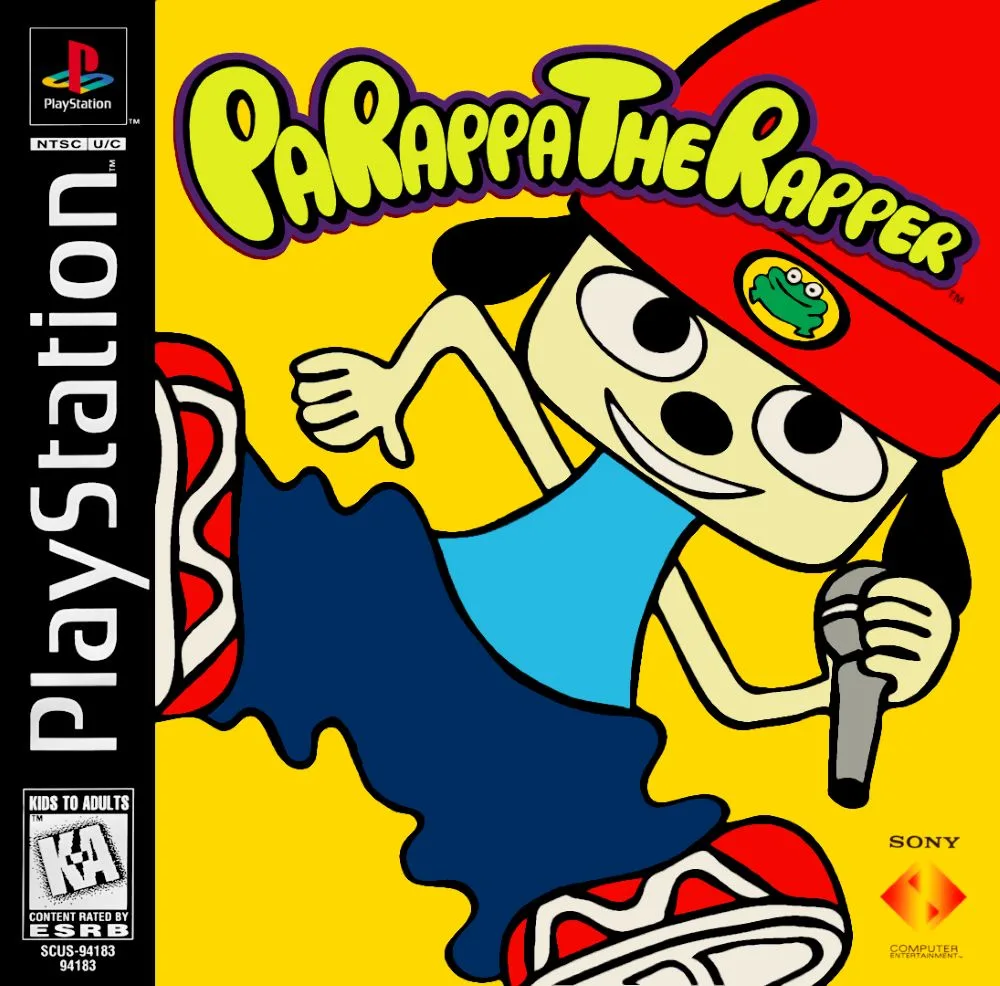
PaRappa The Rapper
- Developer: NanaOn-Sha
- Release Date: December 6, 1996
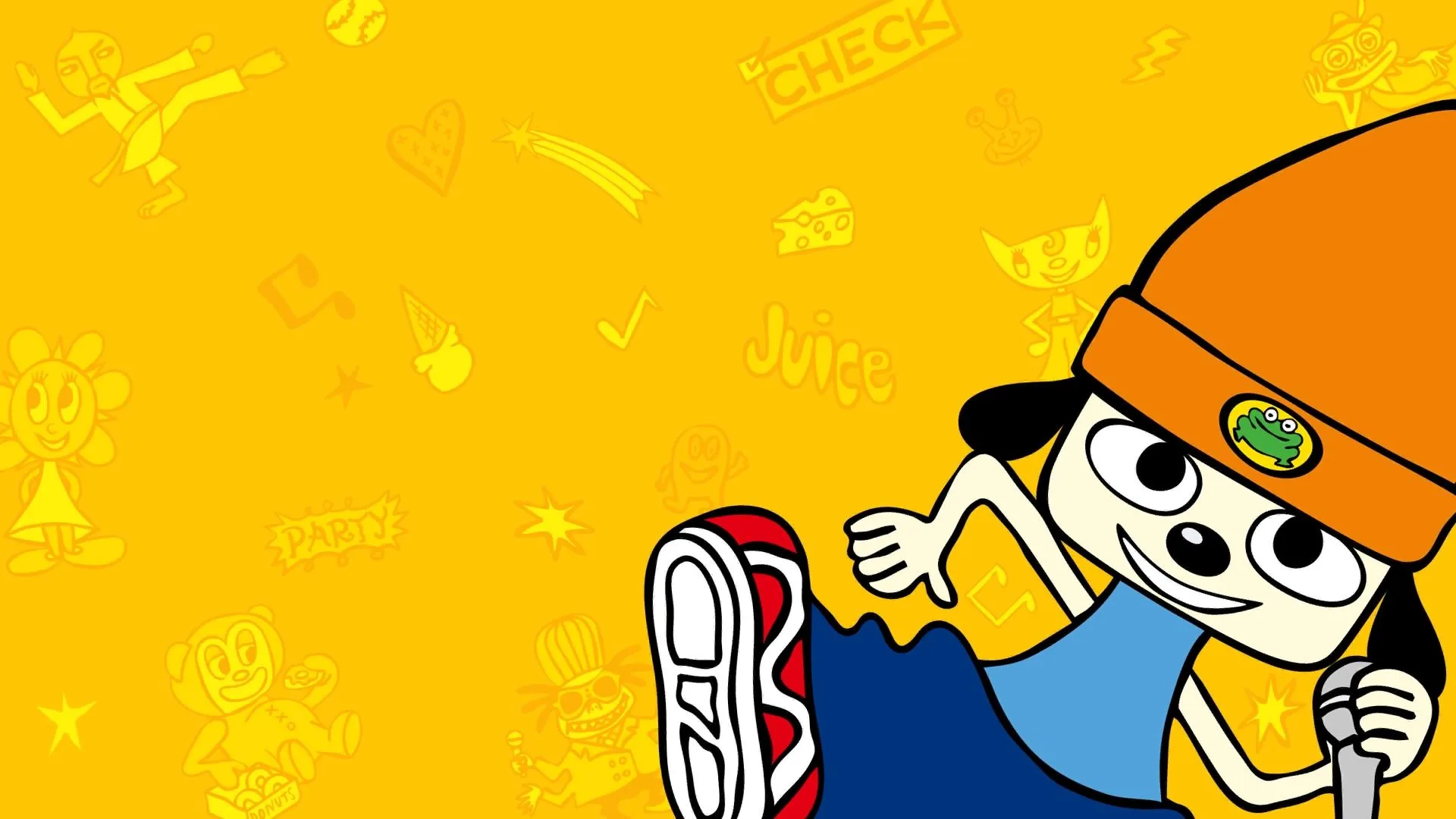
You cannot talk about PlayStation history without mentioning the flat-as-a-pancake canine who started it all. PaRappa The Rapper didn’t just introduce us to the concept of rhythm action; he basically slapped a beanie on the entire console’s identity. The game utilizes a call-and-response mechanic that feels deceptively simple until the icons start flying across the screen. You listen to the master’s line and then mimic the timing precisely to keep your “U’ Rap” meter from plummeting. Success in this game requires more than just robotic precision; it demands a soulful flow. Honestly, the aesthetic of Rodney Greenblat’s 2D paper-thin characters in a 3D world still looks incredible today.
Why It's Worth Playing: Despite being a short game, every minute in PaRappa The Rapper overflows with personality and catchy tunes that you will hum for weeks. Plus, seeing a giant onion teach karate through the power of rap provides a level of pure joy that modern, gritty games usually lack. If you're a fan of music games, you need to experience this classic.
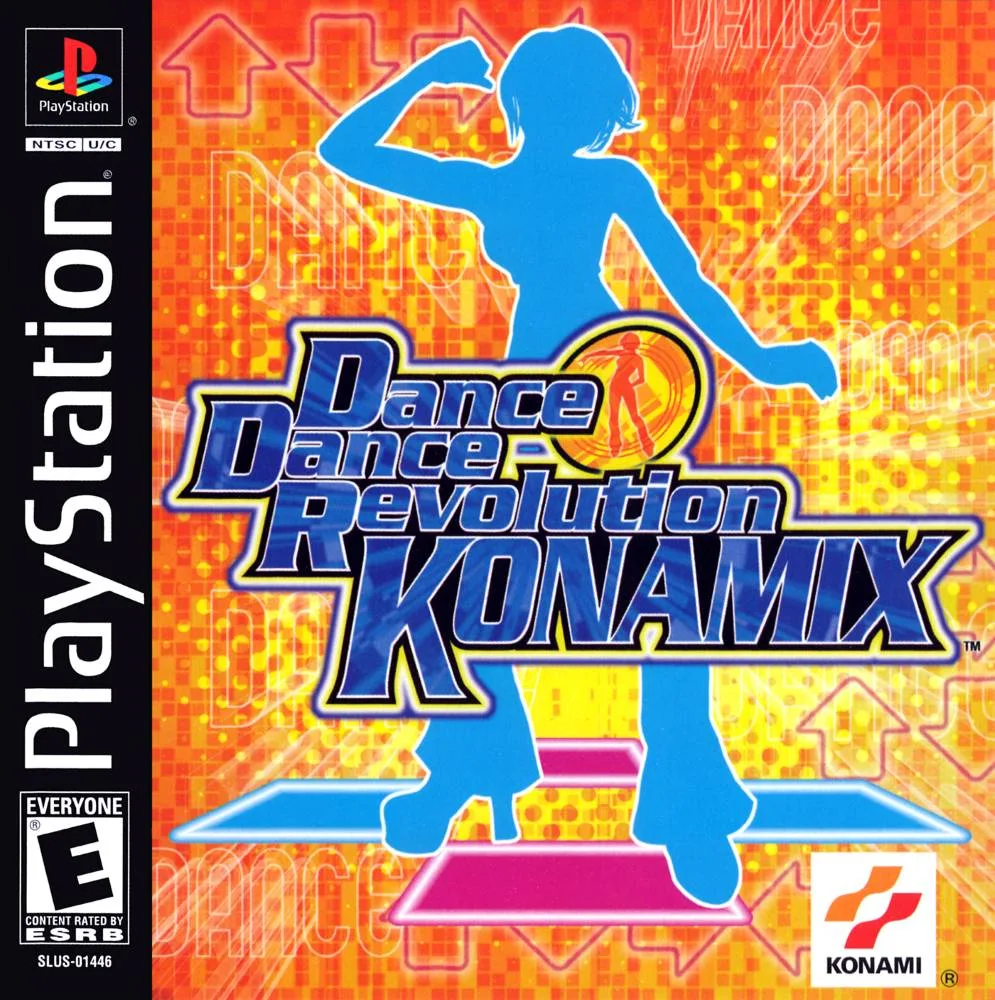
Dance Dance Revolution KONAMIX
- Developer: Konami
- Release Date: April 25, 2002
Dance Dance Revolution KONAMIX was Konami’s ultimate swan song for the PS1, packing in a massive 52-track setlist that spans the best of the early arcade iterations. You get a mix of bubblegum J-pop, Eurobeat, and those weirdly intense Konami original tracks that make your legs feel like jelly. The interface received a slick overhaul here, making it feel much more pro than the earlier home ports. The game organizes everything beautifully, allowing you to jump between your favorite “Nonstop” courses or grind out high scores in the Workout mode. The difficulty curve in KONAMIX doesn’t mess around, offering everything from “Basic” to the soul-crushing “Maniac” steps.
Why It’s Worth Playing: Dance Dance Revolution KONAMIX represents the absolute peak of the DDR series on the original PlayStation hardware. It offers the most robust song list and the most polished interface, ensuring you never run out of challenges. If you want to experience why the world went crazy for directional arrows and heavy basslines, this is the essential disc for your collection.
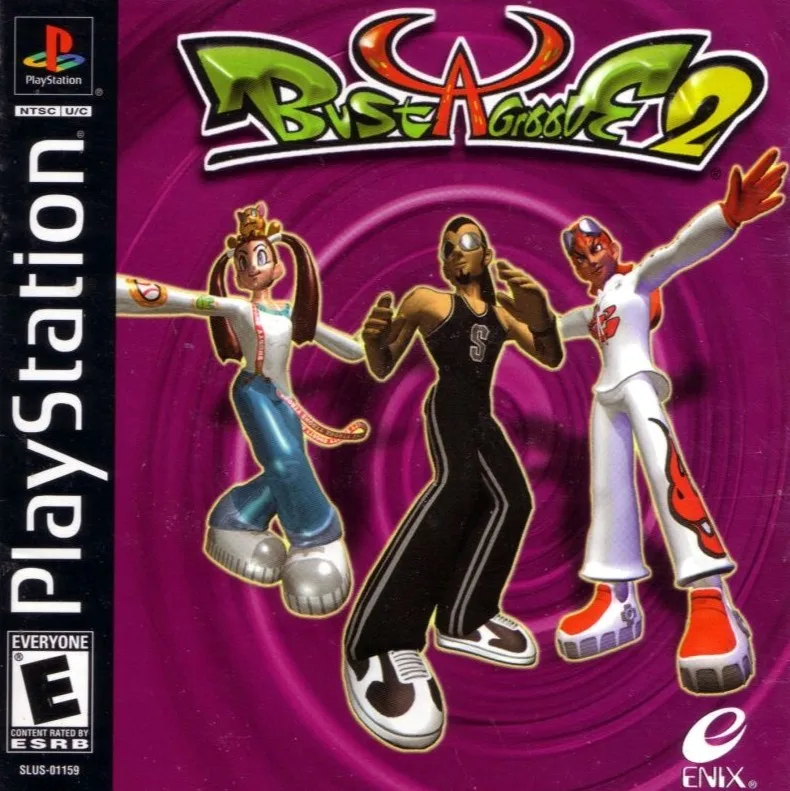
Bust-A-Groove 2
- Developer: Metro Graphics
- Release Date: April 15, 1999
Bust-A-Groove 2 took the “fighting game meets rhythm” concept of the first game and turned into a full-blown disco inferno. The gameplay sticks to the script: you input a sequence of directions and hit the circle or x button on the fourth beat to execute a move. But everything feels tighter, faster, and significantly more punishing. The Command Arrow system now includes “Power-Ups” and “Reflects,” allowing you to screw over your opponent with a well-timed attack. The roster expanded to include some truly bizarre newcomers alongside returning icons like Heat and Strike. Each character brings a unique musical genre to the table, ensuring the soundtrack never feels repetitive.
Why It’s Worth Playing: Bust-A-Groove 2 is the ultimate party rhythm game for the PS1. The soundtrack is a masterclass in late-90s house, disco, and hip-hop that will have you tapping your feet long after you turn off the console. It offers a competitive edge that most music games lack, making it a perfect pick for a retro gaming night with friends.
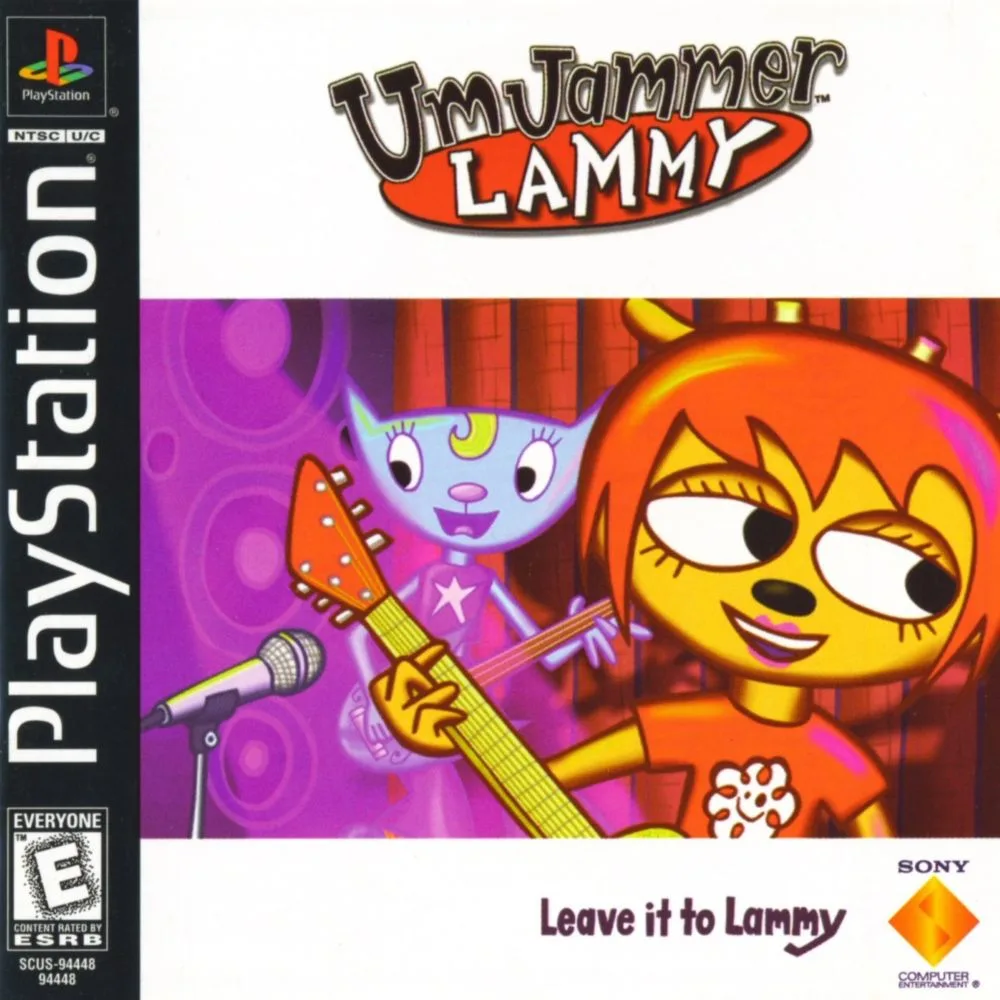
Um Jammer Lammy
- Developer: NanaOn-Sha
- Release Date: March 18, 1999
A spin-off to PaRappa the Rapper, Um Jammer Lammy follows Lammy, a shy lamb who transforms into a rock goddess the moment she picks up her instrument. The gameplay follows the familiar “Simon Says” button-matching, but introduces a heavy rock flavor that feels much more frantic than its predecessor. The visuals retain that iconic paper-thin Rodney Greenblat style, but the stages feel much more ambitious and weirder. You’ll find yourself helping a flight attendant give birth (don’t ask) and working at a chainsaw-wielding woodcutter’s shop. The soundtrack is a catchy blend of punk, pop, and funk that proves NanaOn-Sha were the undisputed kings of music games.
Why It’s Worth Playing: Um Jammer Lammy is the perfect example of a sequel that takes a massive risk by changing its core identity. While the difficulty spikes might make you want to throw your controller across the room, the sheer creativity on display makes it impossible to put down. If you want a game that challenges your hands while tickling your funny bone, Lammy has you covered.
Vib-Ribbon
- Developer: NanaOn-Sha
- Release Date: December 9, 1999
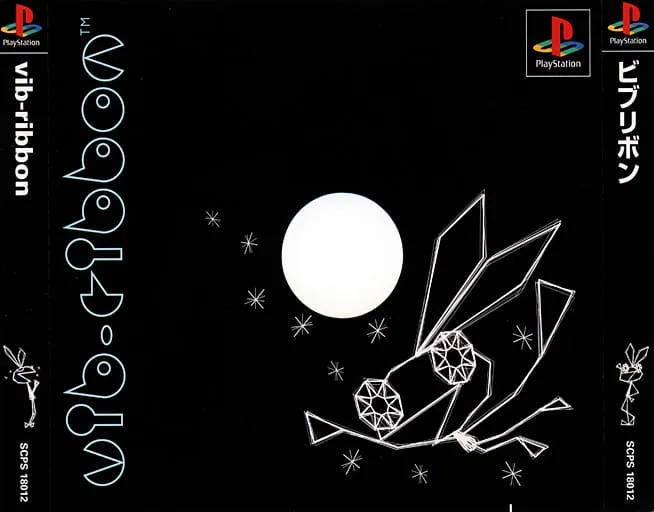
Vib-Ribbon is a minimalist masterpiece that proves artistic vision and a solid hook beat high-poly counts every single time. You control Vibri, a high-strung vector rabbit traversing a never-ending line that generates obstacles based on the frequency and tempo of the music: blocks, loops, pits, and spikes. The real killer feature here involves the PS1’s hardware. Once the game loads into the console’s RAM, you can swap the game disc for any audio CD in your collection, making it a game-changer for replayability. Even if you don’t use your own CDs, the built-in tracks by the band Laugh and Peace are catchy, J-pop-infused gold.
Why It’s Worth Playing: Vib-Ribbon is a technological marvel that still feels ahead of its time. The ability to play your own music collection gives it infinite longevity, which is something very few games from 1999 can claim. If you appreciate bold design and want to see the PS1 do something truly unique with its hardware, Vibri is your best friend.
Bust-A-Groove
- Developer: Metro Graphics
- Release Date: January 29, 1998
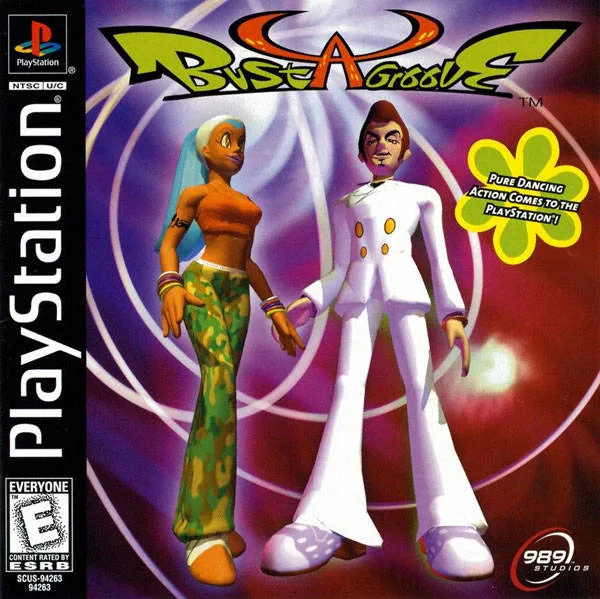
The original Bust-A-Groove (known as Bust a Move in Japan) dropped like a bomb on the rhythm scene, essentially merging a fighting game’s competitive DNA with a dance simulator. introduced us to the most stylish duel on the PlayStation. The game uses a command-input system, where you can input a sequence of directions and hit a face button on the fourth beat of the measure to execute a move. Miss a beat? Your character stumbles, your score tanks, and you lose your “Fever” momentum. The roster in this game is legendary, and the game uses motion-captured data from real dancers to give the animations an incredibly fluid look.
Why It’s Worth Playing: The original Bust-A-Groove is a masterpiece of hybrid design that hasn't really been replicated since. The music is catchy enough to live in your head rent-free for the next twenty years, and the vibrant visuals still pop even on a modern display. Whether you’re looking for a serious challenge or just want to see some of the best art direction of the 32-bit era, this is a mandatory play.
Beat Planet Music
- Developer: Sony Computer Entertainment
- Release Date: January 20, 2000
Beat Planet Music is a total techno-fueled hidden gem that feels like a playable music video. This game presents a world where you navigate through 3D environments that pulse and shift to the music. While it looks like a simple rhythm matcher, the speed and rhythmic complexity of the later planets will absolutely melt your brain. The collaboration with Production I.G (the legends behind Ghost in the Shell) ensures that every transition and animation feel incredibly slick. The soundtrack features legendary electronic artists, capturing that Y2K feeling where the future felt bright, digital, and exceptionally loud.
Why It’s Worth Playing: Beat Planet Music offers a sophisticated, mature take on the rhythm genre that still feels incredibly modern today. The dreamlike atmosphere and sleek electronic soundtrack provide a gaming experience that is both relaxing and deeply engaging. It’s a literal time capsule of Y2K futurism that belongs in every collector's library.
Dance Dance Revolution
- Developer: Konami
- Release Date: April 10, 1999
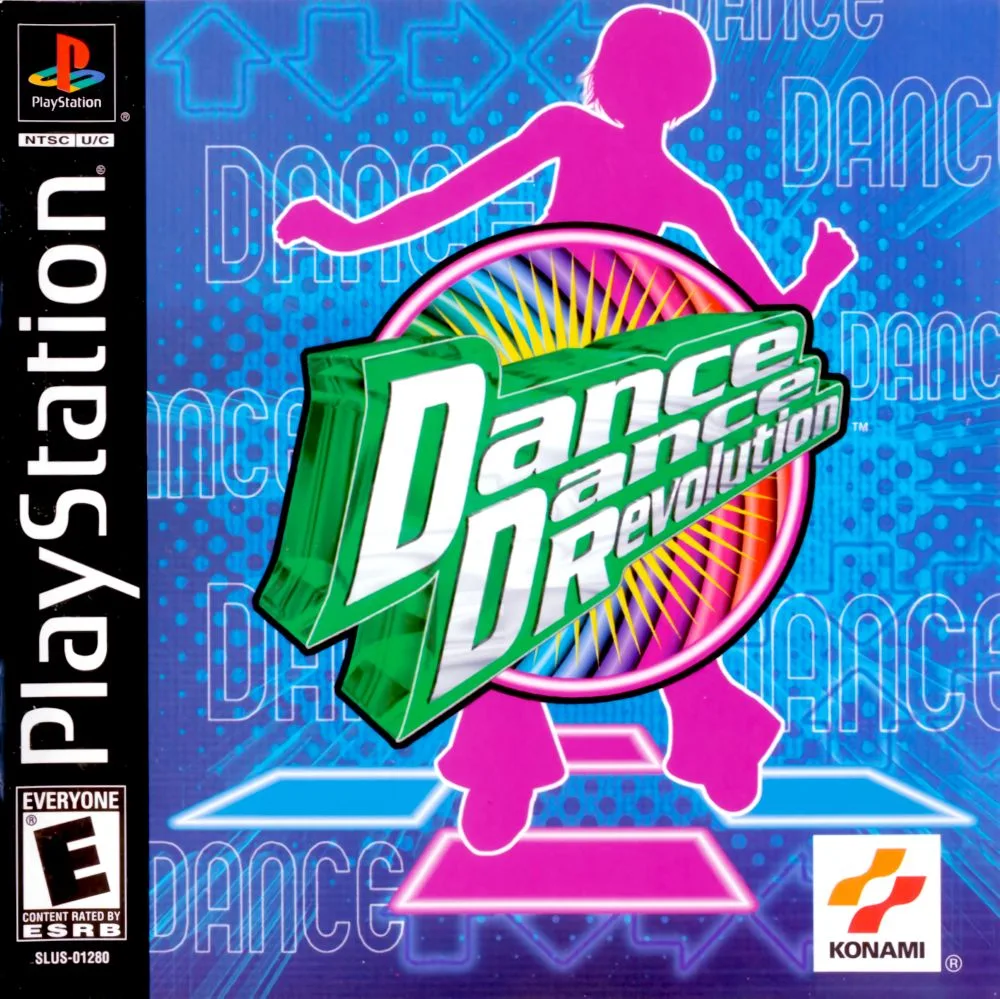
Dance Dance Revolution (or DDR for the cool kids) didn’t just launch a franchise; it took the world by storm, transforming the PlayStation from a mere console into a full-body aerobic workout. DDR only uses four directions, but the escalating speed and complex patterns turn it into a high-stakes game of Twister. The soundtrack is a glorious time capsule of late-nineties electronic music. From bubblegum pop to hardcore techno, every track was designed to get your heart rate spiking. The home version offered various modes, but the Nonstop Challenge was where legends were made (and knees were ruined).
Why It's Worth Playing: Dance Dance Revolution is the ultimate party game that actually gets people off the couch. It offers a perfect blend of sweaty challenge and nostalgic charm, proving that sometimes the best way to interact with a game is to literally jump all over it. Grab a mat, find your rhythm, and try not to trip over the cord—it’s a total blast.
Beatmania
- Developer: Konami
- Release Date: October 1, 1998
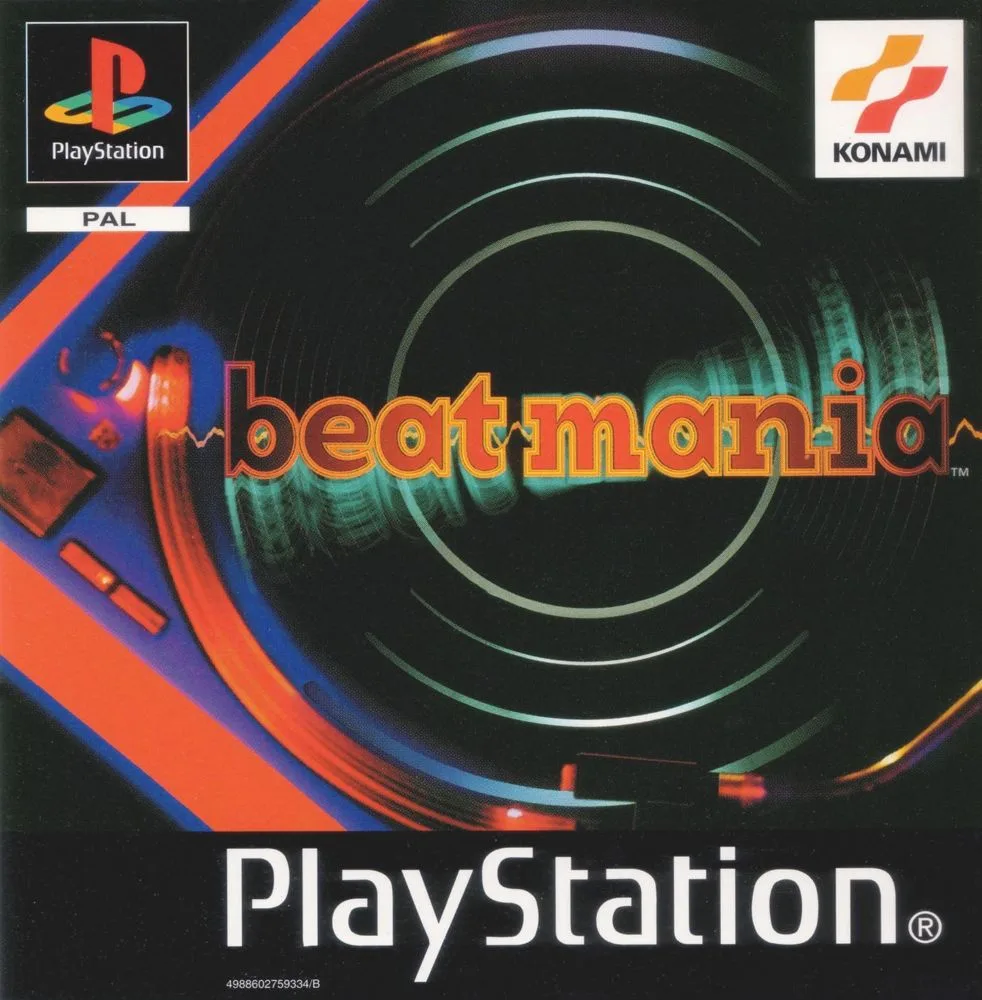
Long before Guitar Hero made everyone think they were a rock legend, Beatmania was busy turning us all into bedroom DJs, and it felt way cooler than it had any right to be. The gameplay is deceptively simple but difficult to master. You have to manage five distinct keys and the turntable, which requires a level of hand-eye coordination that usually results in a tangled mess of fingers. The tracklist is a masterclass in late-90s electronic music, spanning everything from soulful house to frantic breakbeats. Konami even released a bespoke turntable controller featuring five keys and a scratch disc that felt surprisingly tactile.
Why It's Worth Playing: Beatmania is a foundational pillar of rhythm gaming DNA, offering a raw, unfiltered look at where the obsession began. The aesthetic is incredibly sleek, the music is legitimately great even by today’s standards, and the mechanical satisfaction of a successful scratch is unmatched. If you want to see where the rhythm genre truly found its soul, you have to go back to the decks.
MTV Music Generator
- Developer: Jester Interactive
- Release Date: November 26, 1999
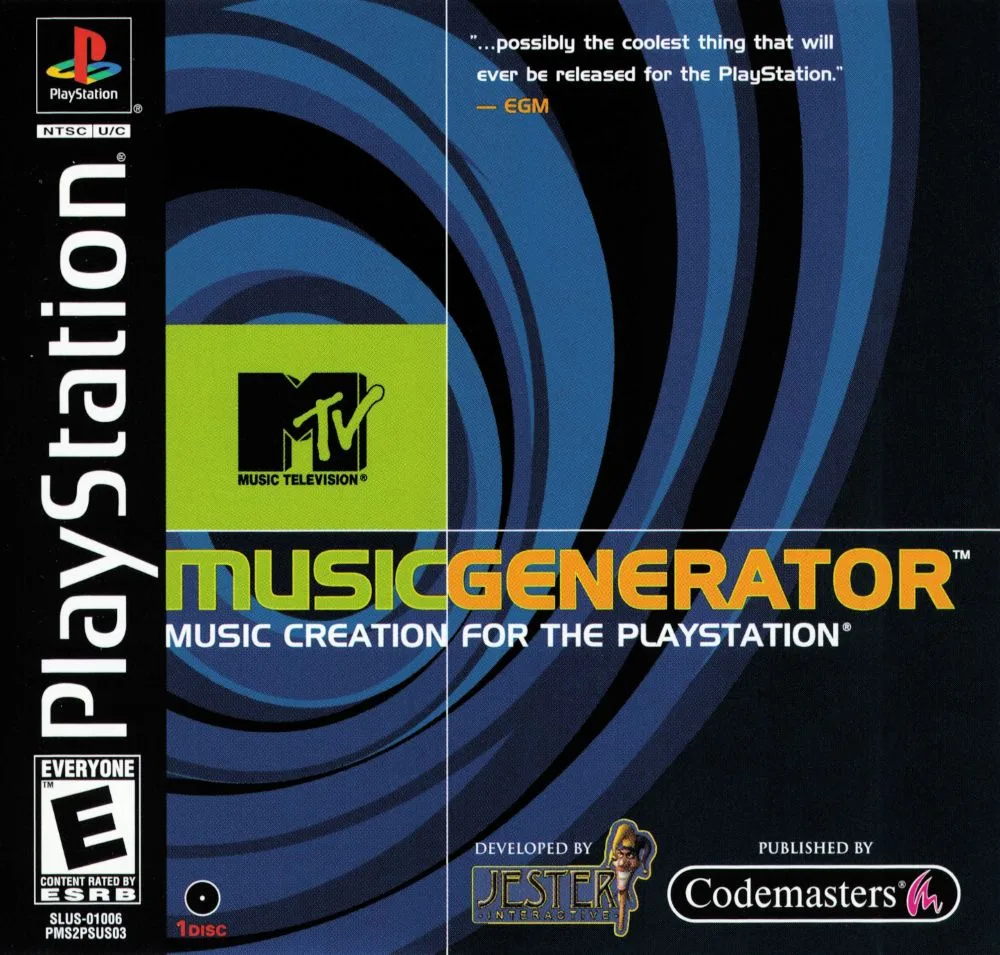
MTV Music Generator (also known as Music 2000 across the pond) turned the PS1 into a legitimate digital audio workstation, proving that the console was a creative powerhouse. The interface looks like a spreadsheet had a baby with a futuristic control room, which might seem daunting at first. However, once you grasp the riffer-style sequencing, you can build entire masterpieces from scratch. The sheer depth of the 9,000+ sample library is staggering for 32-bit hardware. You could manipulate pitch, add reverb, and even use a “sampling” feature to pull audio from your own music CDs. The 3D visualizer also allowed you to create a full-blown music video to accompany your tracks, providing an immersive experience.
Why It's Worth Playing: MTV Music Generator is the ultimate tool for anyone who wants to peek behind the curtain of music production. While modern software is obviously more powerful, the constraints of the PS1 hardware force you to be more creative than you’d be with an unlimited modern laptop. If you have a few hours to kill and want to produce a banger tech-house anthem, this "game" is still a productive, addictive blast.
Frequently Asked Questions (FAQ)
Can I really play my own music in Vib-Ribbon?
Yes! It is easily one of the coolest hidden features of the console. Because the entire game is so small (under 2MB), the PlayStation loads the software into its internal memory. You can pop the lid, swap the game for a music CD, and watch the game generate levels based on your own tracks. FYI, high-tempo drum and bass tracks create some of the most lethal obstacle courses you’ll ever see.
What happened to the Bust-A-Groove franchise?
It’s a bit of a tragic tale for fans. After the second game, the series moved to the PS2 with Bust-a-Gua 3 (Dance Summit 2001), but it never officially left Japan. Legal hurdles over music licensing and the developer, Metro, moving on to other projects effectively put the series on ice. It remains one of the most requested revivals for modern consoles because that rhythm-combat gameplay is still so unique.
Is MTV Music Generator actually professional software?
Surprisingly, yes. While it was marketed as a game, several Grime pioneers in the UK reportedly started their journey using the PAL version of the software (Music 2000) because it was a much cheaper alternative to expensive studio equipment at the time. If you can navigate the 99-track interface, you’ve basically learned the fundamentals of modern music production.
Is the North American version of Um Jammer Lammy censored?
You bet. In the original Japanese version, the transition to the fourth stage involves Lammy slipping on a banana peel, dying, and going to Hell (which was full of fire and a heavy metal devil). To keep the “E for Everyone” rating in North America, Sony changed the volcano-themed Hell stage into a tropical island.
Do these games work with modern TVs?
This is the big one. Because these games rely on frame-perfect timing, the input lag on modern 4K TVs can make them almost unplayable. If you’re playing on original hardware, you might need a low-latency converter or an old-school CRT monitor to get that “Perfect” rating. There’s nothing more frustrating than failing a song because your TV processed the image a millisecond too late.
Final Mix
So, there you have it—the definitive list of the plastic-stomping, button-mashing masterpieces that turned the PlayStation into a legend. Looking back, the PlayStation 1 didn’t just give us a few fun distractions; it built the entire foundation for the modern music game empire. Without the risks taken by these developers, we might never have experienced the stadium-filling highs of Guitar Hero or the VR-infused intensity of Beat Saber.
From the paper-thin charm of PaRappa to the living room cardio of DDR, these games provided the rhythmic heartbeat of our childhoods. They proved that you didn’t need a massive budget or photorealistic graphics to create an unforgettable experience; you just needed a solid hook and a steady beat. So, which of these 32-bit classics are you dusting off first? Whether you still have your original discs or you’re hunting them down for the first time, these games prove that great rhythm never goes out of style.

At HyperComboGamer, we believe great games deserve great coverage. That means no filler, no clickbait, or fanboyism—just honest, high-quality reviews, features, and guides that put gamers first. Whether you’re a lifelong enthusiast or just starting your gaming journey, you’ll find interesting gaming perspectives that will leave you fully satisfied.