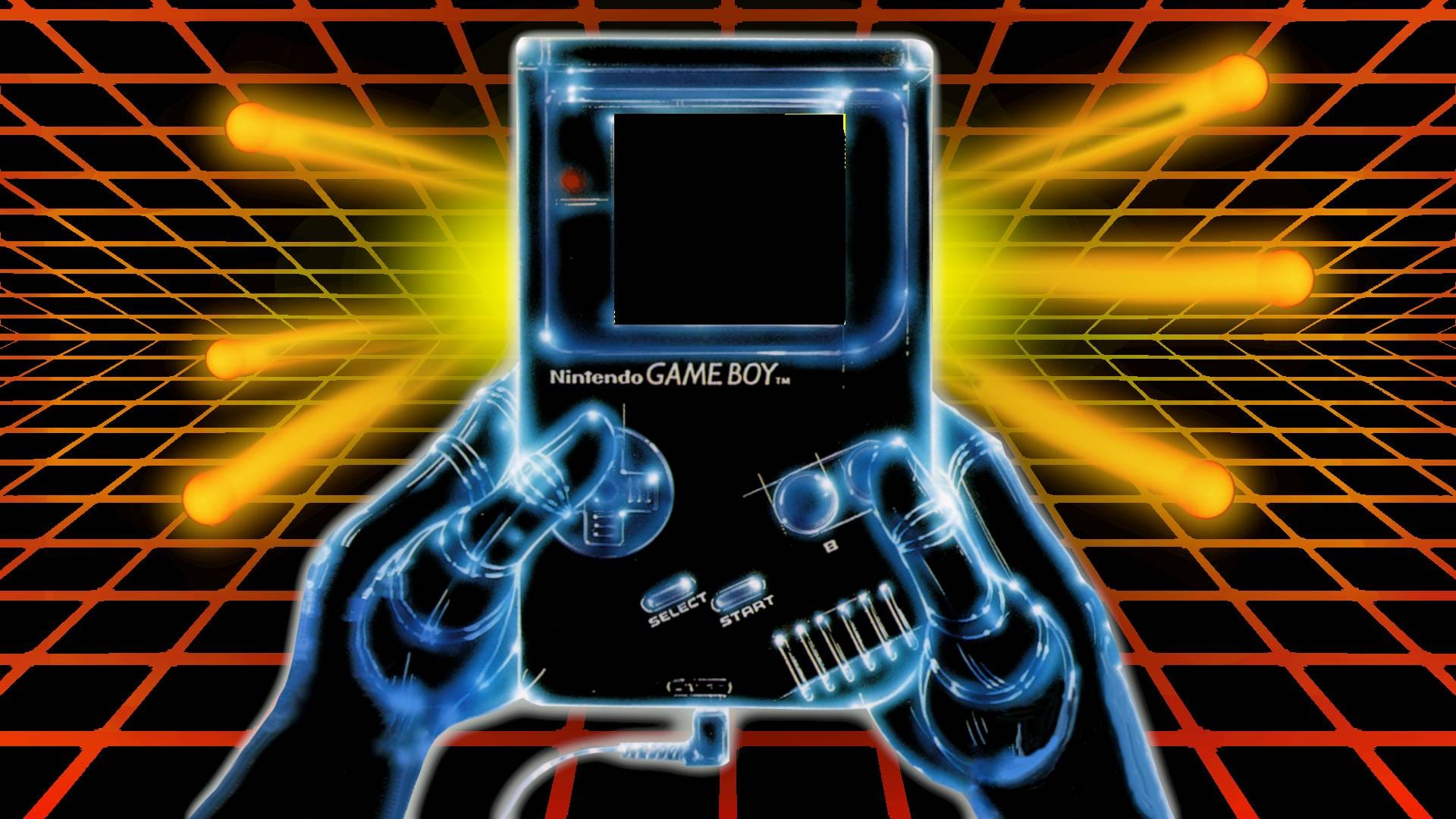
If you were a kid in the 90s, you probably have a vivid memory of squinting at a tiny, pea-soup green screen just to clear one more line in Tetris or guide Mario through a monochrome kingdom. By all accounts of modern tech logic, the Nintendo Game Boy should have been a curious relic of the late 80s. Instead, it became a cultural juggernaut that proved that in the world of handheld gaming, portability beats raw power every single time.
Long before we had smartphones glued to our palms, Gunpei Yokoi and Satoru Okada were figuring out how to squeeze the charm of the NES into something that could survive a drop down a flight of stairs. From the humble, custom-printed screens of the Game & Watch to the global phenomenon of Pokémania, the Game Boy’s decade-long reign is the stuff of industry legend. Grab your four AA batteries and dial in that contrast wheel—we’re diving into the history of the Game Boy, the little gray brick that conquered the world.
The Train Ride That Changed Everything
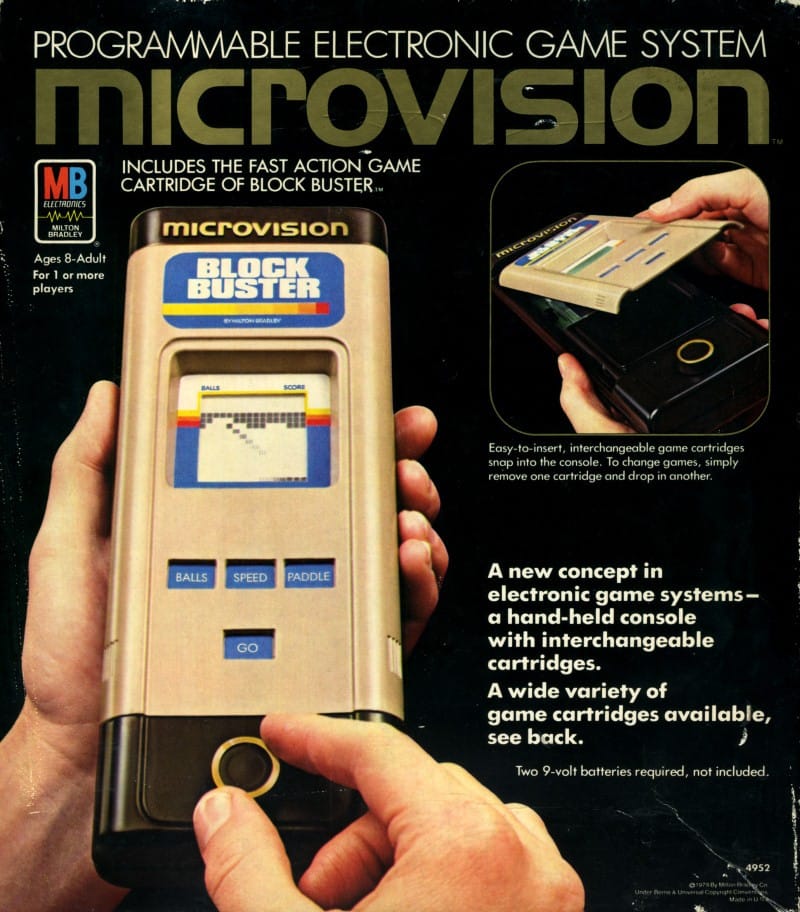
Microvision
Long before Nintendo became synonymous with the playground, the landscape of portable play was a jagged, LED-strafed wasteland. In the 1970s, companies like Mattel were throwing spaghetti at the wall, hoping a few glowing red dots and some primitive, rhythmic beeping would pass for entertainment. Then came 1979. Milton Bradley stepped up to the plate with the Microvision—a device that promised a programmable revolution and delivered, well, exactly sixteen pixels. It featured interchangeable cartridges and an LCD matrix that, on paper, signaled the arrival of a new era.
The reality was far bleaker. With a CPU clocked at a glacial 0.1 MHz, the Microvision wasn’t so much a gaming console as it was a digital struggle. It could barely shuffle a handful of blocky squares across its minute screen without breaking a metaphorical sweat. The hardware was vestigial; the imagination of the public remained largely unsparked. It was the right idea executed at a time when silicon technology was still in its awkward, clunky infancy.
Gunpei Yokoi (1941-1997)
While Milton Bradley was banging its head against the ceiling of current tech, a Nintendo engineer named Gunpei Yokoi was having a much quieter, commute-driven discovery. Yokoi observed a fellow passenger—a salaryman—absentmindedly clicking away at a miniature LCD pocket calculator to kill time. Yokoi theorized that if a person could be captivated by the tactile feedback of a calculator, they would be utterly enthralled by a dedicated gaming device built on the same architecture. It was the ultimate “Aha!” moment that bridged the gap between the toy world and the arcade.
Game & Watch: The 40 Million Unit Revolution
The brilliance of Yokoi’s approach lay in his refusal to engage in a technical arms race. Milton Bradley’s Microvision had already proven that trying to render complex, moving pixels on early LCDs was a fool’s errand—the hardware simply choked on the data. Yokoi’s “Lateral Thinking with Withered Technology” philosophy provided a clever workaround that bypassed the need for immense processing power.
Instead of a versatile but taxing pixel grid, he utilized custom-printed LCD screens. These displays featured pre-determined shapes—a ball, a chef, a bucket—that lived beneath the glass, waiting to be toggled on by a single, solitary byte of data. This meant that the hardware could remain incredibly cheap and durable, while providing whimsical, hand-drawn artwork that gave the games a personality that raw pixels couldn’t match at the time.
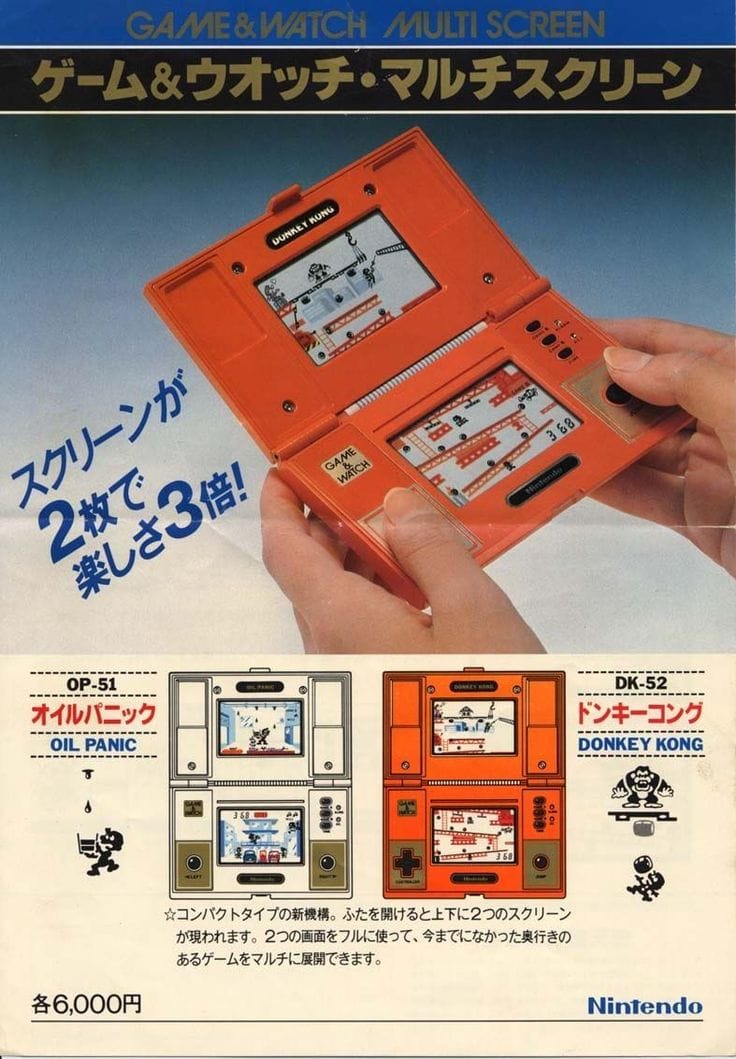
This philosophy manifested as the Game & Watch, a series of sleek trinkets that doubled as digital timepieces. Just as the name suggests, each Game & Watch was a dual-threat of late-century convenience: a single, dedicated game and a digital clock squeezed onto a pocket-sized LCD screen. From 1980 to 1991, Nintendo unleashed a staggering 60 different titles, ranging from the frantic juggling of Ball to the early, dual-screen heroics of Donkey Kong.
The results were undeniable. With over 40 million units sold worldwide, the Game & Watch didn’t just pad Nintendo’s coffers—it fundamentally altered the industry’s landscape. It proved that handheld gaming wasn’t a fleeting fad for the nursery; it was a viable, lucrative, and massive business. Suddenly, the portable market was no longer a sideshow—it was a high-stakes, viable business that could rival the silver-screen spectacles of the arcade.
Development of the Game Boy
The Game & Watch series offered charming, simple diversions, but a question began to surface in the mind of Gunpei Yokoi by 1987: what if you could take the real video game experience—the depth, the cartridges, the sprawling adventures—anywhere? The industry’s previous attempts to solve this riddle were littered with cautionary tales. The last time a Japanese titan had dared to challenge the status quo was in 1984 with the Epoch Game Pocket Computer. Despite hitting a reasonably attractive price point, the system withered and failed.
Satoru Okada
Yokoi knew that if Nintendo was to succeed, they couldn’t just repeat; they had to reinvent. He teamed up with his partner, the brilliant and often-understated Satoru Okada, to begin the difficult task of birthing a legend. While Yokoi fretted over the ergonomics and the “feel” of the device, Okada was tasked with the awkward job of cramming a functional computer into a casing that wouldn’t melt in a child’s hand or bankrupt their parents.
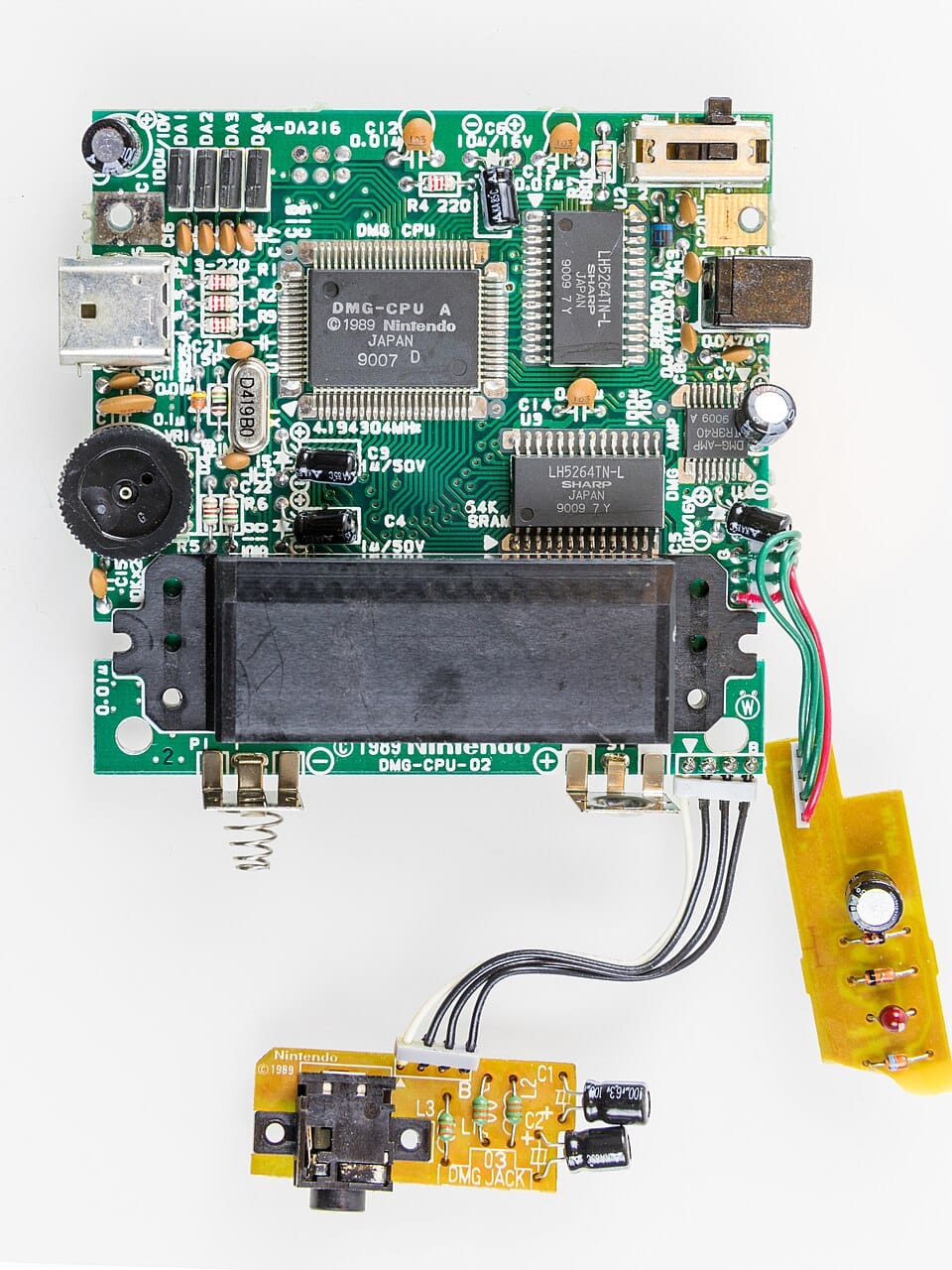
Nintendo’s leadership had set a strict ceiling—the system had to retail for under 13,000 yen to ensure it reached the pockets of the masses. This financial constraint turned development into a war of attrition against expensive components. The hardware of the Game Boy seemed, on paper, almost laughably modest even for 1989. The CPU was a custom Z80 variant, boasting a bit more power than the NES’s 6502 but hampered by a display that would become the stuff of legend.
Okada pushed for a sophisticated, high-contrast screen, but the budget demanded a monochrome LCD with only four shades of olive-green and gray. It was a pea soup aesthetic that would define a generation—not because it was beautiful, but because it was the only way to ensure the system remained affordable, durable, and, most importantly, capable of running for hours on just a few batteries. While many felt this visual choice was ugly, history would eventually vindicate this trade-off.
Mario vs. Tetris:The Battle for the Pack-In
Nintendo understood that hardware, no matter how sturdy, is merely a plastic shell without a soul to inhabit it. Super Mario Bros. had already established the blueprint for how a pack-in game could ignite a global phenomenon, so the pressure was on to ensure their new handheld didn’t end up in the bargain bin of history alongside the Microvision. Yokoi and Okada desperately needed to deliver a portable killer app, and the logical candidate was, of course, the company’s mustachioed Italian mascot.
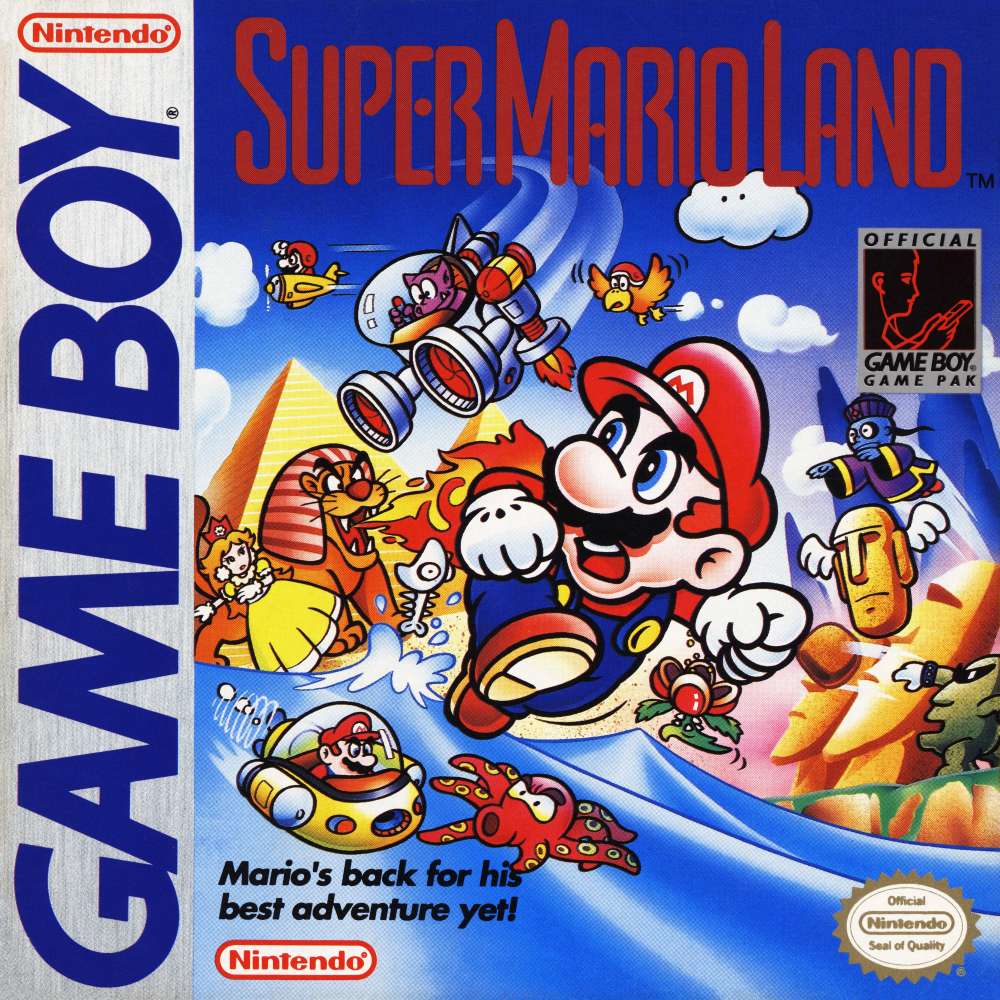
The result was Super Mario Land, a title that felt like a bite-sized version of the NES classic. While it lacked the sheer graphical heft of its console older brothers, it proved that a real, scrolling platformer could exist in the palm of your hand. It was the perfect technical showcase, yet even as Mario was being groomed for center stage, a far more addictive contender was quietly emerging from the Soviet Union.
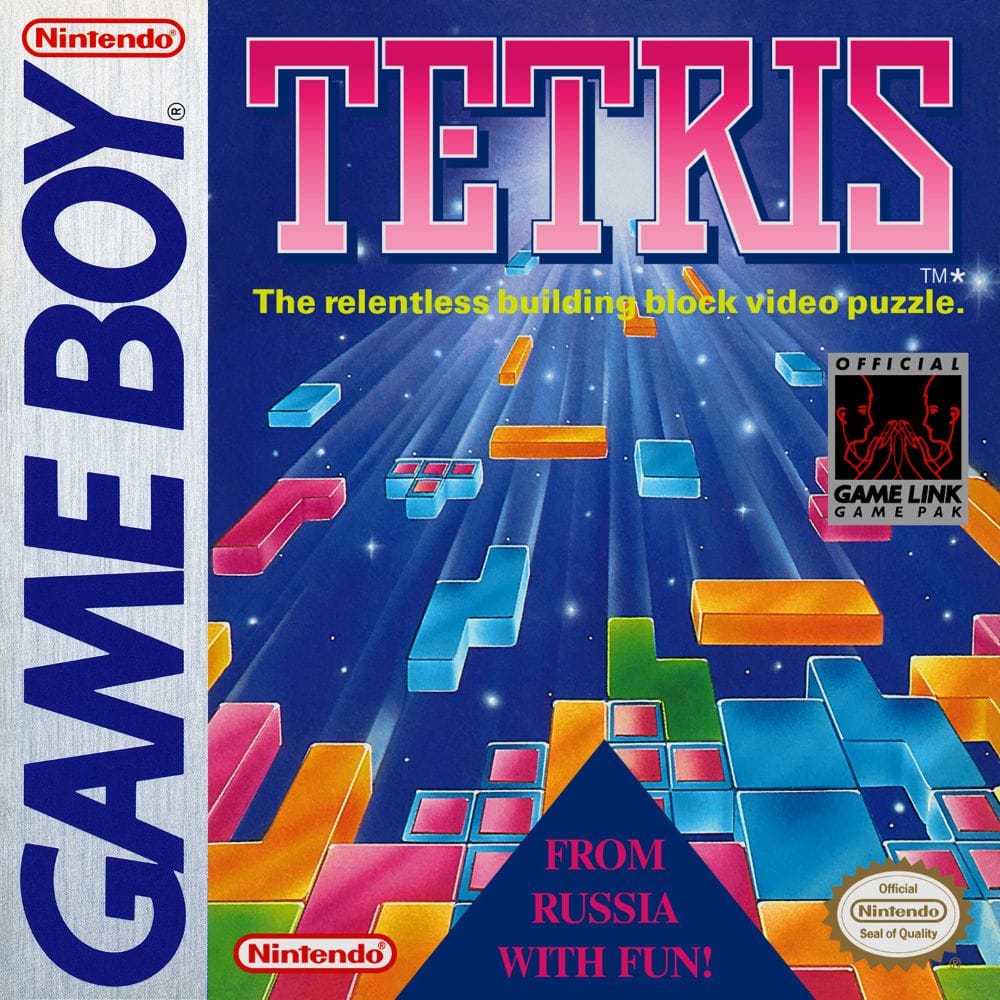
Tetris, a deceptively simple puzzle game created by Alexey Pajitnov, was already devouring productivity on PCs across the globe. Henk Rogers, a savvy entrepreneur who recognized the game’s hypnotic, universal appeal, saw the Game Boy as the perfect vessel for these falling blocks. He made a pitch to Nintendo of America’s Minoru Arakawa that would alter the course of history:
“If you want little boys to buy the Game Boy, pack in Mario. If you want everyone to buy it, pack in Tetris.”
It was a bold gambit that prioritized abstract geometry over high-flying heroics. Nintendo ultimately decided to bundle Tetris in the box, while launching Super Mario Land as a standalone title. This decision transformed the Game Boy from a toy into an essential lifestyle accessory. Suddenly, it wasn’t just kids in the back of minivans playing; it was business professionals on airplanes and grandparents in waiting rooms. The Masterpiece from Russia had turned a niche gadget into a ubiquitous cultural titan.
Launch Day: An Overnight Legend is Born
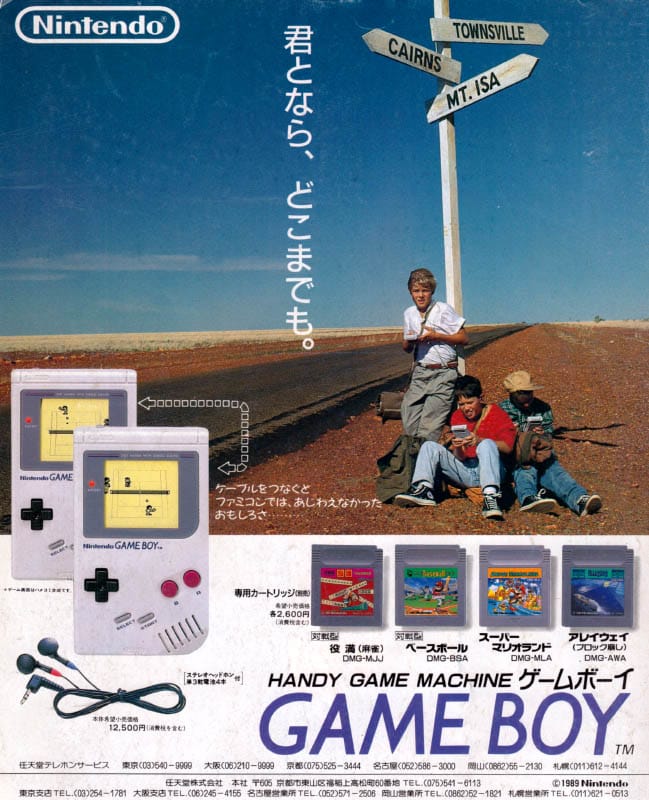
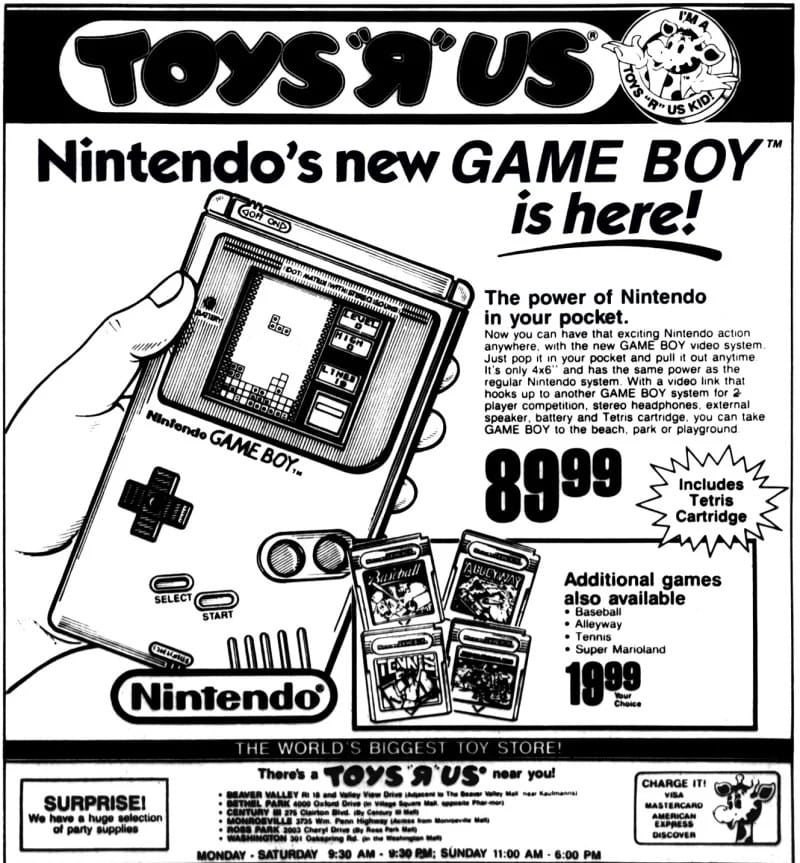
When the Game Boy finally hit Japanese retail shelves on April 21, 1989, the industry held its breath. Could a monochrome screen really hold its own in an era increasingly obsessed with “more power”? The answer was a resounding, deafening yes. Within the first two weeks, Nintendo’s initial stock of 300,000 units had completely evaporated. By the time the gray brick landed on American shores in July, the fervor had crossed the Pacific; Nintendo sold 40,000 units on the very first day. It was an overnight success that bypassed the slow-burn struggle the NES had endured years prior.
The competition, however, wasn’t going to let Nintendo walk away with the crown without a fight. A few months later, Atari launched the Lynx. On paper, it looked like a total Game Boy killer. The Lynx was a high-spec beast, boasting a 16-bit architecture, a massive full-color backlit screen, and a respectable library of original software. However, Atari fell into the same trap that had ensnared the Microvision a decade prior: they prioritized power over practicality.
The Game Boy can last for up to 30 hours on four AAs, could actually fit in a pocket, and was nearly $100 cheaper than the Lynx, making it the clear choice for parents during the holiday season. The high-powered Lynx was an expensive, massive power hog that frequently choked after just four or five hours of play. While Atari was fighting the battle of technical specifications, Nintendo was winning the war of usability, proving that longevity and a killer library were the ultimate trump cards in the handheld arena.
Kirby & Zelda:Mascots and Masterpieces
While the Game Boy was an undeniable commercial titan, the early software library faced a bit of an existential crisis. In those formative years, the strategy was often to take a beloved console or arcade hit, such as Double Dragon or Mega Man, and shrink it down. While playing these games on the go was a fun novelty back in the 90s, these titles often felt like skeletal versions of their console big brothers. Even Super Mario Land, despite its staggering 14 million sales, felt like a placeholder while we waited for something “real.”
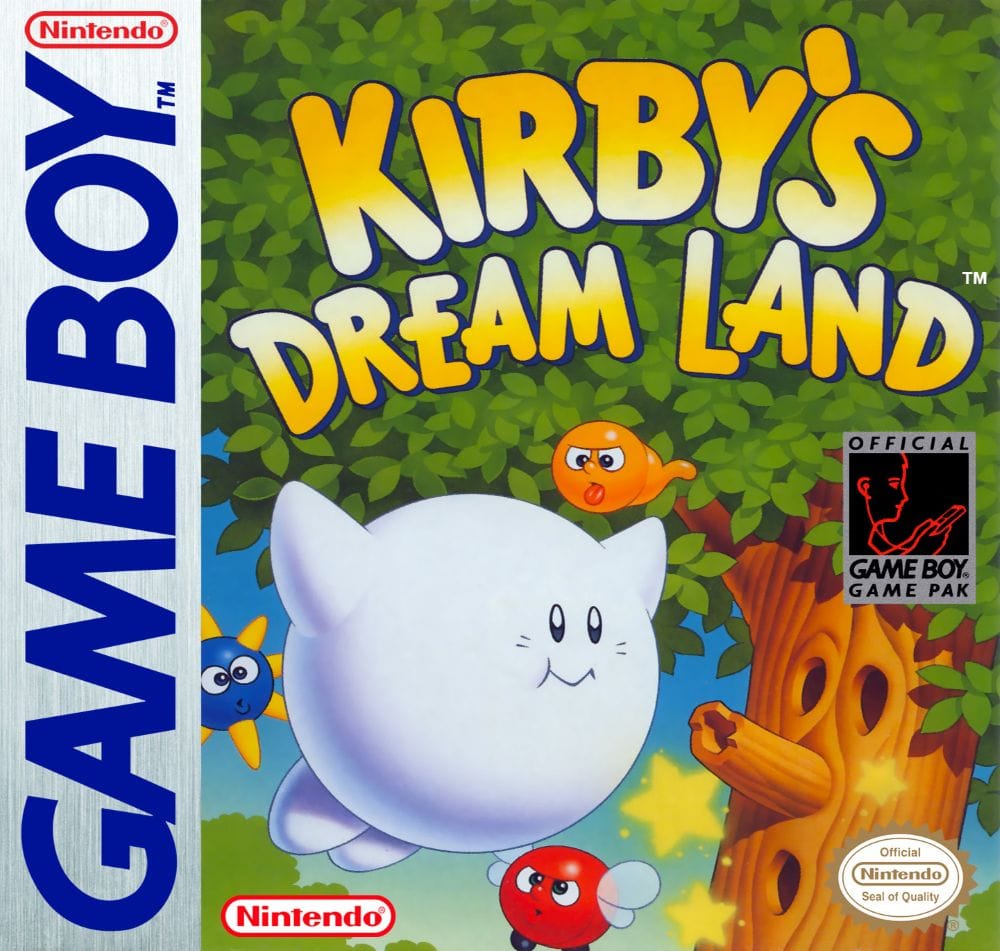
Nintendo realized that to survive the long haul, the Game Boy needed more than just echoes of home console glory; it needed to provide a legendary handheld experience. The turning point arrived in 1992 when HAL Laboratory delivered Kirby’s Dream Land. Kirby was the antithesis of the 90s edge; he was a cheerful, spherical glutton who prioritized breezy accessibility over punishing difficulty. It was a native handheld experience that didn’t feel like a hand-me-down, and it signaled that Nintendo’s portable was ready to cultivate its own enduring canon.
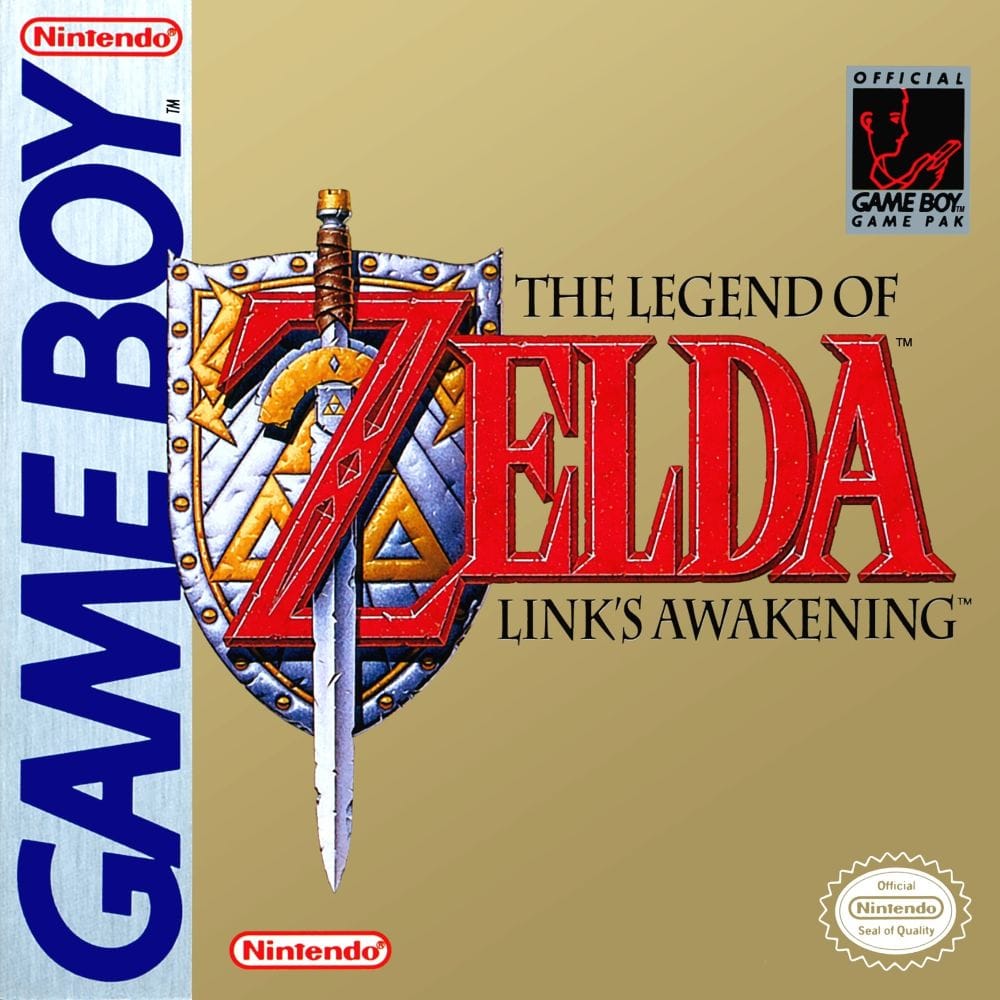
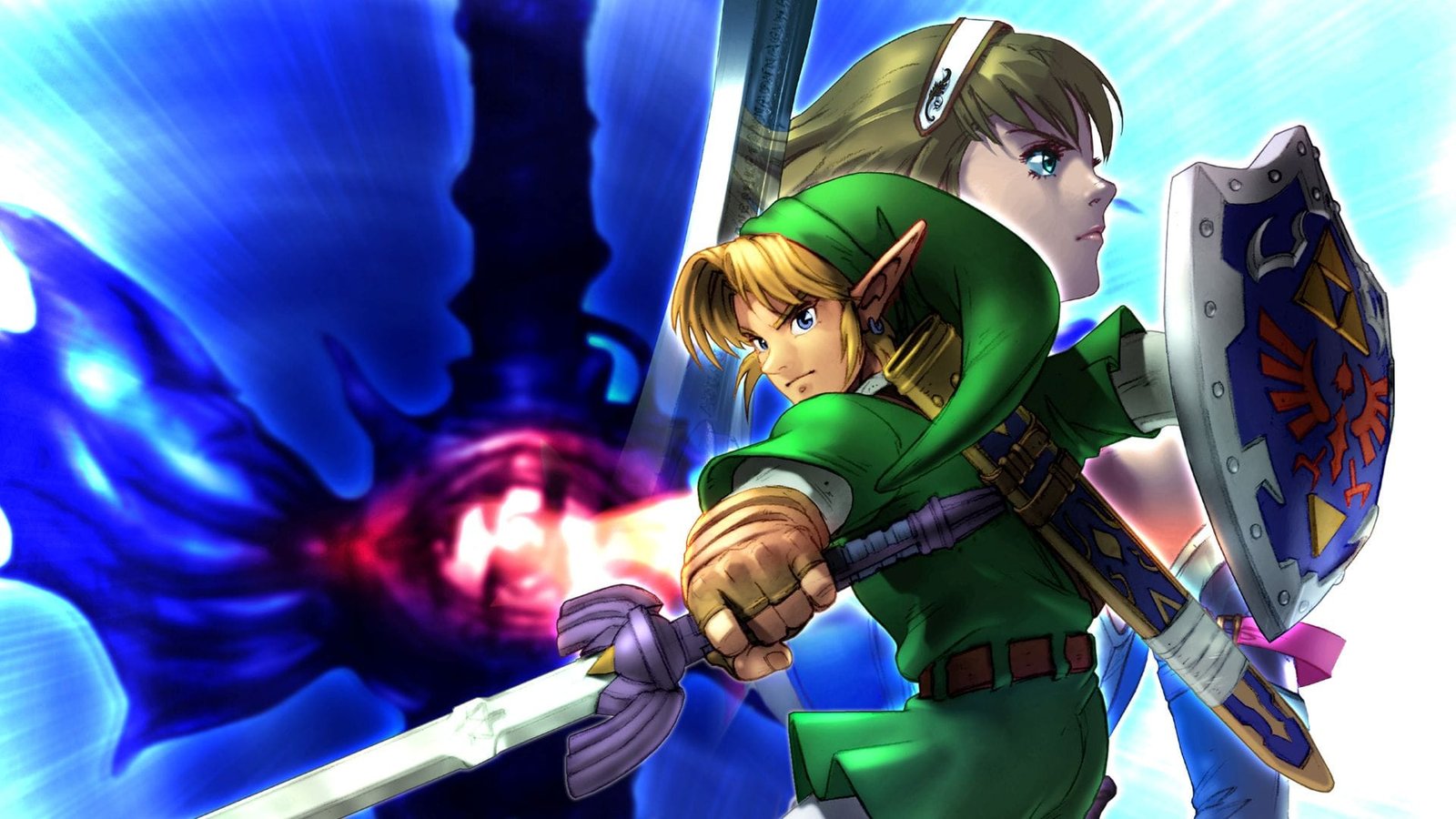
If Kirby gave the Game Boy its heart, then Link gave it its masterpiece. By 1993, the system was hitting its stride, but the looming shadow of more powerful home consoles threatened to make 8-bit portables look like yesterday’s news. Nintendo’s riposte was The Legend of Zelda: Link’s Awakening, a title that remains, quite arguably, the finest achievement in the system’s history. It wasn’t just a “good for a handheld” game; it was a world-class adventure that rivaled the complexity of A Link to the Past.
Link’s Awakening was a strange, beautiful departure for the series, whisking Link away from Hyrule to the enigmatic Koholint Island. It swapped out the Triforce for a giant egg atop a mountain and leaned into a dreamlike, almost Lynchian atmosphere. The critics were floored; EGM hailed it as a “masterpiece,” and players agreed, snatching up over 3.8 million copies of the original black-and-white version. It proved that the Game Boy could handle profound storytelling and deep mechanical systems, silencing anyone who still thought of it as a mere toy.
Teaching an Old Dog New Tricks: The Super Game Boy Era
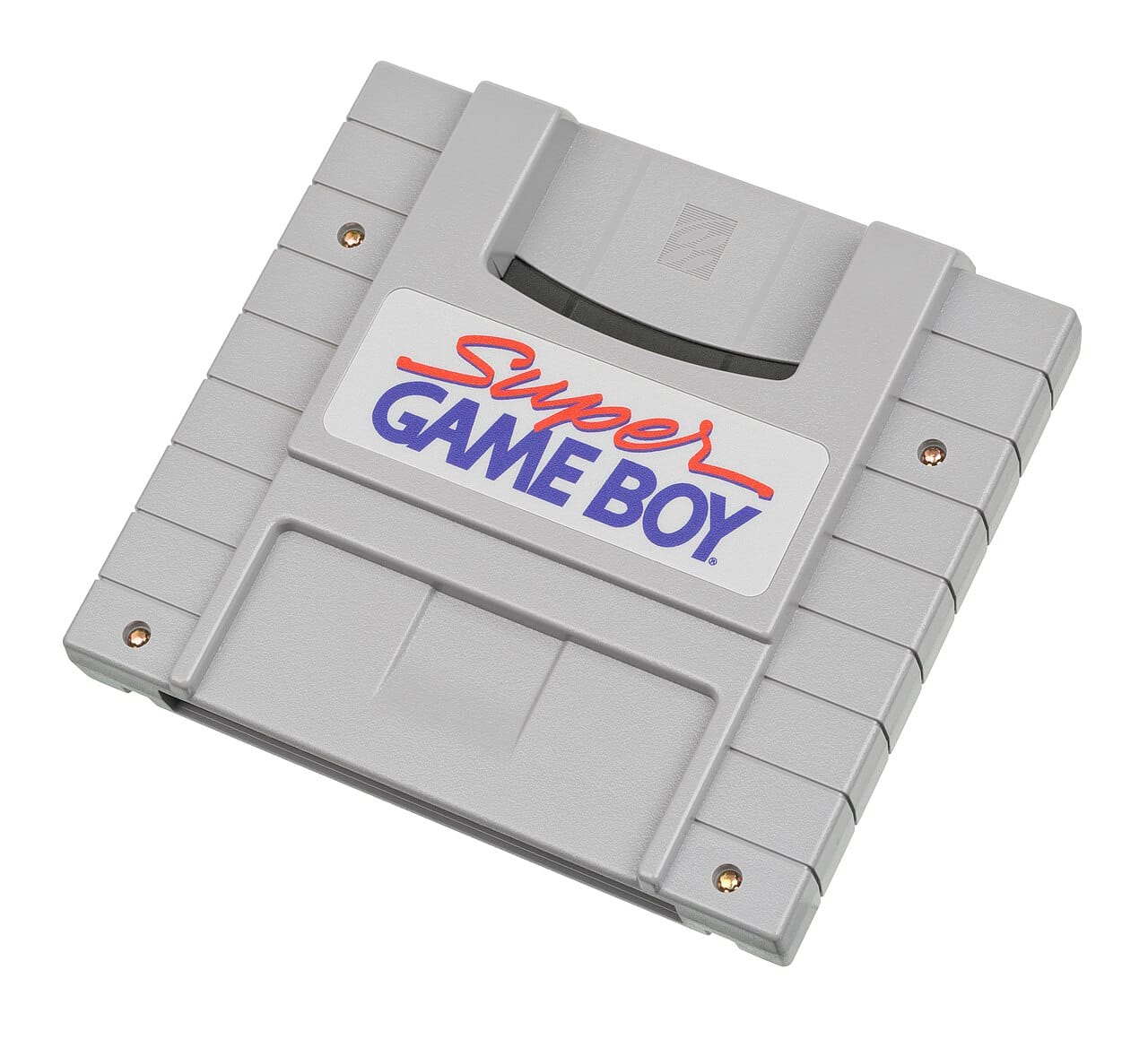
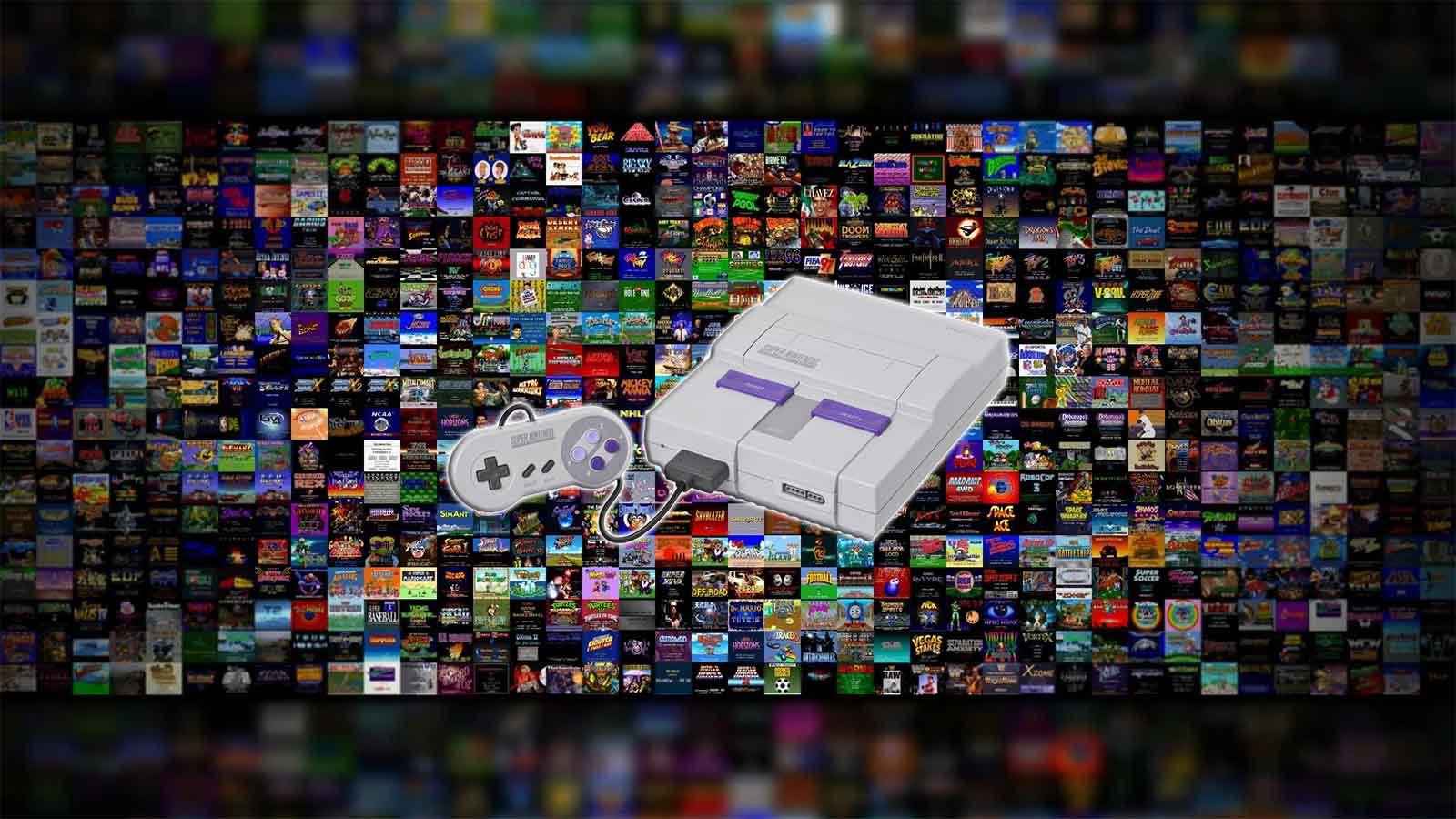
By 1994, the Super Nintendo Entertainment System (SNES) was the undisputed king of the living room, boasting Mode 7 effects and high-fidelity audio that made the humble Game Boy look like a technological fossil. Nintendo, never one to let a massive install base go to waste, decided it was time for a bit of cross-pollination. Their solution was the Super Game Boy, a beefy cartridge-shaped adapter that allowed you to plug your handheld library directly into your SNES.
At first glance, the concept seemed a bit paradoxical—why would you take a game designed for portability and tether it to a CRT television? But the Super Game Boy offered more than just a bigger view. It gave those 4-shade green graphics a literal glow-up, allowing for custom color palettes and even unique, game-specific borders that made the experience feel premium. It was a clever piece of hardware engineering that transformed a solitary experience into something you could share on the couch.
To launch this home-handheld hybrid,, Nintendo revived the game that started it all: Donkey Kong. But this wasn’t just a nostalgic retread of the 1981 arcade game. This game was a sprawling, 101-level puzzle-platformer that remains one of the most sophisticated titles in the library. Mario was no longer just a stubby jumper; he was an acrobat, performing handstands, backflips, and wire-spins to navigate increasingly devious stages. It was the perfect ambassador for the Super Game Boy, featuring enhanced colors and even a custom border that mimicked an original arcade cabinet.
The Rise of Wario: Greed is Good
Of course, through thick and thin, the Mario series pressed onward, but it began to drift further and further away from the typical “save the princess” blueprint. By the time Super Mario Land 2: 6 Golden Coins hit the scene, the game sprites were larger, the worlds were exploration-centric, and the graphics were remarkably crisp for the aging hardware. It was a massive success, but the series wasn’t finished evolving—it was about to get a whole lot weirder.
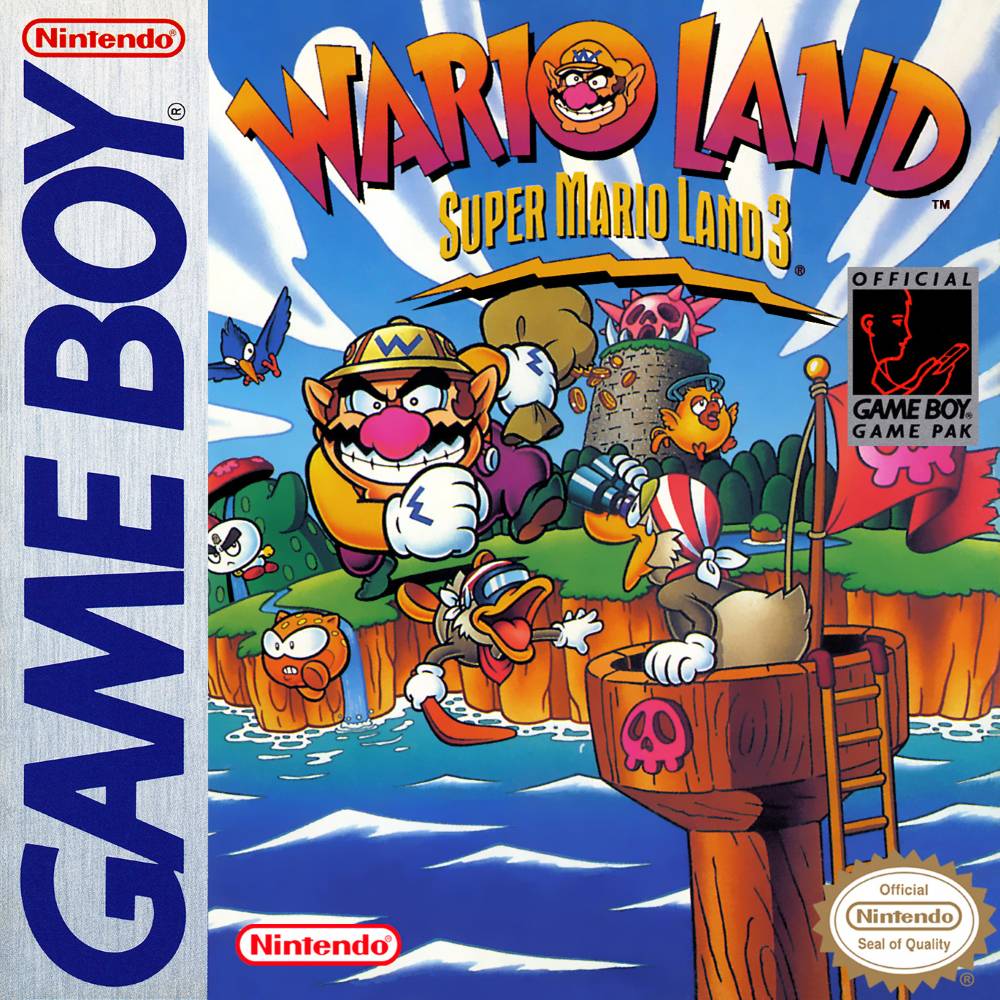
The third title in the series marked a surprising, almost rebellious new direction. Wario, the exaggerated, garlic-chomping antagonist introduced by Hiroji Kiyotake in the previous game, stepped into the spotlight, and the project was rebranded as Wario Land. While Mario played the classic, selfless hero, Wario was an unapologetic, treasure-obsessed slob motivated by nothing but raw, unfiltered greed —and honestly, he was impossible not to love.
This shift brought a more comical, slapstick energy to the handheld, but the mechanical changes were even more profound. Instead of the traditional diet of edible power-ups, Wario’s gameplay focused on a variety of hats that bestowed different abilities, prioritizing a “bull in a china shop” approach to level progression. His signature moves—the shoulder charge and the butt stomp—put a heavy emphasis on destruction and physical dominance over the environment.
This slower, more puzzle-oriented pace was a stroke of genius; on a small screen where intense, high-speed action can often result in a blurry mess, Wario’s methodical deconstruction of his surroundings was a perfect fit. It wasn’t just the end of an era for the Land series; it was the birth of a brand-new sub-franchise that proved Nintendo was willing to get a little dirty to keep things fresh.
Pocket Power
Game Boy Pocket
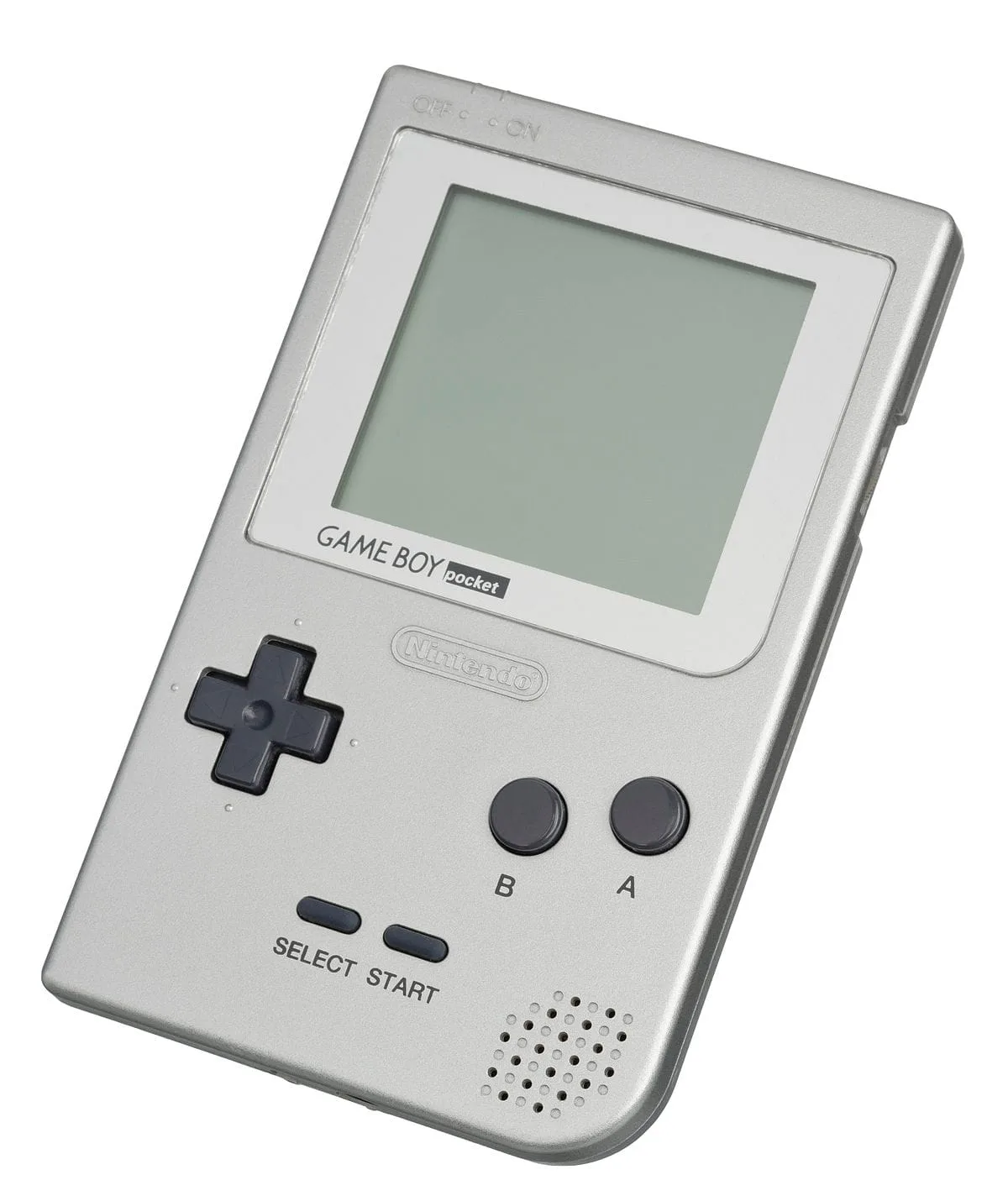
The industry was moving at a breakneck pace toward a 64-bit future, and the disastrous launch of the Virtual Boy had left a bit of a crater in Nintendo’s portable prestige. To stop the bleeding and jumpstart sales, Nintendo tasked Gunpei Yokoi’s team with a total hardware overhaul. The result was the Game Boy Pocket—a sleek, refined revision that finally made the system live up to its name.
The Pocket wasn’t just a cosmetic facelift; it was a total quality-of-life upgrade. It ditched the four bulky AA batteries for a slim pair of AAAs, and more importantly, it finally killed the “pea soup” look. The new display was a true black-and-white LCD with significantly less ghosting, making fast-paced action actually legible for the first time. Released in 1996, the Pocket sparked a brief, frantic resurgence in popularity.
However, even the sleeker Pocket couldn’t hide the fact that the Game Boy was an aging veteran. As the world turned its collective gaze toward the groundbreaking 3D polygons of Super Mario 64, sales quickly began to dip again. Nintendo’s internal focus shifted heavily toward the N64, leaving the Game Boy to drift toward irrelevance.
Project Atlantis: The Successor That Never Was
Project Atlantis
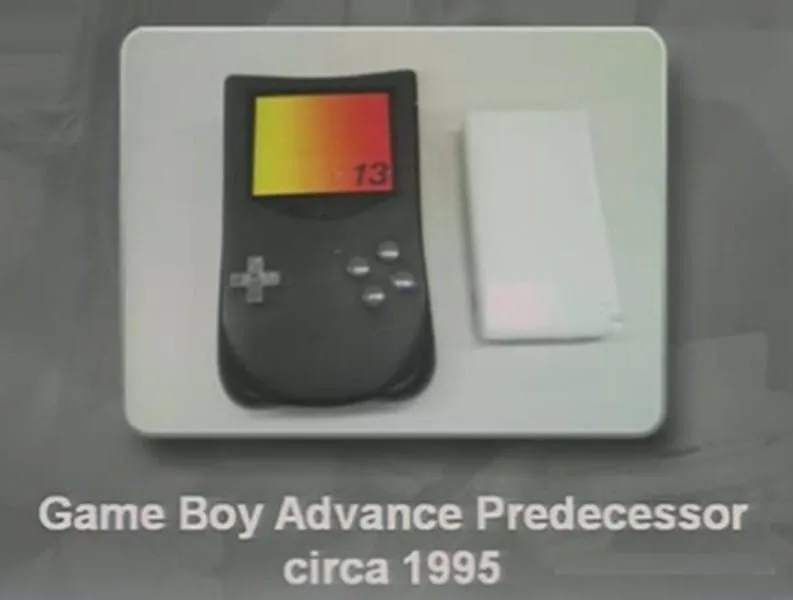
Internally, Nintendo was already looking toward the horizon. They knew the 8-bit architecture was ancient, and secret work began on a powerhouse successor codenamed “Project Atlantis.” Planned for a grand reveal during the 1996 Atlanta Olympics, this 32-bit handheld was intended to be the Game Boy 2 everyone was screaming for.
Since 1993, ARM representatives had been pitching Nintendo on cutting-edge RISC processors that could bring high-end visuals to a handheld. But a philosophical rift was growing within Nintendo’s R&D halls. Satoru Okada was hungry for this technological leap, while Gunpei Yokoi remained steadfast in his belief that expensive, power-hungry components would alienate the masses.
When the costs of Project Atlantis spiraled and battery life plummeted, Nintendo blinked. They realized that a $200 handheld was a death sentence in a market they had conquered through affordability. Atlantis was quietly mothballed, leaving the Game Boy’s future in a state of precarious uncertainty.
Pokémania: The Miracle Cure
By 1996, the Game Boy was starting to feel like a charming relic from a bygone era. But then, something small, strange, and wildly infectious happened in Japan. Two versions of a game called Pocket Monsters Midori and Aka (Green and Red) slipped onto store shelves with almost no marketing fanfare.
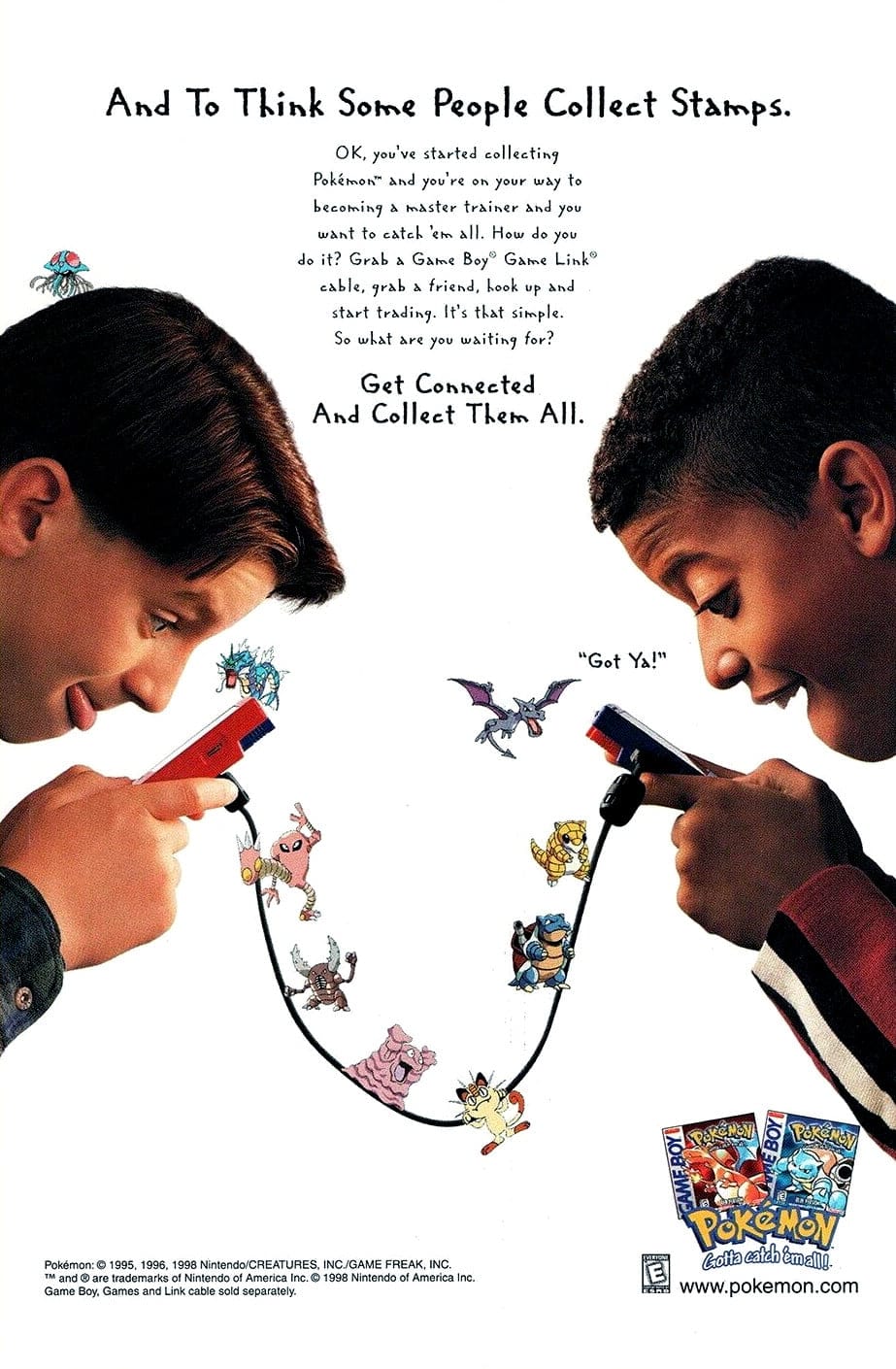
Initially, the games were slow burners, but word of mouth spread through Japanese schoolyards like wildfire. It wasn’t about the graphics—which, let’s be honest, were charmingly primitive—it was about the social currency of the Link Cable. Satoshi Tajiri’s vision of creatures crawling through wires to reach another player’s screen turned the Game Boy from a solitary device into a social ecosystem.
By the end of the year, Pokémon was the best-selling game in the country by a staggering margin, breathing electric life back into a console that was supposed to be in its twilight years. The explosion of Pokémania was so violent and total that it forced Nintendo to rip up their roadmaps. 1997 saw sales double over the previous year—an anomaly in a business where hardware usually follows a predictable downward curve.
The sudden success of Pokémon created a fascinating Goldilocks problem for Nintendo: how do you kill off a console that is currently more popular than it was years ago?
Internally, the decision was made to lean into the curve. Instead of forcing a generational leap, they would refine the current experience to keep the Pokémon momentum rolling. They needed a bridge—something that could handle the vibrant colors of a Charizard without the $200 price tag of a 32-bit monster.
The Game Boy Color: The Ultimate Stopgap
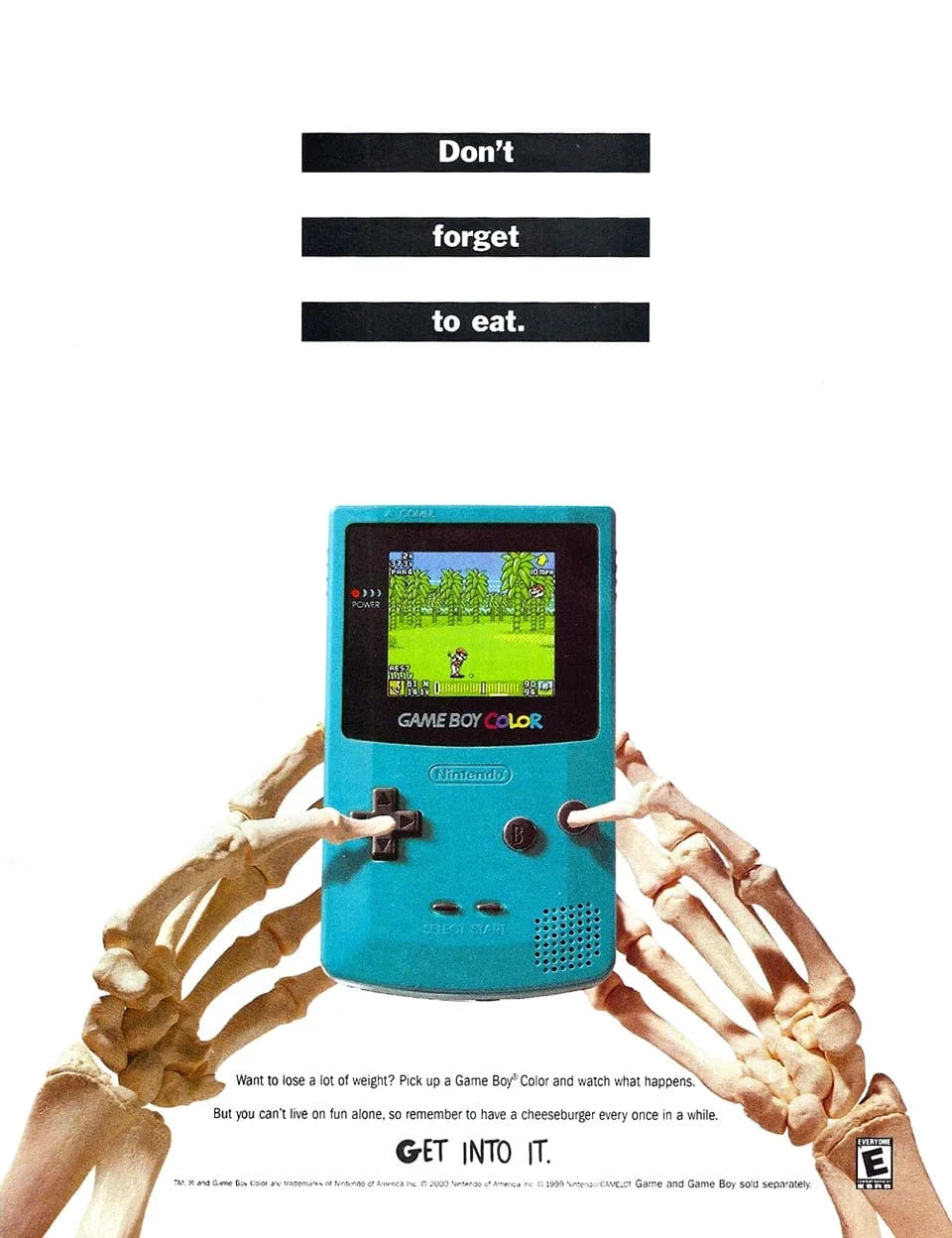
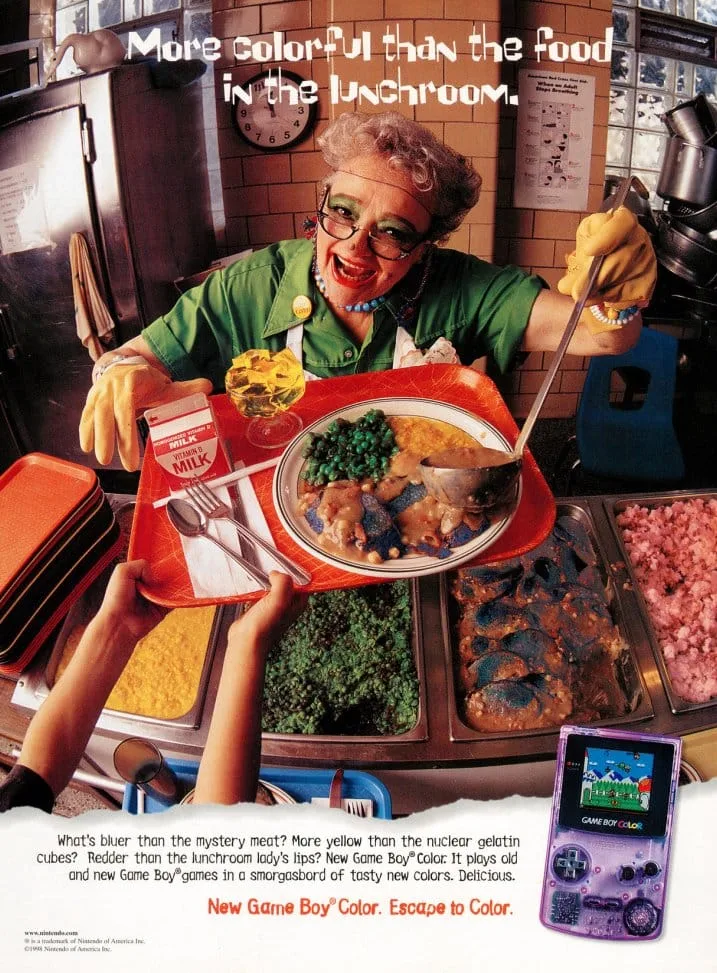
In 1998, Nintendo finally delivered the hardware upgrade the world was screaming for: the Game Boy Color. It wasn’t the 32-bit Project Atlantis beast that Okada had initially dreamed of, but it was exactly what the market required. It featured a faster processor and a screen capable of displaying up to 56 colors simultaneously from a palette of 32,000. Best of all? it was fully backward compatible, ensuring that the millions of gray cartridges already in circulation wouldn’t become instant paperweights.
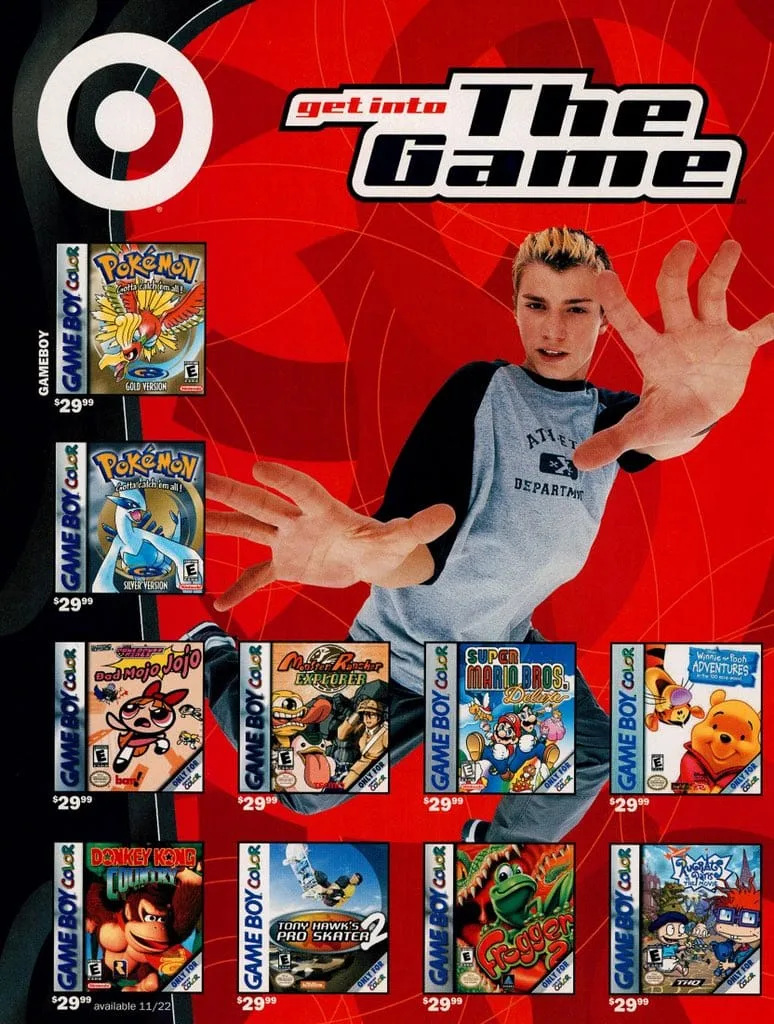
The launch was a genuine resurrection. As Pokémon fever swept through the United States and then Europe in 1999, the Game Boy Color became an accessory as essential as a wristwatch. However, this success created a “billion-dollar headache” for Nintendo’s leadership. Every time Nintendo’s executives sat down to plan the “true” successor, the sales figures for the Color would climb even higher, forcing them to delay the next generation again and again.
Nintendo knew that in the fast-moving world of video games, waiting too long is a dangerous game. They had watched the PlayStation leverage newer technology to snatch the home console lead away from the N64, and they were terrified of a similar “Sony moment” happening in the handheld space. They were caught in a loop of their own success, forced to delay the next generation repeatedly because the current one simply refused to peak.
Pocket Battlechips: The Competitors Strike Back
Bandai WonderSwan Color
SNK Neo Geo Pocket Color
With Nintendo playing a conservative game of “wait and see,” the competition smelled blood in the water. For nearly a decade, the Game Boy had sat unchallenged, but by 1998, the tech giants of Japan decided it was time to move in for the kill. This era became a frantic arms race of high-spec handhelds, colloquially known among hardware nerds as the battle of the pocket battlechips.
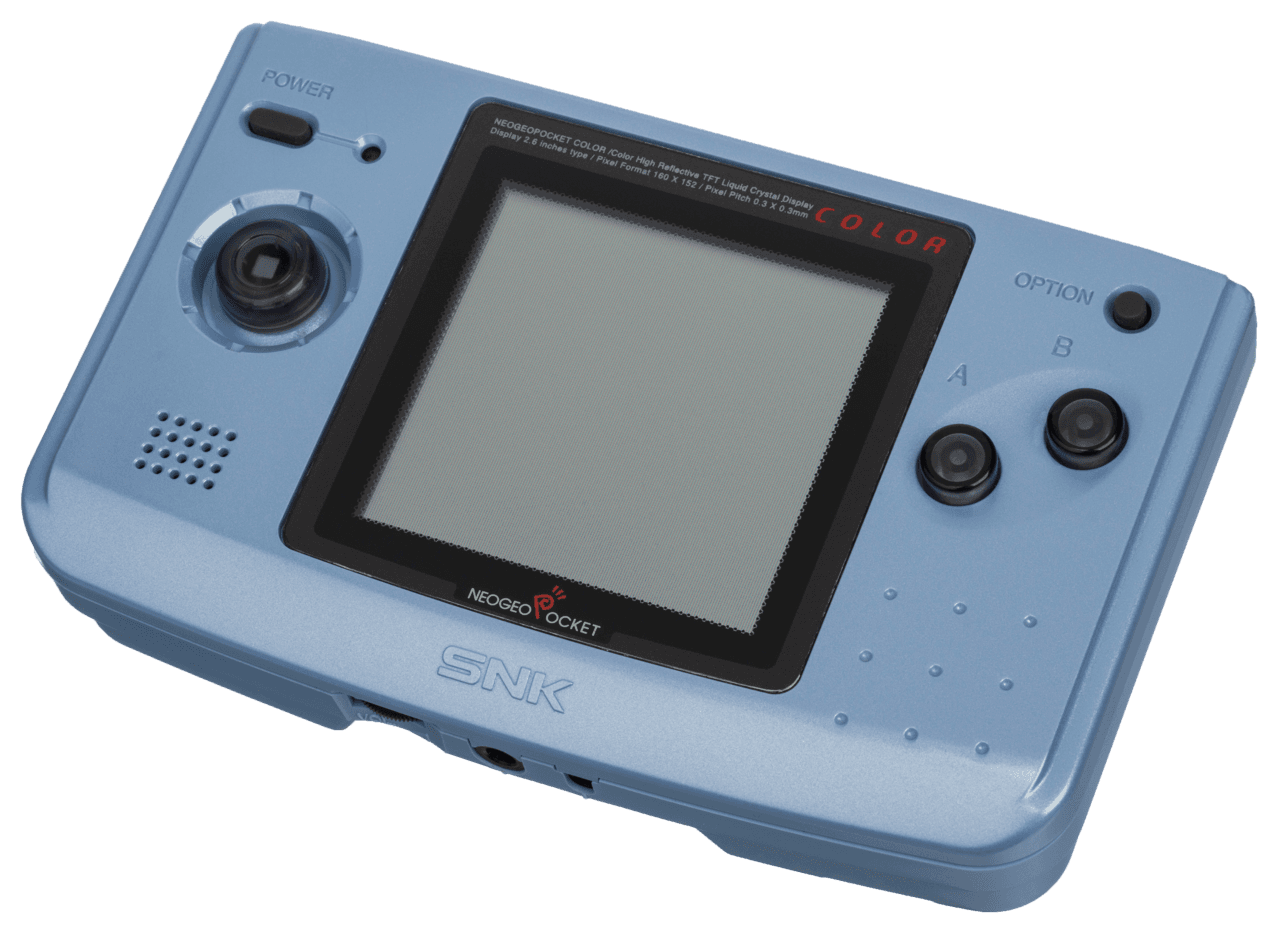
The first major contender was SNK’s Neo Geo Pocket, which launched at the end of 1998. It was a technically impressive 16-bit machine capable of running for over 20 hours on just two AAA batteries. It featured a micro-switched joystick that put the Game Boy’s D-pad to shame and launched with a killer lineup of arcade-quality fighters. It even offered connectivity to Sega’s Dreamcast, a futuristic feature Nintendo had only teased for the N64.
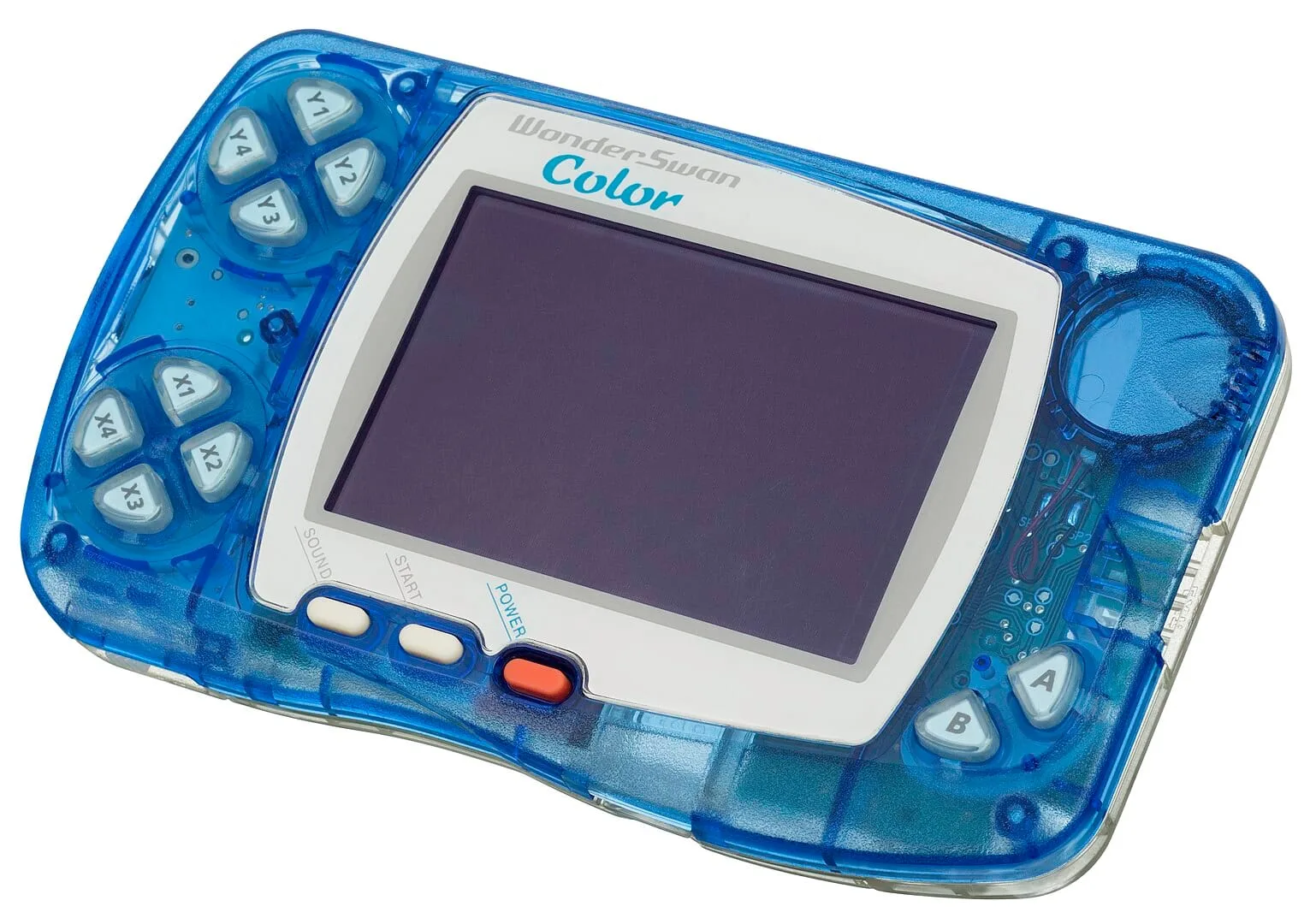
But the Neo Geo Pocket wasn’t the only threat. Released in March 1999, the WonderSwan hit the Japanese market. This 16-bit handheld was the last console designed by Gunpei Yokoi himself after he left Nintendo, and it was a marvel of efficiency. It could run for 30 hours on a single AA battery and launched at a shockingly low price point of roughly $40. With heavy-hitting support from third-party giants like Namco, Capcom, and Squaresoft, the WonderSwan quickly became a legitimate force in Japan, even allowing for internet connectivity via mobile networks.
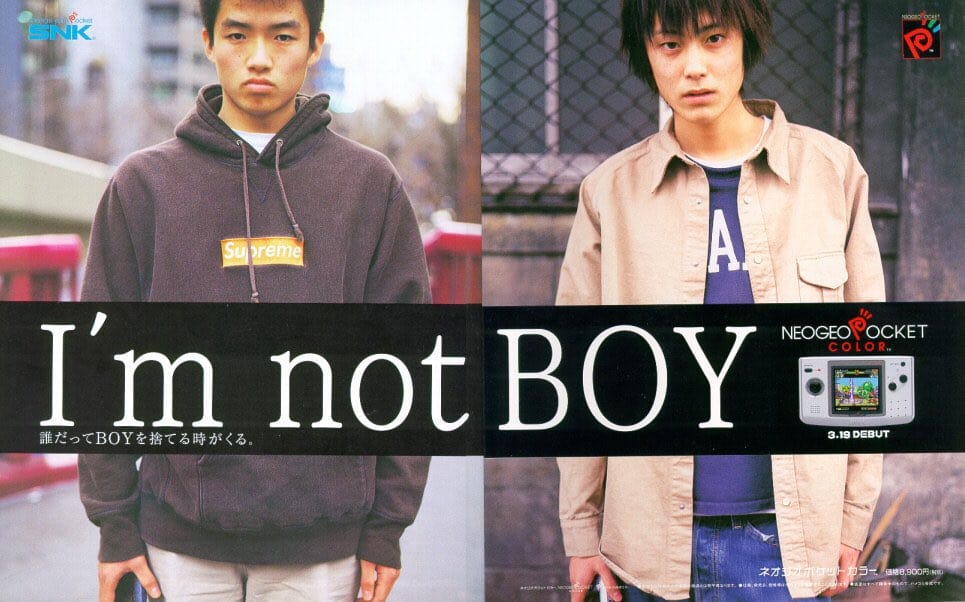
The competition grew even fiercer in 1999 when both Bandai and SNK released color versions of their respective handhelds. The Neo Geo Pocket Color arrived with a massive marketing budget and a direct, explicit jab at Nintendo’s dominance. Their slogan, “I’m not BOY,” was a clear shot across the bow, with ads boldly predicting that “one day, we will all throw away our Game Boys.”
Even Sega joined the fray, collaborating with SNK to release Sonic the Hedgehog Pocket Adventure. This marked the first time the blue blur appeared on a non-Sega platform—a formidable “anti-Nintendo” alliance. As gaming journalists began to fawn over these sleeker, more powerful machines, Nintendo found itself in an uncharacteristic position: they were falling behind by simply staying still.
The Road to the Advance
As the millennium turned, Nintendo was pinned between two fires: the technical superiority and hardcore appeal of the Neo Geo Pocket Color and the brutal efficiency and third-party charm of the WonderSwan. The ugly green screen and its rainbow-colored successor were finally facing a technological reckoning. For the first time since the early ’90s, the Game Boy brand felt a little less like a default and a little more like a choice. The message from the market was clear: The 8-bit era is over.
Nintendo eventually realized that no amount of Pokémon special editions could mask the need for a generational leap. They needed to merge the raw power with the practical, slimline efficiency that defined the brand. It was time for the Project Atlantis spirit to finally resurface, not as a myth, but as the 32-bit future. After years of technical pivots, mothballed prototypes, and the overwhelming success of a stopgap color system, Nintendo finally unleashed the true heir to the handheld throne.
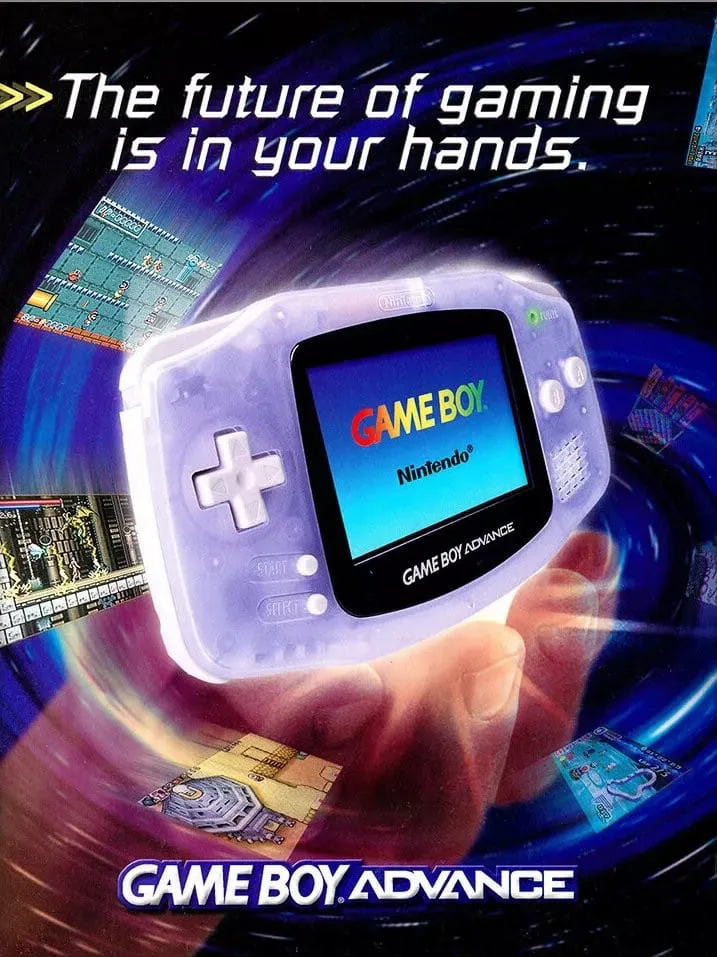
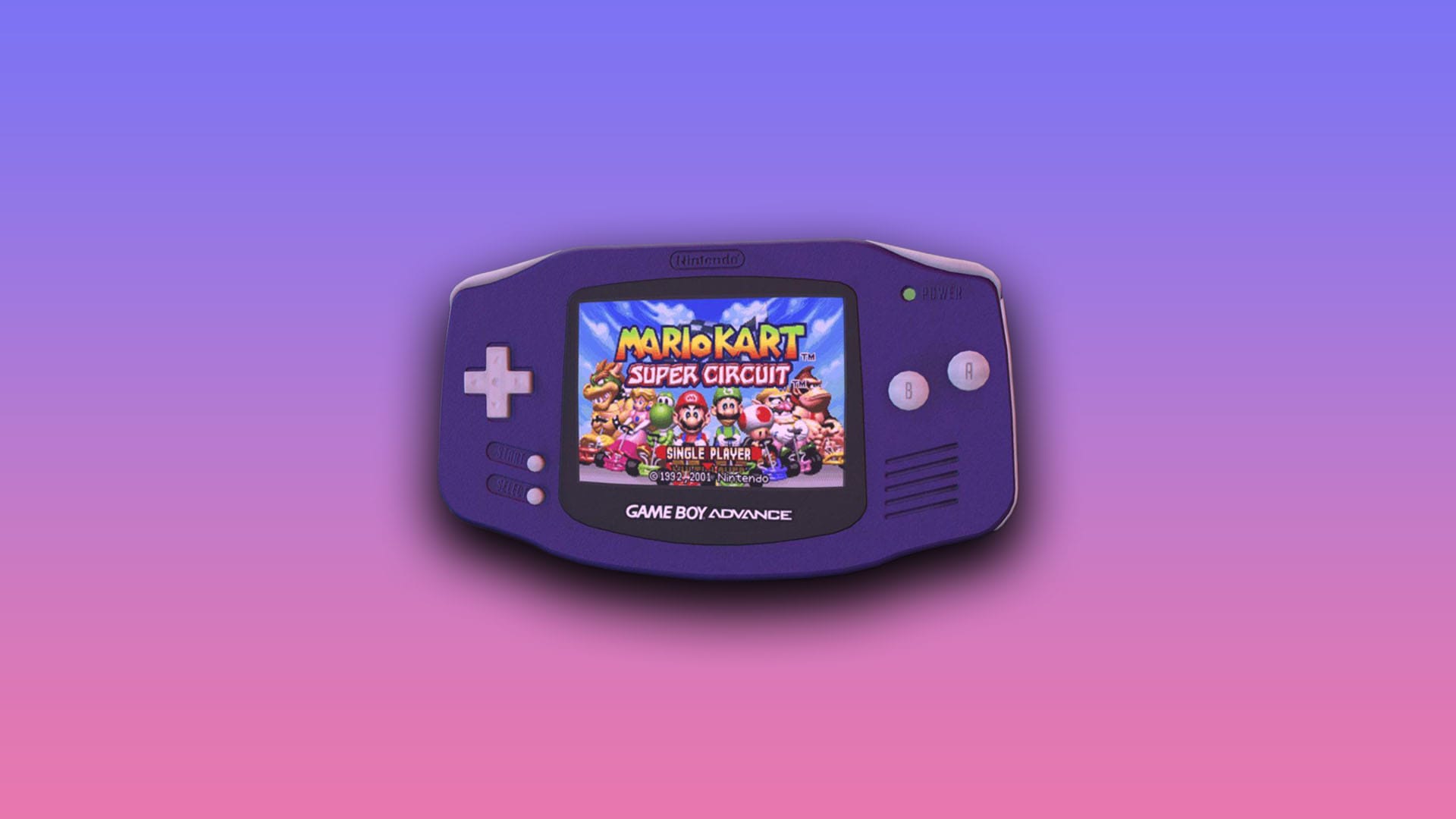
When the Game Boy Advance launched in 2001, it was a 32-bit powerhouse that effectively put a Super Nintendo in your pocket. The GBA didn’t just succeed the Game Boy; it vindicated Nintendo’s slow-and-steady approach. By waiting until the technology was mature (and cheap) enough, they didn’t just win the battle of the pocket battlechips—they ended the war entirely. It marked the end of the greatest 8-bit run in history and the beginning of a new golden age of portability.
Final Thoughts
By the time the curtain closed on the Game Boy and Game Boy Color, the family had sold a combined 118.69 million units. What began as a humble observation on a Japanese commuter train—a salaryman poking at a calculator—had ballooned into a global empire that defined the childhoods of an entire generation. Gunpei Yokoi’s philosophy of “Lateral Thinking with Withered Technology” fundamentally rewrote the rules of the tech industry.
While the Game Boy’s rivals sprinted toward the horizon of technical perfection—chasing backlit screens, 16-bit processors, and sleek ergonomics—Nintendo stood its ground. It survived the crushing depth of a teenager’s backpack, outlasted every “Game Boy Killer” that dared to challenge its throne, and launched franchises that became multi-billion-dollar cultural pillars. The Game Boy remains one of the most successful pieces of consumer electronics in history, not because it was the best computer, but because it was the best companion.
At HyperComboGamer, we believe great games deserve great coverage. That means no filler, no clickbait, or fanboyism—just honest, high-quality reviews, features, and guides that put gamers first. Whether you’re a lifelong enthusiast or just starting your gaming journey, you’ll find interesting gaming perspectives that will leave you fully satisfied.