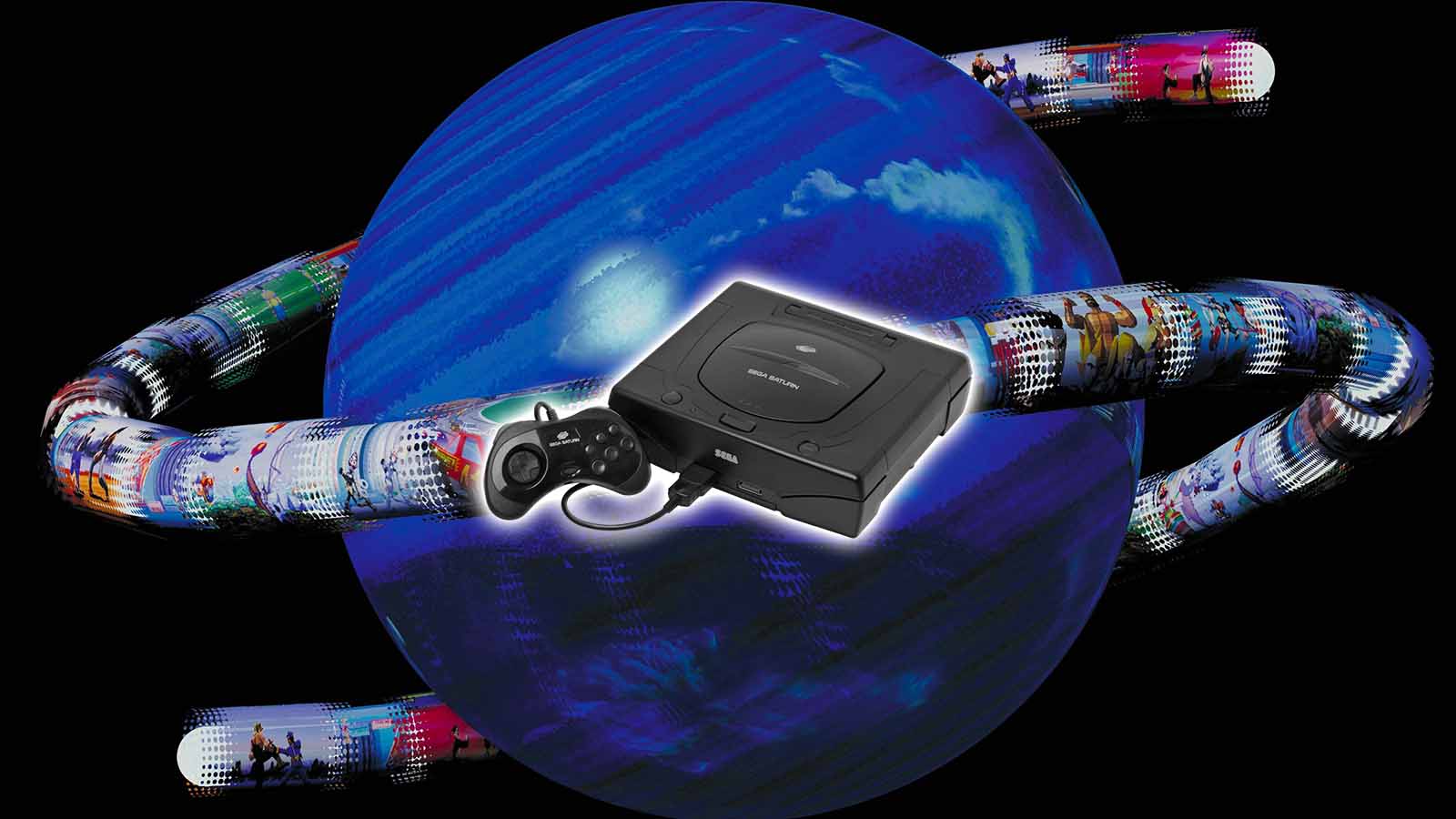
Let’s get one thing straight: if you wanted arcade-perfect brawlers in the mid-90s, you bought a Sega Saturn. Ever wonder why fighting game purists still obsess over this console decades later? It mostly comes down to the Saturn’s architecture, which handled 2D sprite-work and 3D brawling with a level of finesse that the competition simply couldn’t replicate.
The true secret weapon, however, was the Extended RAM Cartridge. This chunky peripheral plugged into the back of the console and boosted the system’s memory, allowing developers to load meticulously animated character sprites. Throw in that legendary D-pad, and you have a recipe for digital perfection. In this article, we’ll discover the 20 best Sega Saturn fighting games that proves why this 32-bit underdog still reigns supreme in the retro scene.
Virtua Fighter 2
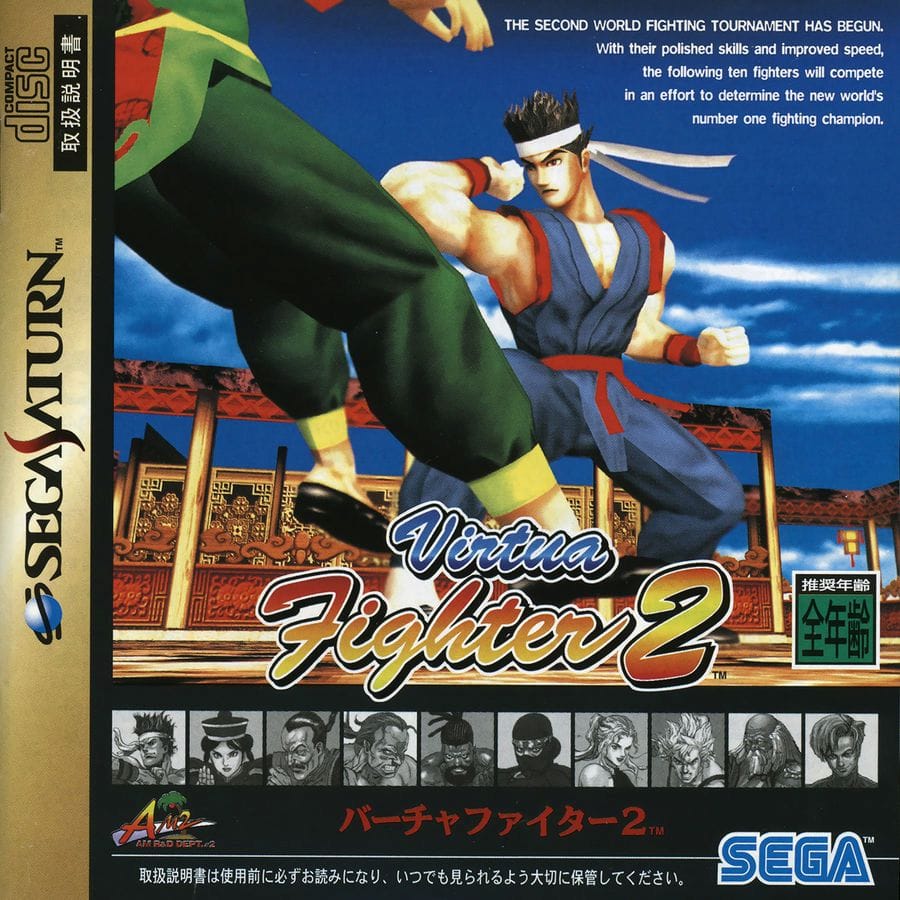
- Developer: Sega AM2
- Release Date: December 1, 1995
When critics claimed the Saturn couldn’t handle complex 3D geometry, Sega decided to prove them wrong with Virtua Fighter 2. The beauty of this game lies in its deceptive simplicity. You only have three buttons—punch, kick, and guard—but the depth hiding under the hood is absolutely staggering. Every movement feels deliberate and heavy; there’s no room for mindless button mashing here. You have to learn the weight of your character and the precise timing of your opponent’s recovery. Is it punishing? Absolutely. But is it rewarding? You bet. The game runs at a silky smooth 60 frames per second (for the character models, at least), making every parry and throw feel incredibly responsive.
Why It's Worth Playing: Even today, Virtua Fighter 2 holds up because it prioritizes mechanical purity over gimmicks. The controls feel incredibly responsive, and the tactical depth ensures that no two matches ever feel the same. It’s a masterclass in hardware optimization, that shows that the Saturn could go toe-to-toe with the big boys of 3D when pushed by the right hands.
Street Fighter Zero 3
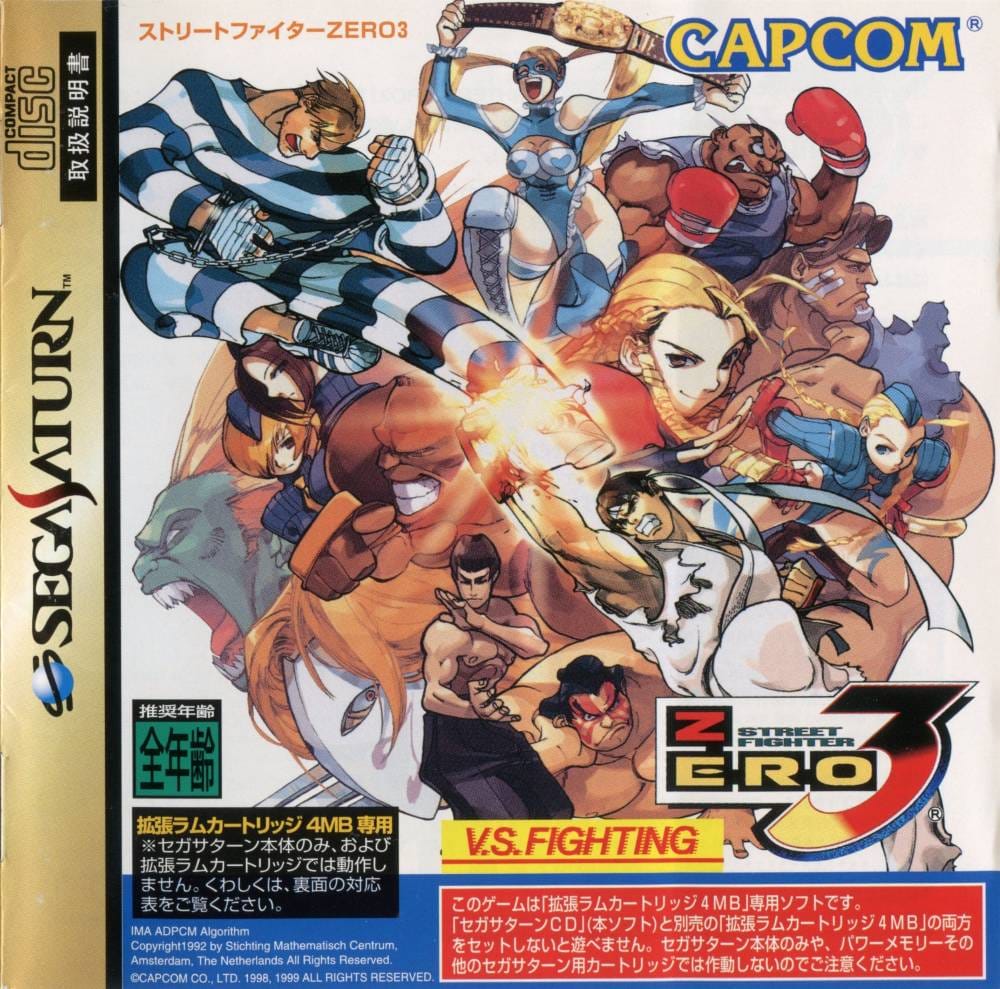
- Developer: Capcom
- Release Date: August 6, 1999
Street Fighter Zero 3 (known as Alpha 3 in the West) on the Saturn is one of the greatest home ports of the 32-bit era, flexing every single muscle of the 4MB RAM cartridge. The “Isms” system in Zero 3 completely changed the game, allowing you to tailor your fighting style to your heart’s content. Do you want the classic Street Fighter II feel? Go with X-ISM. Prefer the technical depth of the Alpha series? A-ISM is your best friend. The sheer roster size is mind-boggling, and the World Tour mode provides enough single-player content to keep you busy for months. The game’s backgrounds are vibrant, and the sprites are so big and detailed they practically pop off the screen.
Why It's Worth Playing: Street Fighter Zero 3 is the gold standard of 2D fighting on 32-bit hardware. Between the perfect arcade parity and the wealth of console-exclusive modes, it offers a sheer ton of replay value. If you appreciate hand-drawn art and precise, lightning-fast mechanics, you NEED to play this game—no excuses!
Marvel Super Heroes vs. Street Fighter
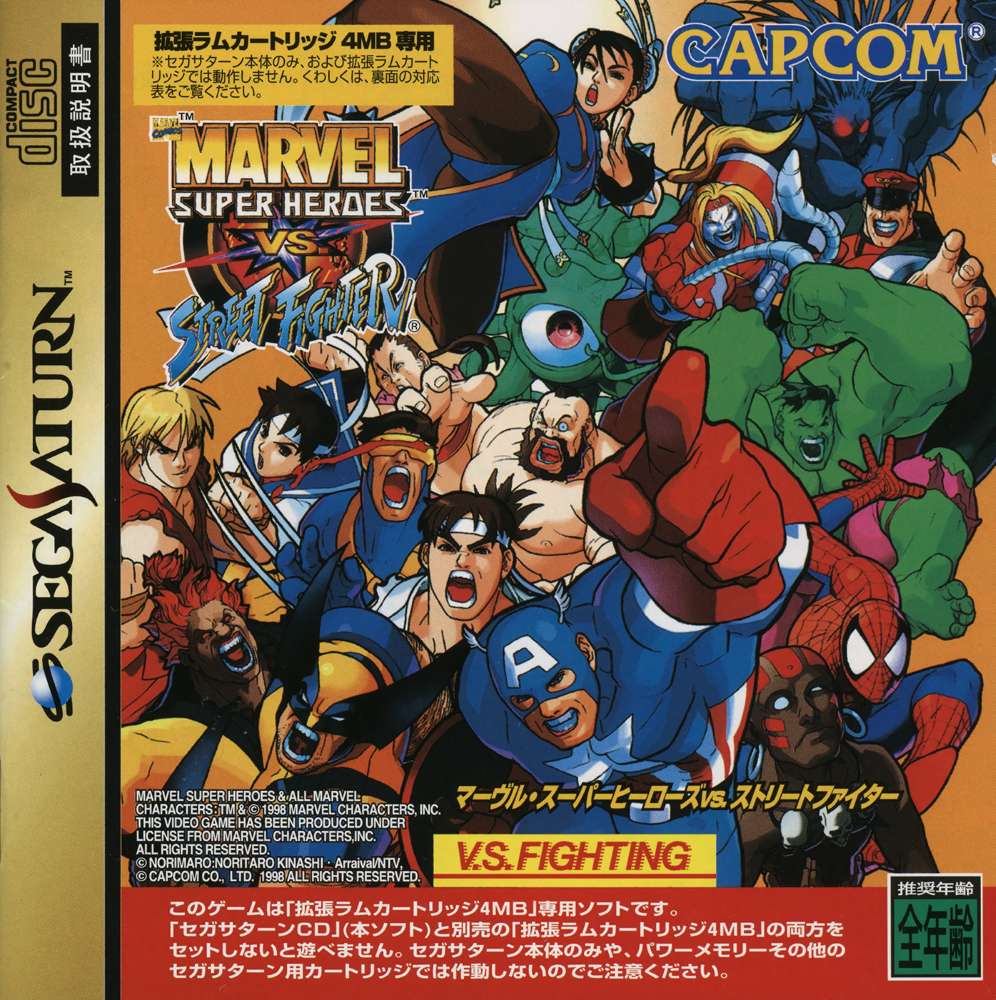
- Developer: Capcom
- Release Date: October 22, 1998
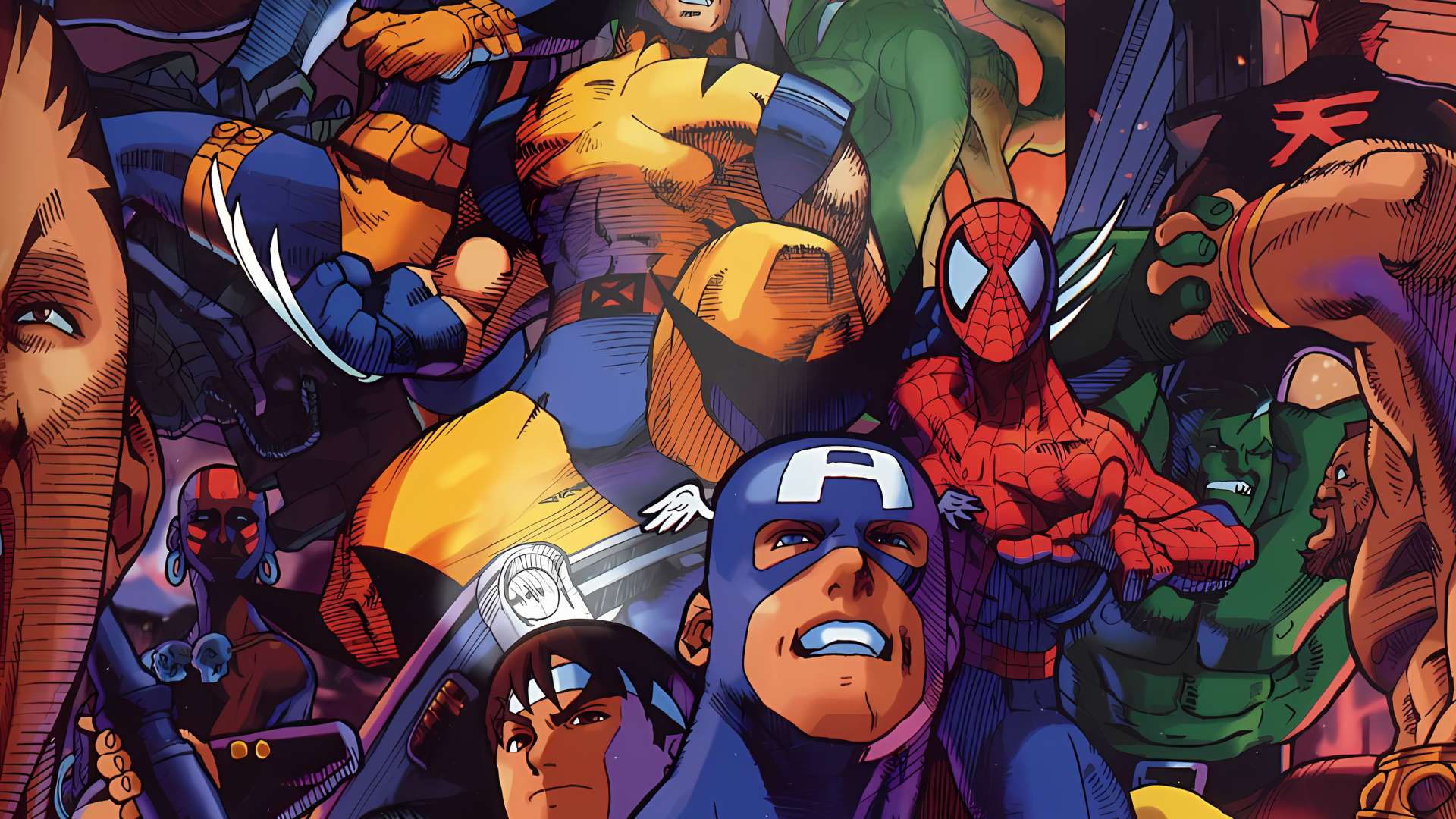
Marvel Super Heroes vs. Street Fighter represents the absolute pinnacle of Capcom’s Versus series on the Saturn, and boy, does it show off. We’re talking massive Variable Combinations where both teammates fill the screen with hyper combos simultaneously, filling the air with beams, fireballs, and comic-book sound effects. While the PlayStation version was forced to gut the tag-team mechanic entirely, the Saturn version offers the full, chaotic, tag-in-tag-out arcade experience, thanks to that glorious 4MB RAM cartridge. The sprites are enormous, the backgrounds are pulsing with life, and the frame rate never hitches, even when the screen is being deleted by a Shinku Hadoken.
Why It's Worth Playing: Marvel Super Heroes vs. Street Fighter is the ultimate party fighter for the Saturn. It’s incredibly easy to pick up and play, yet it offers enough Variable Assist depth to keep high-level players coming back. If you love over-the-top action and seeing some of the best 2D animation of the era, this needs to be a permanent fixture in your Saturn collection.
Fighters Megamix
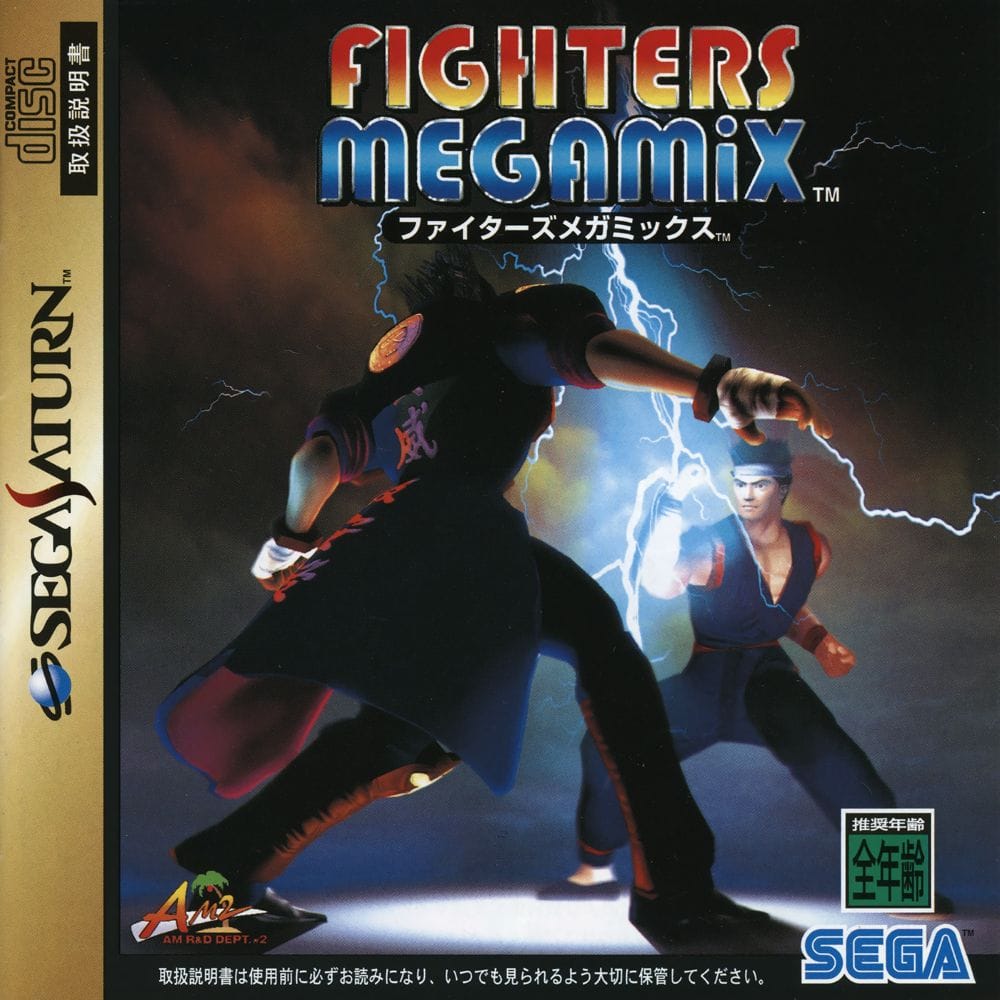
- Developer: Sega AM2
- Release Date: December 21, 1996
What happens when you take the discipline of Virtua Fighter 2 and smash it into the armor-shattering chaos of Fighting Vipers? You get Fighters Megamix, an unhinged fever dream of 90s arcade culture. The genius here is how it bridges two different gameplay philosophies. You can choose to play with Virtua Fighter rules or Fighting Vipers rules, meaning some characters can have their armor smashed off while others rely on pure technical grappling. The arenas range from standard rings to cages that you can literally bounce your opponent off of for extended combos. The sheer volume of content is staggering, with over 30 characters and branching paths that keeps the replay value alive for hours.
Why It's Worth Playing: Fighters Megamix is arguably the most meme worthy game Sega ever made. Where else can you see Hornet from Daytona USA fight a Mexican bean with a sombero? If you want a fighter that doesn't take itself too seriously but still packs a heavy mechanical punch, this game is worth experiencing at least once.
Real Bout Fatal Fury Special
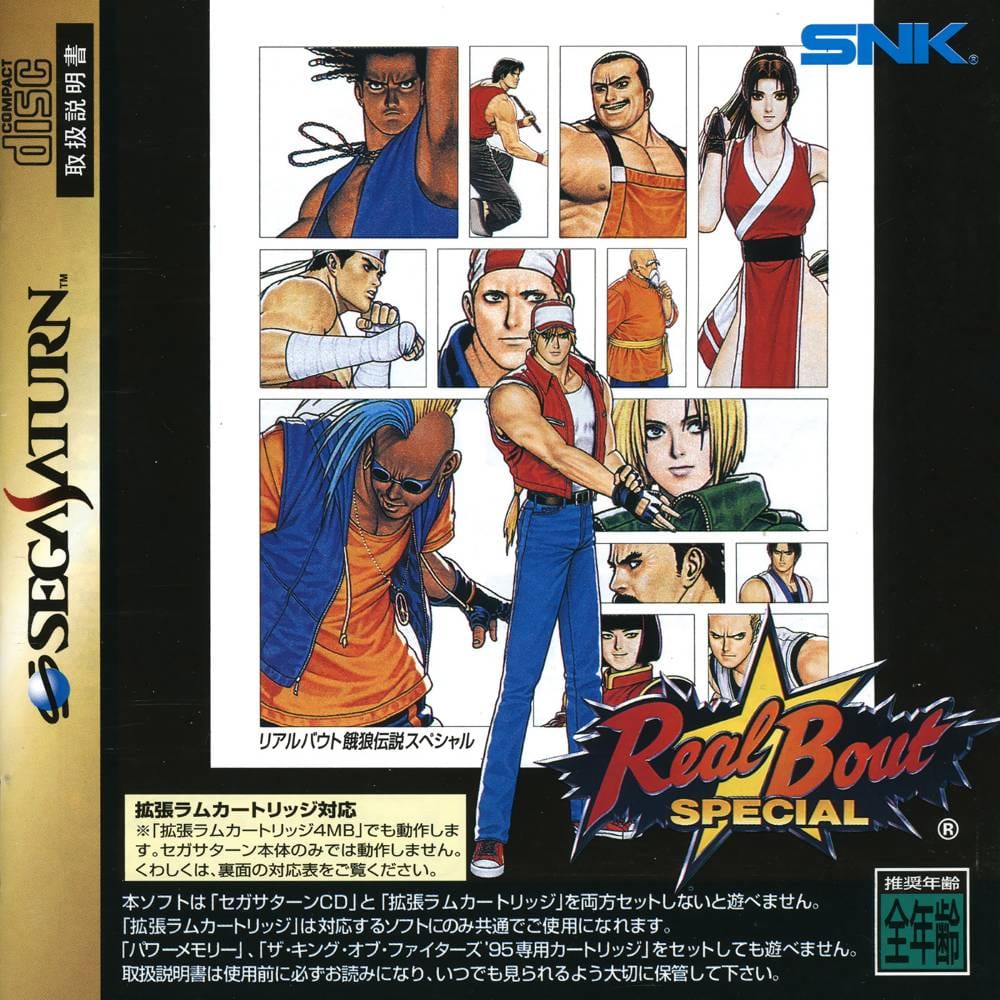
- Developer: SNK
- Release Date: December 23, 1997
If you ever wanted to prove that the Saturn was essentially a Neo Geo in disguise, Real Bout Fatal Fury Special is the exhibit you’d bring to court. The game utilizes a multi-plane system that lets you hop between the foreground and background to dodge attacks or set up devastating counters. The combat feels tight and aggressive, and those screen-shaking specials that can turn a match around in a heartbeat. This game takes the already excellent Fatal Fury formula and turns the speed dial up to eleven. By leveraging the 1MB RAM cartridge, SNK managed to port over one of their most visually stunning Neo Geo titles with its soul completely intact.
Why It's Worth Playing: Real Bout Fatal Fury Special is arguably the peak of the Fatal Fury series on the Saturn. It ditches the ring-out mechanics of the previous game in favor of pure combat excellence and gorgeous, fluid animations. If you're a fan of Terry Bogard or just want to see SNK at the height of their 2D powers, this is a must-play.
X-Men: Children of the Atom
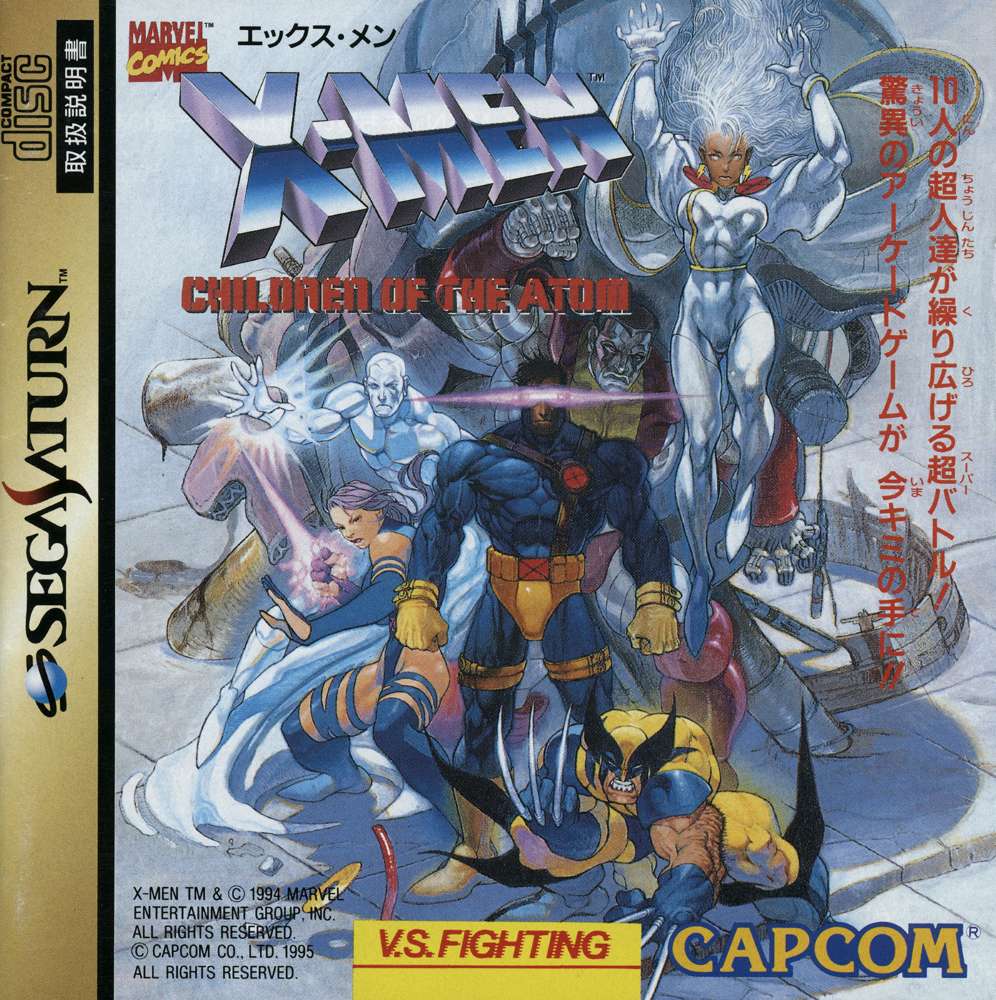
- Developer: Capcom
- Release Date: November 22, 1995
Before the world went crazy over crossover fighters, Capcom gave us X-Men: Children of the Atom, a revolutionary explosion of mutant mayhem. While most fighters were still grounded, this game introduced super jumps that zoomed the camera out, multi-tiered floors that crumbled under your feet, and projectiles that took up half the screen. It’s also notoriously difficult; Magneto, the final boss, does not play around. But man, the animation on characters like Iceman or Spiral is just mesmerizing to watch, even if you’re the one getting beaten into a pulp. The Saturn port is a total triumph of 2D engineering, utilizing the hardware’s 2D muscle to keep the action crisp.
Why It's Worth Playing: If you’re a Marvel fan, X-Men: Children of the Atom is like playing a comic book come to life. It boasts some of the most impressive sprite work on the system, and the sheer scale of the characters makes every fight feel like an event with a capital E. For fighting game fans who want to see where the DNA of Marvel vs. Capcom originated, this game is an essential piece of fighting game history.
Dead or Alive
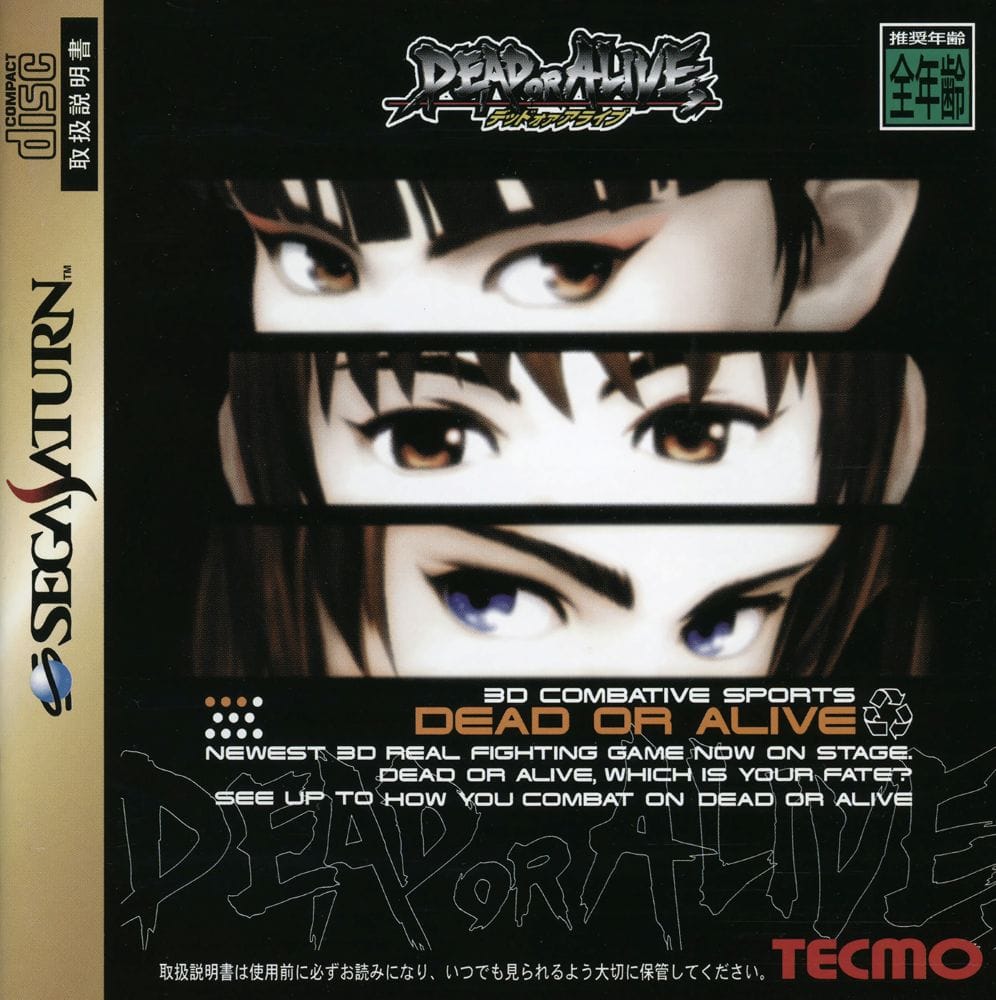
- Developer: Team Ninja
- Release Date: October 9, 1997
Before it became a massive multi-platform franchise known for, well, other things, Dead or Alive was the scrappy newcomer trying to take a bite out of Virtua Fighter’s lunch. Unlike other fighters where you just stand there and take a beating, DOA encourages you to intercept your opponent’s strikes and turn their momentum against them. And let’s not forget the Danger Zones—the outer edges of the floor that literally explode when a character touches them, launching them into the air for massive juggle combos. The Saturn port actually uses the same advanced high-resolution techniques as Virtua Fighter 2, meaning the character models look surprisingly sharp and clean.
Why It's Worth Playing: If you find Virtua Fighter a little too slow, the breakneck pace of Dead or Alive will be right up your alley. Plus, seeing the origins of characters like Kasumi and Ryu Hayabusa (making his jump from Ninja Gaiden) is a treat for any Sega historian. It’s a polished, aggressive brawler that proves the Saturn could do 3D polygons with the best of ‘em.
Cyberbots: Fullmetal Madness
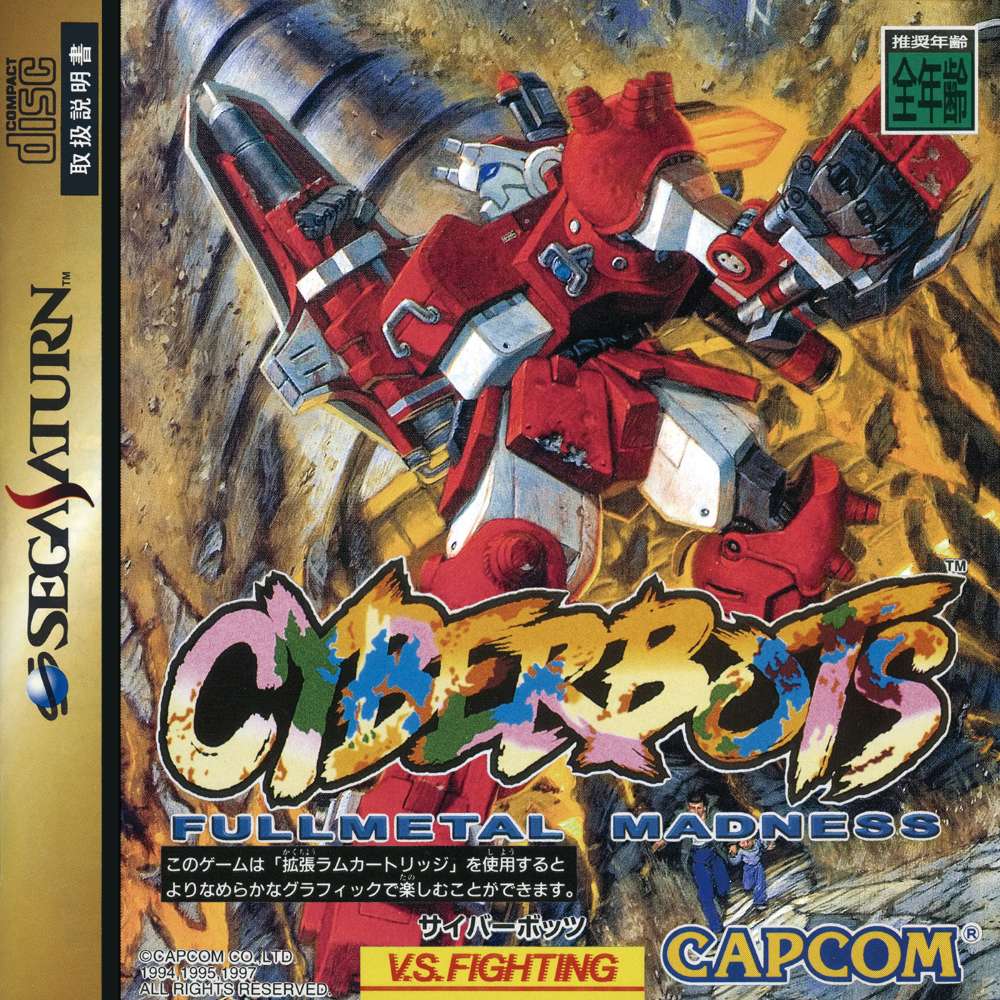
- Developer: Capcom
- Release Date: March 28, 1997
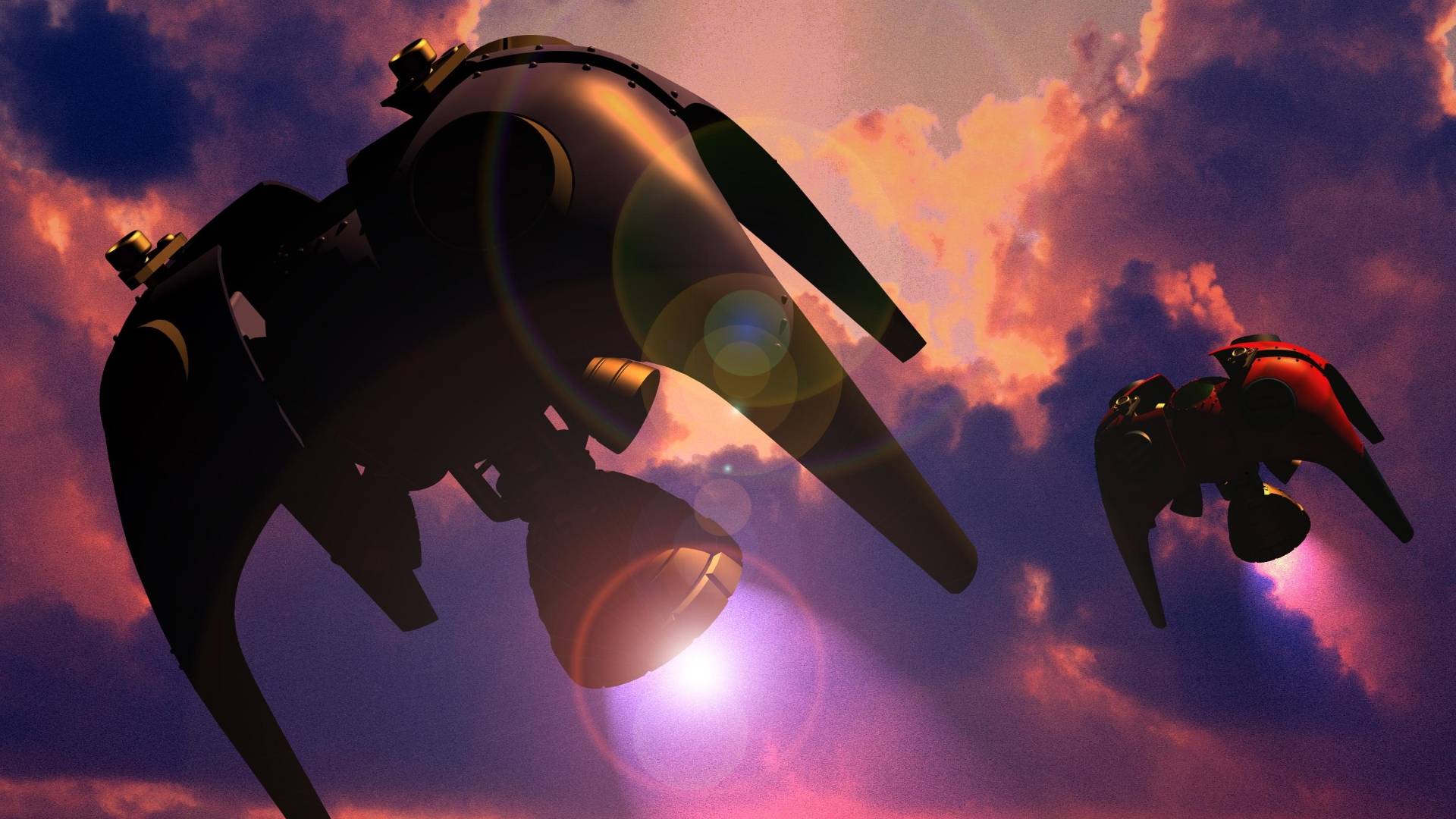
If you think fighting games are only about sweaty dudes in karate gis, Cyberbots: Fullmetal Madness is here to recalibrate your sensors. You aren’t just picking a character; you’re picking pilot with a clunky, powerful war machine that use boosters to hover and dash across the screen. The controls are pixel-perfect, with these robots having a sense of weight that makes every hit feel like a demolition derby. Because the Saturn handles 2D so effortlessly, the chaos remains perfectly legible even when parts fly off and sparks shower the arena. The sprite work is some of the most intricate ever seen on 32-bit hardware—the way the gears grind and the pistons hiss during a special move is pure eye candy.
Why It's Worth Playing: Cyberbots: Fullmetal Madness offers a tactical layer that many 2D fighters lack, as different leg and arm parts drastically change your mobility and reach. Plus, the Saturn version is the only way to get the full experience, featuring exclusive story content and smooth-as-silk performance. If you’re a big fan of90s mecha anime, this game is a dream come true.
The King of Fighters ‘97
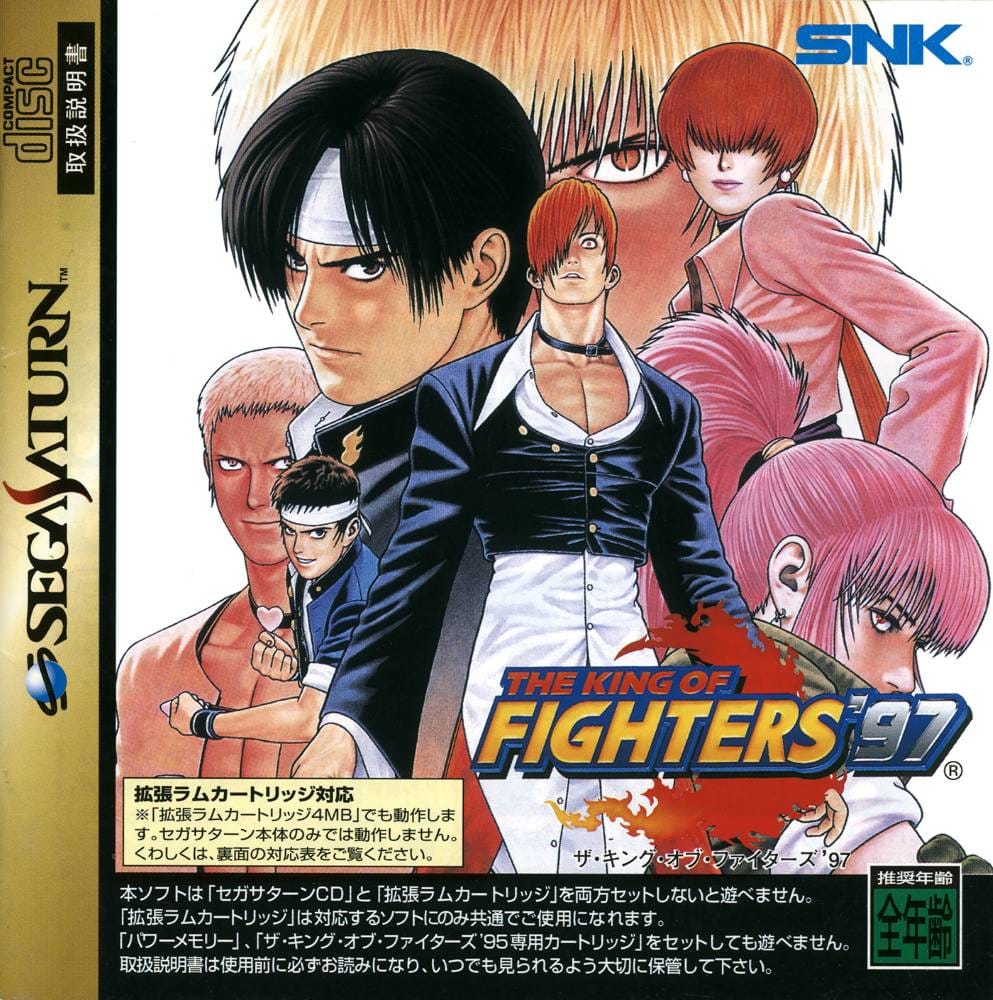
- Developer: SNK
- Release Date: October 30, 1997
The Saturn version of The King of Fighters ’97 is an absolute legend, with SNK delivering a port so close to the MVS arcade original that it’s scary. Marking the grand finale of the Orochi Saga, you get the full 35-character roster and the legendary team-based mechanics that the original arcade version provides. But the big draw here is the introduction of the Advanced and Extra modes. Advanced mode lets you stock super meters by being aggressive, while Extra mode caters to the old-school crowd with manual charging and dodges. The backgrounds are teeming with life, the sound design is punchy, and the controls are so tight they feel like an extension of your own hands.
Why It's Worth Playing: The King of Fighters ’97 is the climax of one of the greatest storylines in fighting game history. The inclusion of the "97 Special Team" and the terrifying Orochi versions of fan-favorite characters provides a ridiculous amount of replay value. It’s a masterclass in sprite animation and character balance that still a total blast to play today.
Astra Superstars
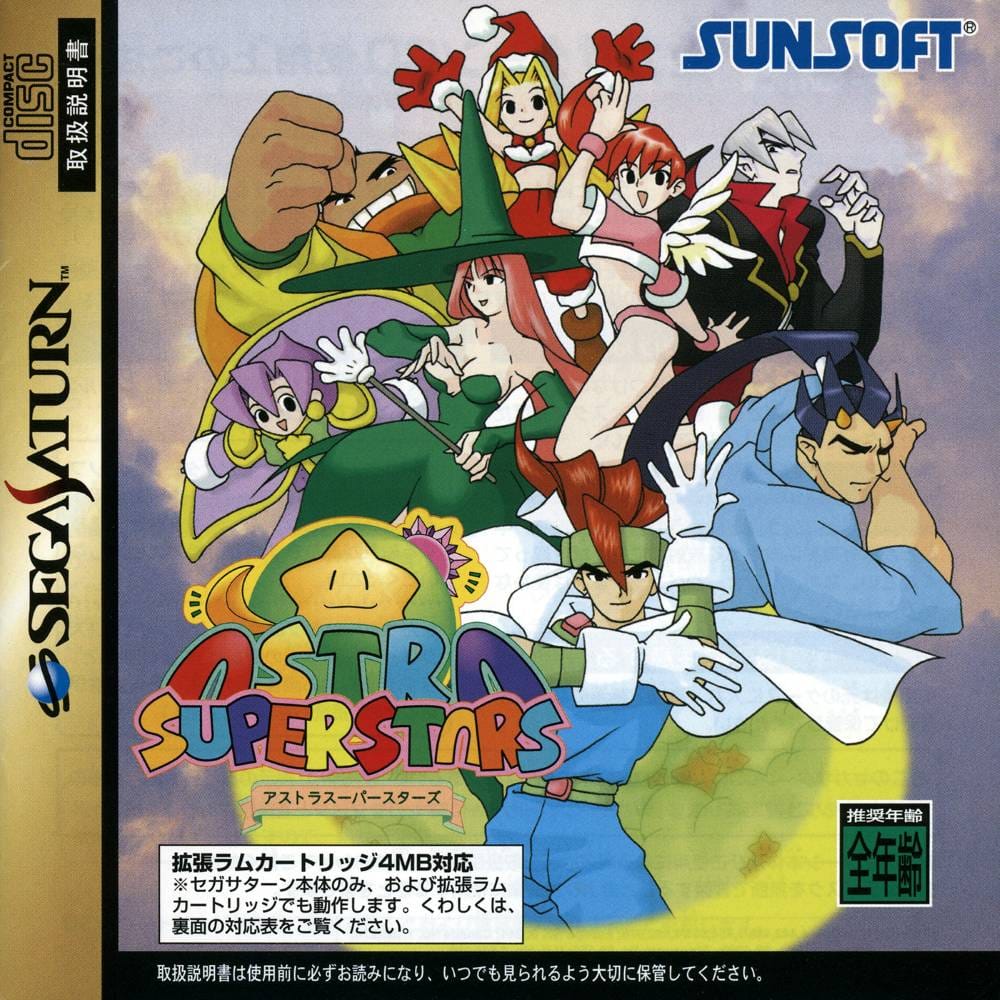
- Developer: Sunsoft
- Release Date: August 6, 1998
Astra Superstars is one of the most vibrant fighters on the Saturn, which feels more like an interactive anime than a traditional street fight. Unlike your standard ground-based brawlers, this one takes the fight to the skies. Characters hover in mid-air, darting up and down in a screen-filling dance of projectiles and high-speed dashes. Instead of complex quarter-circle motions, you focus on positioning and simple button combinations to unleash massive, screen-swallowing special moves. But don’t let the accessible gameplay fool you—the pace is absolutely fast and relentless. The sprites are massive, and the character designs are wonderfully weird in a way only a 90s Japanese arcade port can be.
Why It's Worth Playing: Astra Superstars is a fantastic entry point for beginners that’s tired of getting crushed by bosses or memorizing combos. It shows off the Saturn’s 2D capabilities, and the unique aerial movement system offers a totally different experience compared to almost anything else on this list. If you want a Saturn fighter that’s bright and breezy, you’ve found your match.
Pocket Fighter
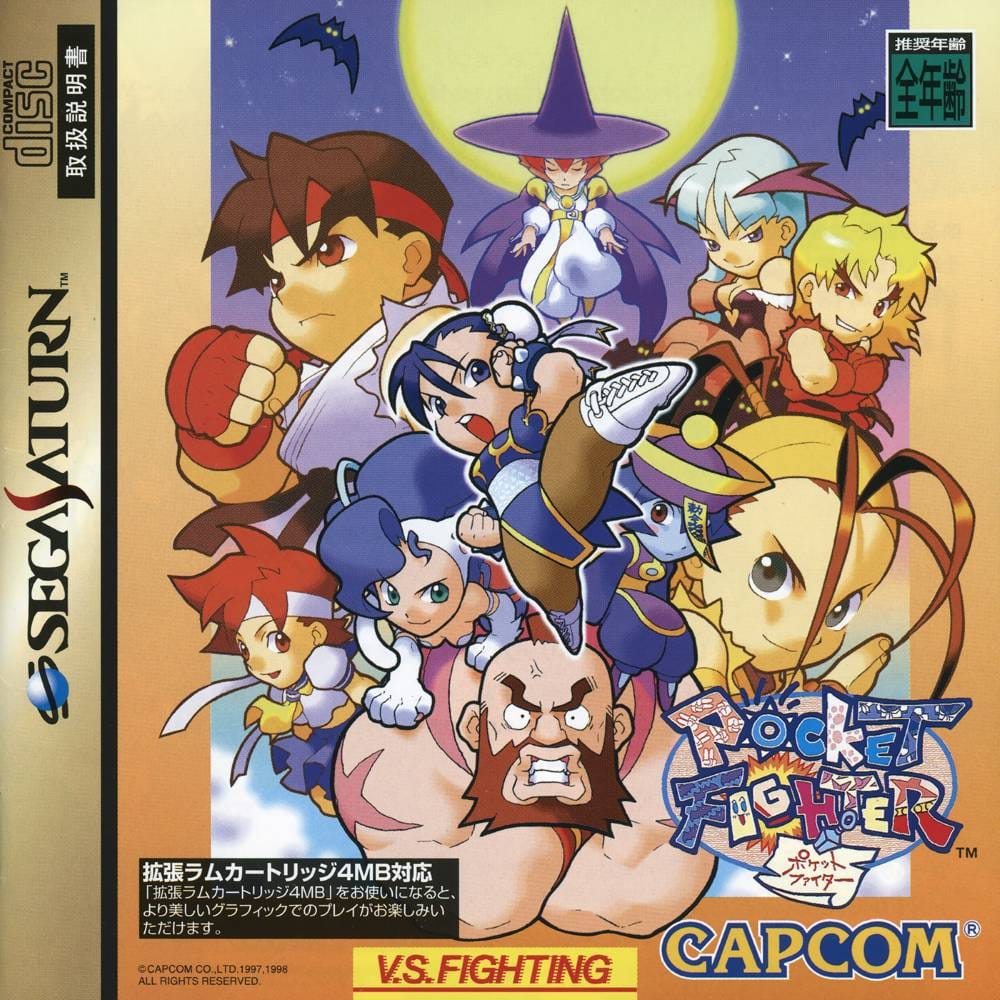
- Developer: Capcom
- Release Date: July 9, 1998
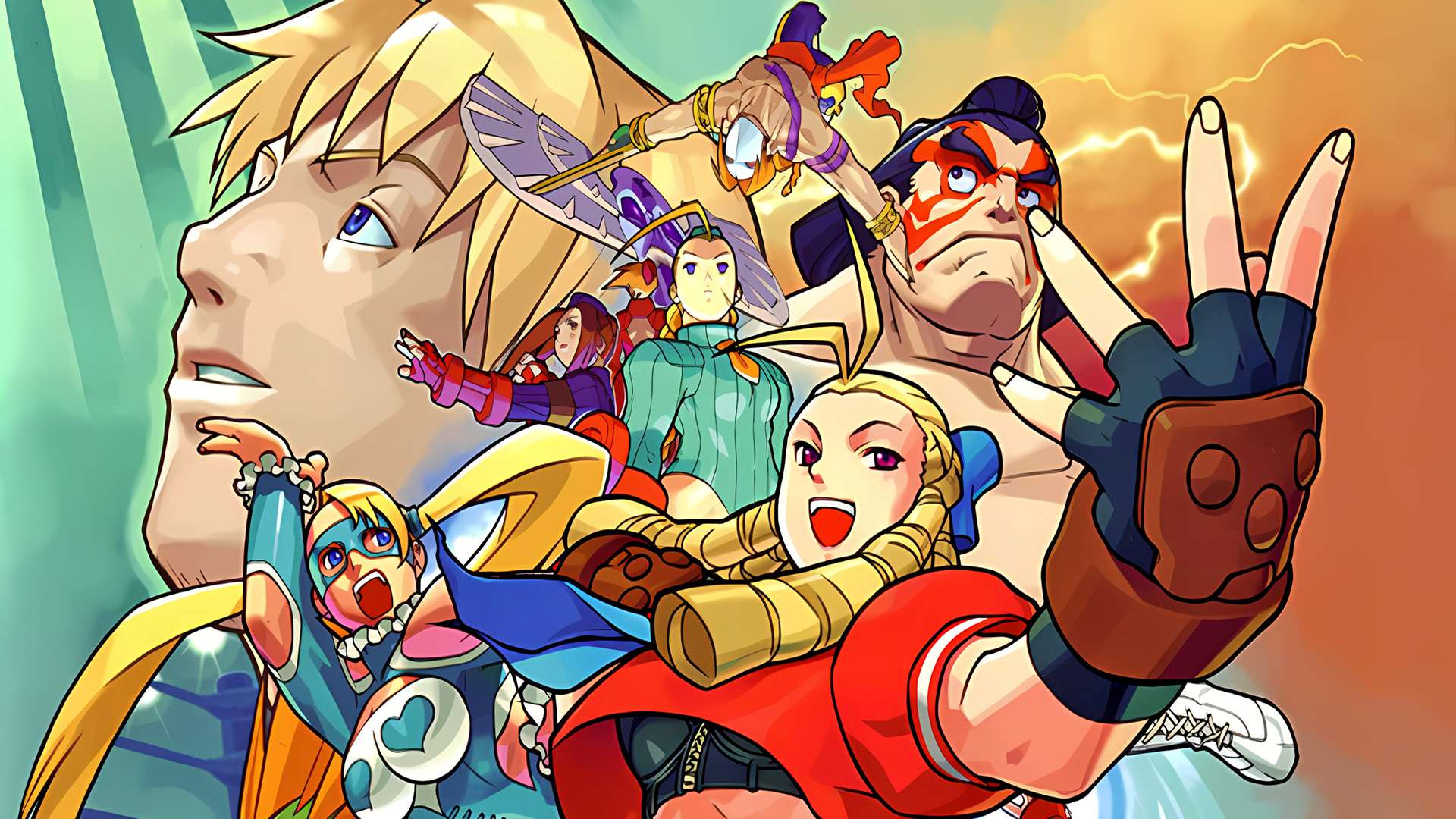
Pocket Fighter is a brilliant tactical brawler that shrinks down Capcom’s heaviest hitters into adorable, big-headed versions of themselves. The core mechanic revolves around collecting colorful gems that pop out of your opponents like candy from a broken piñata. These gems level up your special moves, turning a standard fireball into a screen-filling monstrosity. It also features a Flash Combo system, which allows you to chain hits together by simply tapping buttons in sequence. The humor in this game is top-tier, and it’s absolutely packed with cameos that will make any Capcom nerd excited. The game runs like an absolute dream, and is filled with wacky animations and vibrant colors.
Why It's Worth Playing: Pocket Fighter is the kind of game that reminds you that fighting games are allowed to be, well, fun! It’s incredibly accessible for casual players while still offering enough depth for the veterans. It’s arguably one of the most charming games ever made, and it’s a perfect showcase for the Saturn’s ability to handle high-quality 2D sprites with tons of personality.
Fighting Vipers
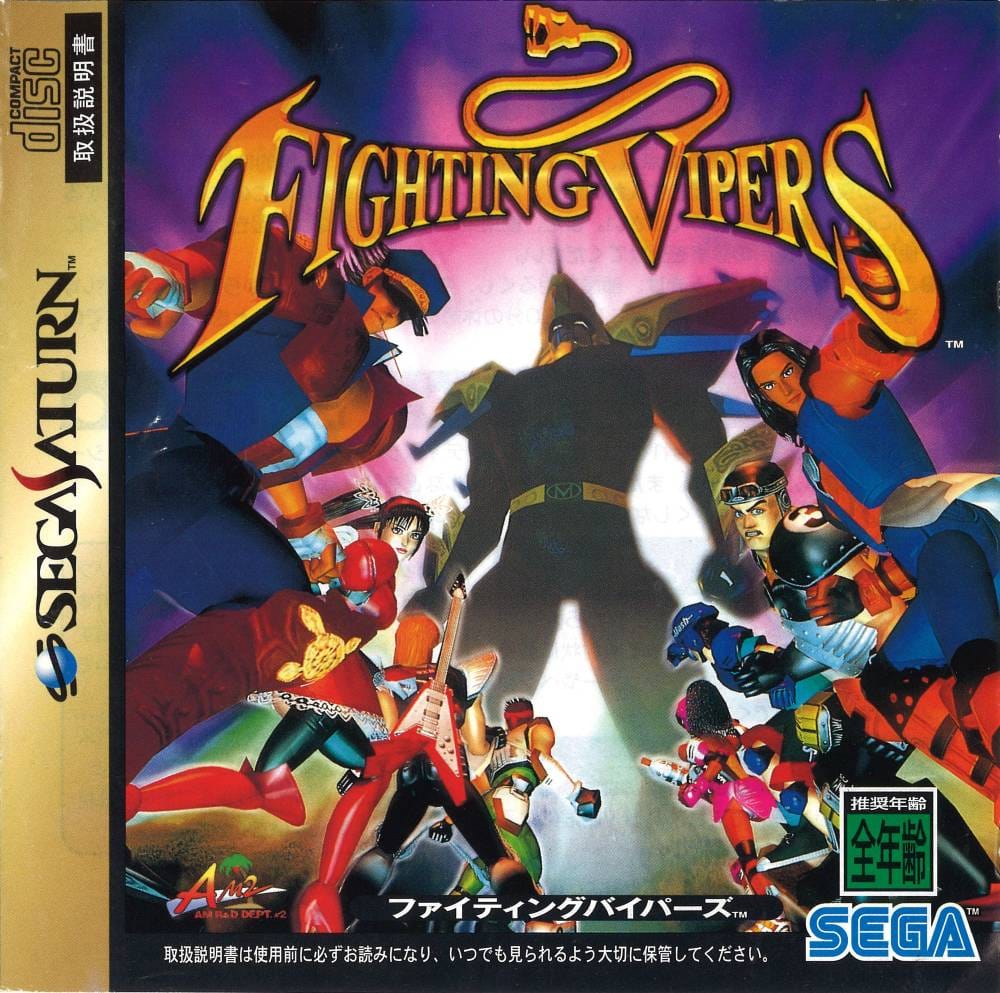
- Developer: Sega AM2
- Release Date: August 30, 1996
Fighting Vipers took the foundational 3D logic of Virtua Fighter and injected it with a massive dose of attitude. The standout feature here is the armor system. Every fighter wears protective gear that can be smashed to pieces if you take enough damage, forcing you to change your defensive strategy mid-match. And don’t even get me started on the cage. Being trapped in a confined arena means you can bounce enemies off the walls for extended combos, or better yet, end the round by knocking them clean through the fence into the distance. The Saturn port is surprisingly robust, keeping the framerate steady even when armor pieces are flying everywhere and the environment is breaking apart.
Why It's Worth Playing: Fighting Vipers is the perfect 3D fighter for people who think the genre is too slow or stiff. The Saturn port is surprisingly robust, handling the wall-breaking effects and character textures with impressive stability. If you want a game that rewards raw aggression and features some of the most stylish character designs of the era (Honey/Candy is a total icon!), this is an essential part of the Saturn library.
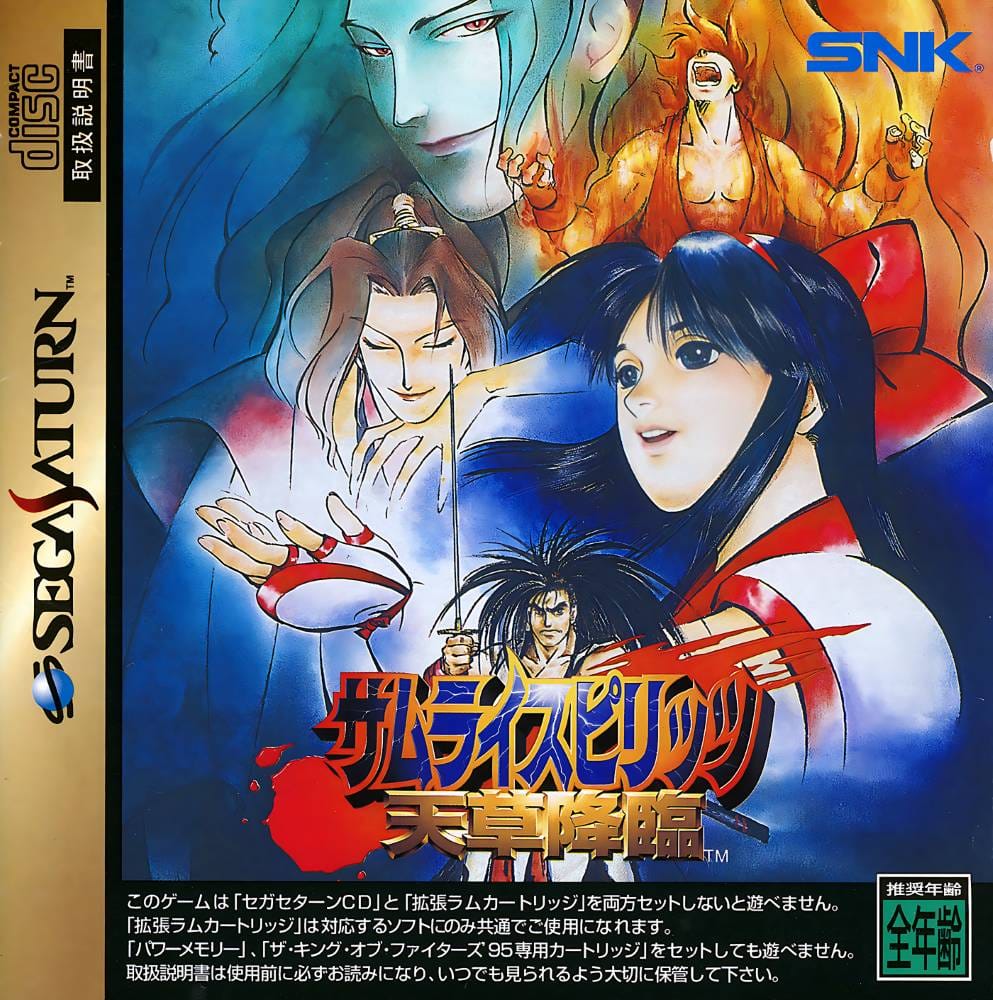
Samurai Shodown IV: Amakusa’s Revenge
- Developer: SNK
- Release Date: October 2, 1997
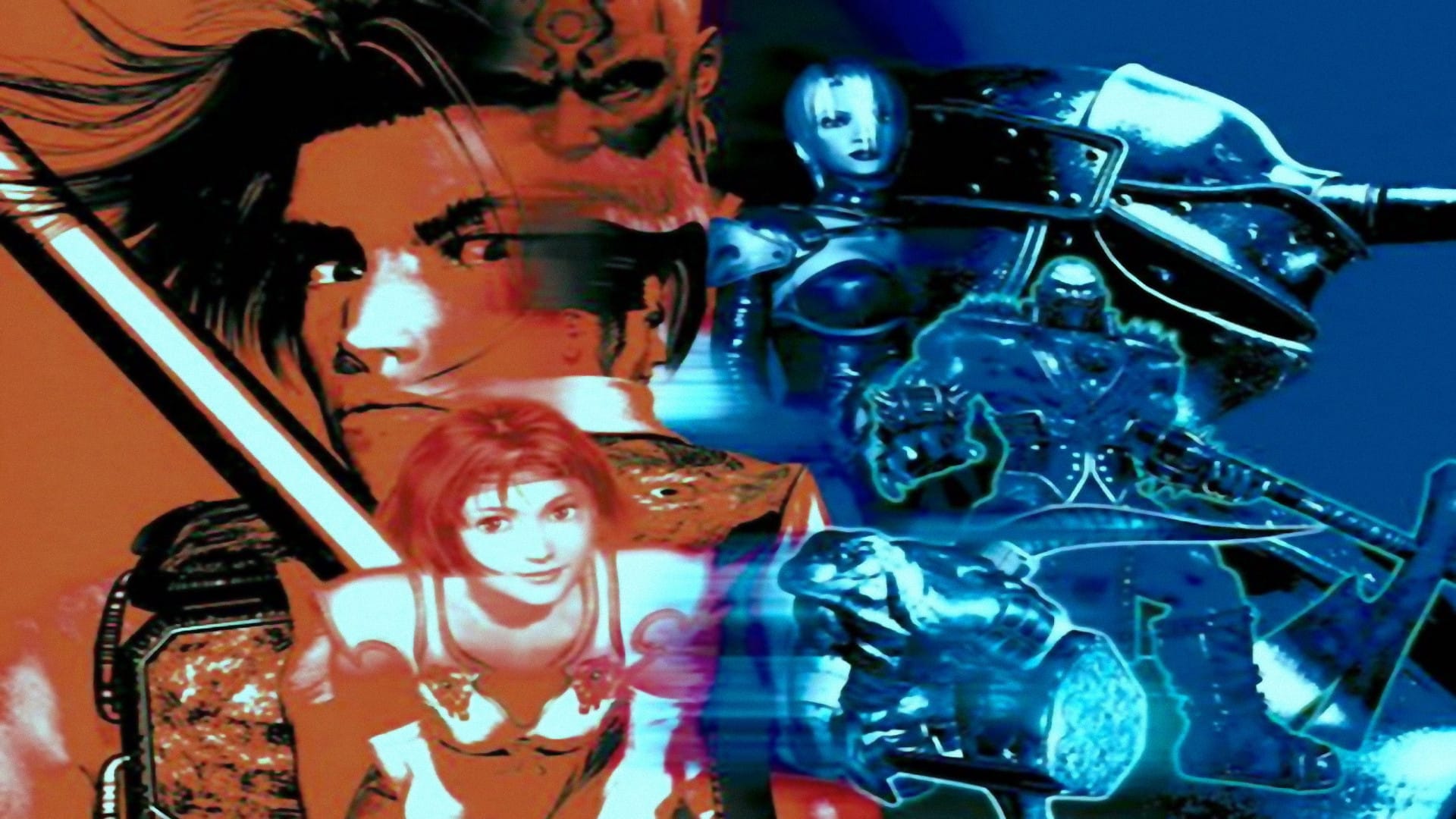
The Saturn version of Samurai Shodown IV: Amakusa’s Revenge is a total standout, utilizing the 1MB RAM cartridge to ensure that every frame of the blood-pumping animation remains intact. This entry introduced the CD Combo and No Mercy finishers, which added a layer of brutality and flair that perfectly matched the series’ grittier tone. The Suicide mechanic—where you literally forfeit a round to start the next with a full Rage gauge—is peak SNK risk-taking. The backgrounds are hauntingly beautiful, the sound of steel clashing is incredibly satisfying, and the tension is high enough to make your hands shake.
Why It's Worth Playing: Samurai Shodown IV: Amakusa’s Revenge is the pinnacle of weapon-based 2D fighting on the Saturn. It rewards patience, timing, and nerves of steel over memorizing long combo strings. If you want a fighter that feels visceral and dangerous, where every swing of the sword carries actual weight, this is an absolute must-play.
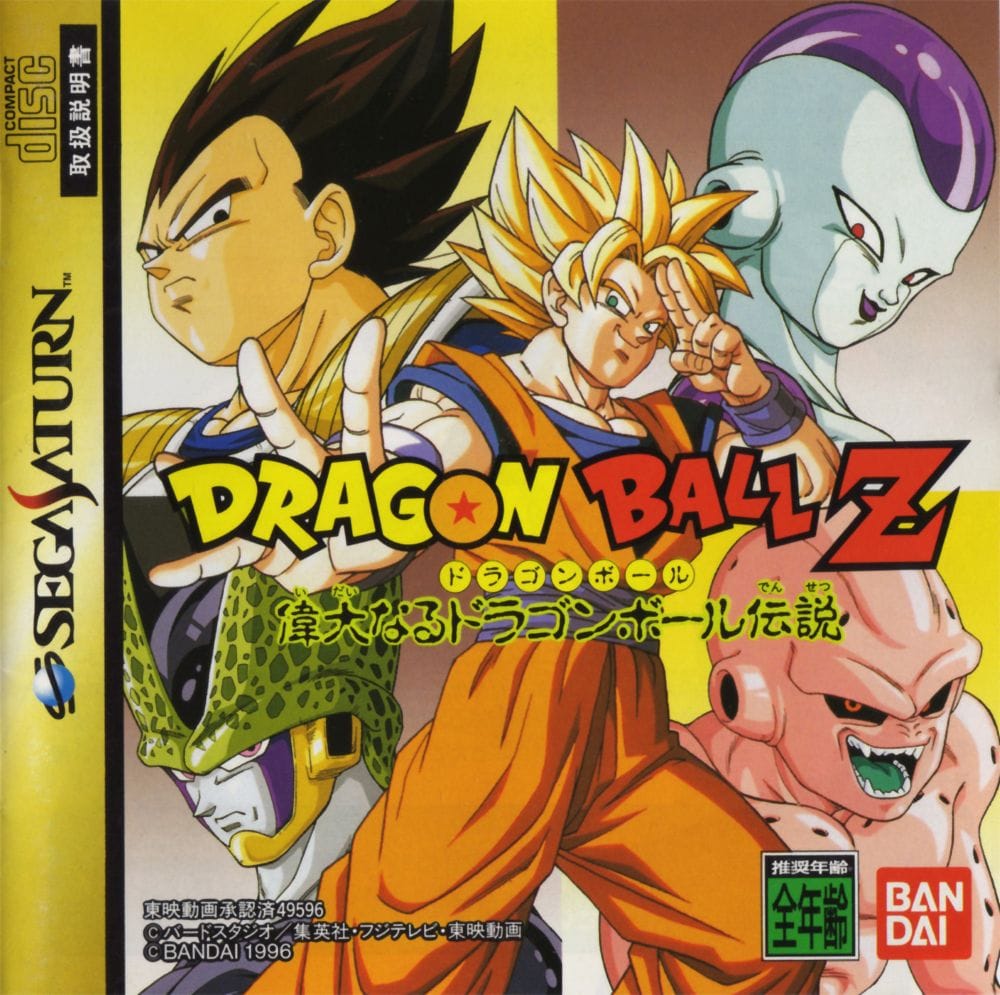
Dragon Ball Z: The Legend (Idainaru Dragon Ball Densetsu)
- Developer: TOSE
- Release Date: May 31, 1996
Dragon Ball Z: The Legend (Idainaru Dragon Ball Densetsu in Japan) is a 3-on-3 team-based aerial brawl that perfectly mimics the chaotic, planet-shaking energy of the anime. The gameplay is built around a Power Balance bar at the bottom of the screen. You don’t win by chipping away at a health bar; you win by dominating the fight and pushing that meter entirely in your favor. Once it’s fully tipped to your side, your team unleashes a devastating Mansenko or Kamehameha cinematic that actually finishes the job. The Saturn version is widely considered the superior port over the PlayStation release, offering smoother performance and those gorgeous, vibrant sprites that the console handles so well.
Why It's Worth Playing: While other DBZ games of the era tried to force the license into a Street Fighter mold, Dragon Ball Z: The Legend embraced the scale and speed of the source material. It’s one of the most unique fighters on the system, trading technical combos for strategic team management and pure spectacle. If you’re tired of the same old ground-based combat and want to experience the sheer scale of a Saiyan showdown, The Legend is highly recommended.
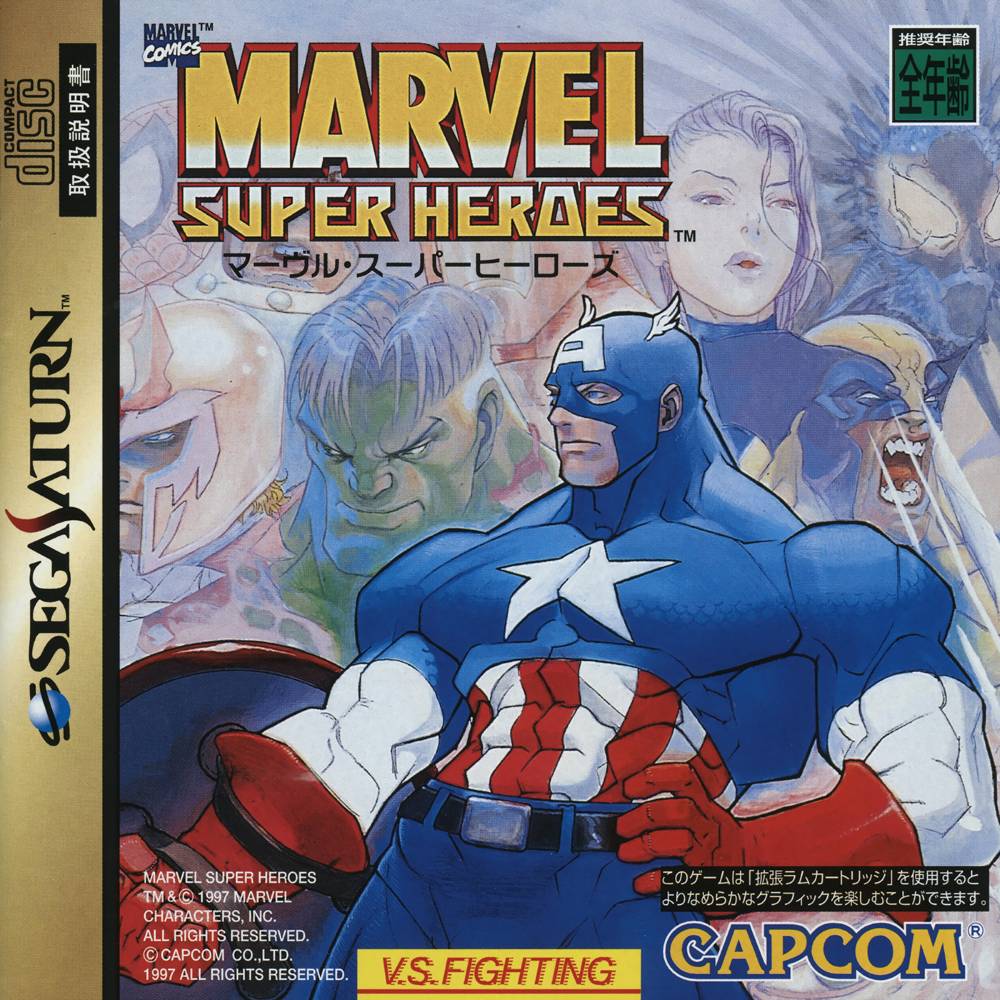
Marvel Super Heroes
- Developer: Capcom
- Release Date: August 8, 1997
Marvel Super Heroes on the Saturn is a 2D marvel (pun intended), utilizing the hardware to deliver a near-perfect translation of the CPS-2 arcade hit. The standout feature here is the Infinity Gem system. During the fight, gems like Power, Time, and Reality will drop onto the stage, and grabbing them gives you temporary, game-changing buffs. Need a speed boost? Use the Time Gem. Want to hit like a freight train? The Power Gem has you covered. The game features massive, vibrant sprites that makes Spider-Man, Captain America, and the Hulk look like they were pulled directly from the pages of a 90s comic book.
Why It's Worth Playing: The Saturn version of Marvel Super Heroes is widely considered the superior home port, offering better animation and less slowdown than its 32-bit rivals. It strikes a perfect balance between technical combo-heavy gameplay and fun, chaotic item management. If you love the Marvel Universe, you owe it to yourself to experience this gem.
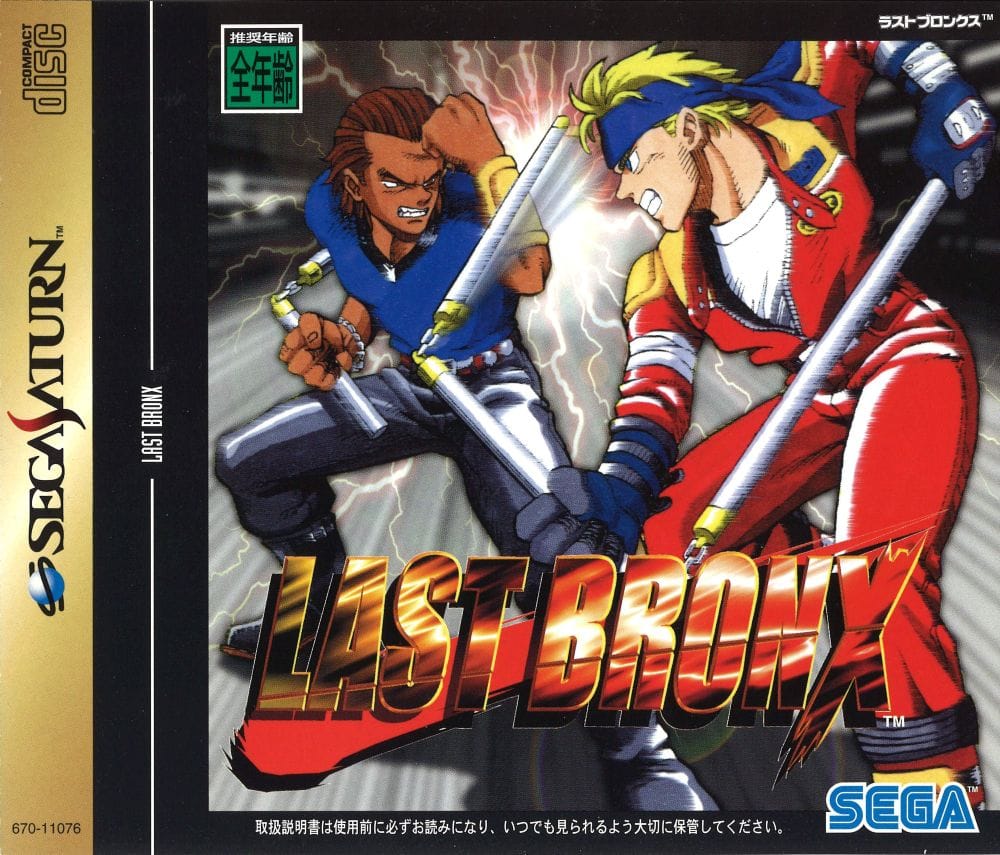
Last Bronx
- Developer: Sega AM2
- Release Date: August 1, 1997
Last Bronx is Sega’s take on weapon-based combat, and it’s one of the slickest 3D fighters on the Saturn. Because every character wields a weapon, the reach and spacing game is entirely different from Sega’s other fighters. You can’t just rush in blindly; you have to respect the arc of a bo staff or the lightning-quick snap of a three-section staff. The G-Cancel mechanic is the secret sauce here, allowing you to feint attacks and bait your opponent into a devastating counter. The Saturn port is a technical marvel, managing to hit a locked 60FPS in high resolution while keeping the character models impressively detailed.
Why It's Worth Playing: Last Bronx offers a distinct flavor of weapon combat that feels more grounded and urban than other Saturn fighters. The combat is incredibly tactile, and it proves that the hardware could handle complex weapon physics and high-speed motion without breaking a sweat. If you want a fighter with a darker, more cinematic edge and a soundtrack that perfectly captures that 90s arcade vibe, this is a mandatory play.
Groove on Fight
- Developer: Atlus
- Release Date: May 16, 1997
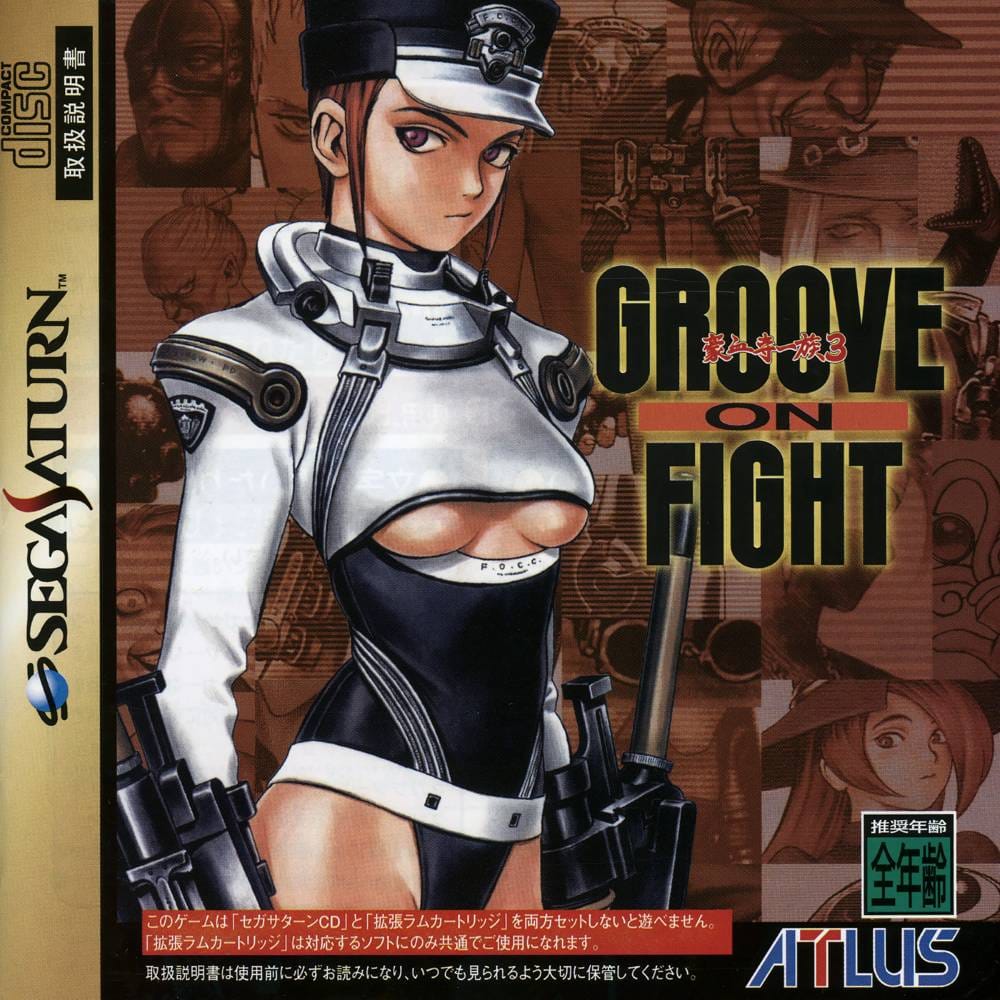
Groove on Fight is the absolute peak of the Power Instinct series, pushing the Saturn’s 2D capabilities to the limit. The 2D fighting engine feels incredibly snappy compared to its predecessors. You pick a pair of fighters and switch between them on the fly, creating combos that fill the screen with beautiful, hand-drawn carnage. One of the most unhinged features is that when a teammate gets knocked out, their body stays on the ground, and you can actually pick them up and throw them at your opponent! It’s dark, hilarious, and mechanically unique. The Sega Saturn’s RAM expansion cartridge works overtime here to deliver silky-smooth animations and massive sprites without breaking a sweat.
Why It's Worth Playing: Groove on Fight is a must-play for anyone who appreciates high-quality sprite work and unique character design. The tag mechanics are easy to grasp but offer plenty of room for creative grooving. If you’re a want a fighter that isn't afraid to be a little bit insane and a whole lot of fun, this is a top-tier choice.
Asuka 120% Limited Burning Fest.
- Developer: Fill in Cafe
- Release Date: October 9, 1997
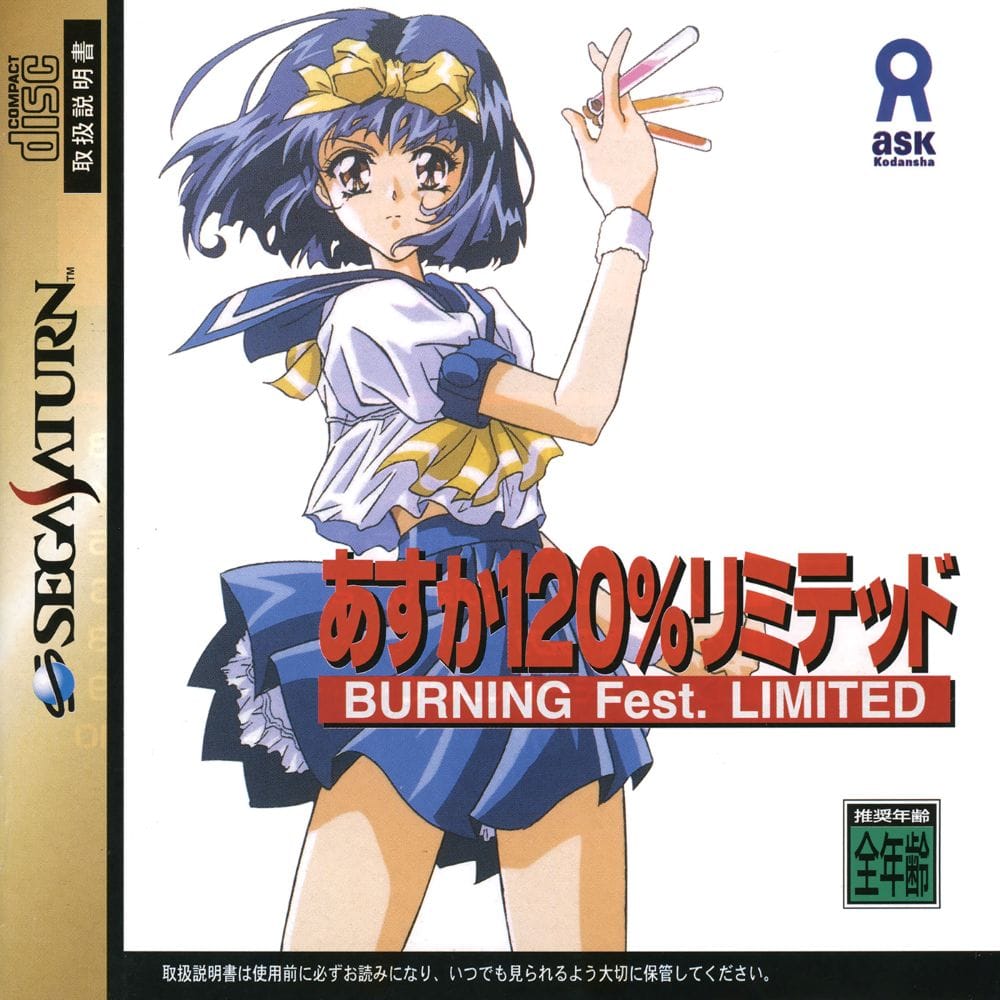
Asuka 120% Limited Burning Fest. is a high-octane technical brawler that polishes the mechanics of the earlier releases, offering incredibly fast combat. Every character represents a different school club—like Chemistry, Tennis, or even the Newspaper Club—and their movesets reflect it in the most over-the-top ways imaginable. When two attacks collide, they don’t just trade damage—they cancel out with a satisfying spark, allowing both players to immediately cancel into another move. This creates these breathless, cinematic exchanges that feel like something straight out of Dragon Ball Z.
Why It's Worth Playing: Don’t let the cheerful anime aesthetic fool you; Asuka 120% Limited Burning Fest. is one of the most competitive and rewarding fighters on the Saturn. It’s a prime example in how to make a game feel fast without losing control, and the Saturn’s hardware ensures the frame rate stays locked during the most chaotic clashes. If you want a 2D fighter that focuses on pure speed and defensive mastery, Asuka 120% is a masterpiece that deserves a spot next to any Capcom classic.
Rabbit
- Developer: Electronic Arts Victor
- Release Date: June 27, 1997
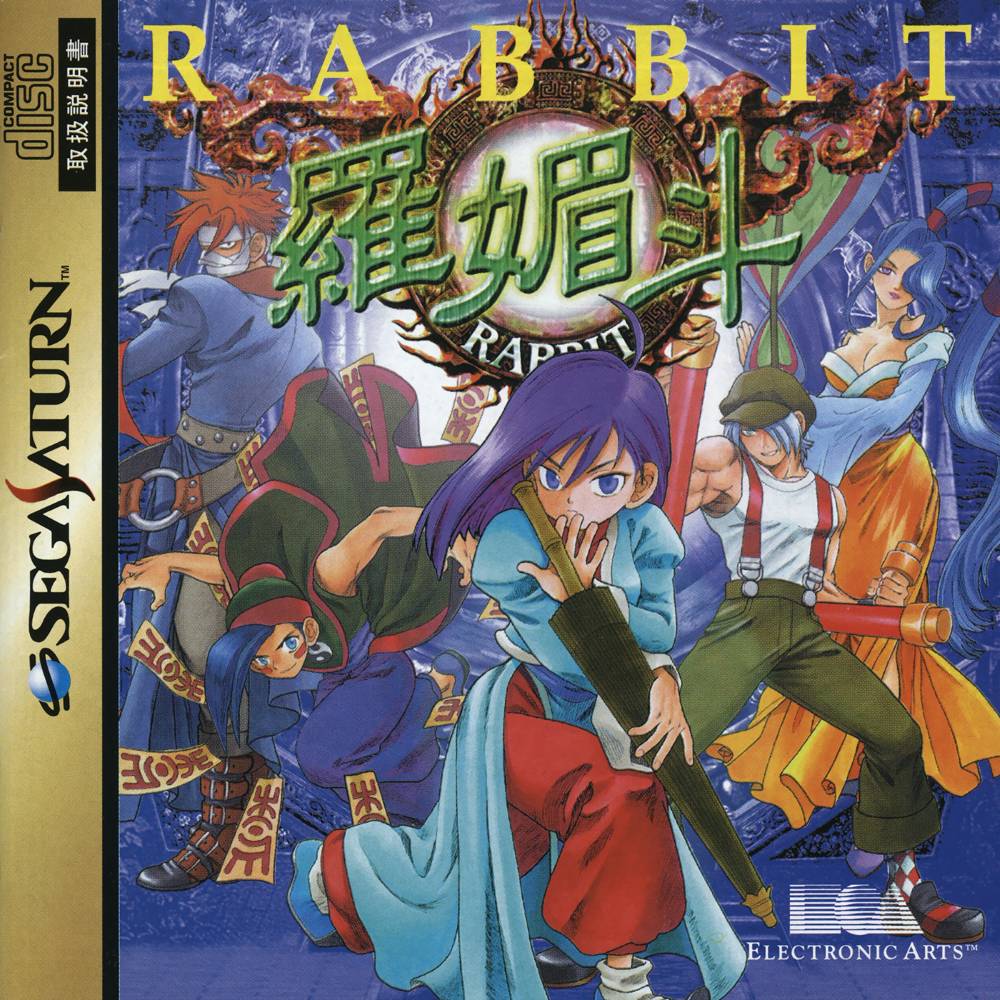
Rabbit is one of the most aesthetically distinct fighters on the Saturn, providing hyper-stylized combat that feels looks like a high-end 90s martial arts anime come to life. Originally an arcade title, every fighter in this game is bonded to a spectral animal that follows them into battle. You can summon your inner beast for devastating Animal Combo attacks, or use it to extend your reach. If your animal takes too much damage, it gets stunned, leaving you vulnerable. The backgrounds are absolutely stunning, featuring deep parallax scrolling and a gritty, urban-meets-supernatural aesthetic that is pure 32-bit eye candy.
Why It's Worth Playing: Rabbit is a fantastic alternative for players who want something a little more mature and atmospheric than Street Fighter or King of Fighters. While it didn't get the mainstream fame of its peers, the Saturn port is excellent and captures that specific 90s arcade "crunch" perfectly. If you want a fighter that feels unique and a bit mysterious, this is a must-play.
Waku Waku 7
- Developer: Sunsoft
- Release Date: June 20, 1997
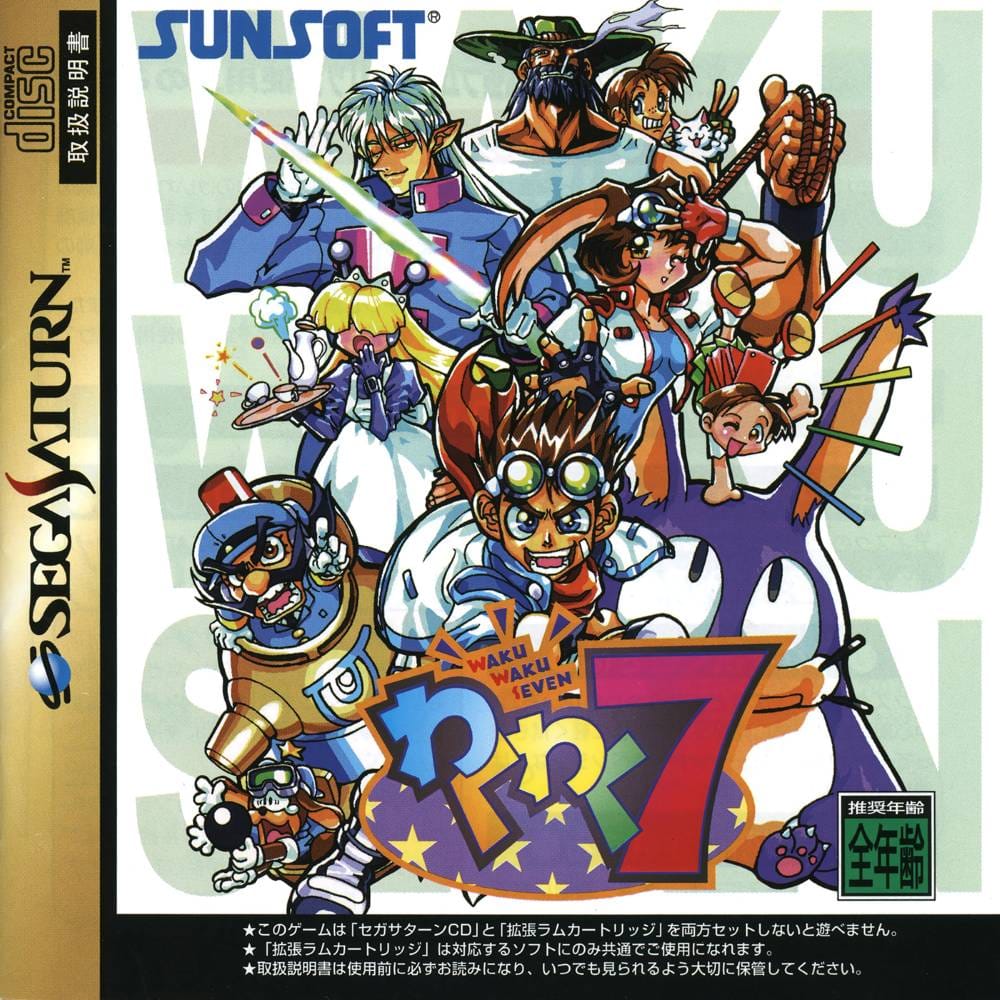
Waku Waku 7 is one of the most charismatic fighters on the Saturn, poking fun at every anime trope imaginable. The “7” in the title refers to the seven Waku Waku balls you’re trying to collect (a very obvious nod to Dragon Ball). Gameplay-wise, it’s surprisingly solid, featuring screen-zooming, super moves that fill the entire, and a unique Harahara move—a high-risk, unblockable attack that comes with a warning siren. The Saturn version is a near-perfect translation of the Neo Geo arcade hit, boasting vibrant colors and that signature Sunsoft polish.
Why It's Worth Playing: Waku Waku 7 is not trying to be the most technical or the most balanced; it’s trying to be the most fun. Every frame of animation is packed with charm, and while the roster is small, every single one feels completely unique and balanced. If you want a game that pushes the Saturn’s 2D capabilities to their limit while delivering a highly accessible combat experience, this is a top-tier recommendation.
Frequently Asked Questions (FAQ)
Is the Saturn port of Street Fighter Zero 3 better than the arcade version?
Absolutely! Utilizing the 4MB RAM cart, Street Fighter Zero 3 on Saturn is essentially arcade-perfect. The Saturn version also includes exclusive World Tour modes and Dramatic Battle matches not found in the arcade release.
How was Virtua Fighter 2 able to run at 60fps?
To keep Virtua Fighter 2 running at 60fps, the Saturn version uses high-res 2D backgrounds, a clever trick that makes the 3D models pop.
Is there a secret character in Fighting Vipers?
Indeed! You can play as Pepsiman in the Japanese version of the game—a literal walking Pepsi advertisement.
Why is Dragon Ball Z: The Legend so unique?
Dragon Ball Z: The Legend features the largest roster of any 32-bit DBZ game, covering everything from the Saiyans to Kid Buu.
What is special about the Marvel Super Heroes port?
The Saturn port of Marvel Super Heroes is superior to the PS1 version, offering better animation frames and more consistent performance during the chaotic Infinity Gem usage.
Final Round
Looking back at this lineup, it’s clear why the Sega Saturn remains the Holy Grail for fighting game enthusiasts. While its 3D capabilities were often overshadowed by its rivals, its specialized architecture made it the undisputed king of 2D sprites. From the technical precision of Virtua Fighter 2 to the colorful chaos of Waku Waku 7, these 20 Sega Saturn fighting games represent a golden age of creativity.
If you’re a fan of the genre, the Saturn library isn’t just a trip down memory lane—it’s a masterclass in game design that still feels fresh, challenging, and undeniably stylish today. So, grab your six-button controller, pick your character, and remember: in the world of Saturn fighters, the battle is never truly over until the last sprite disappears.

At HyperComboGamer, we believe great games deserve great coverage. That means no filler, no clickbait, or fanboyism—just honest, high-quality reviews, features, and guides that put gamers first. Whether you’re a lifelong enthusiast or just starting your gaming journey, you’ll find interesting gaming perspectives that will leave you fully satisfied.