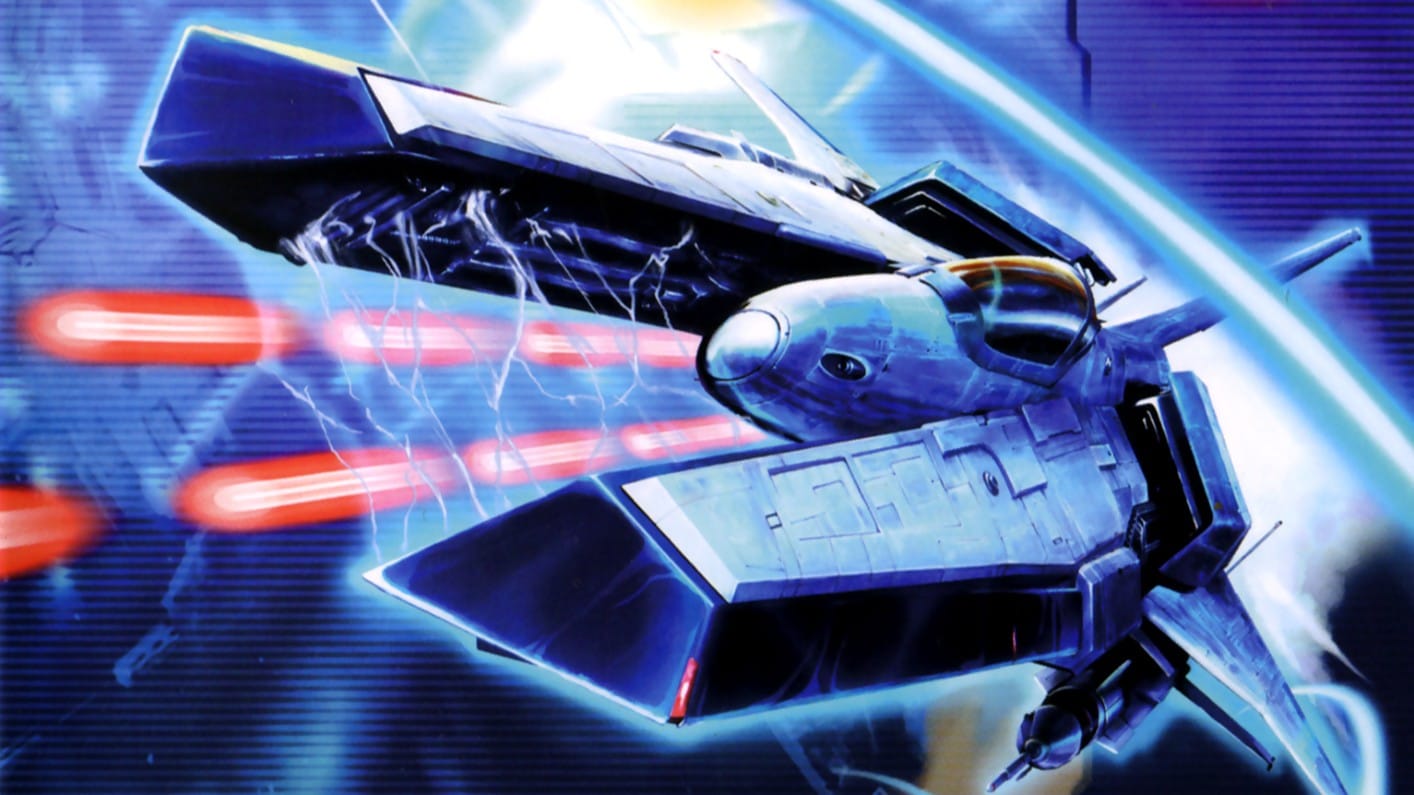
Modern gaming often prioritizes hand-holding and quest markers, but the shmup (shoot ’em up) genre demands pure, absolute skill. The PlayStation 2 library houses some of the most punishing, beautiful, and, let’s be honest, absurdly expensive shooters ever pressed to a disc. Why would anyone willingly subject themselves to this kind of digital torture? Because nothing beats the rush of weaving through a thousand bullets with only a single pixel of health left.
From high-level arcade ports to console exclusives, let’s discover 25 essential PS2 shmup games that prove why this console remains the ultimate sanctuary for retro gaming fans. Your reflexes might hate me by the end of this list, but your inner arcade rat will definitely thank me.
DoDonPachi DaiOuJou
- Developer: CAVE
- Release Date: April 10, 2003
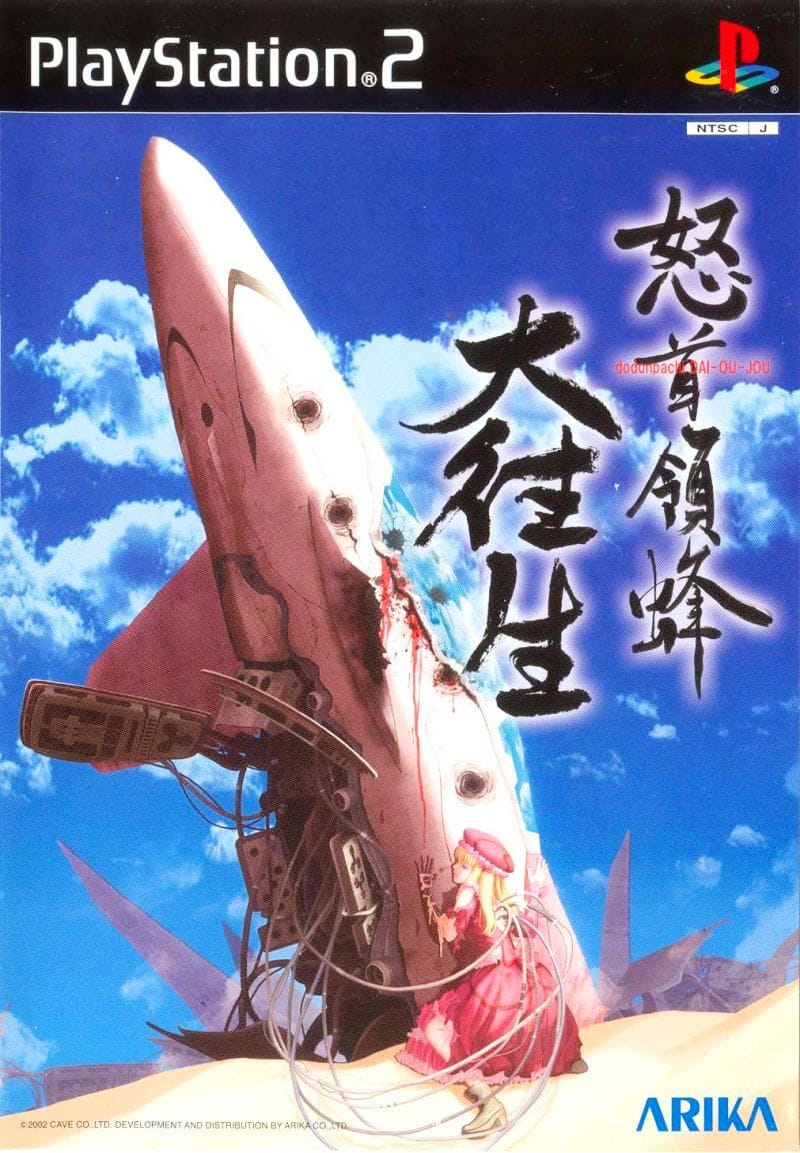
DoDonPachi DaiOuJou sits on the throne of the bullet hell sub-genre, daring you to survive its relentless mechanical onslaught. You pick a ship, choose an elemental doll to customize your shot type and bomb capacity, and then hope that your eyes can track five hundred glowing blue needles at once. You have to chain enemy kills to keep a combo meter running, but the timing is so tight that a single millisecond of hesitation ruins your run. The soundtrack thumps with an industrial energy that perfectly matches the mechanical genocide happening on screen. This PS2 port includes the Death Label mode, which basically turns the game into a boss-rush meat grinder.
Why It's Worth Playing: DoDonPachi DaiOuJou represents the absolute peak of the bullet hell subgenre, offers a mechanical purity that few other shooters manage to achieve. You'll find the tightest hitboxes and most rewarding scoring systems in the business right here. Even if you struggle with the difficulty, the sheer spectacle of the bullet patterns makes it one of the most rewarding challenges on the PlayStation 2.
Silpheed: The Lost Planet
- Developers: Treasure, Game Arts
- Release Date: September 21, 2000
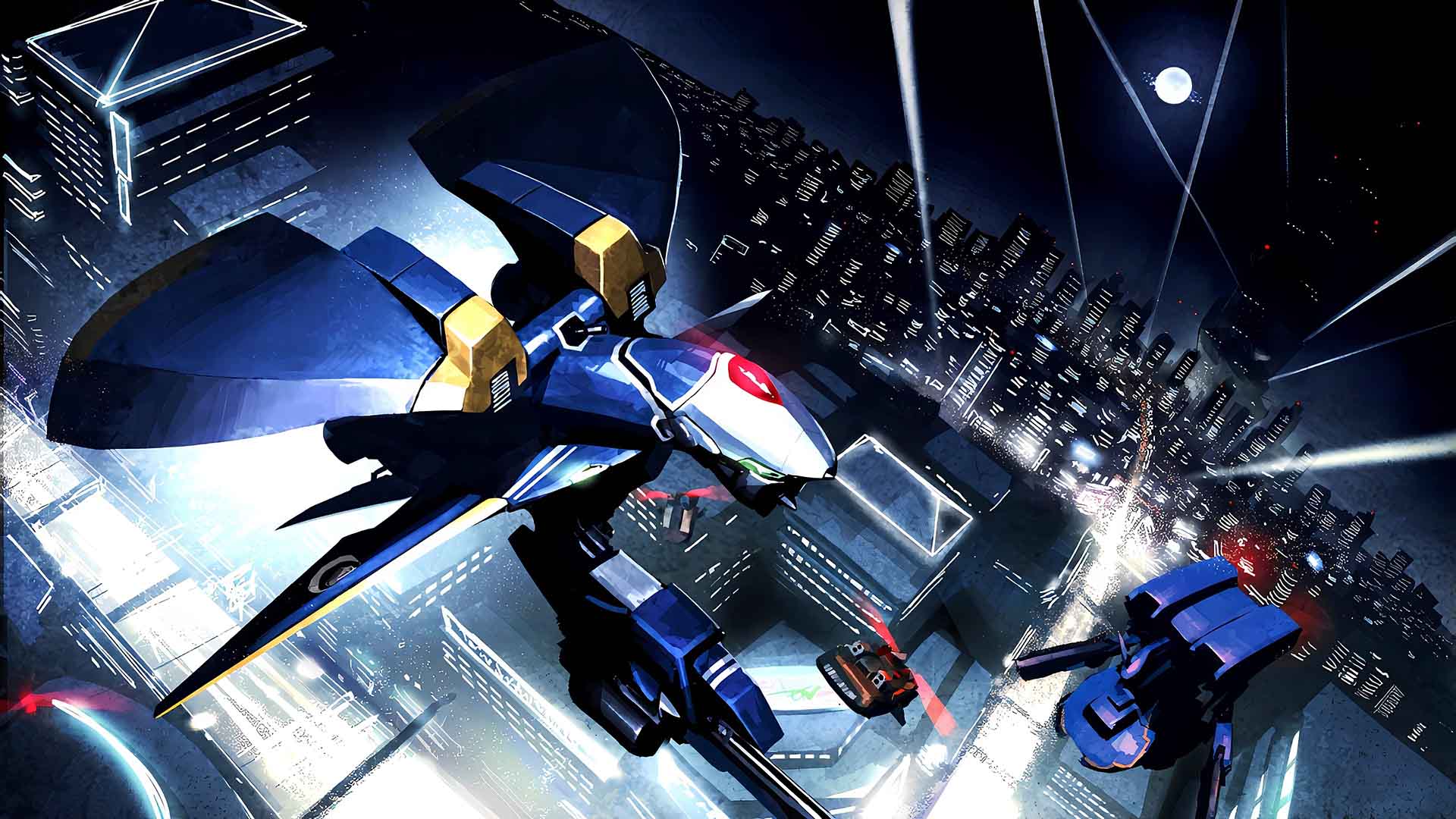
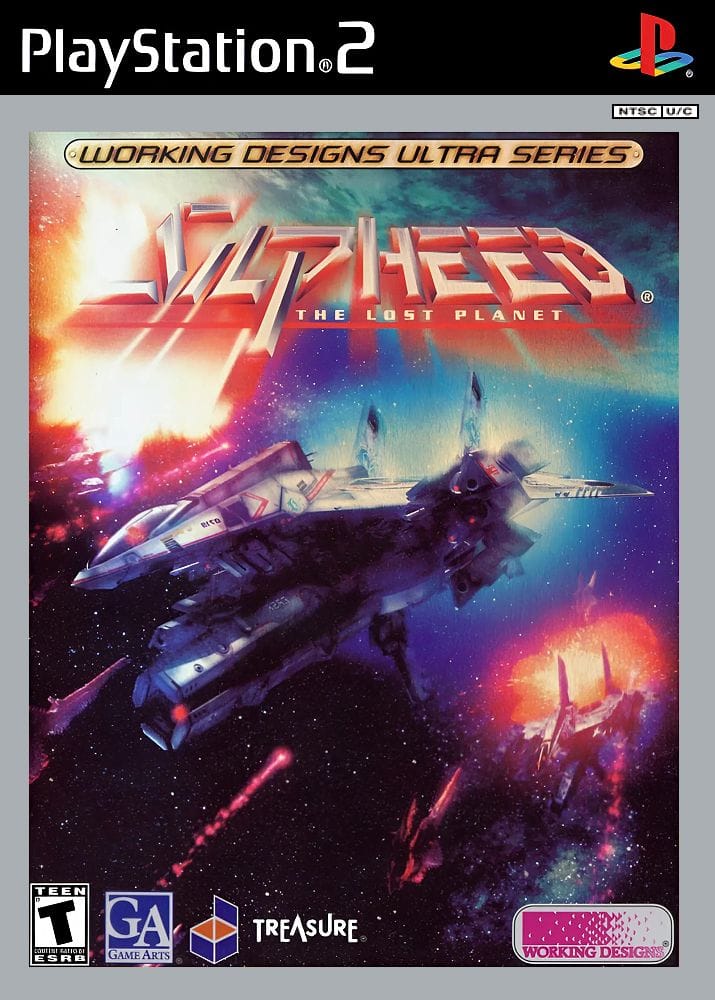
While other shmups were still clinging to 2D sprites, Silpheed: The Lost Planet offered cinematic space combat that gave us our first glimpse into the next generation of shmups. The gameplay stays fairly traditional despite all the visual bells and whistles. You customize your ship’s wing attachments between stages, picking from lasers, missiles, or specialized bombs to suit your playstyle. You’ll need to weave through exploding capital ships and dodging debris while engaging in atmosphere-piercing dogfights. The game uses pre-rendered backgrounds that, while a bit of a cheat by today’s standards, allowed for some seriously dramatic camera angles that still look cool today.
Why It's Worth Playing: Silpheed: The Lost Planet is one of the few games in the genre that prioritizes atmosphere and cinematic storytelling over soul-crushing difficulty. The weapon customization adds a nice layer of strategy, and the sense of scale remains impressive even by modern standards. If you want a shmup that feels like a summer blockbuster rather than a grueling math test, this is your best bet on the system.
Espgaluda
- Developer: CAVE
- Release Date: April 17, 2004
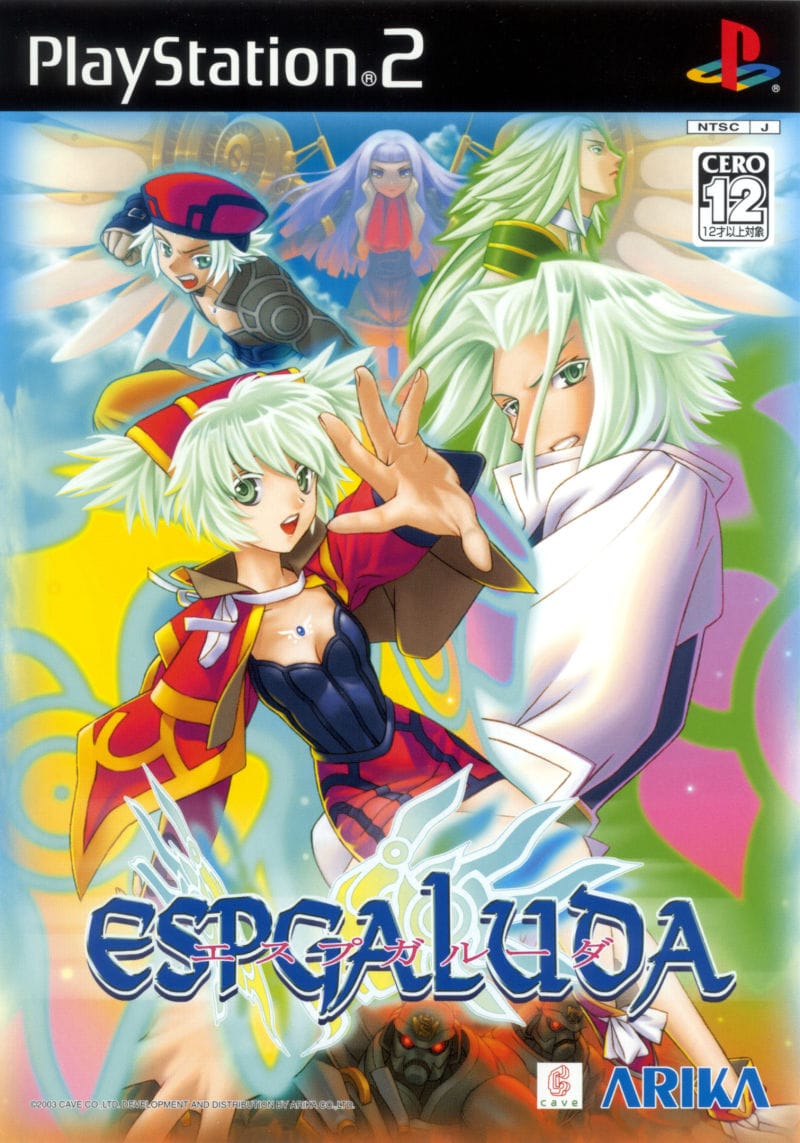
Espgaluda is CAVE at their most creative, ditching the military grit for a gorgeous techno power fantasy that lets you break the laws of physics. Unlike some of its more punishing cousins, this game actually wants you to succeed—or at least it gives you the tools to feel like a tactical genius while you’re doing it. This game introduced the Kakusei (Awakening) system, which allows you to enter a slowed-down state where enemies move like they’re stuck in molasses and their bullets turn into piles of gold when you destroy them. The catch? You need green gems to power this mode. It’s a genius mechanic because it transforms the game from a frantic survival horror into a calculated greed simulator.
Why It's Worth Playing: Espgaluda is a bullet hell for people who usually hate bullet hells. It’s one of the most balanced shmups on the PS2, offering a high skill ceiling for pros and a manageable entry point for newcomers. If you want to feel like Neo from The Matrix while flying through a steampunk fever dream, this is your game.
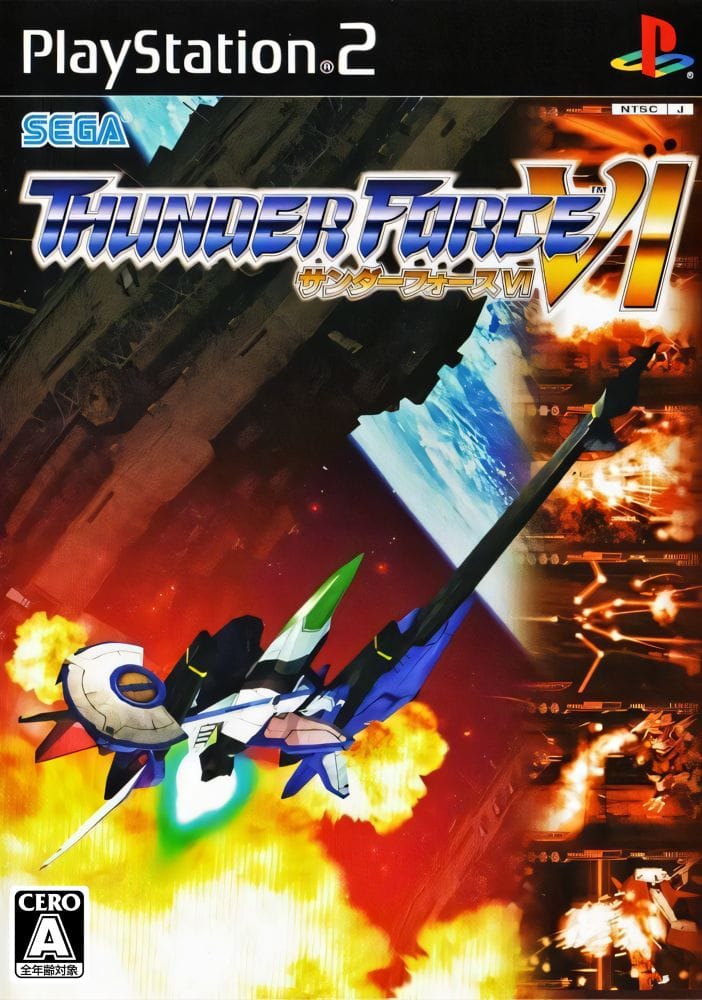
Thunder Force VI
- Developer: SEGA
- Release Date: October 30, 2008
Released late in the PS2’s life, Thunder Force VII trades the gritty 16-bit pixels of the past for full 3D models and over-the-top boss introductions. The gameplay sticks to the series’ roots, but adds the Over Weapon gauge for when you really need to erase something from existence. Unlike the older games that punished you for every mistake by stripping your power-ups, this one is a bit more forgiving—you keep your arsenal even after you blow up. Is it a bit short? Yep, but it makes this game a blast to play when you want to chill on a rainy afternoon.
Why It's Worth Playing: Thunder Force VI is the definitive modern take on one of the most important shmup franchises in history. The difficulty is much more manageable than most of the games on this list, making it a great pick if you want to actually see the ending without having a literal nervous breakdown. It’s a gorgeous, grand finale of the Thunder Force series we all deserved.
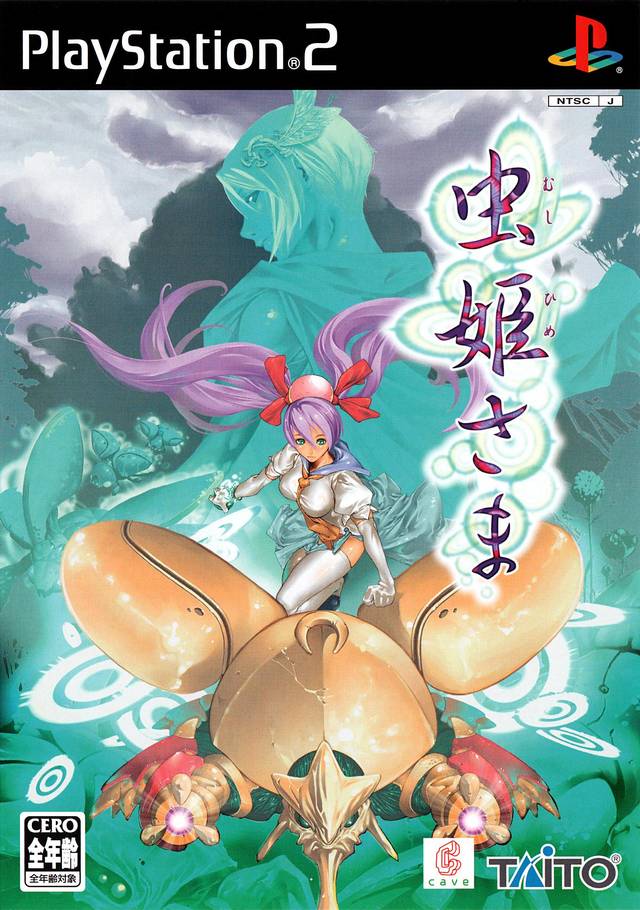
Mushihimesama
- Developer: CAVE
- Release Date: July 21, 2005
Mushihime-sama is one of the most colorful shmups on the PS2, featuring bullet patterns so gorgeous that you might actually forget you’re about one second away from a “Game Over” screen. You play as Reco, a princess trying to save her village by navigating through levels packed with giant insects and prehistoric-looking plants. The weapon system is simple, and the scoring system is surprisingly straightforward, letting you focus entirely on the beautiful, terrifying patterns unfolding around you. Original mode feels like a classic, speedy shooter with manageable bullet counts, but Ultra mode is basically a sadistic test of whether your brain can process the screen being 98% covered in pink bullets.
Why It's Worth Playing: Mushihime-sama perfectly balances a welcoming, colorful atmosphere with some of the most punishingly precise gameplay ever coded. Even when the screen is a chaotic mess, the game provides incredible clarity, ensuring that every death is your fault rather than a cheap shot from the hardware. Plus, the soundtrack is an absolute banger that will keep you pumped even as you're losing your last life.
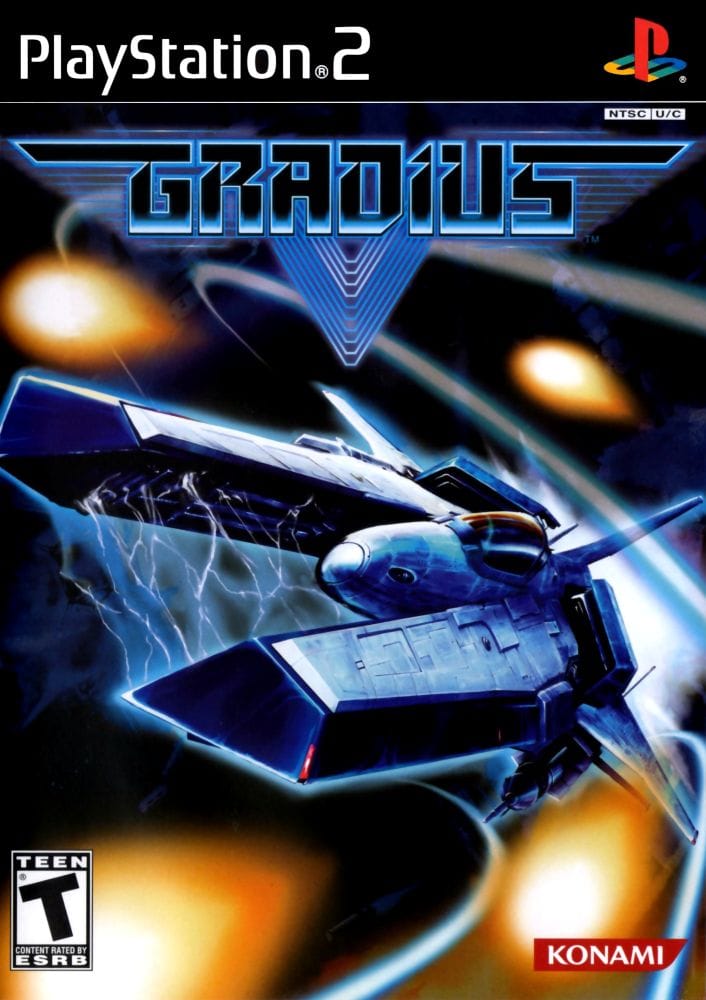
Gradius V
- Developer: Treasure
- Release Date: July 22, 2004
Gradius V drags the classic horizontal shooter series into the modern era with impressive 3D visuals. You still pilot the legendary Vic Viper and manage the iconic power-up bar, but everything feels heavier, faster, and more cinematic. The real game-changer here is the Option control. For the first time, you can freeze your glowing helper pods in place, rotate them around your ship, or aim their fire in specific directions with a flick of the shoulder buttons. The level of polish is honestly staggering, and the Hitoshi Sakimoto soundtrack provides a sweeping, orchestral backdrop to the carnage. Just be warned: the final stages will test your patience!
Why It's Worth Playing: Gradius V is the one of the most intellectual shmups on the PS2; forcing you to use your brain just as much as your trigger finger. It successfully blends the punishing, "one-hit-and-you’re-dead" tension of the 80s with the bombastic production values of the 2000s. It’s a stone-cold masterpiece that hasn't aged a day.
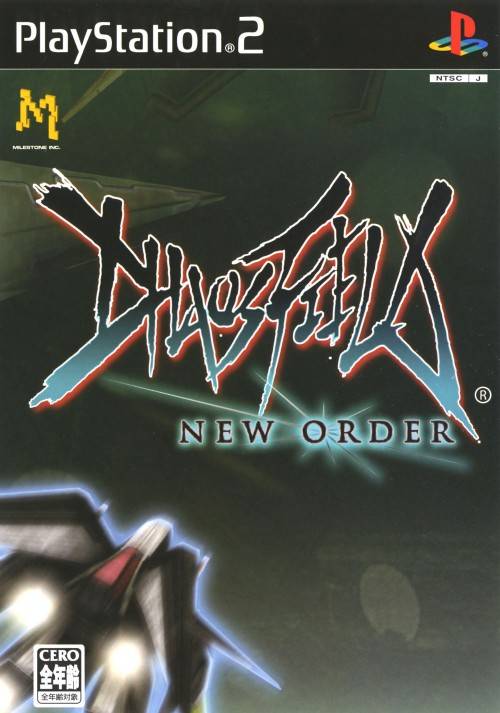
Chaos Field: New Order
- Developer: Milestone Inc.
- Release Date: December 16, 2004
Chaos Field: New Order effectively deletes the boring parts of a shmup and turns the entire game into a relentless Boss Rush. You pick one of three pilots and immediately go toe-to-toe with massive, multi-phase mechanical nightmares. You can manually switch between the Order field and the Chaos field at any time. Order is relatively calm, while Chaos turns the screen into a literal nightmare of aggressive enemy fire. Why would you ever want more bullets? Because destroying things in the Chaos field yields significantly higher points and powers up your Meta System sword. The visual style is very early 2000s Dreamcast-chic with sharp polygons and a heavy electronic soundtrack that matches the frantic pace.
Why It's Worth Playing: If you have a short attention span or just really hate fighting popcorn enemies, Chaos Field: New Order is your new best friend. The ability to shift between fields gives you a lot of control over your destiny, and the sword-swinging mechanics add a layer of engagement that standard shooters lack. If you love big boss fights and hate waiting through levels to find them, this is basically your dream come true.
R-Type Final
- Developer: Irem
- Release Date: July 22, 2003
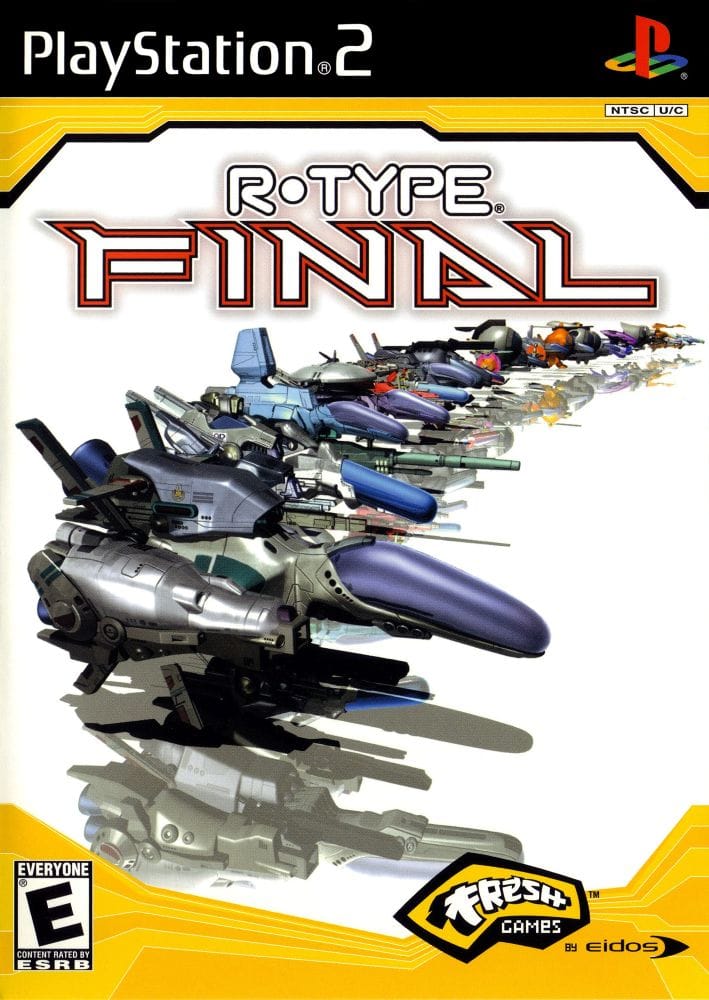
R-Type Final is a dedicated tribute to one of the most depressing yet beautiful franchises in gaming history, offering a sheer volume of content. There are over a hundred unlockable ships to pilot, turning the game into a massive scavenger hunt. The gameplay is classic R-Type, which means it’s slow, deliberate, and incredibly punishing. You can’t just twitch-dodge your way out of trouble here; you have to memorize the levels and know exactly where to place your Force pod to block incoming fire. The atmosphere is thick with a sense of cosmic dread, featuring haunting music and stages that feel like you’re flying through the guts of a giant, rotting organism.
Why It's Worth Playing: R-Type Final is the ultimate completist shmup. The ship-unlock system provides a level of replayability that is unheard of in this genre, and the boss designs are some of the most grotesque and memorable on the system. If you want a game that rewards patience and curiosity while offering a moody, sci-fi atmosphere that still holds up, this is an absolute essential.
Homura
- Developer: SKONEC Entertainment
- Release Date: January 12, 2005
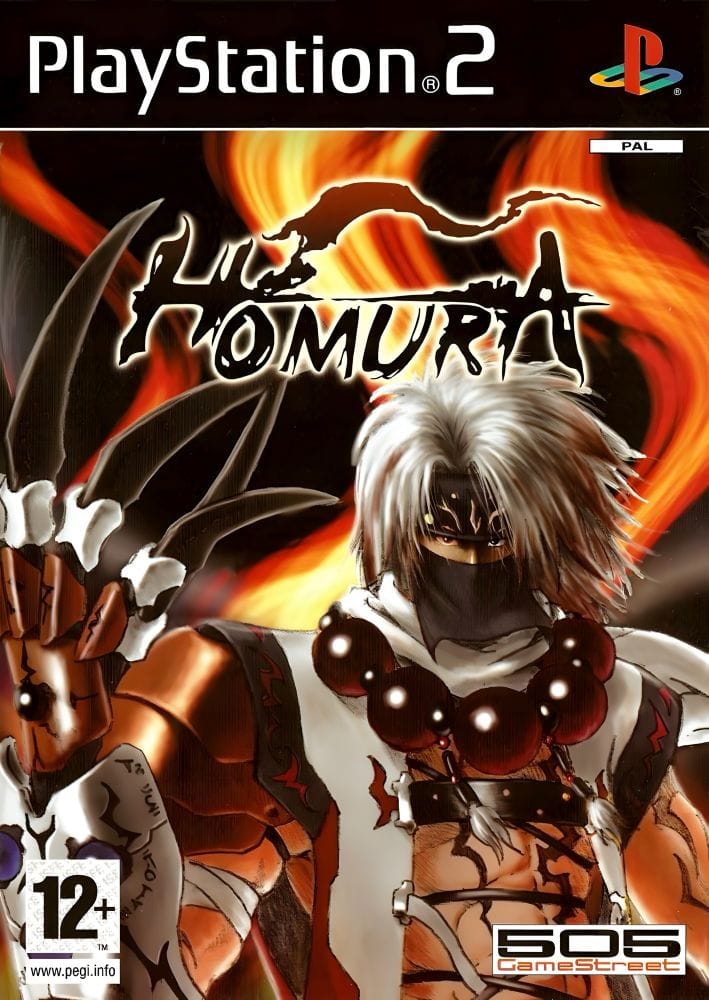
If you ever thought shmups were just about spaceships and lasers, Homura is here to politely prove you wrong with a sharp katana. Set in a stylized version of feudal Japan, you play as a resurrected samurai flying through the air to take down a rogue empire. The game feels like a high-speed pursuit, with the screen scrolling vertically at a breakneck pace while you weave between waves of traditional Japanese architecture and mechanical monstrosities. You don’t just dodge bullets; you can actually slash them with your sword. Timing a melee attack perfectly allows you to reflect projectiles back at your enemies or close the distance for a devastating kill.
Why It's Worth Playing: Homura stands out because it bridges the gap between a hack-and-slash and a bullet hell. The sword-based mechanics offer a refreshing change of pace from the usual "hold down the fire button" gameplay, rewarding players who take risks and get up close. If you’re looking for a shmup that makes you feel like a total badass for twenty minutes, this is a hidden gem you can't miss.
Gigawing Generations
- Developer: Takumi Corporation
- Release Date: March 24, 2005
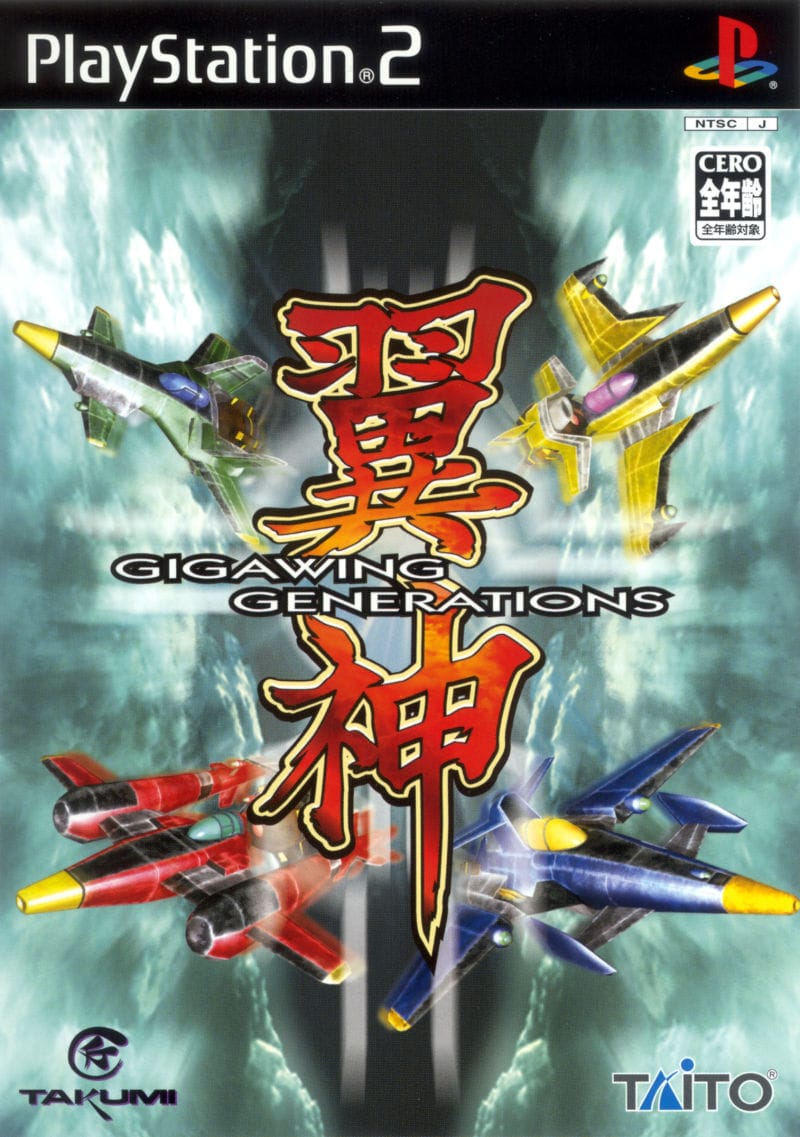
Gigawing Generations moves the series into full 3D while keeping that delicious, screen-filling chaos intact. You fly, you wait for the Reflect meter to charge, and then you purposefully put yourself in harm’s way to vacuum up points. The numbers on the screen get so high that the game eventually just starts using scientific notation because there literally isn’t enough room for all the zeros. Unlike the previous entries that featured more steampunk vibes, Generations leans into a cleaner, futuristic look. While some fans miss the chunky sprites of the Dreamcast era, the 3D models allow for some truly massive boss designs and dynamic camera transitions.
Why It's Worth Playing: While other games on this list make you feel small and fragile, Gigawing Generations gives you the tools to absolutely bully the bosses. The satisfaction of vacuuming up a screen full of projectiles and watching your score counter tick into the trillions is unparalleled. If you’re a fan of high-score chasing and want to see just how much chaos the PS2 hardware can render at once, you need to play this game.
Psikyo Shooting Collection Vol. 3: Sol Divide and Dragon Blaze
- Developer: Psikyo
- Release Date: March 31, 2005
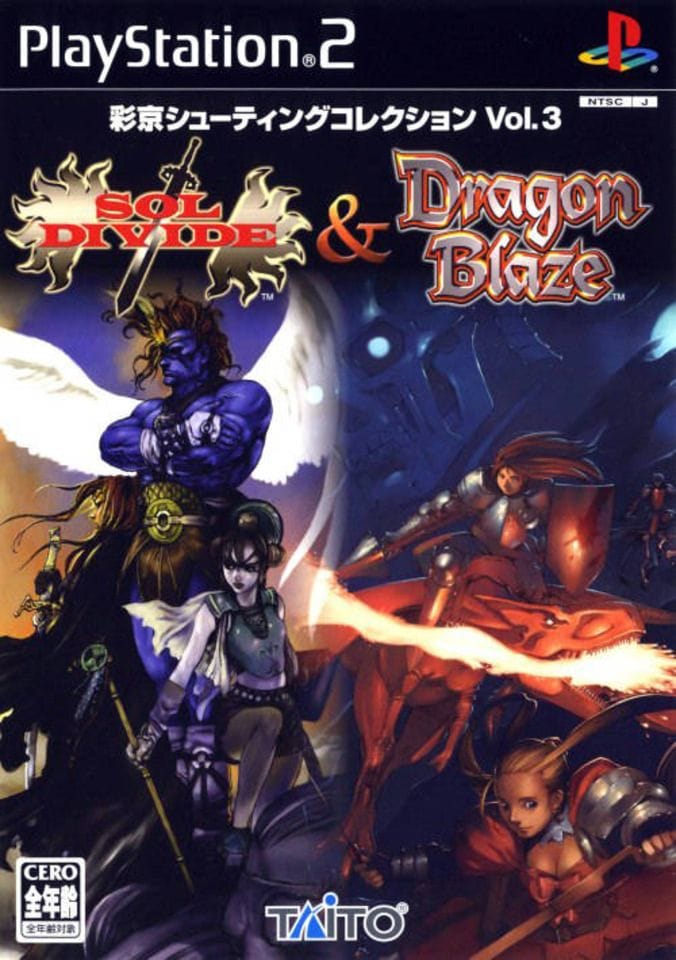
Psikyo Shooting Collection Vol. 3 brings together two games that prove Psikyo was the master of the fantasy shmup. First up is Sol Divide, a horizontal, sword-swinging action-shooter hybrid. This game feels like a dark fantasy RPG crashed into an arcade cabinet, featuring a health bar instead of one-hit deaths and a heavy emphasis on melee combos. On the flip side, you get Dragon Blaze, which is one of the best vertical shooters ever made. In this one, you’re a dragon rider with a very specific trick up your sleeve: the Dragon Shot. You can actually dismount your dragon and send it flying forward to pin down enemies while you hang back and provide cover fire.
Why It's Worth Playing: Psikyo Shooting Collection Vol. 3 is a must-have because it showcases the incredible range of the genre. Sol Divide offers a weird, experimental change of pace for when you're tired of traditional shooting, while Dragon Blaze provides a masterclass in tight, high-speed arcade action. It’s two legendary arcade experiences on one disc—you really can't lose.
Metal Slug Anthology
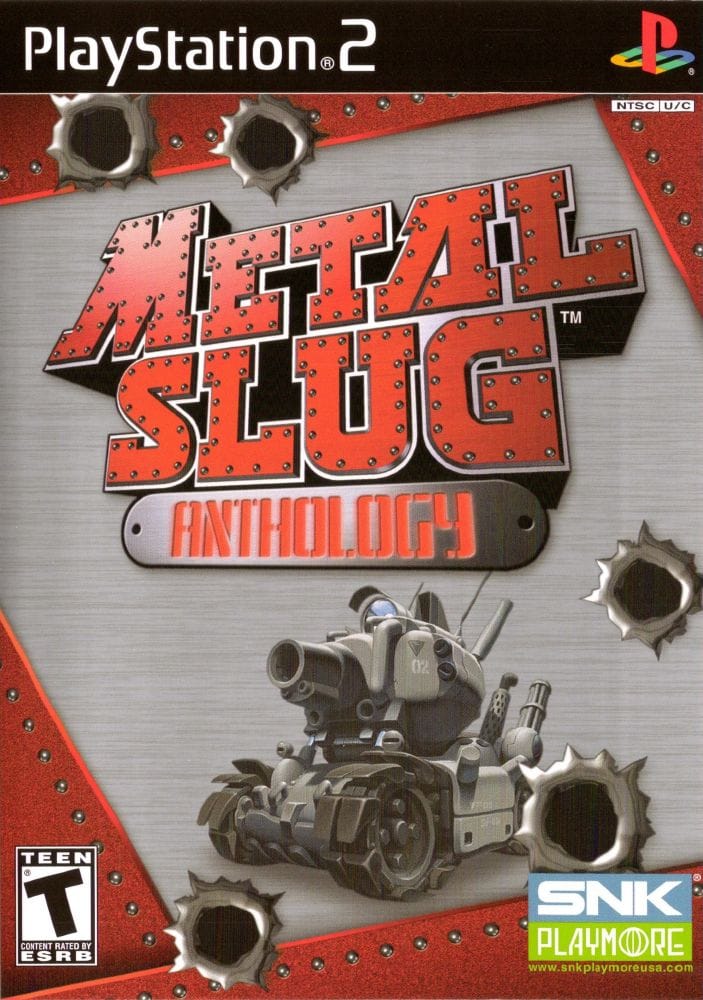
- Developer: Terminal Reality
- Release Date: March 27, 2007
If you want to talk about value for your buck, Metal Slug Anthology is a treasure chest that packs Metal Slug 1 through 6, plus Metal Slug X, into a single package. While some of you purists might argue over whether it’s a true shmup, anyone who’s piloted an SV-001 tank or a Slug Flyer knows that the vehicle sections are pure shoot ‘em up bliss. You’ll be dodging a screen full of slow-moving rockets, grenades, and giant laser beams while trying to rescue bearded POWs who reward you with “HEAVY MACHINE GUN!” power-ups. The difficulty is challenging, but since this is a home port, you have the luxury of infinite continues—though your pride might take a hit.
Why It's Worth Playing: Metal Slug Anthology is the ultimate party game for shmup and action fans. It captures the peak of SNK’s arcade dominance, offering tons of content if you’re aiming to master every mission without using a continue. Whether you’re playing solo or grabbing a friend for some couch co-op, this collection is a total no-brainer.
Raiden III
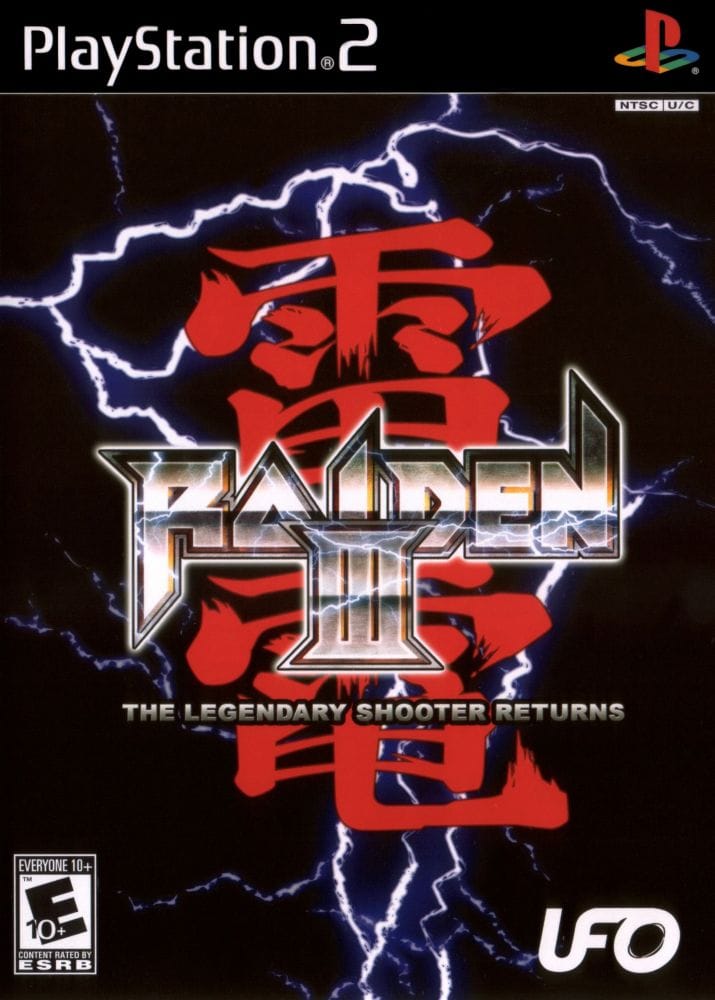
- Developer: MOSS
- Release Date: September 22, 2005
Raiden III was the moment the franchise returned and finally embraced the third dimension, showing the bullet hell newcomers how it’s done. Don’t worry, it didn’t go off the rails; you still get the iconic red and blue ships, the screen-clearing bombs, and that famous twitchy movement. The biggest star here is the Proton Laser—that wiggly pink beam of destruction that locks onto enemies and sweeps across the screen. The soundtrack is a heavy-hitting mix of rock and synth that perfectly matches the military-industrial vibe of the levels. The PS2 version also includes a Double Play mode, which lets one person control two ships simultaneously using a single controller.
Why It's Worth Playing: Raiden III doesn't rely on complex gimmicks or confusing scoring mechanics; it’s just you, your weapons, and a massive number of things that need to blow up. The difficulty is steep but honest, making it a fantastic title for players who want to sharpen their fundamental dodging skills. It’s a polished, no-nonsense experience that proves you don't need to reinvent the wheel to make a classic.
Psyvariar 2: Ultimate Final
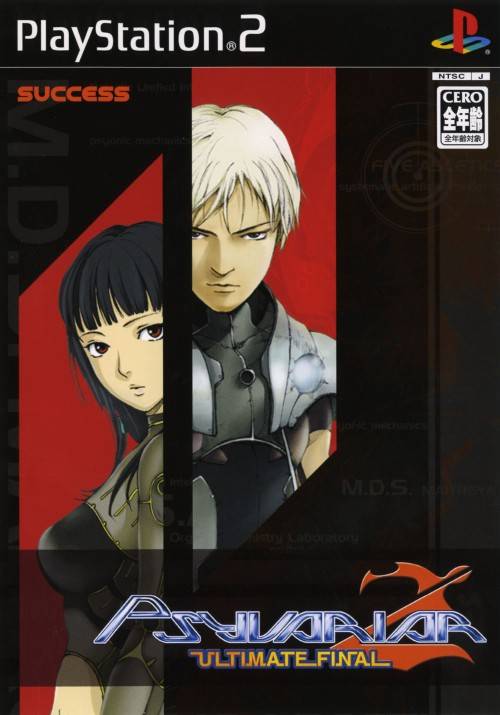
- Developer: SKONEC Entertainment
- Release Date: December 9, 2004
While every other shmup tells you to stay as far away from bullets as possible, Psyvariar 2: Ultimate Final demands you fly head-on towards them. You can choose between two different pilots: one who specializes in traditional shooting and another who focuses on a powerful Roll attack. This game doubles down on the Buzz system, a mechanic that rewards you for practically scraping the paint off your ship against enemy projectiles. The closer you get to certain death, the faster you level up, and every time you level, you get a split second of invincibility. Ultimate Final added a Mission Mode that features 40 specific challenges, a Gallery Mode with over 100 pieces of artwork, and the option to toggle a visible hitbox.
Why It's Worth Playing: Psyvariar 2: Ultimate Final forces you to unlearn your survival instincts and embrace the danger, rewarding bravery—or perhaps insanity. It features slick 3D graphics, a pumping electronic soundtrack, and is packed with extras that the original arcade and Dreamcast versions lacked. If you’re looking for a shmup that values style and grazing over just holding down the fire button, this is a must-play.
Contra: Shattered Soldier
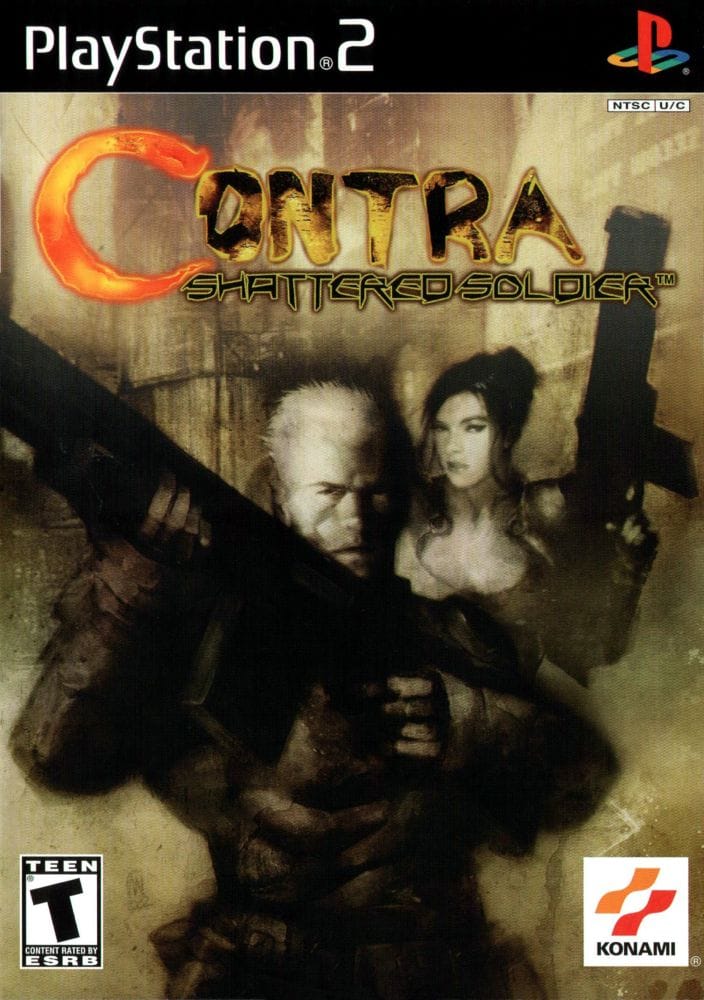
- Developer: Konami
- Release Date: October 22, 2002
If you thought the PS2 era was going to soften the most brutal franchise in gaming, Contra: Shattered Soldier is here to laugh in your face. This game famously stripped away the random weapon drops and gives you three permanent weapons: a heavy machine gun, a flame whip, and a diver mine. You have to switch between them on the fly to dismantle screen-filling bosses that look like they were designed by a biomechanical nightmare. Every boss has multiple phases that require pixel-perfect positioning and a deep understanding of your weapon properties. The game even grades you at the end of every level; if you want the real ending, you’ll have to avoid dying and destroy nearly 100% of the targets.
Why It's Worth Playing: Contra: Shattered Soldier rewards skill and dedication over luck, providing a deep, tactical experience that few run and gun games can match. The boss designs are some of the most creative and grotesque in the Konami catalog, and the challenge level makes it infinitely replayable for those who crave perfection. If you want a game that respects your intelligence and punishes your mistakes with brutal honesty, this is the definitive hardcore experience on the PS2.
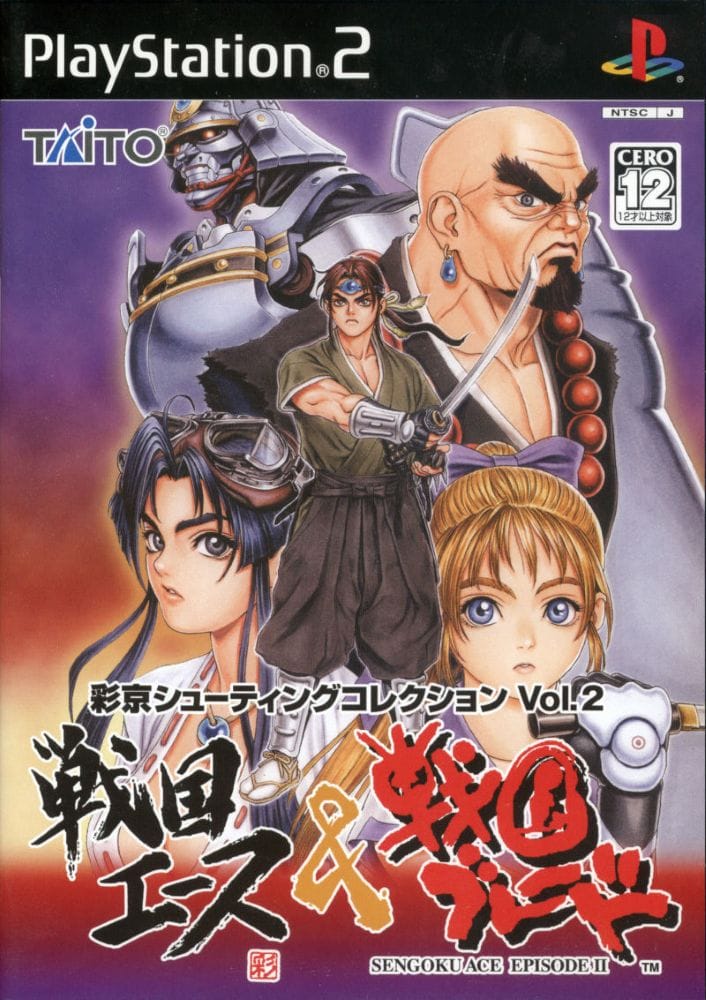
Psikyo Shooting Collection Vol. 2: Sengoku Ace and Sengoku Blade
- Developer: Psikyo
- Release Date: December 2, 2004
If you’ve ever wanted to fly through a feudal Japan as a jet-powered monk or a blonde ninja on a giant kite, Psikyo Shooting Collection Vol. 2 is your ticket to paradise. Sengoku Ace is a classic vertical scroller that basically established the brand’s fast-paced, bullet sniper style. It’s a classic vertical blast with quirky characters so weird you’ll wonder what was in the water at the Psikyo offices back in the 90s. The real star of the show here, however, is Sengoku Blade. It ditches the vehicles entirely, with your characters are just flying through the air under their own power. It’s filled with fast bullets, tight patterns, and a charge shot system that rewards you for knowing exactly when to unleash hell.
Why It's Worth Playing: Psikyo Shooting Collection Vol. 2 is the pinnacle of Psikyo's creative peak. You get two distinct styles of play—vertical and horizontal—making it a great way to see how a developer adapts their feel across different formats. If you enjoy shooters with a lot of personality, great character designs, and a difficulty curve that feels like a fair fight rather than a prank, this is an essential piece of gaming history.
Ibara
- Developer: CAVE
- Release Date: July 15, 2006
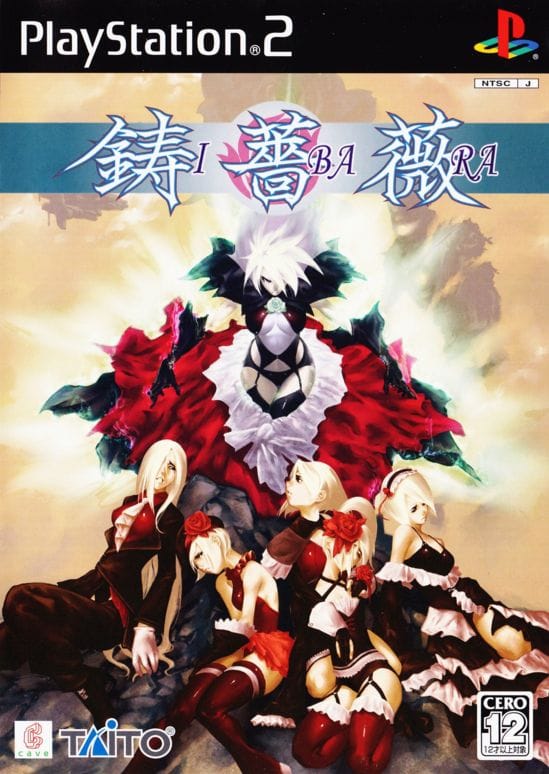
Developed under the direction of shmup legend Shinobu Yagawa, Ibara is a Battle Garegga-style shooter dressed up in a gorgeous steampunk aesthetic. You pilot one of two sisters as you blast through a world filled with giant mechanical roses and Victorian-era warships. The core of Ibara is the Rank system. As you collect power-ups and destroy enemies, the game’s difficulty dynamically scales up until the screen is a literal solid wall of lead. The only way to survive is to rank down by intentionally dying or using bombs, creating a psychological tug-of-war. The PS2 port includes Arrange Mode, which many fans actually prefer over the arcade version because it balances out some of the more sadistic difficulty spikes.
Why It's Worth Playing: Ibara is essential because it hardcore philosophy of shmup design that you won't find anywhere else. The art style is top-tier CAVE excellence, and the deep scoring system provides endless replayability for the hardcore crowd. It’s a polarizing masterpiece, but for those who “get” the Rank system, it’s one of the most rewarding and intense shooters ever made. Just don't say I didn't warn you about the difficulty.
XII Stag
- Developer: Triangle Service
- Release Date: March 7, 2003
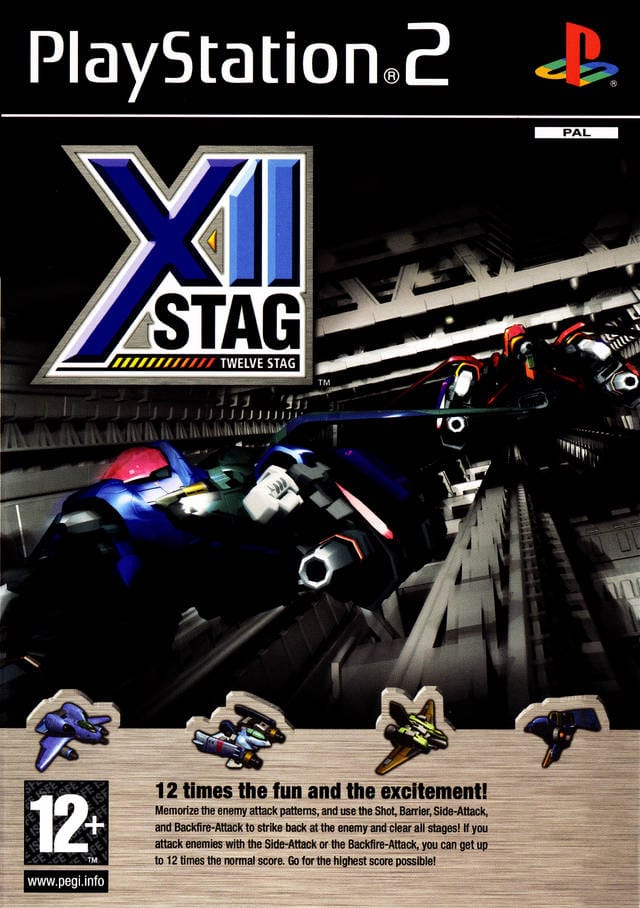
While most shmups tell you to keep your distance, XII Stag wants you to get up close and personal—literally. This vertical shooter looks pretty standard at first glance, but it hides a unique Side Attack mechanic that changes everything. By rapidly wiggling the joystick left and right, your ship emits powerful exhaust flares that shred anything flanking you. The scoring system heavily rewards those side-attacks, creating a barrier of fire that makes you feel nearly invincible if you can keep the rhythm going. The levels are short and punchy, and it features a catchy techno soundtrack that keeps the energy high.
Why It's Worth Playing: XII Stag is the perfect example of how a single innovative mechanic can completely change the feel of a genre. The side-attack system adds a physical, tactile element to the gameplay that you just don't get in other shooters. If you’re looking for shmup that rewards aggressive movement, this is a fantastic hidden gem.
Hudson Selection Vol. 2: Star Soldier
- Developer: Hudson Soft
- Release Date: December 18, 2003
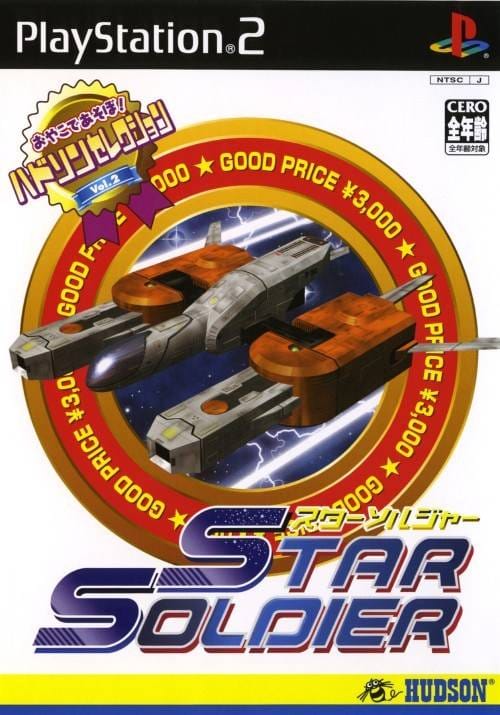
Hudson Soft decided to give Star Soldier a massive 3D facelift for the PS2, keeping the soul of the NES original while making it look like a modern sci-fi blockbuster. Don’t let the modern coat of paint fool you, though; the gameplay is strictly old-school. You fly forward, you shoot fast, and you try to destroy every hidden ground target to max out your bonus points. The power-up system is simple but effective, letting you upgrade your triple-shot into a screen-clearing wall of energy. One of the best features is the 2-minute and 5-minute Time Attack modes. These are perfect for when you only have a few minutes to play but want to see if you can beat your previous personal best.
Why It's Worth Playing: Star Soldier is a great break from the overly complicated mechanics of modern shmups, focusing instead on raw shooting skill and memorization. The 3D remake is handled with a lot of love, ensuring that the classic enemy patterns feel right at home in a new dimension. a masterpiece of modernizing a classic. is pure score attack bliss. If you’re a fan of shmup history or just love a good challenge, this volume of the Hudson Selection is a total blast.
Steel Dragon EX
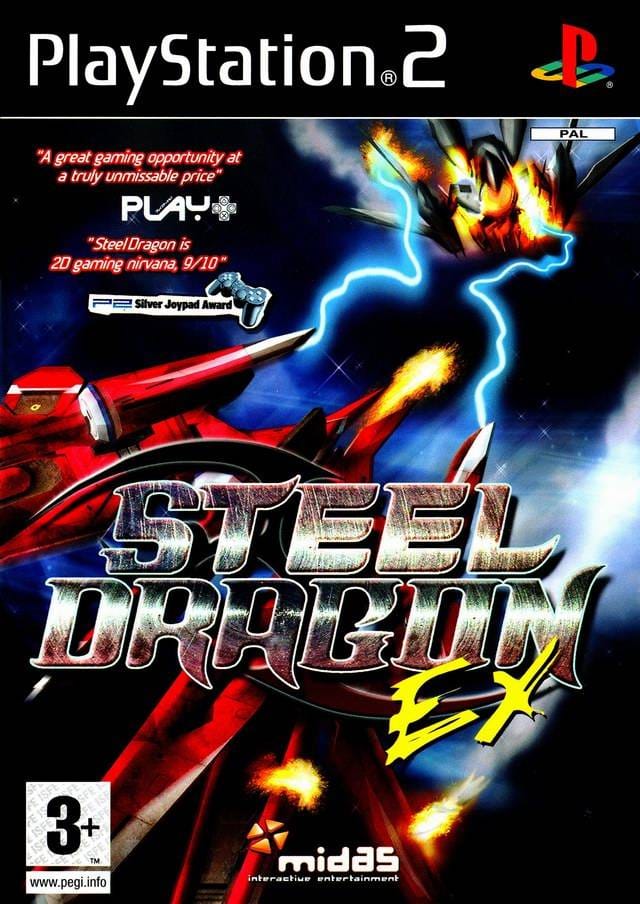
- Developer: Warashi
- Release Date: October 21, 2004
Steel Dragon EX is a double-dose of classic shmup destruction that brings Warashi’s cult classic Shienryu and its sequel, Shienryu Explosion, to your living room. The first game, Shienryu, is an old-school 2D shmup through and through, channeling the Raiden spirit with massive mechanical bosses and chunky pixel art. Shienryu Explosion, however, is where things get weirdly modern. You have to balance your main shot with a lock-on laser that can target multiple enemies at once. The more things you lock onto before firing, the higher your score climbs. While the 3D graphics are a bit simple compared to giants like Gradius V, the gameplay remains rock solid.
Why It's Worth Playing: Steel Dragon EX is an excellent entry point for anyone curious about the middle ground of shmups. It’s not quite as punishing as a Cave bullet hell, but it’s more intense than a standard 8-bit shooter. Plus, having two full games on one disc is a win for anyone building a serious PS2 shmup library.
Shooting Love: Trizeal
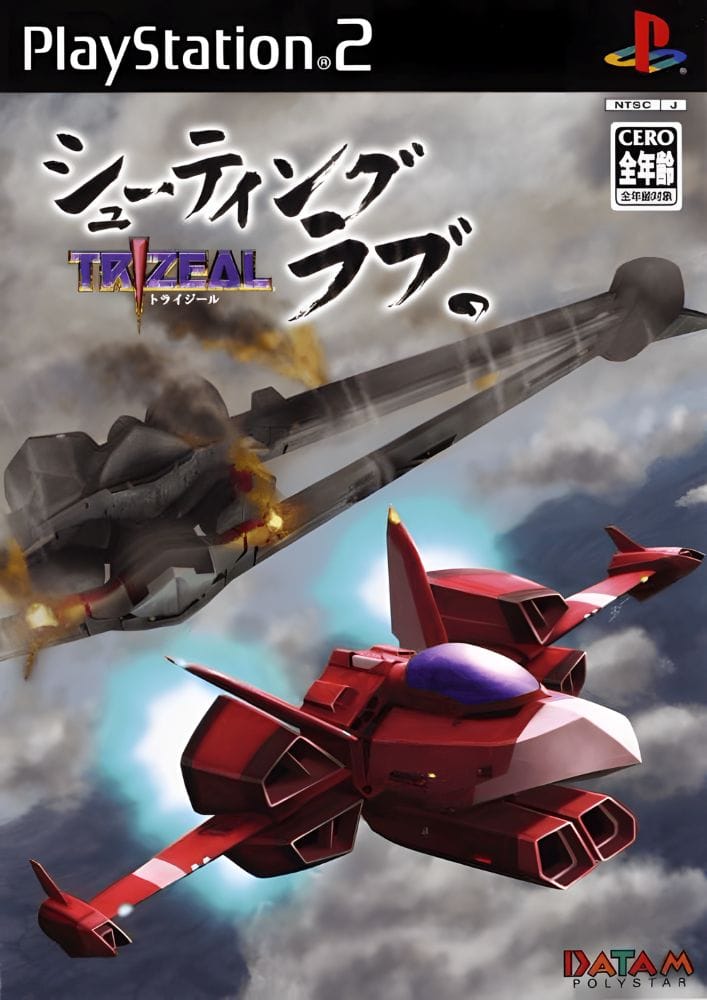
- Developer: Triangle Service
- Release Date: April 7, 2005
If the title didn’t give it away, Shooting Love: Trizeal is a shmup made for shmup lovers, focusing on the pure joy of blowing things up without overcomplicating the mechanics. This game features a transforming ship that changes its wings and weapons based on which of the three main power-ups you’ve leveled up: Wide, Laser, or Missile. The coolest part? You aren’t just stuck with one weapon at a time. As you level them up, they begin to combine. By the end of the game, your ship is a multi-purpose death machine firing spreads, piercing beams, and homing rockets all at once. The level design is full of clever nods to gaming history, and the visuals are clean and bright, giving the game a toy-like aesthetic.
Why It's Worth Playing: Shooting Love: Trizeal captures the specific feeling of playing a high-end Sega Saturn or Dreamcast shooter on your PS2. It’s incredibly accessible, has a fantastic soundtrack that feels like a party, and doesn't punish you with overly complex systems. If you want a game that reminds you why you started playing shooters in the first place, this game is for you.
Psyvariar: Complete Edition
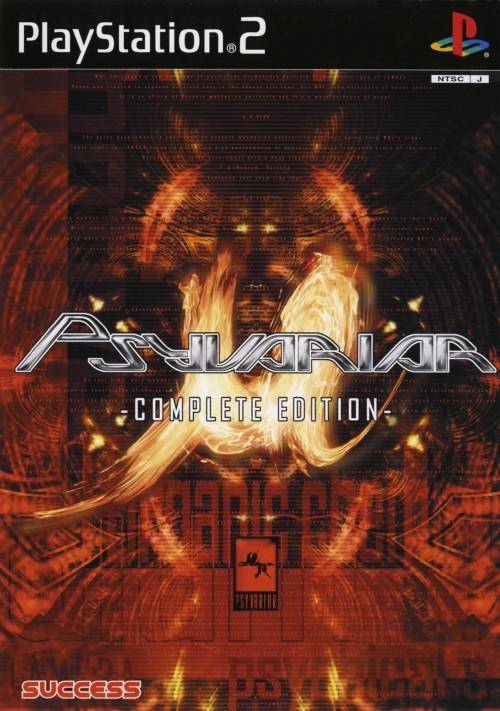
- Developer: Success
- Release Date: March 28, 2002
Psyvariar: Complete Edition is a two-for-one package in risk-reward mechanics, containing both the original arcade hit Psyvariar: Medium Unit and its superior follow-up, Psyvariar Revision. The series is famous for its Buzz system: instead of avoiding bullets, you are encouraged to scratch them with the edge of your ship. Every graze earns you XP, and leveling up grants a brief window of invincibility. While Medium Unit set the foundation, but Revision refined the hitboxes and added the Roll mechanic. By spinning your ship, you increase your Buzz radius, allowing you to chain level-ups together in a spectacular, glowing display of invincibility.
Why It's Worth Playing: Psyvariar: Complete Edition is an essential collection because it serves as a masterclass in how to evolve a gameplay mechanic from a cool idea into a refined, addictive art form. The futuristic aesthetic and the pulse-pounding electronic soundtrack create a trance-like state that few other shmup franchises can replicate. Whether you're a newcomer trying to survive or a pro aiming for an infinite level-up chain, this collection is perfect for players who want to stop dodging and start hunting the bullets.
Triggerheart Exelica Enhanced
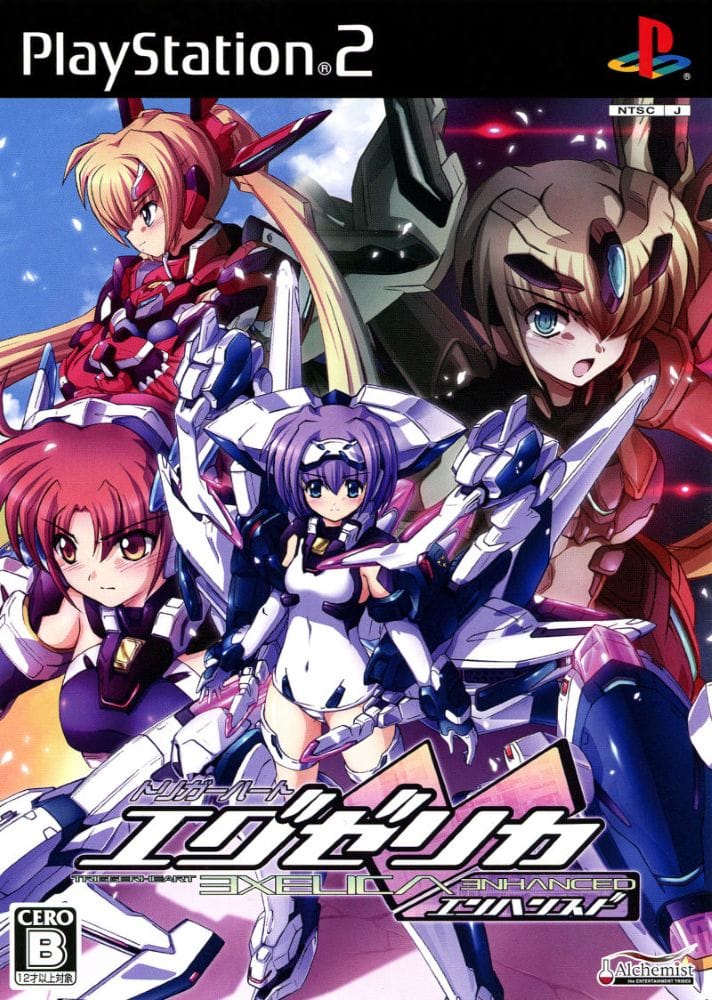
- Developers: Warashi, Gulti, P.A. Works
- Release Date: April 24, 2009
Triggerheart Exelica Enhanced takes the mecha-girl aesthetic and pairs it with a physics-based playground where your enemies become your most powerful ammunition. You play as human-shaped tactical weapons (Triggerhearts) fighting back a robotic invasion, but instead of just shooting, you have the ability to lock onto enemies with an anchor, swing them around like a flail, and chuck them into other enemies for massive score bonuses. Originally a Dreamcast game, this PS2 port adds a new playable character, Faintar, along with an Arrange Mode that features updated visuals, new story sequences, and a rebalanced difficulty curve.
Why It's Worth Playing: Triggerheart Exelica Enhanced is the definitive way to play this cult classic. The anchor mechanic isn't just a gimmick; it’s the core of the strategy, forcing you to think three-dimensionally while navigating a 2D space. If you’re looking for a shmup that feels like a modern action-puzzle hybrid, this is a top-tier choice.
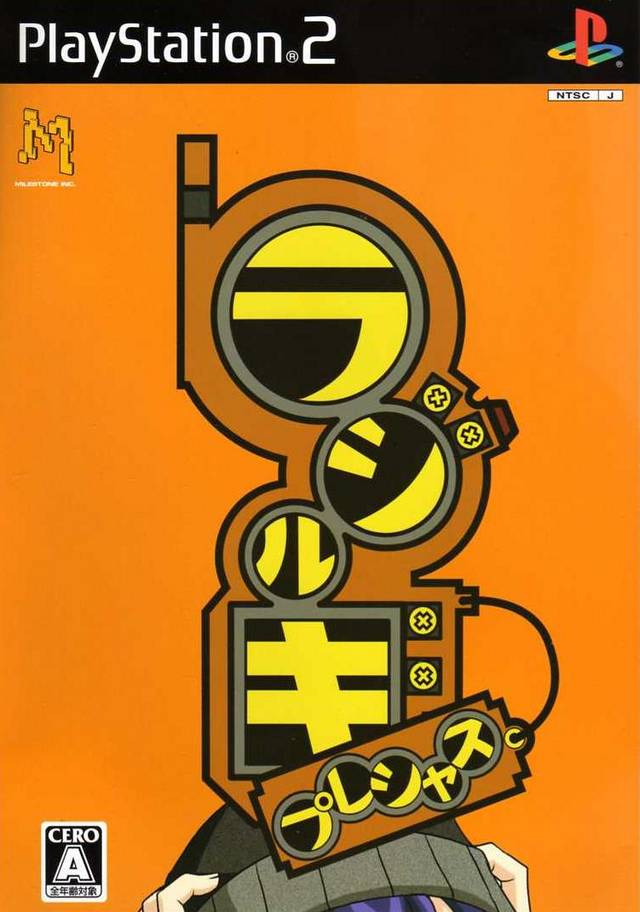
Radirgy PreciouS
- Developer: Milestone Inc.
- Release Date: May 25, 2006
If you’ve ever wanted to play a shooter that looks like a high-energy anime opening and smells like a mid-2000s cell phone ad, Radirgy PreciouS is your vibe. You play as Shizuru, a schoolgirl who is literally allergic to radio waves—so naturally, she hops into a mecha to fight a terrorist organization. Unlike many of its peers, this shmupgives you a sword in addition to your standard shots. Using your sword is essential for building up your ABSNET gauge, a screen-clearing energy field that makes you briefly invincible and turns enemy fire into score items. The PS2 port is special because it includes the Okawari Mode, which cranks up the difficulty and bullet density for those who found the arcade original too easy.
Why It's Worth Playing: Radirgy PreciouS is the perfect entry point for people who find traditional shmups a bit too serious. It captures that specific Milestone oddball charm while delivering a rock-solid scoring system that rewards aggressive, close-range play. If you're looking for a game that balances style and substance with a heavy dose of Japanese pop culture, this is a total hidden gem.
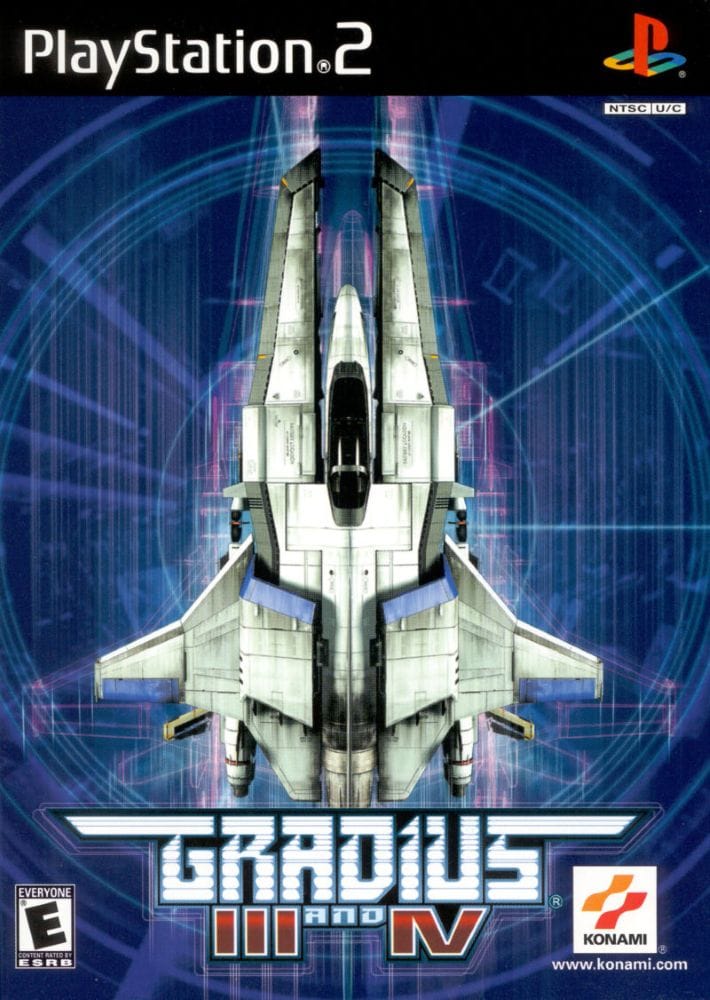
Gradius III & IV
- Developer: Konami
- Release Date: November 21, 2000
Gradius III & IV was a launch-window heavy hitter for the PS2, bundling two of the most technically demanding arcade games of the 90s with near-perfect accuracy. Gradius III is one of the most punishing shmups ever made, featuring levels that are designed to relentlessly test your skill and dismantle your patience. Gradius IV is the more modern sibling, retaining the classic horizontal gameplay but adds impressive environmental effects, like flowing liquid metal and shifting volcanic landscapes. The difficulty is slightly more approachable than III (though that’s like saying a tiger is friendlier than a lion), but the checkpoint system remains as punishing as ever.
Why It's Worth Playing: Gradius III & IV is the definitive way to experience the transition of a legendary series from the 16-bit era to the modern age. It offers a level of customization that was rare for its time, allowing you to tweak the difficulty and weapon loadouts to fit your playstyle. It’s a must-play for anyone who appreciates tight level design, epic boss encounters, and the kind of challenge that makes you a better gamer just by surviving it.
Frequently Asked Questions (FAQ)
Which game should I play if I want to hit a quintillion points?
Look no further than GigaWing Generations. The series is famous for its Reflect Barrier, which turns enemy bullets into score items. The numbers get so high that the game uses scientific notation because the screen literally runs out of room for the digits.
Which game was made as a tribute to 1980s gaming competitions?
Hudson Selection Vol. 2: Star Soldier. It is a remake of the game used in the “Hudson All-Japan Game Caravan” tournaments. It still includes the legendary 2-minute and 5-minute modes specifically designed for competitive high-score chasing.
Which shmups are the best for beginners?
If you’re just starting your pilot training, Espgaluda, Mushihime-sama, and Raiden III are arguably the most forgiving entries on this list.
Final Thoughts
Looking back at this lineup, it’s clear that the PlayStation 2 was a literal golden age for the shooting genre. By the mid-2000s, the shoot ‘em up genre was effectively on its last breath in the mainstream market. As 3D cinematic adventures and online shooters began to dominate, the classic arcade shmup was pushed into a niche corner.
But instead of letting it vanish, legendary arcade developers like Cave, Psikyo, Konami, and Treasure pushed the limits of 2D art and 3D hardware, transforming the PS2 into an arcade powerhouse. From the ruthless difficulty of DoDonPachi to the experimental physics of XII Stag, these 25 PS2 shmups represent the final, brilliant flare of a genre that defined the arcade, preserved perfectly on one of the greatest consoles ever made.

At HyperComboGamer, we believe great games deserve great coverage. That means no filler, no clickbait, or fanboyism—just honest, high-quality reviews, features, and guides that put gamers first. Whether you’re a lifelong enthusiast or just starting your gaming journey, you’ll find interesting gaming perspectives that will leave you fully satisfied.