Think you know everything about retro gaming’s golden era? While mainstream gaming history heavily praises the obvious corporate titans, a scrappy underdog named Hudson Soft quietly orchestrated the early home console revolution. Sporting a charismatic yellow bee logo, they didn’t just participate in the Japanese game industry; they practically willed it into existence through pure, entrepreneurial wizardry.
From Bomberman to Bonk, Hudson’s entire software library outshone almost everything else on the shelf throughout the eighties and nineties. But the corporate saga of this legendary studio surprisingly feels like a bizarre tech-thriller. How exactly does a pair of university brothers go from selling code on cassette tapes to directly challenging Nintendo’s global supremacy? Let’s unpack the wild, tragic, and utterly brilliant legacy of Hudson Soft, gaming’s most criminally underrated pioneer.
From Steam Locomotives to Silicon: The Buzzing Beginnings
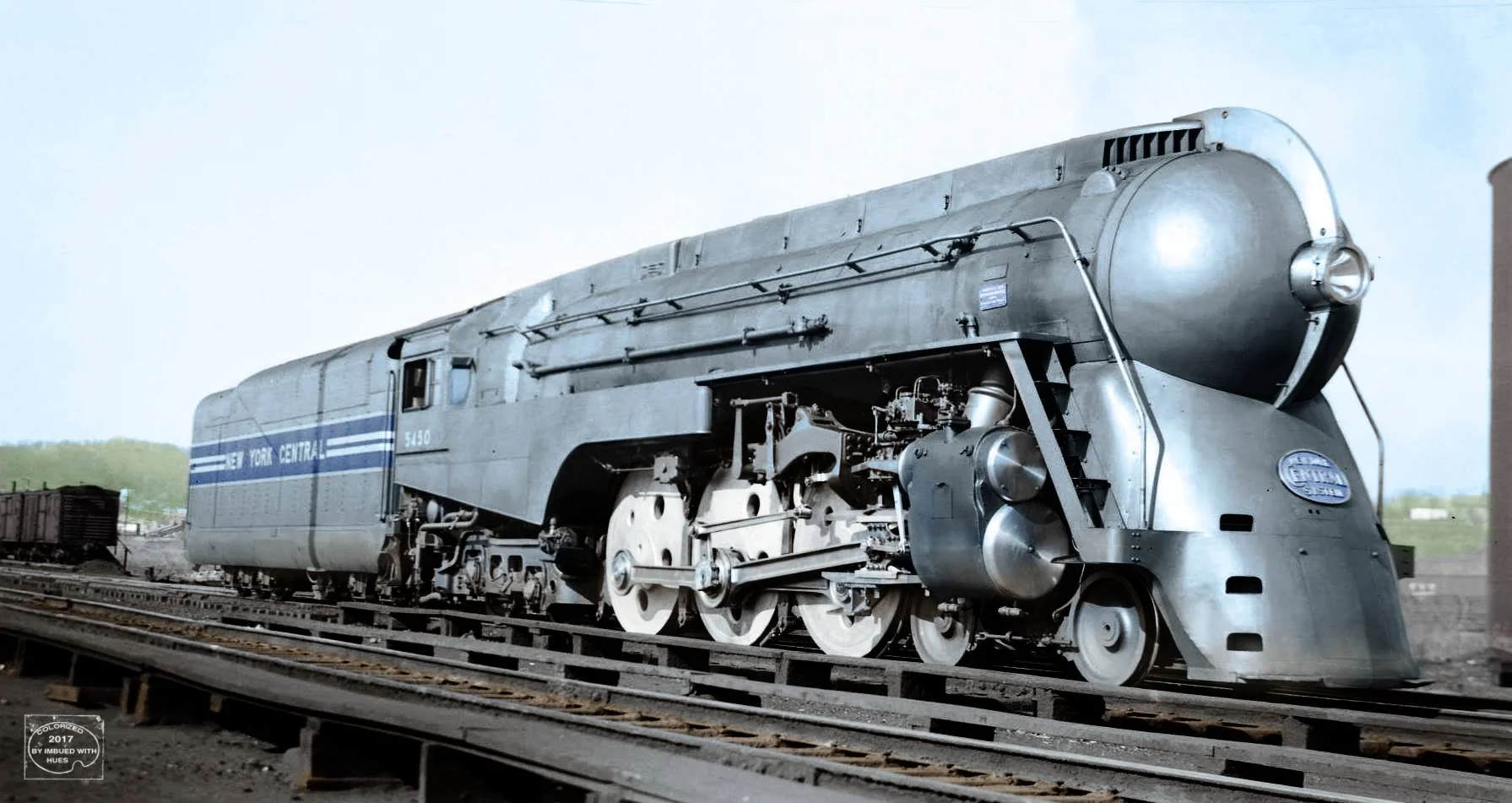
Back in 1973, two university students in Hokkaido, Japan, decided to start a business. Yuji and Hiroshi Kudo didn’t launch a high-tech gaming empire overnight. Instead, they named their small shop after the Hudson steam locomotive, a passenger train they absolutely adored.
Ever wondered where that famous yellow bee logo came from? The brothers chose the iconic insect emblem after falling in love with a specific amateur radio station frequency in Hokkaido. They initially sold telecommunications equipment to local radio stations rather than video games. They even sold premium art photography prints on the side to keep the lights on.
By 1975, the brothers noticed the rising personal computer wave and immediately started selling PC accessories. This fresh side hustle generated decent cash, but 1978 changed the entire tech landscape forever. The massive arcade explosion of Space Invaders and the arrival of single-board microcomputers from NEC and Sharp forced a legendary corporate pivot.
Hudson dropped the radio gear and completely submerged themselves in microcomputer programming. Back then, how did hobbyists actually play games at home? You had to buy a magazine and manually type hundreds of lines of printed code into your machine.
A single syntax typo instantly ruined hours of your life. Hudson solved this nightmare by saving the software code onto cassette tapes and selling them directly to consumers. This brilliant move basically created the Japanese retail software market and made Hudson the first Japanese company to sell a commercial microcomputer game. They quickly dropped every other business venture and permanently rebranded as Hudson Soft.
Building a Third-Party Empire
The year 1983 looked like an absolute graveyard for the home video game market. Across the Atlantic, the infamous North American gaming crash completely obliterated retail shelves, while Sega’s CEO reported in American magazines that Japanese arcades were quietly shuttering their doors. Critics loudly declared the interactive entertainment trend officially dead and buried. Then, Nintendo launched a weird little red-and-white home console called the Famicom, and everyone scoffed.
While the rest of the tech world laughed, Hudson founder Yuji Kudo saw an absolute goldmine. He immediately bought a Famicom, tore the hardware to pieces, and analyzed the literal guts of the machine. The console’s advanced graphical capabilities completely blew him away, especially when he factored in Nintendo’s insanely low retail price point.
Yuji Kudo looked at his stunned software developers and delivered a legendary company prophecy: “This is going to be huge.”
Nintendo quickly noticed the uniquely talented young studio and pitched a wild hardware collaboration. Together, the two tech giants co-developed Family Basic, a special Famicom software cartridge bundled with a physical keyboard and an instructional manual. This brilliant tool allowed standard consumers to program their own applications right on their television screens. It empowered a whole generation of future industry legends, including a young Masahiro Sakurai before he created Kirby and Super Smash Bros.
This intense project built an unbreakable bond of trust between the two companies. As a direct result of this tight-knit relationship, Nintendo granted Hudson Soft the first-ever third-party Nintendo license. This historic agreement essentially gave Hudson the golden key to the kingdom, allowing them to bypass traditional restrictions and print cash on Nintendo’s rapidly growing hardware.
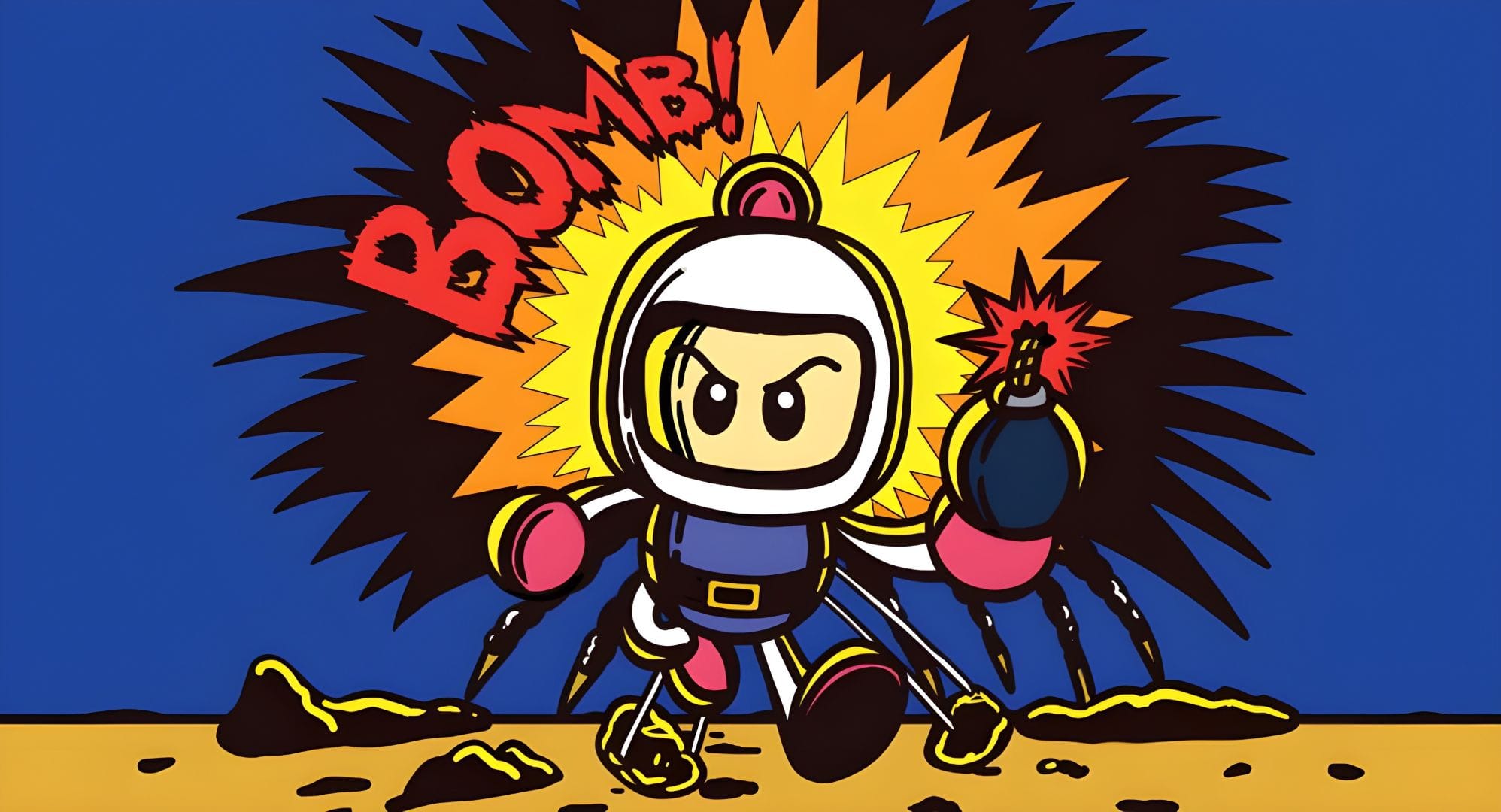
Hudson immediately weaponized this new license to unleash a devastating barrage of high-quality software hits. They ported the arcade puzzle-platformer Lode Runner, which went on to sell over a million copies on the system. Iconic titles like the explosive Bomberman, the tropical platforming madness of Adventure Island, and the famously cryptic Milon’s Secret Castle permanently cemented Hudson Soft as a premier gaming empire.
This software dominance actually convinced Nintendo to let Hudson port flagship first-party titles like Excitebike and Super Mario Bros. directly onto Japanese microcomputers like the Sharp X1 and PC-8810. Talk about an incredible corporate flex!
The Rejected Nintendo Pitch and the Unexpected NEC Alliance
By 1987, the Famicom was celebrating its fourth anniversary, and Hudson’s top-tier developers were getting seriously bored. Technology was moving at a blistering pace, yet the programmers found themselves completely bottlenecked by Nintendo’s aging 8-bit silicon. Flush with massive cash reserves from their software hits, Hudson did something completely wild: they opened their own secret hardware division to design and test experimental graphics chips.
This rogue R&D lab struck absolute gold, engineering a custom chip architecture that absolutely demolished the NES. Proud of their powerhouse processor, Hudson executives immediately pitched the technology to Nintendo for a potential next-generation console. However, Nintendo’s notoriously blunt president, Hiroshi Yamauchi, gave a polite but firm “No thanks.” Nintendo was currently preoccupied with launching the Famicom Disk System, expanding the NES into Europe, and squeezing extra life out of their current hardware using custom MMC chips inside the cartridges.
Hudson refused to let their brilliant tech gather dust, so they shopped it around to other tech giants like Sharp, but everyone passed. Defeating Nintendo seemed impossible, especially since the NES was utterly dominating the global landscape. Meanwhile, Japanese computer titan NEC (Nippon Electronic Company) was watching the console boom with immense envy. NEC controlled roughly 60% of Japan’s microcomputer market, but the roaring success of the Famicom was actively cannibalizing their PC sales.
NEC desperately tried to fight back by launching game-oriented computers, but they quickly realized that great hardware means absolutely nothing without elite game creators. They began hunting for a software partner, which led them straight into the arms of Hudson Soft. It was a match made in tech heaven: Japan’s number-one computer manufacturer joined forces with one of the country’s best game developers to build a bold, unexpected new console.
Even though Hudson just jumped into bed with a major hardware rival, they still valued their deep relationship with Nintendo. Hudson executives scheduled a meeting with Hiroshi Yamauchi to lay out the entire NEC partnership face-to-face. Surprisingly, Yamauchi didn’t explode; instead, he bluntly gave his blessing, stating that if Hudson wanted to make a new console, they should go right ahead. Yamauchi wisely viewed the move not as direct competition, but as a healthy expansion of the overall gaming market.
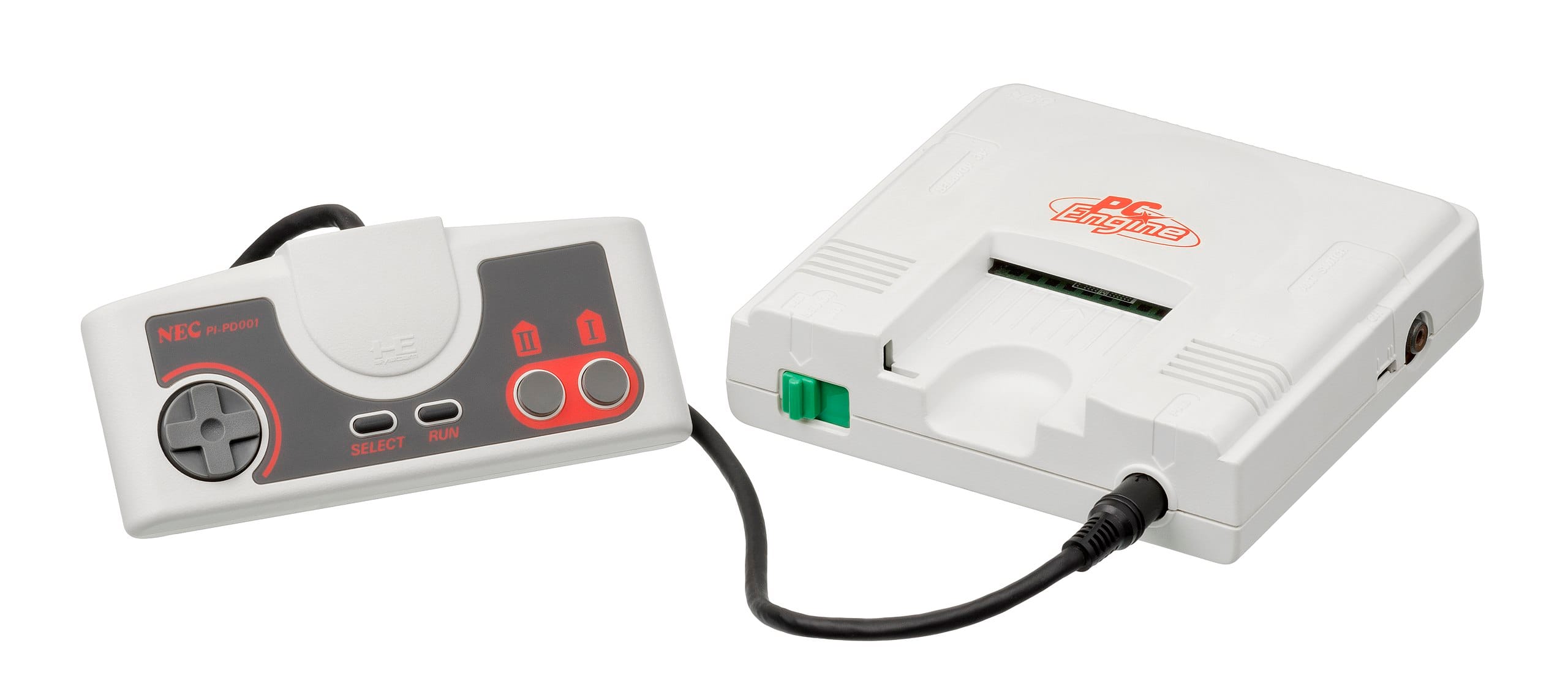
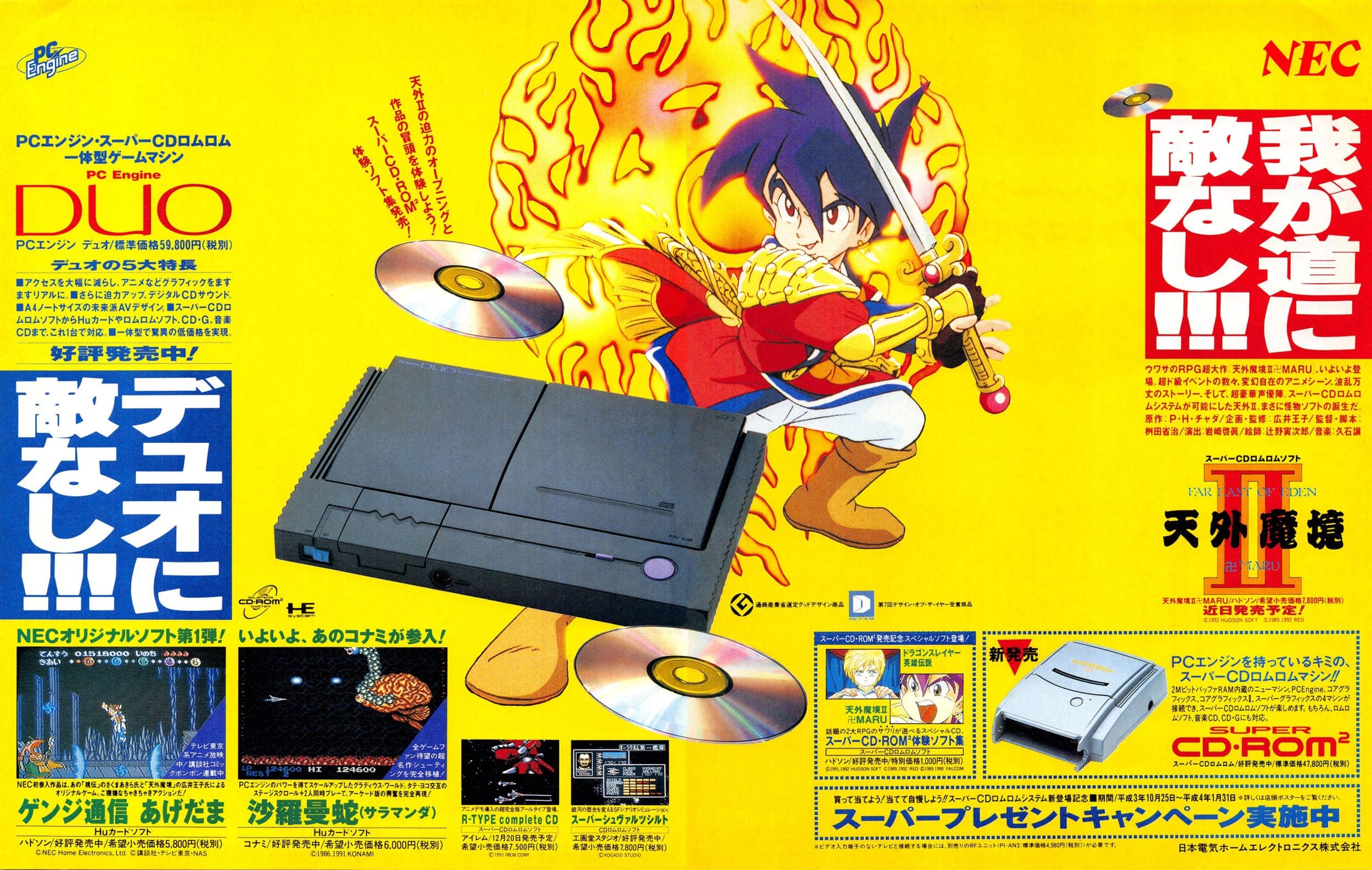
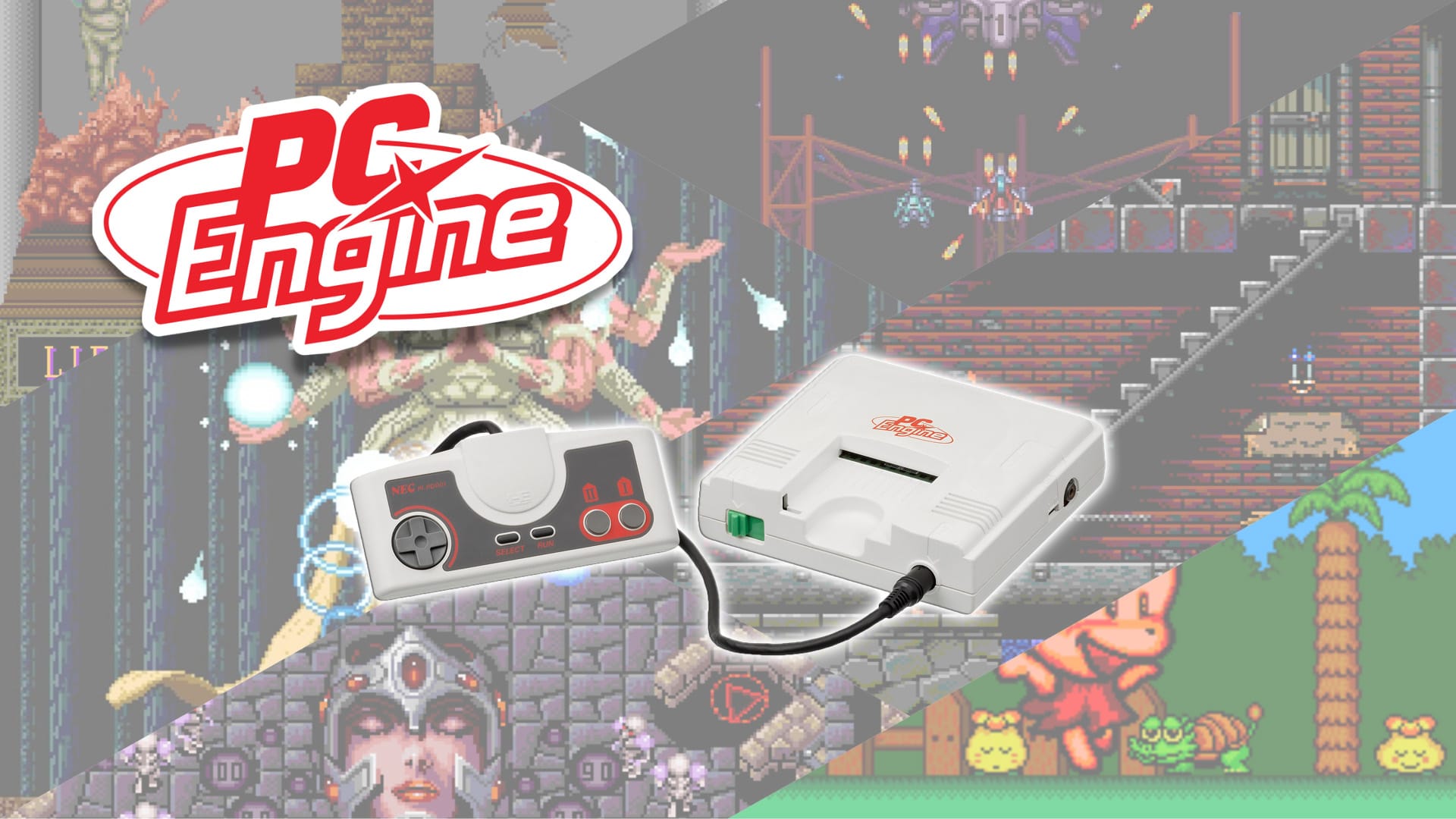
With Nintendo’s surprising blessing secured, Hudson and NEC went full throttle into hardware development. They didn’t want to build just another blocky, red-and-white toy for the living room. Instead, they aimed for a sleek, ultra-minimalist aesthetic that looked more like premium Japanese audio equipment than a children’s plaything. The final design was an absolute marvel of engineering, earning a permanent spot in the record books as the smallest home video game console ever produced.
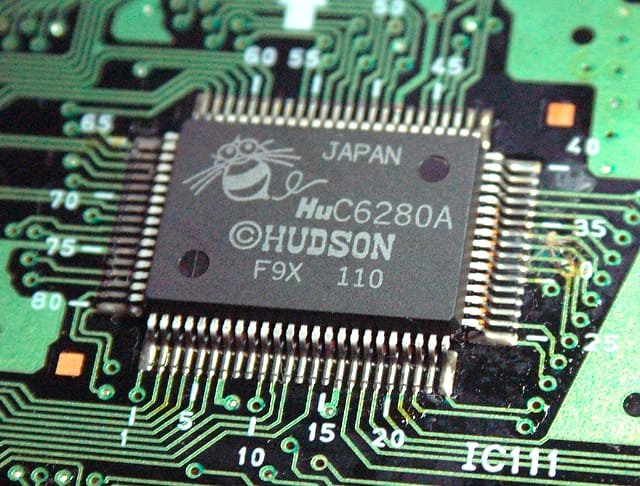
Don’t let that tiny footprint fool you, though; this micro-machine hid some monstrously ahead-of-its-time silicon under the hood. Hudson designed a custom 8-bit HuC6280 CPU running at a brisk 7.16 MHz. They paired this capable brain with a dual-chip, 16-bit graphics processor architecture consisting of the HuC6270A Video Display Controller and the HuC6260 Video Color Encoder. This killer hardware combo allowed the console to output a staggering 482 simultaneous colors from a palette of 512, completely obliterating the washed-out, flickering sprites of the Famicom.
Instead of using bulky, expensive plastic cartridges, Hudson evolved their existing credit-card-sized “BCards” from the MSX computer era into a brand-new format called HuCards. These slim, elegant slabs of plastic could hold up to 4 megabits of data, which was massive for the late eighties. However, NEC hit a major roadblock when initial manufacturing costs soared. To keep retail prices competitive, they had to make a tough compromise: cap initial storage at 2 megabits and slash the console’s onboard VRAM from 128 kilobytes down to 64 kilobytes.
They also realized they couldn’t drastically reinvent the standard gamepad without ruining the player experience, so they carefully tweaked Nintendo’s patented D-pad design to avoid legal trouble, rounding off the sharp corners for maximum comfort. What truly set Hudson’s controller apart was the addition of built-in turbo switches for the action buttons. Offering three distinct speed settings, these glorious toggles saved gamers from agonizing, blister-inducing button mashing during intense arcade shooters.
Building a Killer Lineup
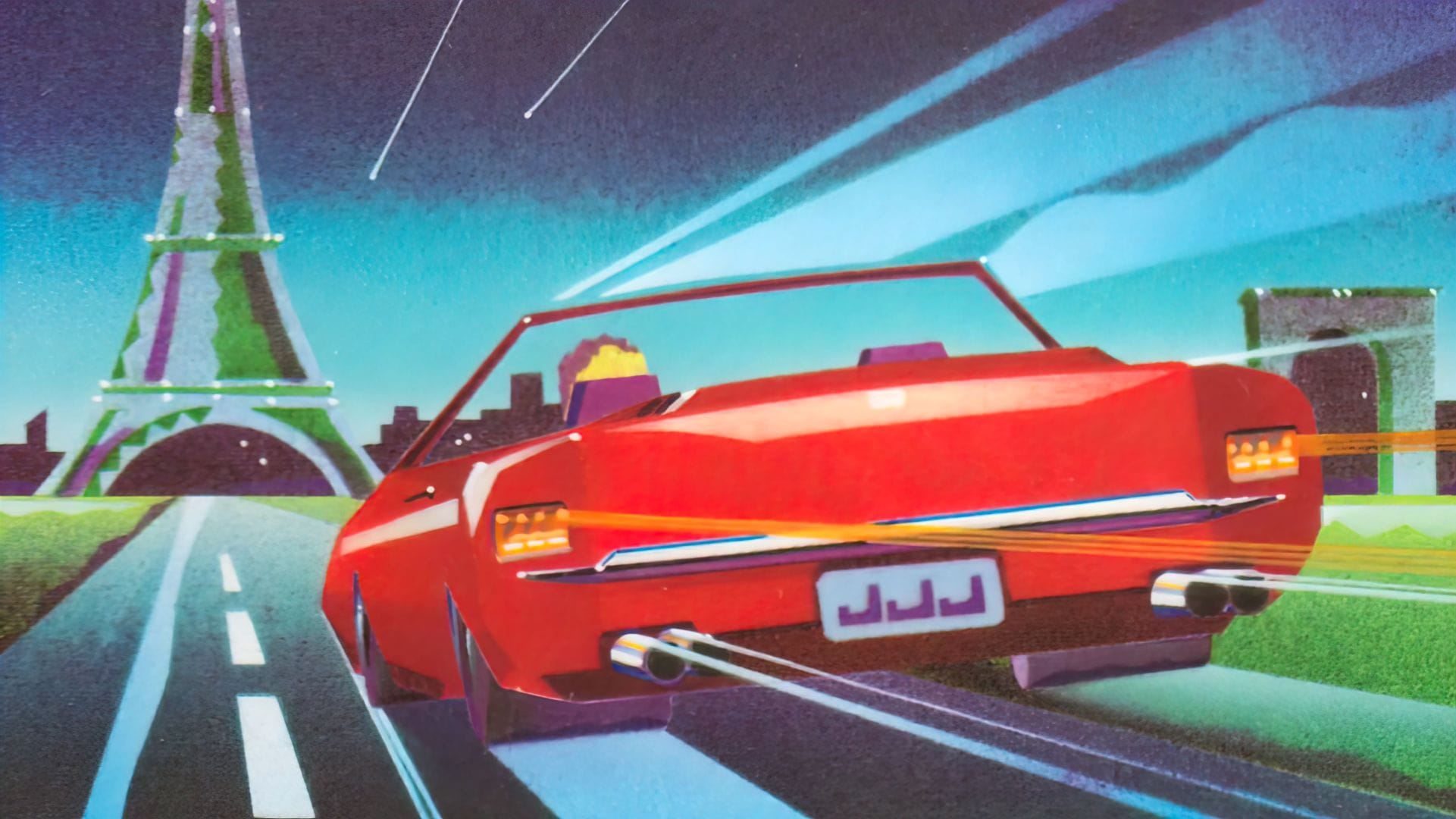
Powerful hardware is nothing without the software to show it off—and Hudson knew it. To give the PC Engine a fighting chance against the Famicom, the launch lineup had to be bold, diverse, and technically dazzling. Enter Victory Run—a rally racing game developed in just six weeks. Inspired by the popularity of OutRun and Rad Racer, it showcased the PC Engine’s smooth scrolling and layered backgrounds, giving players a taste of arcade-style driving at home.
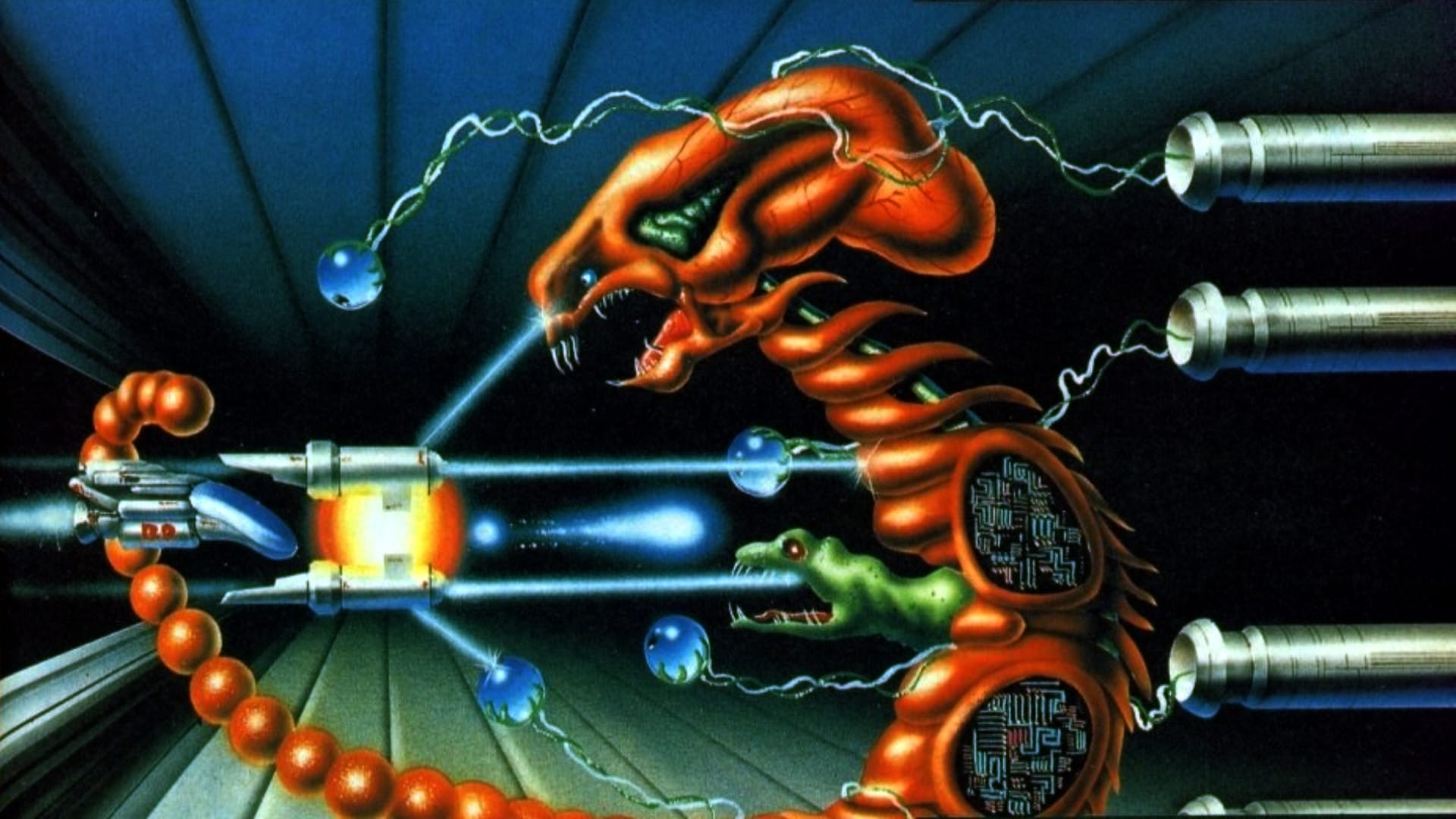
Then came Kato & Ken-Chan, based on a beloved Japanese comedy duo. It was loud, goofy, and packed with detailed character animations—including hilariously realistic (and very Japanese) bodily humor. It gave the console a cultural identity and showed that Hudson wasn’t afraid to be weird. But the ultimate test of this new hardware arrived when Hudson decided to port Irem’s legendary, coin-munching hit R-Type to the system.
Everyone in the industry told them it was a fool’s errand because the technical gap between a massive arcade cabinet and a tiny home console was simply too vast. Hudson refused to compromise on visual fidelity, tasking a crack team of five elite developers to pull off the impossible over four grueling months.The team eventually hit a brick wall: the arcade graphics were too rich to cram onto a single 2-megabit HuCard without heavily downgrading the art.
Refusing to compromise on the arcade-perfect, jaw-dropping visuals, developer Toshinori Oyama and his crew made a wild, desperate executive decision. They split R-Type across two separate HuCards, launching the first half alongside the console and releasing the stunning conclusion a few weeks later to save the project and blow gamers’ minds.
“Back then, porting arcade games was a sure way to sell consoles, so we really wanted to make an excellent version of R-Type, which was hugely popular in arcades. We had five developers working on it for four months. But after a while, they realized it was impossible to fit the entire game onto a single HuCard without seriously downgrading the visuals.

But everyone refused to compromise. Keeping the arcade-quality graphics was absolutely essential to us. Then someone said, ‘What if we just split the game onto two HuCards?’ It was kind of a throwaway comment, but in the end, that’s what saved the project.”

— Toshinori Oyama, Manager and Developer at Hudson
The Launch of the PC Engine
When the PC Engine finally hit Japanese retail shelves on October 30, 1987, it ignited an absolute consumer frenzy. Priced at 24,800 yen—roughly $170 back then, or a hefty $460 in today’s money—it cost significantly more than the aging 14,000-yen Famicom. Yet, gamers completely looked past the premium price tag, snapping up an incredible 500,000 units in the very first week.
Just fourteen months later, in December 1988, NEC and Hudson Soft dropped a technical bomb that altered the trajectory of interactive entertainment forever. They rolled out the PC Engine CD-ROM², a groundbreaking peripheral consisting of a dedicated CD player and an interface unit that fused the hardware together under a single power supply. This legendary setup holds the historic crown as the first home video game console to utilize CD-ROM technology.
This radical leap in format completely obliterated the storage limitations that had choked game designers for a decade. Suddenly, developers moved from cramming bytes into tiny silicon chips to stretching out across hundreds of megabytes of optical storage. This massive digital real estate allowed studios to inject rich, CD-quality redbook audio, fully voiced dialogue, and cinematic, anime-style animated cutscenes directly into live gameplay.
The market responded to this technological witchcraft with absolute euphoria, gobbling up 60,000 CD-ROM² units within its first five months on sale. By the close of 1988, the tiny engine achieved the impossible, officially outselling Nintendo’s Famicom across Japan. For the first time since the dawn of the home console boom, a rival hardware manufacturer successfully snatched the crown from Hiroshi Yamauchi’s seemingly invincible empire.
Lost in Translation: The American TurboGrafx-16 Blunder
Flush with their historic victory over Nintendo in Japan, NEC and Hudson Soft confidently set their sights on conquering North America in 1989. NEC handed the reins of the US operation to executive Keith Schaefer, who immediately initiated extensive, localized market research. Unfortunately, this research led to a series of catastrophic corporate decisions that completely derailed the platform’s global momentum.
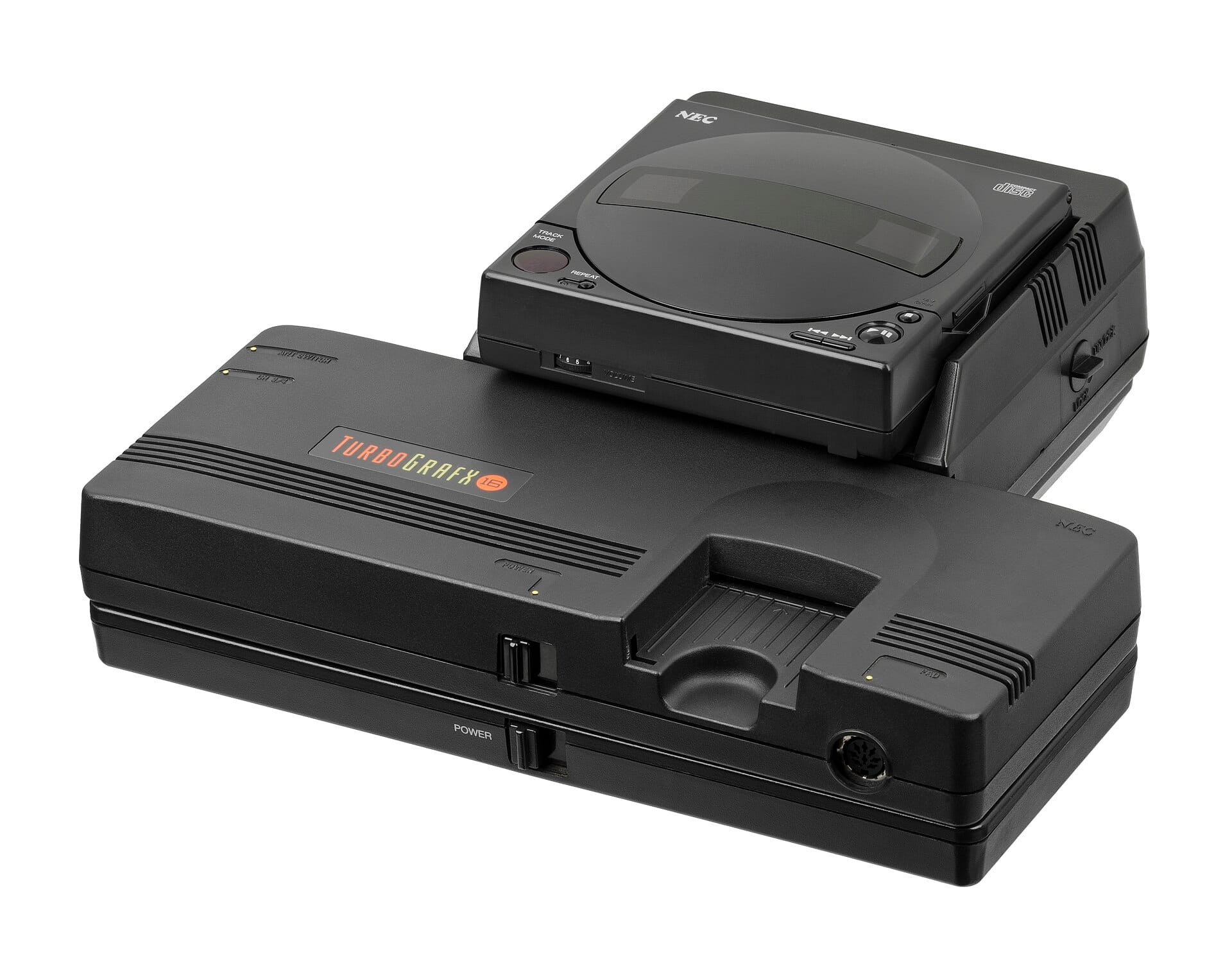
American focus groups reportedly told Schaefer’s team that US consumers associated value and graphical horsepower with sheer physical size. In a panic, NEC abandoned the elegant, ultra-compact white design of the PC Engine and encased the hardware in a giant, bloated black plastic shell. This massive “futuristic” redesign served absolutely no engineering purpose, effectively turning a triumph of Japanese miniaturization into an unnecessarily bulky eyesore.
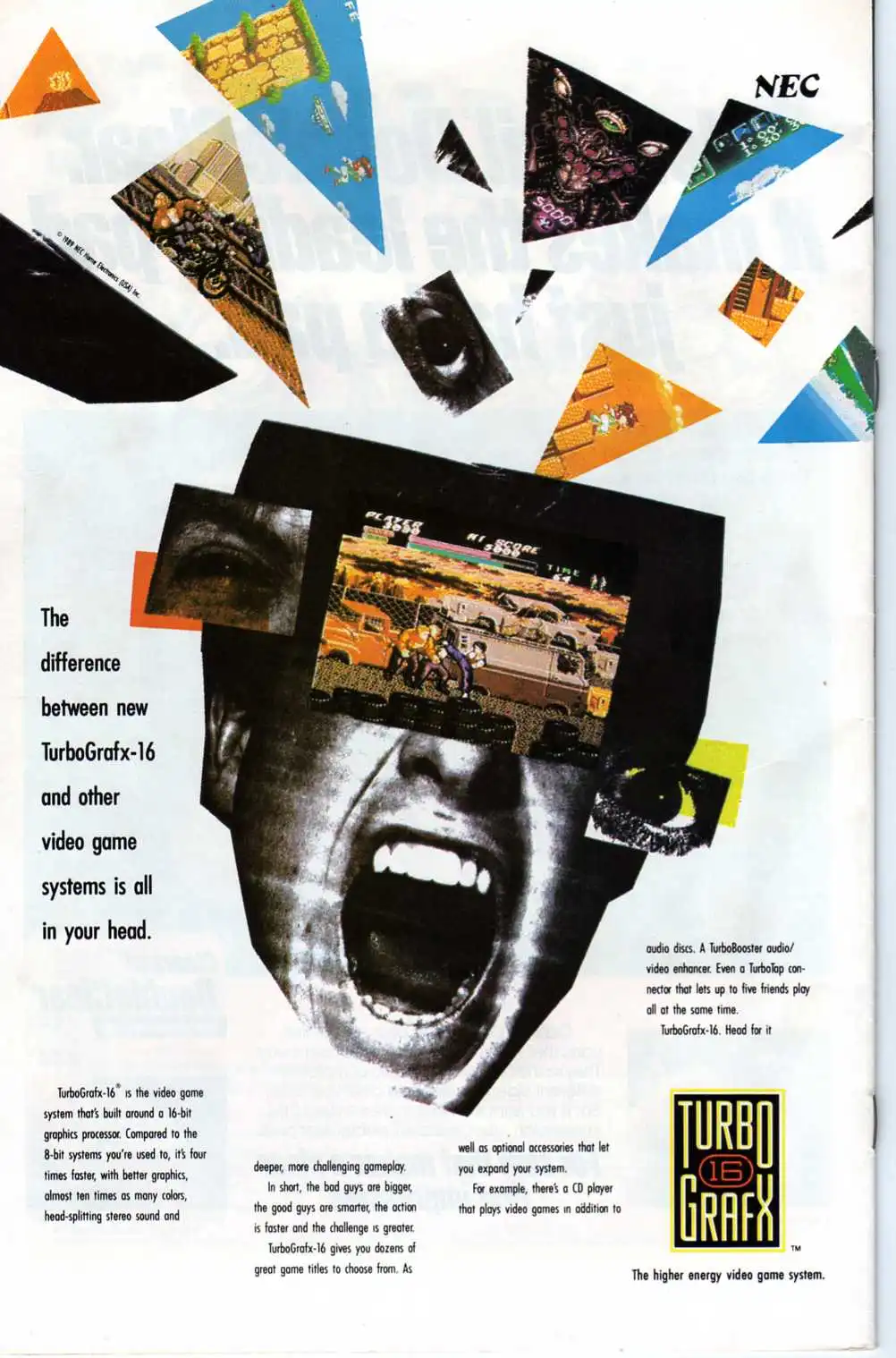
To make matters worse, the marketing team rebranded the console as the TurboGrafx-16, leaning heavily into a controversial “16-bit” promotional campaign. While the system did utilize a true 16-bit graphics processor, tech-savvy critics quickly pointed out that the core CPU remained a modified 8-bit chip, sparking intense debates over truth in advertising. The agonizing time spent on this hardware redesign and corporate rebranding delayed the American launch until August 29, 1989—a catastrophic scheduling bottleneck.
This lengthy delay allowed Sega to sneak past the finish line first, launching their true 16-bit Genesis console just two weeks prior and completely stealing NEC’s thunder. To compound the disaster, NEC packed the lackluster platformer Keith Courage in Alpha Zones into every box as the launch title. The colorful, anime-styled adventure utterly failed to capture the imagination of older American teenagers, who were busy drooling over the gritty arcade visuals of Sega’s pack-in powerhouse, Altered Beast.
Bonk, Blazing Lazers, and Cult Favorites
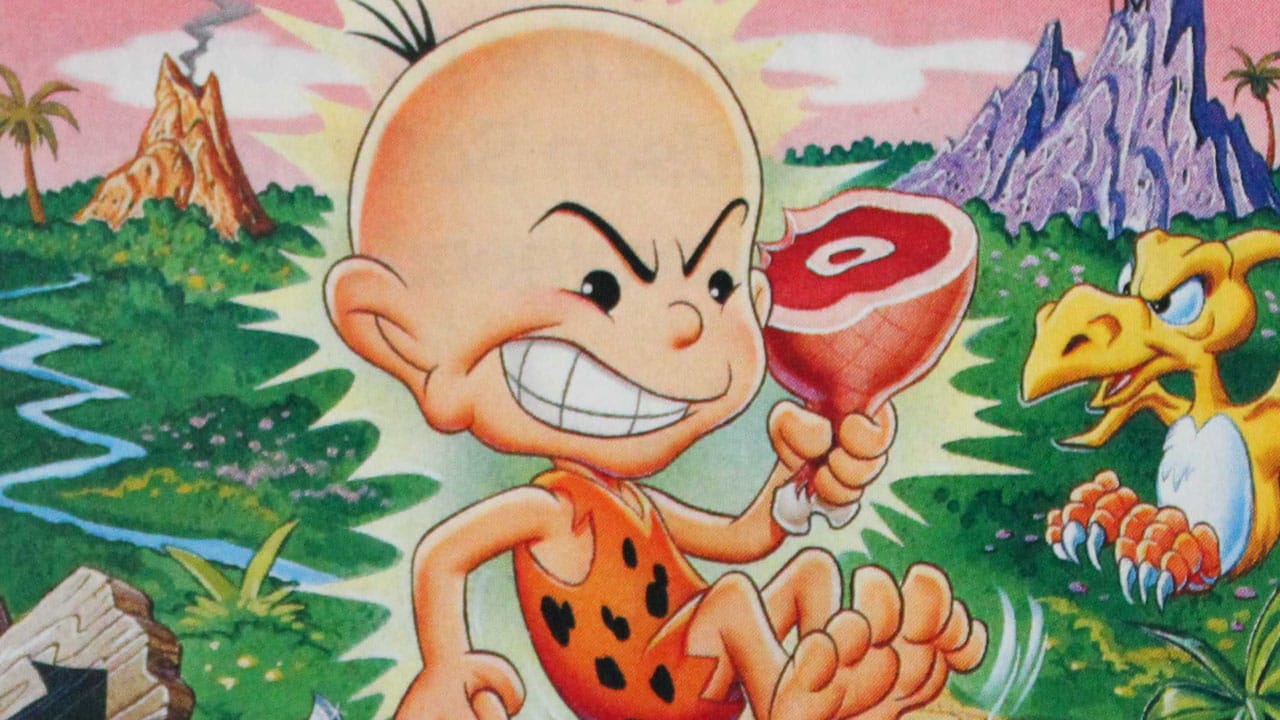
With Mario ruling Nintendo and Sonic sprinting onto the Genesis, NEC needed a face for its console—something bold, quirky, and unmistakably theirs. Enter Bonk, the lovable, big-headed caveman who attacked enemies not with fists or fireballs, but by headbutting everything in sight.
Bonk’s Adventure wasn’t just cute—it was clever. The game featured a prehistoric, big-headed caveman who smashed enemies with his cranium. With tight platforming, colorful visuals, and a wacky sense of humor, it made the TurboGrafx-16 stand proudly alongside its more famous rivals. Bonk quickly became the system’s unofficial mascot, starring in multiple sequels and even appearing in print ads and cereal box promotions. For many players, Bonk was the TurboGrafx.
But while Bonk charmed the masses, another genre quietly thrived on the PC Engine: the shmup. Thanks to the system’s powerful graphics hardware and lightning-fast processors, the PC Engine became a paradise for shoot ’em up fans. Games like Blazing Lazers, Soldier Blade, Air Zonk, and Lords of Thunder didn’t just look great—they played with fluidity and precision that rivaled the arcade.
Even big arcade developers like Konami, Namco, and Taito saw the potential, bringing over premium ports that often outshined the competition’s versions. The console’s HuCard format made fast-paced action easy to load and play, while CD-ROM titles pushed soundtracks and effects to new heights. Whether you came for the caveman or stayed for the bullets, the PC Engine had something for you—and shmup fans found their forever home.
Portable Powerhouses and Pricey Peripherals
Despite the rough start, NEC double-downed on their American gamble, pushing hardware innovation to boundaries that felt like straight-up science fiction at the time. On August 1, 1990, they rolled out the TurboGrafx CD, aiming to replicate their Japanese optical success. However, they forgot a minor detail: affordability. The add-on dropped with a breathtaking, wallet-shattering $399.99 retail price tag and shipped without a single bundled game.
Initial CD releases like Fighting Street (a notoriously clunky port of the original Street Fighter) and Wonder Boy III: Monster Lair barely justified the entry fee. True technical masterpieces like the iconic RPG compilation Ys I & II eventually showcased stunning redbook audio and massive worlds, but the extreme cost severely restricted the user base to hardcore enthusiasts with deep pockets.
By March 1991, NEC proudly claimed they had distributed 750,000 consoles across North America, but this statistic masked a grim corporate reality. The company had actually manufactured 750,000 units, far exceeding the actual retail demand, meaning warehouses sat piled high with unsold plastic. Because Hudson Soft collected royalties on every single unit produced rather than units sold, they made out like bandits, but NEC was bleeding cash.
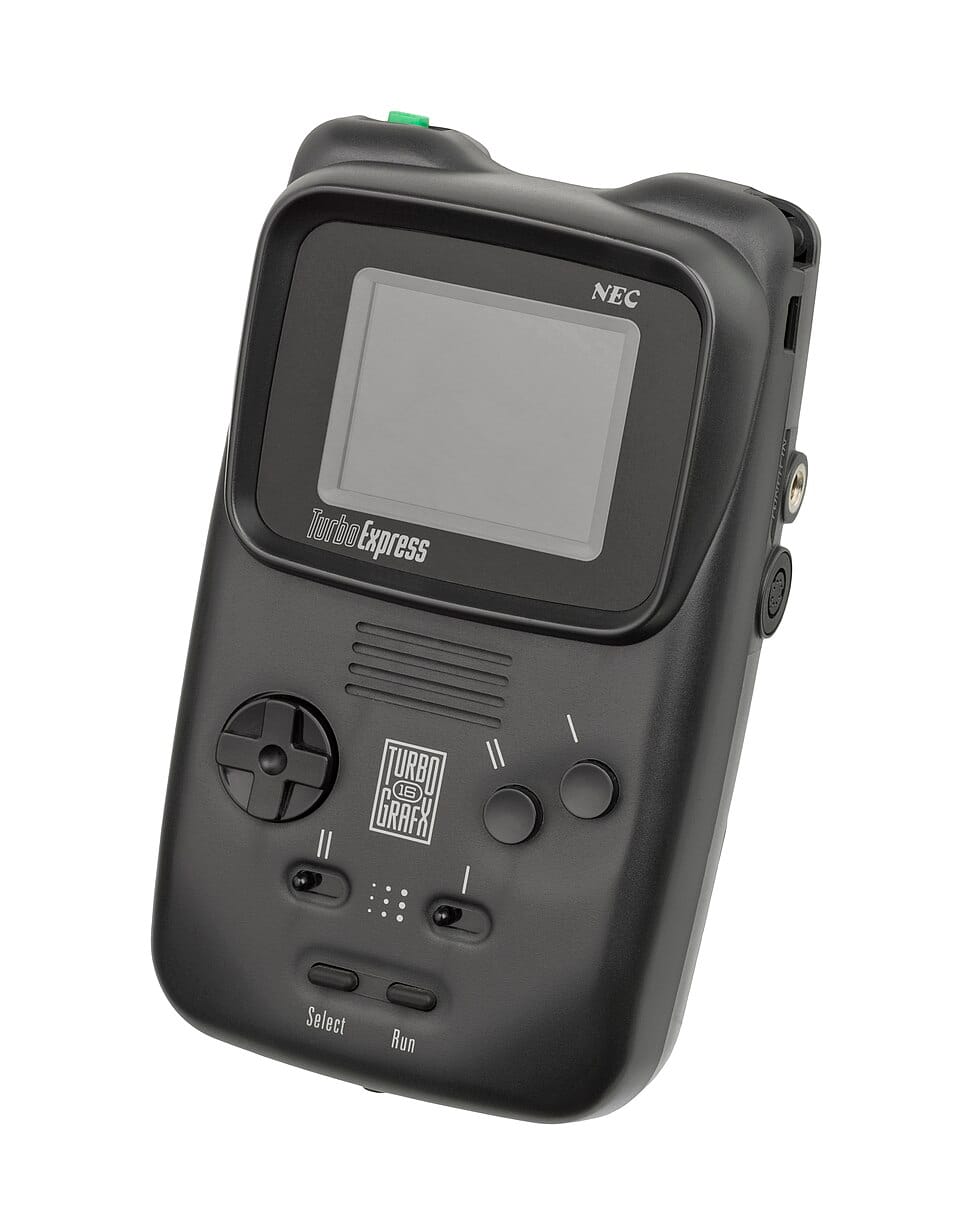
To fix the inventory glut, NEC aggressively slashed the base console price to $99.99 in mid-1991, sweetening the deal with a $149.95 bundle featuring Bonk’s Adventure. Around the same time, the hardware wizards dropped the TurboExpress for $249.99, a jaw-dropping handheld that played the exact same HuCards as your home console on a crisp, 2.6-inch backlit LCD screen.
It was essentially a portable Sega Genesis or SNES a decade before its time. Sadly, this tech marvel suffered from a devastating appetite for energy, completely draining six AA batteries in just three hours of gameplay. The screen, while impressive, was prone to dead pixels and ghosting. It was a glimpse into the portable gaming future—but the tech just wasn’t quite there yet. Still, NEC’s ambition was clear: push boundaries, break norms, and keep innovating, no matter the cost.
The PC Engine LT and Other Oddities
PC Engine LT
SuperGrafx
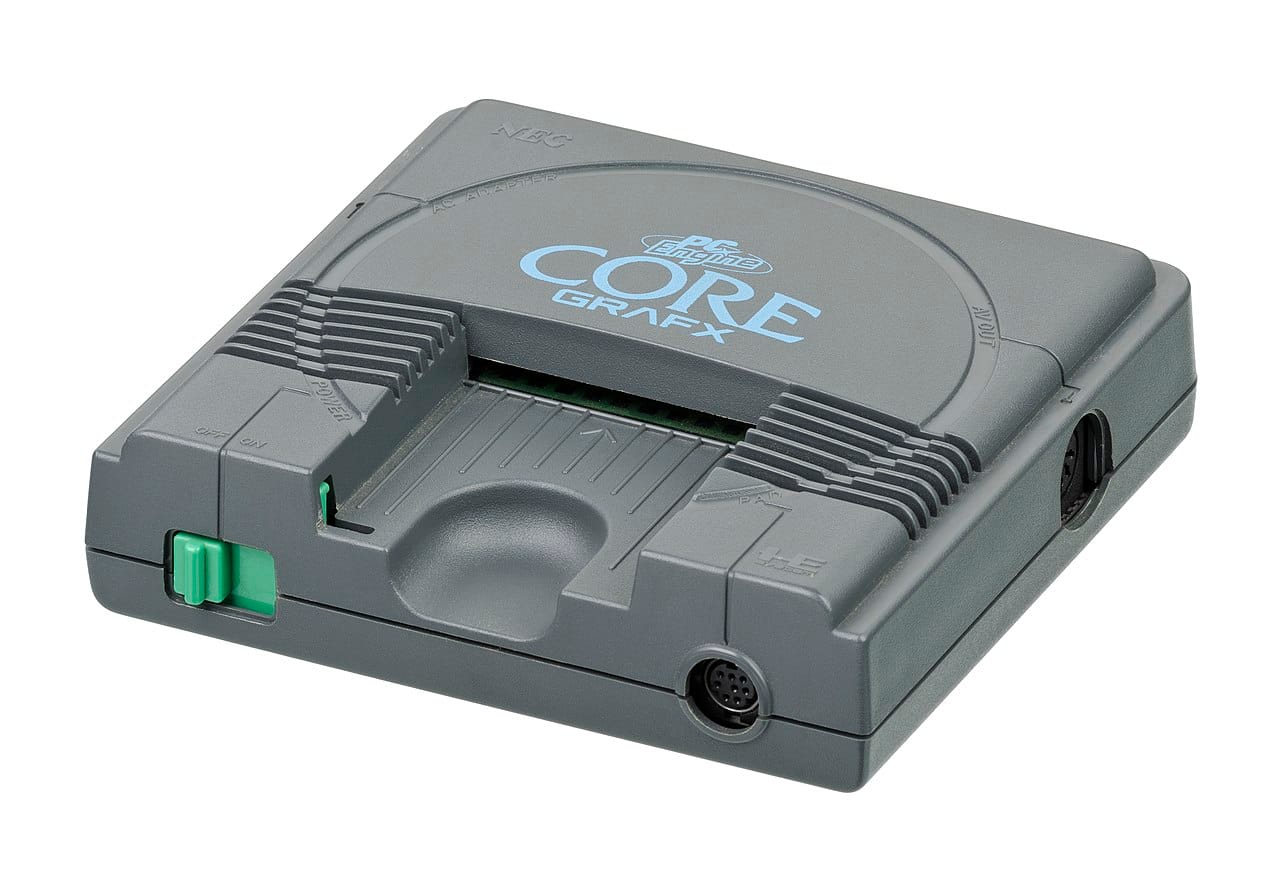
Core Grafx
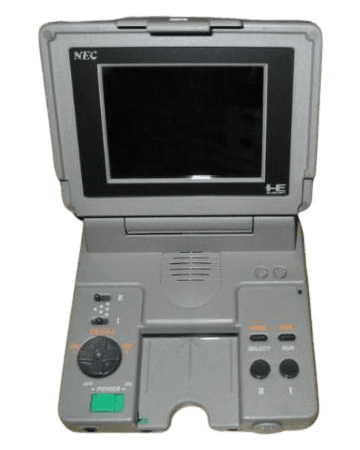
By 1991, NEC was deep into its experimental phase—pushing the PC Engine into forms no other console dared to take. Case in point: the PC Engine LT, a bizarre and beautiful fusion of luxury tech and gaming gadgetry.
Shaped like a mini laptop, the LT featured a built-in 4-inch screen, stereo speakers, and a foldable clamshell design. It could play HuCards out of the box and connect to the CD-ROM² add-on with an extra adapter. It was sleek, futuristic, and portable—at least in theory. The catch? It launched at an eye-watering 99,800 yen (about $770 USD at the time). That made it more of a collector’s trophy than a mainstream product.
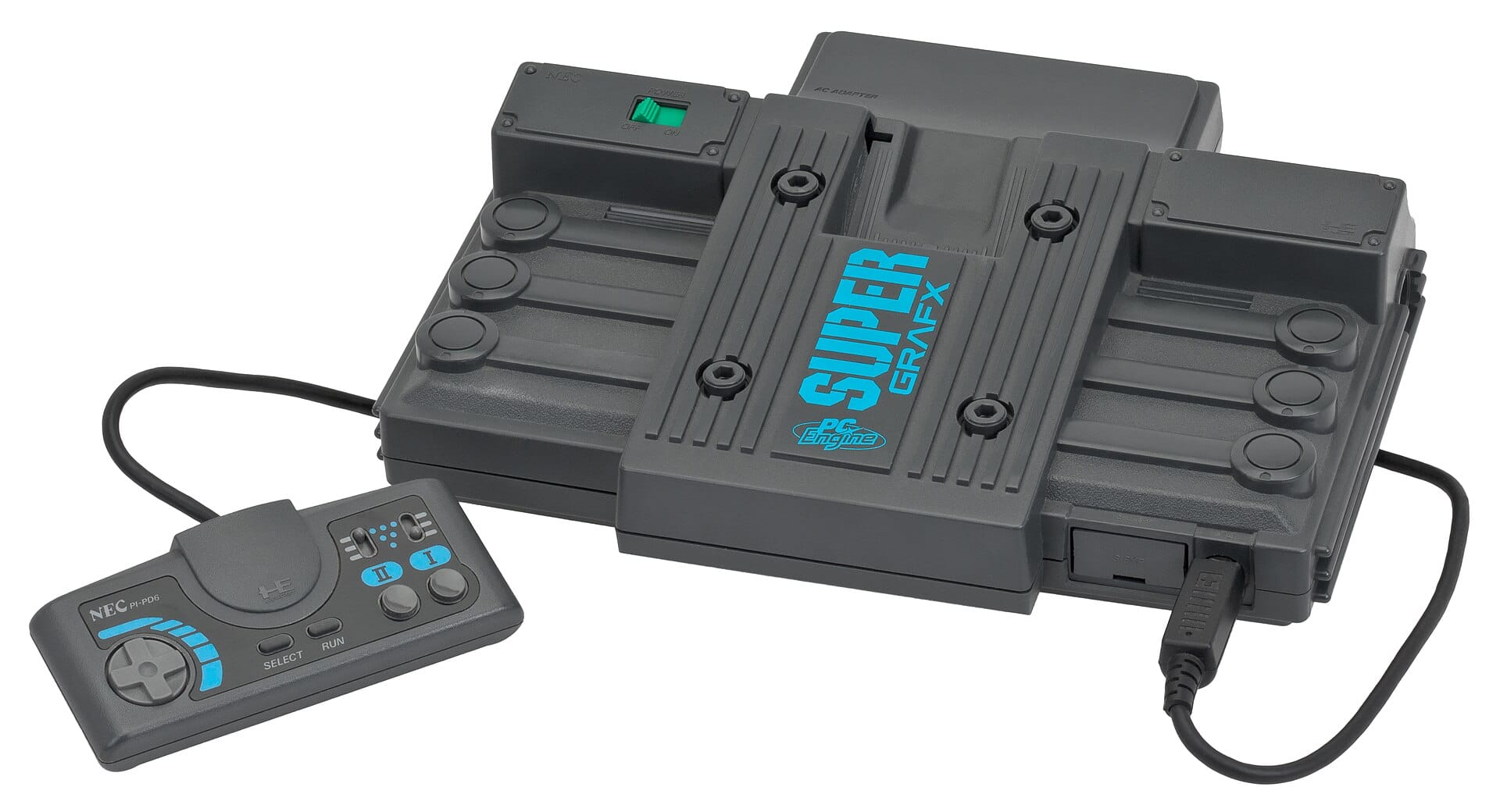
And the LT wasn’t alone. NEC also released wild variants like the SuperGrafx (a more powerful but short-lived successor) and the CoreGrafx line (slimmer revisions of the original hardware), each offering small tweaks or upgrades that appealed mostly to hardcore fans.
These systems proved one thing above all else: NEC wasn’t afraid to take risks. Even as market share wavered and competitors solidified their footholds, NEC and Hudson kept innovating, iterating, and imagining what gaming could be—even if most people weren’t buying it.
TTi Takes the Wheel: The Duo, Sega Rivalries, and Software Droughts
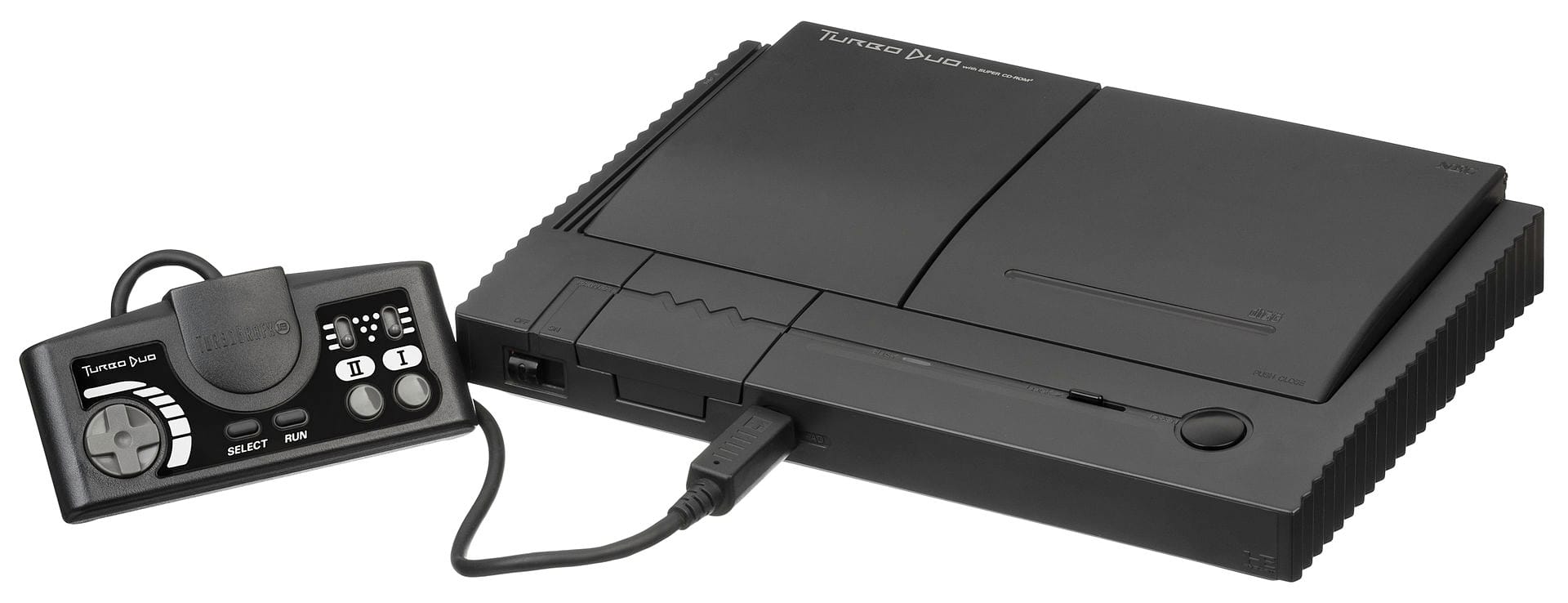
By mid-1992, NEC’s American division was in absolute freefall, forcing a desperate corporate restructuring. NEC and Hudson Soft pooled their remaining resources together and formed a brand-new joint venture called Turbo Technologies Inc. (TTi) to steer the sinking ship. Their first major move? Launching the sleek, dark, all-in-one Turbo Duo console for $299, which elegantly fused the traditional HuCard slot and a Super CD-ROM² drive into a single piece of hardware.
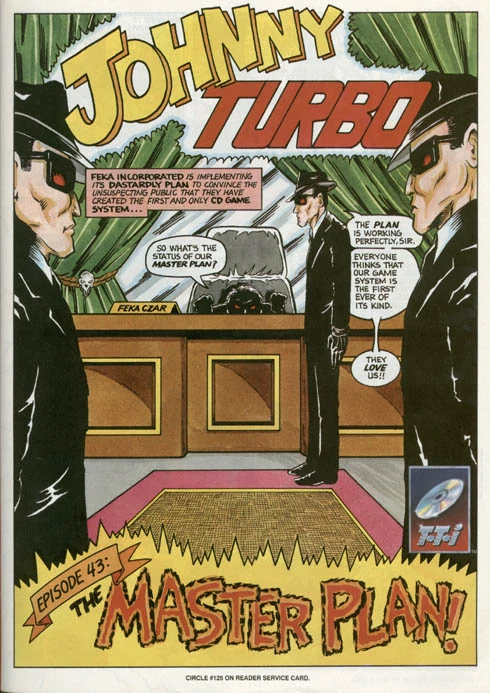
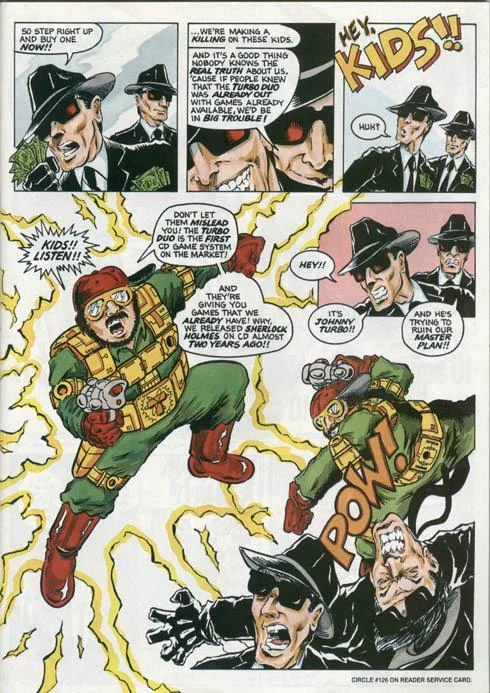
To sell this new machine to cynical teenagers, TTi launched one of the most notoriously bizarre, hyper-aggressive marketing crusades in gaming history: the Johnny Turbo comic book advertisements. This fictional, caped tech-hero literally fought corporate caricatures of Sega executives, screaming that the Sega CD was a fraudulent rip-off. The ads constantly pounded home the fact that the Turbo Duo came out of the box ready to play massive CD games with five high-value pack-in titles, whereas Sega buyers had to clumsily slap an expensive add-on onto an existing Genesis console.
Unfortunately, no amount of loud, sarcastic comic book propaganda could fix the platform’s devastating, fundamental software crisis. Nintendo’s historical, iron-fisted legal monopolies during the 8-bit era had legally barred third-party studios from developing for rival hardware, and by the time courts ruled those practices illegal, the damage was completely done. Western developers flat-out refused to risk capital on TTi’s struggling ecosystem, leaving the American market completely starved for fresh software.
The Engine That Kept Running
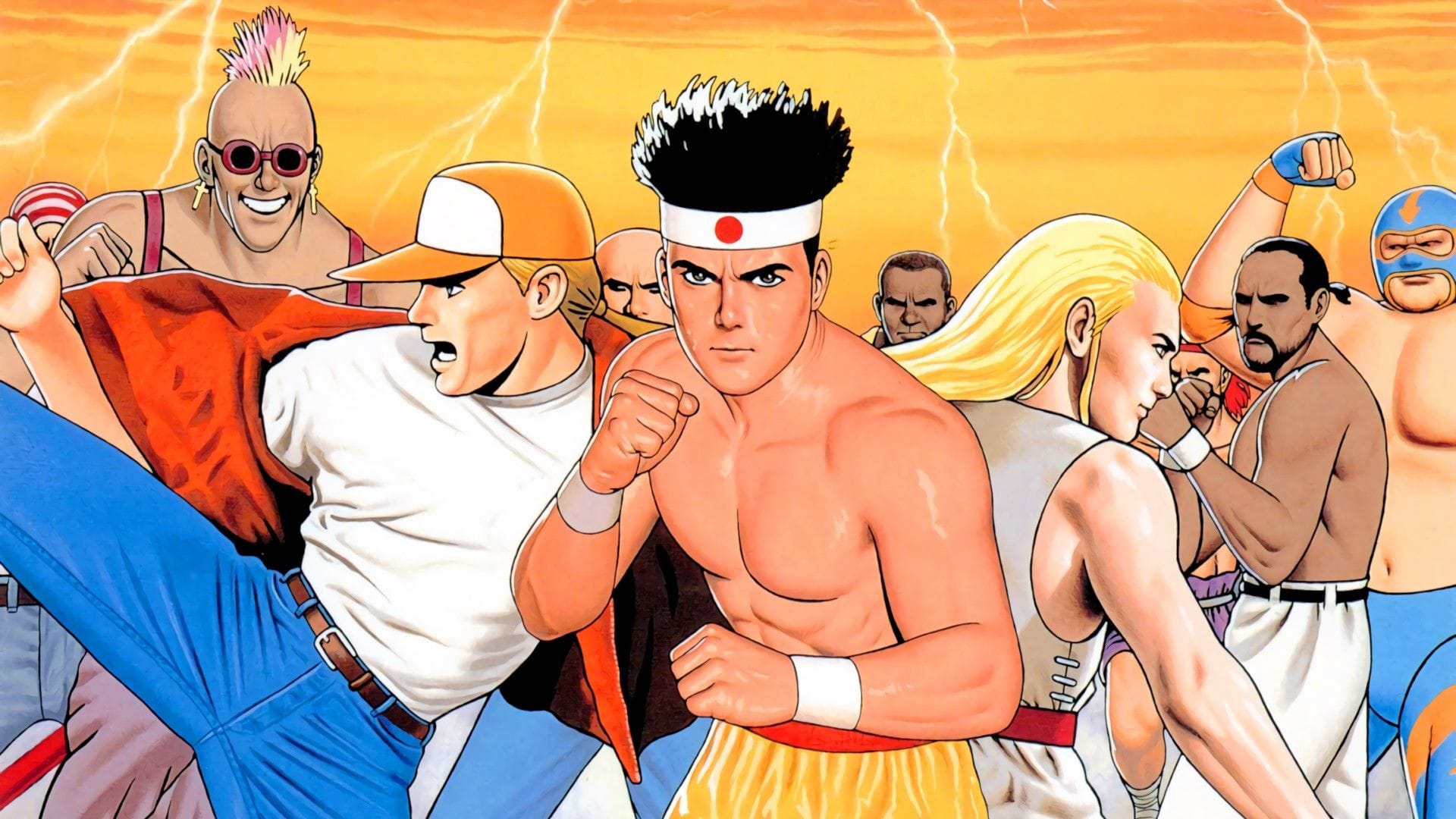
Even as the mainstream spotlight shifted to the Super Nintendo and Sega Genesis—and soon after, the PlayStation and Saturn—the PC Engine refused to fade quietly. In 1994, NEC released the Arcade Card, a memory expansion that supercharged the PC Engine’s capabilities. With 2MB of additional RAM, it allowed the console to run visually stunning ports of Neo Geo arcade hits like Fatal Fury 2, Art of Fighting, and World Heroes 2. While these ports weren’t perfect, they were astonishing achievements on such dated hardware. Unfortunately, the Arcade Card never made it to North America.
On paper, the TurboGrafx-16 and PC Engine were the same system. But in practice, they lived very different lives on opposite sides of the Pacific. In Japan, the PC Engine became a cultural phenomenon, with over 650 games released across HuCard and CD-ROM formats. From shmups and RPGs to dating sims and mahjong games, the library was vast, diverse, and distinctly Japanese. Developers like Falcom, Taito, Namco, and Konami all supported the platform enthusiastically, with new games being released as late as 1999.
Meanwhile, North America saw just under 140 officially released titles. The TurboGrafx-16 was always fighting an uphill battle—squeezed between Sega’s cool factor and Nintendo’s market dominance. That, combined with NEC’s missteps in marketing and distribution, left third-party publishers reluctant to jump in. The limited install base didn’t justify expensive localizations, especially for CD-ROM games.
To make matters worse, Nintendo’s aggressive licensing practices during the NES era discouraged companies from developing for rival platforms. By the time those restrictions were challenged in court, the damage had already been done—the TurboGrafx was too far behind. Even without global dominance though, the PC Engine inspired generations of developers, roaring quietly for over a decade.
NECPC-FX: A Console Trapped Between Two Generations
As early as 1990, while the PC Engine was still enjoying its golden years, NEC and Hudson Soft secretly began prototyping its successor. Codenamed Project Tetsujin (which translates to “Iron Man” in English), this ambitious 32-bit machine spent two years in deep development. By 1992, the engineering team had a functioning prototype ready to roll, complete with native CD-ROM support. However, because the standard PC Engine was still printing absolute mountains of cash in Japan, corporate management chose to sit on the technology rather than cannibalizing their own massive profits.
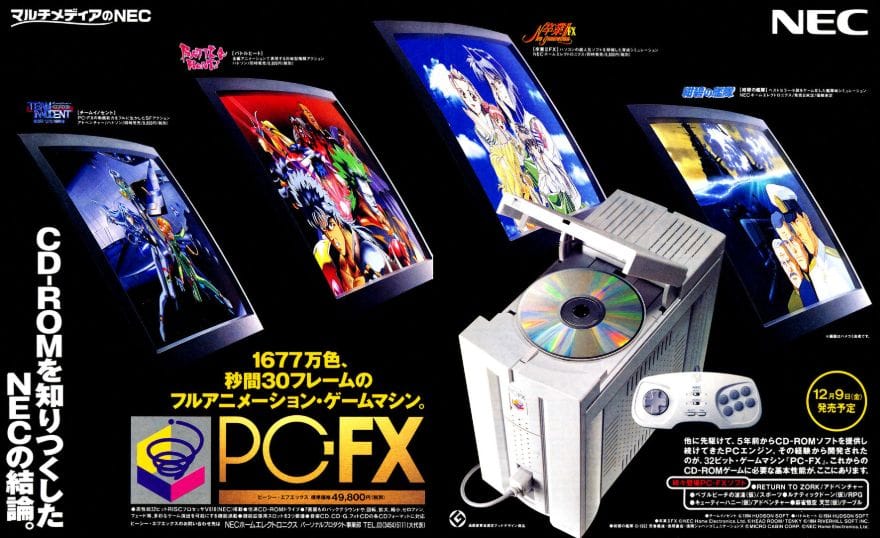
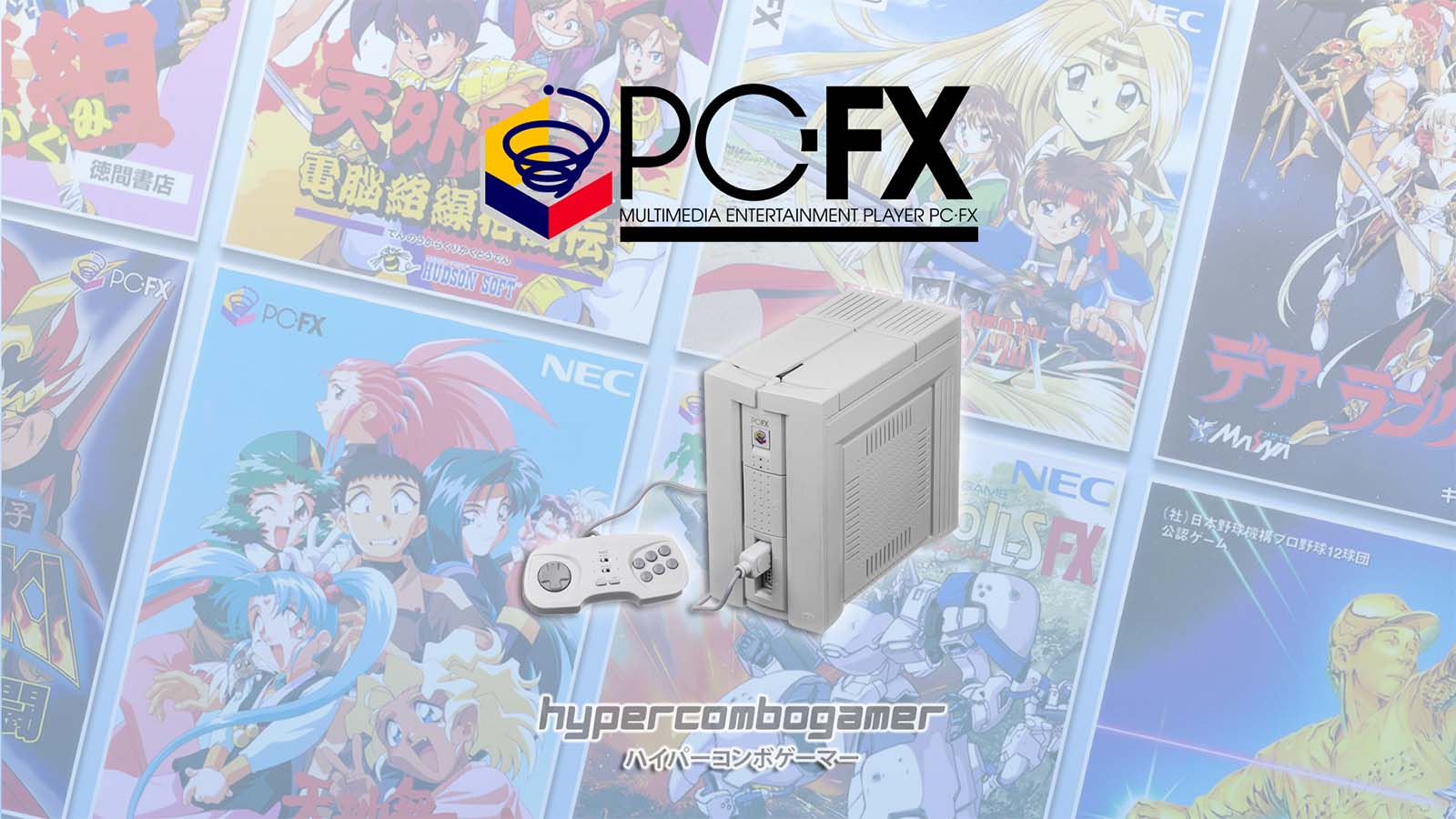
This agonizing delay completely backfired when the market shifted beneath their feet. By January 1994, NEC officially unveiled the finalized hardware to the public under a new name: the PC-FX. Built around a 5-chip architecture and powered by NEC’s V810 CPU, the system boasted an unparalleled ability to stream real-time, 30-frames-per-second Full Motion Video (FMV). The fatal catch? Hudson’s leadership completely misjudged the massive industry shift toward real-time, polygon-based 3D graphics popularized by arcade sensations like Sega’s Virtua Fighter.
When the PC-FX finally launched in Japan on December 23, 1994, it arrived at a staggering retail price of 49,800 yen (over $500 at the time). Instead of a traditional console design, consumers were greeted by a bizarre, vertical tower that closely resembled a standard 90s desktop computer. While the competing Sony PlayStation and Sega Saturn were blowing minds with immersive 3D worlds, the PC-FX was inherently trapped in a flat, 2D past. The console possessed incredible hardware shortcuts that bypassed the CPU to stream breathtaking, anime-quality video directly from the disc, but it lacked any dedicated 3D polygon rendering capabilities whatsoever.
This massive hardware miscalculation instantly chased away major third-party developers, who abandoned ship to code for the PlayStation. The software lineup devolved almost entirely into text-heavy RPGs, visual novels, and virtual dating simulators that required total Japanese fluency to enjoy. After churning out a small lifetime library of just 62 games, the PC-FX was officially discontinued in April 1998, leaving behind a legacy where most manufactured units sat unsold in dusty warehouses.
Game Over: The Final Days of a Retro Giant
The spectacular collapse of the PC-FX dealt a heavy blow, but the ultimate killing stroke came from completely outside the gaming industry. In the late 1990s, Hudson Soft’s primary financial backer, Hokkaido Takushoku Bank, went completely bankrupt. This financial disaster instantly froze Hudson’s credit lines and threw the studio into a massive, overnight cash-flow panic, derailing their ongoing development projects.
To inject much-needed emergency capital back into the business, Hudson made the risky decision to go public with an Initial Public Offering (IPO) in 2000. The influx of cash allowed them to pivot toward the exploding mobile gaming market and strike lucrative European publishing deals. However, floating their stock on the open market left the vulnerable studio completely exposed to aggressive corporate raiders.
Recognizing a perfect target, arcade and console giant Konami swooped in during the 2001 fiscal year, purchasing 5.6 million shares to secure a dominant majority stake. This buyout marked the definitive beginning of the end for the independent studio. Over the next decade, Konami slowly absorbed Hudson’s creative talent, restructured the management, and systematically integrated the intellectual properties into its own corporate pipeline. By March 2012, the legendary Hudson Soft name was officially dissolved and vanished from retail shelves entirely.
Essential Hudson Soft Classics
From the PC Engine era to the sixth generation of consoles, Hudson Soft crafted interactive euphoria that defined entire childhoods. Prepare your thumbs for a serious workout, as we’re about to rank the absolute cream of the crop from gaming’s favorite bee.
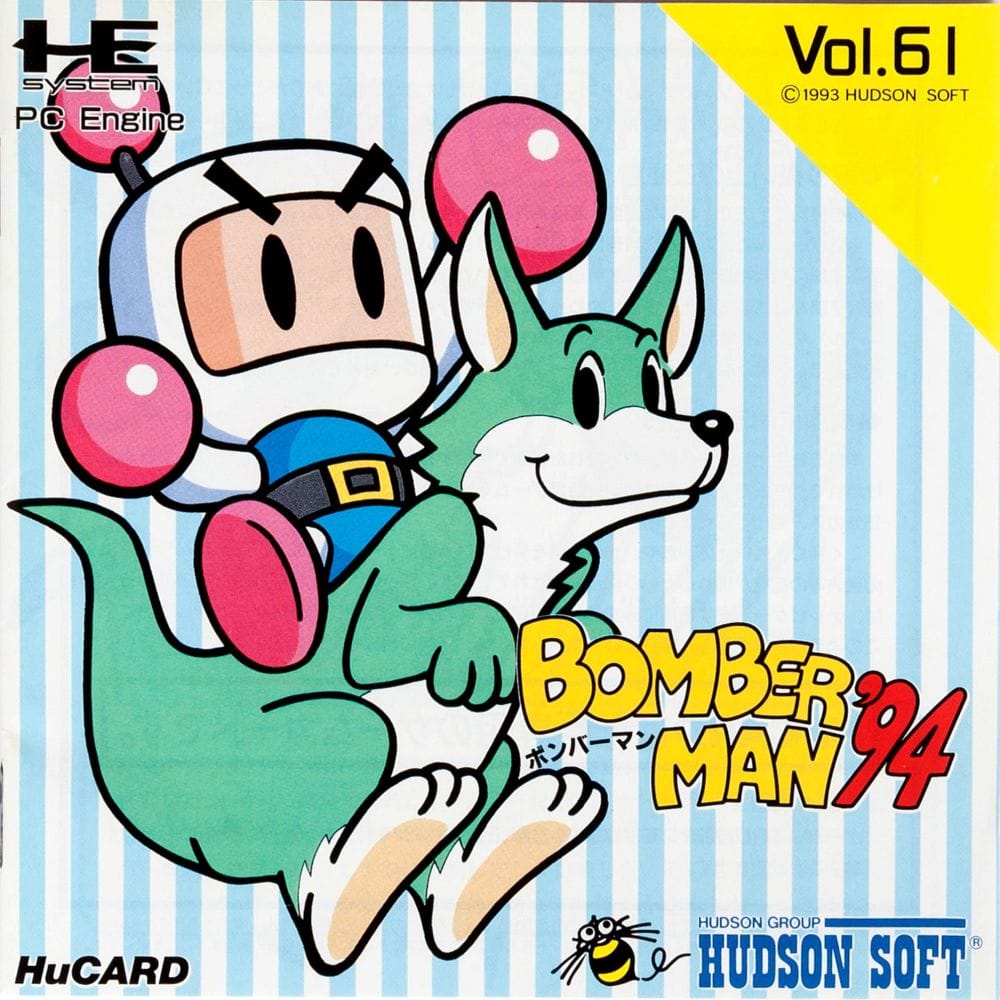
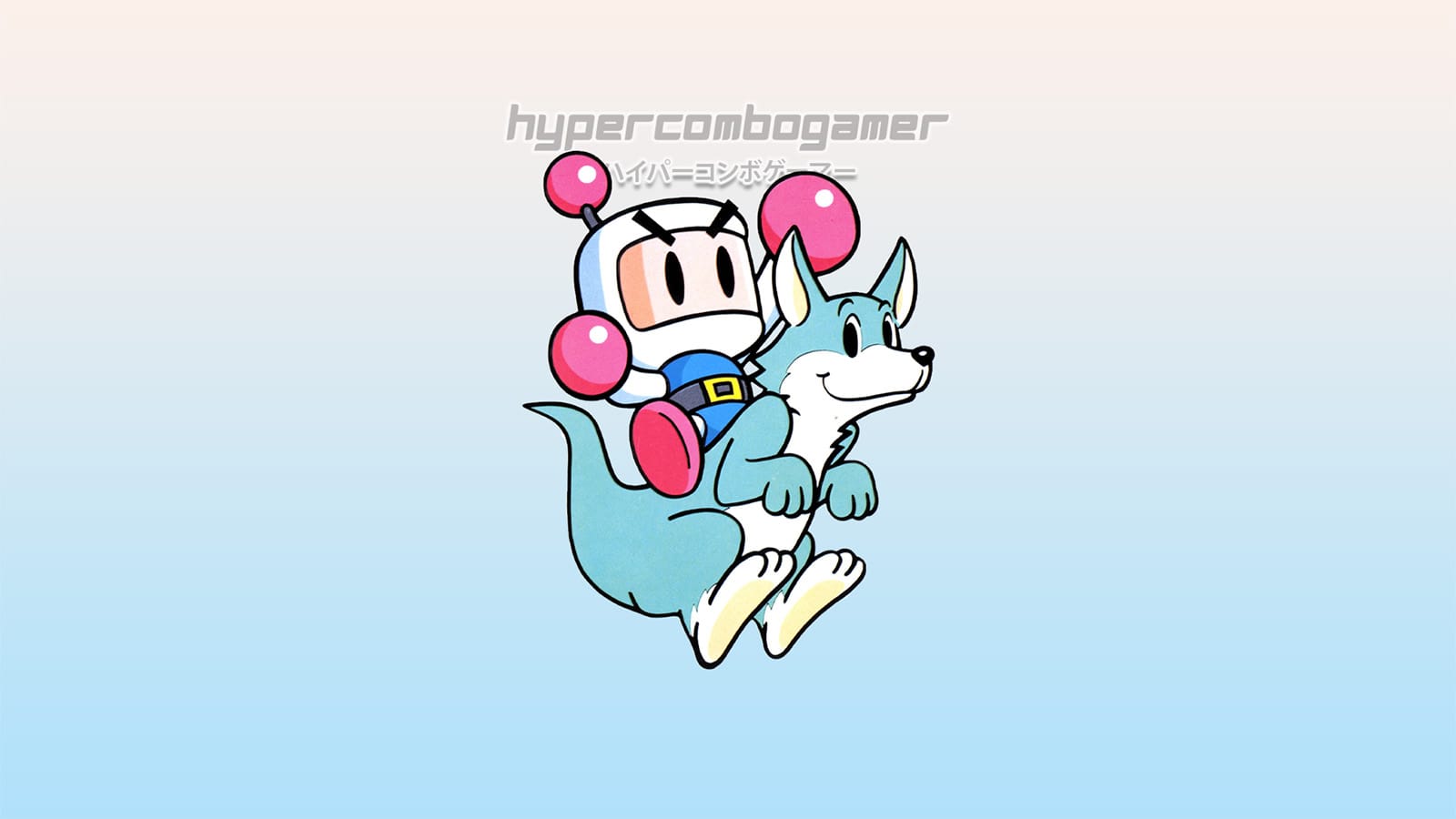
Hudson Soft absolutely knocked it out of the park with Bomberman ’94, taking everything that made previous entries great and supercharged the formula to a ridiculous degree. You can kick bombs, jump over blocks, or speed across the arena depending on which vibrant egg you hatch. This entry famously introduced Louies, those adorable, colorful, kangaroo-like steeds that grant you unique abilities and save you from instant death. The vibrant graphics pushed the console’s capabilities right to the edge, and the excellent single-player campaign actually rules too.
Why It's Iconic: Bomberman ’94 created the ultimate gameplay blueprint for the entire franchise moving forward. It perfected the chaotic five-player local multiplayer experience while introducing lovable mascot creatures that redefined the series' mechanical depth. You simply cannot discuss the legacy of retro party games without bowing down to this explosive crowning achievement.
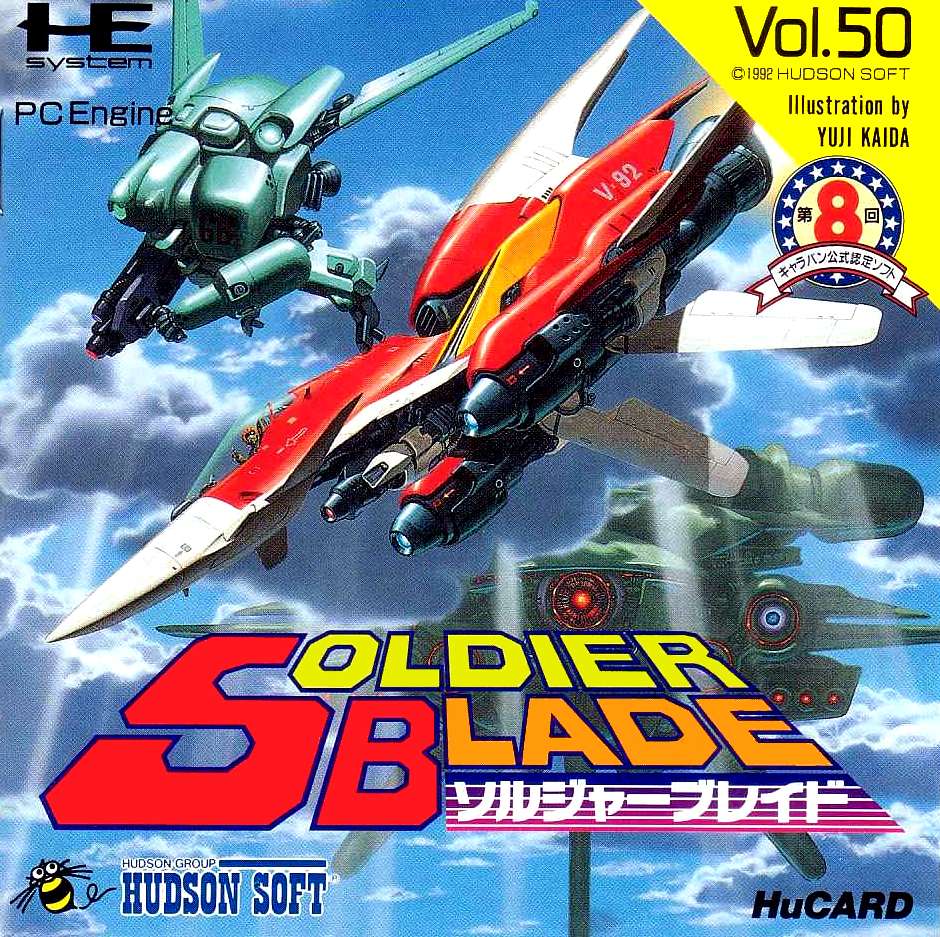
Soldier Blade is a relentless, adrenaline-fueled vertical shmup that effortlessly outpaces its contemporary rivals. You collect three distinct, color-coded power-up options to unleash pure, screen-clearing annihilation upon biomechanical alien fleets. The ingenious risk-reward mechanic lets you detonate your current weapon for a temporary, invulnerable mega-attack, forcing split-second tactical decisions. The game runs flawlessly on the PC Engine hardware, even when dozens of enemy fighters saturate the environment. Let’s not forget the chiptune soundtrack that aggressively pushes your heart rate into dangerous territory.
Why It's Iconic: Soldier Blade stands tall as the definitive high-water mark for 16-bit vertical shooters. It achieved a flawless balance of blistering speed and zero slowdown, proving that Hudson Soft could out-program almost anyone in the industry. Can anyone truly claim to love retro shmups without experiencing this glorious, fast-paced assault on the senses?
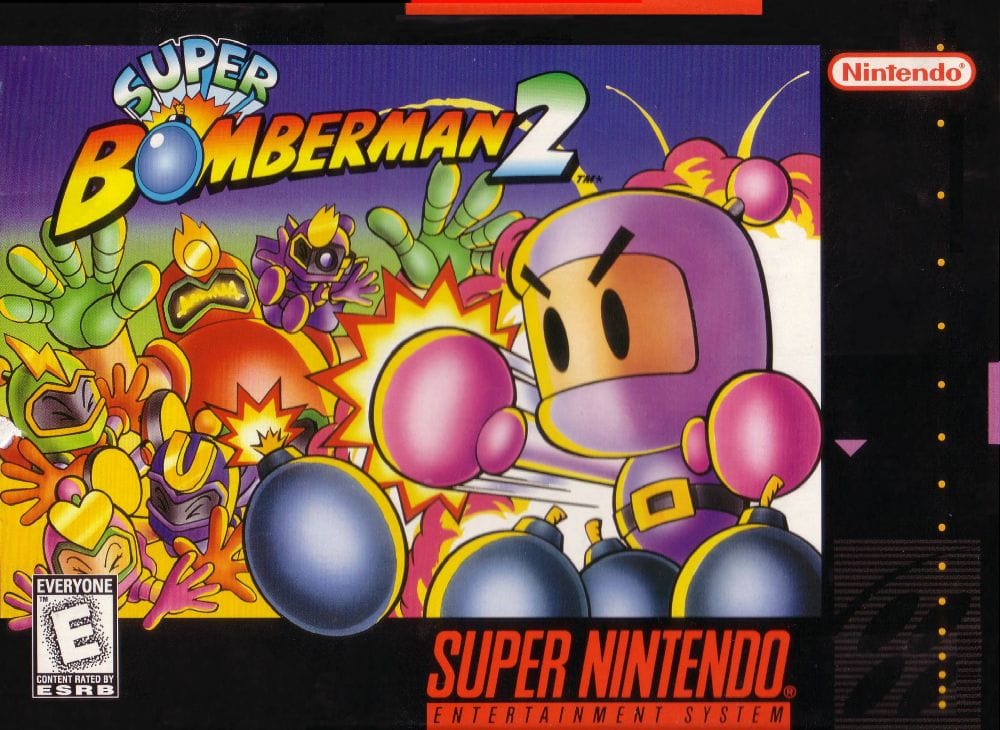
While the original SNES entry put the franchise on the 16-bit map, Super Bomberman 2is an absolute gem of a sequel that refined the formula into pure competitive gold. This game included the phenomenal single-player campaign featuring the sinister Five Dastardly Bombers. Each world threw unique environmental hazards at you, from magnet traps to conveyor belts, keeping your thumbs thoroughly sweaty. But let’s be completely honest with each other: you bought this cartridge for the legendary multiplayer battle mode. This iteration introduced customizable rules and beautifully designed arenas that forced you into instant, panic-induced grid warfare.
Why It's Iconic: Super Bomberman 2 stripped away any unnecessary fluff to deliver the most mechanically precise, addictive grid-combat ever coded. It brilliantly weaponized petty rivalries and became the quintessential staple of 90s sleepovers. Even decades later, the sheer panic of getting trapped in a corner by a golden bomb remains an unmatched gaming core memory.
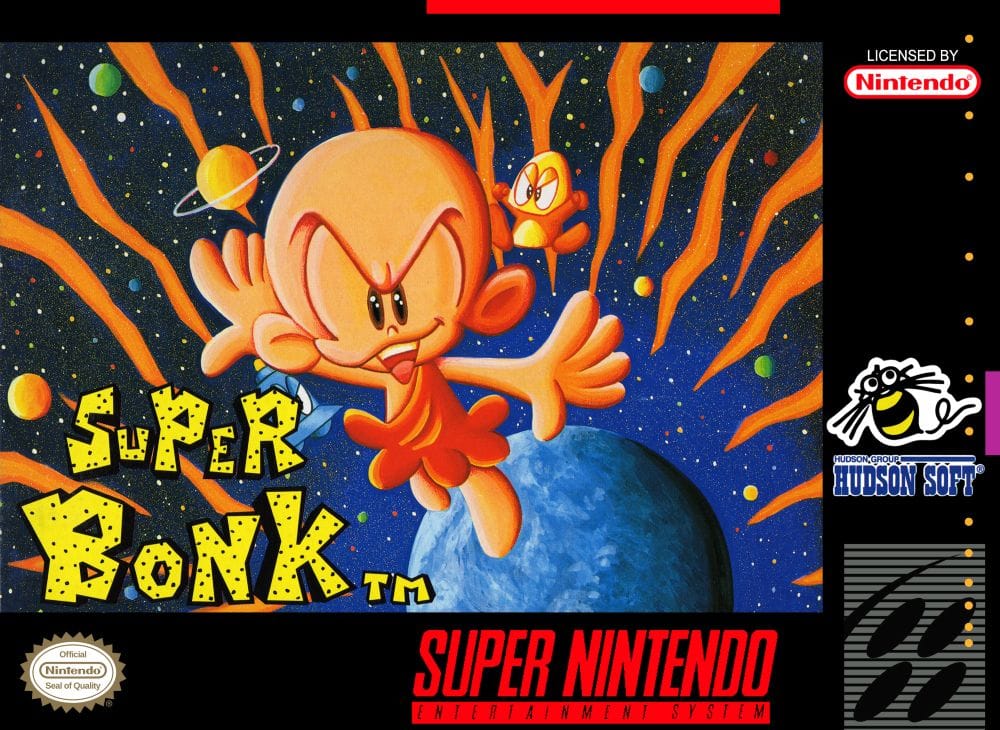
Hudson Soft boldly brought their beloved, hard-headed PC Engine mascot over to the SNES with Super Bonk, and the result was an absolute fever dream of pure 16-bit joy. Eating different chunks of meat transforms our primitive hero into bizarre forms, including a giant angry monster, a tiny stealth caveman, and even a weirdly graceful dinosaur-chicken hybrid. The level design throws logic straight out the window, sending you from prehistoric jungles to outer space, and eventually inside the digestive tract of a giant dinosaur. The controls feel wonderfully snappy, letting you spin through the air and chomp on air pockets to defy gravity.
Why It's Iconic: Super Bonk brilliantly demonstrated that Hudson Soft's premier mascot could thrive outside his native PC Engine comfort zone. It stands out as a wonderfully surreal alternative to the hyper-polished platformers of the era, delivering an unforgettable SNES experience that gave Mario a serious run for his money.
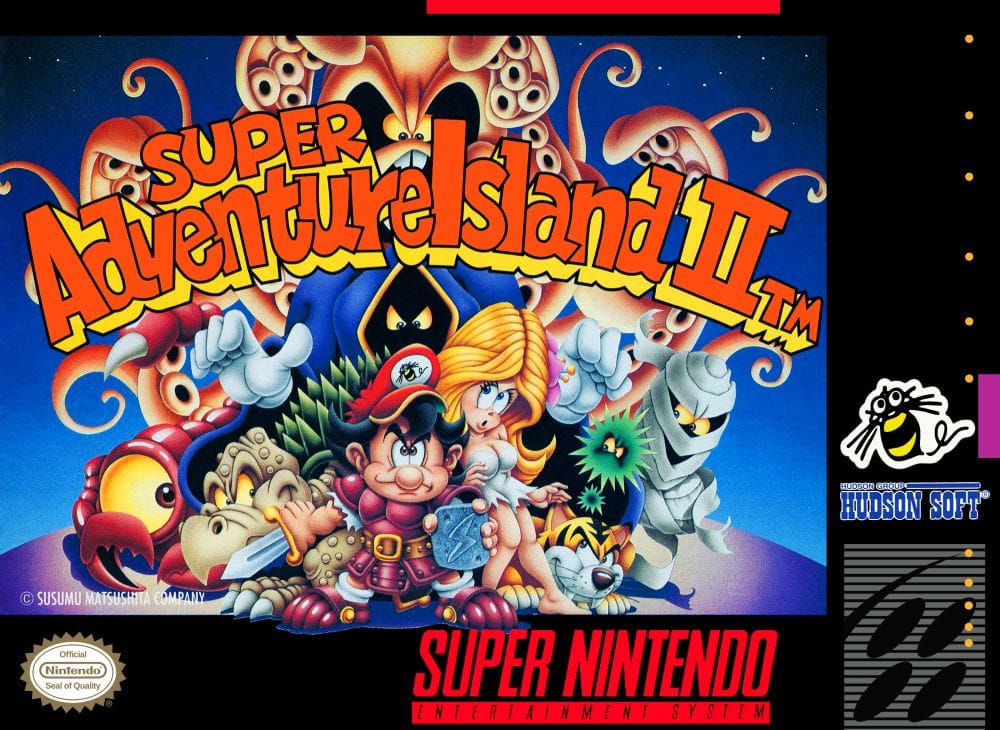
Super Adventure Island II is an incredibly slept-on masterpiece that completely subverted player expectations in the best way possible. Instead of merely rushing to the right side of the screen, you travel between diverse islands via a world map, explore deep dungeons, and acquire new armor that fundamentally alter how you interact with the environment. Want to survive the scorching volcano hazards? Better go hunt down the aqua suit first. The combat feels wonderfully weighty, trading the frantic pace of old-school entries for deliberate positioning and exploration.
Why It's Iconic: Super Adventure Island II stands as one of the most daring and successful genre pivots of the 16-bit era. Hudson Soft took a simplistic arcade property and transformed it into a deep, atmospheric quest that rivals the depth of Wonder Boy or Zelda II. It perfectly highlights Hudson Soft’s fearless willingness to experiment with their most cherished intellectual properties.
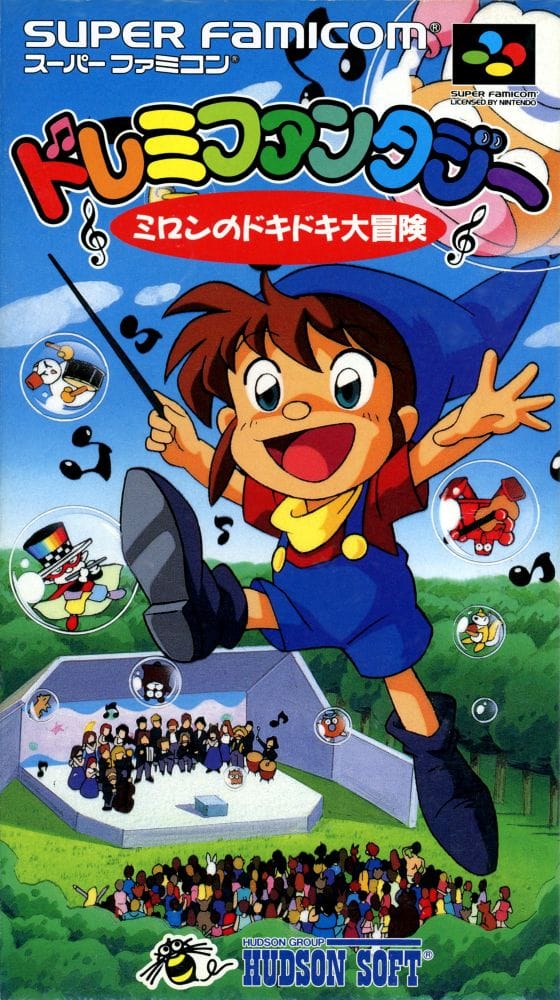
DoReMi Fantasy: Milon’s DokiDoki Adventureis a late-generation Super Famicom masterpiece, stripping away the frustrating elements of the NES predecessor Milon’s Secret Castle to deliver a joyous side-scrolling experience. You play as Milon, who goes through a series of stunning, candy-colored worlds on a quest to restore music and save his friend. Instead of stomping on heads, you trap enemies in bubbles and pop them to clear your path. The visual fidelity easily rivals the best 2D platforming offerings from Nintendo or Capcom during the twilight of the 16-bit era. Plus, the whimsical, instrument-themed soundtrack treats your ears to absolute audio bliss.
Why It's Iconic: DoReMi Fantasy stands as one of the ultimate import holy grails of the 16-bit era. It completely redeemed a once-frustrating franchise, transforming it into one of the most mechanically sound and visually stunning import titles of all time. It remains a legendary testament to the sheer depth of the studio's creative talent.
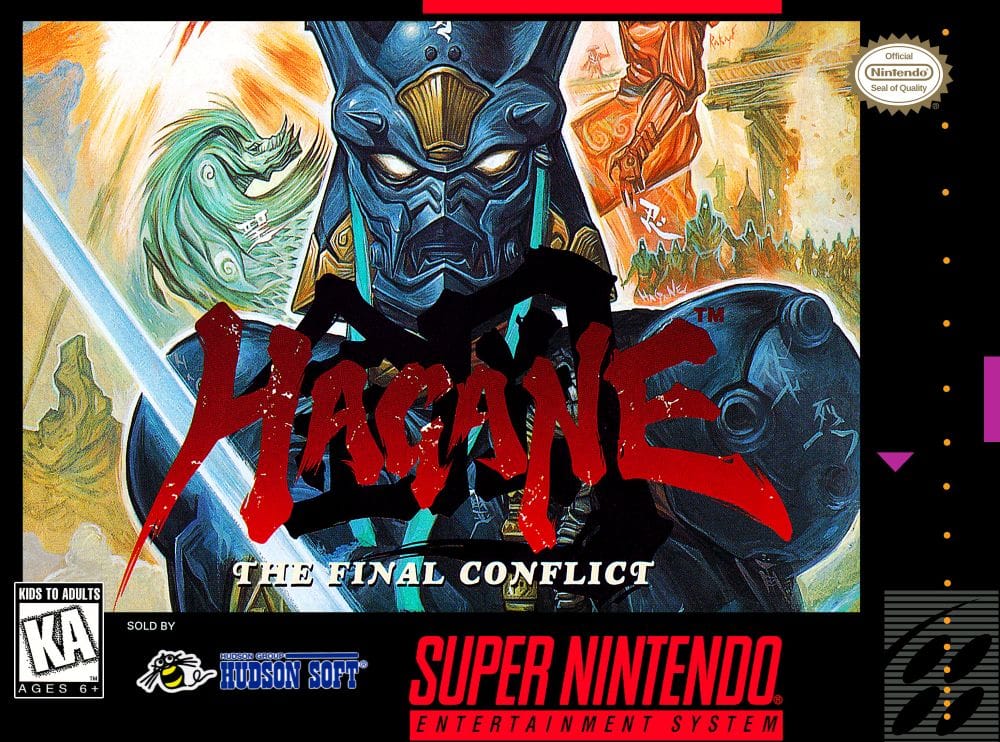
Hudson Soft paired up with developer Red Company to unleash Hagane: The Final Conflict, a relentless slice of dystopian Japanese cyberpunk. You control a cybernetic ninja warrior out for absolute blood against a rival clan, and the gameplay moves at a completely breakneck pace. This game arms you with a devastating arsenal of swords, chains, hooks, and explosive projectiles. You can perform acrobatic flips and wall-runs that put standard platforming heroes to absolute shame. The dark, gritty visuals feel like a classic 90s anime OVA come to life right on your TV screen.
Why It's Iconic: Hagane: The Final Conflict completely shattered the stereotype that Hudson Soft could only develop cute, bright mascot titles. It successfully married a complex, deep combat system with phenomenal atmosphere and crushing arcade-style difficulty. It stands tall as one of the ultimate, coveted hidden gems of the 16-bit generation, keeping hardcore players coming back for more.
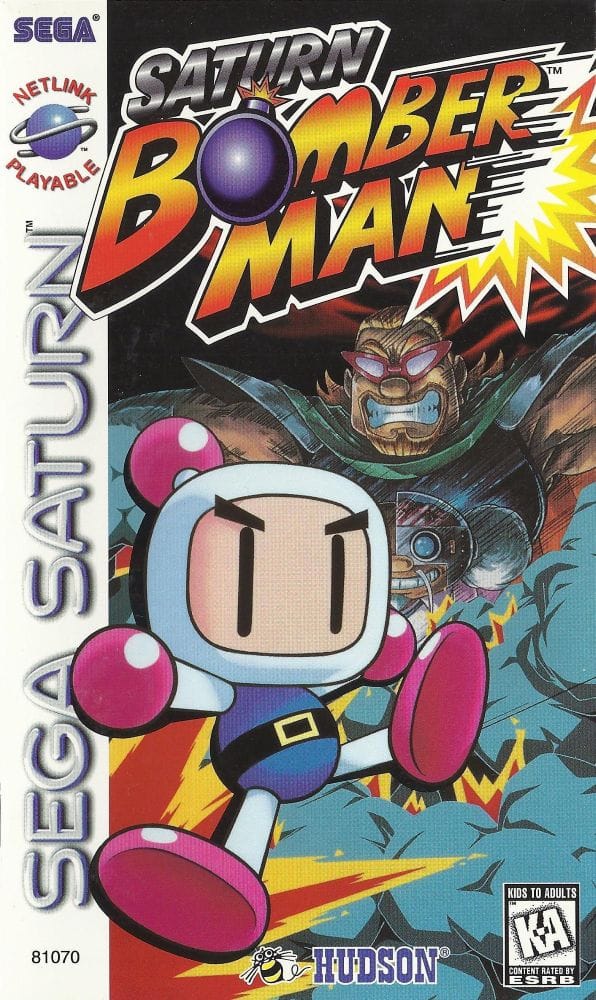
Just when you thought the franchise couldn’t possibly get any more chaotic, Hudson Soft dropped Saturn Bomberman, a total nuclear weapon of a party game. How do you improve upon a flawless multiplayer formula? You simply look at the standard four-player setup, laugh hysterically, and expand the chaos to accommodate a mind-boggling 10 simultaneous players on a single television screen. It also included a robust, story-driven single-player campaign and rideable dinosaur companions. The presentation shines with a gorgeous, 2D anime aesthetic, and it features an incredibly upbeat soundtrack that injects pure adrenaline straight into the competitive experience.
Why It's Iconic: Saturn Bomberman represents the absolute pinnacle of 2D party game design. It pushed the Sega Saturn's 2D rendering capabilities to the absolute limit without dropping a single frame of animation. For purists and arcade enthusiasts, it remains the definitive multiplayer benchmark of its generation.
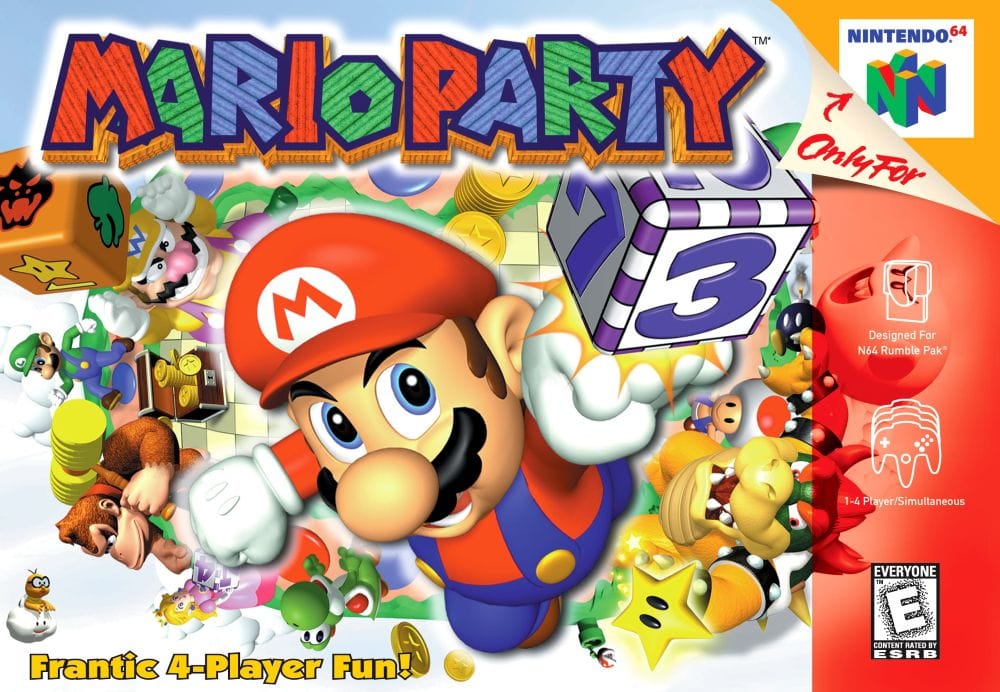
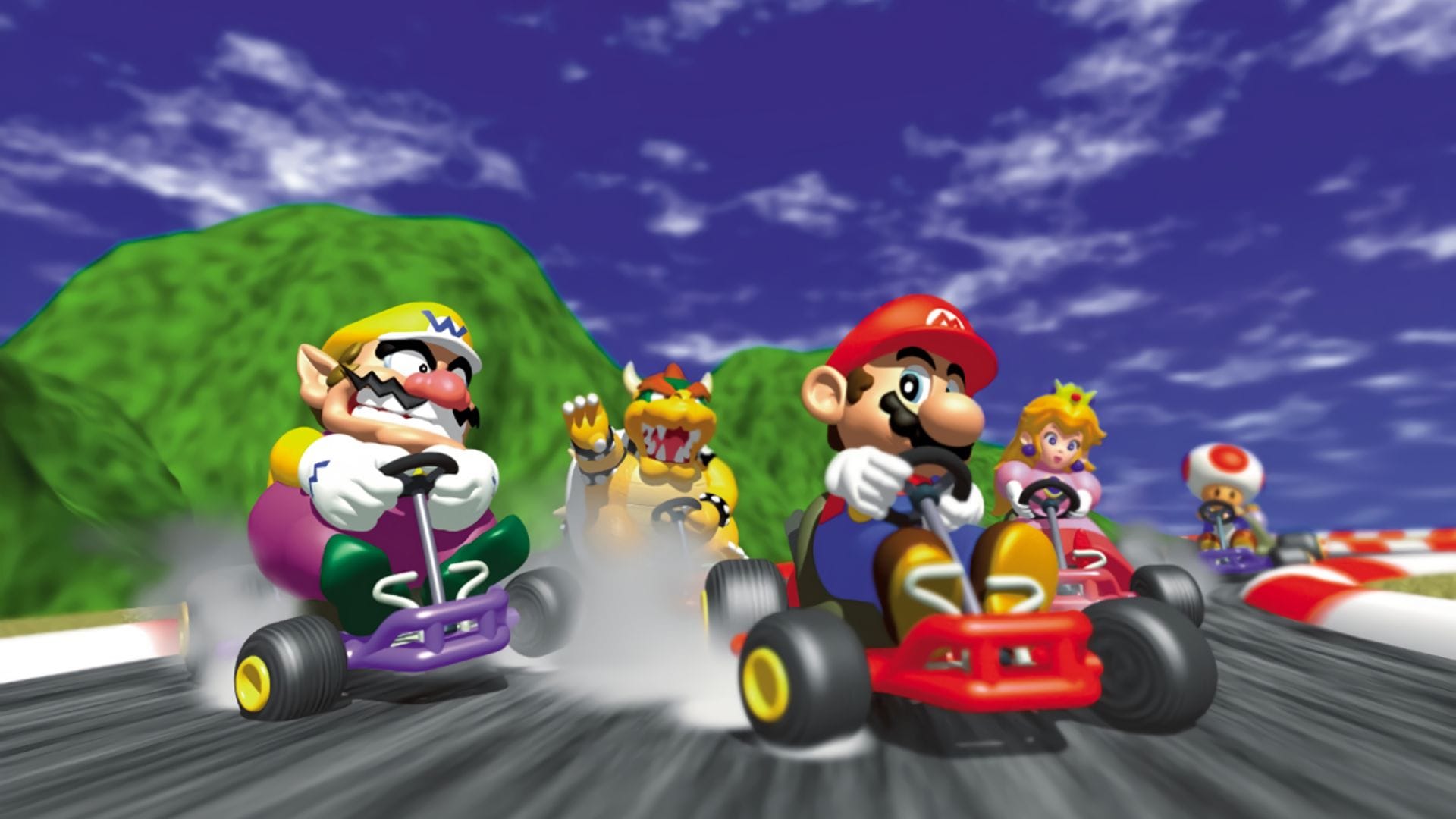
Hudson Soft transformed living rooms into war zones of trash-talk with Mario Party, taking Nintendo’s iconic characters and throwing them into a beautifully sinister virtual board game. The formula brilliantly mixed tactical board movement with a massive collection of rapid-fire mini-games at the end of each round. These bite-sized challenges tested your platforming skills, your spatial awareness, and quite literally the durability of your physical controller. It introduced a level of beautiful, agonizing RNG that could instantly strip the leading player of all their hard-earned Stars right at the finish line.
Why It's Iconic: Mario Party completely redefined what a modern party game could look like on home consoles. By marrying classic board game mechanics with snappy, addictive mini-games, it created an enduring, multi-generational franchise blueprint. Many modern gamers forget that Nintendo didn't actually build the foundation of Mario’s legendary board game empire—Hudson Soft did.
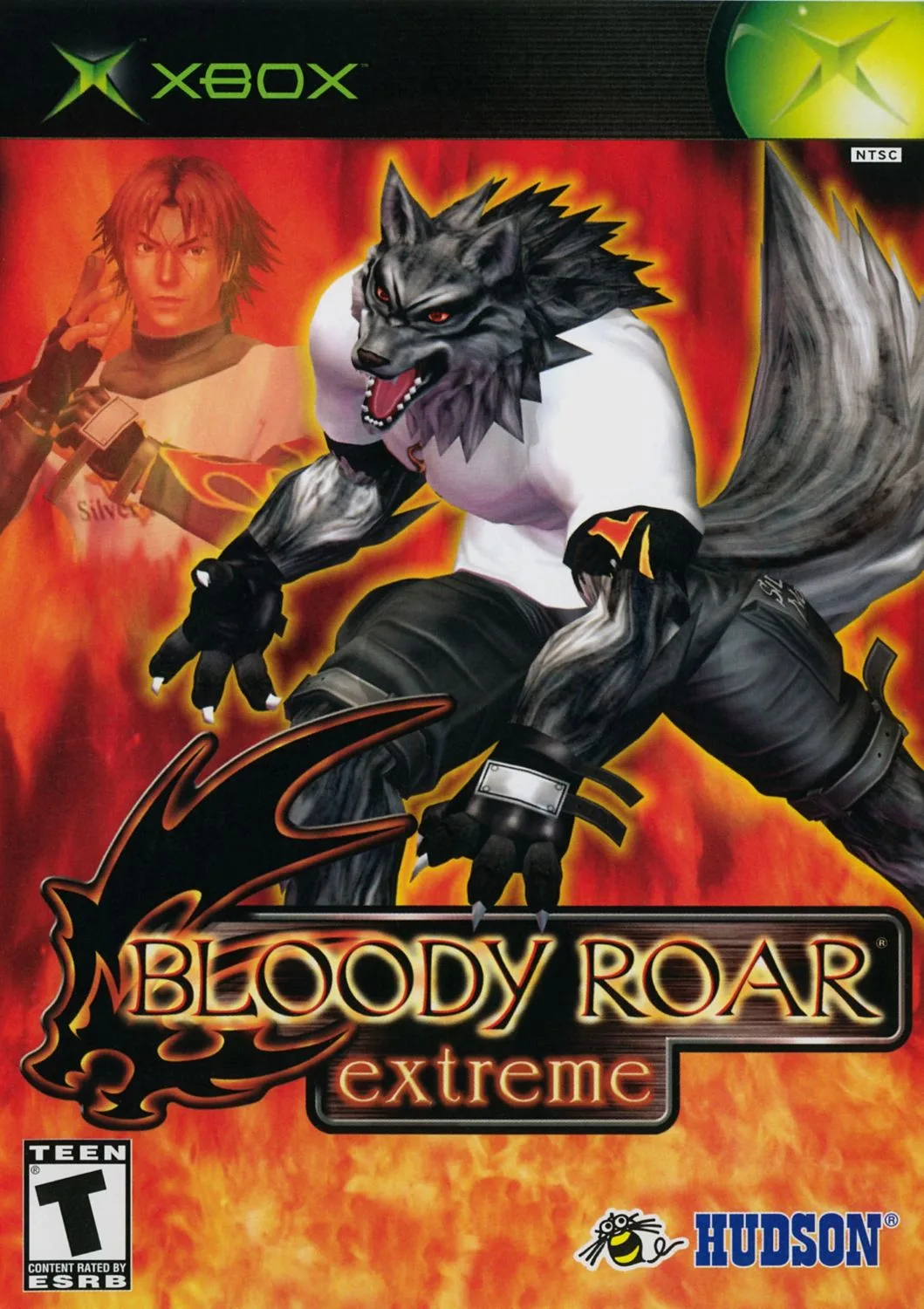
Bloody Roar: Extreme perfected the mechanics of Bloody Roar 3 and delivered blistering fast combat that felt wildly different from anything else on the market. The core gameplay revolves around the brilliant Beast Gauge, which fills up as you deal and receive damage. Once activated, your fighter transforms into a terrifying animal, granting you a massive health refill, devastating new special moves, and incredible speed. The visuals on the GameCube and Xbox looked incredibly slick for the era, boasting fluid 60-frames-per-second action and wonderfully crisp, jagged particle effects that accompanied every crushing blow.
Why It's Iconic: Bloody Roar: Extreme masterfully balanced an accessible, high-octane gimmick with genuine competitive depth that rewarded precise timing and spatial control. It successfully proved that Hudson Soft could deliver highly technical 3D competitive combat while maintaining their signature flair for over-the-top, arcade-style spectacle.
Final Thoughts
Looking back at the wild ride of Hudson Soft, it’s clear they were never just another face in the crowd. They were the ultimate risk-takers of the retro era—the kind of company that looked at a massive industry monopoly and said, “Yeah, we can take ’em.” They didn’t just follow the rules of the industry; they wrote a completely new playbook using cassette tapes, credit-card-sized games, and the raw power of CD-ROM technology.
It is easy to look at that corporate ending and feel incredibly bummed out, but the legacy of that little yellow Hokkaido bee remains absolutely bulletproof. Two university kids turned a mutual love for a steam locomotive into a pioneering tech empire that gave us Bomberman, revolutionized optical disc media, and temporarily brought Nintendo to its knees. Hudson Soft may be gone, but they will live on forever in the hearts of gamers who know just how special that engine really was.
At HyperComboGamer, we believe great games deserve great coverage. That means no filler, no clickbait, or fanboyism—just honest, high-quality reviews, features, and guides that put gamers first. Whether you’re a lifelong enthusiast or just starting your gaming journey, you’ll find interesting gaming perspectives that will leave you fully satisfied.