The Neo Geo wasn’t just a console; it was a mythic beast that lived in the corner of dark arcades and on the wishlists of kids with very, very generous parents. When SNK dropped the “100 Mega Shock” branding, they weren’t just flexing technical specs—they were promising a level of sprite-pushing power that made the Super Nintendo and Genesis look like calculators.
Even now, decades after the last official MVS cabinet rolled off the line, the Neo Geo remains the gold standard for 2D pixel art and arcade-perfect gameplay. Its library is a masterclass in all killer, no filler, offering everything from soul-crushing bosses to some of the most fluid animation ever committed to silicon.
Whether you’re a veteran who remembers the tactile click of the old-school joystick or a newcomer wondering why people pay thousands of dollars for plastic cartridges, this list is for you. We’re counting down the 40 best Neo Geo games of all time—the games that defined the arcade era and still play like a dream today.
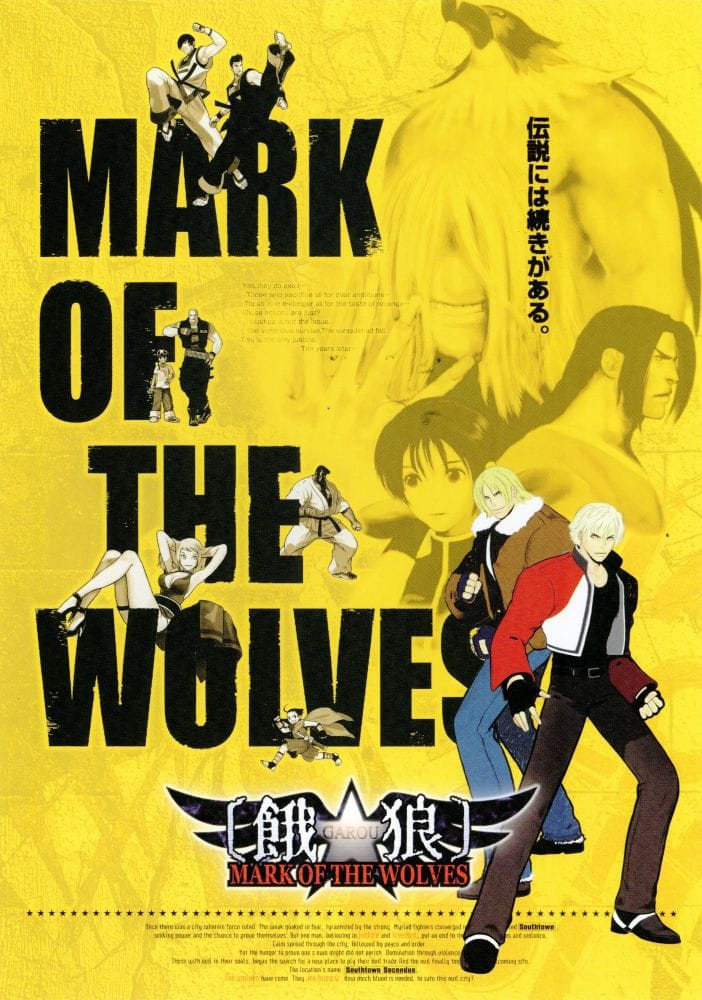
SNK effectively tossed the Fatal Fury rulebook into a dumpster and delivered Garou: Mark of the Wolves, an absolute specimen of 2D combat artistry that pushed the aging Neo Geo hardware to its absolute limit. The Just Defend mechanic allowed you to recover a small amount of health by blocking at the exact microsecond an attack lands, while the Tactical Offensive Position (T.O.P.) system lets you select a specific section of your health bar to receive a damage boost and access to a unique special move. Garou was a visually stunning achievement, producing impossibly smooth animation that rivaled—and often surpassed—the more powerful Capcom CPS-3 hardware.
Why It’s Worth Playing: Garou: Mark of the Wolves is one of the greatest fighters ever made, representing the absolute pinnacle of SNK’s development prowess. It balances an accessible entry point for casual button-mashers with a skill ceiling that touches the stratosphere. If you consider yourself a fighting game aficionado and haven't mastered Rock's Reppuken yet, are you even trying?
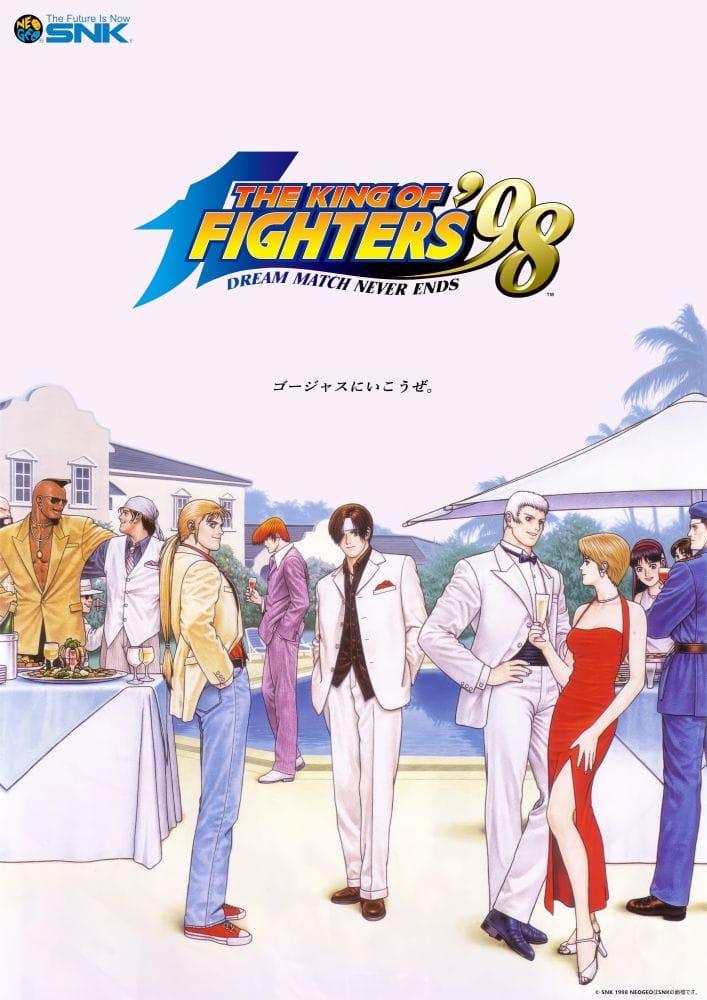
SNK stripped away the series’ convoluted lore to focus entirely on mechanical perfection with The King of Fighters ’98. The tight controls and refined Advanced and Extra gauge systems offer a level of tactical flexibility that remains unmatched. The pacing is relentless, the pixel art is peak late-90s SNK, and the soundtrack is a literal greatest hits collection. Whether you’re a grappler fan or a zoner, this title provides the tools to dominate.
Why It’s Worth Playing: KOF ’98 remains the gold standard for 2D fighting games due to its flawless balance and legendary roster. It offers a pure, competitive experience that rewards deep technical knowledge without the distractions of a complex plot. If you’re looking for the absolute apex of the team-based brawler, you’ve found it.
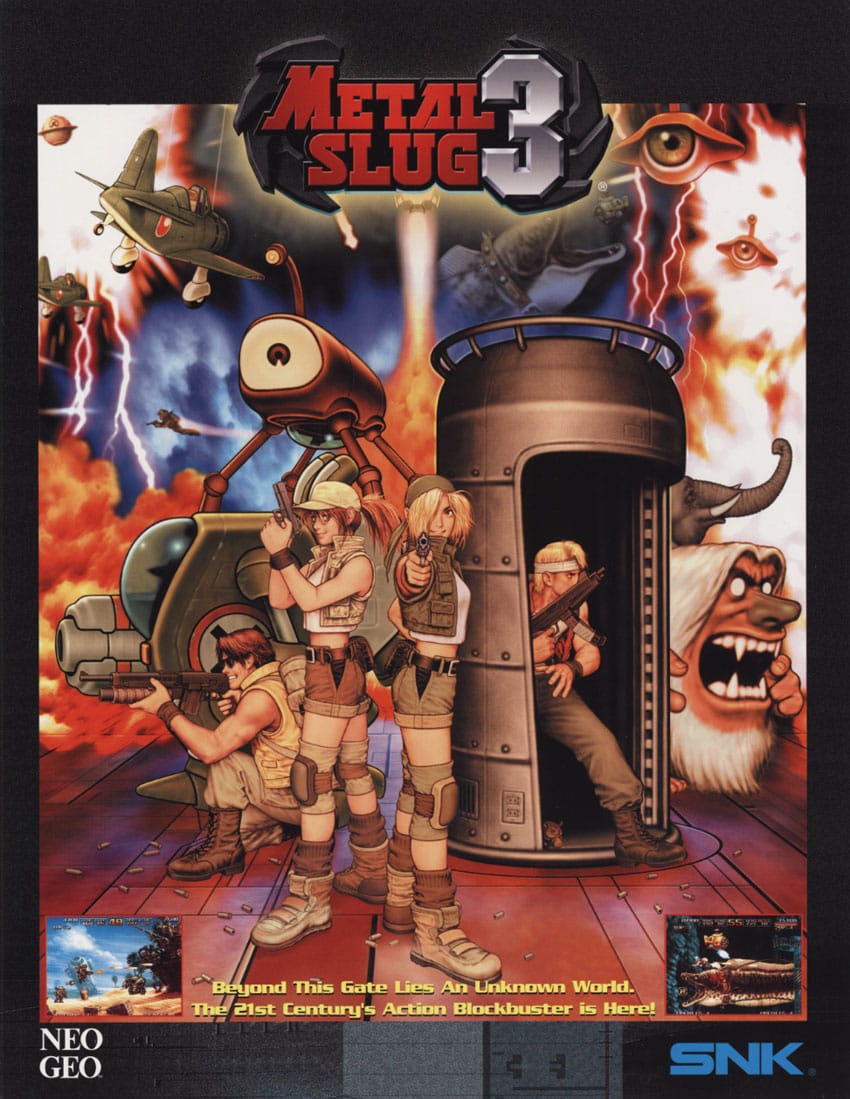
Metal Slug 3 is a sprawling odyssey that feels like five different games crammed into one massive cartridge. The branching paths are so expansive that you’ll need at least four or five playthroughs just to see every hidden area and bizarre sub-boss. The level of granular detail in the animation remains staggeringly high, even by today’s standards. Every explosion, every grotesque transformation, and every new Slug vehicle exudes personality. Does any other game reward exploration this heavily in a linear genre?
Why It’s Worth Playing: Metal Slug 3 represents the peak of the 2D action genre, offering a level of scale and ambition that few games have ever dared to replicate. The branching paths provide incredible replayability, and the cooperative gameplay is quite possibly the most fun you can have with a friend and a joystick. It’s an essential, high-octane spectacle that proves why the Neo Geo was the undisputed king of the arcade.
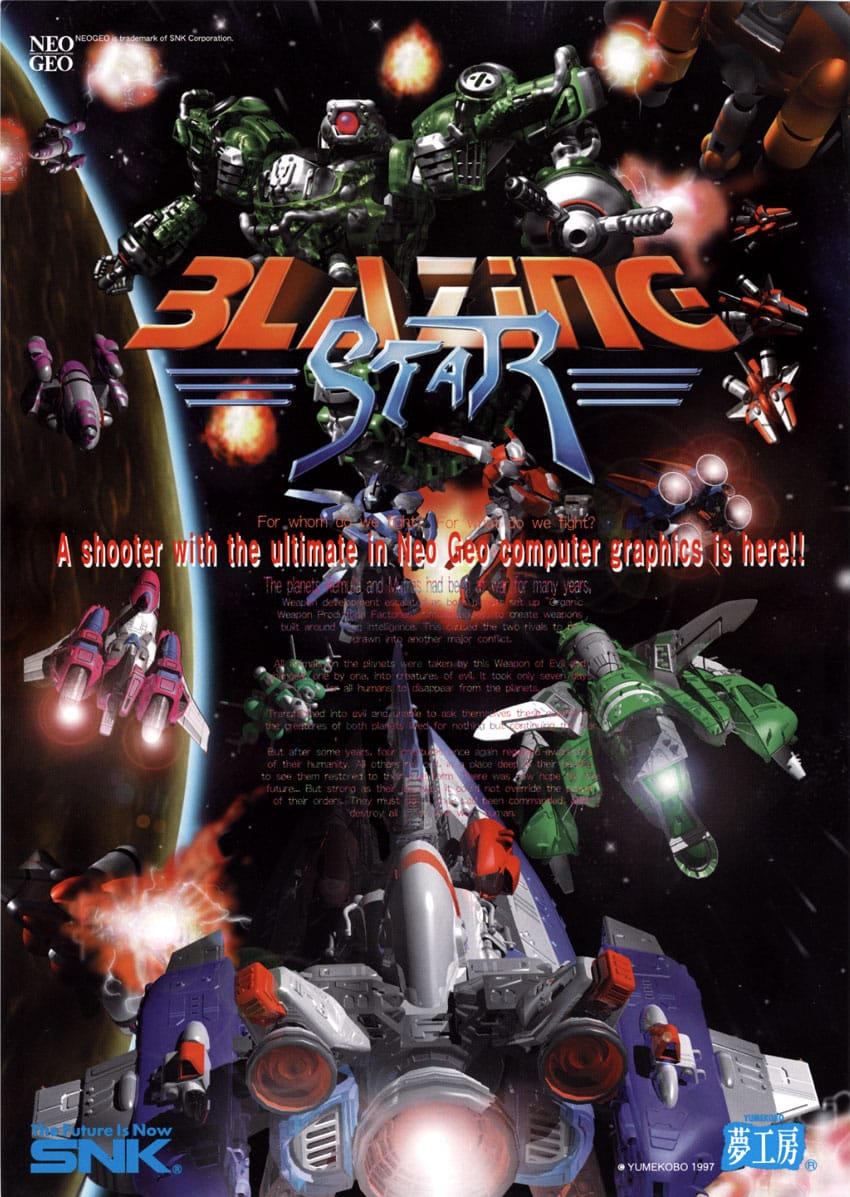
Blazing Star
Developer: Yumekobo
Release Date: January 19, 1998
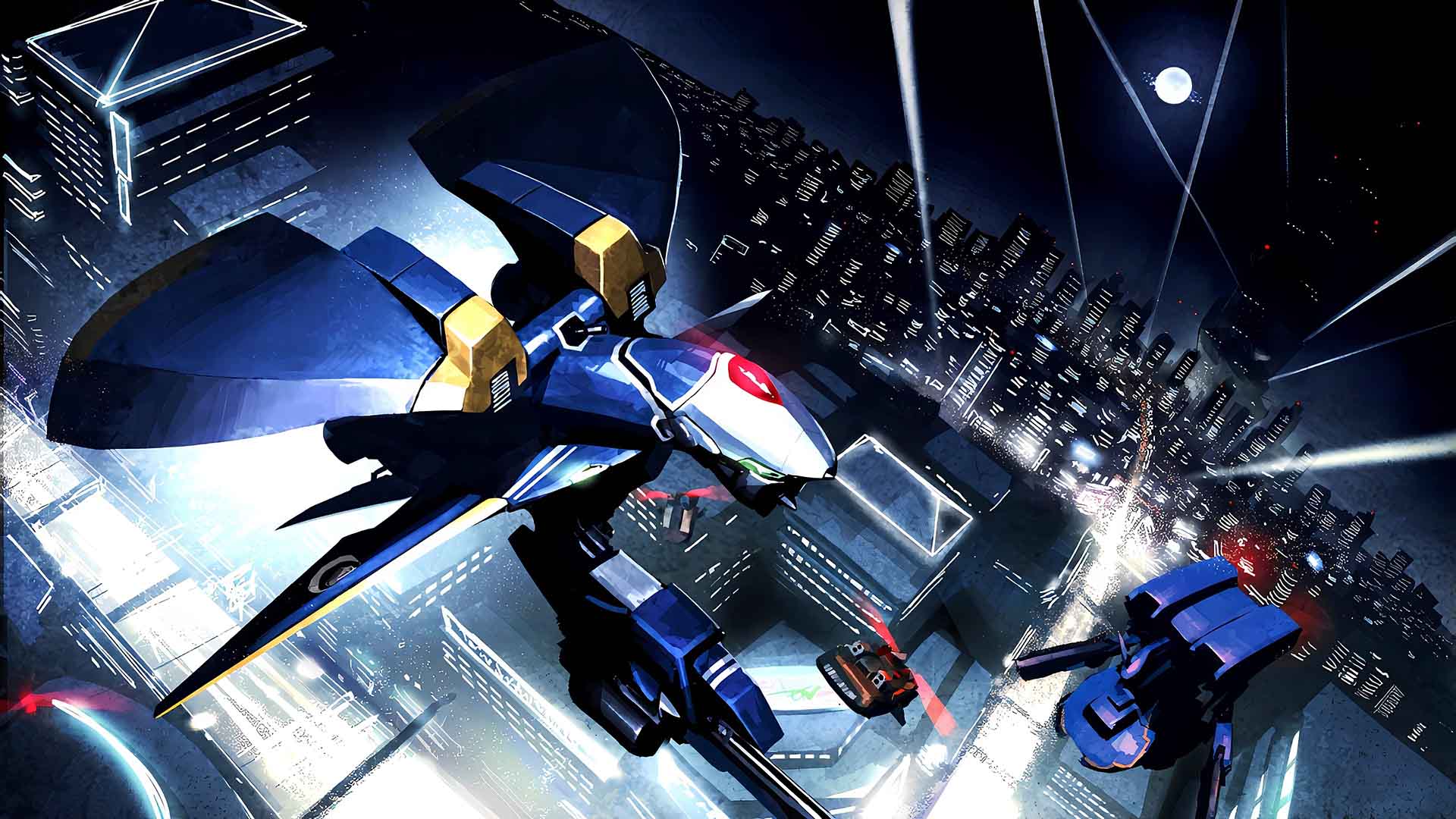
Blazing Star is a high-octane horizontal shmup that feels like a caffeinated trip through a pre-rendered galaxy. The gameplay is all about the Charge Shot and Power Up mechanics, allowing you to choose from six unique pilots, each with drastically different firing patterns. The pseudo-3D sprites and massive, screen-filling bosses pushed the hardware to its absolute limit, creating a visual feast that still holds up today. IMO, the legendary, hilariously mistranslated “YOU FAIL IT” game-over screen is worth the price of admission alone.
Why It’s Worth Playing: Blazing Star offers the perfect blend of accessible arcade action and deep scoring mechanics. The branching shot types and incredible boss designs ensure that no two runs feel the same. If you want to experience the peak of 2D shooting on the Neo Geo with a soundtrack that absolutely slaps, this is your game.
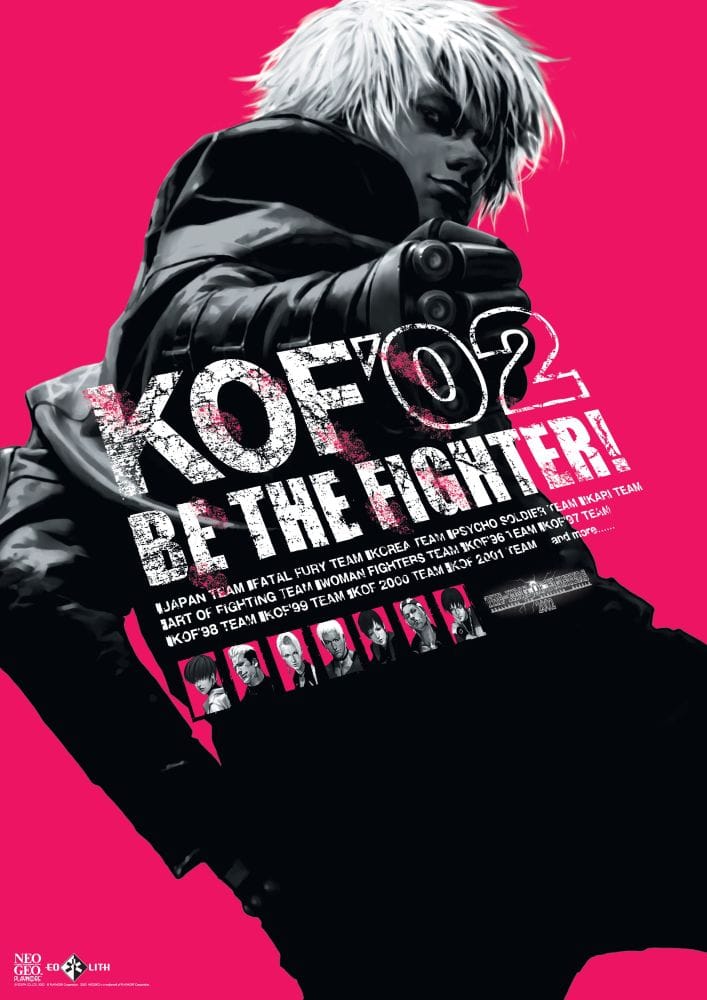
The King of Fighters 2002: Challenge to Ultimate Battle
The King of Fighters 2002 is the ultimate competitive playground, offering arguably the best controls in the entire series. This game ignores the complicated NESTS saga, bringing back fan favorites like the Orochi Team. It introduced the MAX Activation system, which allows you to cancel moves into one another for terrifyingly long, custom combos that can delete a health bar in seconds. And let’s talk about those MAX2 moves. When the screen flashes and Kusanagi unleashes a pillar of fire or Kula summons a blizzard, it feels like the hardware is pushing every single bit of power it has left.
Why It’s Worth Playing: The King of Fighters 2002 is the definitive competitive KOF for the purists. It stripped away the gimmicks to provide a pure, high-speed tactical experience that is still played in tournaments across the globe today. If you want a fighter that rewards deep mechanical knowledge and offers nearly infinite team combinations, this is the crown jewel of the library.
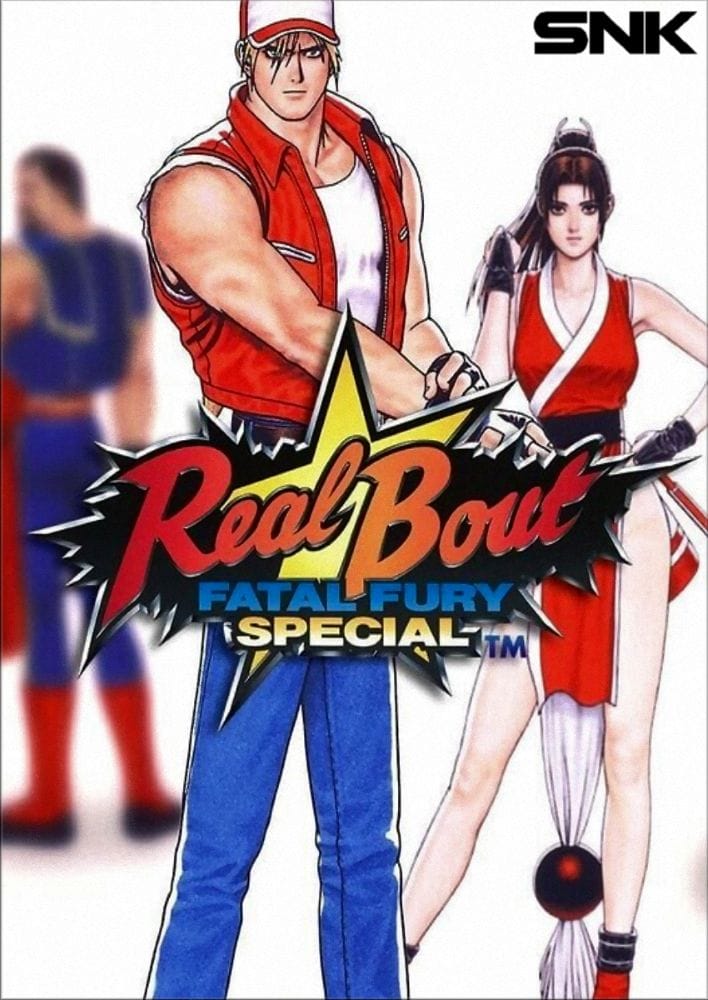
SNK took the foundation of the previous games and refined it into Real Bout Fatal Fury Special, a fighter that feels incredibly snappy. This entry ditched the sometimes-annoying Ring Out mechanic in favor of breakable barriers, keeping the fight focused on the actual brawling rather than accidental gravity mishaps. The pixel art is equally distracting. From the way Blue Mary’s jacket moves to the sheer, screen-filling presence of Geese Howard, every frame of animation screams premium arcade experience.
Why It’s Worth Playing: Real Bout Fatal Fury Special is the sweet spot of the series, offering a massive roster and a combat system that feels fast without being overwhelming. It’s a visual tour de force that showcases exactly why SNK owned the 2D fighting genre in the late '90s. If you want a game that feels like a celebratory victory lap for the Lone Wolf and his crew, this is the definitive pick.
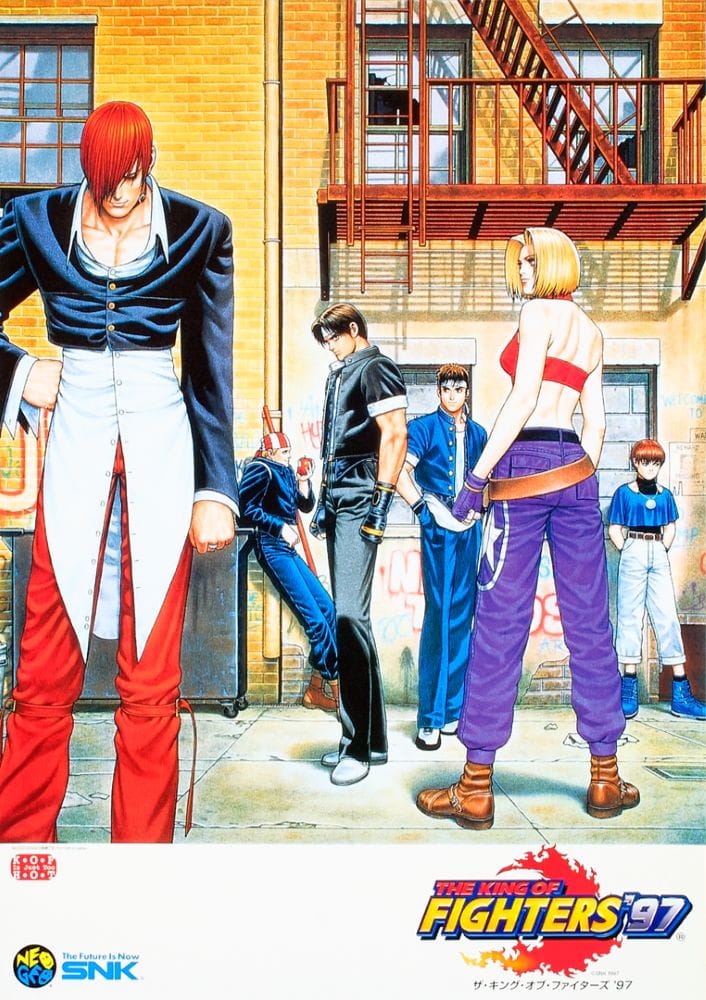
The King of Fighters ’97 is pure narrative adrenaline, capping off a three-year storyline with one of the most intimidating final boss encounters in fighting game history. The introduction of the Advanced and Extra modes was a stroke of genius, letting you choose between the aggressive, stock-based system of KOF ’96 or the classic, defensive charge style of the earlier games. The character roster here is an absolute heater, introducing the New Faces Team—Chris, Shermie, and Yashiro—who quickly became fan favorites for their unique, rhythmic combat styles.
Why It’s Worth Playing: The King of Fighters ’97 is the emotional heart of the series, offering a perfect blend of high-stakes storytelling and deep, customizable mechanics. It’s the game that solidified the Kyo and Iori rivalry as the greatest in fighting game history. If you want to witness the moment the Neo Geo truly mastered the "team-up" formula, you need this in your life.
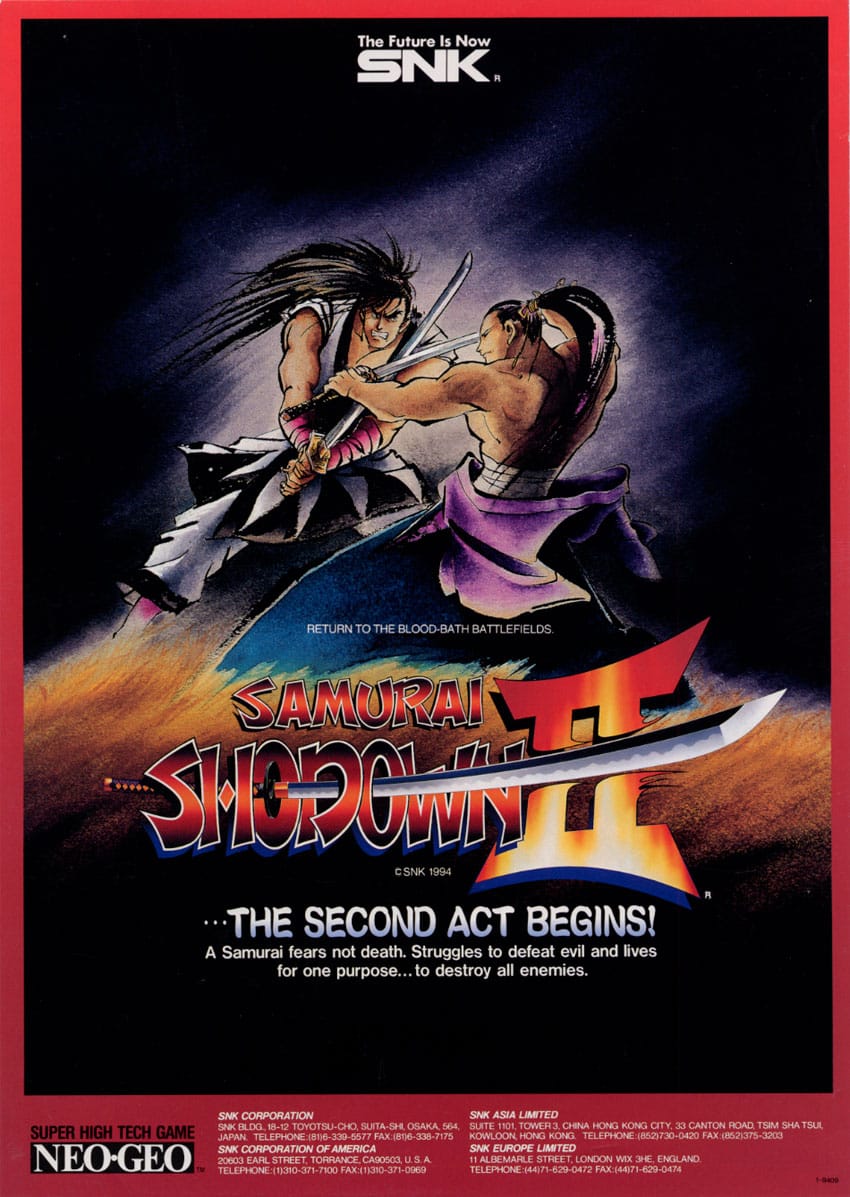
SNK took the weapon-based combat that put them on the map and cranked the intensity to a dizzying level with Samurai Shodown II. This entry went all-out on the roster, introducing icons like the umbrella-wielding Shizumaru and the fast-talking Genjuro, whose rivalry with Haohmaru makes Kyo and Iori look like best friends. The inclusion of parries, rolls, and the Weapon Smash technique added layers of tactical depth that forced you to play with your brain, not just your thumbs. Is there any sprite work more evocative than the sight of Nakoruru’s bird, Mamahaha, diving through a sunset-drenched stage?
Why It’s Worth Playing: Samurai Shodown II is the definitive weapon-based fighter, offering a deliberate, methodical pace that stands in stark contrast to the combo-heavy dial-a-hit brawlers. It rewards patience, spacing, and nerves of steel. If you want a game that captures the soul of a Kurosawa film in 16-bit glory, this is your mandatory training ground.
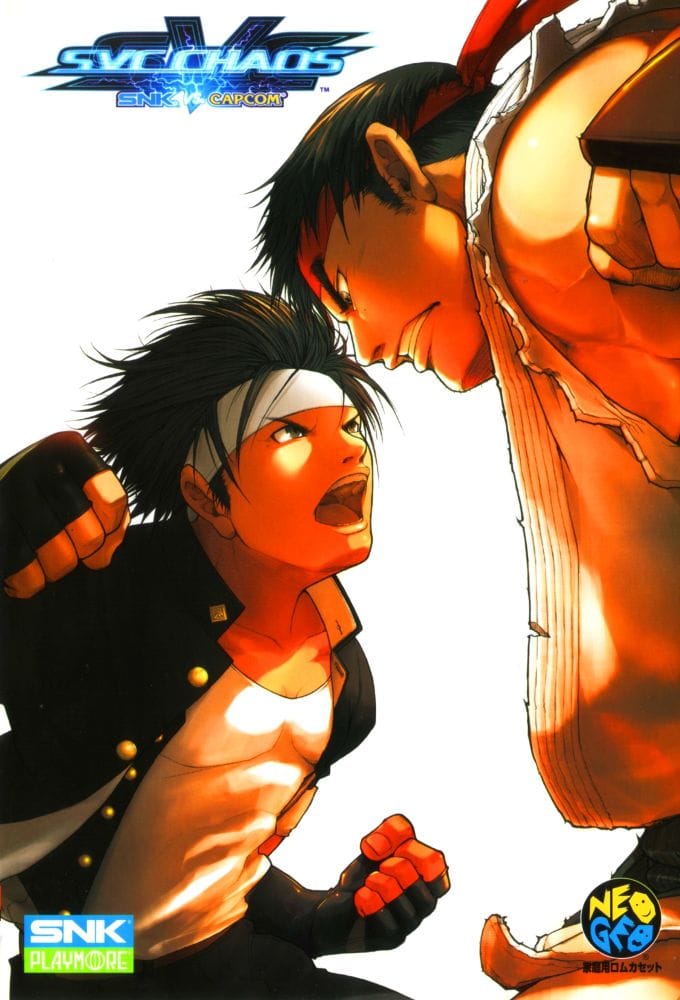
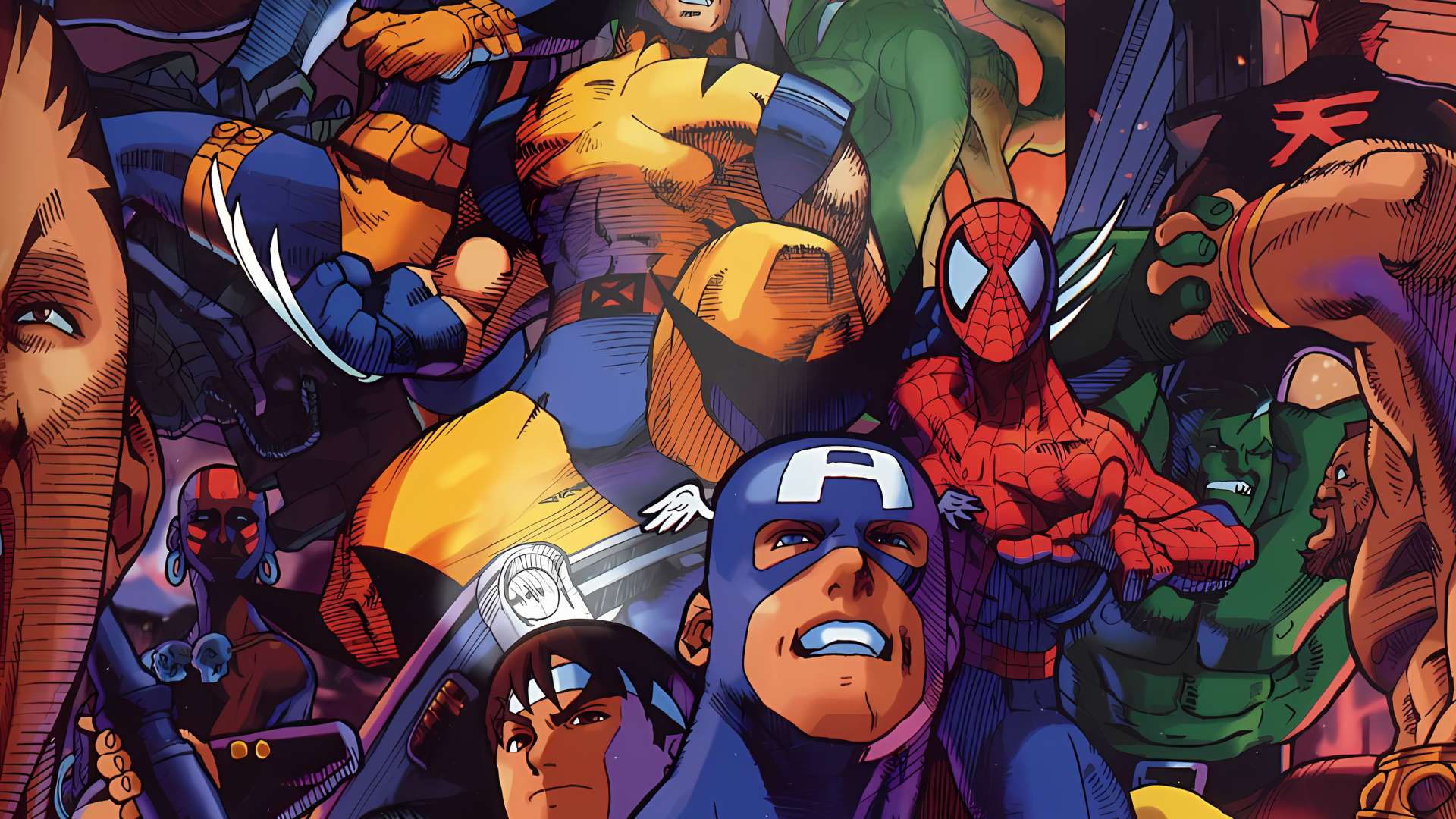
After years of watching Capcom handle the crossover heavy lifting, SNK finally got their turn to interpret the Street Fighter icons through their own gritty, lanky lens with SNK vs. Capcom: SVC Chaos. This game introduced the Front Grand Step, a dash-cancel mechanic that feels like a caffeinated precursor to more modern systems, keeping the 1-on-1 matches surprisingly fast for a late-era MVS title. Is this the most balanced fighter in the Neo Geo library? Absolutely not. But what it lacks in tournament-standard polish, it more than makes up for with sheer fanservice. Where else are you going to see a brainwashed Violent Ken square off against Samurai Shodown’s Genjuro?
Why It’s Worth Playing: SVC Chaos is the ultimate "curiosity killed the cat" of the fighting game world. It’s worth playing specifically to see how SNK completely re-imagined Capcom's roster to fit their own hardcore mold. With 36 characters and some of the most unique sprite work of the early 2000s, it’s a fascinating, albeit brutal, piece of history that every SNK devotee needs to experience at least once.
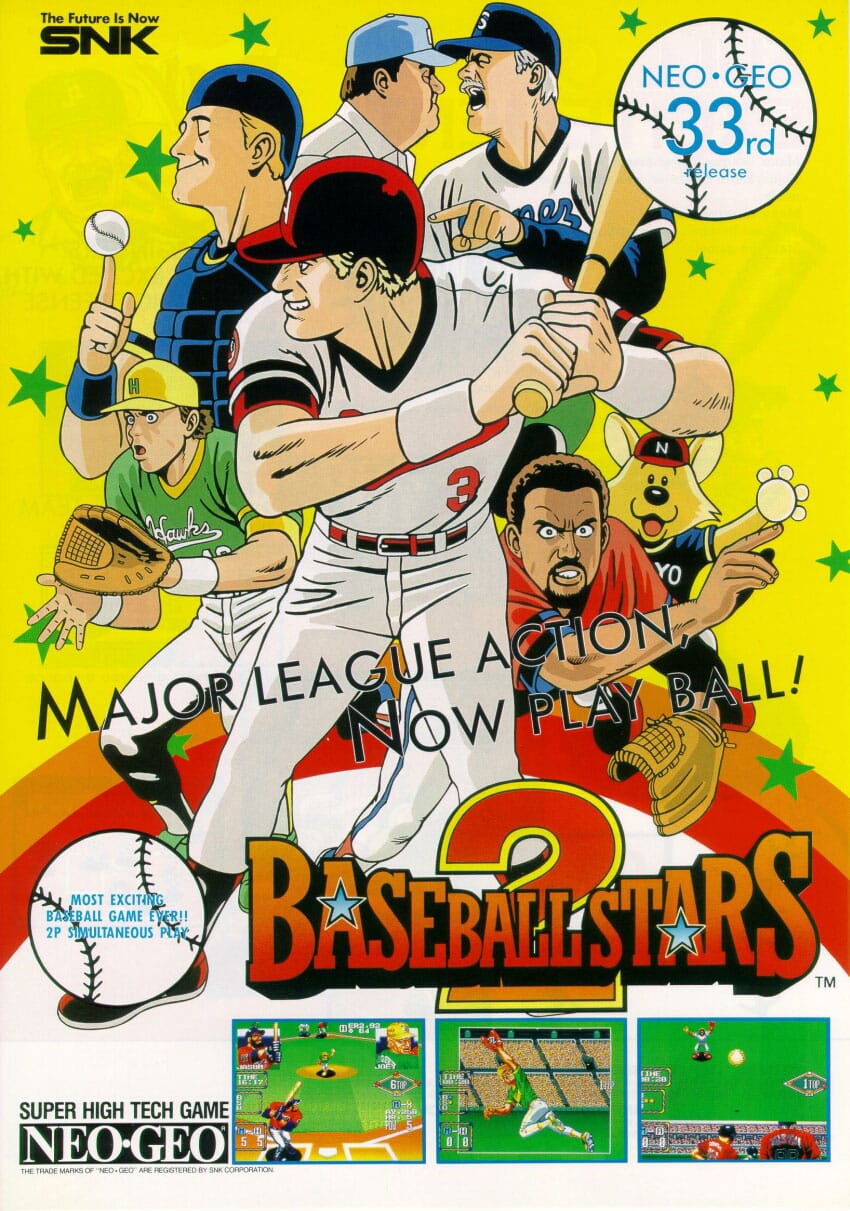
If you think baseball is a snooze-fest, you clearly haven’t experienced the adrenaline-pumping chaos of Baseball Stars 2. The presentation here is nothing short of legendary—we’re talking massive, expressive sprites and a cinematic zoom-in effect that makes every close play at first base feel like a Michael Bay climax. The Power Up mechanic lets you turn your batter into a literal giant for a limited time, which is essentially the 16-bit equivalent of a “guaranteed home run” button. Between the vibrant, cheering crowds and the smooth-as-silk animations, it’s a masterclass in 2D presentation.
Why It’s Worth Playing: Baseball Stars 2 is the absolute peak of arcade sports because it prioritizes oomph over boring statistics. It’s incredibly easy to pick up but offers enough nuance in pitching and hitting to keep competitive players coming back for years. If you want a game that makes every single inning feel like the bottom of the ninth in the World Series, grab your glove and get on the field.
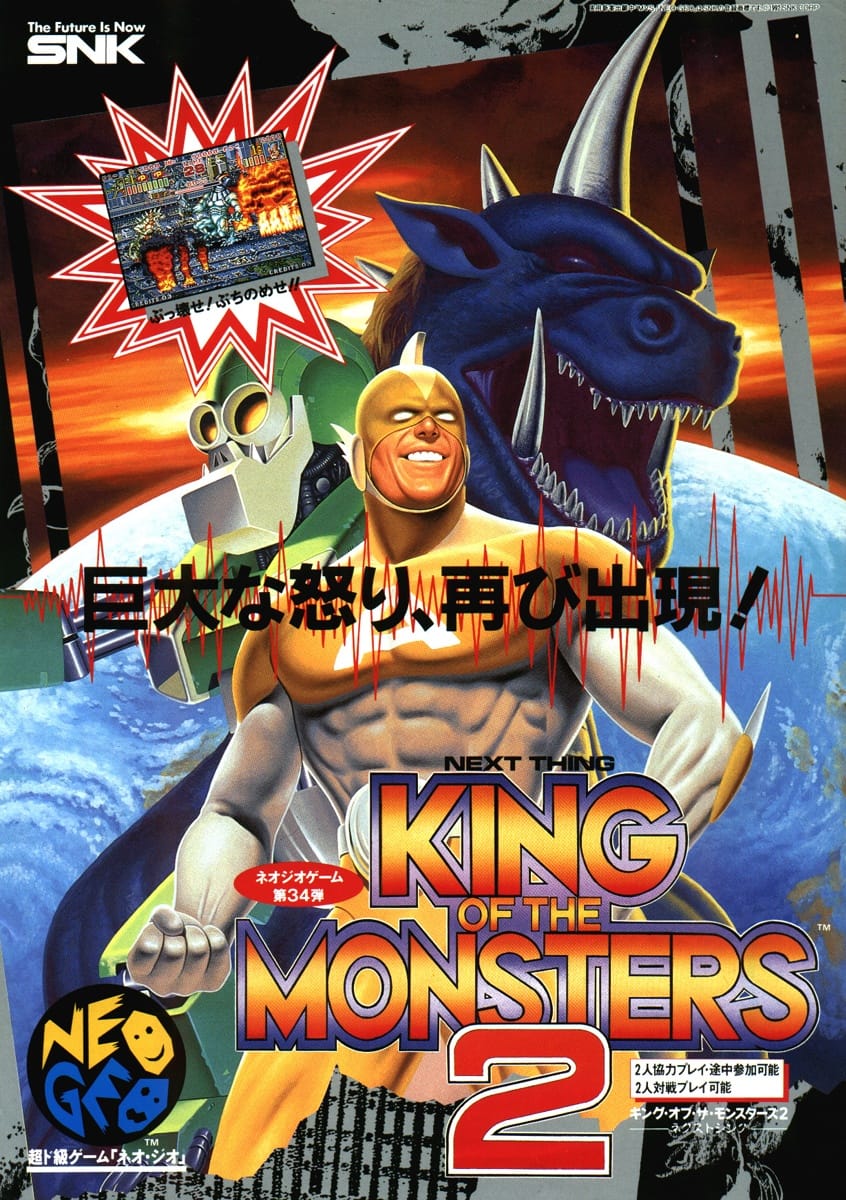
SNK took the wrestling mechanics of the original and fused them with an infinitely more dynamic side-scrolling beat-’em-up structure with King of the Monsters 2. The scale here is genuinely impressive for 1992, moving the fight from localized city blocks to massive, sprawling stages like the Grand Canyon and the bottom of the ocean. You get to pilot three returning (albeit heavily upgraded) behemoths: Geon, Atomic Guy, and Cyber Woo. The boss designs are particularly grotesque this time around—we’re talking multi-phase abominations from space that wouldn’t look out of place in a John Carpenter flick.
Why It’s Worth Playing: King of the Monsters 2 is loud, colorful, and unapologetically destructive. It successfully transitions the series into a more traditional action game without losing the wrestling-heavy DNA that made the original unique. If you want to shut off your brain and dismantle an entire metropolitan area while fighting a biological nightmare from space, this is your weekend sorted.
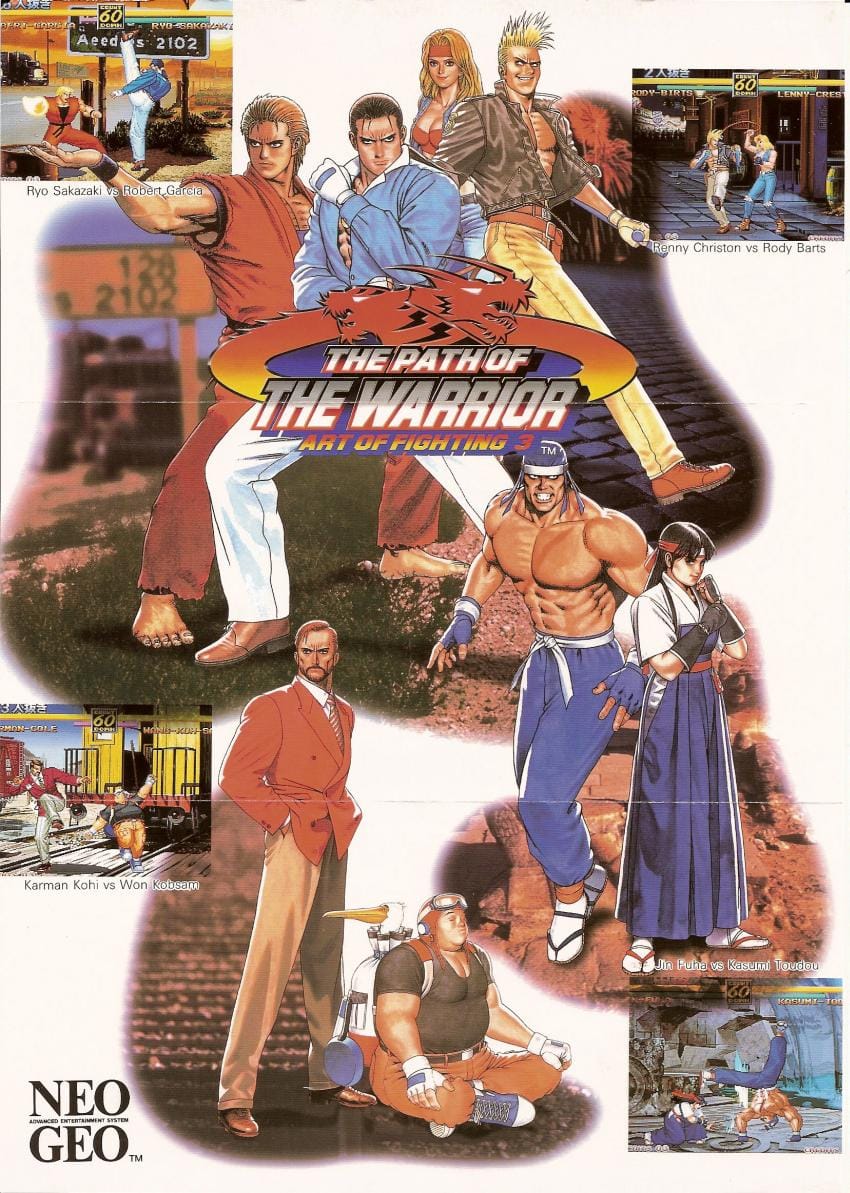
If you think you’ve seen the limit of what 2D sprites can do, Art of Fighting 3 is here to politely—and then very violently—correct you. The Ultimate KO system allows you to end a match instantly if you land a specific move while your opponent is on their last legs. By moving the setting to Mexico and introducing a cast of almost entirely new weirdos, SNK made this feel like a gritty spin-off rather than a retread. While other games were sticking to traditional hand-drawn frames, SNK experimented with rotoscoping and motion-capture techniques to allow Robert Garcia and Ryo Sakazaki to move with fluid, lifelike grace.
Why It’s Worth Playing: Art of Fighting 3 is worth playing for the visual spectacle alone—it is arguably the best-looking game on the entire system. It trades the frantic pace of King of Fighters for a more technical, weighty combat system that feels genuinely unique. If you appreciate the "art" in Martial Arts, this gorgeous, experimental fighter belongs at the top of your playlist.
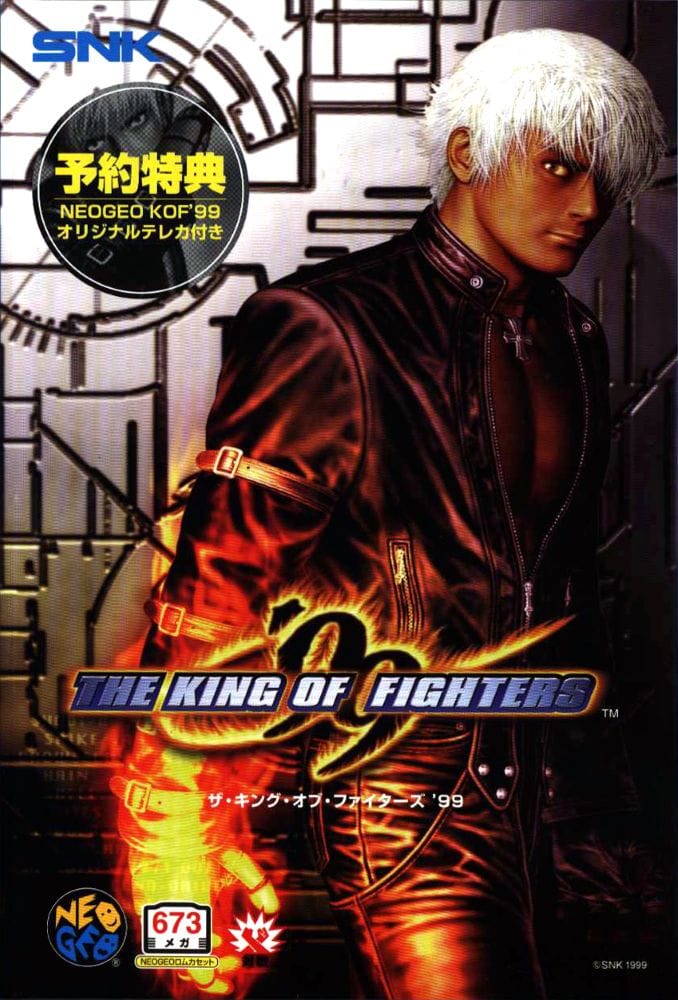
The King of Fighters ’99 breathes fresh, aggressive energy into the KOF formula, introducing a moodier, techno-conspiracy aesthetic that feels like The Matrix collided with a back-alley brawl. Enter the Striker system— a total game-changer that allows a fourth teammate to jump in like a tactical ninja to bail you out of a combo or extend your own offensive pressure. The presentation also took a massive leap forward, featuring some of the most atmospheric and detailed stages in the entire series—the rainy park transition is a masterclass in 2D environmental storytelling.
Why It’s Worth Playing: The King of Fighters ’99 is worth playing for anyone who wants to see the series evolve beyond its traditional roots. It introduces some of the most iconic characters in SNK history and offers a unique, assist-based combat flow that sets it apart from the rest of the franchise. If you want a fighter that feels like a gritty, futuristic reset for the series, this is your entry point.
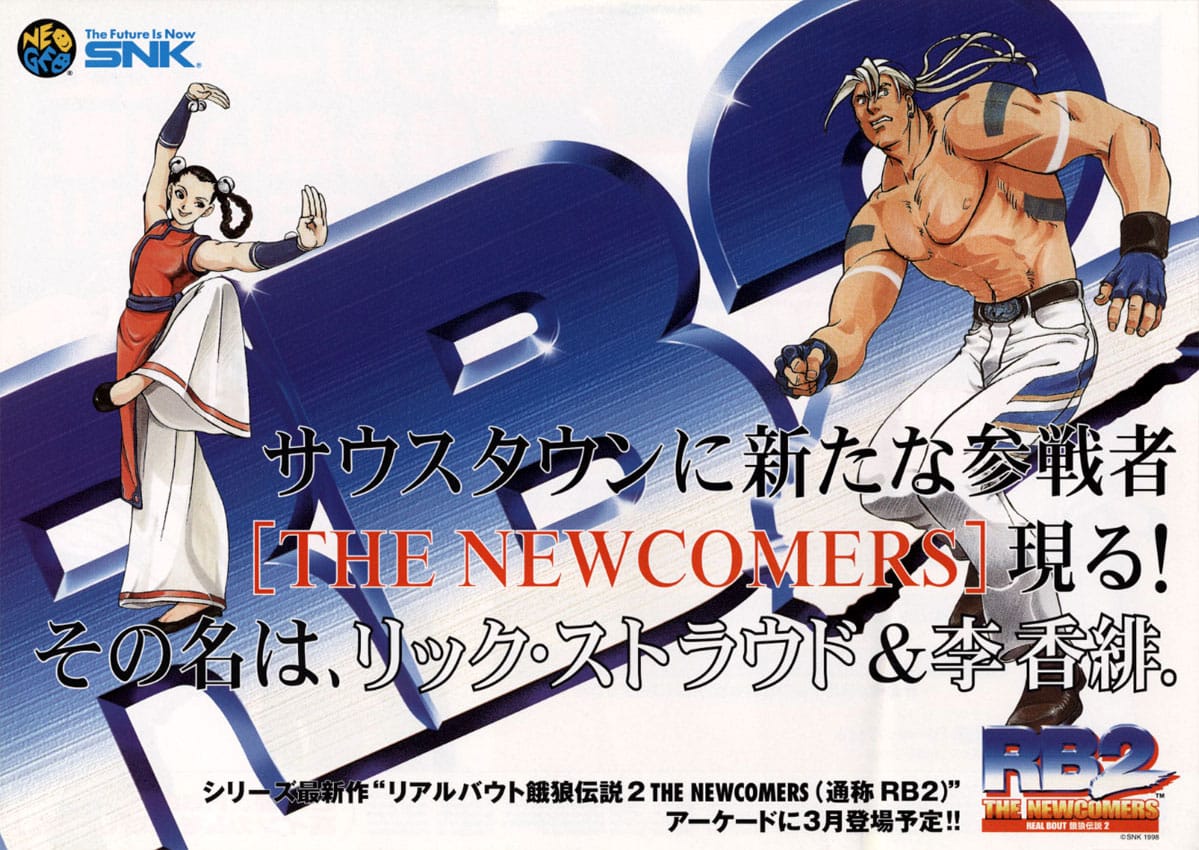
Real Bout Fatal Fury 2: The Newcomers is essentially the Formula 1 of the Fatal Fury franchise—it’s leaner, meaner, and arguably the fastest fighter on the entire system. Newcomers Li Xiangfei and Rick Strowd brought totally unique fighting styles to the table; Rick’s boxing-heavy approach feels incredibly punchy, while Xiangfei’s mix-ups can leave even a veteran player scratching their head. The bright, comic-book aesthetic and the punchy “Fight!” announcements give the game an energy that’s hard to replicate, and the overall balance makes it a favorite for competitive play.
Why It’s Worth Playing: Real Bout Fatal Fury 2: The Newcomers is the definitive choice for players who value speed and streamlined combat above all else. It offers a massive, diverse roster and the mechanical peak of the classic Fatal Fury style before Garou changed the game entirely. If you want a fighting game that respects your time and demands your absolute best reflexes, this game is highly recommended.
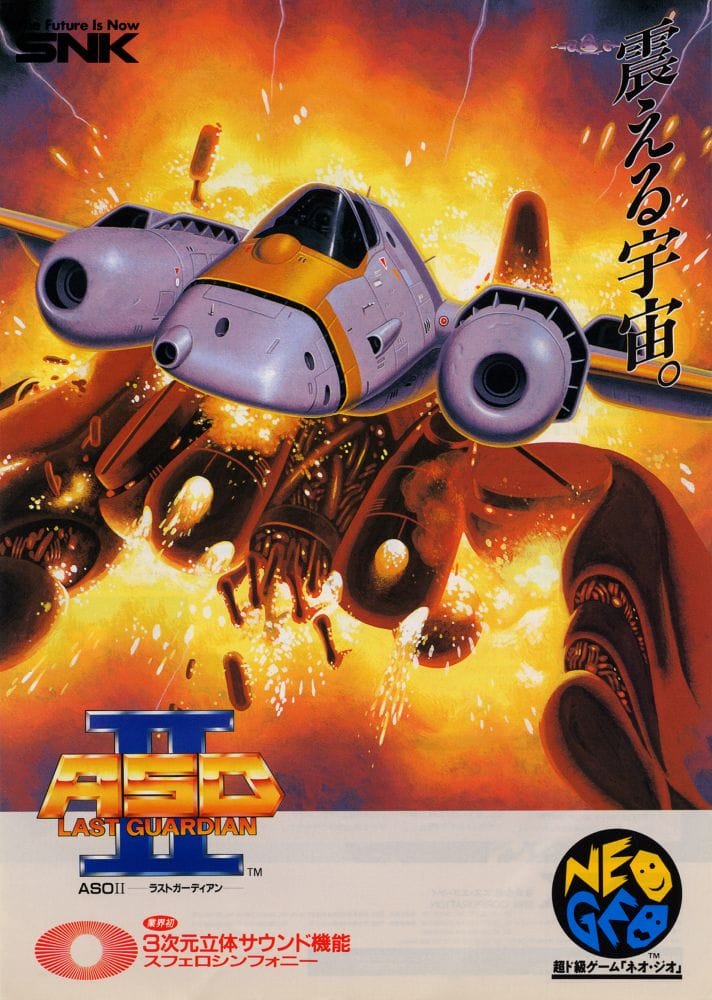
Alpha Mission II is a thinking man’s shmup that demands you respect the power-up grid as much as the enemy formations. This game arrived early in the Neo Geo’s life cycle, but don’t let its age fool you—it’s deceptively complex. The game’s standout feature is definitely the “Armor” system. You collect three pieces of a specific set to unlock incredible powers, ranging from defensive shields to screen-clearing black holes. While the graphics might seem humble compared to later titans like Blazing Star, the sheer variety of armor combinations gives it a layer of strategy that most hold down the fire button shooters lack.
Why It’s Worth Playing: Alpha Mission II is the perfect example of early-era SNK innovation. It trades mindless destruction for a rewarding, armor-based progression system that keeps you coming back to experiment with different builds. If you want a classic arcade challenge that rewards brainpower over just twitch reflexes, this sci-fi relic belongs in your rotation.
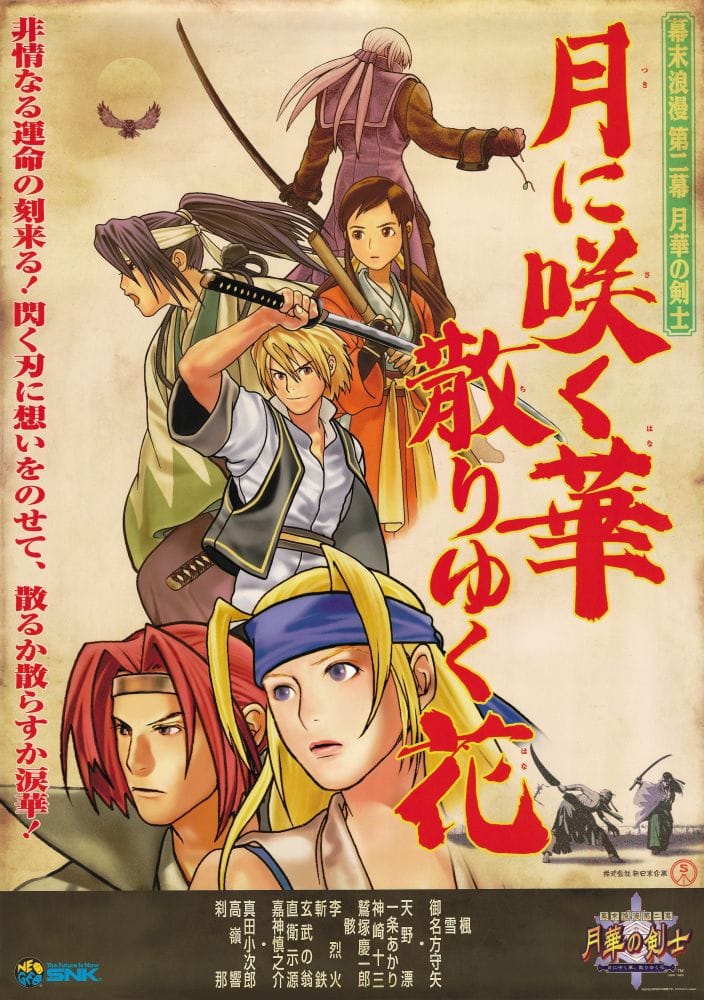
While it’s often overshadowed by its more famous cousins, The Last Blade 2 is the pinnacle of weapon-based combat on the Neo Geo. The Repel system is the real star of the show, allowing you to parry incoming strikes with a flick of a button, leaving your opponent wide open for a devastating Desperation Move. It turns every round into a tense psychological standoff. SNK really tapped into something special here, capturing the bittersweet end of the Bakumatsu era with a level of poetic violence that’s honestly unparalleled. It’s arguably the most atmospheric fighter ever to grace the Neo Geo.
Why It’s Worth Playing: The Last Blade 2 is a masterwork of atmosphere and technical depth. It trades the cartoony explosions of other brawlers for a grounded, elegant combat system that rewards foresight and composure. If you want a fighting game that feels like a high-stakes historical drama, this is your top pick.
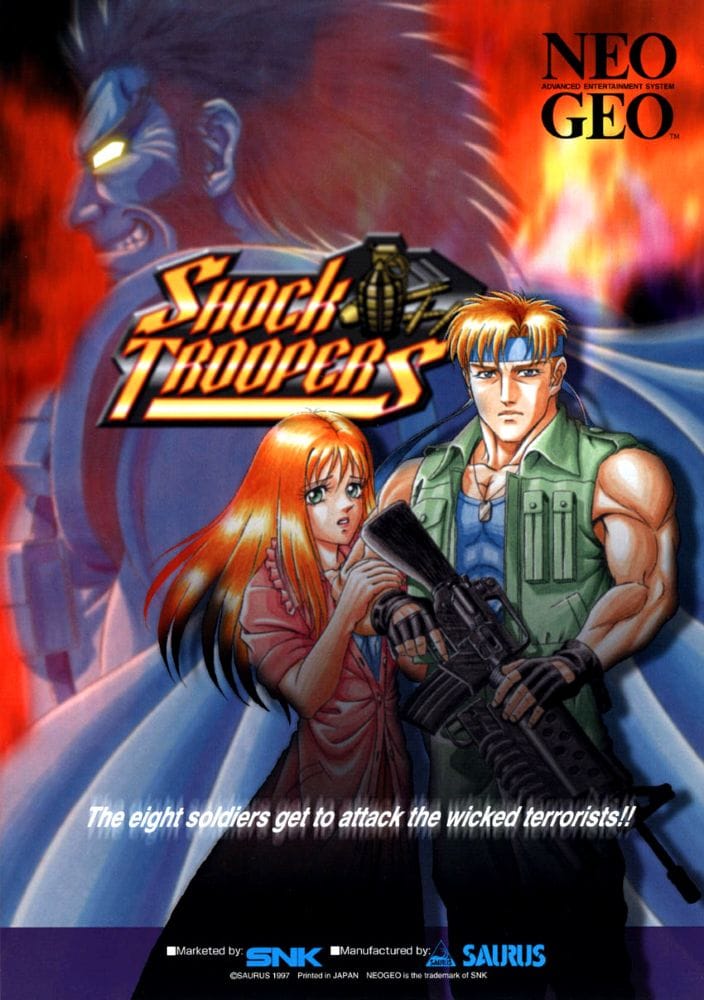
Shock Troopers
Developer: Saurus
Release Date: November 11, 1997
Shock Troopers is a loud, proud, and unapologetically action movie experience that rewards aggressive play and quick thinking. The branching paths here are the real MVP, giving you three distinct routes (Mountain, Jungle, or Valley) that make every playthrough feel like a fresh mission. Whether you’re playing as the balanced Jackal or the heavy-hitting Big Mama, the controls are so tight they practically anticipate your next dodge-roll. The explosion animations and the way the environment crumbles under your grenades give the game a sense of weight that’s incredibly rare for the era.
Why It’s Worth Playing: Shock Troopers is the gold standard for non-linear arcade action. It offers immense replayability through its multiple paths and a diverse roster of eight characters that all feel distinct. If you want a break from side-scrollers and crave a 360-degree theater of war that looks and sounds phenomenal, this is your mandatory deployment.
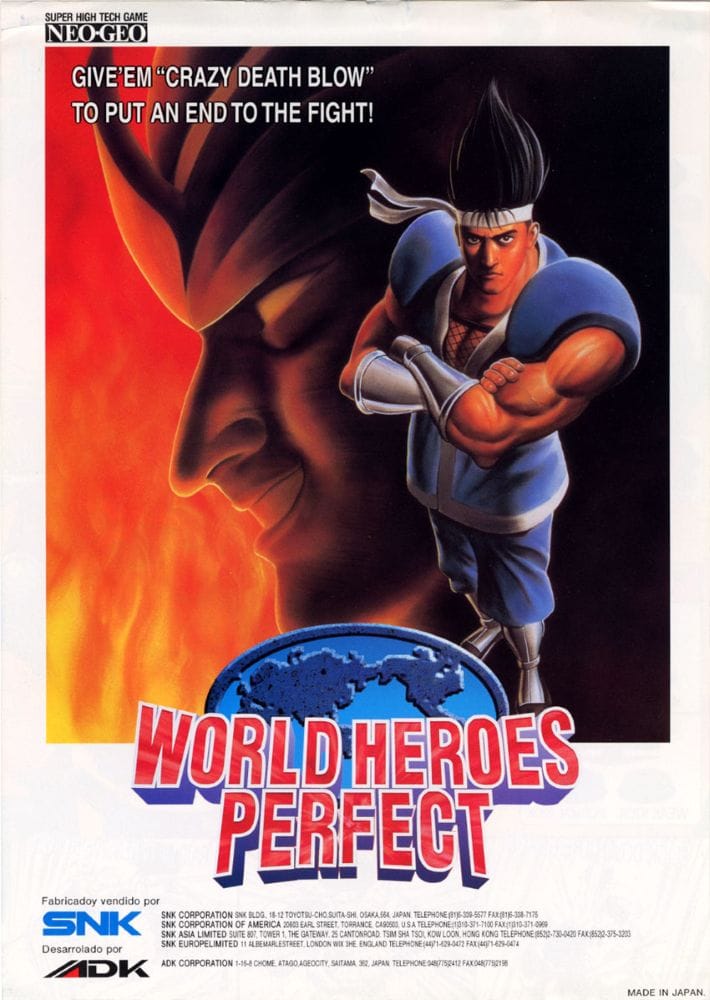
World Heroes Perfect
Developer: ADK
Release Date: May 25, 1995
ADK finally hit their stride with World Heroes Perfect, shedding the series’ clunky reputation for something surprisingly sleek. It refines the wacky roster into a legitimate competitive contender, featuring everyone from a disco-dancing Rasputin to a Bruce Lee clone. The game introduces the Hero Gauge, a mechanic that grants access to devastating special moves once your bar hits maximum capacity. The lush sprite work pops off the screen with a vibrancy that puts many modern 2D efforts to shame. ADK clearly poured their heart into this swan song, ensuring every animation frame felt purposeful and snappy.
Why It's Worth Playing:World Heroes Perfect remains an essential piece of Neo Geo history. You get a fighting game that doesn't take itself too seriously while still offering deep, rewarding mechanics for those willing to master its quirks. If you crave a break from the often-serious tone found in Fatal Fury or The King of Fighters, this game provides the perfect palate cleanser.
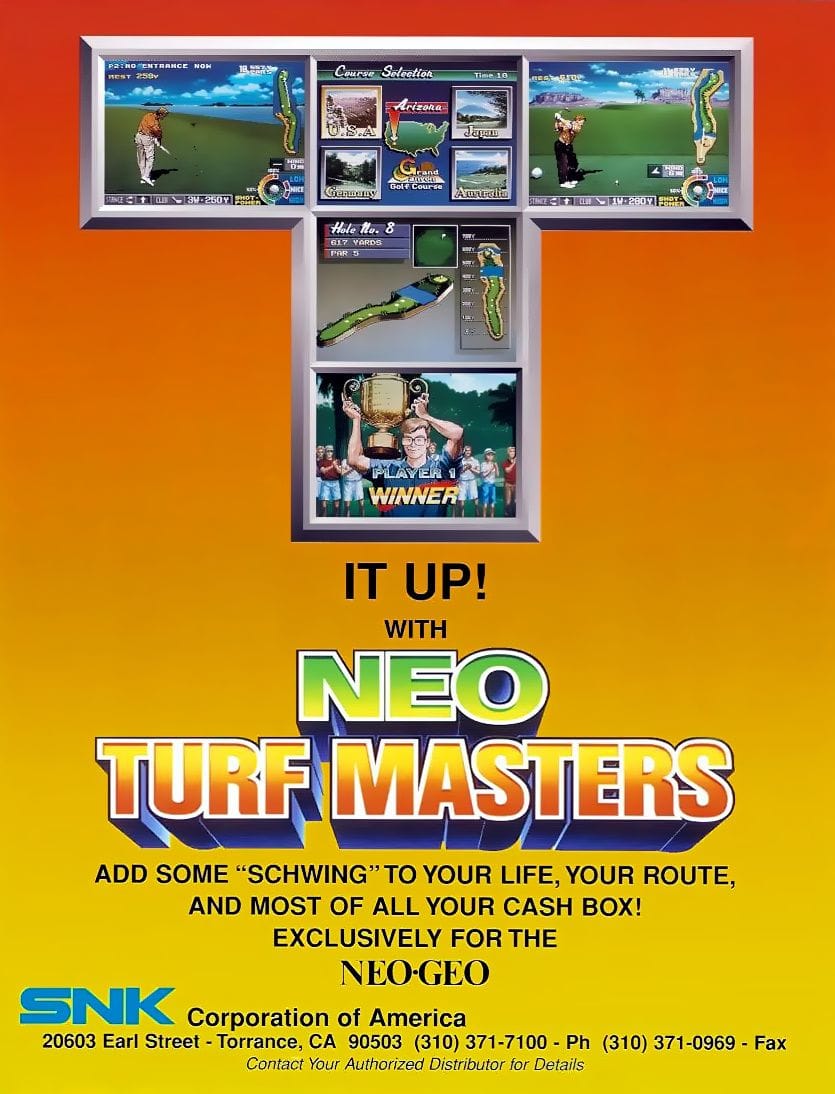
Neo Turf Masters
Developer: Nazca Corporation
Release Date: January 29, 1996
Developed by the same legends behind Metal Slug, Neo Turf Masters is a literal emotional rollercoaster disguised as a country club outing. The game features six international golfers, each with their own quirks—like the Technician or the Power hitter—and four gorgeous, distinct courses that range from the sun-soaked greens of Germany to the treacherous winds of Australia. The controls are so tight and intuitive that you’ll be calculating wind speed and club selection like a pro within minutes of dropping your first credit.
Why It’s Worth Playing: Neo Turf Masters is widely considered the greatest arcade golf game ever made because it strips away the boredom of the sport. It balances a relaxing aesthetic with a highly competitive scoring system that makes it perfect for both solo play and heated local multiplayer. If you want a game that’s easy to pick up but takes a lifetime to truly master, this is the ace in the hole for your collection
Blue’s Journey
Developer: Alpha Denshi (ADK)
Release Date: March 14, 1991
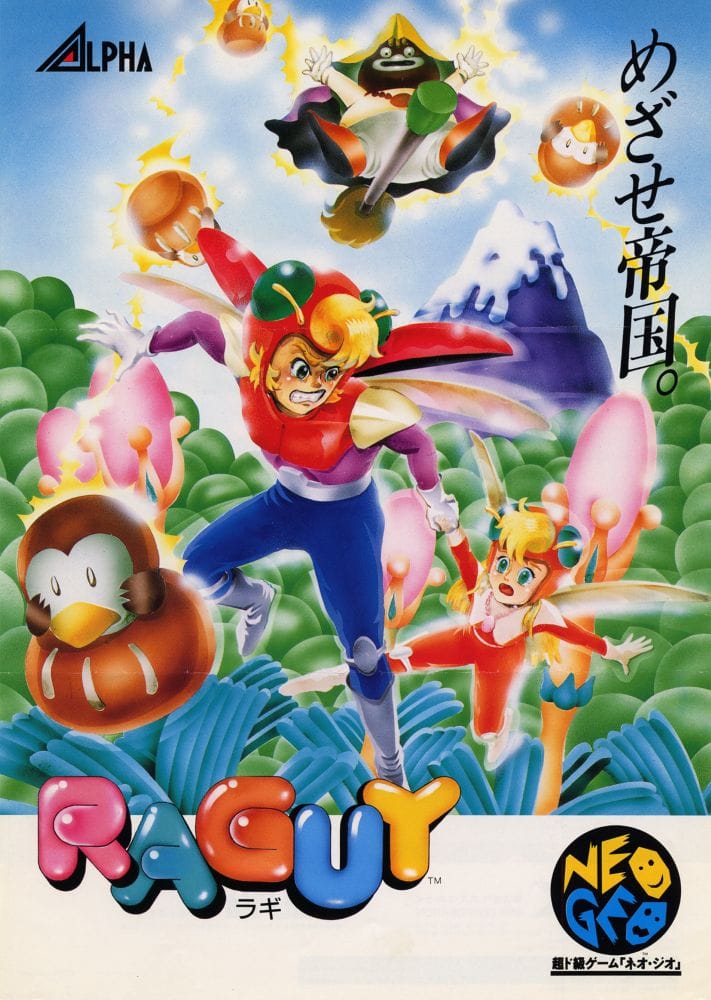
Before the Neo Geo’s library became known for fighting games, Blue’s Journey (known as Raguy in Japan) arrived with a bright, whimsical charm that felt like a playable storybook. The standout feature here is the clever shrinking mechanic. At the press of a button, our hero Blue can miniaturize himself, allowing him to squeeze into hidden crevices, hitch rides on insects, or simply move faster to avoid a face-full of enemy projectiles. It isn’t just a visual trick; it’s a core puzzle-solving tool that forces you to rethink how you navigate the lush, alien world of Raguy.
Why It’s Worth Playing: Blue’s Journey is a refreshing palate cleanser in a library dominated by fighters and shooters. It showcases the versatility of the Neo Geo and offers a level of charm and mechanical creativity that feels timeless. If you want to experience the soft side of SNK’s history and engage with some genuinely clever level design, Blue’s adventure is a trip worth taking.
Spinmaster
Developer: Data East
Release Date: December 16, 1993
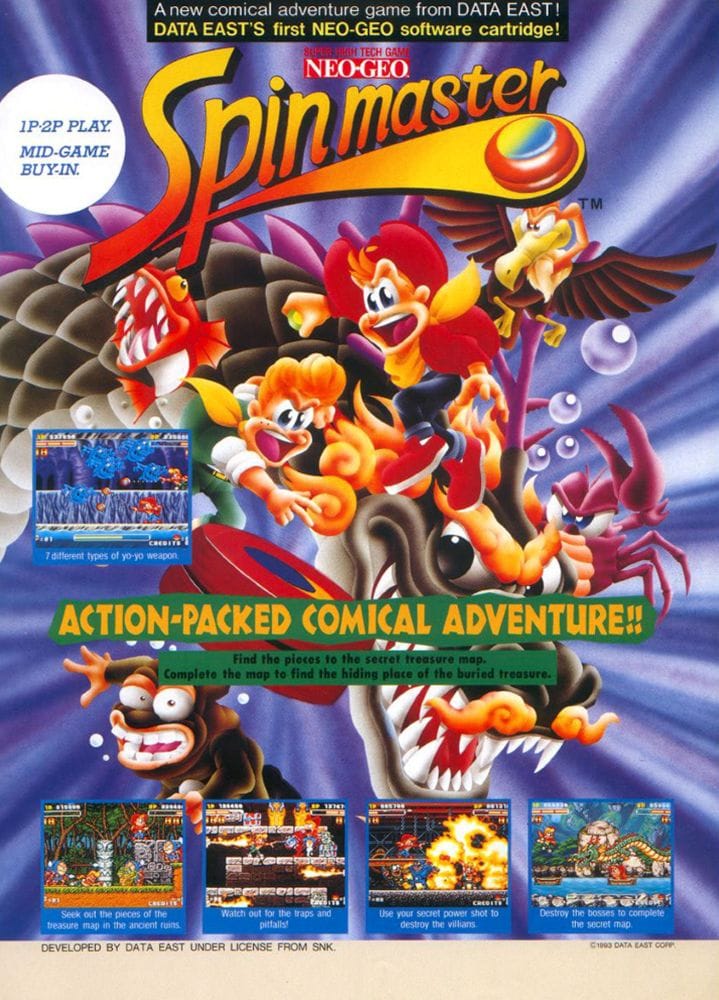
Spinmaster is pure Saturday morning cartoon energy distilled into a Neo Geo cartridge. You play as Johnny and Tom, who set off to rescue Mary from the clutches of the nefarious Dr. V. The real star of the show, however, is the yo-yo combat. It isn’t just a gimmick; it’s a versatile tool that allows for short-range flurries, long-range charged shots, and screen-clearing Special Bomber attacks. Your yo-yo can also snag power-ups that transform it into a flaming wheel, a freezing ice blast, or even a swarm of homing missiles. The sprites are huge, expressive, and packed with colorful animation that makes every hit feel impactful.
Why It’s Worth Playing: Spinmaster is the ultimate pick-up-and-play experience for the Neo Geo. It trades the crushing difficulty of some of its peers for a smooth, joyful ride that prioritizes fun and visual spectacle. If you want a game that celebrates the creative weirdness of Data East and offers some of the most unique weapon mechanics of the 16-bit era, this treasure hunt is an absolute hidden gem.
Windjammers
Developer: Data East
Release Date: February 17, 1994
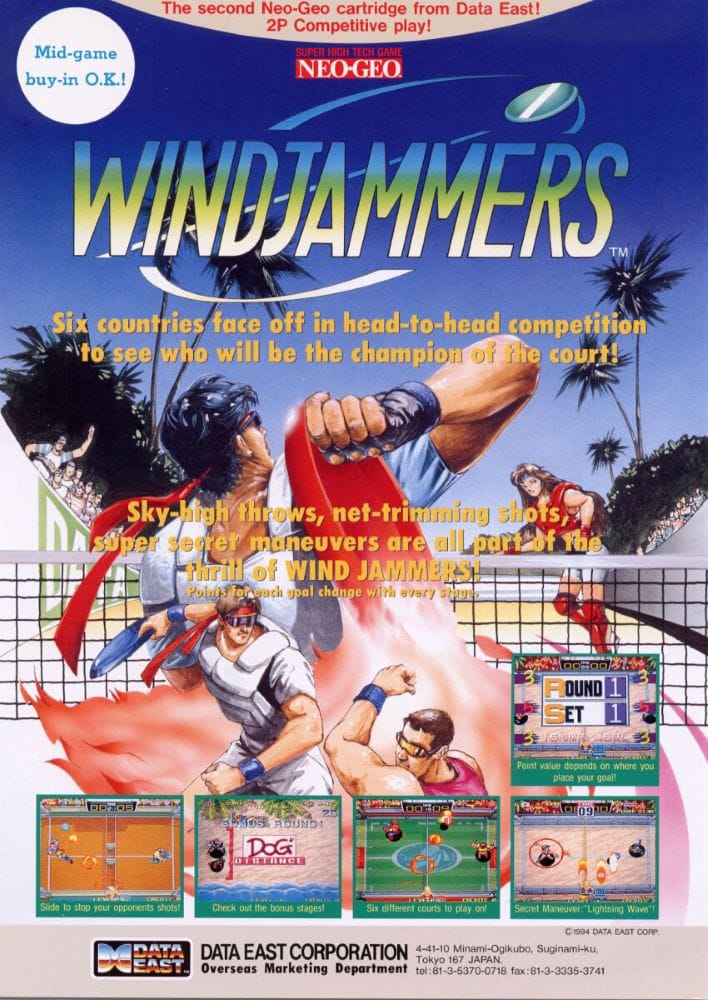
Windjammers is one of the most addictive sports titles on the Neo Geo, offering deceptively simple gameplay that feels like split-second psychological warfare. What makes Windjammers a masterpiece is that it’s Pong on steroids, infused with the DNA of a high-speed fighting game. You have six international athletes, each balancing speed and power, competing in various courts that change the way the frisbee disc bounces. But once you master the curve shots, the toss-ups, and those character-specific Super Custom throws, it transforms into a high-speed chess match.
Why It’s Worth Playing: Windjammers is the gold standard for arcade sports because it just needs two players and a disc. It is colorful, loud, and possesses a competitive soul that has aged better than almost anything else from the 16-bit era. If you want a game that will make you scream at the TV (in the best way possible), this is the undisputed champion of the court.
Puzzle Bobble 2
Developer: Taito
Release Date: November 22, 1995
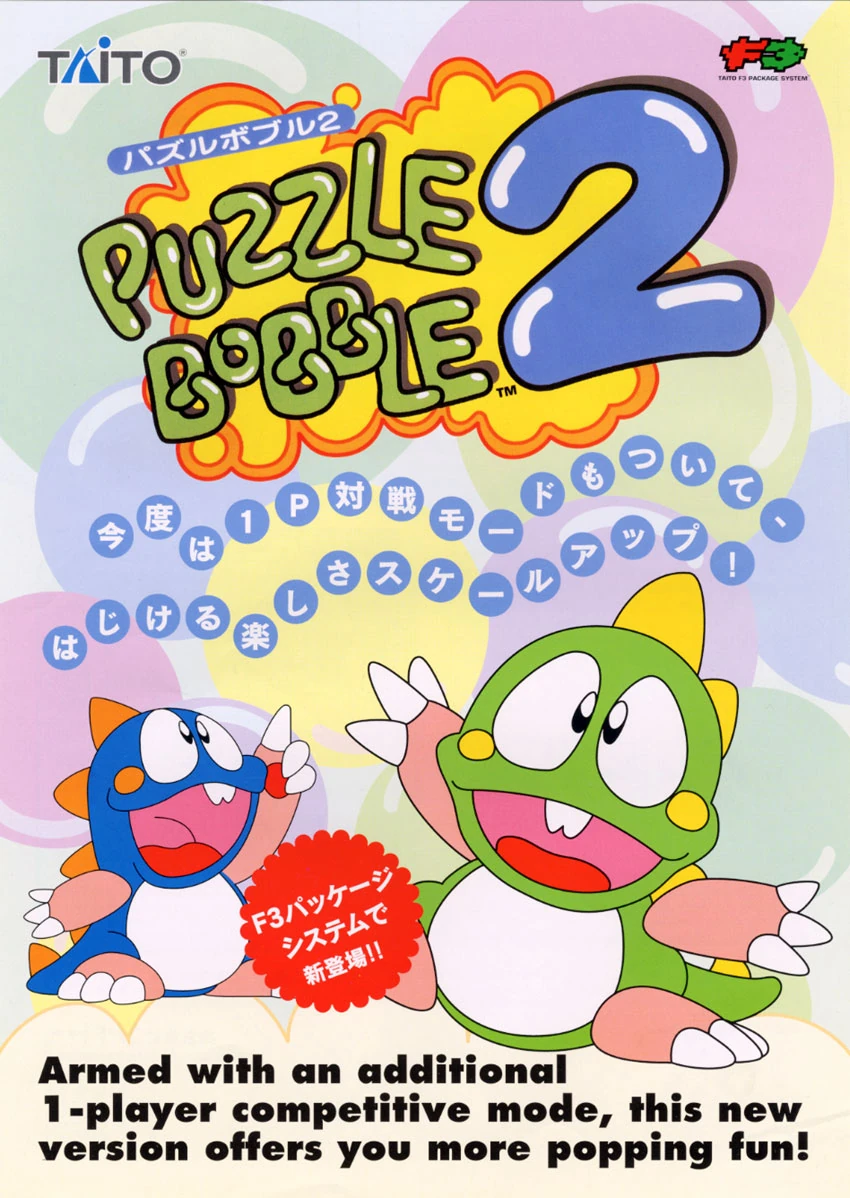
Taito took the adorable dinosaurs from Bubble Bobble and dropped them into Puzzle Bobble 2, a spin-off that arguably became more famous than the original platformer. It’s a simple color-matching premise, but the physics—the way the bubbles bounce off the walls and jiggle when they connect—is incredibly satisfying. And we have to talk about that insanely catchy music. The soundtrack is a sugary, high-energy earworm that perfectly complements the vibrant, candy-colored visuals and the “Paa-paa-paa!” sound effects.
Why It’s Worth Playing: Puzzle Bobble 2 is a masterclass in accessible game design.It’s accessible to absolutely everyone, regardless of skill level, yet it offers a steep challenge for those trying to clear the Puzzle Mode map. Between the vibrant visuals, the iconic sound bites ("Ready... GO!"), and the deep mechanical satisfaction of a perfect bank shot, this is a mandatory play.
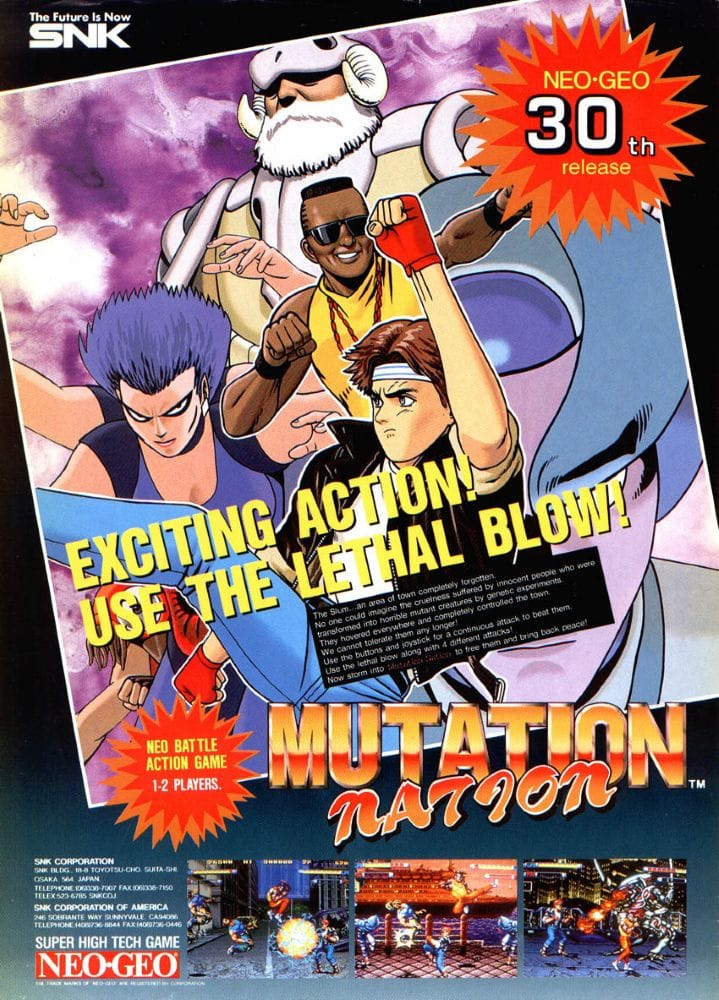
Mutation Nation is the quintessential ’90s beat-’em-up, dripping with the kind of radical attitude and body-horror visuals that defined the early 90’s arcade aesthetic. The mutant-smashing gameplay is elevated by a unique chemical power-up system. By collecting different lettered spheres, you can unleash screen-clearing super moves, like a massive cyclone or a literal explosion of genetic energy. The way the bosses transform mid-fight—limbs stretching and eyes bulging—showcases the Neo Geo’s ability to handle large, detailed sprites without breaking a sweat.
Why It’s Worth Playing: Mutation Nation is a must-play for fans of beat ‘em ups who want something a bit more... biological. It has some of the most creative (and disgusting) enemy variety on the Neo Geo. If you have a craving for high-impact combat and some of the most creative (and disgusting) sprite work of the decade, this is a top-tier choice.
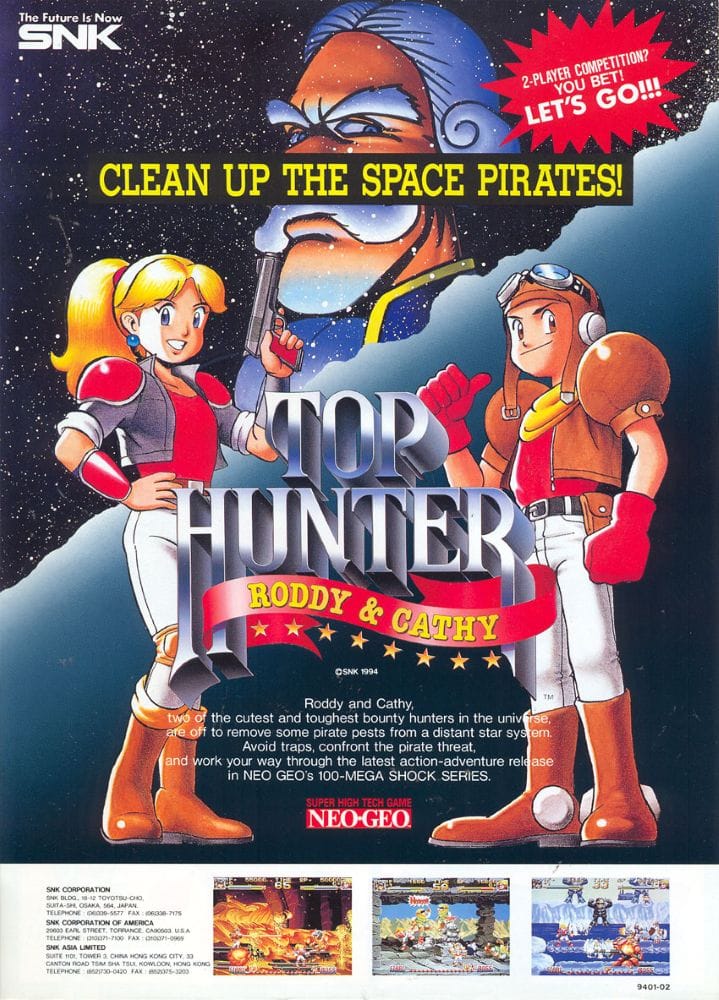
Top Hunter: Roddy & Cathy is vibrant, colorful platformer that’s a vibrant, colorful explosion of personality that feels like it was ripped straight from a high-end anime studio. With the innovative two-plane platforming system, Roddy and Cathy can hopbetween the foreground and background at the press of a button. It’s not just for show, either—you’ll be dodging massive boulders in one lane while punching out space pirates in the other. Between the four themed planets (Forest, Ice, Wind, and Fire) and the command moves that feel like they were pulled straight out of Fatal Fury, it’s a deep, engaging experience.
Why It’s Worth Playing: Top Hunter: Roddy & Cathy is a joyous, experimental romp that showcases the Neo Geo's ability to handle more than just 1v1 fighters. It’s a perfect co-op experience that rewards exploration and playful combat. If you want a platformer that feels as much like a fighting game as it does an adventure, this duo has you covered.
Neo Bomberman
Developer: Hudson Soft
Release Date: May 1, 1997
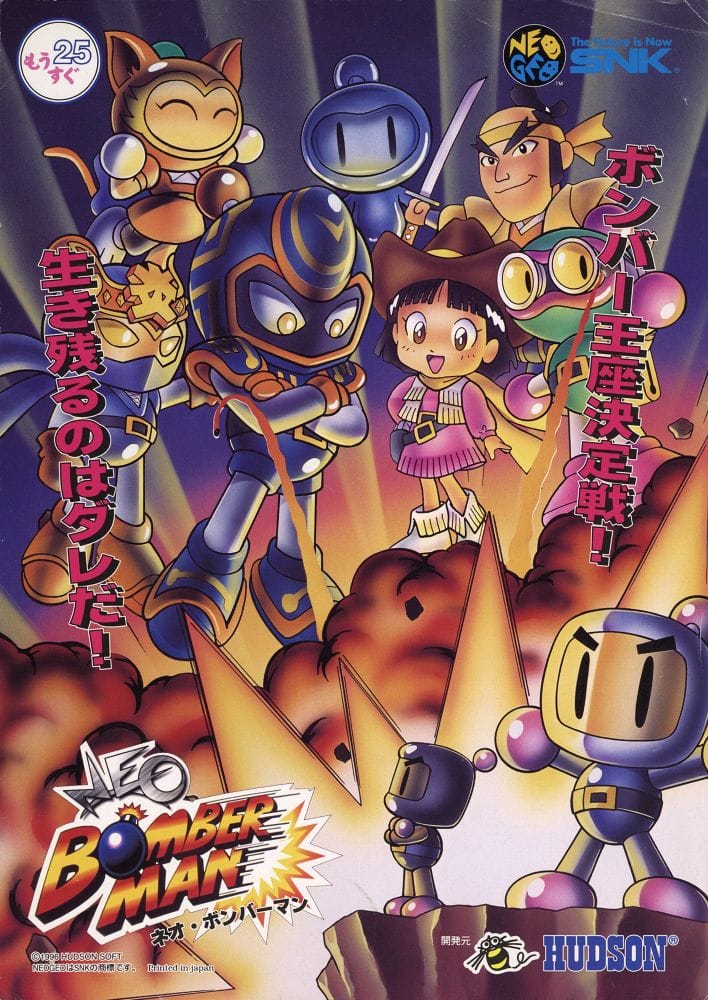
While the Neo Geo is often called the “King of Fighters”, Neo Bomberman proves it could also be the “King of Party Games”. The game is split into two distinct halves: a surprisingly beefy Story Mode, and the legendary Battle Mode, which offers a fast-paced, cutthroat experience where up to two players (and two CPU bots) can ruin each other’s day. The Neo Geo version stands out because of its vibrant, high-contrast colors and the introduction of unique character abilities. Whether you’re playing as the classic White Bomber or using Hayate’s fake bomb teleports, the tactical depth is immense.
Why It’s Worth Playing: Neo Bomberman is a must-play because it proved that sometimes, all you need is a grid, some explosives, and a few friends you’re willing to betray. It’s the perfect social game—easy enough for a newcomer to grasp in seconds, yet deep enough for veterans to engage in high-level "bomb-kicking" mind games. If you want a game that’s easy to understand but offers infinite replayability, this is the bomb.
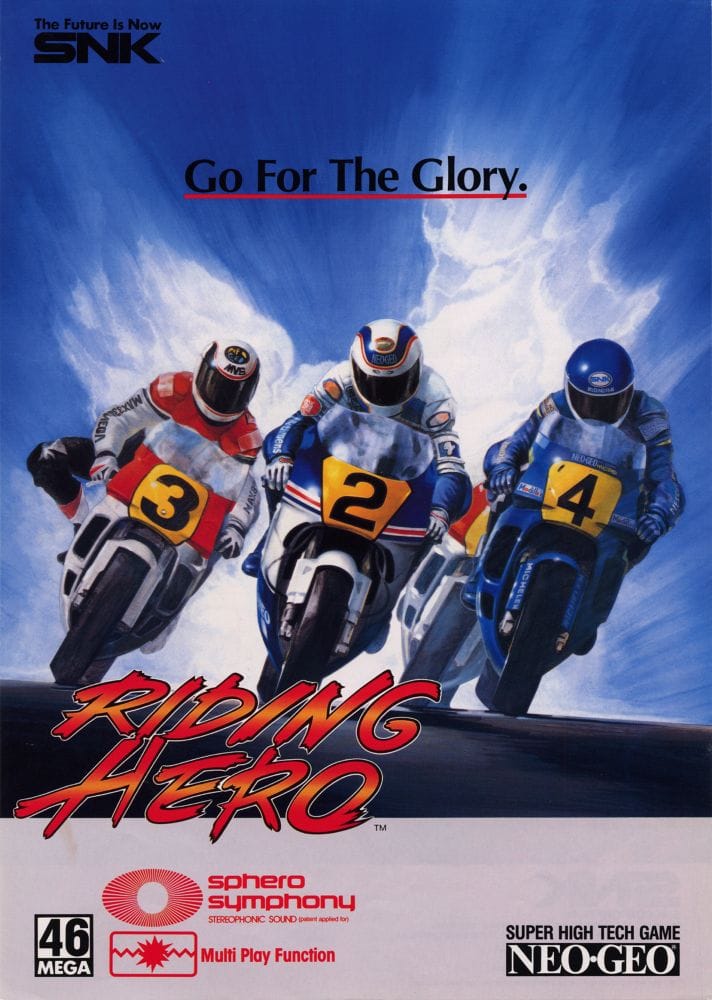
Riding Hero brought something totally unexpected to the table by cramming a full Story Mode into an arcade cartridge. It essentially captures the spirit of Hang-On but injects that specific SNK flair. You start as a rookie, earn cash from races, and upgrade your bike to take on the big leagues. The pseudo-3D scaling provides a genuine sense of speed as you weave through traffic and lean into tight corners. Does the handling take a bit of getting used to? Absolutely. But once you find your rhythm, weaving through the competition becomes second nature.
Why It's Worth Playing: Riding Hero provides a much deeper experience than your typical arcade racer. It offers a unique RPG-lite progression system that was way ahead of its time for an arcade platform. If you’re tired of the same old fighting games and want a nostalgic trip down the highway, Riding Hero offers a unique, challenging ride that still holds up.
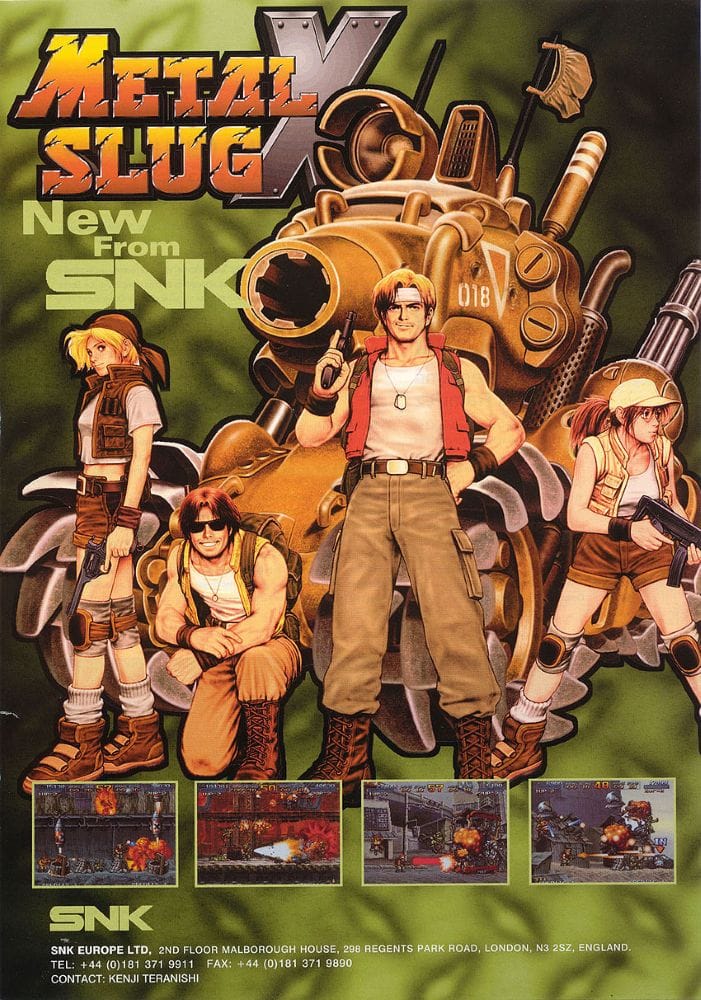
Technically a remix rather than a true sequel, Metal Slug X famously fixed the slowdown issues of its predecessor, resulting in a buttery-smooth 60fps chaos that remains a marvel to this day. But SNK didn’t just fix the engine; they added a glorious amount of hilarious, chaotic elements. They swapped enemy placements, changed the time of day for several stages, and introduced new, ridiculous weapons like the Iron Lizard and the Drop Shot. The sheer volume of secrets—like rescuing hidden POWs or finding food caches—gives it immense replay value.
Why It’s Worth Playing: Metal Slug X is arguably the perfect entry in the series for newcomers. It takes the incredible art and level design of Metal Slug 2 and removes the technical hurdles, making it one of the most balanced and satisfying shooters in the library. If you want a game that rewards your reflexes while making you laugh at the sheer absurdity of 2D warfare, this is a mandatory mission.
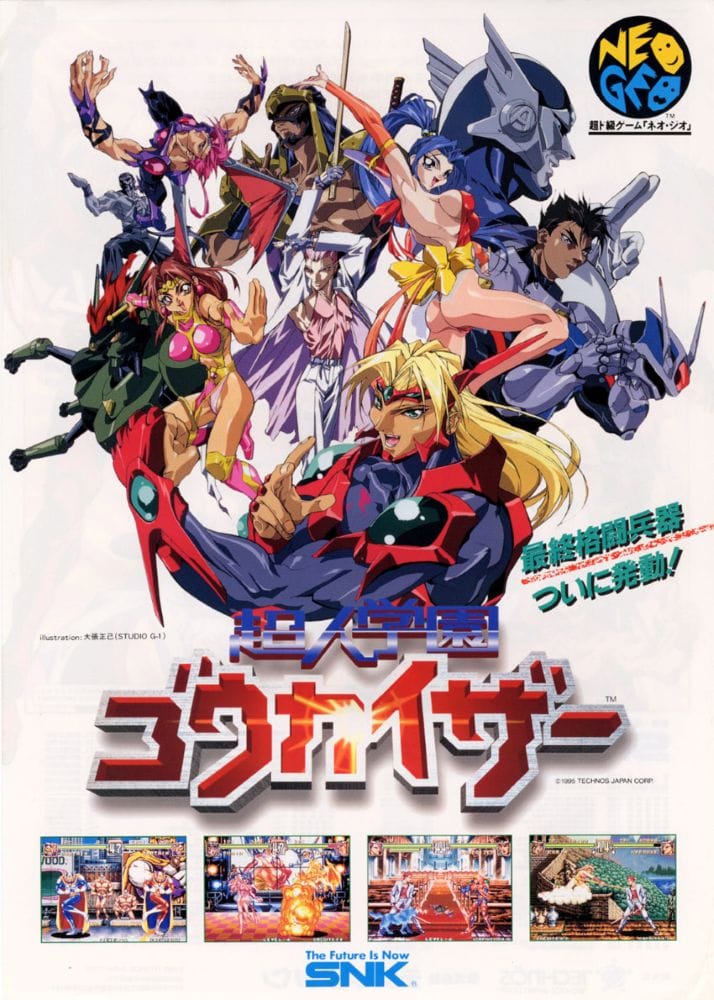
Voltage Fighter Gowcaizer
Developer: Technos Japan
Release Date: September 20, 1995
Technos Japan teamed up with legendary animator Masami Obari to create Voltage Fighter Gowcaizer, a fighter that feels like a 90s superhero anime. The gameplay brings a unique twist to the table with its character-stealing mechanic. After you beat an opponent, you actually inherit one of their special moves for your own arsenal. The character designs are unapologetically over-the-top, and the stages are filled with vibrant colors and shifting perspectives that push the Neo Geo hardware to its limits.
Why It's Worth Playing: Voltage Fighter Gowcaizer is arguably the most visually distinct fighter on the system thanks to its unmatched style. The move-theft system adds a layer of customization you just don't see in other SNK-era brawlers. If you value flair and personality over sterile frame-data perfection, Gowcaizer is your new best friend.
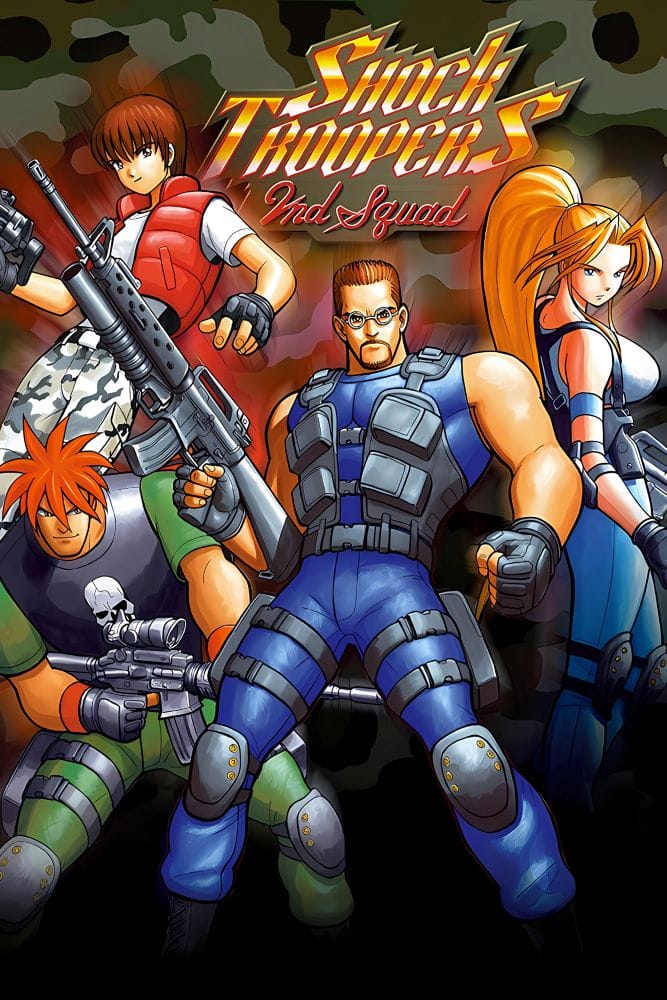
Shock Troopers: 2nd Squad
Developer: Saurus
Release Date: November 6, 1998
Shock Troopers: 2nd Squad is a bigger, louder, and more explosive run-and-gun shooter that the Neo Geo hardware handles with surprising grace. Unlike the first game, 2nd Squad lets you hop into armored vehicles frequently, using them to plow through destructible environments. It adds a heavy, metallic crunch to the gameplay that pairs perfectly with the explosive set pieces. Whether you’re fighting on top of a moving train or dodging a screen-filling assault from a massive gunship, the scale of the boss encounters feels significantly cranked up.
Why It’s Worth Playing: Shock Troopers: 2nd Squad is a must-play for fans who want a more heavyweight version of the run-and-gun formula. It trades the agility of the original for a sense of massive scale and mechanical destruction. If you want a run-and-gun that feels like a playable '90s action movie, this squad is ready for deployment.
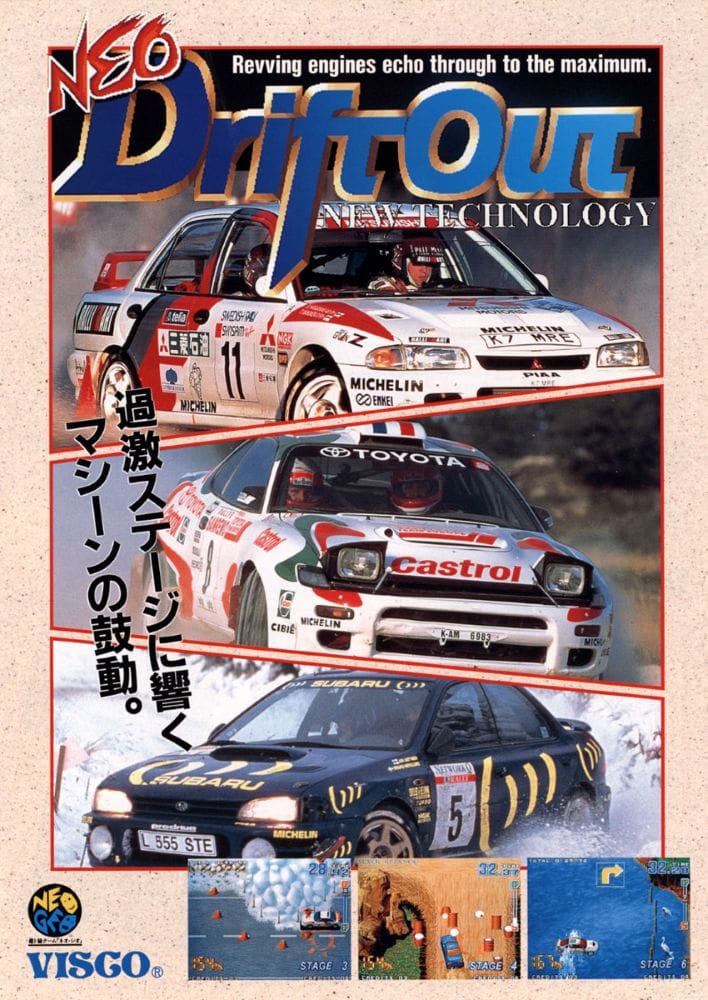
Neo Drift Out: New Technology
Developer: Visco
Release Date: July 26, 1996
If you’ve ever wanted to feel the raw, sliding physics of a rally car without the actual risk of flying off a European cliffside, Neo Drift Out is the quintessential Neo Geo racer. The star of the show is the buttery-smooth drifting. By letting off the gas and tapping the brake at just the right microsecond, you can send your Mitsubishi Lancer or Subaru Impreza into a beautiful, sweeping slide that shaves precious frames off your time. The “New Technology” in the title isn’t just marketing fluff; the sprite-scaling and rotation tricks used to simulate the 3D feel of the tracks were cutting-edge for 1996.
Why It’s Worth Playing: Neo Drift Out: New Technology is a must-play because it’s the most mechanically satisfying racer on the system. It trades gimmicks for a deep, physics-based driving model that rewards practice and precision. If you want a racing game that prioritizes the feel of the road and offers a relentless arcade challenge, this is the high-octane essential you’ve been looking for.
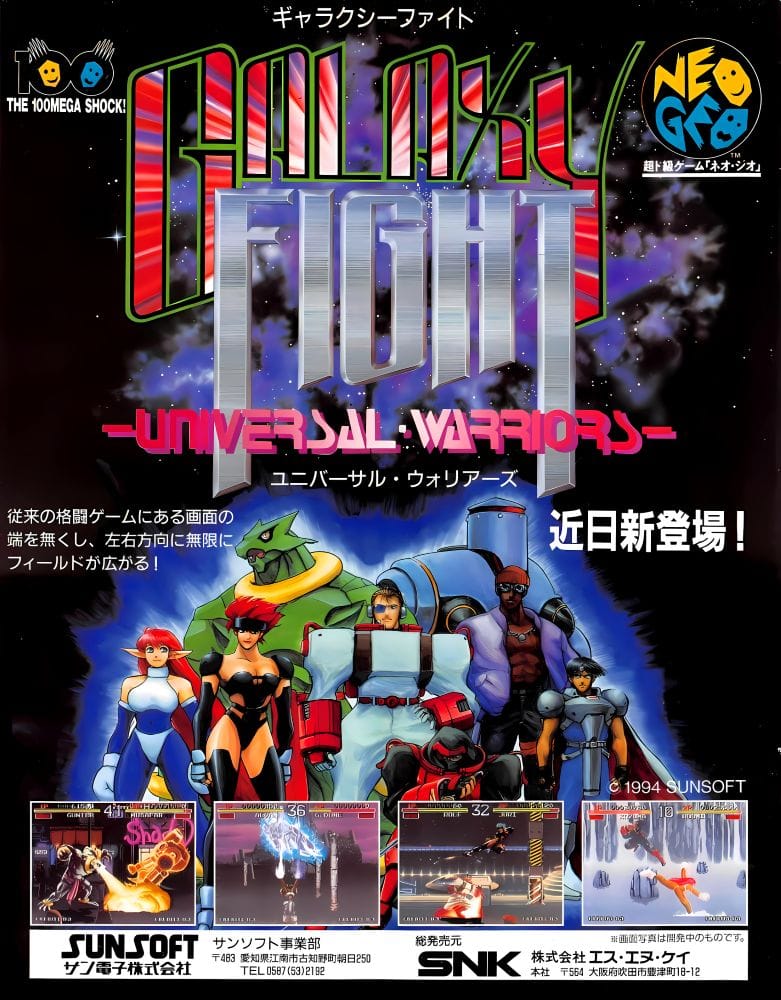
Galaxy Fight: Universal Warriors
Developer: Sunsoft
Release Date: January 24, 1995
Sunsoft made their Neo Geo debut with Galaxy Fight: Universal Warriors, a space-opera brawler that feels like a 90s sci-fi anime fever dream. Unlike almost every other fighting game of the era, there are no invisible walls or corners to get trapped in. If you knock an opponent back, the camera just keeps rolling with them. It creates a sense of immense scale and freedom that you just don’t find in Street Fighter or Fatal Fury. The soundtrack is a synth-heavy space opera that perfectly complements the psychedelic, star-filled backgrounds.
Why It’s Worth Playing: Galaxy Fight is the ultimate hidden gem for players who want a break from traditional 2D tropes. It dares to break the fundamental rule of fighting game boundaries, offering a sense of scale and freedom that few of its peers attempted. If you want a fighter that provides a weird and wonderful cosmic adventure, this is a trip through the stars you shouldn't miss.
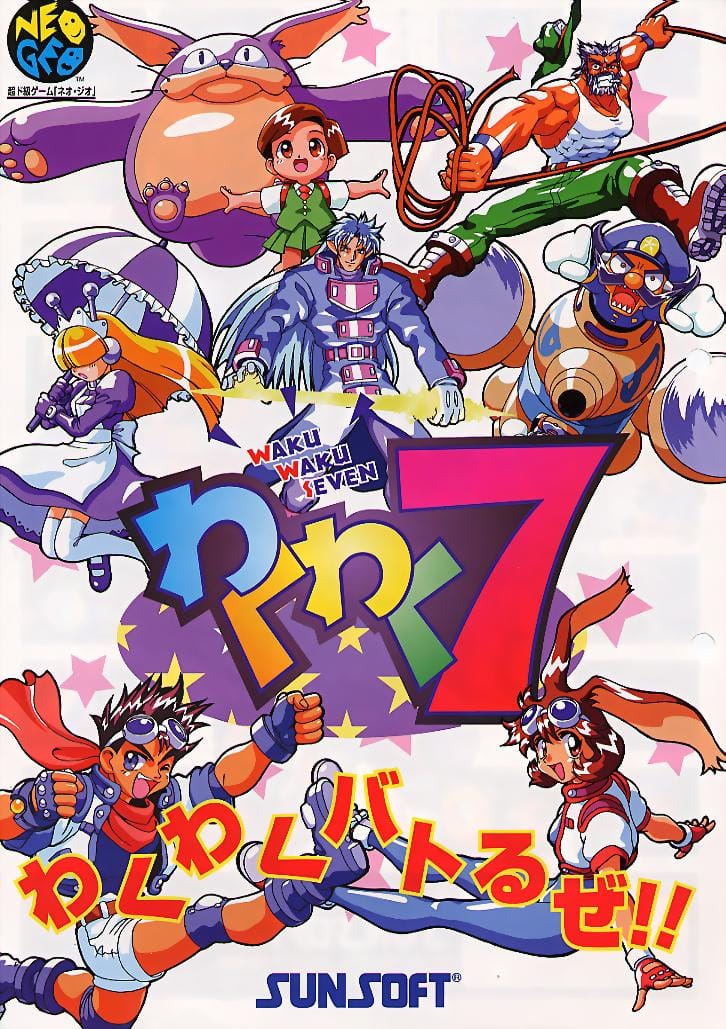
Waku Waku 7
Developer: Sunsoft
Release Date: November 21, 1996
Waku Waku 7 is a hyper-animated spectacle that actively trying to make you laugh while you were pulling off a 20-hit combo. The character roster is a brilliant collection of colorful anime parodies, inviting every anime trope from the ’70s, ’80s, and ’90s. Even the “Waku Waku” balls you collect are a cheeky riff on Dragon Ball. The animations are incredibly fluid, which makes every character’s punch, jump, and special move feel like they’re literally jumping off the CRT. The backgrounds are alive with detail, and the soundtrack is a masterpiece of upbeat J-pop and jazzy themes.
Why It’s Worth Playing: Waku Waku 7 is a shot of pure dopamine. It’s a technical marvel that showcases the Neo Geo's ability to handle incredibly fluid, cartoon-quality animation without missing a beat. If you want a fighter that is as much a joy to watch as it is to play—and you don't mind a little bit of beautiful, colorful mayhem—this is the ultimate mood-lifter.
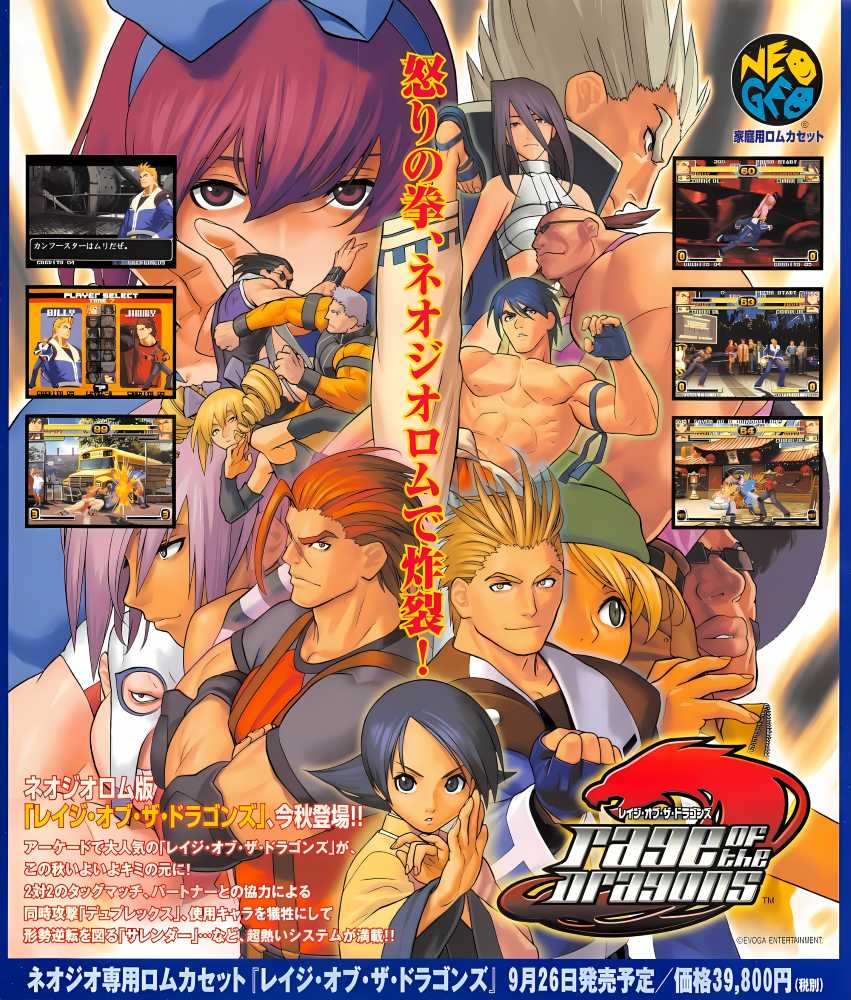
Rage of the Dragons
Developers: Evoga Entertainment, Noise Factory
Release Date: September 20, 2002
A spiritual successor to the Double Dragon franchise, Rage of the Dragons proved the aging Neo Geo hardware still had plenty of fire left. While KOF 2002 was focusing on 3-on-3 elimination, Rage of the Dragons went all-in on active tagging. You can swap partners mid-combo, launch devastating Duplex attacks, and manage two health bars strategically. It’s fast, aggressive, and incredibly smooth. The game has a distinct urban-gothic atmosphere, a soundtrack that hits like a sledgehammer, and some of the most beautiful, late-era sprite work you’ll ever see.
Why It’s Worth Playing: Rage of the Dragons is a must-play for fans of tag-team fighters who want something more grounded. It’s a gorgeous, high-energy brawler that respects its Double Dragon roots while pushing the 2D fighting genre forward. If you want to see what happens when passionate fans get their hands on legendary hardware, this is the ultimate Double threat.
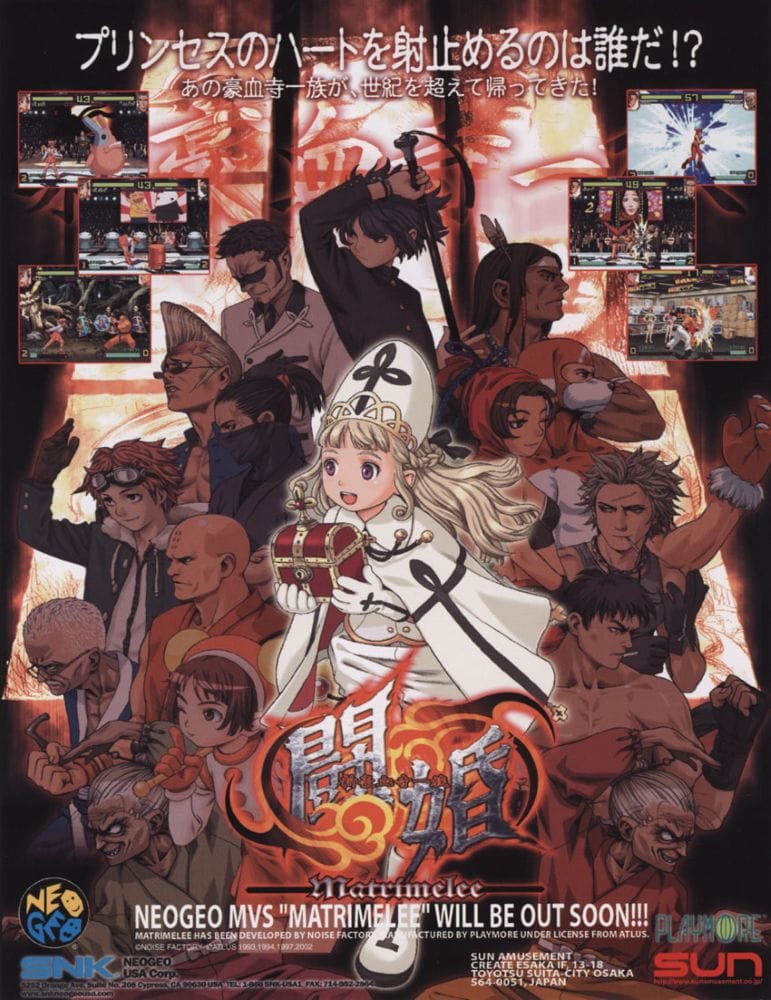
Power Instinct Matrimelee
Developer: Noise Factory
Release Date: March 20, 2003
Think the Neo Geo library was strictly fighting games and military shooters? Power Instinct: Matrimelee is here to hit you with a dose of surreal, high-energy chaos. The utterly bizarre humor is what makes this game an instant legend. We’re talking about a roster that includes a superhero dog and a princess who fights with a giant hammer. But don’t let the jokes fool you; underneath the absurdity is a surprisingly robust fighting engine. Developed by Noise Factory (the team behind Rage of the Dragons), the combat is fast, responsive, and features a deep Blood meter system for supers.
Why It’s Worth Playing: Power Instinct Matrimelee is the ultimate proof that a game can be hilarious and mechanically deep at the same time. It’s a vibrant, loud, and incredibly fun celebration of everything that made the late-era Neo Geo scene so experimental. If you want a fighter that rewards skill but refuses to keep a straight face, this matrimonial brawl is a top-tier pick.
Breakers Revenge
Developer: Visco
Release Date: July 3, 1998
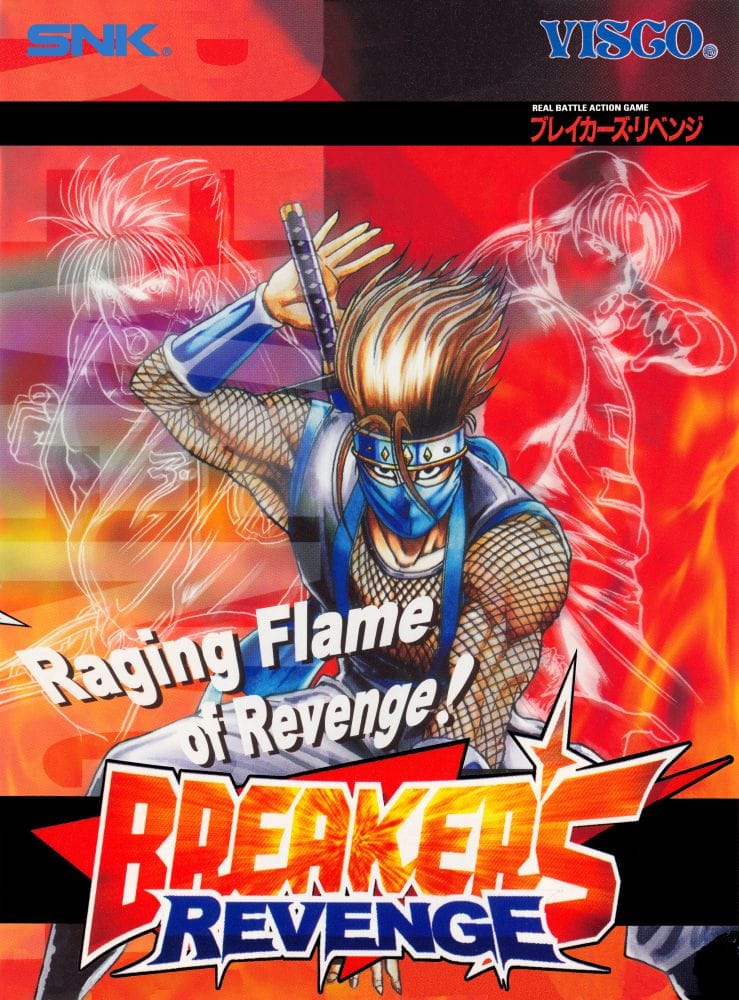
While many dismissed Breakers Revenge as a clone of Street Fighter, those who actually played it discovered one of the most deeply underrated 2D fighters on the Neo Geo. You have the classic archetypes—the shoto-style Sho, the stretchy-limbed Alsion III, and the heavy-hitting Condor—but they play with a fluidity that makes modern fighting game fans do a double-take. The surprisingly tight controls are the game’s secret weapon; the input buffer is generous, the movement is snappy, and the hit detection is among the most reliable on the system.
Why It’s Worth Playing: Breakers Revenge is the ultimate "don't judge a book by its cover" title. It trades unique gimmicks for mechanical excellence, offering one of the most balanced and satisfying 1v1 experiences on the Neo Geo. If you want a fighter that rewards pure skill, this is the underdog that deserves a spot in your rotation.
Battle Flip Shot
Developer: Visco
Release Date: December 8, 1998
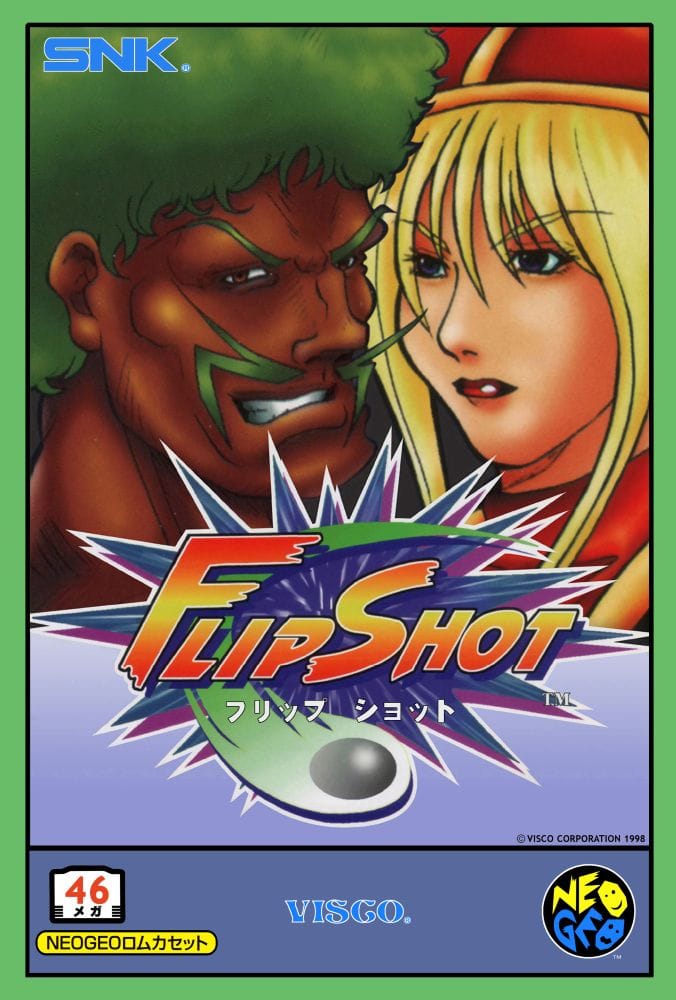
Battle Flip Shot delivered a deeply competitive ball-and-paddle game that feels more like a high-stakes duel than a retro arcade throwback. You control one of five unique characters, moving vertically to deflect a bouncing ball back toward your opponent’s shields. But here’s the twist—instead of a simple paddle, you have a character with a literal hitbox. If you take a direct hit from the puck, your character gets stunned, leaving your targets wide open. This creates a rhythm of offense and defense that mirrors a 2D fighter perfectly.
Why It’s Worth Playing: Battle Flip Shot takes a prehistoric gaming concept and polishes it until it shines with Neo Geo flair. It’s the perfect "palette cleanser" between rounds of KOF, offering fast-paced, competitive fun that anyone can pick up but very few can truly master. If you want a game that tests your reflexes and your friendships in equal measure, grab a paddle.
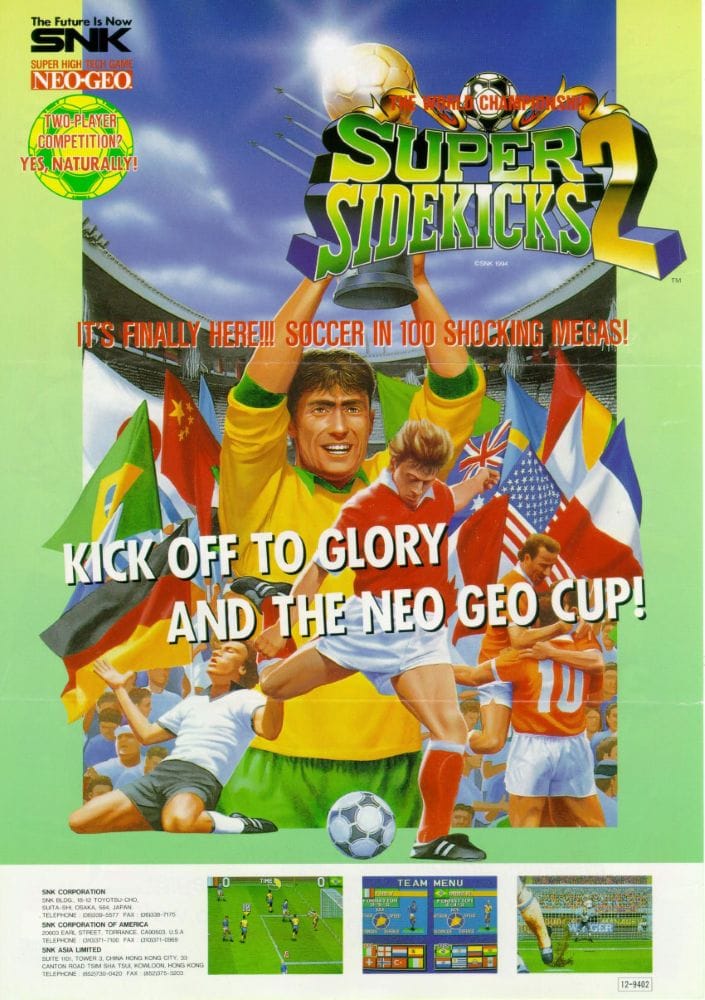
Super Sidekicks 2 is about fast-paced, arcade-style soccer action where the referee is lenient, the tackles are bone-crunching, and every goal feels like a world-ending event. SNK utilized their signature scaling technology to bring the camera in close, making the athletes look gargantuan compared to the tiny figures in FIFA or Sensible Soccer at the time. When you get close to the penalty box, the game triggers the legendary Chance zoom, giving you a dramatic, first-person-style reticle to aim your strike. With 48 national teams divided into six geographical regions. Does any other sports title capture the World Cup fever this effectively?
Why It’s Worth Playing: Super Sidekicks 2 is a great example on how to translate the world's most popular sport into a thrilling arcade experience. It strips away the boring bits and focuses entirely on the drama, the speed, and the spectacle of the beautiful game. If you want a soccer title that plays with the intensity of a fighting game, this is the definitive arcade soccer experience
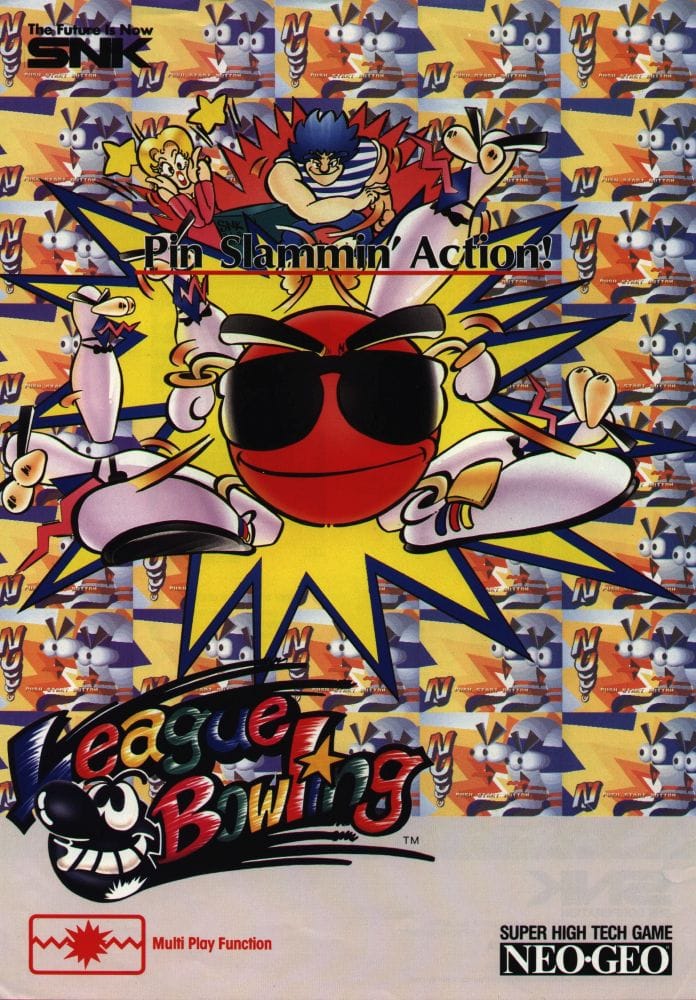
Before the world was obsessed with Wii Sports, the Neo Geo had League Bowling,the party sports title that turned every arcade into a local bowling alley. In an era where most arcade games were strictly two-player affairs, League Bowling allowed operators to link up to four Neo Geo cabinets together, creating an 8-player local tournament. Even on a single screen, the competitive energy is intense. It’s a bright, 100-Mega Shock explosion of 1950s Americana—neon lights, bowling shirts, and the “Cool” or “Great” animations that play when you nail a strike.
Why It’s Worth Playing: League Bowling is the ultimate low stakes, high reward game. It’s accessible enough for anyone to pick up in seconds but features enough hidden depth to satisfy a competitive itch. If you have a group of friends and a competitive streak, this is the most fun you can have with ten pins and a 15-pound ball.
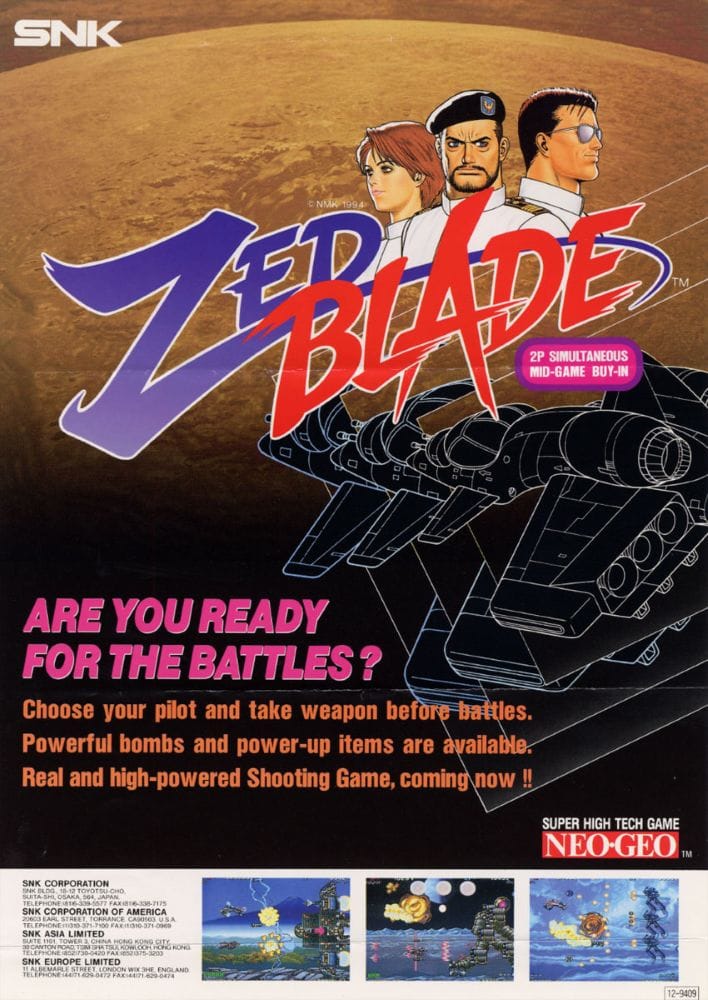
Zed Blade
Developer: NMK
Release Date: September 13, 1994
While the Neo Geo has no shortage of legendary shmups, Zed Blade carves out its own identity by being unapologetically loud and stylish. The solid forward-scrolling shoot-’em-up action is built on a foundation of customization. Whether you prefer a wide-spread shotgun approach or a concentrated needle of destruction, you can tailor your fighter to your specific playstyle. Composed by Manabu Namiki, the fantastic rave-inspired soundtrack is a pulsing collection of breakbeats, techno, and early 90s house that gives the game a high-energy club atmosphere while you’re dodging bullets.
Why It’s Worth Playing: Zed Blade is a must-play for anyone who wants a high-octane shooter that doesn't take itself too seriously. It offers a vibrant, energetic VGM experience that other shmup games lack. If you want to blast through waves of enemies while listening to one of the best electronic soundtracks of the 16-bit era, it’s time to sync your engines.
The MVS (Multi Video System) was the arcade version, using cartridges designed for coin-op cabinets. The AES (Advanced Entertainment System) was the home console. While the game data is identical, the physical cartridges are different shapes. Today, many collectors use MVS carts with a Supergun or CMVS because arcade carts are significantly more affordable than the rare home AES releases.
This was SNK’s iconic marketing term for games that surpassed 100 Megabits in size. While it sounds small by modern standards, in the early 90s, having that much memory dedicated to high-quality sprites and CD-quality audio was a massive technical leap over the competition.
Waku Waku 7 or Breakers Revenge are fantastic starting points. Waku Waku 7 is bright and intuitive with a smaller, manageable roster, while Breakers Revenge has incredibly "tight" and responsive controls that make learning the basics of 2D combat feel very natural.
Absolutely! While SNK is famous for fighters, the system excels at other genres. Neo Drift Out is a premier rally racer, Shock Troopers: 2nd Squad is a top-tier run-and-gun, and League Bowling remains one of the best multiplayer party games ever made.
Conclusion
From the tactical blade-clashing of Samurai Shodown to the rhythmic, rave-fueled chaos of Zed Blade, we’ve journeyed through 40 titles that define an era. These games represent the absolute pinnacle of 2D arcade gaming—a time when 100 Mega Shock wasn’t just a marketing slogan, but a promise of hardware-pushing sprites, booming FM synthesis, and gameplay loops perfected in the fires of competitive arcade floors.
The Neo Geo brought the big screen experience home without compromise, bridging the gap between the smoky local arcade and the living room rug. Whether you’re a fan of the pixel-perfect destruction in Metal Slug X or the bizarre, high-energy charm of Waku Waku 7, the library of the MVS and AES remains a masterclass in timeless design. Did we miss your favorite childhood quarter-muncher? If there’s a hidden gem or a legendary fighter that didn’t make our top 40, drop it in the comments below!
At HyperComboGamer, we believe great games deserve great coverage. That means no filler, no clickbait, or fanboyism—just honest, high-quality reviews, features, and guides that put gamers first. Whether you’re a lifelong enthusiast or just starting your gaming journey, you’ll find interesting gaming perspectives that will leave you fully satisfied.