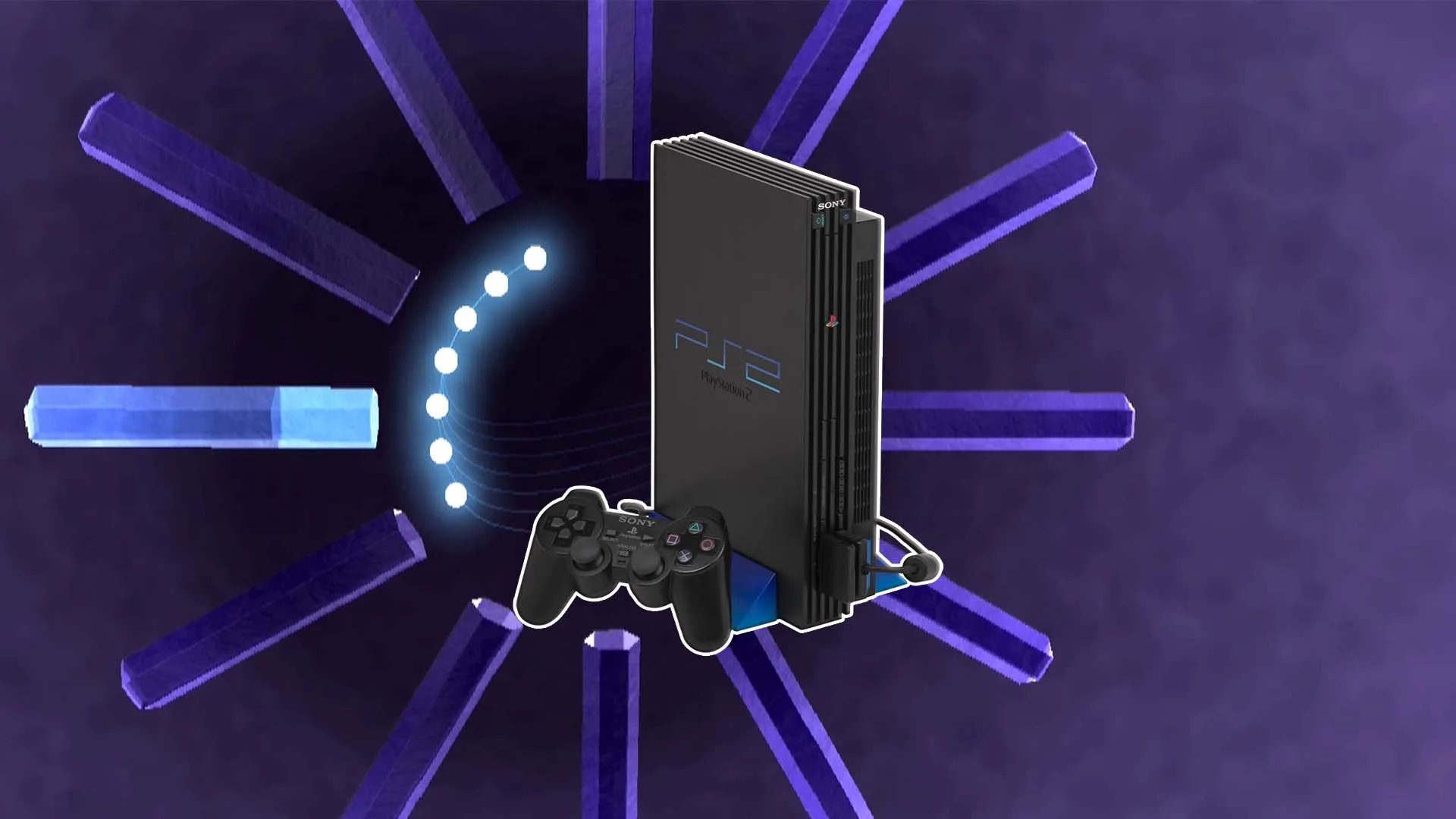
Let’s be honest with each other for a second: the PlayStation 2 is the greatest racing console of all time, and if you want to argue otherwise, this isn’t the article for you. Sony’s Emotion Engine didn’t just render cars; it captured the heart of automotive culture. We were living through an unforgettable golden age where tuner culture, aggressive arcade combat, and pure simulation physics collided. What made the PS2 racing library so untouchable? Variety and soul.
There were no mandatory day-one 50GB patches, no battle passes, no locked cars behind $20 microtransactions, and no always-online requirements. You put the disc in, grabbed a friend for split-screen action, and raced. With pressure-sensitive face buttons handling throttle feathering and optical audio cables pumping out licensed rock, hip-hop, and electronic soundtracks, the PS2 gave us memories that still hold up decades later. Grab your DualShock 2 and step on the gas—we’re now going to discover the 40 best PS2 racing games that still hold the checkered flag today.
Gran Turismo 4
- Developer: Polyphony Digital
- Release Date: December 28, 2004
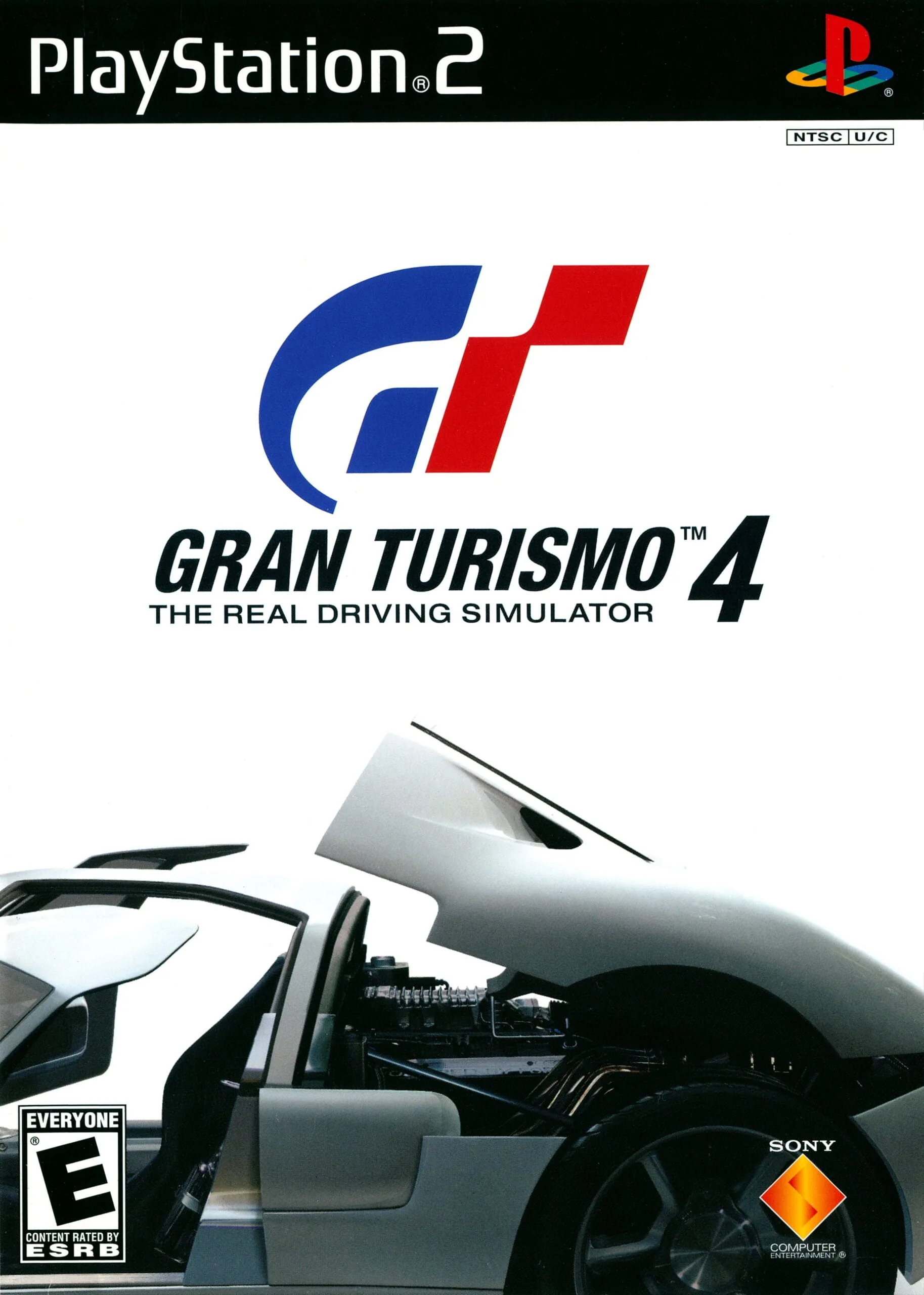
Featuring over 700 meticulously modeled vehicles and 50+ tracks, Gran Turismo 4 was a staggering flex of the PS2’s horsepower. But it wasn’t just about content—it was about depth. Driving physics were refined, photo mode was introduced (way ahead of its time), and the inclusion of historic and concept cars gave the game a museum-like quality. From Le Mans prototypes to Daihatsu compacts, every car felt distinct. Polyphony even got 1080i HD output out of the hardware, making standard-definition CRT TVs sweat in total disbelief. It wasn’t just a game for petrolheads—it was a celebration of automotive culture. This was the PS2’s ultimate driving experience, and for many, it still hasn’t been topped.
Why It’s Worth Playing: Gran Turismo 4 remains the absolute pinnacle of sim racing on sixth-generation hardware, offering an absurdly deep campaign that modern microtransaction-riddled games simply cannot match. It’s still one of the most comprehensive and refined driving sims ever made—not just on the PS2, but on any platform. Whether you're grinding for your next ride or simply admiring your car collection in photo mode, GT4 delivers the kind of depth and polish that rewards long-term play.
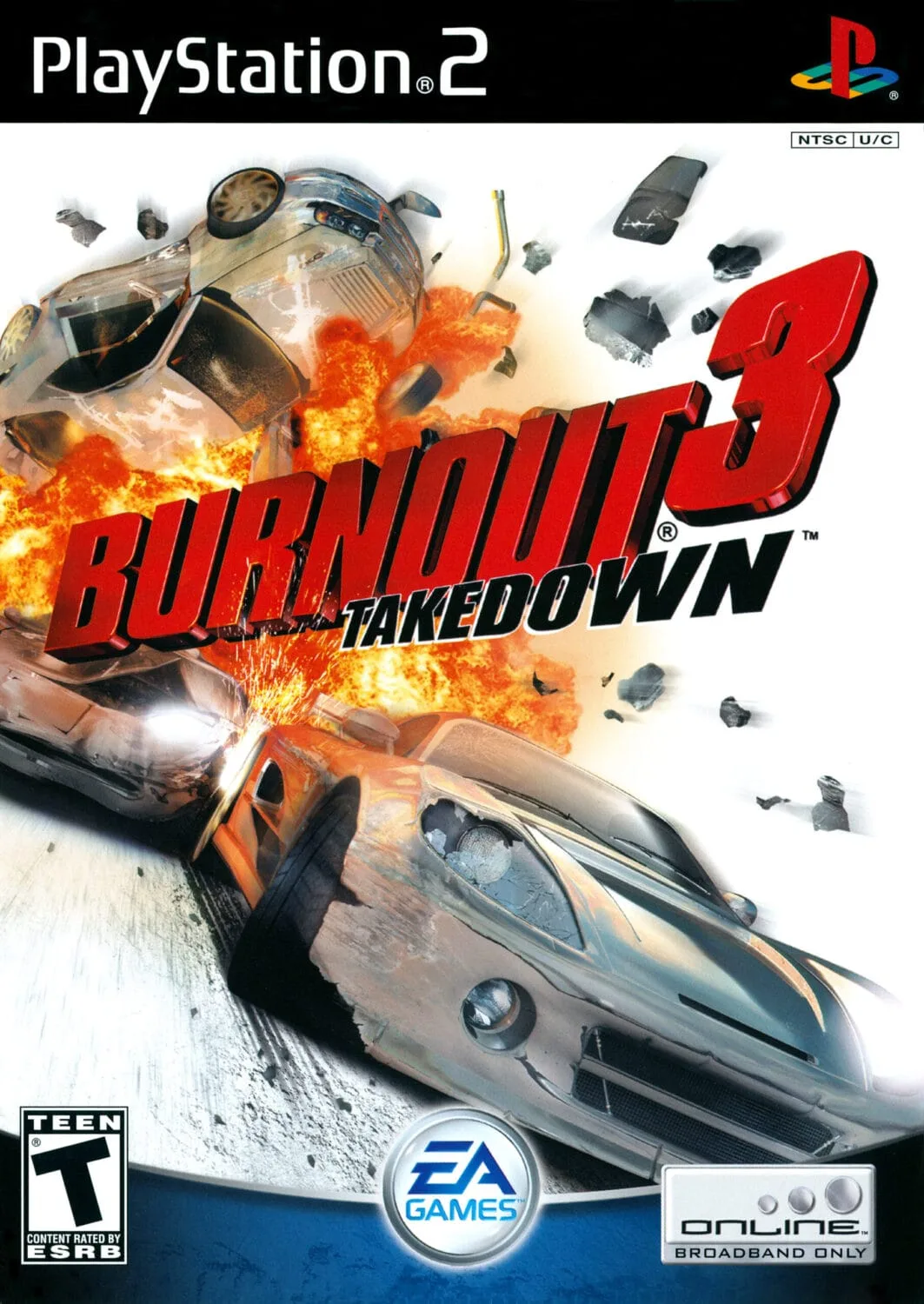
Burnout 3: Takedown
- Developer: Criterion Games
- Release Date: September 08, 2004
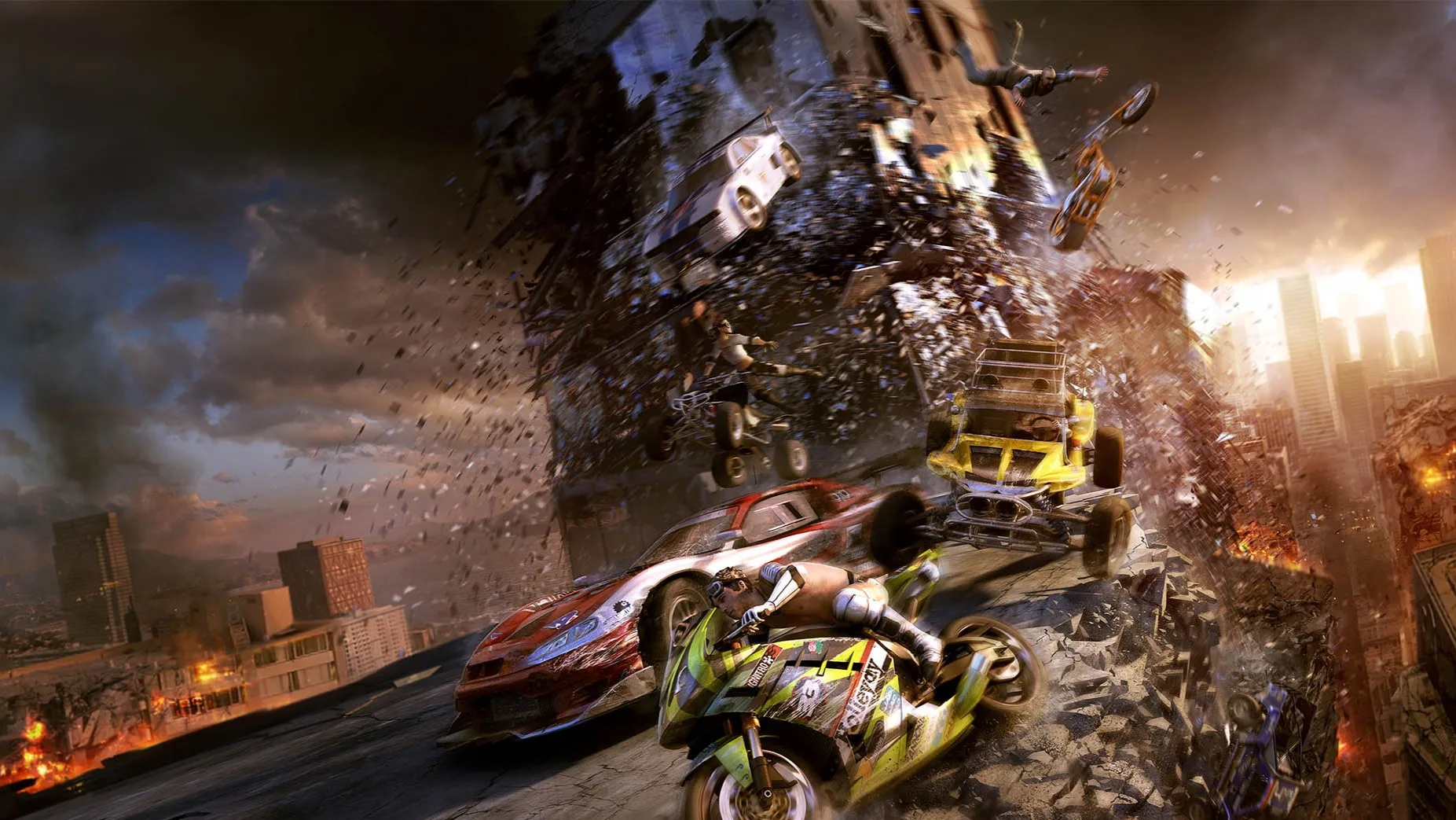
Burnout 3: Takedown ditched conventional racing etiquette in favor of vehicular warfare, and the result is a game that still feels fresh decades later. Takedowns were introduced—which rewarded you for driving like a total lunatic, filling your boost meter whenever you force rivals off the track. Mastering the slow-motion Aftertouch system lets you steer your wreck directly into oncoming traffic to take your revenge mid-crash. The groundbreaking Crash Mode transformed apocalyptic pileups into addictive, physics-based puzzle arenas. We also can’t forget hearing DJ Stryker scream over the iconic mid-2000s pop-punk soundtrack while we wove through razor-thin gaps in traffic.
Why It’s Worth Playing: Decades later, Burnout 3: Takedown remains the undisputed king of high-speed arcade destruction. You get blistering frame rates, chaotic crash physics, and a relentless gameplay loop that delivers instant gratification. Burnout 3 isn’t just one of the best racing games on the PS2—it’s one of the best games, period.
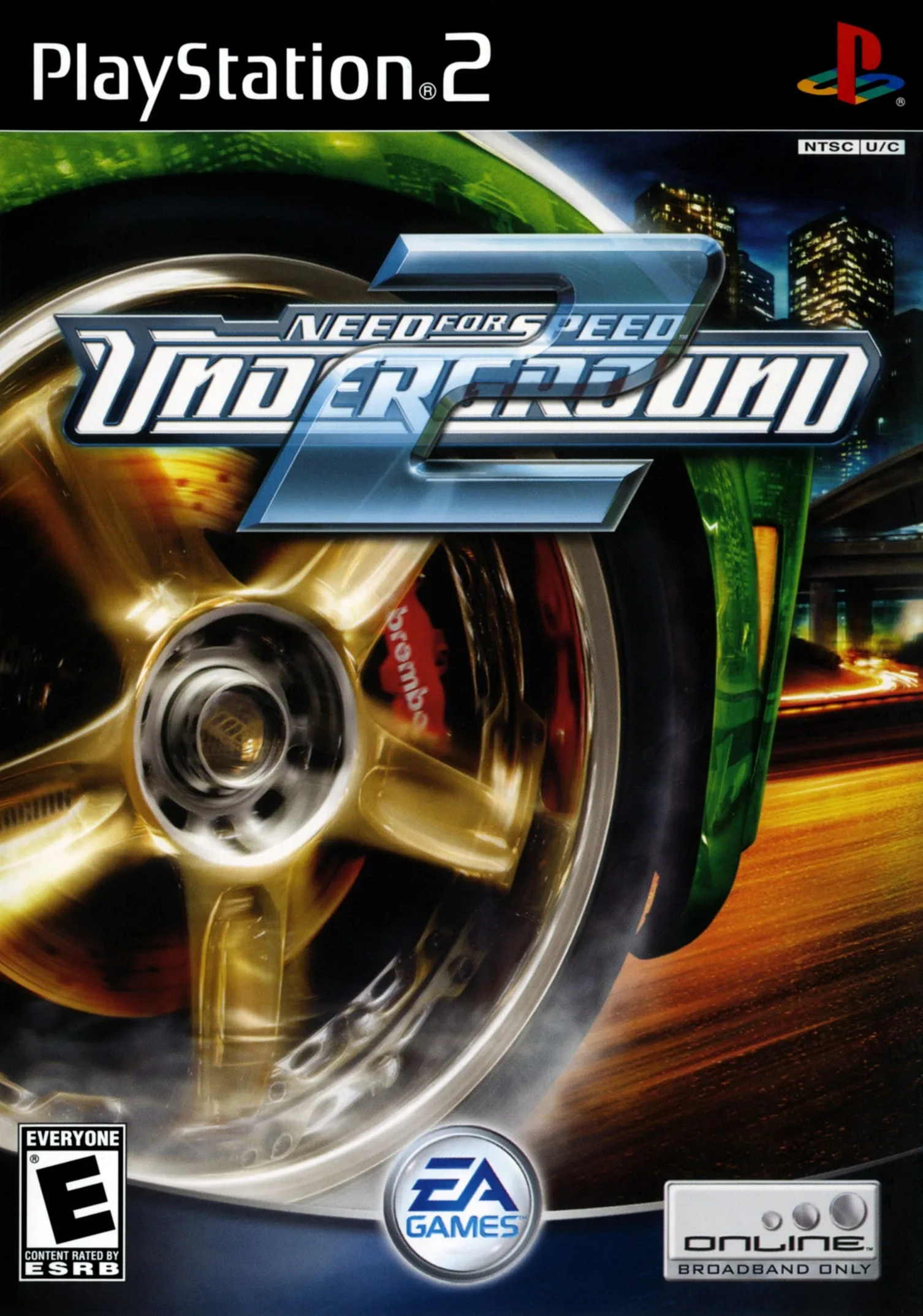
Need For Speed Underground 2
- Developer: EA Black Box
- Release Date: November 15, 2004
EA Black Box somehow transformed an already brilliant formula into an irresistible open-world paradise with Need For Speed: Underground 2. For the first time in NFS history, players could cruise through the open-world city Bayview, challenge racers on the fly, and explore a vast network of neon-lit streets, industrial zones, and underground highways. The newly added Street X and Downhill Drift events forced you to master delicate weight transfers and tight chassis maneuvers. Car customization was expanded dramatically, letting you install scissor doors, custom gauge clusters, and spinning rims. IMO, gliding through the misty turns of Jackson Heights while Snoop Dogg remixed Riders on the Storm created an unmatched atmospheric vibe.
Why It’s Worth Playing: One of the most beloved NFS entries ever, Need For Speed: Underground 2 remains the absolute pinnacle of open-world street racing nostalgia. Its deep customization options, living city atmosphere, and iconic soundtrack laid the groundwork for a whole generation of street racers. If you want the definitive Underground experience, this sequel is the one that fully delivers on the original's promise.
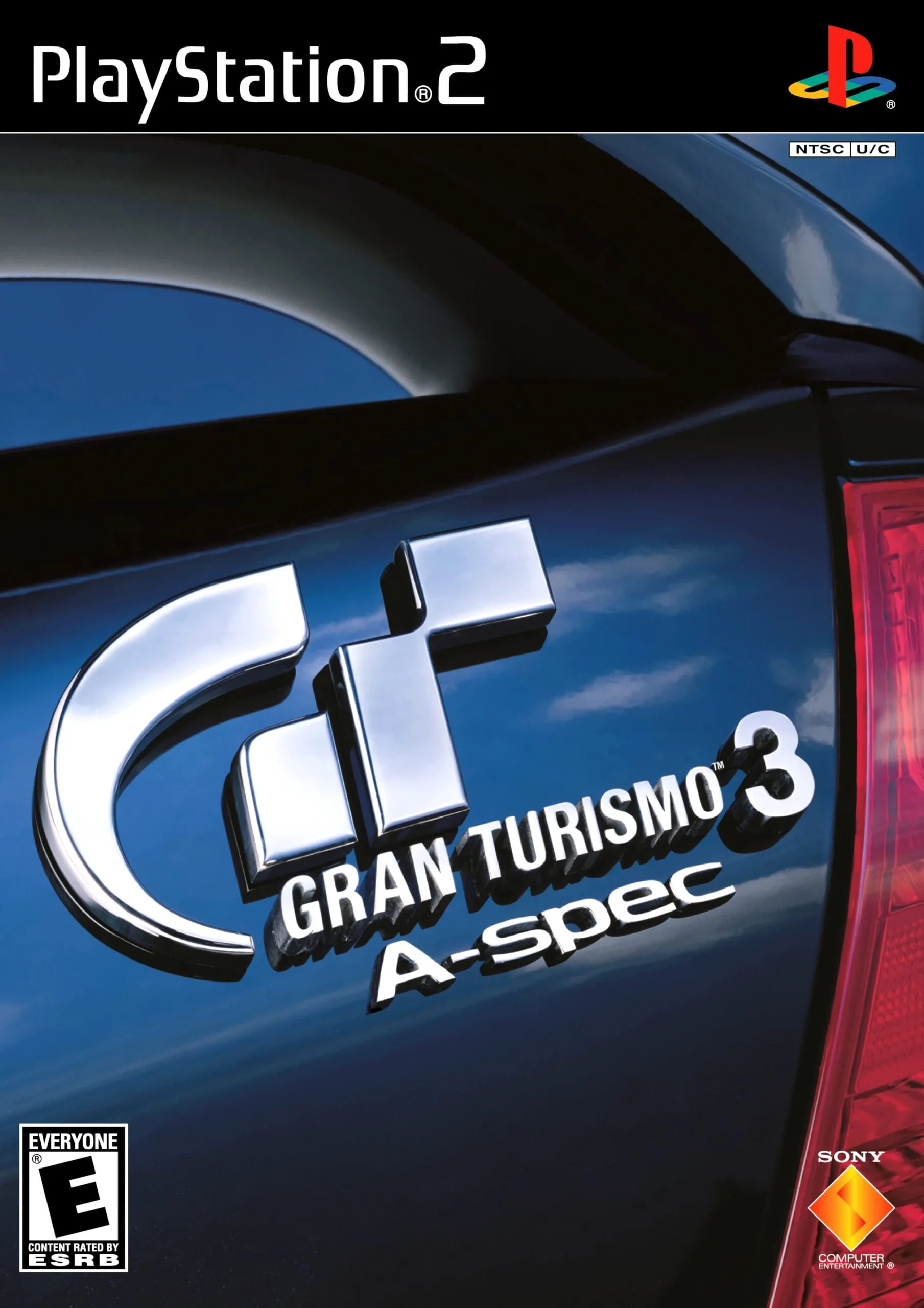
Gran Turismo 3: A-Spec
- Developer: Polyphony Digital
- Release Date: April 28, 2001
When Gran Turismo 3 hit the PS2 in 2001, it wasn’t just a racing game; it was a technical showcase and a love letter to the art of driving. With its jaw-dropping visuals (for the time), buttery smooth handling, and laser-focused realism, GT3 was the game that made casual players care about gear ratios and tire compounds. It launched with fewer cars than its PS1 predecessor, but what it lacked in quantity, it made up for in immaculate quality. The tracks were iconic, the sound design was immersive, and the sense of progression—earning licenses, saving up for dream cars—was addictive. This was the title that turned Sony’s “real driving simulator” into a household name.
Why It’s Worth Playing: Even today, GT3 holds up as a masterclass in balanced simulation. Its driving physics are tight without being punishing, and its visuals remain impressively polished for early PS2 hardware. If you're looking to experience the moment console racing matured into something elite, this is the one to fire up. Nostalgic and mechanically sound, it’s a racing time capsule worth every lap.
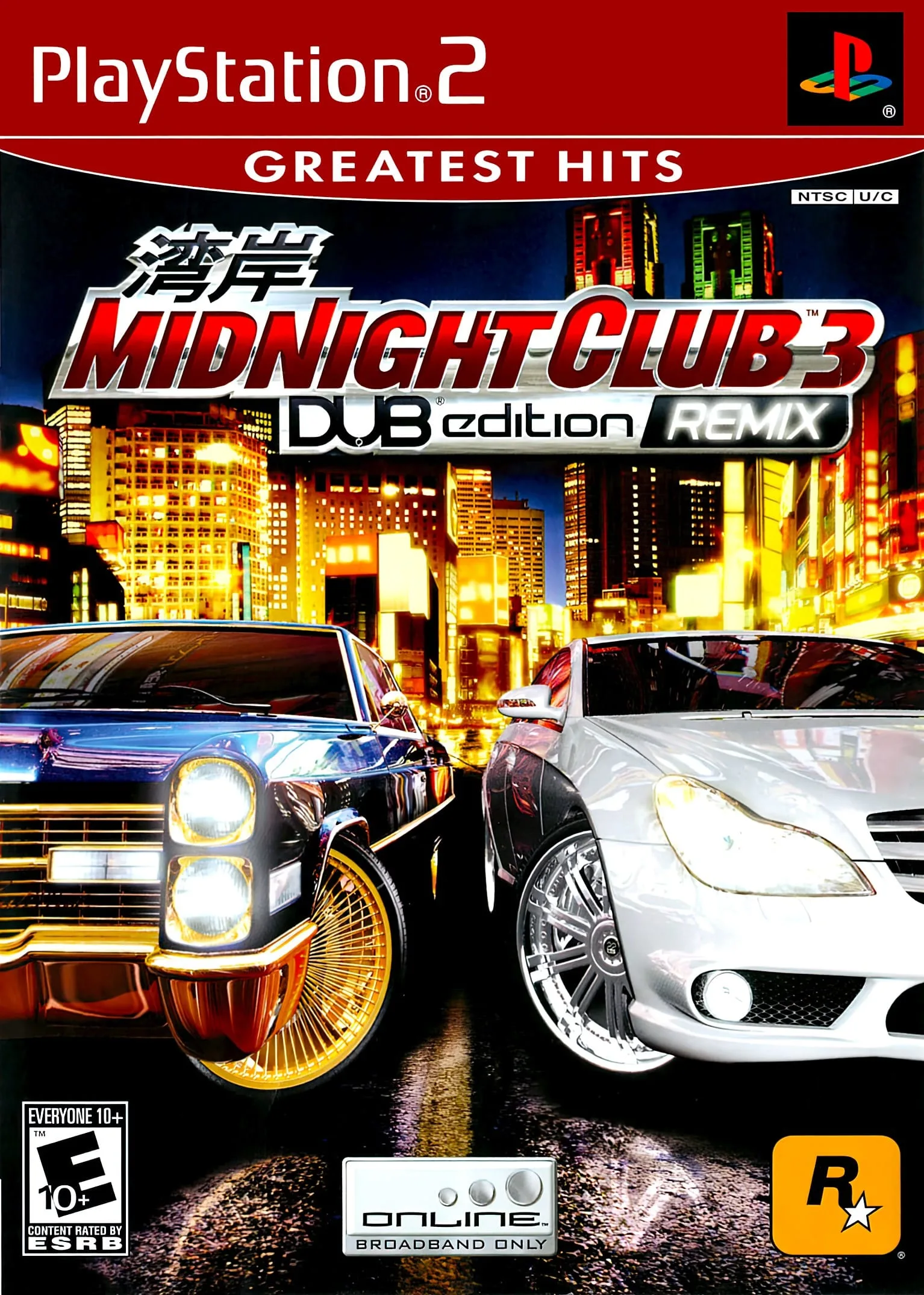
Midnight Club 3: DUB Edition Remix
- Developer: Rockstar San Diego
- Release Date: March 13, 2006
Midnight Club 3: DUB Edition Remix expanded on the already chaotic street racer and crammed in extra cities, tracks, and bumpin’ hip hop beats. Unlike traditional track-bound racers, this open-world titan forces you to navigate through dense urban traffic using split-second spatial awareness. Unique vehicle abilities like Zone, Agro, and Roar completely reshape how you tackle chaotic street turns. Customization options rivaled high-end real-world tuner magazines, letting you bolt on massive spinner rims, wide-body kits, and pearlescent paint finishes. The DUB Edition Remix added Tokyo alongside Atlanta, San Diego, and Detroit from the original game, as well as 84 new licensed rides into the garage, bringing the total roster past 120 mechanical monstrosities.
Why It’s Worth Playing: Midnight Club 3: DUB Edition Remix combined Rockstar's open-world mastery with genuine street car culture authenticity, resulting in one of the most immersive racing experiences the PS2 ever produced. Its ludicrous speed, deep customization, and phenomenal licensed soundtrack make it a mandatory play for arcade racing junkies.
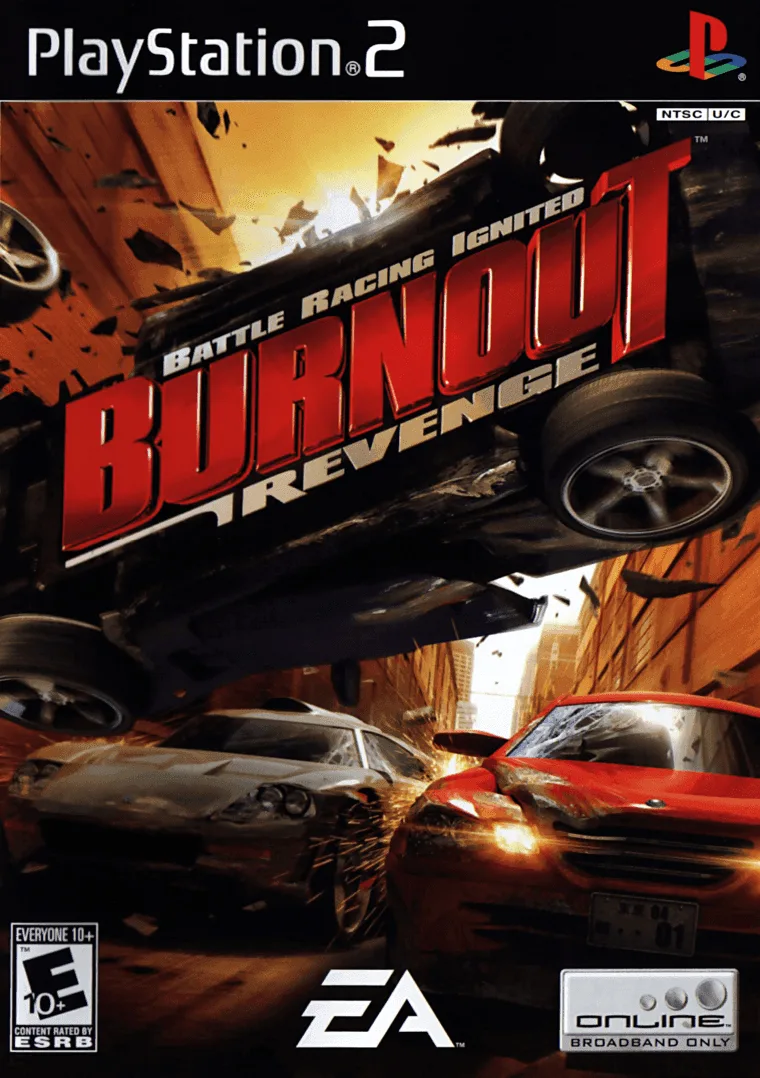
Burnout Revenge
- Developer: Criterion Games
- Release Date: September 13, 2005
Just when you thought Burnout 3: Takedown couldn’t get any more aggressive, Criterion said “hold on, watch this” and made Burnout Revenge somehow even more destructive. The introduction of Traffic Checking completely revolutionized the flow of high-speed arcade racing. Instead of instantly wiping out when clipping civilian bumpers, you simply punted slower cars forward to clear a path of total destruction. The game also introduced Revenge Takedowns, allowing you to exact sweet, explosive vengeance on the specific rival who wrecked you moments earlier. The tracks featured vertical shortcuts and high-risk jump ramps that constantly forced you into making split-second tactical decisions. The particle effects stretched the PS2 hardware, filling your screen with blinding sparks and flying shrapnel.
Why It’s Worth Playing: Burnout Revenge takes raw arcade aggression to its absolute limits with satisfying traffic-checking mechanics and revenge-driven gameplay. It’s faster pace and Revenge system add genuine stakes to what was already pure arcade chaos. If Takedown left you wanting even more mayhem and fewer rules, Revenge delivers exactly that without hesitation.
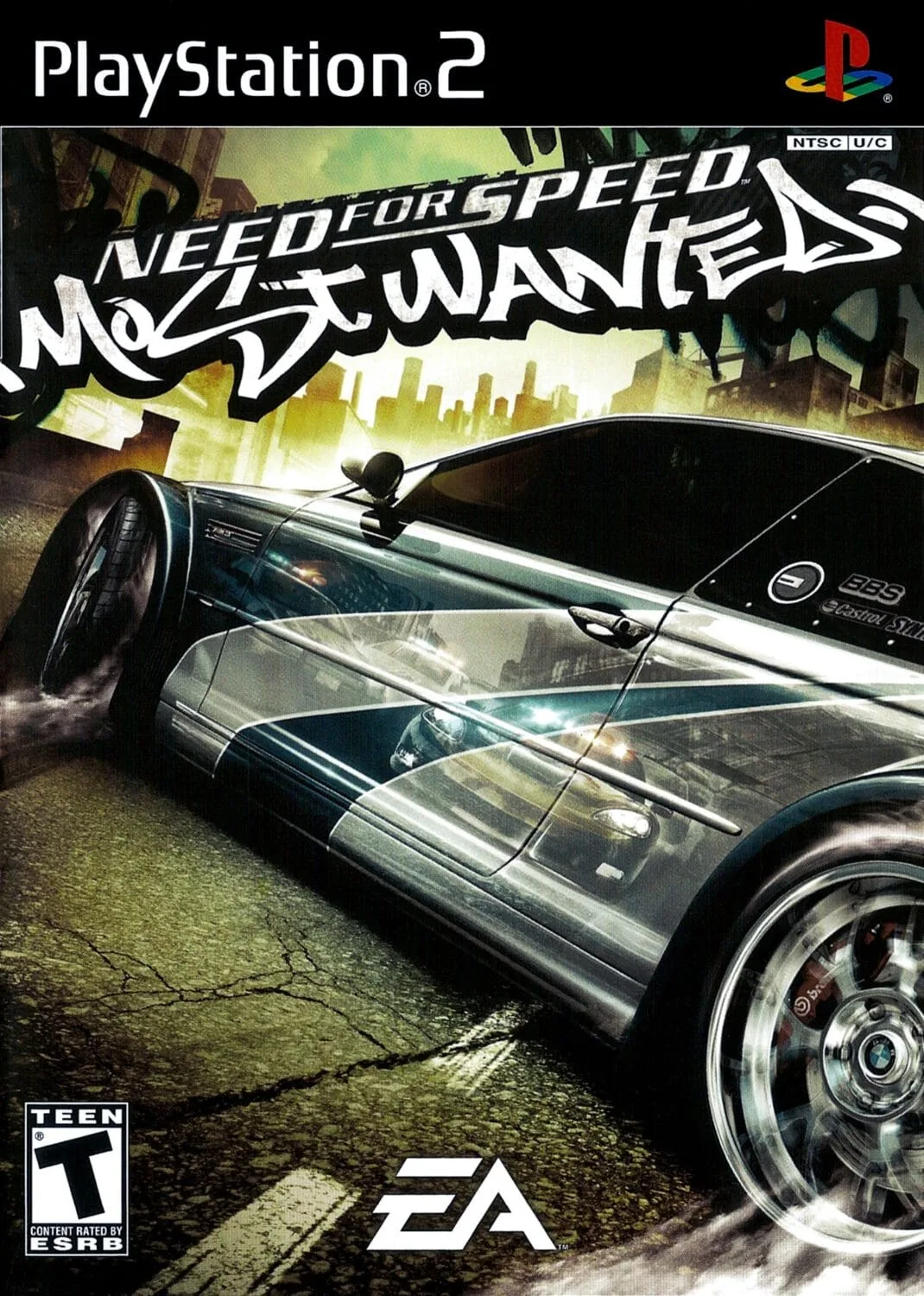
Need For Speed: Most Wanted
- Developers: EA Canada, EA Black Box
- Release Date: November 15, 2005
EA Black Box elevated high-stakes police chases to absolute art status with Need For Speed: Most Wanted, blending open-world exploration with intense tactical pursuits. The Blacklist structure meant that you weren’t just racing for the sake of racing—you had actual rivals with personalities, trash talk, and unique cars standing between you and the top spot. Police officers aggressively deployed spike strips, heavy SUVs, and pursuit helicopters to stop your winning streak. The game introduced Speedbreaker, a slow-motion mechanic that allowed you to slide past tight police barricades with surgical precision. Rolling through the sun-drenched, autumn-tinted streets of Rockport provided a refreshing visual shift from the previous midnight circuits.
Why It’s Worth Playing: Arguably the peak of NFS on PS2, Need For Speed: Most Wanted is the complete package: deep progression, cinematic flair, and some of the most thrilling police pursuits in gaming history. Its Blacklist rivalry system and escalating Pursuit Tech mechanics gave it staying power well beyond its initial release. It’s pure cat-and-mouse mayhem, and it still rips.
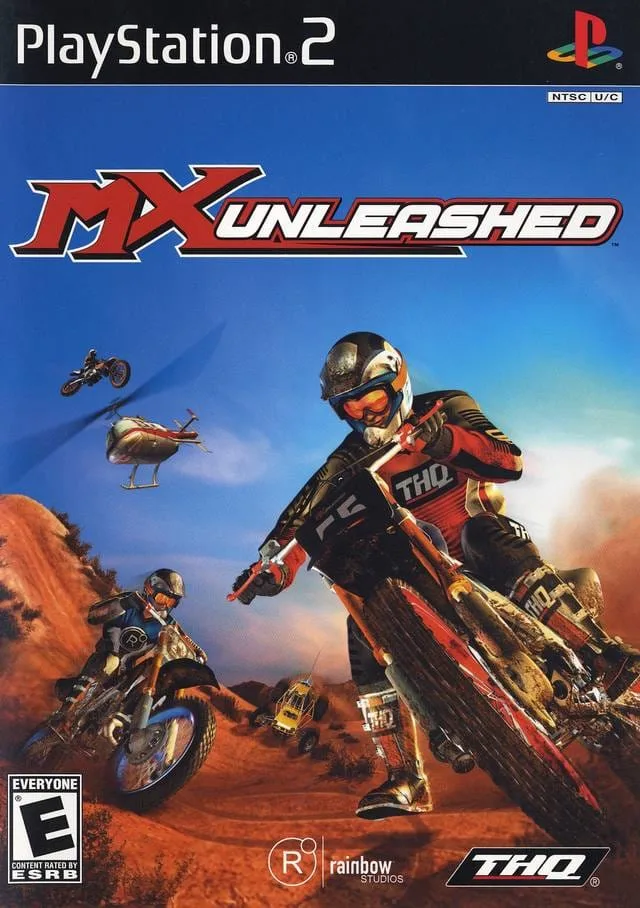
MX Unleashed
- Developer: Rainbow Studios
- Release Date: February 17, 2004
Before ATV and MX got smashed together into one giant off-road playground, MX Unleashed was laser-focused on doing one thing exceptionally well: motocross. With sprawling free-ride environments, I spent entire weekends pre-loading my bike’s suspension to launch over massive dirt hills, soaring so high I practically needed an oxygen mask. Whether you’re hunting down secret goals or pulling off impossible backflips from a ramp stitched together by a half-buried airplane, the sense of freedom was unprecedented for the genre. And when it was time to get serious? The racing events delivered tight, competitive gameplay across motocross tracks and Supercross stadiums, backed by physics that struck a rare balance between arcade fun and real-world weight.
Why It’s Worth Playing: MX Unleashed proved that a racing game doesn't need flashy gimmicks to stand out—it just needs to nail its core mechanics with real precision. Its weighty bike physics and dynamic terrain gave it a sense of authenticity that a lot of arcadey off-road racers never bothered chasing. If you’re chasing big air, open exploration, and dirty-but-dazzling tricks, this cult classic still hits like a revved-up throttle to the chest.
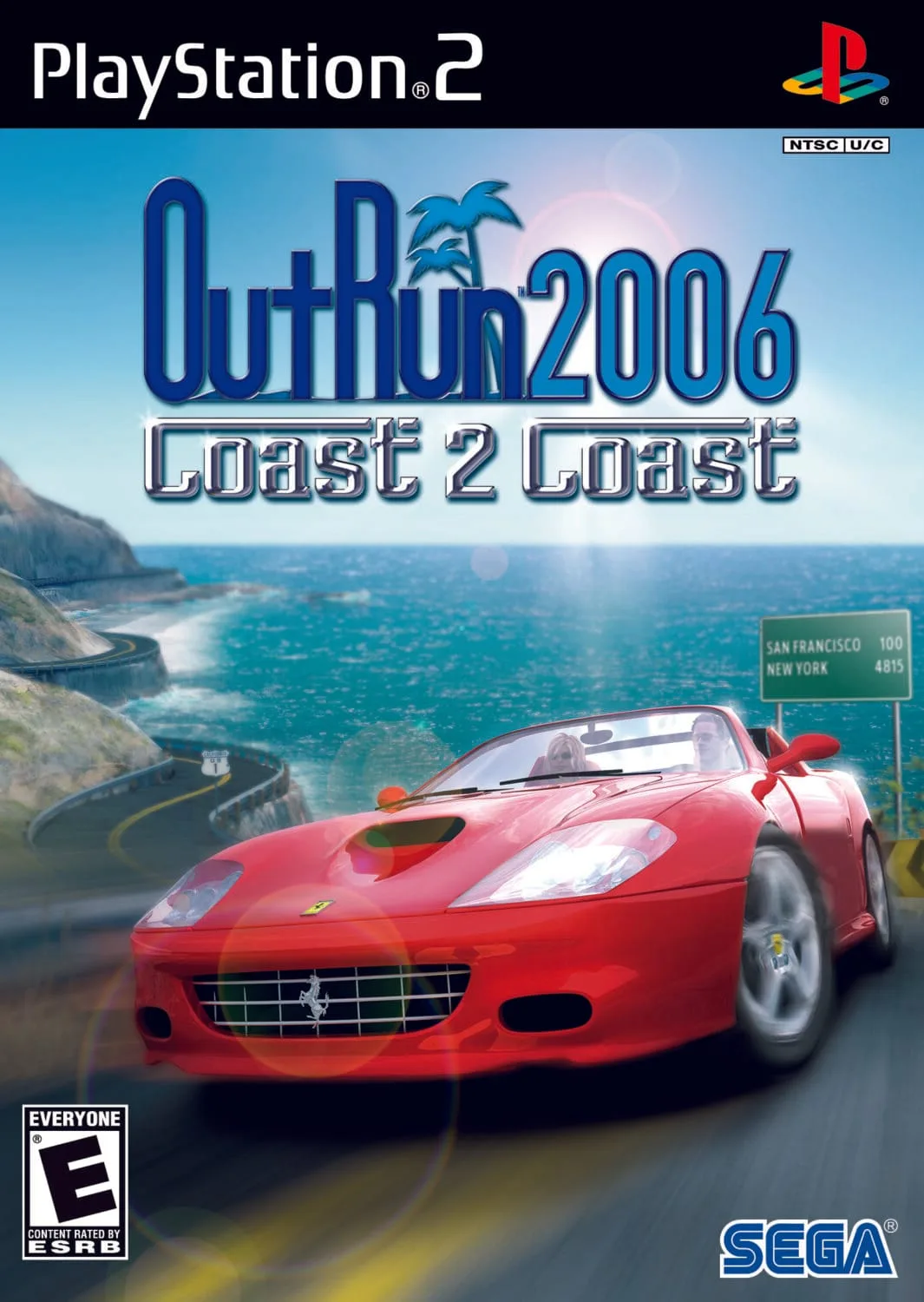
OutRun 2006: Coast to Coast
- Developer: Sumo Digital
- Release Date: March 31, 2006
Sumo Digital brought Yu Suzuki’s legendary arcade vision to the PS2 with OutRun 2006: Coast to Coast, delivering pure sunshine on a single disc. The game completely throws realistic tire physics out the window in favor of effortless, 200-mph power slides. You literally tap the brakes, flick the steering wheel, and glide sideways through oncoming traffic while your demands-heavy passenger cheers you on. The game features 15 iconic licensed Ferraris and branching highway routes that lets you carve your own path, steering through vibrant tulip fields, ancient pyramids, and sun-drenched beaches. Legendary tracks like Magical Sound Shower evoke instant nostalgia, making every single sprint feel like a high-speed coastal vacation.
Why It’s Worth Playing: OutRun 2006 is one of the PS2’s best-kept secrets—an arcade racer that wears its simplicity as a badge of honor. It reminds you that not all racing games need realism or aggression. Sometimes, all you need is an open road, a red Ferrari, and blue skies on the horizon. For fans of Daytona USA, Ridge Racer, or classic arcade driving games, this is a must-play.
Need For Speed Underground
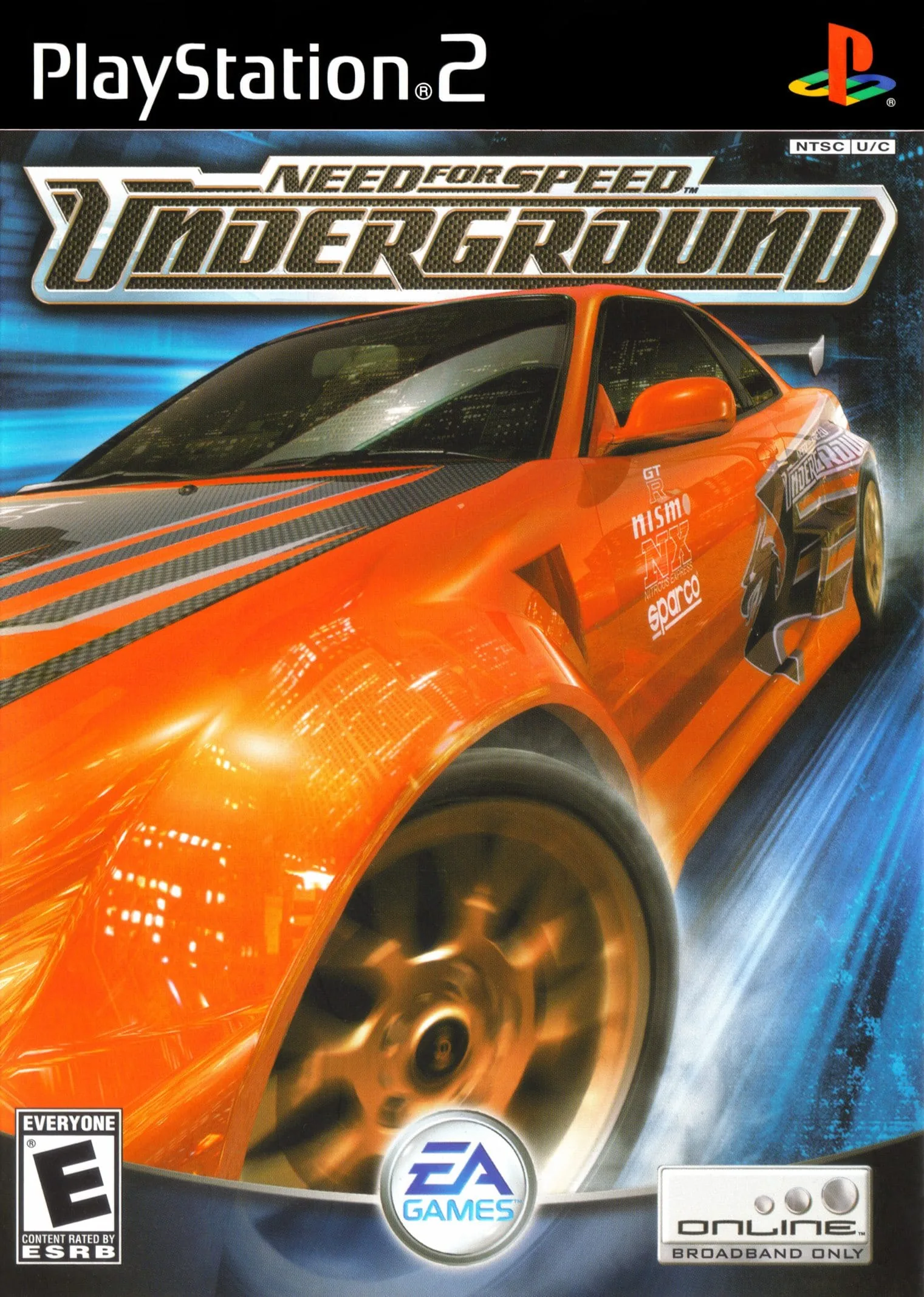
- Developer: EA Black Box
- Release Date: November 17, 2003
Inspired by The Fast and the Furious craze, Need For Speed: Underground took a series that had been dabbling in exotic supercars and cop chases and completely pivoted into a gritty, street-level racing scene. More than just fast cars, this was about style. Endless combinations of body kits, custom rims, and performance upgrades transformed modest daily drivers into lethal racing machines. The game introduced high-octane Drag Races and slick Drift Events where sliding millimeters past concrete barriers earned massive point multipliers. Music in racing games rarely gets talked about enough, but the licensed soundtrack featuring Lil Jon, FC Kahuna, and The Crystal Method nailed the vibe so hard it basically became inseparable from the gameplay itself.
Why It’s Worth Playing: Few racing games capture an era quite like Need For Speed Underground. Its customization depth, unforgettable soundtrack, and street-racing atmosphere give it a legacy that punches way above its actual gameplay complexity. It’s a high-octane time capsule of early-2000s car culture, dripping in attitude and authenticity that still feels slick today.
TOCA Race Driver 3
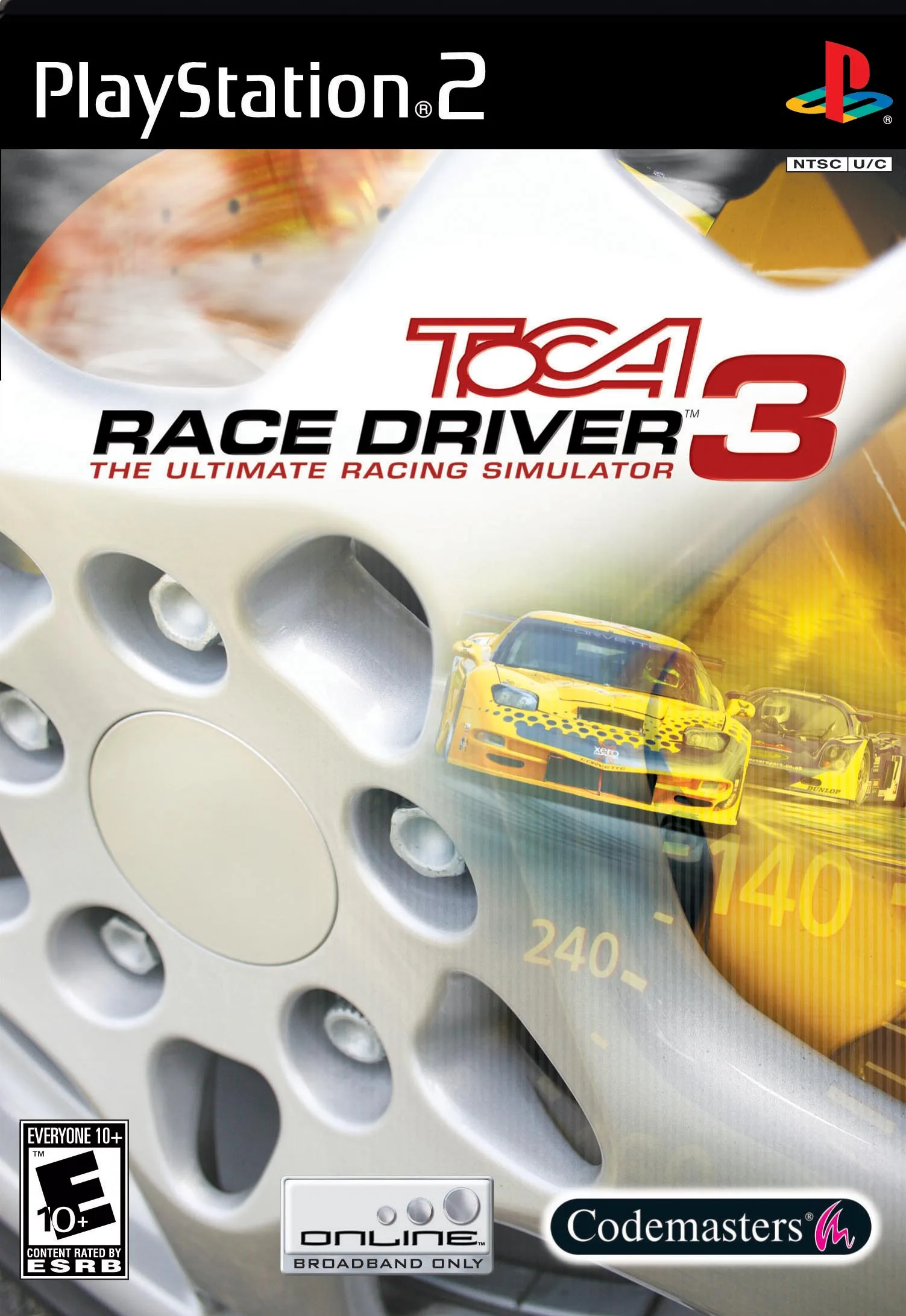
- Developer: Codemasters
- Release Date: February 21, 2006
TOCA Race Driver 3 throws out single-tier racing tropes to give you a sprawling buffet of everything from touring cars to trucks to open-wheelers without ever making the transition feel jarring. The comprehensive World Tour Mode guides your career path with crisp cinematic cutscenes, keeping your motivation high. You master everything from British Touring Cars and V8 Supercars to lawnmower endurance runs. Codemasters also integrated an unforgiving mechanical damage system that actually meant something. Over-rev your engine, and you might drop transmission oil all over the track while watching white smoke billow out of your hood. High-speed collisions tore off body panels, bent suspensions, and shattered windshields, ensuring every aggressive overtake carried genuine risk.
Why It’s Worth Playing: TOCA Race Driver 3 remains the ultimate buffet for motorsport enthusiasts who crave variety without sacrificing realistic physics. Its unmatched discipline count, brutal damage modeling, and deep career modes make it an absolute essential for your PS2 collection. If you want a racing game that never lets you get too comfortable in one lane, this one’s an underrated must-play.
Downhill Domination
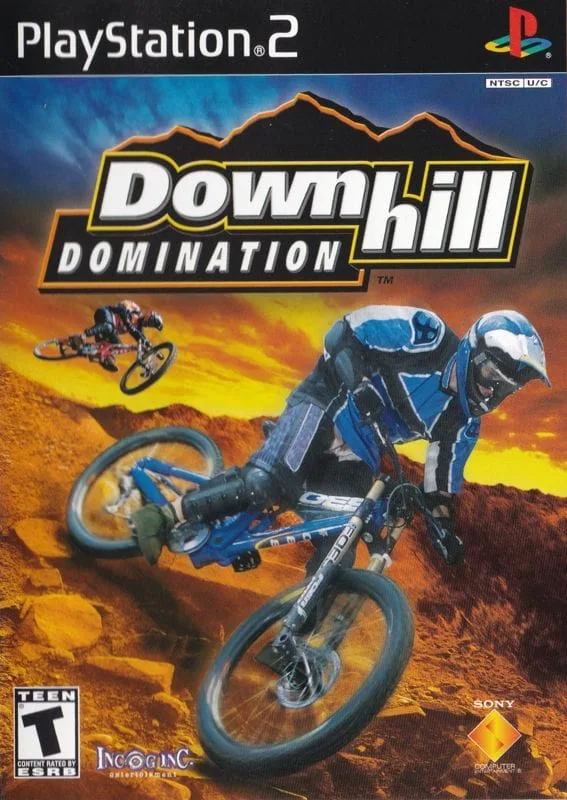
- Developer: Incog Inc. Entertainment
- Release Date: July 22, 2003
Downhill Domination is genuinely insane combat racer that drops you onto treacherous mountain slopes at breakneck speed, where survival is just as important as finding the fastest line. What made this one stand out was how aggressively physical it let you get. Ever wanted to punch a rival racer directly off their bike mid-descent? Downhill Domination said “sure, why not”, and lets you shove, throw hands, and knock rivals clean off their bikes while barreling down a mountainside. The tracks feature staggering verticality, plunging thousands of feet through dense forests, muddy hiking trails, and urban construction zones. With a roster of colorful original riders alongside real-world pros like Brian Lopes and Tara Llanes, this extreme sports racer is all about aggressive biking, over-the-top tricks, and brutal physics.
Why It’s Worth Playing: Downhill Domination carved out a genuinely unique niche by combining mountain bike racing with brawler-style combat, resulting in something that felt like nothing else on the PS2. Its aggressive tone, punchy soundtrack, and inventive combat system give it a personality that's aged surprisingly well. If you ever wanted to experience SSX on two wheels, this is as close as it gets.
ATV Offroad Fury 2
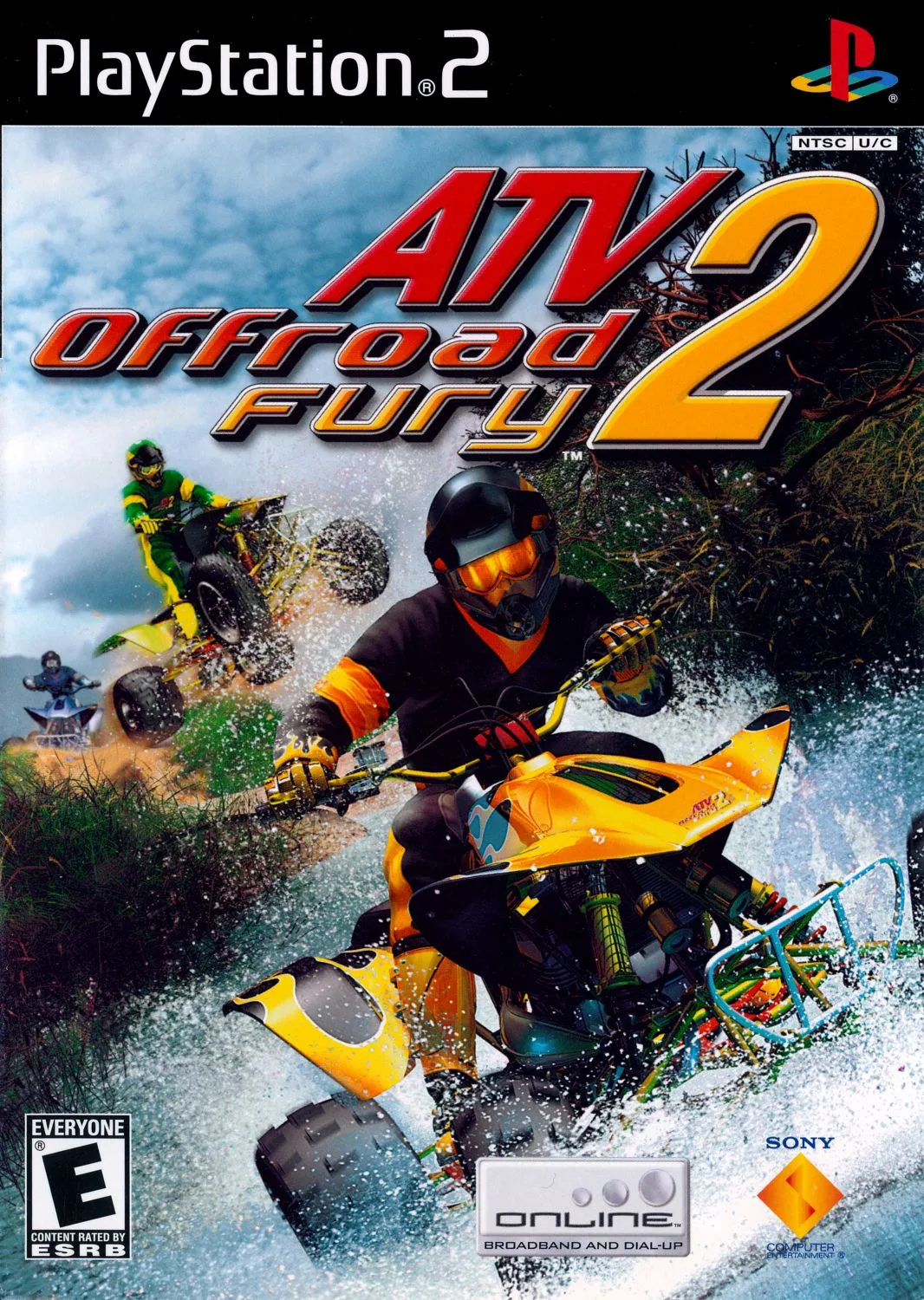
- Developer: Rainbow Studios
- Release Date: November 9, 2002
Rainbow Studios doubled down on their quad-biking roots and delivered ATV Offroad Fury 2, an absolute monster of a sequel that dominated local multiplayer sessions. The game vastly refined terrain physics, making every mud pit, sand dune, and rocky incline demand instant throttle management. You could pull off insane pre-load jumps, mid-air Superman stunts, and nac-nacs while blasting a killer early-2000s alt-rock soundtrack. Remember the hilarious boundary-glitch in the open-world free-roam maps? If you drove straight into the edge of the world, the game literally catapulted your rider back into the middle of the map like a human cannonball. That hilarious quirk, combined with split-screen multiplayer chaos and addictive trick combinations, kept this disc locked in PS2 consoles for years.
Why It's Worth Playing: ATV Offroad Fury 2 nailed the perfect blend of accessible off-road racing and freestyle showmanship. Its massive trick variety, thrilling track designs, and nostalgia-inducing soundtrack still hold up as genuinely fun off-road racing, even decades later. If you want a racer that rewards recklessness as much as raw speed, this one still delivers that backyard-party energy in full.
Burnout 2: Point of Impact
- Developer: Criterion Games
- Release Date: October 03, 2002
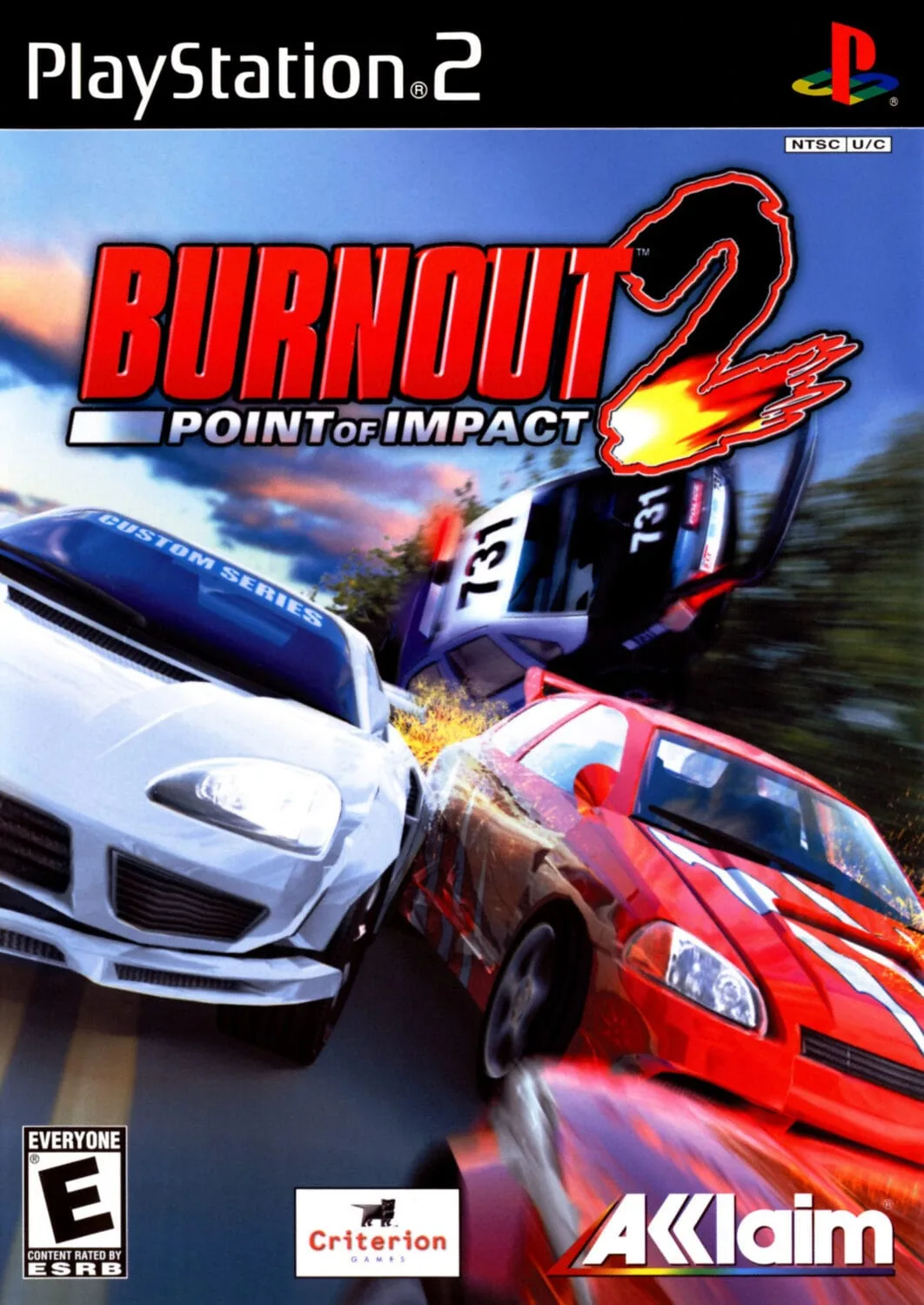
Burnout 2: Point of Impact took the raw foundation of the original title and polished it into a sparkling, adrenaline-drenched masterpiece. The big addition here was Crash Mode, which turned catastrophic pileups into a hilarious, high-score physics spectacle. You literally hurled pristine sports cars straight into busy intersections, calculated traffic velocity on the fly, and racked up millions in structural damage. Criterion Games also introduced an adaptive audio system that intensified the musical score whenever you triggered a full boost sequence. The sense of momentum felt terrifyingly fast, the controls were razor-sharp, and the silky-smooth 60-fps performance ensured that your eyes tracked every sudden lane shift with absolute clarity.
Why It’s Worth Playing: Burnout 2: Point of Impact is where the series truly found its identity, introducing Crash Mode and refining the boost-driven aggression that would define every entry after it. It’s all about near-misses, nitro boosts, and nerve-rattling crashes that somehow feel good. If you want to see the moment this series stopped being just another arcade racer and started becoming something genuinely special, start here.
Need For Speed: Hot Pursuit 2
- Developer: EA Black Box
- Release Date: October 08, 2002
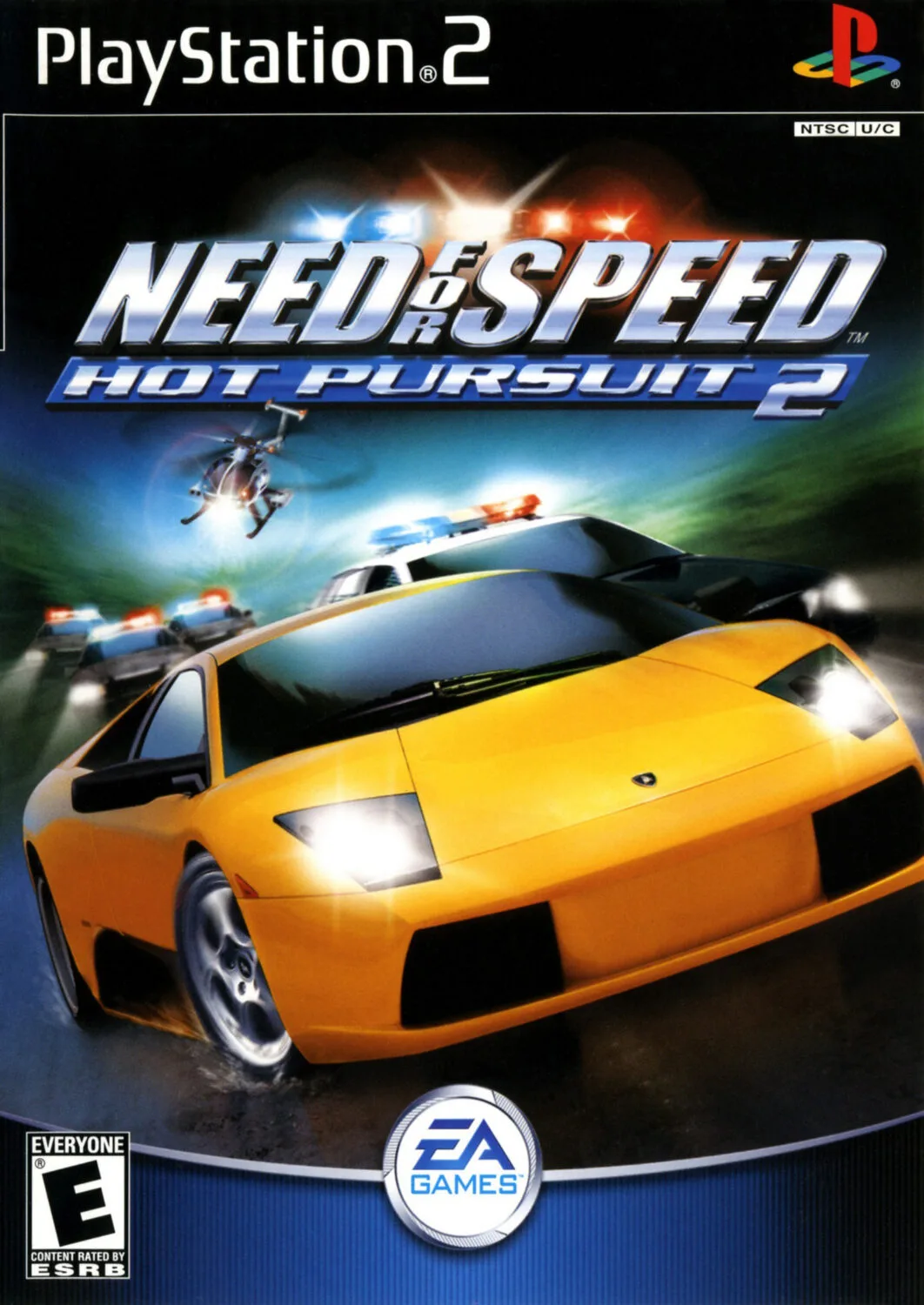
Before neon lights and tuner kits took over, Need For Speed: Hot Pursuit 2 delivered exotic cars, winding roads, and the thrill of being chased by the law. You could play as a daring street racer escaping aggressive law enforcement or jump behind the wheel of a high-powered interceptor to drop helicopter-launched explosive barrels directly onto fleeing suspects. The game’s vibrant tropical environments and roaring V12 engine sounds turned simple highway duels into epic cinematic set pieces, and the rock-heavy soundtrack makes every microsecond dodge past a barricade feel like a massive victory. The PS2 edition stood far above the other console versions, boasting superior vehicle physics, tighter track layout, and cinematic intensity.
Why It’s Worth Playing: Need For Speed: Hot Pursuit 2 laid the groundwork for everything the series would later perfect with Most Wanted, and it still holds up as a genuinely thrilling arcade racer on its own merits. The cop-versus-racer dynamic gives it replay value most straightforward racers can't match. If you love outrunning sirens with style, this is essential.
Auto Modellista
- Developer: Capcom
- Release Year: August 22, 2002
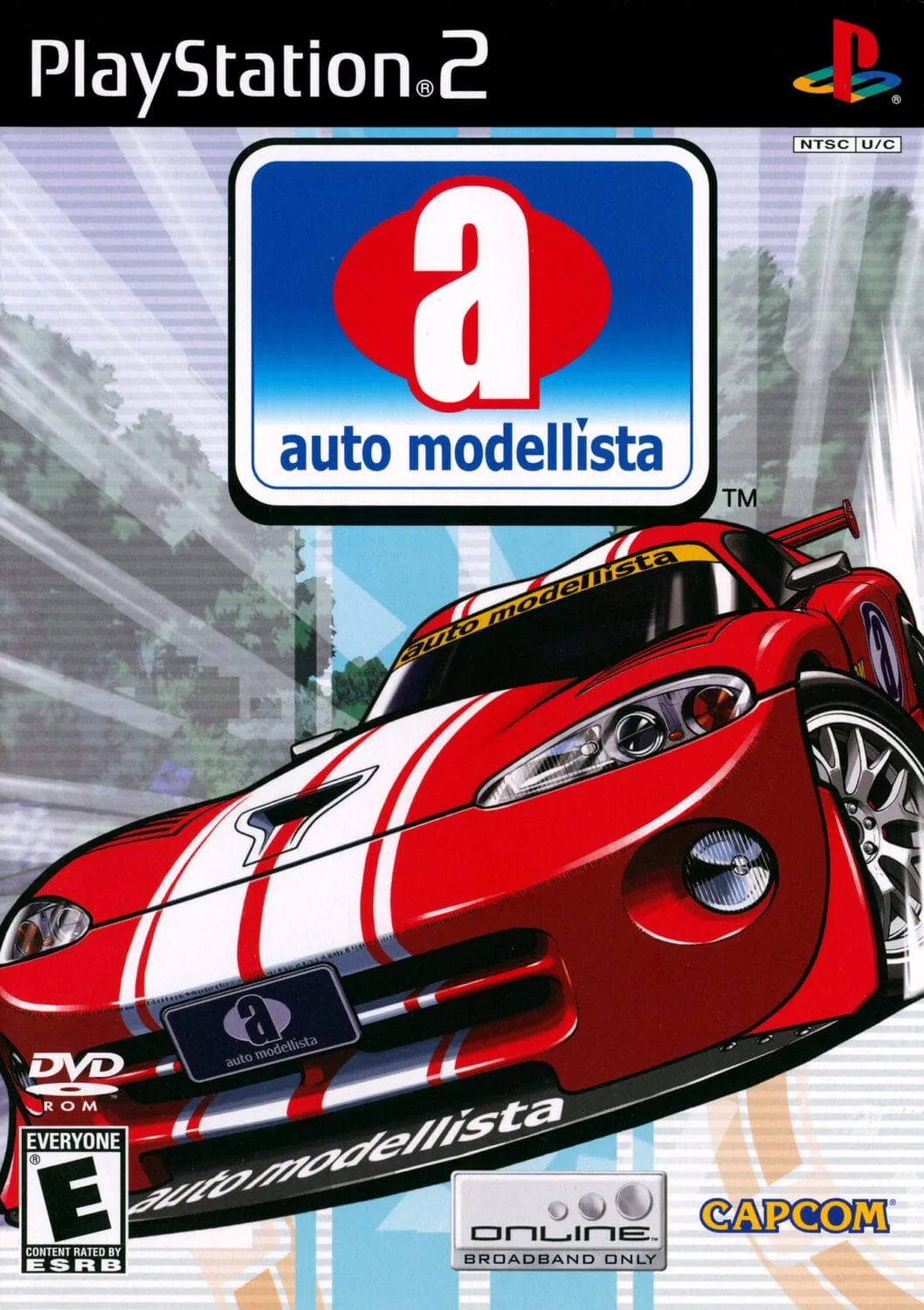
With vibrant cel-shaded visuals and anime-inspired presentation, Capcom’s Auto Modellista felt more like a playable manga than a traditional racer. The game lets you deck out your dream garage with posters, tools, and iconic Japanese tuner legends like the Mazda RX-7 and Toyota Supra. You weren’t just picking a car and racing—you were building something that felt genuinely yours, right down to livery details most games wouldn’t bother letting you touch. The game oozes unmatched 2000s attitude through its bold cel-shaded artwork and energetic jazz-fusion soundtrack. While its floaty handling takes some serious patience, the sheer aesthetic brilliance keeps your eyes glued to the screen.
Why It’s Worth Playing: Auto Modellista proved that racing games didn't need to chase realism to feel fresh and memorable. Its distinct art style alone makes it worth revisiting,but the deep customization and soundtrack gives it real staying power beyond the novelty factor. For players who appreciate unique aesthetics and don’t mind a looser, more arcade-style feel, this is a cult hit worth taking for a spin.
Jak X: Combat Racing
- Developer: Naughty Dog
- Release Date: October 18, 2005
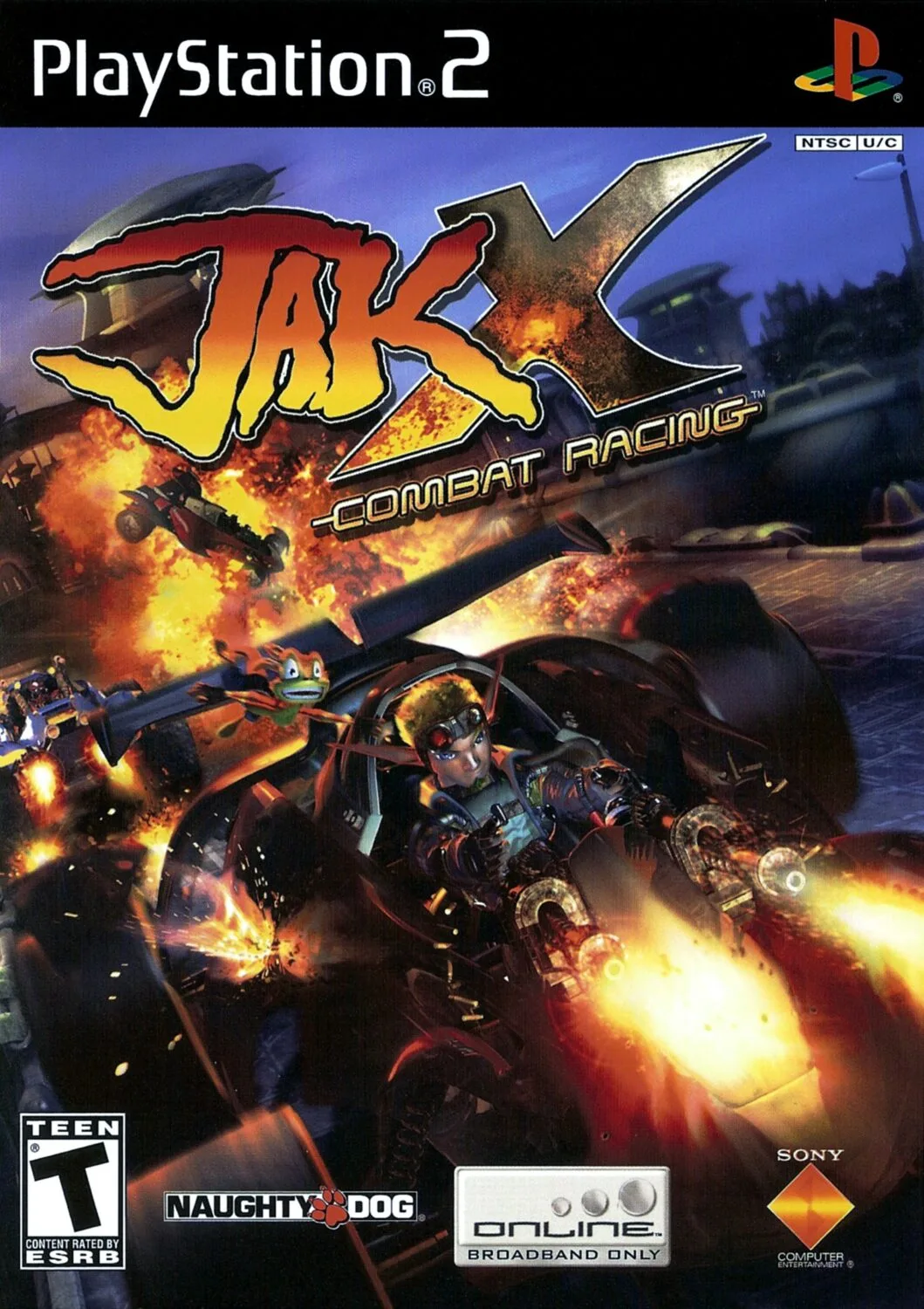
After conquering the platforming world, Naughty Dog threw a curveball with Jak X: Combat Racing—a gritty, explosive spin-off that felt like Mad Max had crashed into a kart racer. Based right after the events of Jak 3, the game seamlessly weaves Eco-powered weaponry into high-speed circuit racing. Yellow Eco unleashes front-facing missiles and gatling guns, Red Eco drops rear mines, and Blue Eco feeds your turbo meter for ludicrous acceleration. Beyond the tight handling and blistering frame rate, the customization options were astonishingly deep for a combat racer. You could tweak performance stats, bolt on aggressive armor plating, and unlock a massive roster of iconic series characters.
Why It’s Worth Playing: Jak X: Combat Racing is a surprisingly deep and satisfying combat racer that proved that a beloved platforming series could pivot into an entirely different genre without losing what made it special in the first place. With RPG-style upgrades, chaotic multiplayer, and that unmistakable Naughty Dog polish, it’s an essential title for fans of the franchise or anyone craving carnage with their competition.
Tokyo Xtreme Racer 3
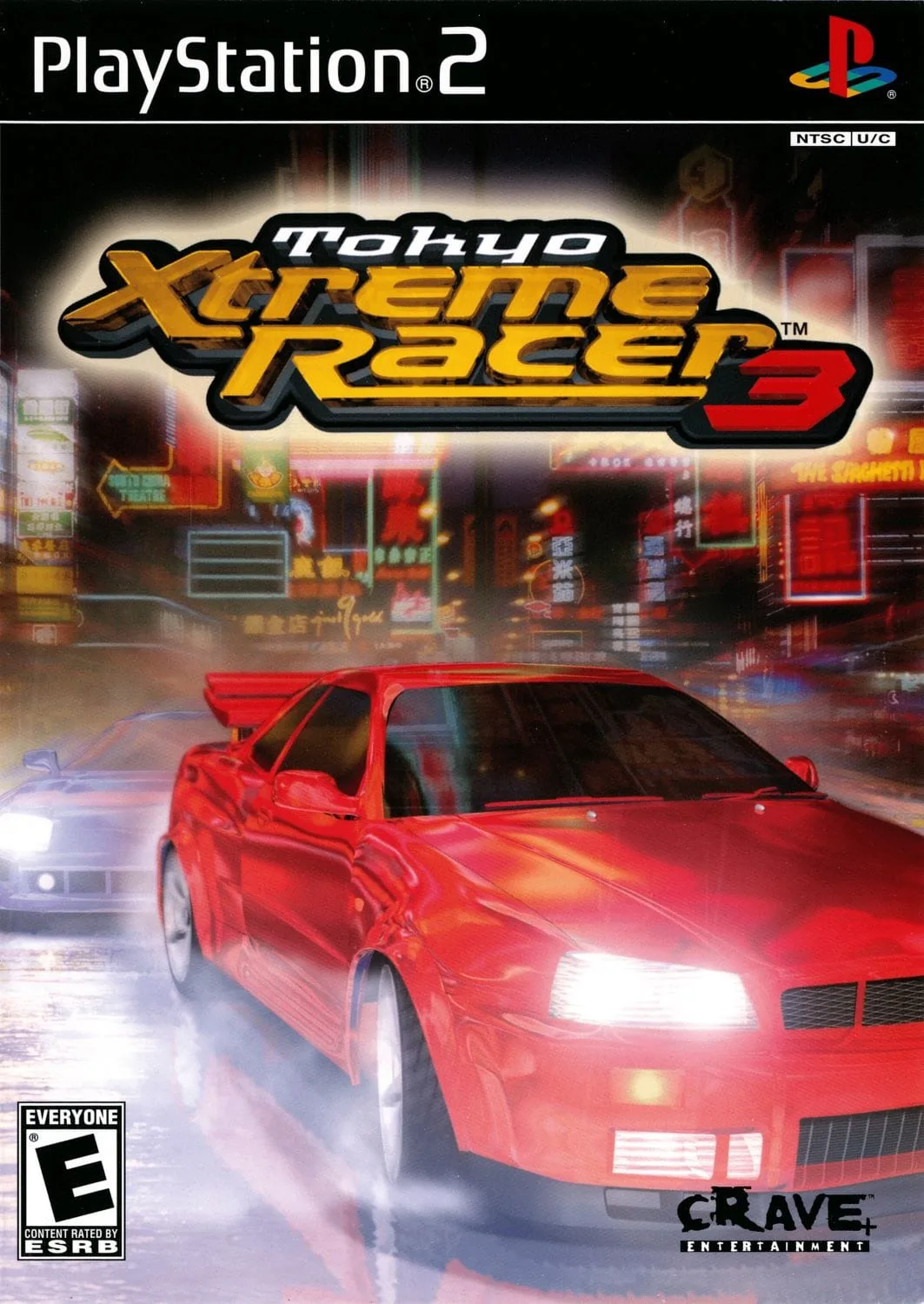
- Developer: Genki
- Release Date: July 24, 2003
Tokyo Xtreme Racer 3 (known in Japan as Shutokō Battle 01) took the underground street scene and turned it into an addictive, high-speed RPG on wheels. Unlike standard circuit racers, TXR3 relies on the iconic SP (Spirit Points) system. Instead of racing toward a traditional finish line, your duel acts like a fighting game: pulling ahead drains your opponent’s health bar until one of you breaks. The game stepped up its authenticity over previous entries by securing official licenses for Japanese legends like the Nissan Skyline GT-R, Toyota Supra, and Mazda RX-7. With over 600 unique rivals to track down—each with distinct spawn conditions, rivalries, and driving personalities—the sheer depth of Japanese highway racing culture on display was astonishing.
Why It’s Worth Playing: Tokyo Xtreme Racer 3 is the ultimate highway battle simulator of the 128-bit era. Its tense SP health-bar racing, accurate real-world Japanese expressway networks, and deep tuner roster deliver an unbeatable late-night vibe. If you've got any appreciation for JDM culture or touge-style highway racing, this cult classic is absolutely worth seeking out.
MX vs ATV: Unleashed
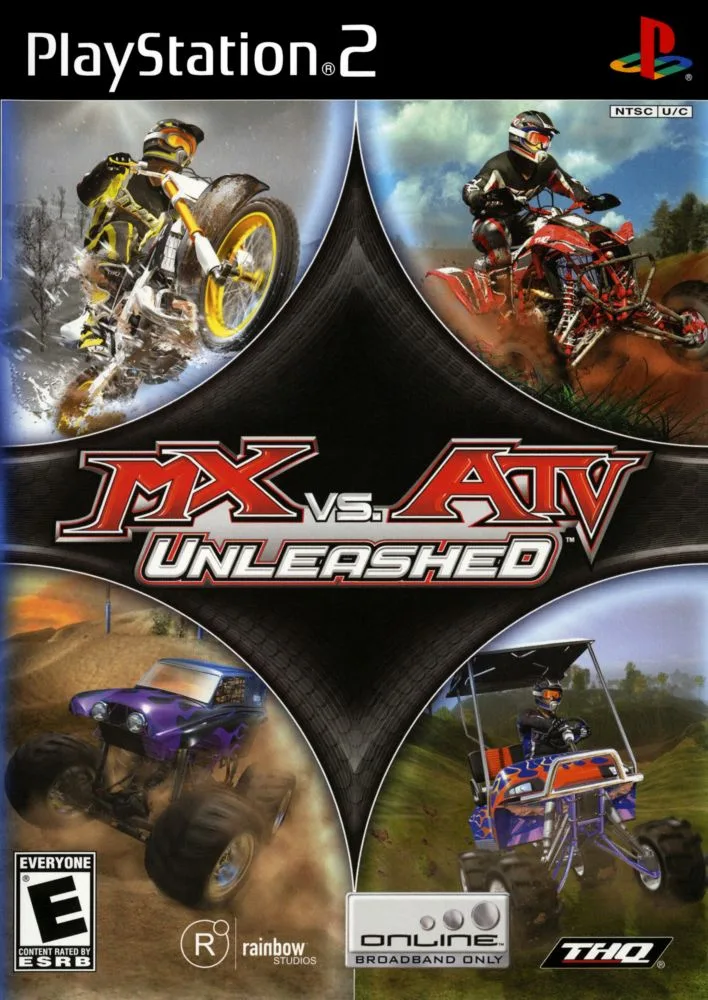
- Developer: Rainbow Studios
- Release Date: March 16, 2005
Rainbow Studios took everything they learned from MX Unleashed and ATV Offroad Fury to create MX vs ATV: Unleashed, the absolute pinnacle of high-flying off-road racing. The game threw open the vehicle roster to hilarious heights, letting you race monster trucks, dune buggies, golf carts, and even stunt biplanes alongside traditional bikes. The refined clutch-boost mechanic and suspension physics made pre-loading jumps and timing rhythm sections wildly satisfying. You could pull off elaborate stunt combinations using the intuitive dual-analog controls while competing in Supercross, Nationals, and chaotic Hill Climb events. With a killer soundtrack featuring alt-rock and punk anthems from Shinedown and Papa Roach, it delivered non-stop adrenaline from start to finish.
Why It's Worth Playing: MX vs ATV: Unleashed successfully merged two off-road racing disciplines into a single, genuinely dynamic package that felt fresh rather than gimmicky. Its mixed-vehicle racing and expansive Free Ride mode gave it staying power well beyond a typical structured career mode. If you've ever wanted to settle the dirt bike versus ATV debate for yourself, this game lets you do exactly that.
Enthusia Professional Racing
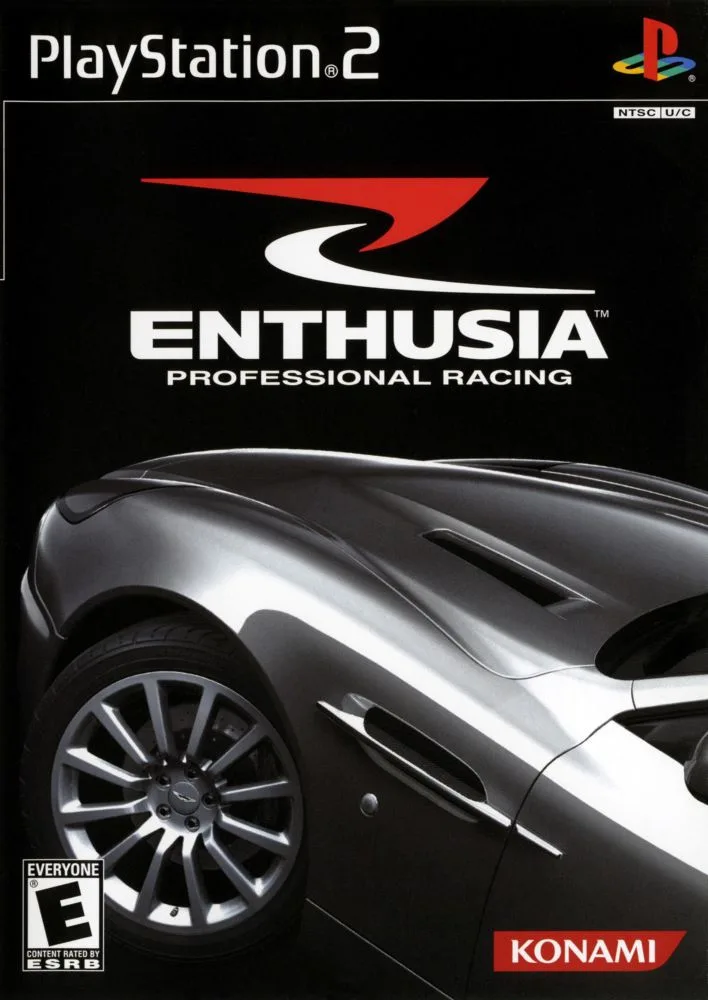
- Developer: Konami
- Release Date: March 17, 2005
Enthusia Professional Racing is that one racing sim everybody sleeps on, and for the PS2, wears that crown pretty comfortably. The game introduced the Visual Gravity System (VGS), a unique HUD element that mapped weight transfers and tire g-forces in real time. It gave force-feedback style physics feedback directly onto your television screen. Instead of traditional campaign progression, the career mode—known as Enthusia Life—blended driver skill leveling with a notoriously randomized car unlock system. While that slot-machine reward loop caught some criticism, taking its 200+ licensed vehicles out onto technical mountain passes felt incredible.
Why It’s Worth Playing: Enthusia Professional Racing remains a genuinely ambitious sim that prioritized driving craft over spectacle. Its innovative Visual Gravity System provides unprecedented feedback on chassis dynamics, forcing you to respect weight distribution on every corner. If you're a sim purist who somehow missed this one the first time around, this is the hidden gem you’ve been looking for.
Ridge Racer V
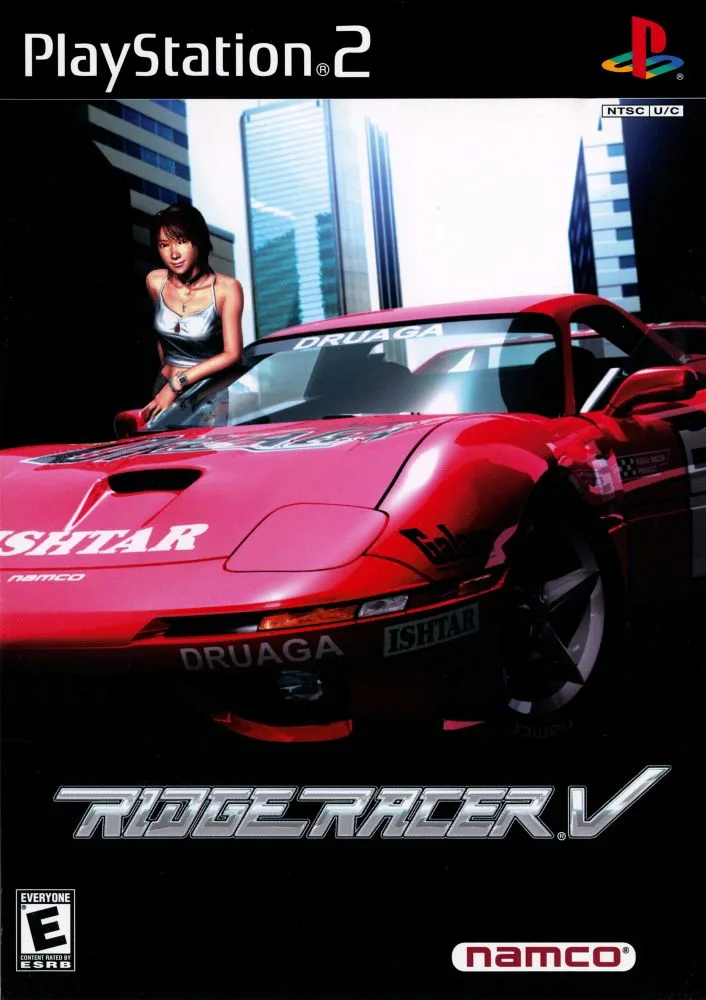
- Developer: Namco
- Release Date: March 04, 2000
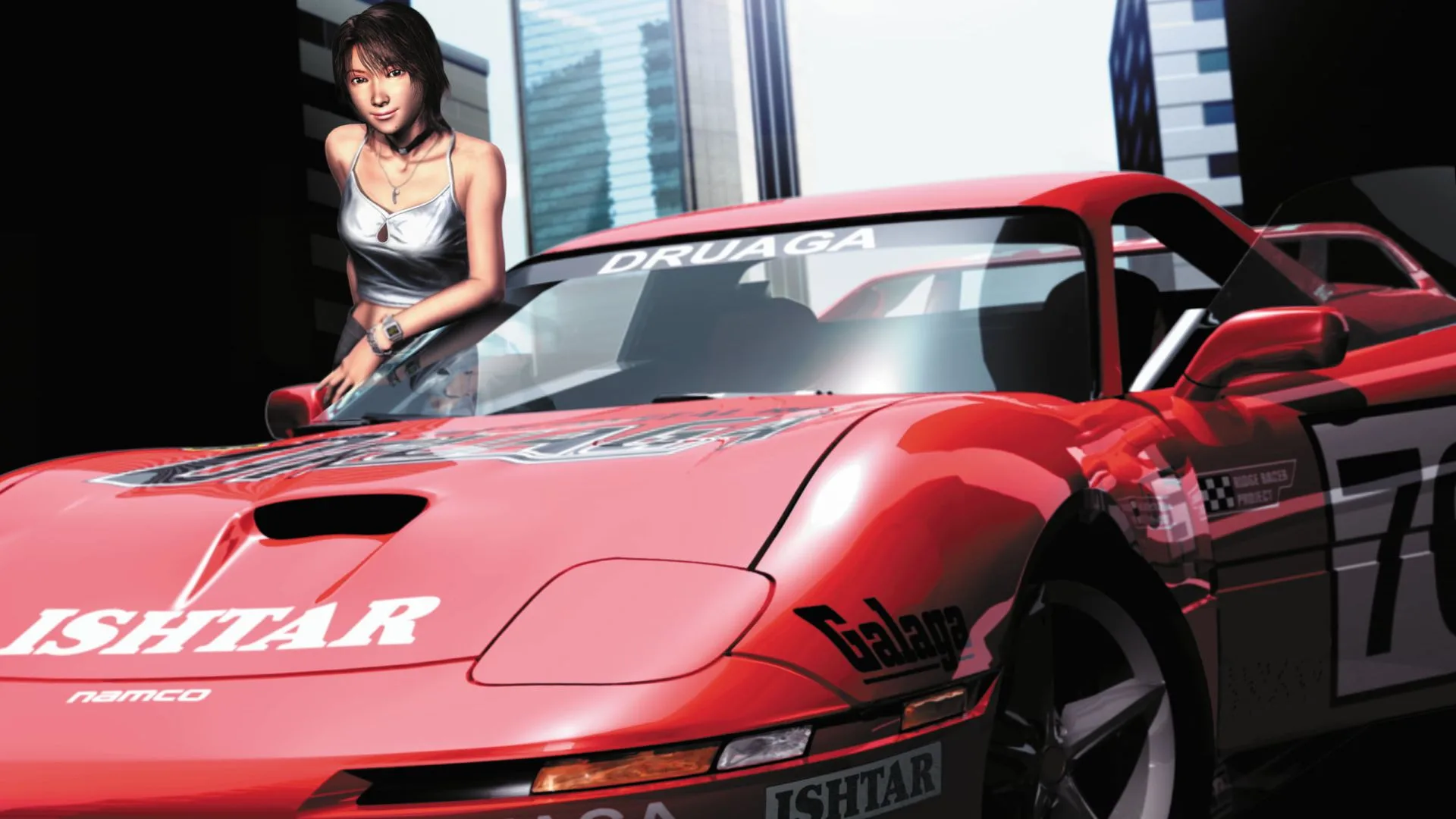
Namco brought their premier arcade franchise to the PlayStation 2’s launch lineup with Ridge Racer V, a game that immediately show off what the console was capable of. The handling threw real-world physics out the window in favor of gloriously absurd sideways slides. You could throw a high-end sports car into a 90-degree turn at 160 mph, tap the brakes once, and glide effortlessly around the apex of Ridge City. While the game stayed true to its arcade cabinet roots with a leaner track list, the intense Grand Prix mode and aggressive AI kept the competition razor-sharp. Combined with an unforgettable soundtrack featuring Boom Boom Satellites and Namco’s in-house beatmakers, it was an irresistible celebration of pure speed.
Why It's Worth Playing: Ridge Racer V is a legendary PS2 launch title that perfectly captures the golden age of arcade drifting. Its buttery-smooth frame rate, timeless synth-heavy soundtrack, and addictive slide. Its drift-centric handling and infectious energy still make it a genuinely fun pickup, even decades removed from its launch-title status. If you want to experience exactly how the PS2 era kicked off, this is the game that started it all.
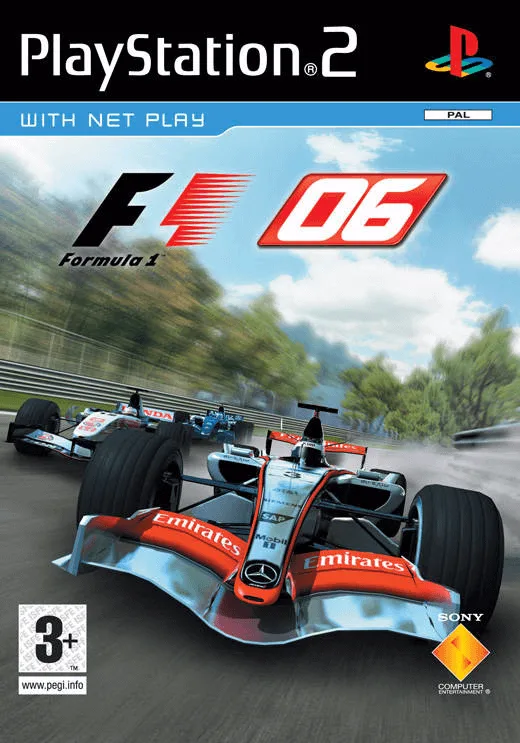
Formula One 06
- Developer: SCE Studio Liverpool
- Release Date: July 28, 2006
By the time Formula One 06 rolled around, the PS2 was already an aging console—but that didn’t stop Studio Liverpool from delivering one of the most polished F1 sims of the entire generation. The game faithfully recreated the 2006 FIA Formula One World Championship, featuring every official driver, team, and circuit from Fernando Alonso’s iconic title-defending season. The dynamic weather transitions and authentic cockpit camera angles made every 200-mph straightaway feel thrillingly hazardous, and the agressive AI drivers required you to maintain peak concentration across full race distances. It also had an impressive Career Mode, forcing you to earn your stripes as a humble test driver for lower-tier outfits like Super Aguri before landing top-tier contracts.
Why It’s Worth Playing: Formula One 06 stands as one of the most complete, authentic F1 experiences the PS2 ever produced, standing as a fitting farewell to Studio Liverpool's PS2 F1 legacy. It combines authentic car telemetry, thrilling dynamic weather, and intense season career depth into one complete package. If you've got any love for motorsport strategy and want a racer that rewards patience as much as raw speed, this one's absolutely worth digging up.
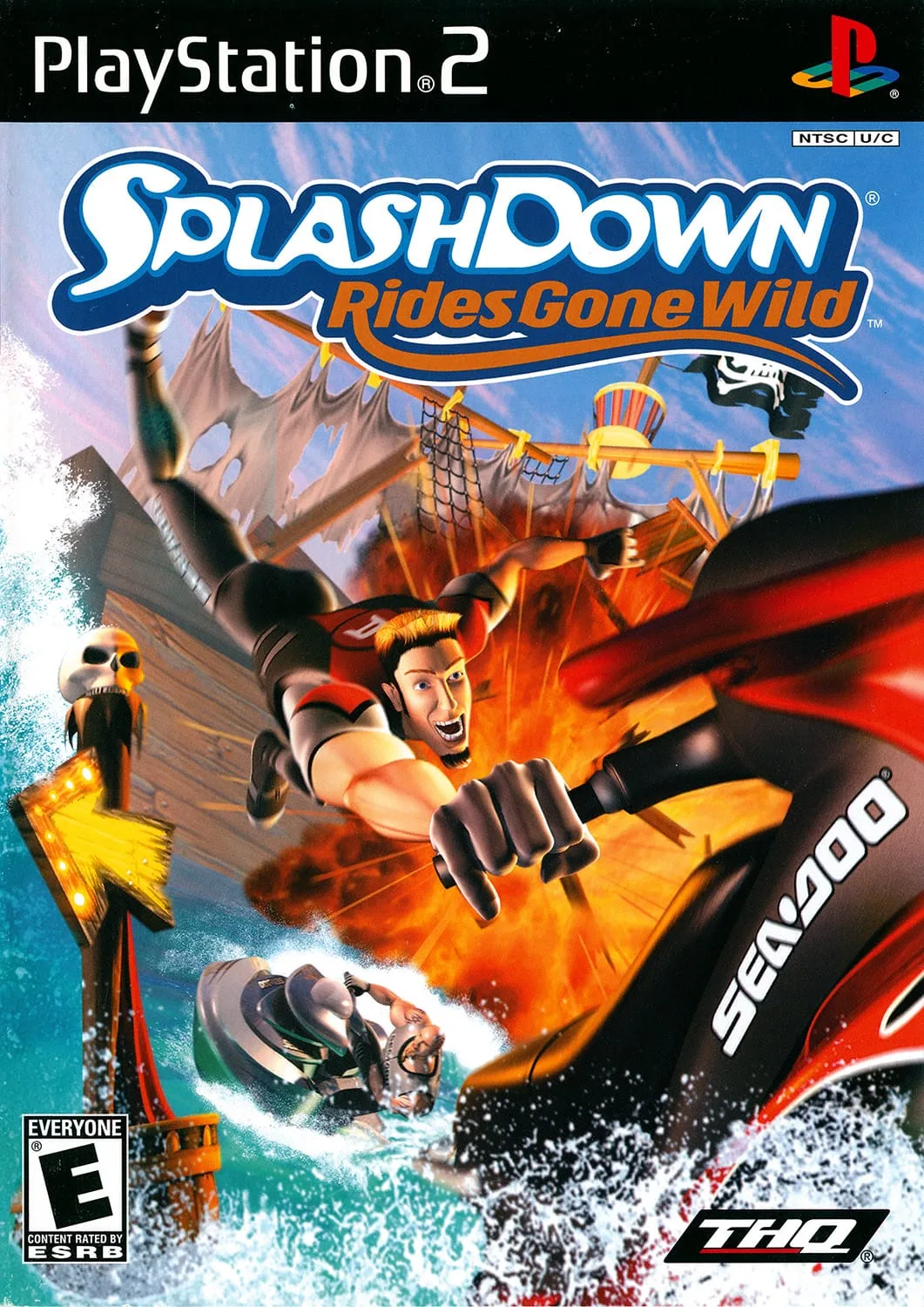
Splashdown: Rides Gone Wild
- Developer: Rainbow Studios
- Release Date: October 17, 2003
Splashdown: Rides Gone Wild took the foundation of the original Splashdown and added dynamic, theme-park-style destruction that felt like Wave Race after chugging three cans of Monster. The game’s standout achievement is its dynamic fluid physics engine, which forces you to read individual wave crests and troughs in real time to maintain maximum speed. Mastering the Stunt Meter allowed you to pull off ridiculous, gravity-defying aerial tricks off massive ramps to keep your turbo reserves filled. From haunted swamps and prehistoric lagoons to Hollywood backlots and wild west canyons, each track is dripping with personality and clever visual gags. And with a physics system that’s floaty yet responsive, carving through waves and launching off ramps feels legitimately thrilling.
Why It's Worth Playing: Splashdown: Rides Gone Wild is one of the most uniquely creative watercraft racers ever put on a disc. It's that rare arcade racer that combines mind-bending, shape-shifting course design with top-tier water physics and hilarious arcade stunts.. Whether you’re chasing lap times or just pulling off ridiculous mid-air flips, this one's a splash hit.
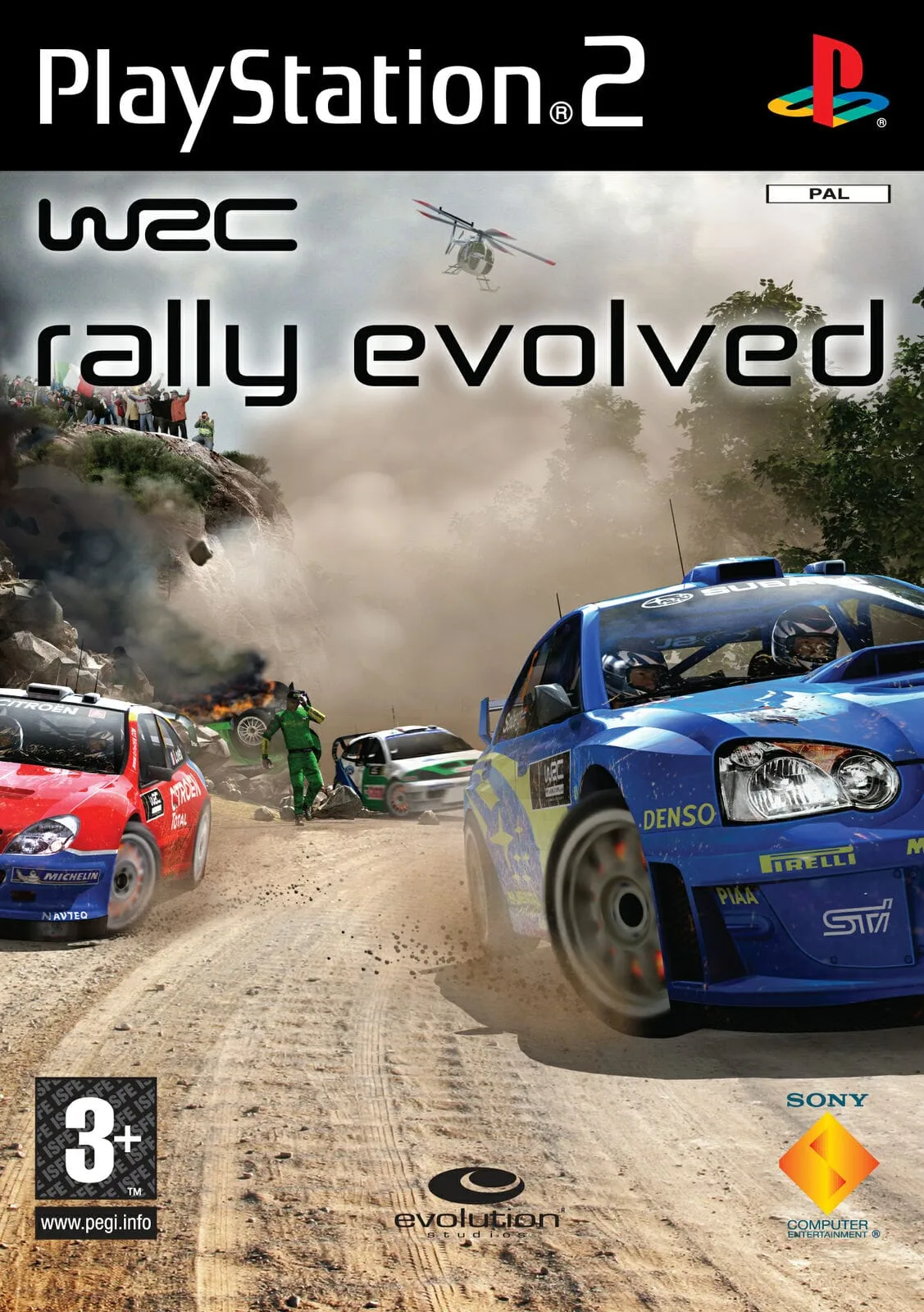
WRC Rally Evolved
- Developer: Evolution Studios
- Release Date: October 28, 2005
WRC Rally Evolved took standard off-road rally racing and turned into a brutal survival test by introducing dynamic environmental hazards that made you sweat through every single run. The game’s groundbreaking dynamic event system meant no two runs through a stage were ever identical. Rocks would slide down mountain slopes, local wildlife would cross narrow dirt paths, and dense fog would suddenly envelope tight cliffside tracks. You had to rely heavily on your co-driver’s frantic pace notes while wrestling realistic weight distribution across treacherous gravel, ice, and mud. The dynamic deformation physics and visual damage modeling pushed the PS2 hardware to its absolute limits, leaving your rally car battered and mud-splattered by the finish line.
Why It’s Worth Playing: Still a standout in the rally subgenre, WRC Rally Evolved delivers raw intensity and environmental storytelling through gameplay. Its reactive track elements, superb car handling, and authentic rally atmosphere keep your heart pounding from start to finish. Fans of DiRT and modern rally sims will find its unpredictability refreshing—and brutally fun.
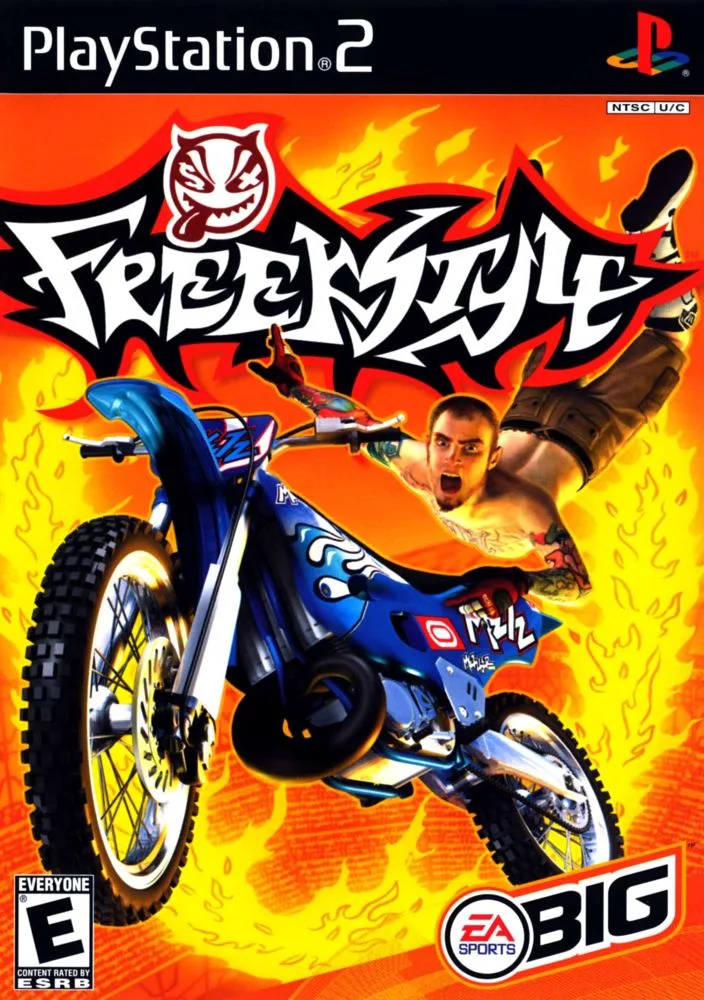
Freekstyle
- Developers: EA Redwood Shores, Page 44 Studios
- Release Date: June 18, 2002
Freekstyle isn’t your average dirt bike game; it’s a stunt-filled, high-flying, trick-heavy masterpiece that so many people missed out on. The game’s secret sauce is the legendary Freekout Meter. As you bust out outrageous trick combinations over massive dirt gaps, your meter fills up until you can activate full “Freekout” mode—yielding hyper-speed acceleration and ridiculous, gravity-defying trick animations. You’re constantly hunting for shortcuts, boosting off of ramps, and pulling off insane combos to earn boost and unlock new gear. The courses are absolutely bonkers, with vertical drops, insane jumps, and impossible loops that make every race feel like a fever dream. The controls are simple and intuitive, and the tight, weight-based steering made carving through dirt berms feel incredibly satisfying.
Why It's Worth Playing: For fans of arcade racers and extreme sports games, Freekstyle is a no-brainer. It’s a bold, confident title that proves EA Big was at the top of its game. The game's style is pure early 2000s attitude, and it's a nostalgic ride in the best way possible. It’s a perfect reminder that sometimes, the most fun you can have is just letting go and doing the impossible.
Shox
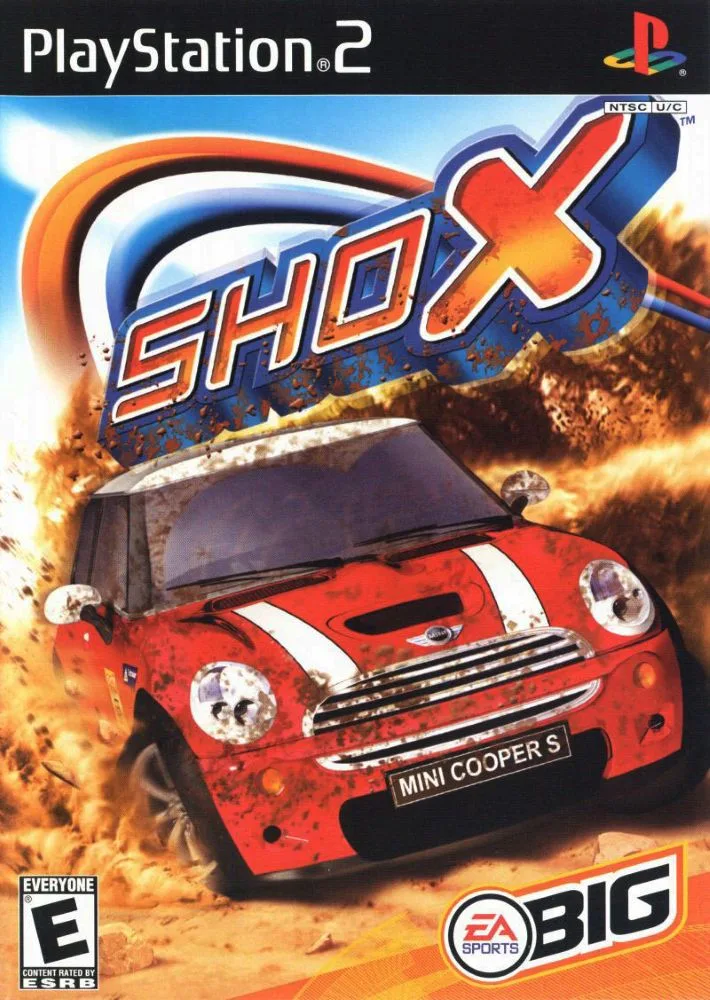
- Developer: EA UK
- Release Date: November 12, 2002
Shox is an under-appreciated off-road gem that traded the mud-caked world of rally racing and turned it into a hyper-stylized arcade casino on wheels. The game’s secret sauce was the ingenious Shox Zone system. Every track was divided into three designated timing sectors where beating a specific target time awarded instant cash payouts right in the middle of the race. It featured 24 licensed rally beasts—including legends from Subaru, Mitsubishi, and Ford—that deformed with satisfying visual damage when you clipped tire walls. The arcade handling let you throw 300-horsepower all-wheel-drive machines into absurd sideways drifts with zero effort. Combined with sleek visual effects, sparkling chrome filters, and an energetic soundtrack, it was a refreshingly unique take on dirt racing.
Why It's Worth Playing: While Shox never became a household name, but it delivered a genuinely solid combat racing experience that balanced weapons and actual driving skill better than a lot of its more famous competitors. Its addictive Shox Zone payout system and snappy dirt-sliding mechanics offer a fresh twist on classic arcade competition. If you're looking for combat racing that doesn't sacrifice handling for chaos, this one's absolutely worth a shot.
Tokyo Xtreme Racer Drift 2
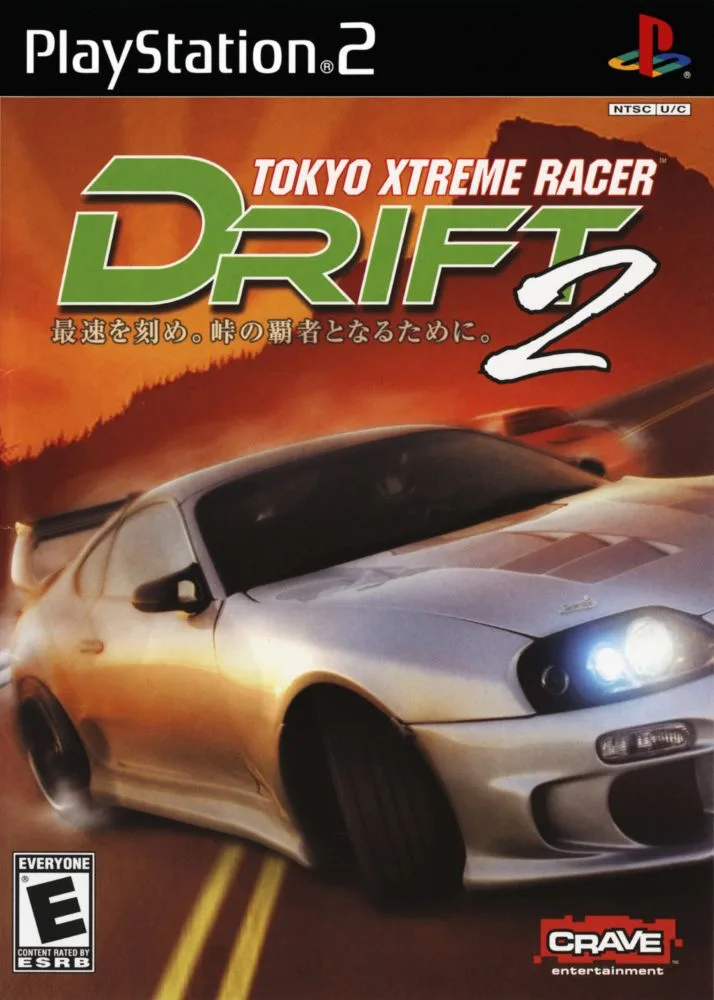
- Developer: Genki
- Release Date: July 28, 2005
Tokyo Xtreme Racer Drift 2 takes the high-stakes highway battles of their main series and transfer them to the narrow mountain passes of Japan, executed with a precision most racing games never even attempt. The game’s dynamic day-and-night structure shifted the gameplay rules completely. During the day, you competed in official, sanctioned drift tournaments to earn sponsorship cash and fan credibility. But once night fell, you hit the pitch-black mountain passes to challenge underground touge crews in high-stakes duels. With a massive roster of JDM legends—including classic Levin AE86s, Silvias, and Skylines—plus incredibly deep suspension and engine tuning, it stood out as an authentic love letter to Japanese drift culture.
Why It's Worth Playing: Tokyo Xtreme Racer Drift 2 delivers the definitive mountain touge experience with technical drift mechanics, deep JDM tuning, and an engaging day-night career structure. It's demanding, unforgiving, and deeply niche—but for anyone who genuinely appreciates touge culture or wants a racer that rewards finesse over raw speed, it's one of the most rewarding deep cuts the PS2 ever produced.
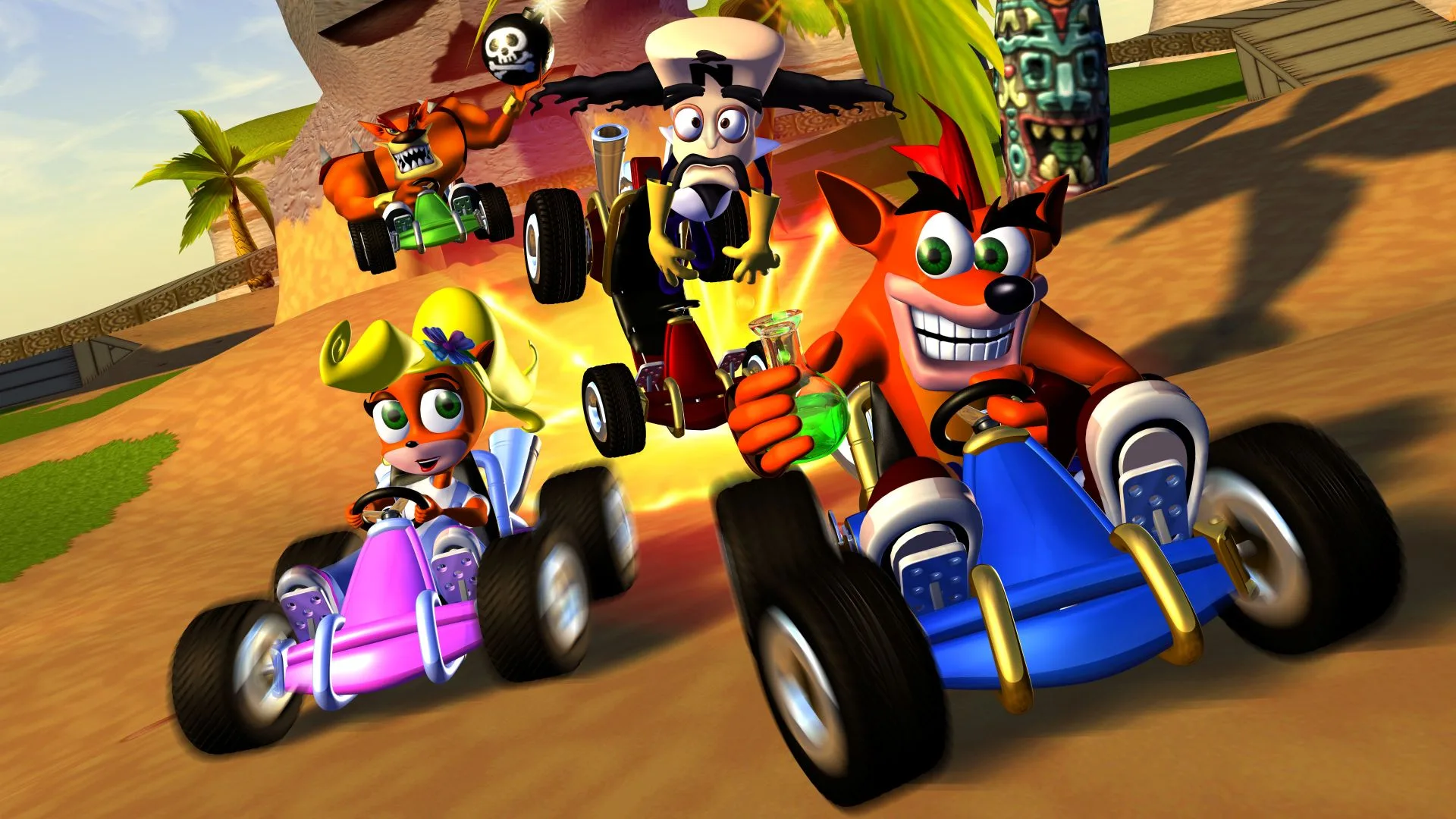
Crash Nitro Kart
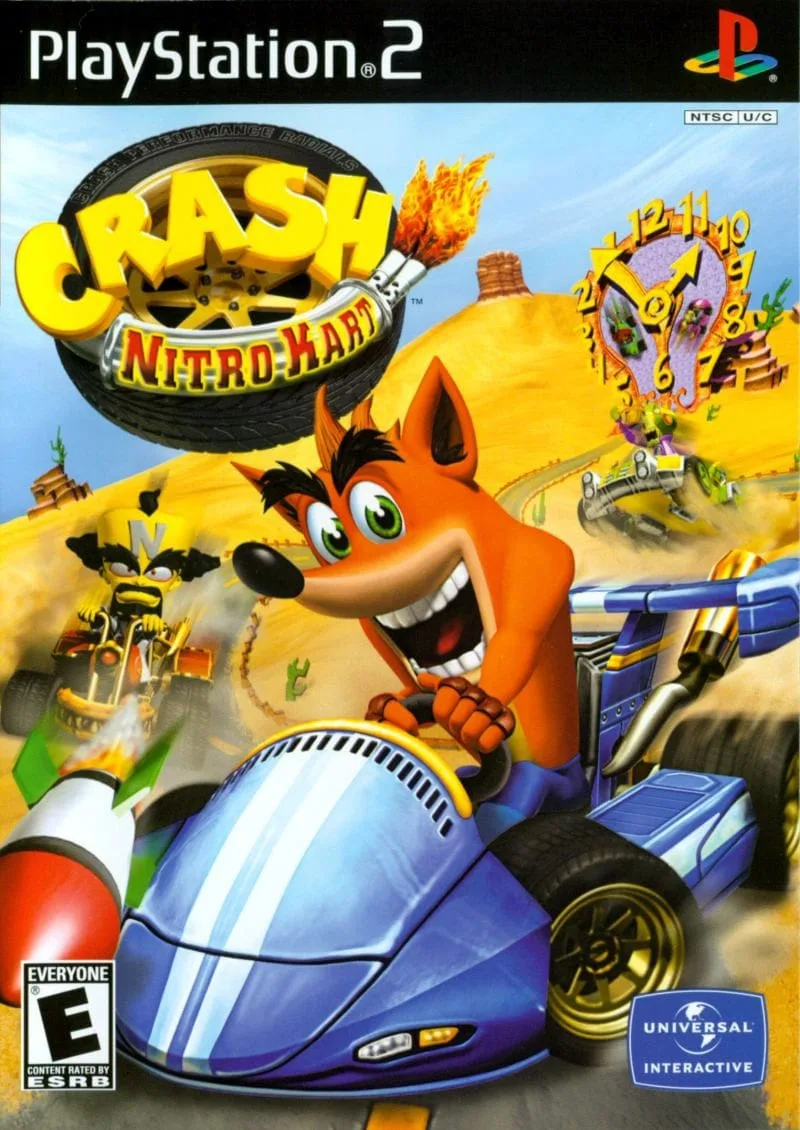
- Developer: Vicarious Visions
- Release Date: November 11, 2003
Crash Nitro Kart took the kart-racing charm that Crash Team Racing pioneered and delivered a solid, fun-packed ride that gave Nintendo’s plumber a serious run for his money. The big headliner here was the addition of anti-gravity track sections, which allowed karts to stick to walls, ceiling loops, and twisting corkscrews like a marsupial version of F-Zero. The iconic drift-boost system returned in all its timing-heavy glory—charge your power slide, hit the secondary button right when the boost gauge hits red, and rocket out of hairpins. Featuring a campaign with fully animated cutscenes, 16 playable characters split across rival teams, and a stacked arsenal of chaotic weapons, it hit all the nostalgic kart-racing notes.
Why It’s Worth Playing: Crash Nitro Kart preserves the tight, skill-indexed driving mechanics of its PS1 predecessor while introducing inventive anti-gravity tracks and vibrant visuals. It offers top-tier split-screen multiplayer chaos and a deep single-player campaign full of memorable boss battles. If you want a kart racer with a nostalgic mascot roster, this one still holds up as a genuinely solid pick.
Juiced
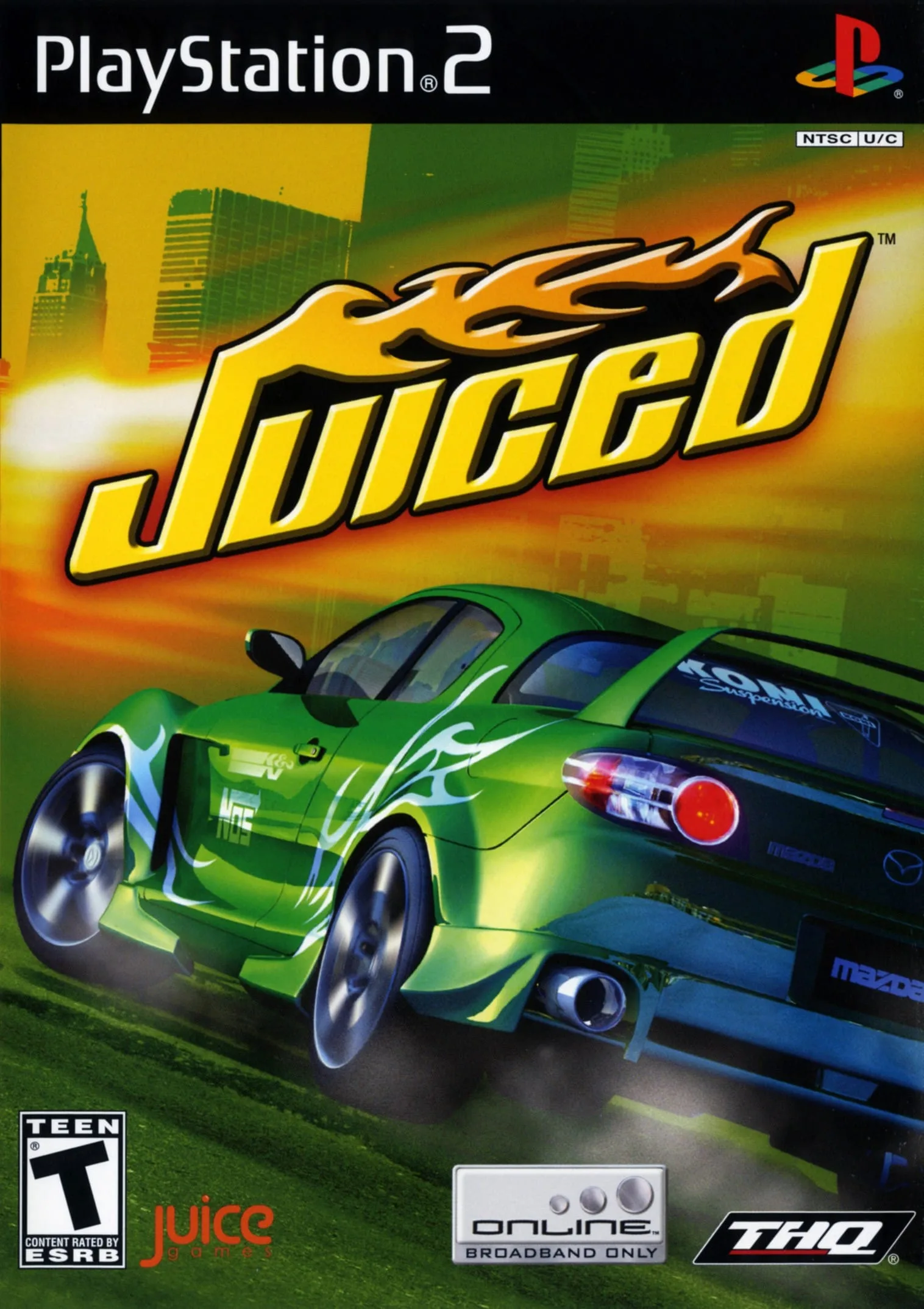
- Developer: Juice Games
- Release Year: June 13, 2005
While the tuner racing genre was already crowded in the mid-2000s, Juiced carved out its own identity with a unique blend of tuning culture and high-stakes betting. What made this game stand out was its Respect System. Rival crew leaders didn’t care about your flashy body kits unless you backed it up with clean driving, smart wagers, and legit engine upgrades. The customization suite was absolute heaven for tuner nerds, packing hundreds of real-world aftermarket parts, dyno tuning, and custom vinyl layouts. You could take a modest hatchback and rebuild it into a 700-horsepower street-demon capable of dominating Angel City. With realistic damage physics that made post-race repair bills severely hurt your wallet, every single race brought genuine tension.
Why It’s Worth Playing: Juiced injects high-stakes pink-slip gambling, crew management tactics, and serious mechanical realism into the street racing era. Its tense wagers, extensive vehicle customization, and unique respect mechanics give it a distinctive, hardcore edge. For players who wanted more tension and consequence in their street racing, this one's absolutely worth revisiting.
NASCAR 2005: Chase For The Cup
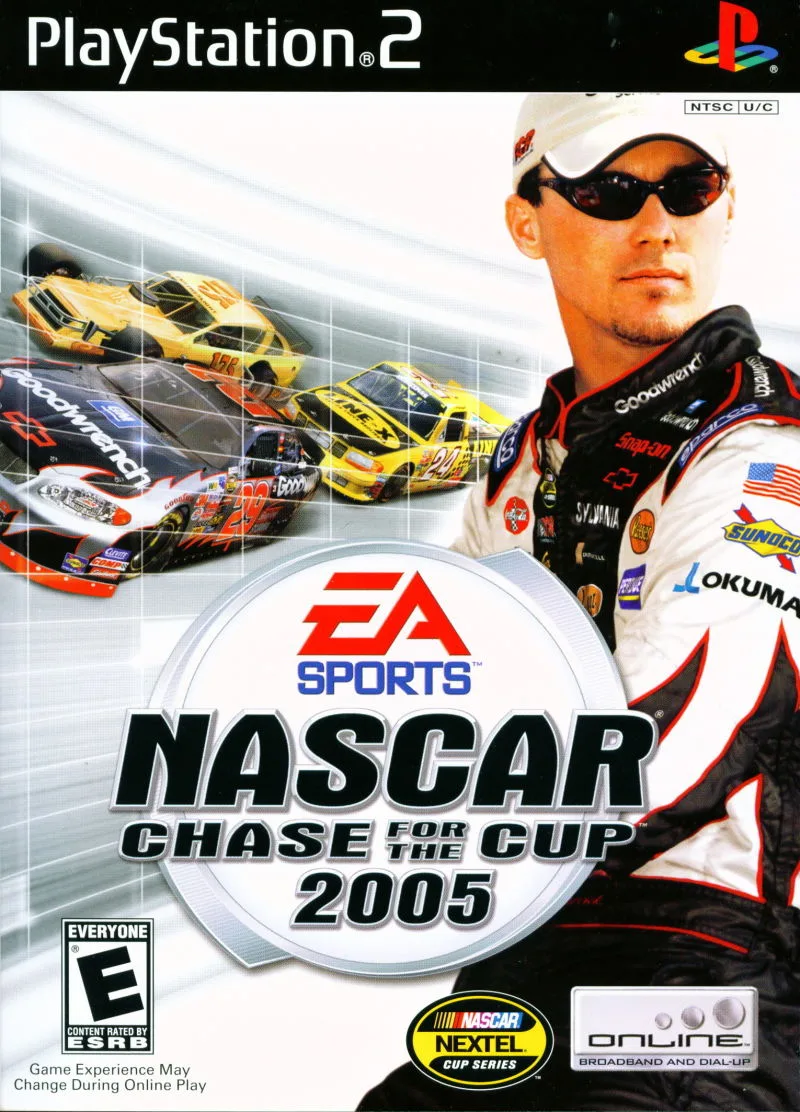
- Developer: EA Tiburon
- Release Date: August 31, 2004
NASCAR 2005: Chase For The Cup turned stock car racing into an intensely personal drama, letting you work your way up from gritty dirt tracks to the high-banked ovals of Daytona. EA Tiburon completely revolutionized the genre by adding the iconic Hero/Villain system, letting you intimidate rivals with a tap of a button until they cracked under pressure and hit the wall. The game broke free from oval-only constraints by introducing the sprawling Fight for the Top career mode. You didn’t just hop straight into Nextel Cup cars—you started out in modified open-wheel cars, worked your way through Craftsman Trucks and Busch Series vehicles, and eventually earned enough cash to buy out entire racing teams.
Why It's Worth Playing: NASCAR 2005: Chase For The Cup stands out as the ultimate stock car career simulator, blending deep motorsport progression with dramatic rival dynamics. Its dynamic Hero/Villain mechanics, deep career progression, and chaotic pack-racing physics deliver top-tier stock car thrills. Combined with a rockin' mid-2000s soundtrack and deep vehicle management, it remains a high watermark for motorsport games on the console.
Wipeout Fusion
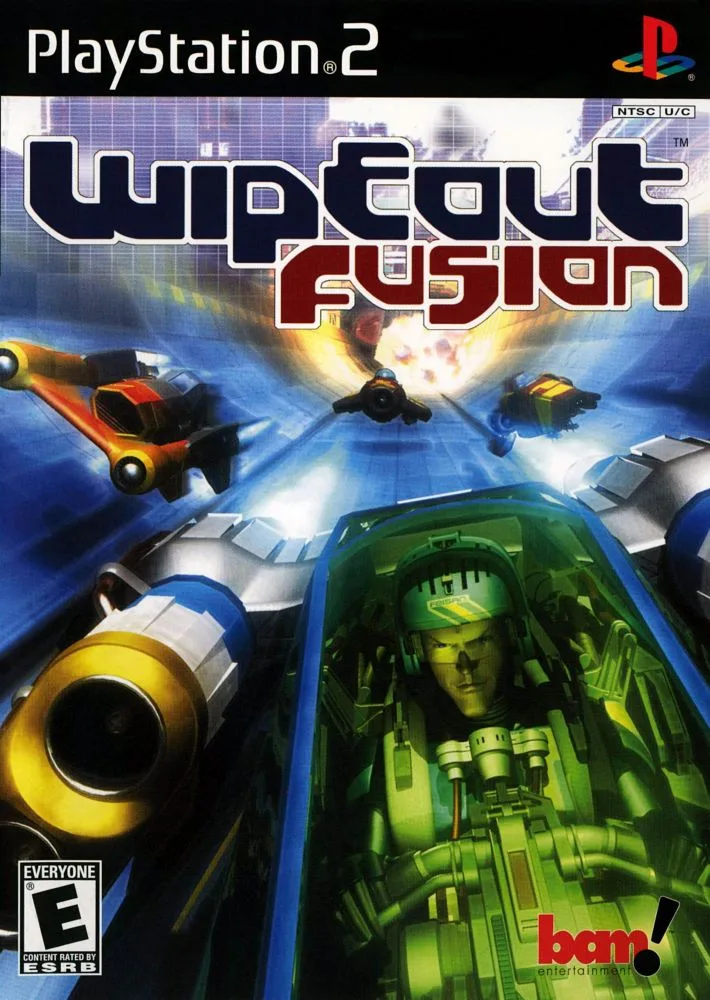
- Developer: Studio Liverpool
- Release Date: June 17, 2002
Wipeout Fusion brought the iconic futuristic racing franchise charging onto the PS2, melting our retinas with blinding 600 mph anti-gravity speeds and a booming electronic soundtrack. Set in the corporate-dominated future of 2160, Fusion introduced open-ended track layouts featuring secret shortcuts and treacherous off-road dirt sections. The campaign introduced a deep progression system, letting you spend race winnings to upgrade craft handling, shield strength, and weapon firepower. With a pounding electronic soundtrack featuring titans like The Chemical Brothers, BT, and Utah Saints, the game radiated pure early-2000s rave energy.
Why It's Worth Playing: While it's often considered the black sheep of the series, Wipeout Fusion brought the series' signature blend of blistering anti-gravity speed and tactical weapon combat to the PlayStation 2. With blistering speeds, destructive super-weapons, and an unmatched electronic soundtrack, this game is an essential play for futuristic racing fans.
Pac-Man World Rally
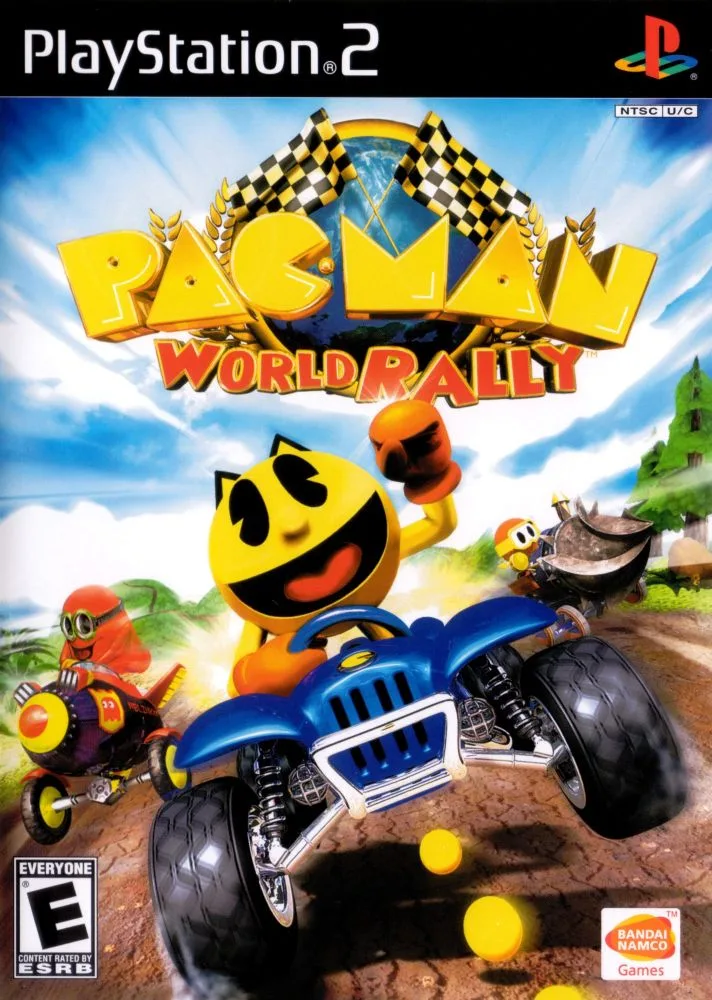
- Developer: Bandai Namco Games
- Release Date: August 22, 2006
Pac-Man World Rally proved that Namco’s iconic mascot could hold his own on the track, delivering a brightly colored, surprisingly fast-paced kart racer that felt right at home on the PS2. The gameplay brought a clever twist to standard mascot racing through the Pac-Man Transformation mechanic. By collecting classic Pac-Dots scattered around the track, your meter fills until you can turn into an invincible, giant Pac-Mobile that literally devours rival karts on contact. The tracks pulled heavily from classic Namco nostalgia, and the 15 playable characters spanned classic Bandai Namco properties—including Pooka from Dig Dug and Prince from Katamari Damacy. The handling was buttery smooth, featuring an intuitive drift-boost mechanic that kept the action fast and accessible for all skill levels.
Why It's Worth Playing: Pac-Man World Rally is a hidden-gem mascot racer that brings high-energy karting mechanics, great drift controls, and clever Pac-Man gameplay twists to the PS2. Its tight handling and power-ups that stayed faithful to Pac-Man's arcade roots make it an absolute blast for arcade fans. If you're digging through the PS2's later-era kart racing crowd looking for a hidden gem, this one's well worth the detour.
Star Wars Racer Revenge
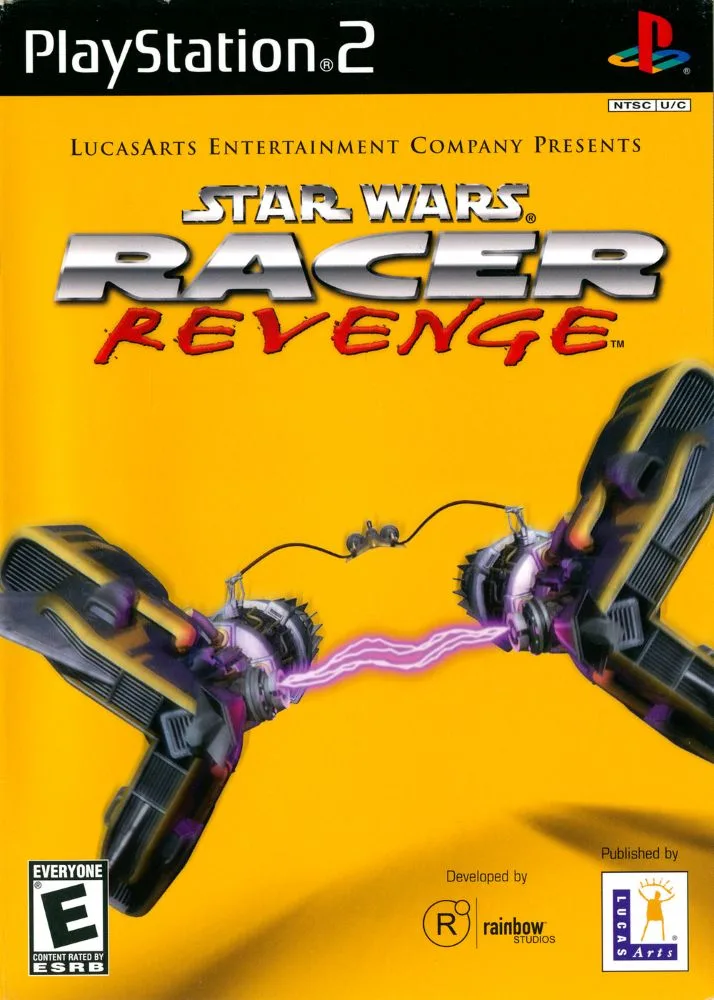
- Developer: Rainbow Studios
- Release Date: February 12, 2002
Pod racing already had built-in appeal thanks to Episode I: Racer, but Star Wars Racer Revenge took the concept somewhere the movies never dared to go: full-blown, demolition combat. Set eight years after Episode I, the game rewarded you not just for crossing the finish line first, but for actively wrecking your opponents along the way. The physics engine felt incredibly punchy, letting you lean into sharp turns and boost down narrow canyon paths while managing your pod’s temperature gauge so you didn’t blow your own repulsorlift engines to smithereens. With a roster featuring an older, battle-hardened Anakin Skywalker alongside classic alien racers like Ben Quadrinaros and Aldar Beedo, the nostalgia hit hard. The soaring John Williams score and screaming turbine sound effects made every race feel like a blockbuster movie sequence.
Why It's Worth Playing: Star Wars Racer Revenge successfully evolved pod racing from a pure speed contest into a genuinely satisfying combat racer. Its combination of brutal aggression, iconic sound design, and smooth frame rates makes it a premier sci-fi racer on the PS2. If you've got any love for the Star Wars universe or just want combat racing with genuine strategic depth, this one's absolutely worth revisiting.
XGIII: Extreme G Racing
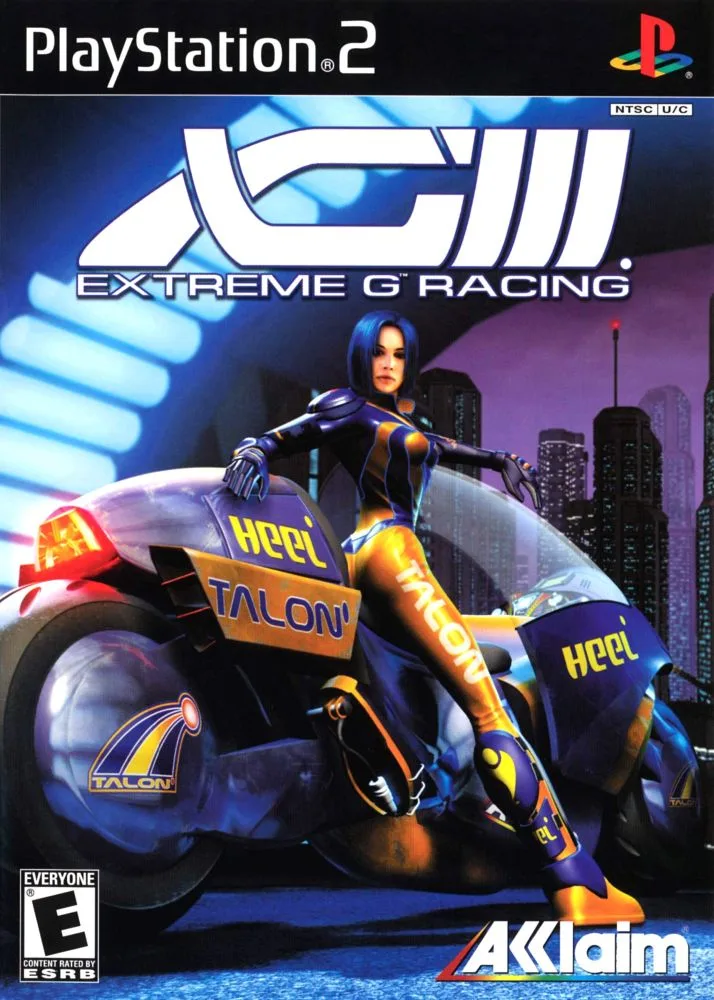
- Developer: Acclaim Studios Cheltenham
- Release Date: August 21, 2001
XGIII: Extreme G Racing took the beloved anti-gravity series off the N64 and supercharged it, delivering one of the most face-melting sensations of speed in the entire early PS2 library. The game’s standout feature was its dual-purpose weapon and shield energy system—firing your gatling guns, homing missiles, or mortar cannons consumed the exact same shield battery that kept your bike from disintegrating when brushing against track barriers. The absolute coolest touch in the game was its audio design when crossing Mach 1—the roaring engine noise and pumping trance soundtrack would suddenly muffle into an eerie, near-silent shockwave vacuum until you dropped back down in speed.
Why It's Worth Playing: XGIII: Extreme G Racing stands out as a supersonic sci-fi masterpiece that perfectly blends extreme bike speeds with deadly tactical combat. It delivered relentless anti-gravity racing with a genuinely distinct industrial aesthetic that set it apart from cleaner sci-fi competitors. With breathtaking sonic-boom effects, incredible track geometry, and a killer electronic soundtrack licensed by Ministry of Sound, it’s one of the absolute best sci-fi racers of the 128-bit era.
Crash ‘n’ Burn
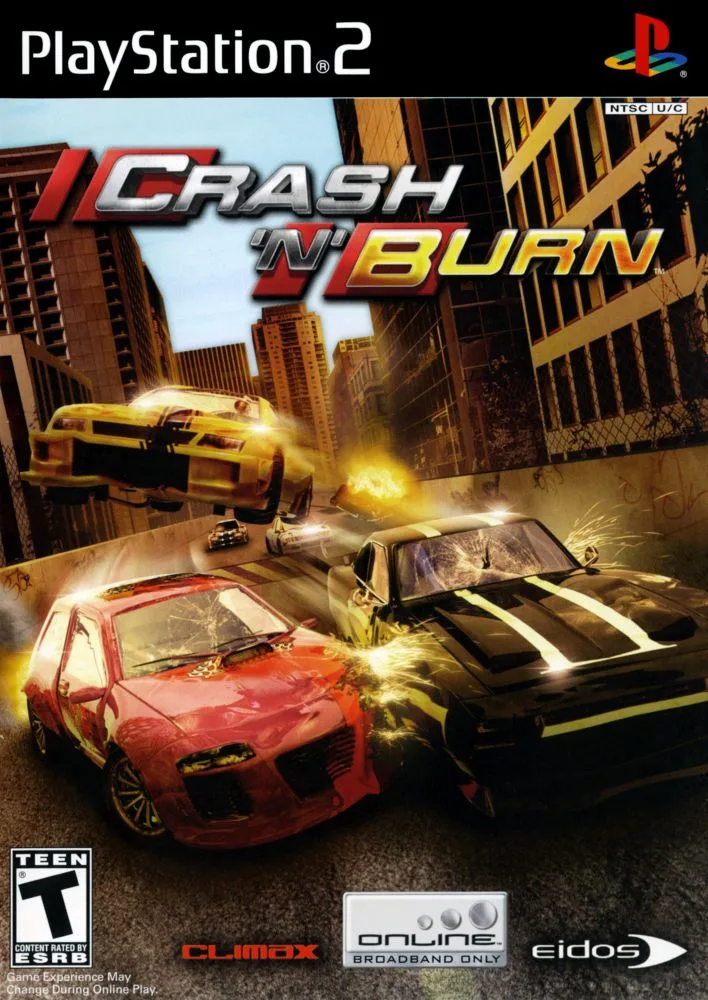
- Developer: Climax Studios
- Release Date: November 15, 2004
Crash ‘n’ Burn fully embraced the chaos of demolition derby racing, turning every single track into a literal minefield of burning scrap metal and slick oil pools. What made it special back in the day was its persistent debris engine—when a rival exploded into a ball of fire, their charred carcass, loose tires, and oil slicks didn’t magically vanish. They stayed right on the tarmac for the rest of the race! The handling was light and punchy, allowing you to throw your armored vehicle into high-speed broadsides without losing control. Featuring high-stakes game modes like Kamikaze, Bomb, and Assassin, it prioritized carnage and destruction over boring lap times.
Why It's Worth Playing: Crash 'n' Burn delivers non-stop demolition derby action with a brilliant persistent wreckage system that makes every lap progressively more chaotic. Its outrageous game modes, heavy vehicle customization, and pure bumper-crunching mayhem make it an absolute blast for multiplayer nights. If you want a racing game that’s aggressive and filled with persistent track hazards, this game is highly recommended.
Rumble Racing
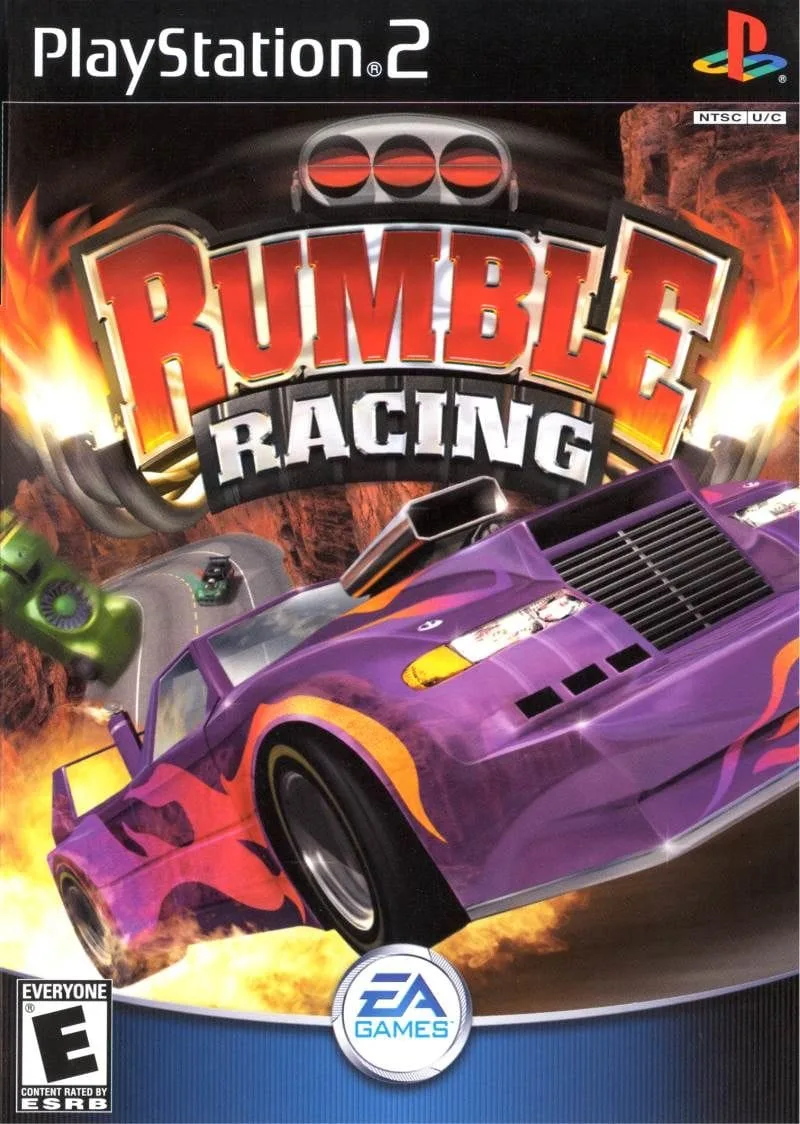
- Developer: EA Redwood Shores
- Release Date: April 23, 2001
Rumble Racing ditched the official stock car licensing of NASCAR Rumble to go completely unhinged with muscle cars, hot rods, and dynamic power-ups. The game stood out with its insanely creative power-up sandbox and high-flying stunt mechanics. Snagging a Tornado or Shockwave item pickup let you obliterate entire packs of rival cars in a single flash, while landing mid-air flips and barrel rolls granted instant, high-octane nitro boosts. The rubber-banding AI ensures that no lead is safe for long—victory comes down to raw skill and perfectly timed mayhem. With dozens of unlockable muscle cars, fantasy concept vehicles, and secret tracks scattered across multiple championship cups, the single-player progression kept you hooked for hours.
Why It's Worth Playing: Rumble Racing is an absolute triumph of early-PS2 arcade racing design. Its energetic commentary, deep unlockable vehicle roster, and intense split-screen action make it an enduring party classic. If you’re looking for a PS2 racer that combines the thrill of SSX, the weapons-free precision of Burnout, and the sheer spectacle of Wipeout, this underrated gem deserves a spot on your starting grid.
Hot Wheels: World Race
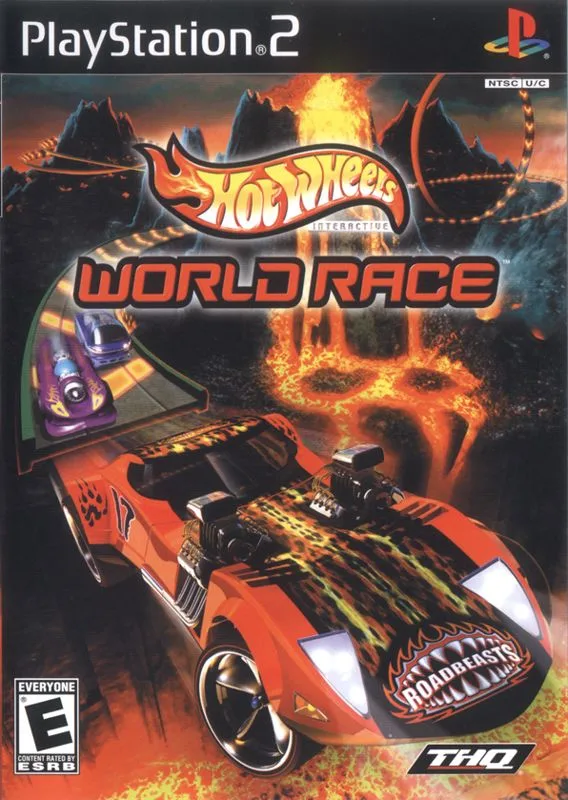
- Developer: Climax Brighton
- Release Date: October 29, 2003
Tied directly to the Highway 35 animated series, Hot Wheels: World Race took every kid’s dream of launching die-cast toy cars down massive orange track loops to life by delivering gravity-defying loops and pure die-cast nostalgia. The game’s standout feature was its wild, rollercoaster-like track layouts filled with corkscrews, vertical wall-rides, and multi-tiered jump gaps suspended over lava, ice, and futuristic cyber-cities. With 35 distinct Hot Wheels vehicles split across rival teams—including the Wave Rippers, Street Breed, and Scorchers—the car collection drive was totally intoxicating. Backed by an upbeat alt-rock soundtrack, it remains a surprisingly tight, speed-demon arcade racer.
Why It's Worth Playing: Hot Wheels: World Race captures the ultimate childhood fantasy of die-cast racing with insane track layouts, high-flying stunt mechanics, and blistering nitro speeds. Its iconic vehicle selection, boost-charging stunt mechanics, and fast-paced action make it a hidden gem for arcade speed freaks.
Driving Emotion Type-S
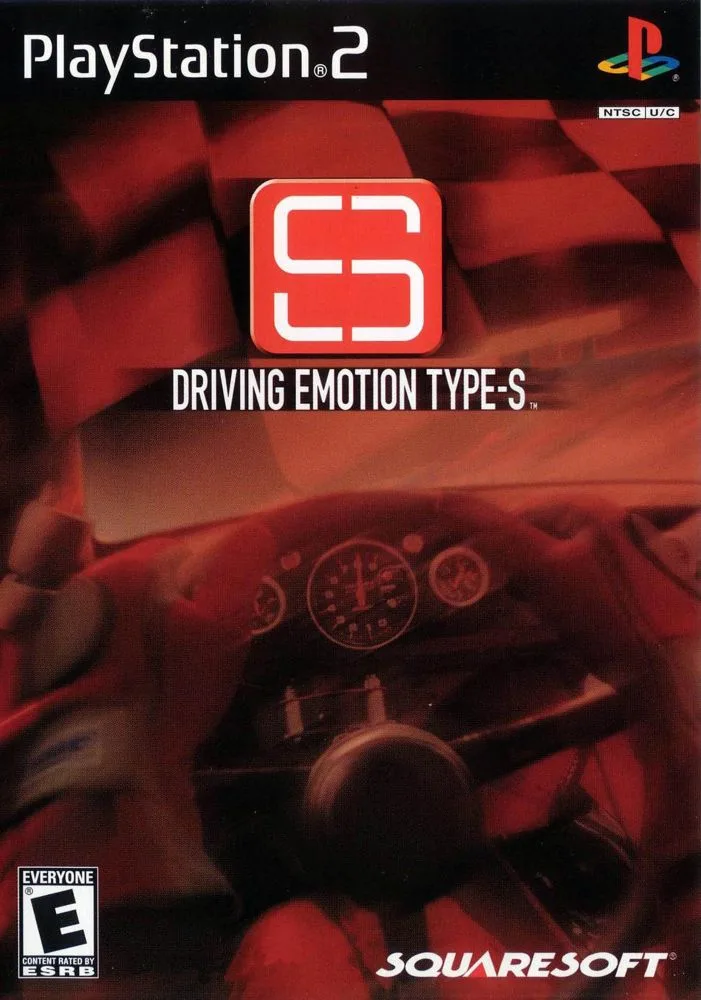
- Developer: Escape
- Release Date: March 30, 2000
RPG giant Square would kick off its PS2 era with Driving Emotion Type-S, an ambitious driving simulator that attempted to take on Gran Turismo before GT3 even arrived. It introduced an innovative first-person driver cockpit view complete with a visible helmet boundary, delivering a claustrophobic, high-stakes perspective at 150 mph. The gameplay was notorious for its brutally twitchy physics engine, which meant that taming these touchy controls required surgical precision. Despite its steep, unforgiving learning curve, it boasted an impressive roster of officially licensed Japanese tuners alongside European exotic cars. Paired with a thumping, synth-heavy fusion soundtrack composed by Ridge Racer veteran Shinji Hosoe, the presentation oozed classic early-2000s arcade flair.
Why It's Worth Playing: Driving Emotion Type-S holds a unique place in racing history as Square’s debut PS2 title and an early pioneer of full interior cockpit cameras. Its impressive early-gen visuals, catchy soundtrack, and notoriously high skill floor offer a memorable challenge for retro sim enthusiasts. If you're curious about the growing pains of early PS2-era racing sims, it's worth experiencing at least once, if only to appreciate how far the genre came from here.
Road Trip Adventure
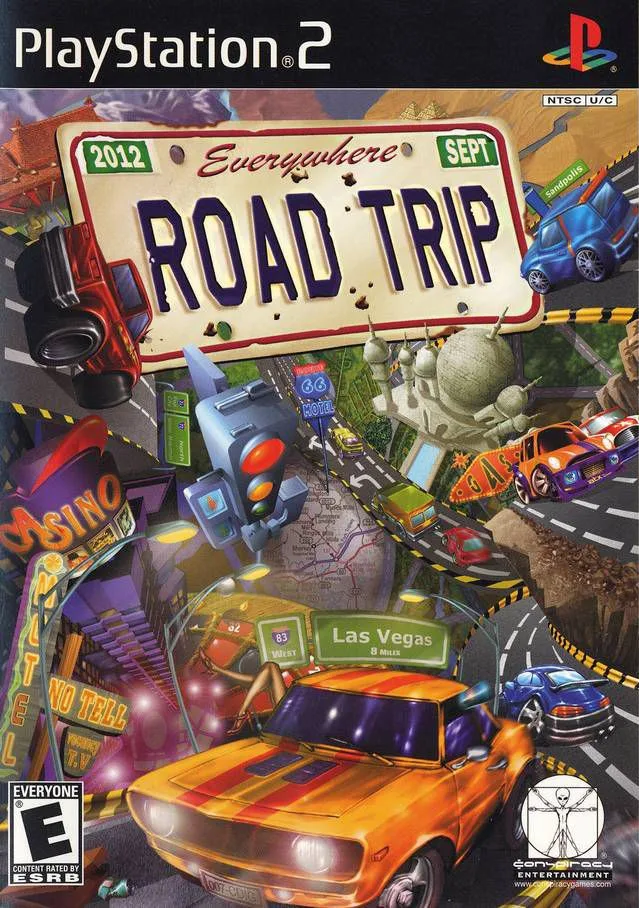
- Developer: E-Game Inc.
- Release Date: October 26, 2002
Known as Choro Q HG 2 in Japan, Road Trip Adventure is a unique open-world racing RPG that drops players into a living, breathing world where automobiles hold everyday jobs, run for mayor, and go on grand quests. The premise is delightfully absurd: the President of the car world wants to retire, and he promises to hand the presidency to whichever racer wins the prestigious World Grand Prix. To earn your entry card, you have to explore massive open-world biomes—ranging from bustling modern cities and tropical beaches to snowy mountain towns—helping NPC vehicles with quirky fetch quests and mini-games to recruit teammates. Underneath its cutesy aesthetic lies a shockingly robust customization system featuring over 100 unique car bodies, engine tune-ups, tire treads, and custom paint jobs.
Why It's Worth Playing: Road Trip Adventure is a delightful blend of open-world exploration, RPG questing, and deep vehicle customization wrapped up in a charming, toy-car package. Its relaxed, exploration-focused approach offered something genuinely different from the high-stakes competitive racers crowding the PS2 library. It never aimed to be a genre-defining racer, and that's exactly what makes this hidden gem worth experiencing.
Initial D: Special Stage
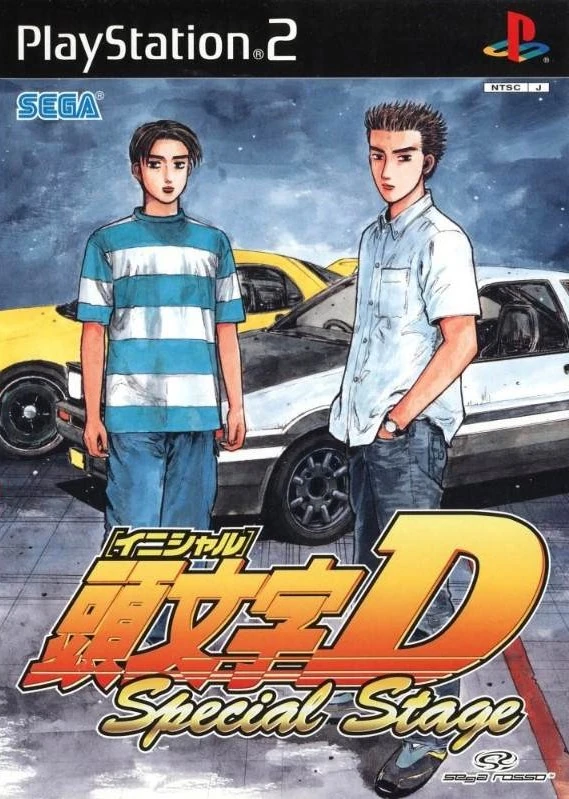
- Developer: Sega Rosso
- Release Date: June 26, 2003
Initial D: Special Stage brought the mountain-pass battles of Shuichi Shigeno’s iconic manga straight into living rooms, delivering pure touge adrenaline fueled by an unrelenting Eurobeat soundtrack. The game faithfully ported the physics and content of Initial D Arcade Stage Ver. 2, while adding an expansive, story-heavy Legend of the Streets mode. You got to pilot classic Japanese tuner legends—from the iconic Toyota AE86 Trueno to Mazda RX-7s and Nissan Skyline GT-Rs—against famous rival crews like the RedSuns and NightKids. The drift physics were pure arcade bliss—focusing on throttle feathering, precise counter-steering, and mastering signature techniques like the infamous “gutter run” to hook your inside tires around tight bends.
Why It's Worth Playing: Initial D: Special Stage is the definite import racer for anime fans and JDM nerds alike. While the lack of an English release might seem like a barrier, the menus are navigable with a little guidance—and the payoff is more than worth it. Timing your downshifts into hairpins while Dave Rodgers' "Running in the 90s" thumped in the background is as close to gaming nirvana as you could get.
Final Lap
So, there you have it—40 PS2 racing games that turned this iconic console into an absolute powerhouse for anyone who’s a hardcore sim enthusiast or an arcade junkie. Looking back at the PlayStation 2’s legendary library, it’s impossible not to marvel at the absolute golden age of racing games we got to live through. What really stands out looking back is how much personality every single one of these games had.
Nobody was chasing a single formula here. Burnout wanted chaos, Gran Turismo wanted precision, and Tokyo Xtreme Racer wanted authenticity. A few of these titles never got their due at launch either. Games like Enthusia Professional Racing and Shox quietly slipped through the cracks despite being great games, overshadowed by flashier competitors with bigger marketing budgets.
So, where does that leave us? Honestly, just grateful this generation happened the way it did. The PS2’s racing library was fearless, weird, and constantly willing to try something nobody had quite attempted before. Now go ahead and dust off that glossy black console, double-check that your Memory Card has enough blocks left, and start the Emotion Engine—these 40 legendary titles represent the absolute pinnacle of PS2 racing history.

At HyperComboGamer, we believe great games deserve great coverage. That means no filler, no clickbait, or fanboyism—just honest, high-quality reviews, features, and guides that put gamers first. Whether you’re a lifelong enthusiast or just starting your gaming journey, you’ll find interesting gaming perspectives that will leave you fully satisfied.