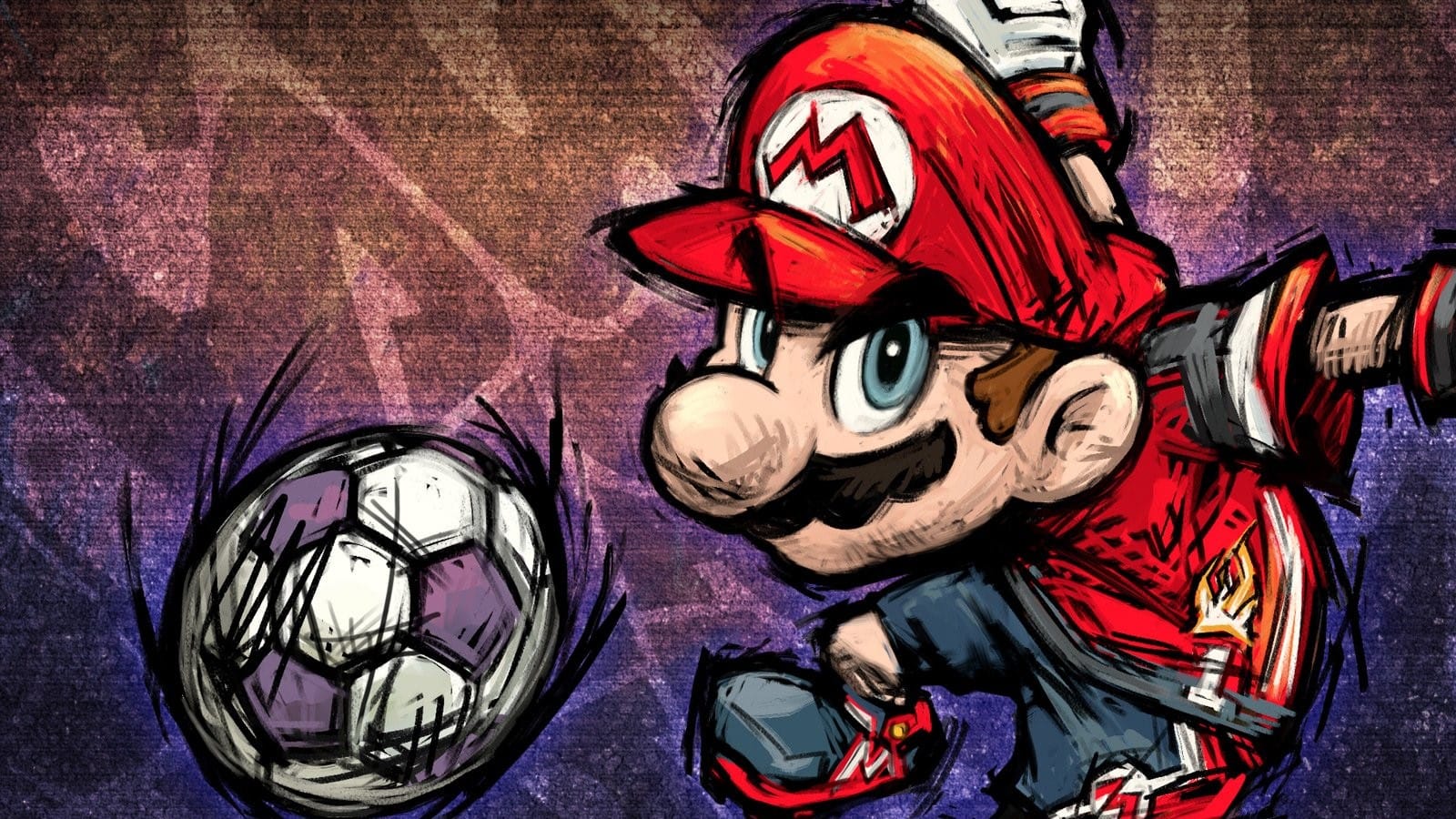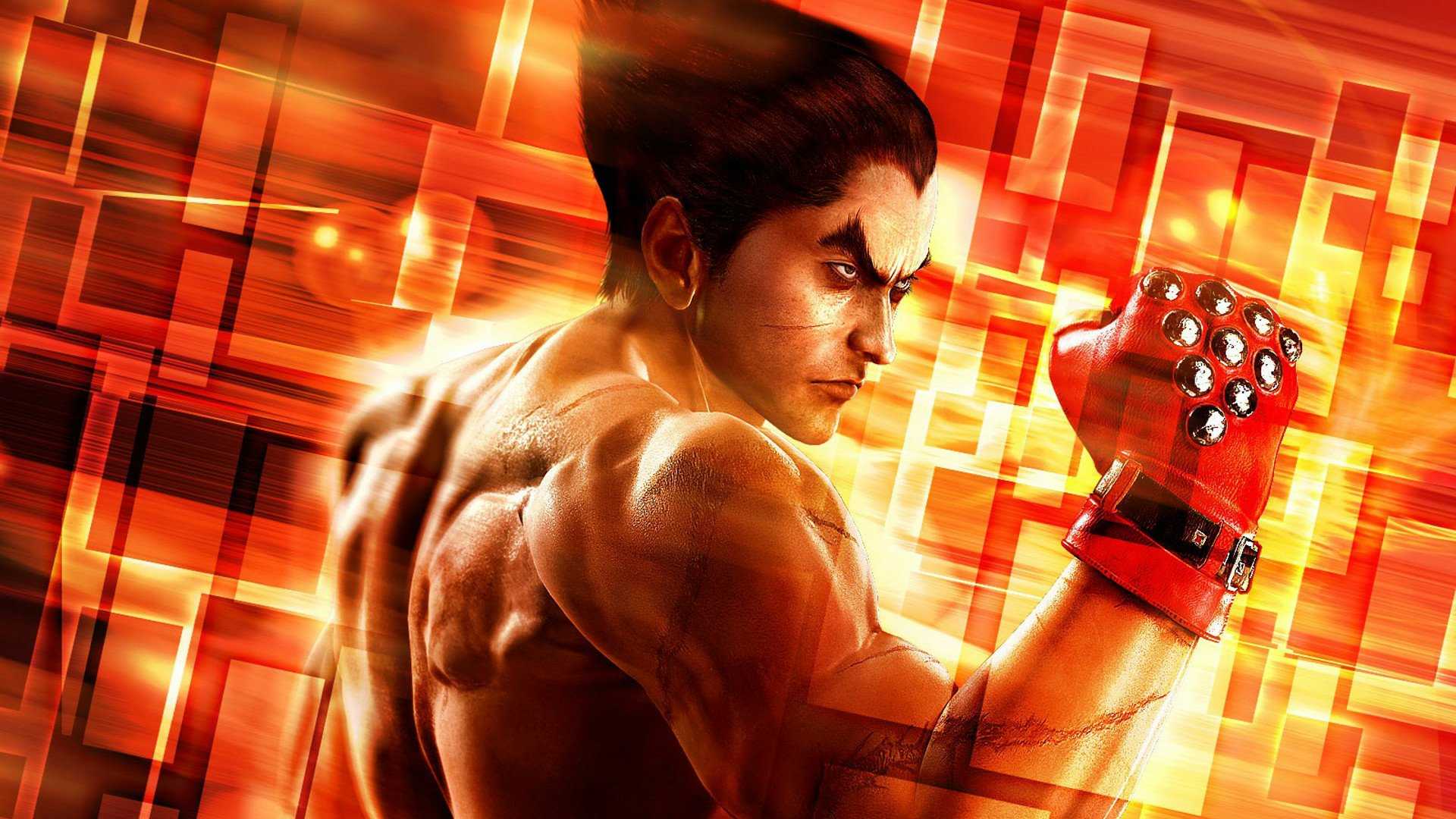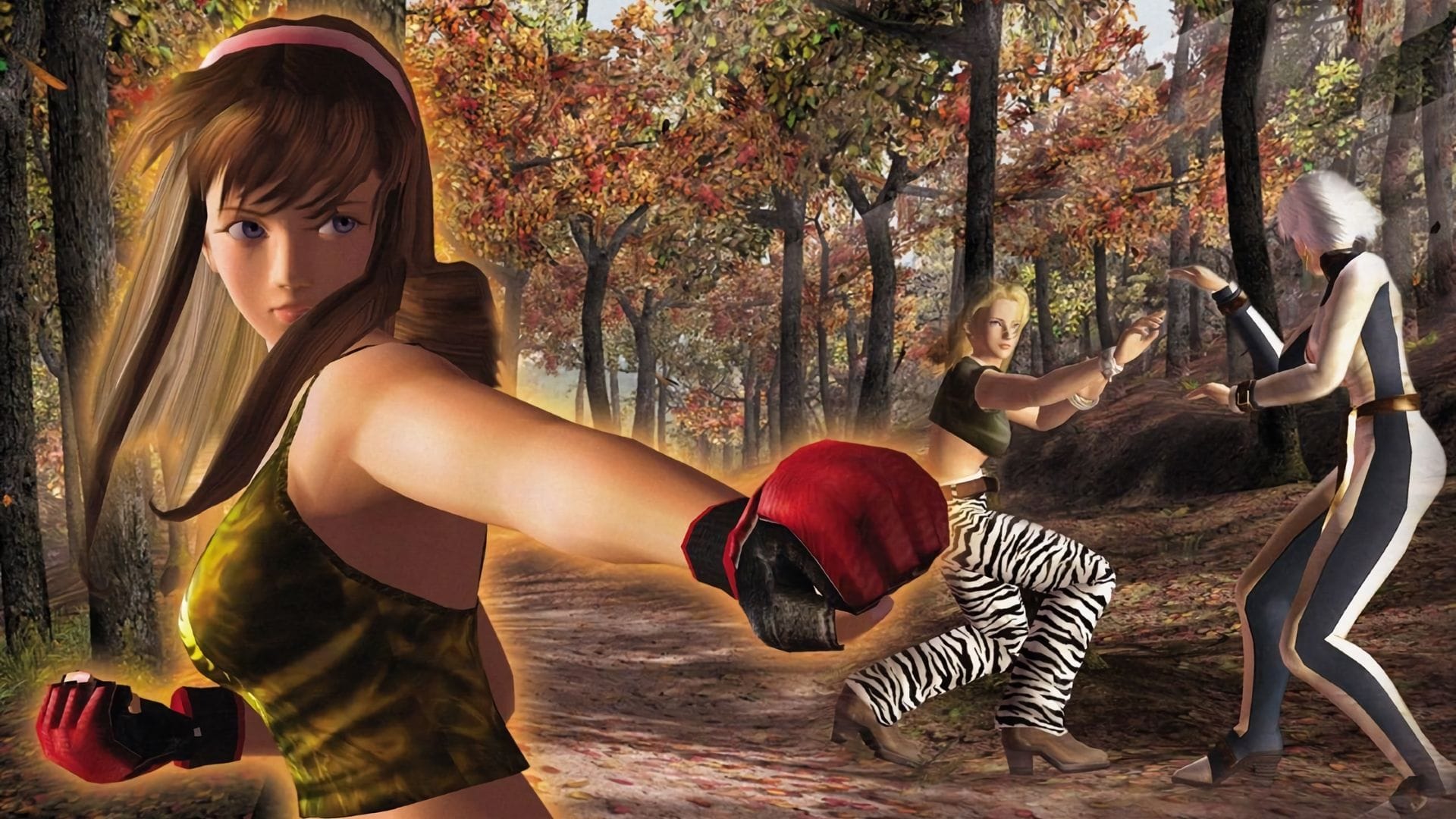
The GameCube doesn’t get nearly enough credit as a fighting game machine. Before online matchmaking replaced living room floor gathering, the Nintendo GameCube served as ground zero for local multiplayer madness. With four native controller ports sticking out of its handle-equipped frame, the purple cube practically begged to be carried over to a friend’s basement for an all-night brawler marathon.
Developers were taking massive, glorious risks, and studios jammed dynamic environmental destruction, orb-stealing health meters, and mid-combo transformations into their software. Even two decades later, the console remains a thriving sanctuary for an entire universe of wild anime crossovers, heart-pounding mecha simulations, and action-packed arena fighters. From competitive tournament fixtures that still fill arenas to imported Japanese gems, let’s discover the top 20 best fighting games on the Nintendo GameCube.
Super Smash Bros. Melee
- Developer: HAL Laboratory
- Release Date: November 21, 2001
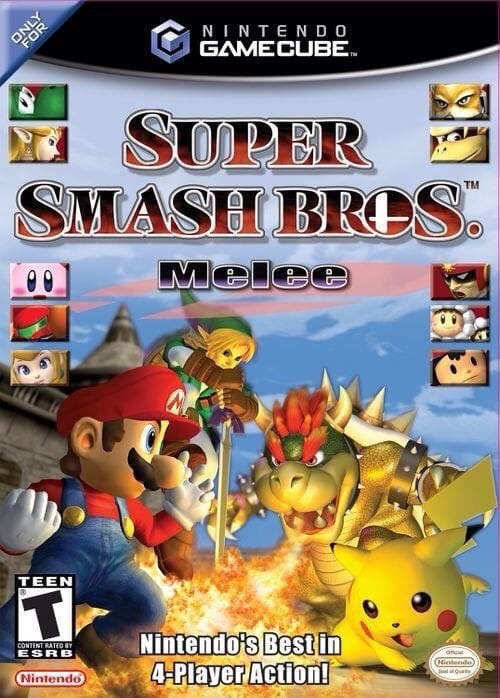
Okay, so where else could this list possibly start? Super Smash Bros. Melee isn’t just the best fighting game on GameCube, it’s one of the deepest competitive fighting games ever made. Here’s the thing that separates Melee from just about every other fighter of its era: speed. This game moves fast. Like, uncomfortably fast if you’re coming in cold off a diet of slower 3D fighters. Characters zip across stages, combos chain together in the blink of an eye, and before you know what hit you, Fox has already juggled you off the top of Battlefield three times in a row. Let’s talk presentation for a second, because it’s easy to forget how sharp this game looked in 2001. From Hyrule Temple’s majestic layout to Pokémon Stadium’s shifting terrain, the stages had personality.
Why It's Worth Playing: If you only play one game on this entire list, make it Melee. The skill ceiling is absurd, the roster is packed with personality, and the movement tech turns every match into a genuine test of reflexes and creativity rather than button-mashing luck. Whether you're chasing combos in a serious tournament bracket or just button-mashing with three friends on a Friday night, Melee delivers an experience that's aged like fine wine instead of stale milk. And that's not nostalgia talking, that's just facts.
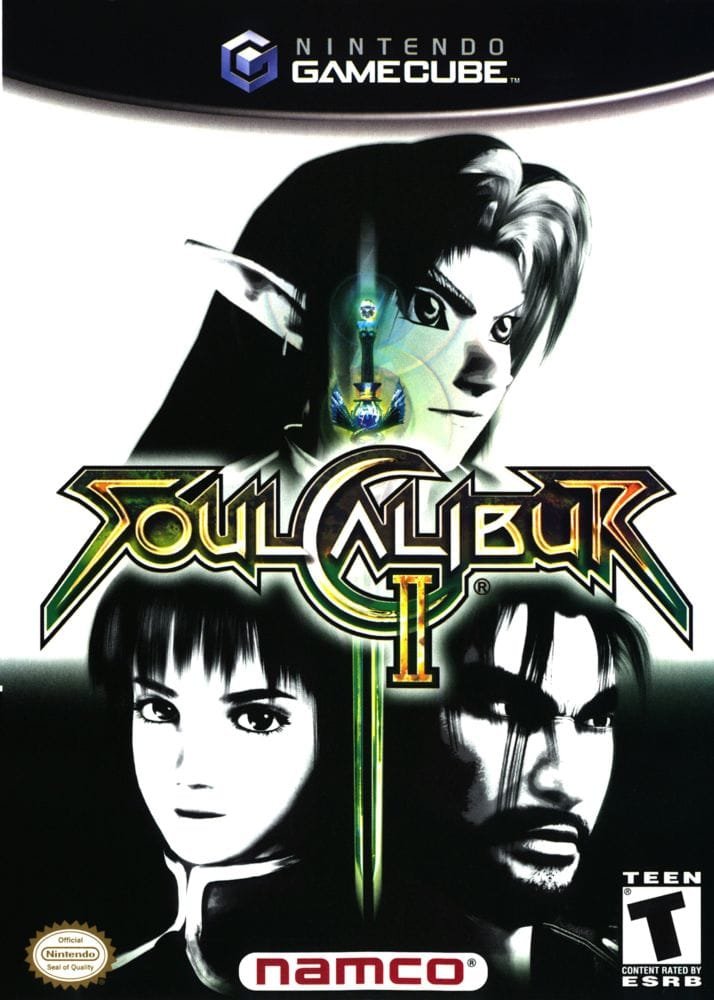
Soulcalibur II
- Developer: Project Soul
- Release Date: August 27, 2003
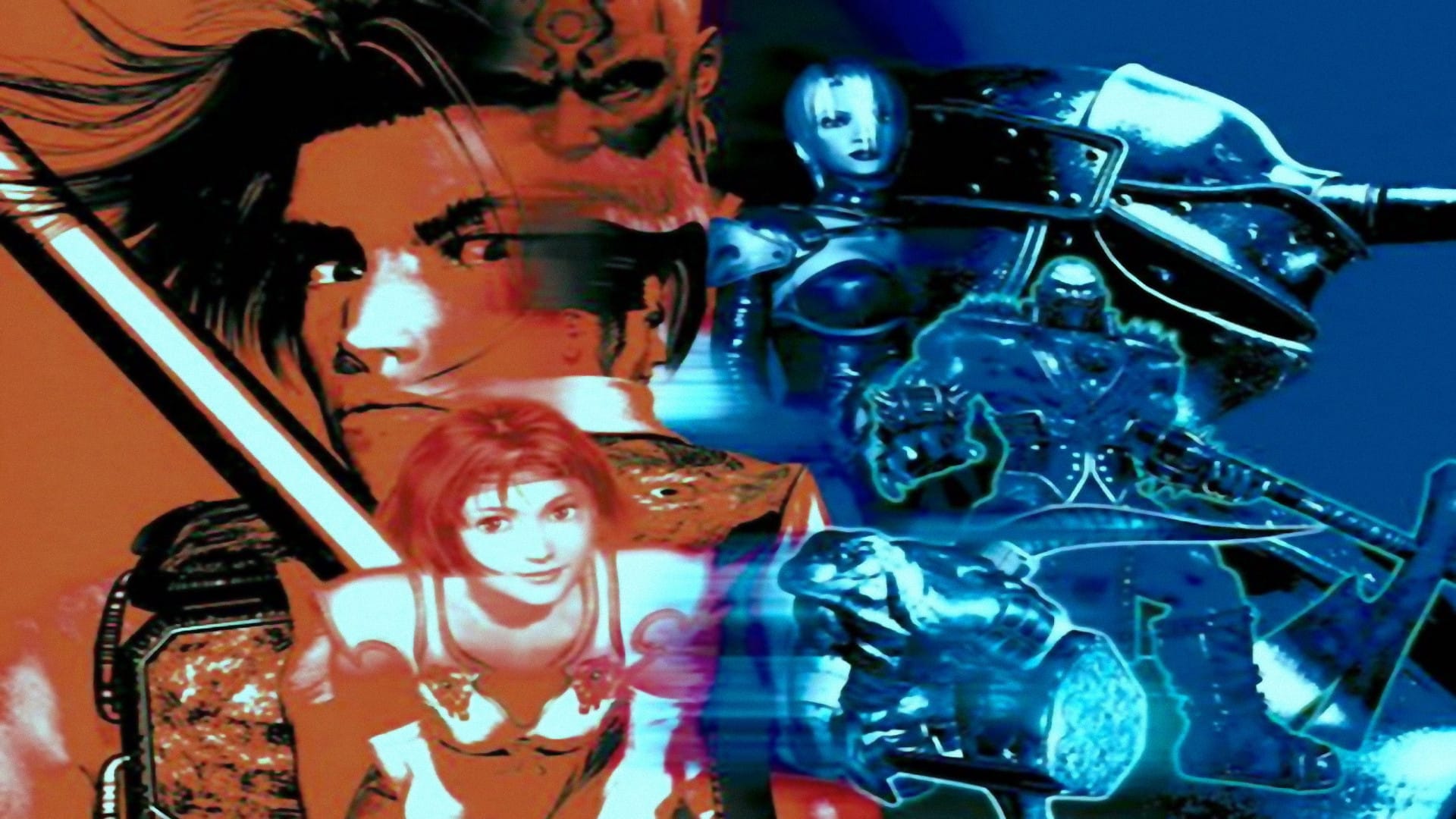
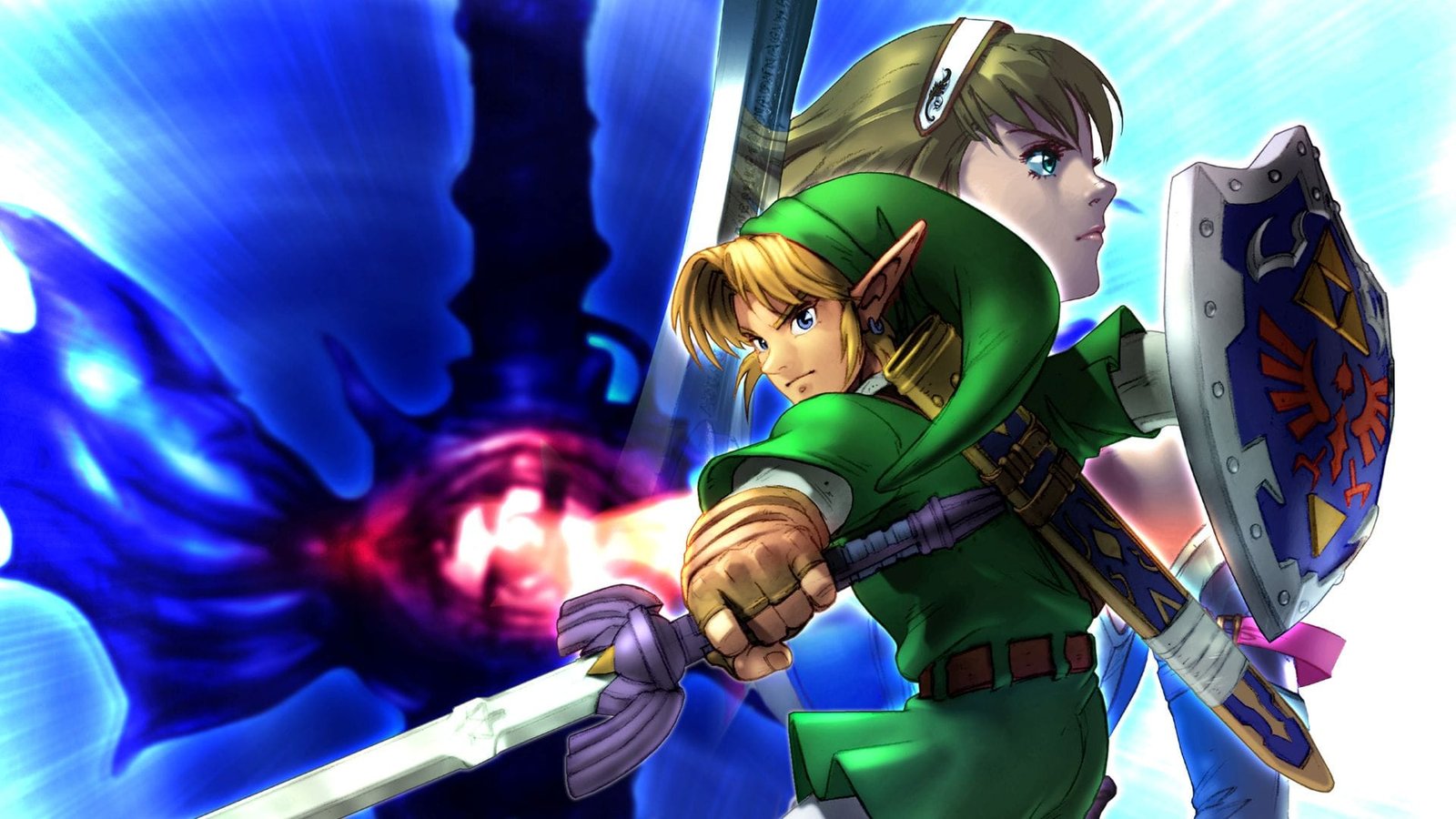
Soulcalibur II stands as the definitive 3D weapon fighter of the 128-bit era, blending pristine combat mechanics with the greatest guest character in gaming history. Namco did something genuinely clever by giving the GameCube version Link as its own exclusive guest fighter. Yes, that Link, sword and shield in hand. Beyond the Zelda hype, the core mechanics offer an incredible level of speed and tactical depth. The 8-Way Run system gives you total freedom of movement, and the incredible Weapon Master Mode provides hours of single-player content through RPG-style quests and unlockable weapon variants. The fluid frame rate and crisp 480p visuals still put many modern fighters to shame, and the sweeping orchestral soundtrack elevates every single duel into a cinematic medieval clash of destinies.
Why It's Worth Playing: Soulcalibur II is proof that a fighting game doesn't need beam attacks or cartoon physics to feel epic — sometimes all you need is a sword, a shield, and an opponent who's about to get launched clean off the stage. Add in a genuinely excellent guest character exclusive to this version, tight weapon-based combat, and a roster with real personality, and you've got one of the most complete 3D fighters the GameCube ever received.
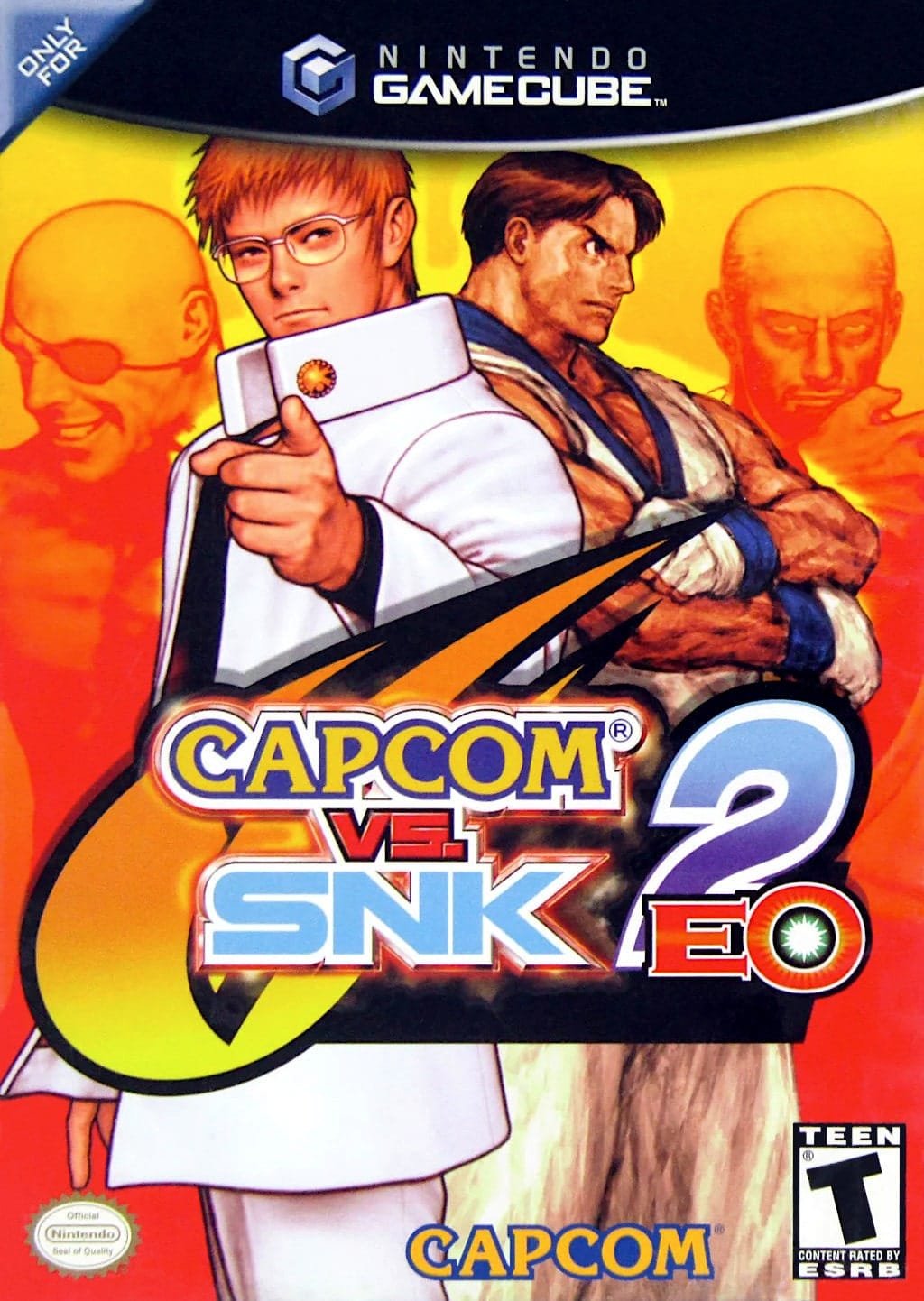
Capcom vs. SNK 2 EO
- Developer: Capcom
- Release Date: February 11, 2003
Capcom vs. SNK 2 EO brought together the two biggest powerhouses in 2D fighting history for a final showdown. The “EO” in the title stands for Easy Operation, an addition that allowed newcomers to map special moves directly to the C-stick. Sure, purists scoffed at using the analog stick to throw fireballs, but it made high-level special attacks immediately accessible during chaotic basement tournaments. The real meat of the game lies in the Groove System, which effectively lets you choose the “rules” of your favorite era. With 44 characters and six different Grooves, the sheer variety of matchups keeps the game fresh decades after its release.
Why It’s Worth Playing: Capcom vs. SNK 2 EO provides the most comprehensive 2D crossover experience ever conceived. It bridges the gap between two rival design philosophies, offering a "greatest hits" roster that we likely won't see again due to licensing nightmares. It’s a deep fighter that rewards experimentation, and is a great way to introduce your non-FGC friends to the genre without them crying over complex inputs.
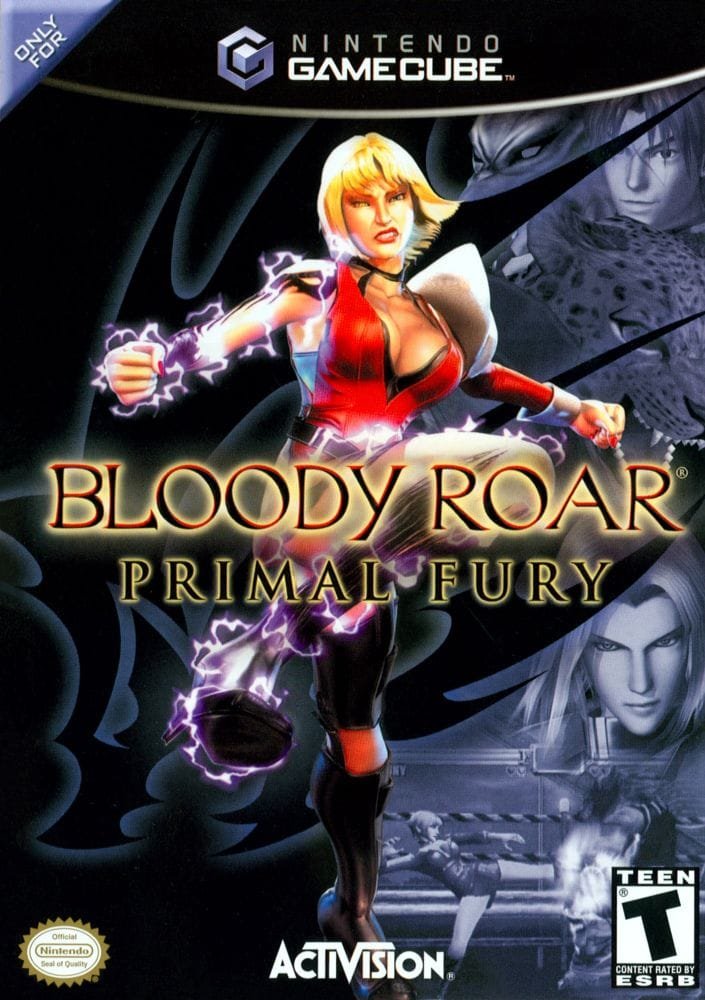
Bloody Roar Primal Fury
- Developer: Eighting
- Release Date: May 27, 2003
Bloody Roar: Primal Fury is widely considered the peak of the series, taking traditional 3D fighting mechanics and shoving a dose of raw feral adrenaline straight into the GameCube’s disk drive. With the Beast Mode mechanic, you can transform into a humanoid animal—like a lion, a wolf, or even a giant chameleon—to regain health and unlock a completely different move set. The transitions between human and beast forms are seamless, allowing for combos that start with a punch and end with a predatory pounce. Eighting refined the gameplay mechanics from Bloody Roar 3, pushing lightning-fast 60 FPS combat packed with hyper-aggressive juggles and wall-bouncing combos.
Why It’s Worth Playing: Bloody Roar: Primal Fury is the most unique 3D fighter on the system. The transformation mechanic adds a layer of strategy you simply won't find in Tekken or Dead or Alive. Between the beast transformation gimmick, the surprisingly deep dual-moveset system, and a cast of characters that range from charming to straight-up bizarre, this is one of the most purely fun fighters the GameCube ever got.
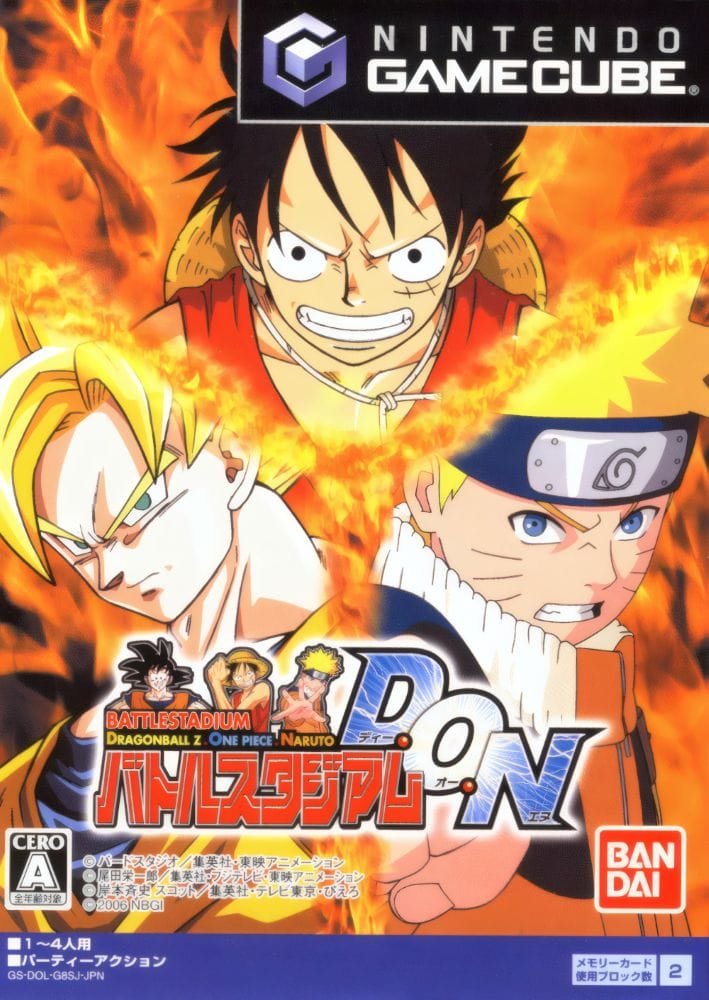
Battle Stadium D.O.N.
- Developer: Eighting, Q Entertainment
- Release Date: July 6, 2006
Imagine a fighting game where Dragon Ball Z, One Piece, and Naruto collide in a whirlwind of explosive combos and anime antics—that’s Battle Stadium D.O.N. in a nutshell. Instead of relying on standard health bars, the game uses a dynamic tug-of-war meter system. Attacking your opponents knocks glowing red orbs out of them for you to snatch up. Collecting enough energy shifts the fight balance in your favor and triggers a game-changing Burst Mode. The roster is a fan-service feast, featuring iconic characters like Goku, Luffy, and Naruto, each packed with signature moves that capture the feel of their respective series. The arenas are dynamic playgrounds, with destructible elements and hazards that keep the action unpredictable.
Why It’s Worth Playing: Battle Stadium D.O.N is the kind of gloriously weird crossover that only could've existed in the mid-2000s anime boom, and honestly, we don't get enough of these anymore. Watching Goku team up against Naruto in a destructible arena is pure fever-dream fan service, and the combat holds up well enough that it's not just nostalgia carrying the experience. It’s the perfect gateway for anime fans new to fighters and a nostalgic trip for veterans craving a mash-up with heart.
Godzilla: Destroy All Monsters Melee
- Developer: Pipeworks Software
- Release Date: April 16, 2003
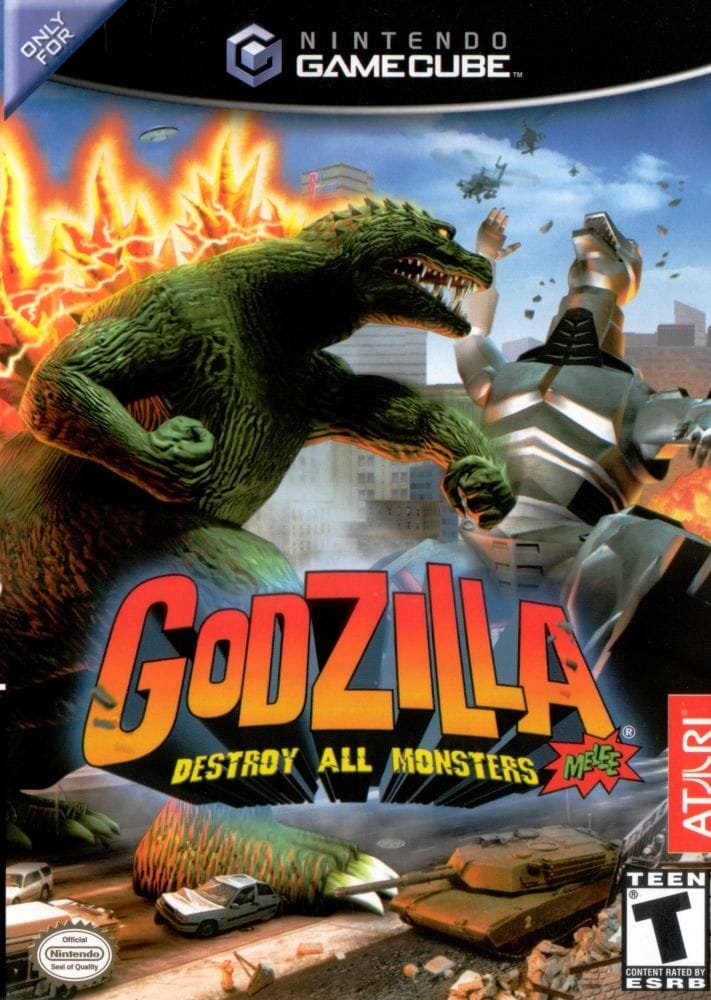
Godzilla: Destroy All Monsters Melee takes the “two dudes in city-sized rubber suits” energy of classic Toho films and turns it into a full-blown wrestling match through downtown skylines. You choose from legendary Toho titans like King Ghidorah, Mothra, Gigan, and Rodan, stomping through fully destructible cityscapes. You can pick up buildings and throw them, stomp on tanks, and use the city as your personal weapon. The controls are simple enough for anyone to pick up, but there’s enough strategy in managing your energy meter and timing your blocks to keep it competitive. There’s also something charmingly earnest about how much this game leans into its source material. Every character animation, every roar, every finishing move feels ripped straight from a Godzilla film reel.
Why It’s Worth Playing: Godzilla: Destroy All Monsters Melee isn't chasing competitive fighting game legitimacy, and honestly, it doesn't need to. Its destructible environments and heavy-hitting kaiju mechanics ensure every single match feels wildly unpredictable and satisfying. If you grew up watching Godzilla movies or just want a fighting game that lets off steam in the most literal, destructive way possible, this game delivers exactly what it promises.
Naruto: Gekitō Ninja Taisen! 4
- Developer: Eighting
- Release Date: November 21, 2005
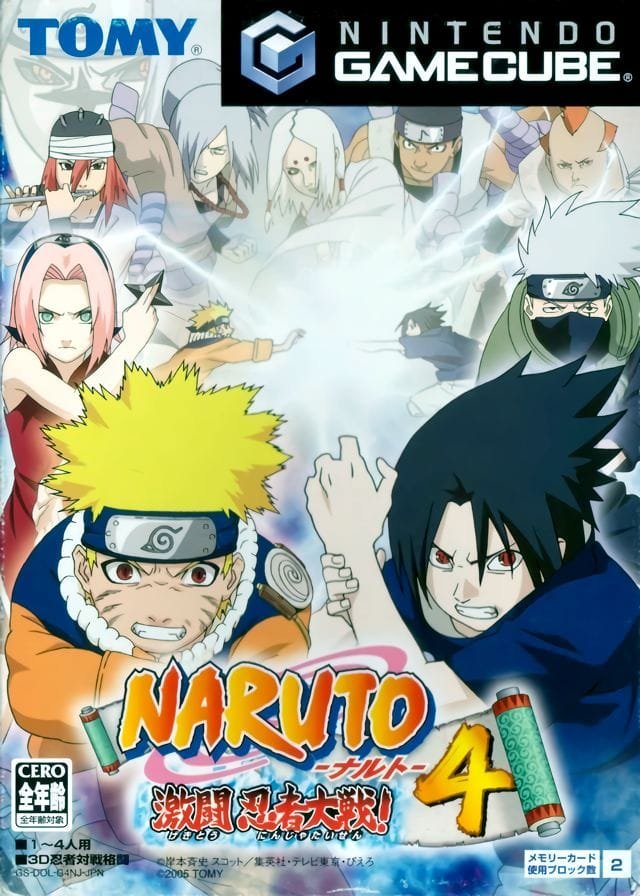
Naruto: Gekitō Ninja Taisen! 4 is the absolute peak of GameCube imports, taking everything great about the previous entries and polished the mechanics to absolute perfection. This entry expanded the roster to cover the entire Sasuke Retrieval Arc, packing over thirty playable characters into chaotic four-player arenas. Lightning-fast Substitution Jutsu timing and fluid four-player simultaneous arena combat elevate every match into a high-stakes tactical dance. The developers also introduced a brilliant 3-v-3 Squad Battle mode that let you swap teammates on the fly to extend brutal combo strings. Western gamers missed out big time when local publishers halted localized releases after the second installment of the Clash of Ninja series.
Why It's Worth Playing: Naruto: Gekitō Ninja Taisen! 4 represents the undisputed peak of 3D anime arena brawlers on Nintendo's purple box. The platform-fighter foundation, combined with a massive roster and genuinely chaotic four-player multiplayer, makes this one of the most enjoyable anime fighters on the GameCube — import status be damned. If you've already burned through the localized Clash of Ninja games and want to see where the series peaked, this is the one to chase.
Dragon Ball Z: Budokai 2
- Developer: Dimps
- Release Date: November 14, 2003
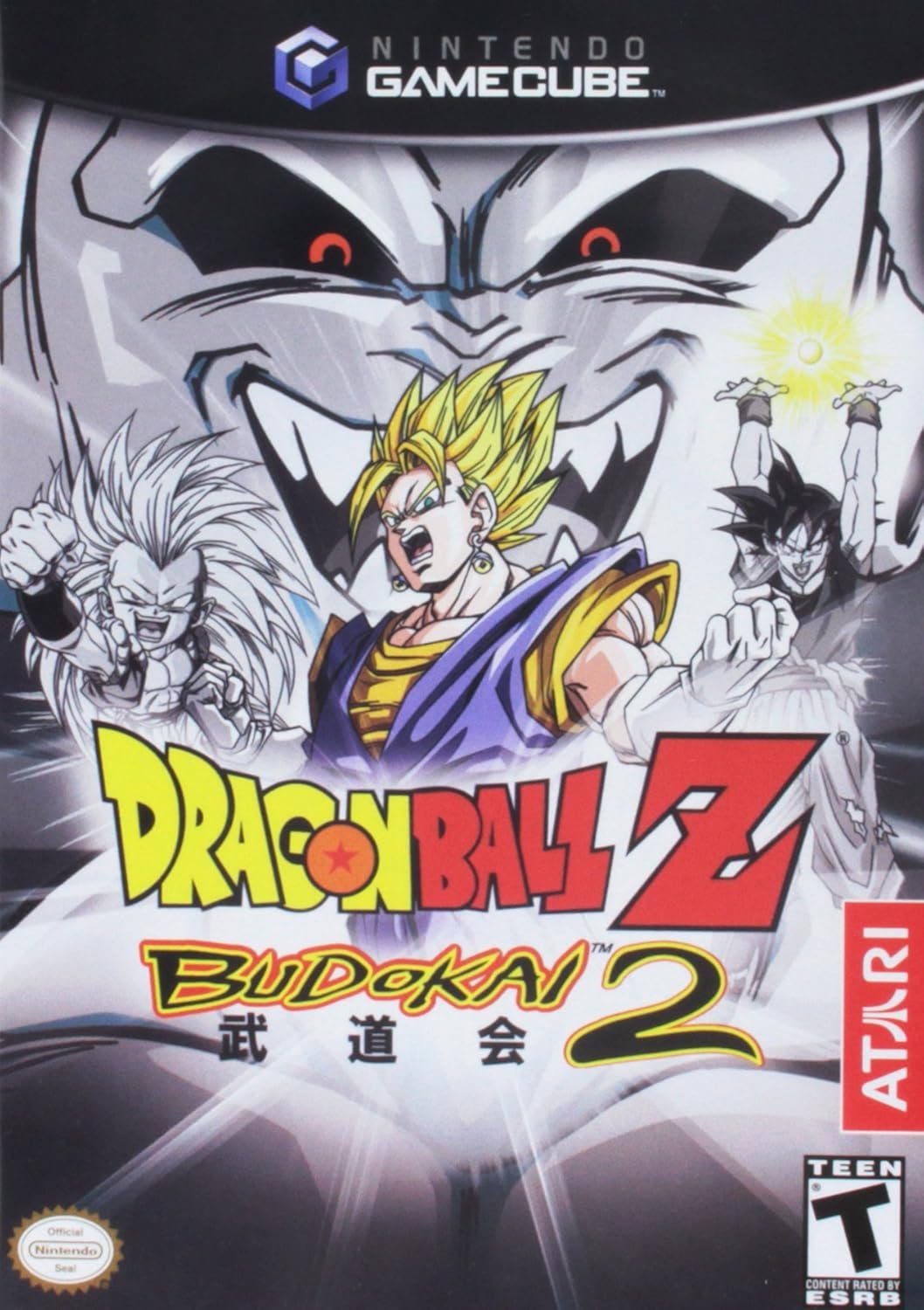
Dragon Ball Z: Budokai 2 took a wild design gamble by turning a classic anime fighting game into a virtual board game, and honestly, it paid off. Instead of just replaying anime arcs beat-for-beat, Dimps handed players Dragon World mode, where you can branch off into custom scenarios, recruit fighters, and shape your own version of the DBZ timeline. The fighting system refined the signature Skill Capsule System, which allowed you to equip your warrior with specialized moves, defense upgrades, and transformations for endless loadout experimentation. Dimps completely revamped the graphics engine with vibrant, cel-shaded visuals that made every clash look like an actual episode of the show.
Why It's Worth Playing: Dragon Ball Z: Budokai 2 remains one of the most ambitious entries in the entire Dragon Ball gaming catalog, RPG mechanics and all. The Dragon World mode alone gives it staying power well beyond a typical fighting game's shelf life, and the character customization system means no two playthroughs feel quite the same. You simply need to grab a controller, transform into a Super Saiyan, and experience one of the most stylish anime fighters on the GameCube.
Shonen Jump’s One Piece: Grand Adventure
- Developer: Ganbarion
- Release Date: August 29, 2006
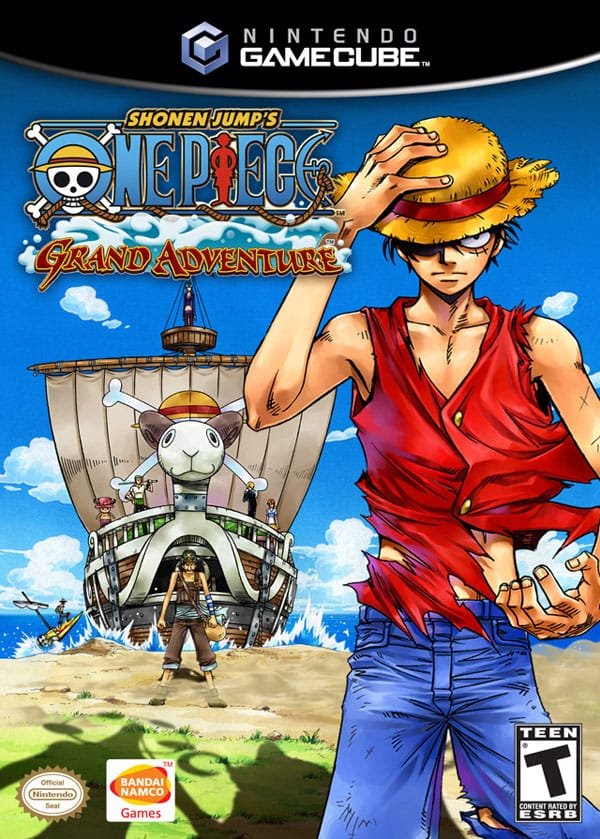
Shonen Jump’s One Piece: Grand Adventure is the ultimate anime pirate simulator on the GameCube, taking everything Ganbarion built in Grand Battle and expanded it into an absolute treasure trove of 3D combat. The core arena combat blends chaotic 3D brawling with dynamic stage hazards and assist attacks. You can pick from 24 main fighters while summoning over 50 support characters to disrupt your opponent’s combos. The flagship Grand Adventure Mode played out like a sprawling RPG-lite voyage, blending tactical map navigation with custom minigames and boss showdowns. Sure, the camera angle occasionally lost track of the action during frantic four-player brawls. But the expressive cel-shaded art style captured the chaotic comedic energy of Eiichiro Oda’s universe perfectly.
Why It's Worth Playing: One Piece: Grand Adventure stands as the ultimate anime arena brawler for Straw Hat fans, packing an astonishing amount of content and support characters into every battle. Its blend of RPG campaign navigation, interactive stage hazards, and flashy special attacks makes for a delightfully energetic couch multiplayer session. If you've ever wanted to feel what it's like to punch someone with a fist that stretches across the entire screen, Luffy's got you covered.
Custom Robo
- Developer: Noise
- Release Date: May 10, 2004
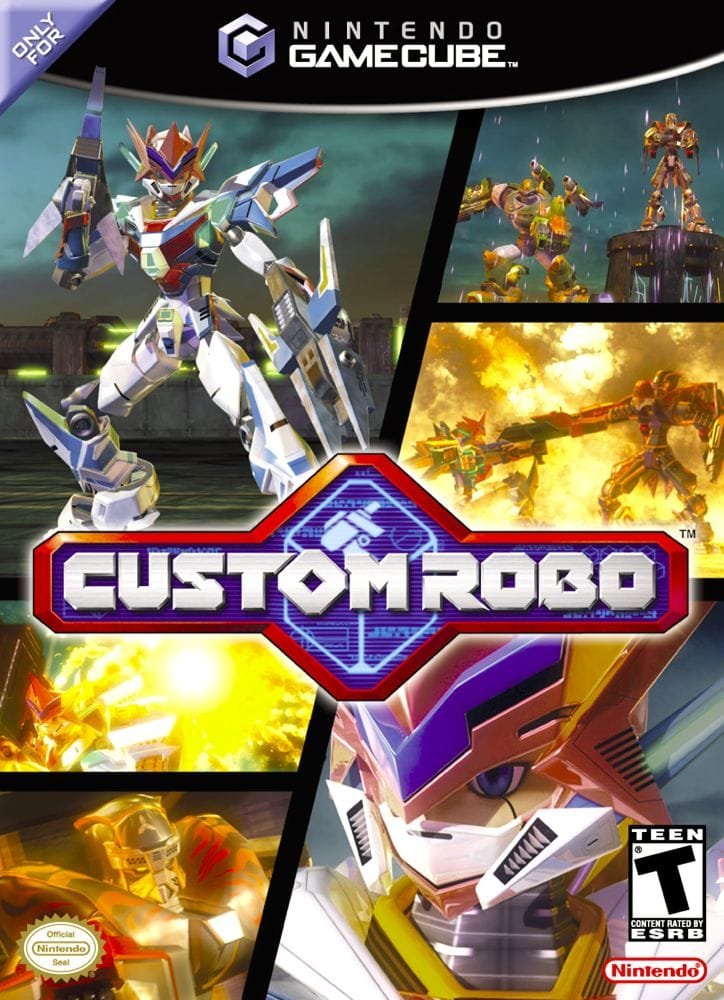
Custom Robo isn’t about hulking, slow mechs; it’s a lightning-fast, hyper-customizable arena battler that deserves way more credit than it typically gets. You’re constantly acquiring new parts, such as legs, bodies, bomb units, and pod-based sidekicks. Each piece dramatically alters your robos’ performance. Do you go with light legs for insane speed but paper-thin armor? Or a heavy body that can tank hits but moves like a refrigerator? This deep customization is then thrown into frantic, small-scale 3D battles where strategy and reflexes collide. The surprisingly lengthy story mode is packed with goofy, anime-tier charm and a cast of characters that actually makes you care about the next tournament bracket.
Why It's Worth Playing: Custom Robo offers a level of mechanical depth and customization that is rare in any genre, let alone on the GameCube. The combat is uniquely fast and strategic, and the charm offensive is relentless. It’s a cult classic for a reason, and it remains one of the most satisfying and content-rich experiences on the system. If you’ve ever lost an entire afternoon min-maxing a character build, this is your new obsession.
Naruto: Clash of Ninja 2
- Developer: Eighting
- Release Date: September 26, 2006
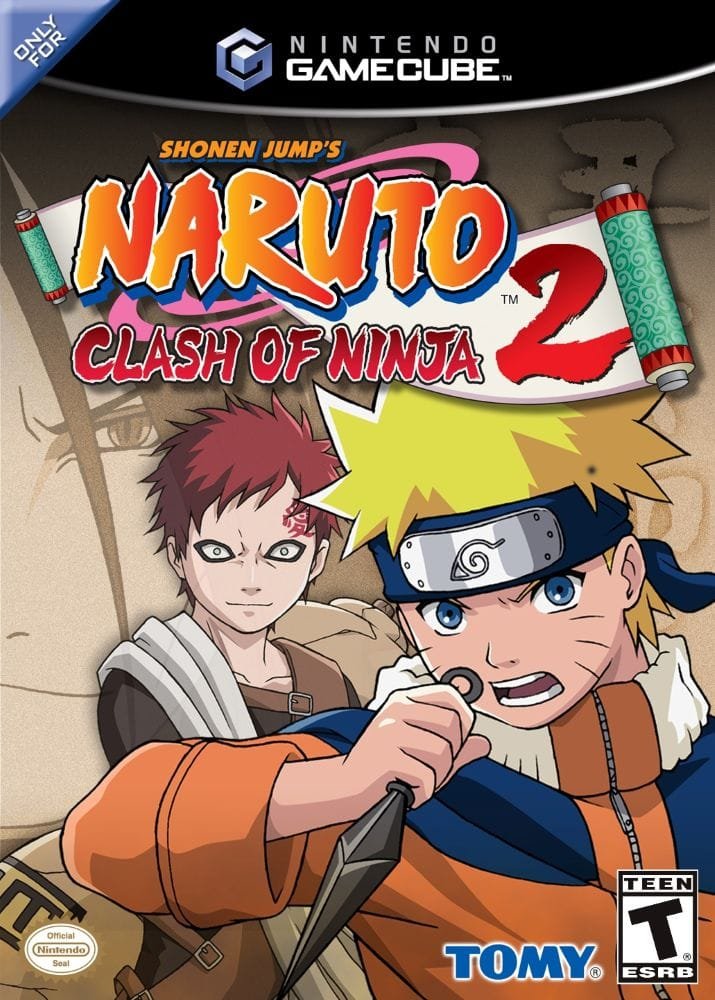
Naruto: Clash of Ninja 2 finally brought balanced, local four-player ninja brawling directly to North American GameCubes. Compared to the original Clash of Ninja, the sequel tightens up basically everything. Combos flow more naturally, the roster got a meaningful expansion, and the presentation took a real step forward in terms of animation quality and stage variety. You could easily pull off high-damage combos with basic button inputs, but mastering the Substitution Jutsu timing separated the casual button-mashers from the actual Hokages. With a heavily expanded roster featuring fan favorites like Gaara, Jiraiya, and Tsunade, the game gave every player a reason to mash buttons. The simple control scheme meant anyone could start pulling off cinematic specials in minutes.
Why It's Worth Playing: Naruto: Clash of Ninja 2 remains a wonderfully accessible 3D brawler that perfectly captured the peak height of early 2000s anime nostalgia. Between the expanded roster, the genuinely satisfying Ultimate Jutsu system, and combat that actually rewards fighting game fundamentals, this is a must-play for anyone who grew up watching the anime on Toonami and wished they could throw a Rasengan themselves.
Dragon Ball Z: Budokai
- Developer: Dimps
- Release Date: October 28, 2003
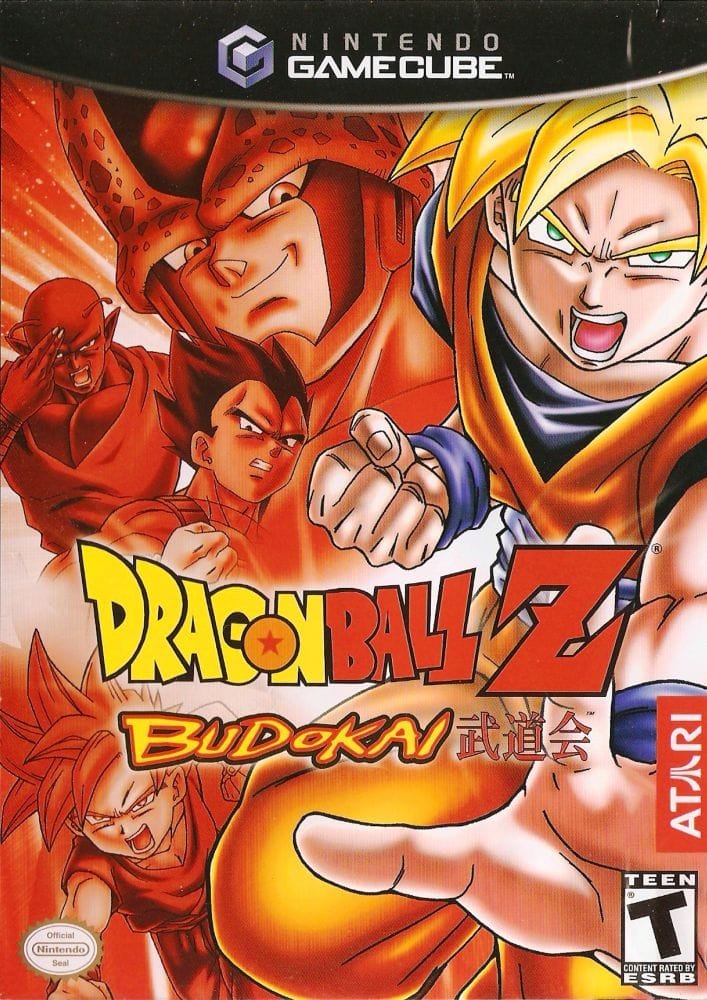
Dimps kicked off the modern era of 3D anime fighters when they brought Dragon Ball Z: Budokai to the GameCube, bringing the Saiyan, Frieza, and Cell sagas straight into our living rooms. The innovative Skill Capsule System allowed you to slot specific moves, transformation triggers, and stat-boosting items directly into your fighter’s custom inventory grid. The presentation also deserves credit for its era. Character models captured Akira Toriyama’s iconic designs surprisingly well for its time, and the beam-clash mechanic became an instant series staple that later Budokai games (and honestly, a ton of other anime fighters) borrowed wholesale. Sure, the combo engine feels a bit stiff compared to later sequels, but the dramatic story mode presentation captured the anime’s exact energy.
Why It's Worth Playing: Dragon Ball Z: Budokai is the ultimate blueprint for all 3D anime brawlers that followed, offering an incredibly faithful retelling of the iconic anime arcs. It might not have the bells and whistles of its sequel, but there's something to be said for a game that nails its core fantasy on the first try. If you want fast, arcade-style DBZ combat without the RPG trimmings, or if you're just curious where this whole beloved series actually began, this is absolutely worth revisiting.
Fight Night Round 2
- Developer: EA Chicago
- Release Date: March 1, 2005
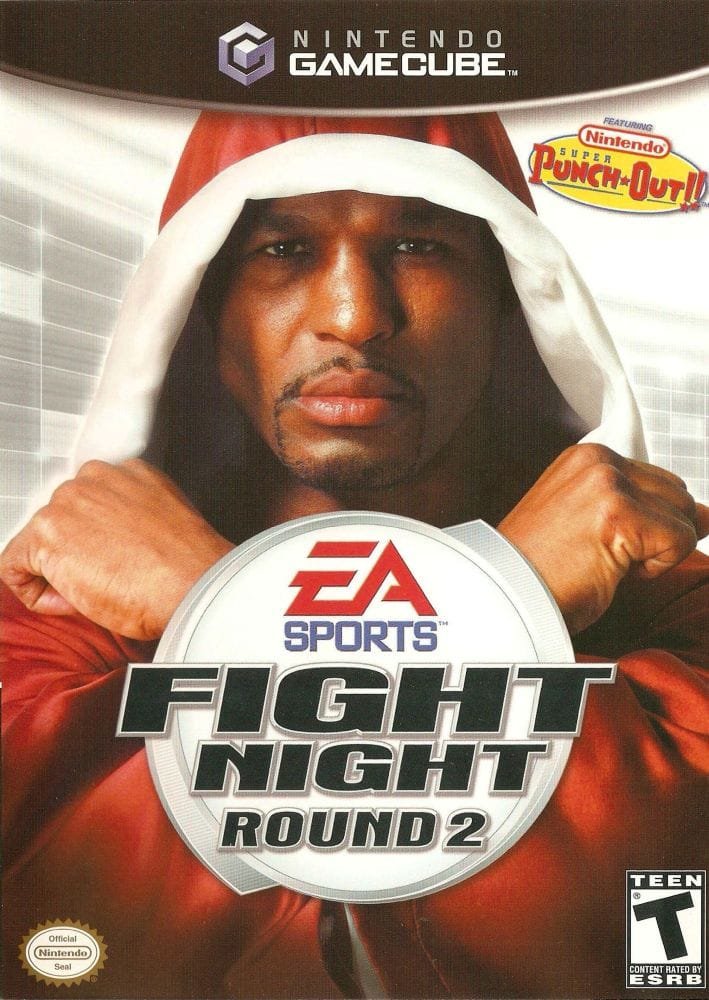
Fight Night Round 2 is an unbelievably gritty boxing masterpiece that stole hundreds of hours from my gaming routine. The revolutionary Total Punch Control scheme tossed out traditional button-mashing in favor of full analog stick precision. You flicked the C-Stick to carve out lethal uppercuts, swift jabs, and devastating hooks with fluid spatial control. That body damage system wasn’t just a health bar ticking down — landing consistent body shots would visibly wear an opponent down, affecting their guard and stamina in ways that rewarded actual boxing strategy over button mashing. GameCube owners got an extra special treat when EA Chicago included the complete SNES classic Super Punch-Out!! right on the disc, unlocked and playable directly from the main menu.
Why It's Worth Playing: Fight Night Round 2 delivers a highly tactical boxing experience that remains the absolute gold standard for combat sports games. Its intuitive analog stick controls and brutal knockout mechanics ensure that every single round feels intensely physical and satisfying. You simply need to jump into the ring, throw some heavy haymakers, and experience one of the finest sports brawlers the GameCube ever received.
Viewtiful Joe: Red Hot Rumble
- Developer: Clover Studio
- Release Date: November 22, 2005
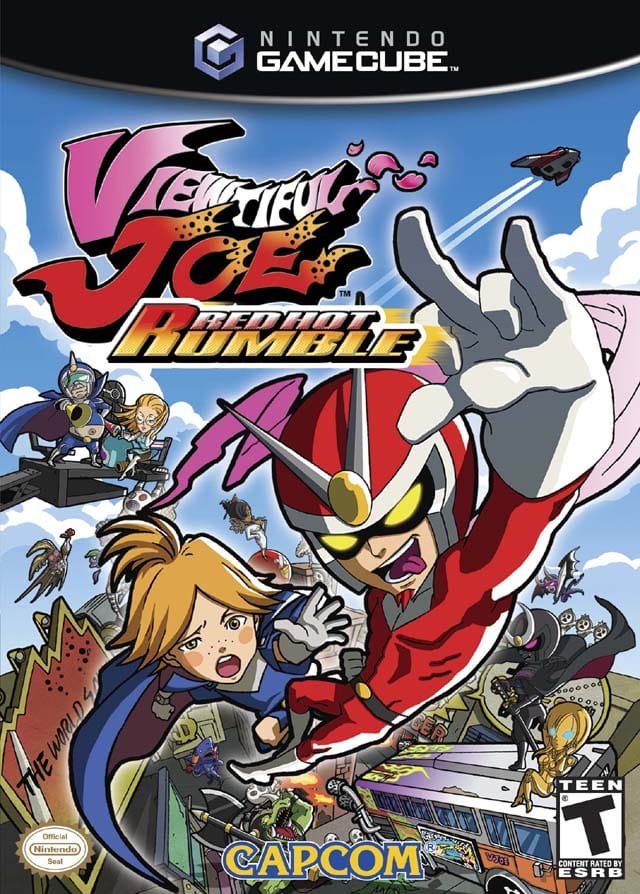
Clover Studio took the slick, movie-obsessed aesthetic of Capcom’s favorite red-suited superhero and cram it into a four-player party brawler with Viewtiful Joe: Red Hot Rumble. Instead of typical health bars, matches revolve around collecting V-Coins while completing frantic mid-battle minigames right on set. You utilize Joe’s signature VFX Powers—Slow, Speed, and Zoom—to alter time, execute lightning-quick strikes, and unleash massive cinematic specials. The colorful roster features fan-favorites like Captain Blue, Silvia, and Alastor, all competing for the leading role in Captain Blue’s new superhero flick. The character animations are genuinely charming, the VFX powers add just enough strategic wrinkle to keep things interesting, and the presentation nails that comic-book aesthetic the series is known for.
Why It's Worth Playing: Viewtiful Joe: Red Hot Rumble delivers a deliciously stylish, time-manipulating platform brawler that breaks the traditional fighting game mold. Its inventive VFX Power mechanics and movie-set minigames keep every single match dynamic and wildly unpredictable. If you're a fan of the franchise or just want something colorful and accessible to break up a fighting game session, this game is worth playing.
Marvel Nemesis: Rise of the Imperfects
- Developer: Nihilistic Software
- Release Date: September 20, 2005
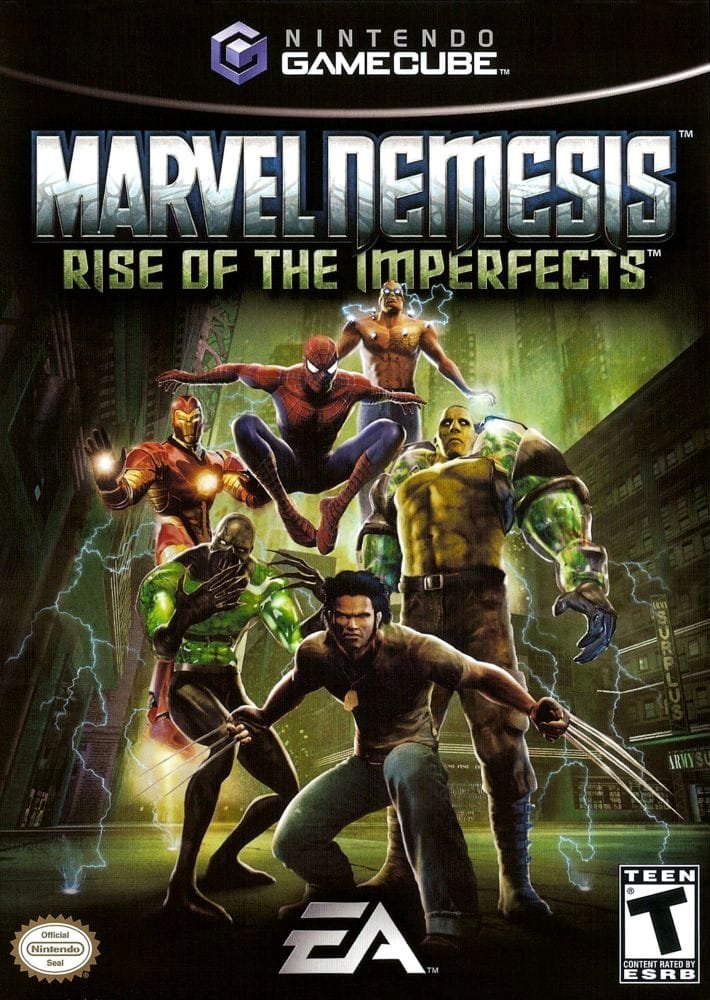
EA teamed up with Marvel to bring Marvel Nemesis: Rise of the Imperfects to life, a dark, gritty arena brawler that came straight out of the mid-2000s “edge” era, and it shows. It pits Marvel legends like Iron Man and Wolverine against a group of new villains called the “Imperfects.” The gameplay focuses on using the environment just as much as your character’s superpowers. You can smash through walls, leap off skyscrapers, and use hazardous objects to gain the upper hand. The “Finishing Moves” are brutal and cinematic, capturing that comic-book violence perfectly. Is the combat itself a little rough around the edges? Sure, no point denying it. It isn’t trying to be a balanced tournament fighter; it’s trying to make you feel like a god-tier superhero.
Why It’s Worth Playing: Marvel Nemesis: Rise of the Imperfects is worth playing for the novelty alone — an original Marvel storyline built specifically around a fighting game, complete with a genuinely creative new villain roster, is not something you see very often. If you want a comic-book fighter with real personality, this cult classic is absolutely worth a look.
Ultimate Muscle: Legends vs. New Generation

- Developer: Aki Corporation
- Release Date: June 5, 2003
Based on the Kinnikuman sequel series, Ultimate Muscle: Legends vs. New Generation embraces ridiculousness with every fiber of its being, and it’s an absolute blast to play. Forget realistic grapples and submission holds—here, wrestlers shoot laser beams from their eyes, summon meteors, and unleash special moves so over-the-top they’d make a Dragon Ball Z character blush. But what really sets it apart is the surprisingly robust single-player mode. You create your own rookie wrestler and guide them through a full-blown RPG-like story, building stats, learning new moves, and taking on increasingly outrageous opponents. It’s packed with content, personality, and a genuine love for its source material.
Why It's Worth Playing: If you’re tired of the same old fighting games and want something that will make you laugh as much as it makes you cheer, Ultimate Muscle is the perfect choice. It’s a hidden treasure for anime fans and wrestling enthusiasts alike, offering deep customization, chaotic multiplayer, and a campaign that’ll keep you hooked for hours. It’s the perfect cap to a GameCube night with friends—loud, stupid, and absolutely unforgettable.
DreamMix TV World Fighters

- Developer: Bitstep
- Release Date: December 18, 2003
DreamMix TV World Fighters throws together characters from Hudson Soft, Konami, and Takara into a bizarre TV studio battle royale, which felt like a wild fan-fiction fever dream brought to life. We’re talking about a game where Solid Snake from Metal Gear Solid can throw down with Optimus Prime from Transformers. Yes, you read that correctly. The gameplay will feel instantly familiar to Smash Bros. fans, but instead of classic knockout meters, this quirky fighter uses a bizarre V-Soul system where every landed hit knocks glowing life-coins out of your rivals. IMO, watching a shrunken, coin-depleted Bomberman scurry around the arena to disrupt other players delivers a level of hilarious disrespect that few party fighters can match.
Why It's Worth Playing: DreamMix TV World stands as one of the ultimate Japanese import curiosities for the GameCube, blending three distinct pop-culture universes into a surprisingly competent platform brawler. While it lacks the polish and balance of Nintendo's flagship fighter, it makes up for it with unique coin-snatching health mechanics and unbelievable crossover lineup. Where else can you see a tiny Moai head from Gradius fight a Beyblade? Nowhere. That's where.
Rave Master
- Developer: Konami
- Release Date: March 8, 2005
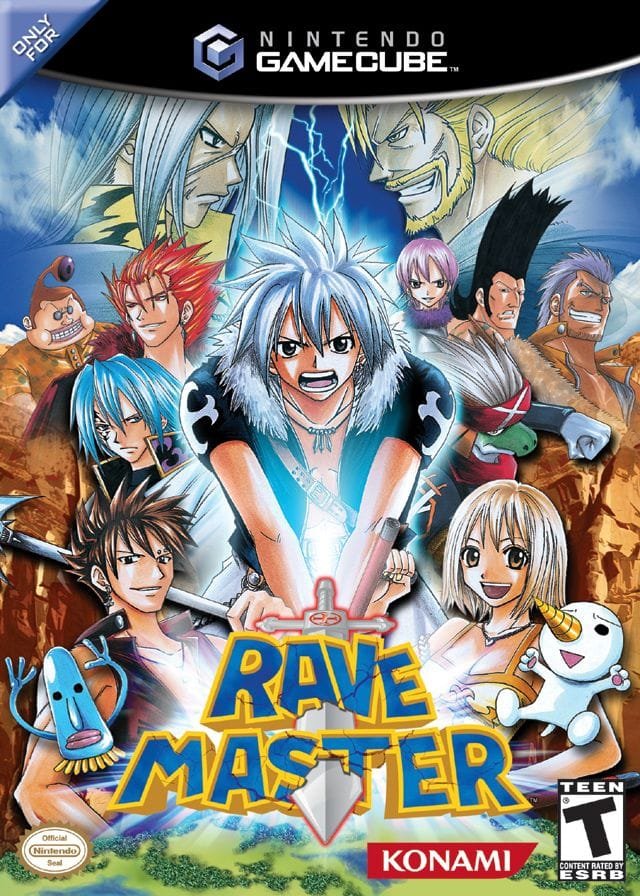
Konami brought Hiro Mashima’s Rave Master onto the GameCube, delivering intense four-player arena combat that flew way under most gamers’ radars. The combat engine revolves around dynamic weapon forms and flashy Tension Gauge attacks. You take control of Haru Glory, switching between his iconic Ten Powers Sword transformations like Explosion, Silfarion, and Runesave mid-combo. Up to four players can clash simultaneously while dodging stage hazards and collecting Dark Brings to enhance their special attacks. Is the roster a little smaller than some of the more stacked fighters on this list? Sure, no arguing that. But what’s here is handled with real care, and the manga’s source material gets translated faithfully rather than watered down for a quick licensed cash-in.
Why It's Worth Playing: Rave Master delivers a charmingly chaotic 3D weapon fighter that offers plenty of nostalgic charm for mid-2000s anime enthusiasts. Its dynamic sword-transformation mechanics and fast-paced four-player brawling offer a delightful retro alternative to mainstream fighting franchises. Whether you're a fan of the manga or just curious about one of the more under-the-radar anime fighters from this era, Rave Master deserves a spot on your GameCube backlog.
Digimon Rumble Arena 2
- Developer: Bandai, Black Ship Games
- Release Date: September 6, 2004
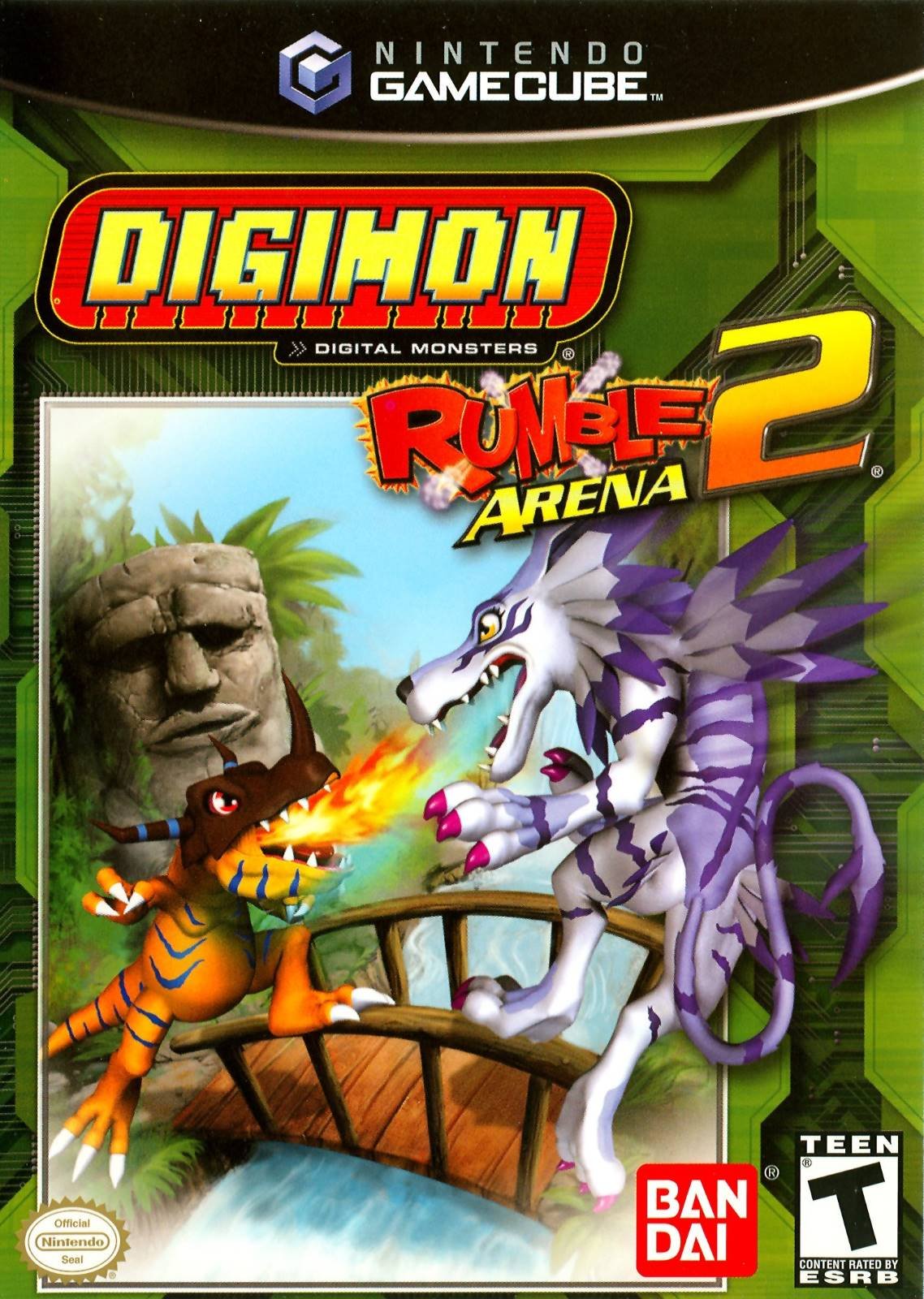
Digimon Rumble Arena 2 brought four-player arena brawling straight to our GameCube setups, complete with mid-fight evolutions that completely flipped every match on its head. This game wears its Smash Bros. influence proudly, but adds a brilliant monster-monitored twist. The combat loops around beating up your rivals to snag glowing Digivolve Orbs that float across the screen. Grabbing enough energy triggers a massive mid-fight evolution, boosting your stats and giving you a completely devastating move list. You can battle across expansive, multi-tiered stages that feature shifting environmental hazards like rising lava and crumbling ice bridges. The roster features iconic monster lines from the first four seasons of the anime, giving you plenty of variety for four-player battle royales.
Why It's Worth Playing: Digimon Rumble Arena 2 delivers exactly what Digimon fans had been waiting for — a platform fighter that actually respects the franchise's scope. It seamlessly integrates mid-match creature evolutions into traditional four-player combat, and its dynamic Digivolution mechanic and interactive stage hazards make every single match feel like a wild, high-stakes anime showdown. If you grew up watching Digimon before school, this one's an easy recommendation.
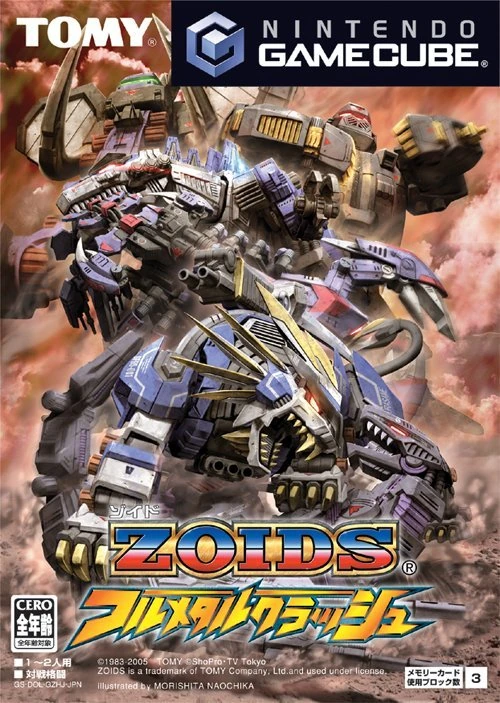
Zoids: Full Metal Crash
- Developer: Eighting
- Release Date: October 27, 2005
Based on the toy-line-turned-anime juggernaut, Zoids: Full Metal Crash throws you into the cockpit of mechanical beasts and lets you settle disputes the only way Zoids know how — full-on robotic combat. Instead of mindless button-mashing, Eighting crafted a tight 3D arena combat system that seamlessly blends strategic gunplay with brutal, close-quarters melee strikes. You pick your pilot, select iconic mechs like the Command Wolf or Iron Kong, and outfit your rig with deadly ballistic cannons and booster packs. The game constantly rewards sharp spatial awareness and resource management as you balance weapon heat levels and thruster energy. Sure, the controls can feel stiff by modern standards, but the crisp 3D mech models and fluid frame rates made every translation hassle totally worth it.
Why It's Worth Playing: Zoids: Full Metal Crash offers an extraordinarily deep, tactical mech-brawling experience that stands out as one of the finest Japan-exclusive imports on the GameCube. Its deep weapon customization and high-speed robotic combat deliver an absolute masterclass in heavy-metal arena action. You simply need to fire up this hidden gem, pilot your favorite Zoid, and obliterate your rivals in glorious, high-tech gladiatorial combat.
Final Thoughts
So there you have it — 20 fighting games that prove the GameCube deserved way more credit as a combat-focused console than history usually gives it. Between tournament-defining legends like Melee, genre-defining weapon fighters like Soulcalibur II, and delightfully unhinged curiosities like a game where Godzilla punches a moth, this little purple box quietly built one of the weirdest, most eclectic fighting game libraries of its entire generation.
You’ve got competitive-grade platform fighting sitting right next to boxing sims. Anime crossovers nobody in the West ever officially got to touch sitting next to mainstream licensed hits. A build-your-own-mech RPG hybrid sharing shelf space with giant kaiju wrestling matches. The GameCube never got the reputation of a “fighting game console” the way the Dreamcast or PS2 did, but spend a weekend digging through this library and you’ll realize just how much was hiding in plain sight.
So, did your personal favorite make the cut? Got a GameCube fighter that got snubbed here? Fire up the emulator, dust off the real hardware if you’ve still got it, or just start hunting eBay listings — because this console’s combat scene deserves a lot more love than it typically gets.

At HyperComboGamer, we believe great games deserve great coverage. That means no filler, no clickbait, or fanboyism—just honest, high-quality reviews, features, and guides that put gamers first. Whether you’re a lifelong enthusiast or just starting your gaming journey, you’ll find interesting gaming perspectives that will leave you fully satisfied.