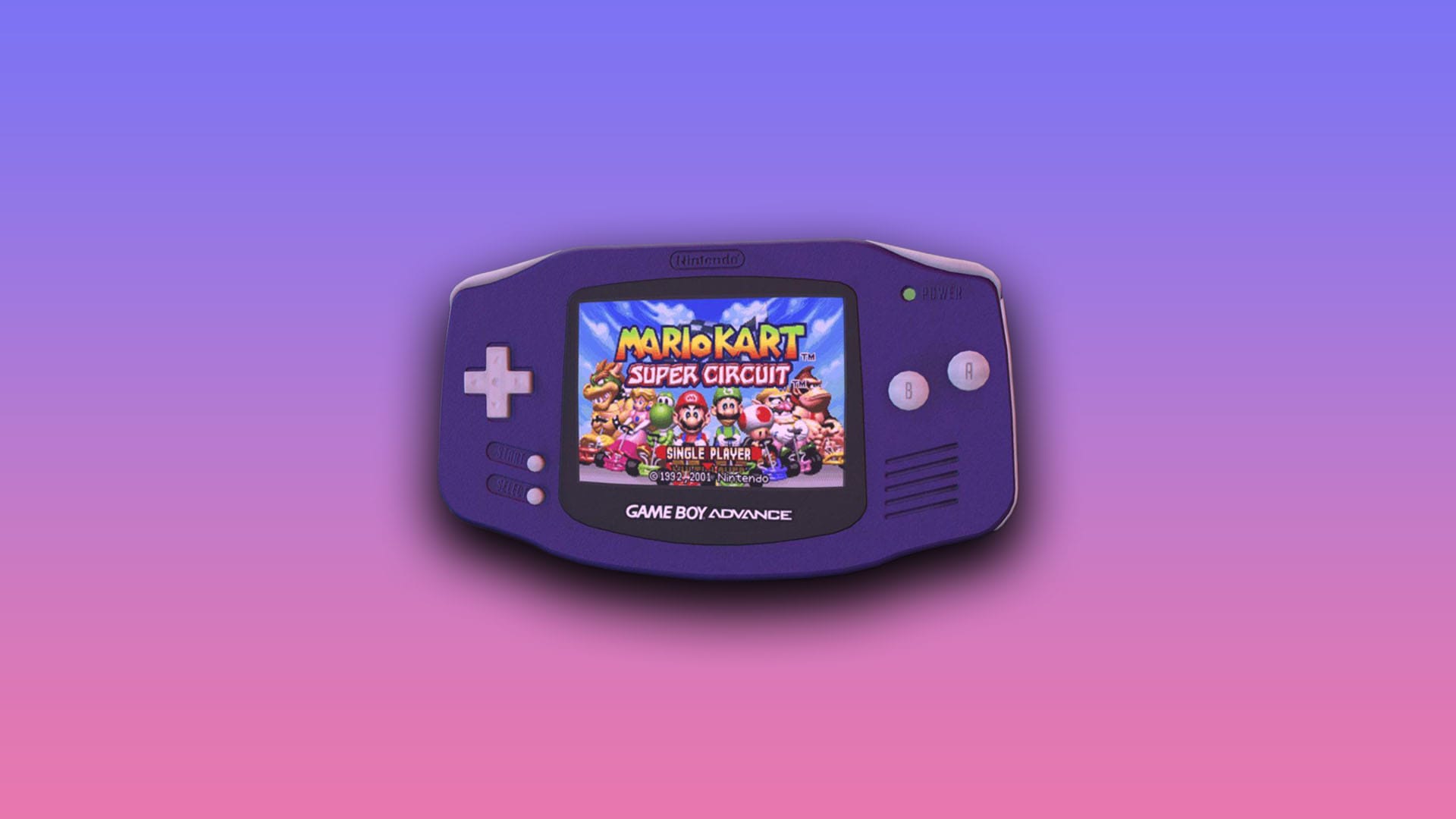

The early 2000s were a golden age for handheld gaming, and at the center of it all was the Game Boy Advance—a compact powerhouse that carried the torch for pixel-perfect platformers into the new millennium. With its 32-bit architecture, gorgeous sprite-based graphics, and a library brimming with creativity, the GBA wasn’t just a successor to the Game Boy—it was a spiritual home for the platforming genre.
From fast-paced action romps to slower, exploration-driven adventures, the GBA had something for every kind of player who loved to jump, slash, and stomp their way through vibrant levels. Developers took full advantage of the hardware to deliver tight controls, colorful worlds, and catchy chiptune soundtracks that felt like love letters to the SNES era—but with a handheld twist.
In this list, we’re celebrating the 30 best GBA platformer games to ever grace Nintendo’s legendary handheld. Some are cult favorites. Others are cornerstone classics. All of them, though, are worth playing—whether you’re reliving childhood memories or discovering them for the first time. Let’s dive in.
Sonic Advance

- Developers: Sonic Team, Dimps
- Release Date: December 20, 2001
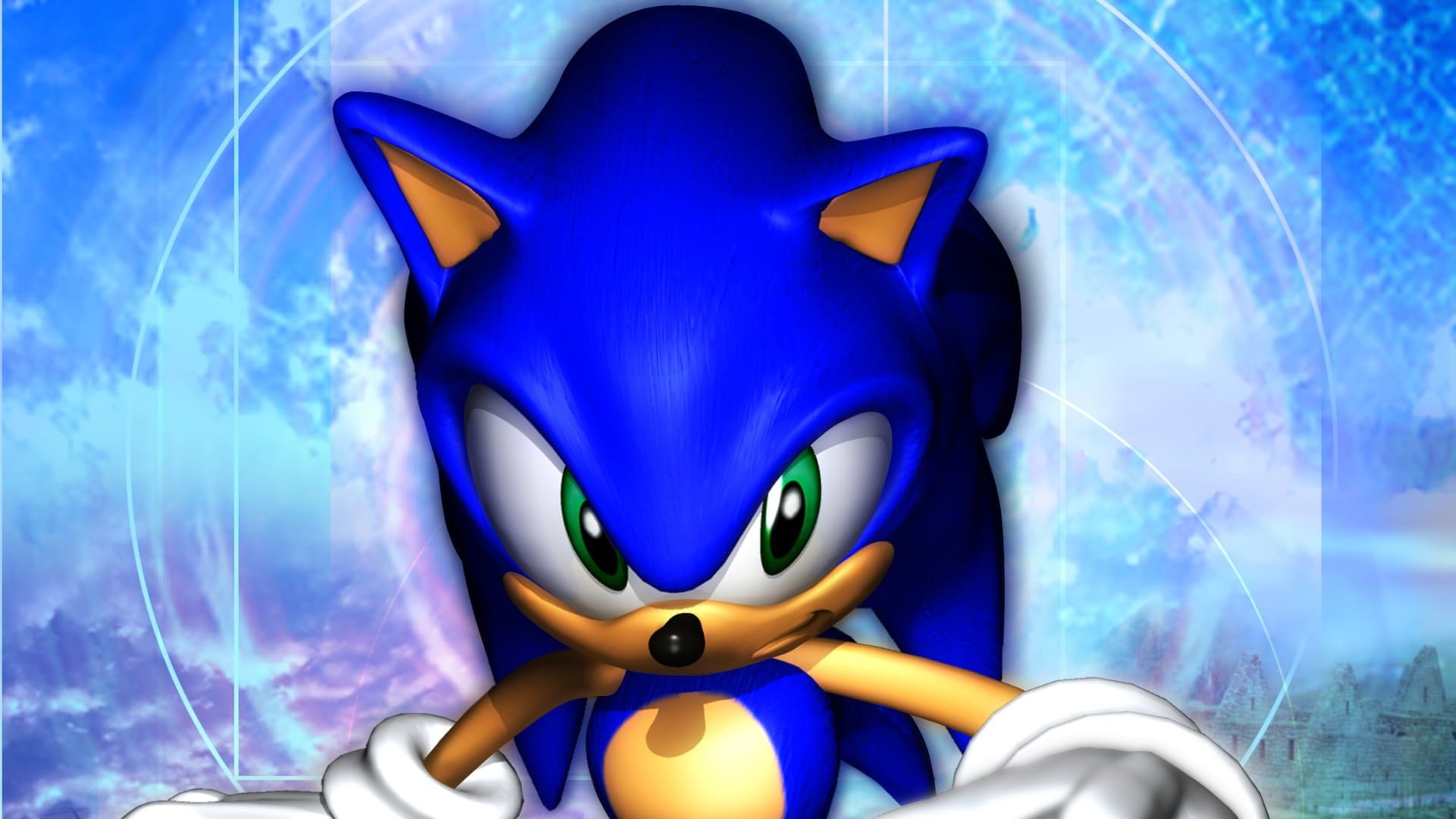
Sega and Nintendo finally buried the hatchet, and the result was this absolute banger of a handheld debut. It felt surreal seeing a Sega logo pop up on my Game Boy screen for the first time, didn’t it? Sonic Advance delivered a pixel-perfect aesthetic that bridged the gap between the 16-bit era and the modern Yuji Uekawa art style. I love how each of the four playable characters—Sonic, Tails, Knuckles, and Amy—actually feels distinct. Plus, the Tiny Chao Garden connectivity was a literal game-changer for anyone obsessed with the GameCube’s Sonic Adventure series.
Why It's Worth Playing: Sonic Advance marked a major moment for Sega’s iconic mascot: his very first mainline outing on a Nintendo console. And what a comeback it was. It avoids the clutter of later entries while leaning into momentum-based physics that feel incredibly snappy on the GBA’s D-pad. Sonic Advance is arguably the purest 2D Sonic experience outside of the original Genesis trilogy.
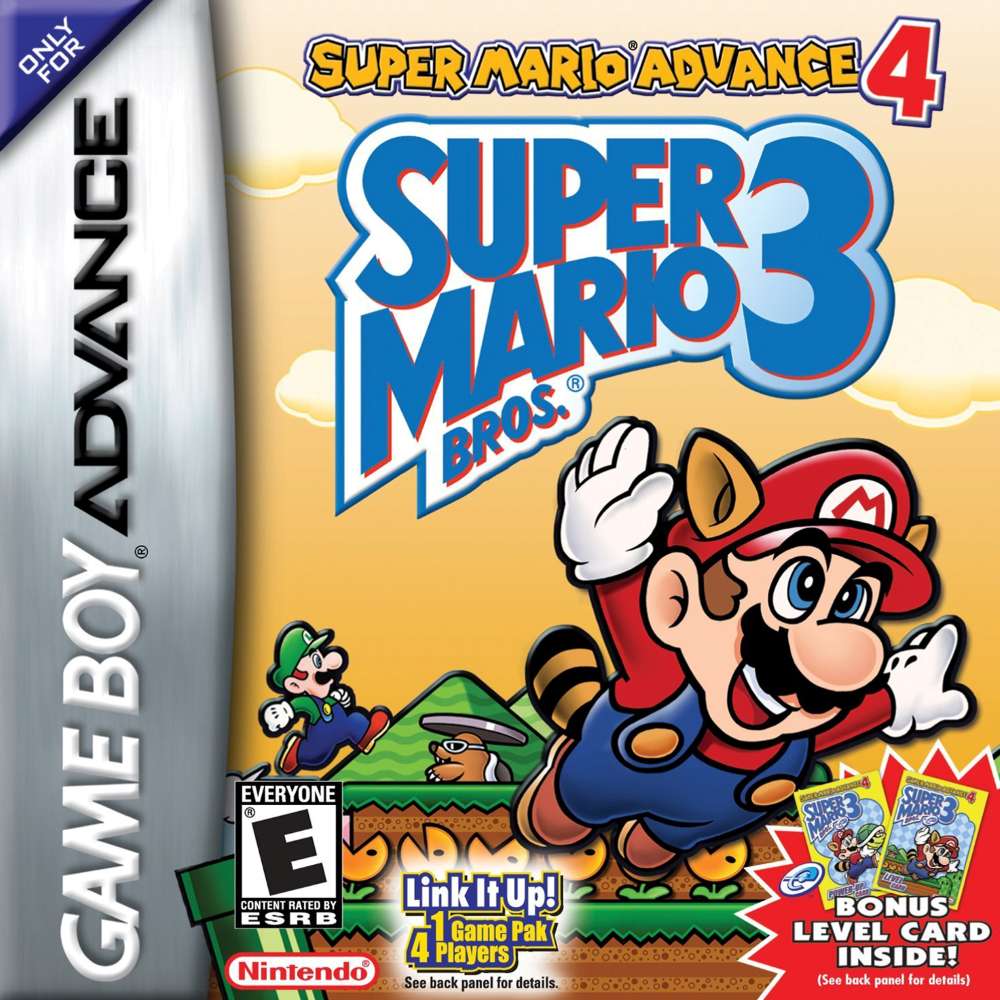
Super Mario Advance 4: Super Mario Bros. 3
- Developer: Nintendo R&D2
- Release Date: October 21, 2003
Super Mario Advance 4 takes the gorgeous All-Stars version of Super Mario Bros. 3 and pack it with enough extra content to make your head spin. The core game remains a masterclass in thematic variety, whisking you from the oversized sprites of Big Island to the slippery, treacherous slopes of Ice Land. I’ve always found the Frog Suit to be tragically underrated; sure, you look ridiculous, but the aquatic mobility is a total game-changer. What really cements this as the “definitive” version, though, are the World-e levels. If you have a way to access them today, you’ll find a treasure trove of stages that remix mechanics from across the entire series.
Why It’s Worth Playing: Super Mario Advance 4 represents the ultimate iteration of a legendary title. Between the refined physics, the save feature that preserves your sanity, and the incredible level density, it offers more value than almost any other cartridge on the system. If you want to witness the architectural genius of Nintendo’s golden era, this is the textbook you need to study.
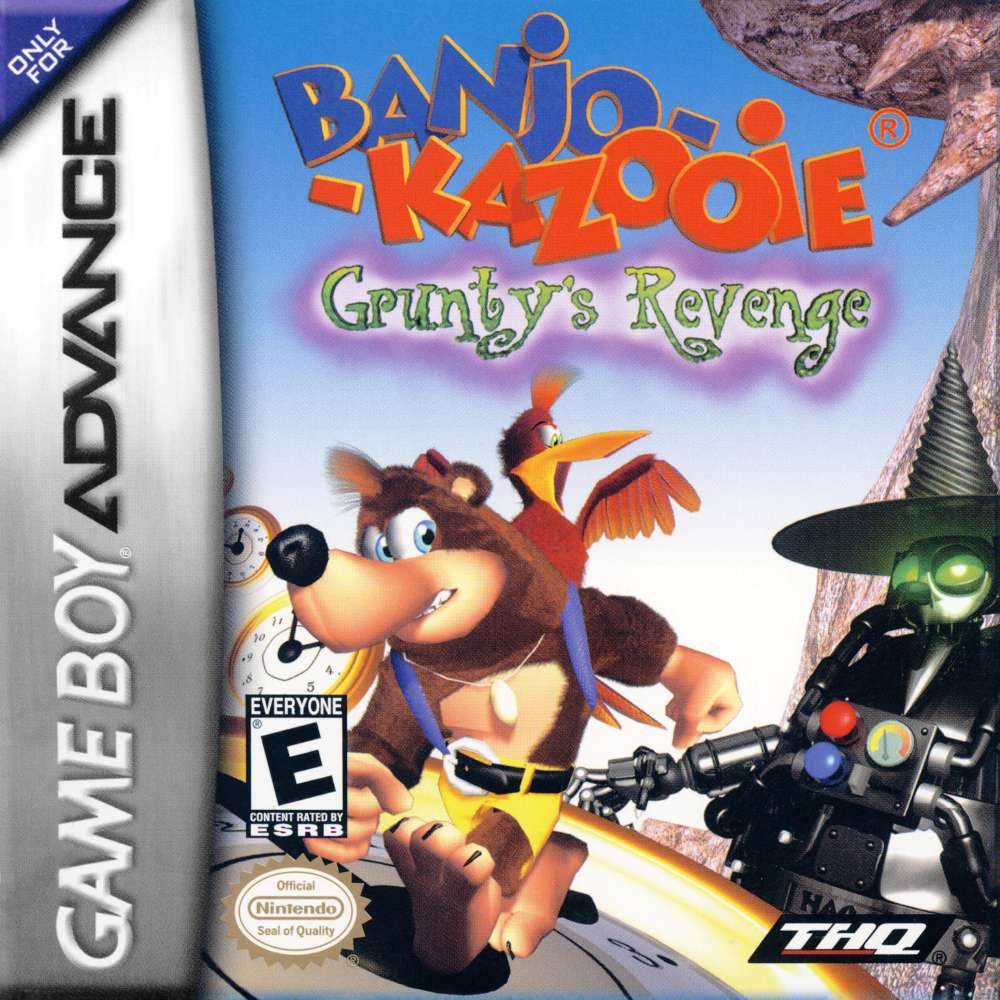
Banjo-Kazooie: Grunty’s Revenge
- Developer: Rare
- Release Date: September 12, 2003
Rare somehow defied the laws of physics with Banjo-Kazooie: Grunty’s Revenge, converting a sprawling 3D collect-a-thon into a handheld cartridge The plot fills the gap between the first game and Tooie, featuring a mecha-Grunty that is as snarky as ever. The transformation mechanics—like turning into a candle or a tank—translate so fluidly to the GBA’s limited button layout. The pre-rendered backgrounds look surprisingly crisp, providing a faux-3D depth that makes the exploration feel substantial. Collecting Jiggies and Notes remains the core loop, and exploring the Spiller’s Harbor or the icy peaks of Freezeezy Peak’s past self feels like visiting an old friend’s childhood home.
Why It’s Worth Playing: Banjo-Kazooie: Grunty's Revenge is a rare (pun intended) example of a spin-off that captures the mechanical soul of its big-budget predecessors. The writing is sharp, the music hits those nostalgic Grant Kirkhope notes, and the puzzle-platforming is tight enough to keep you hooked. If you miss the era of high-quality British humor and endless hidden trinkets, this is a must-grab for your collection.
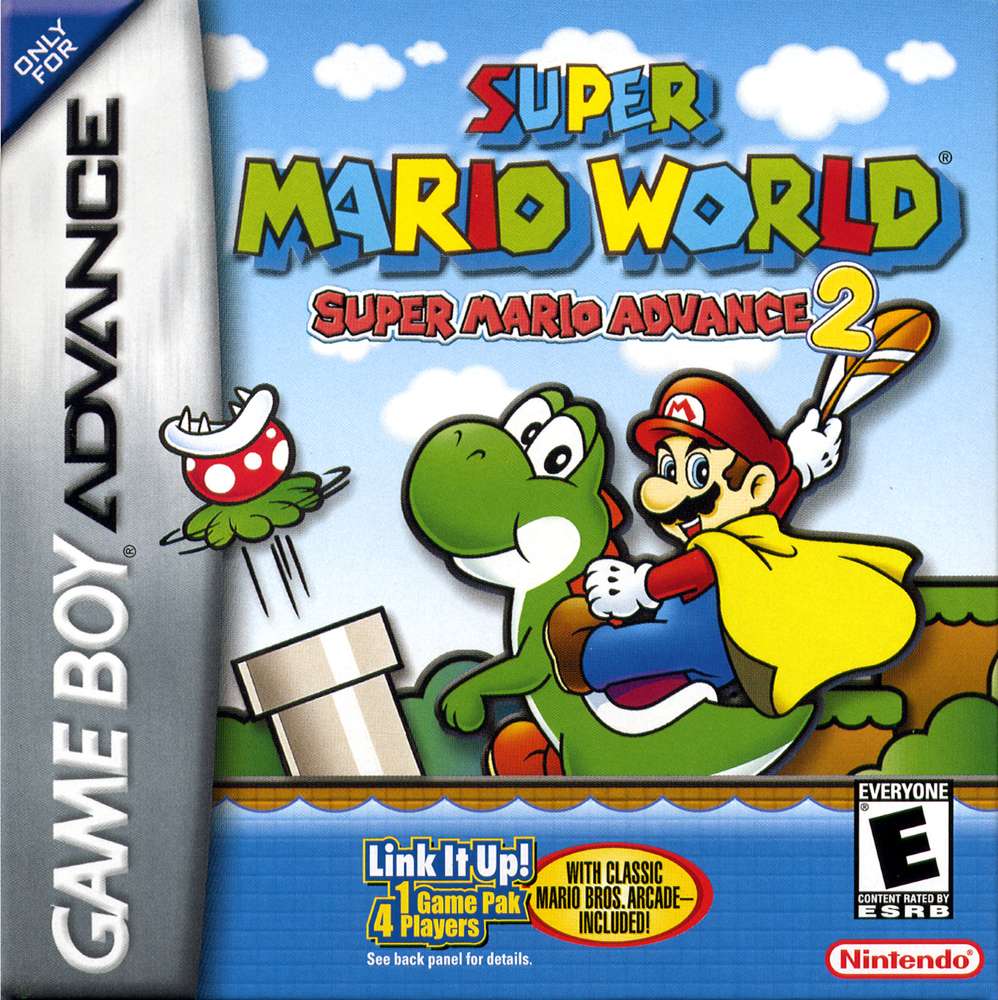
Super Mario Advance 2: Super Mario World
- Developer: Nintendo R&D2
- Release Date: February 9, 2002
Nintendo R&D2 basically performed a digital miracle when they shrunk Super Mario World to fit inside your pocket with Super Mario Advance 2. Unlike the SNES original, Luigi finally possesses, boasting that iconic, frantic scuttle-jump we first saw in the western Super Mario Bros. 2. The developers recalibrated the chromatic palette to compensate for the GBA’s reflective LCD, resulting in a vibrant, punchy aesthetic. This version also tracks your Dragon Coin progress across every stage, turning your casual playthrough into a compulsive completionist’s dream.
Why It’s Worth Playing: Super Mario Advance 2 provides the gold standard for handheld conversions, offering a level of mechanical polish that few modern indies can replicate. You get the entire SNES masterpiece plus the frantic Mario Bros. arcade classic as a sugary bonus. The save-anywhere functionality transforms a sprawling epic into a series of bite-sized, commute-friendly sessions. Who needs a bulky console when you have this level of architectural brilliance in the palm of your hand?
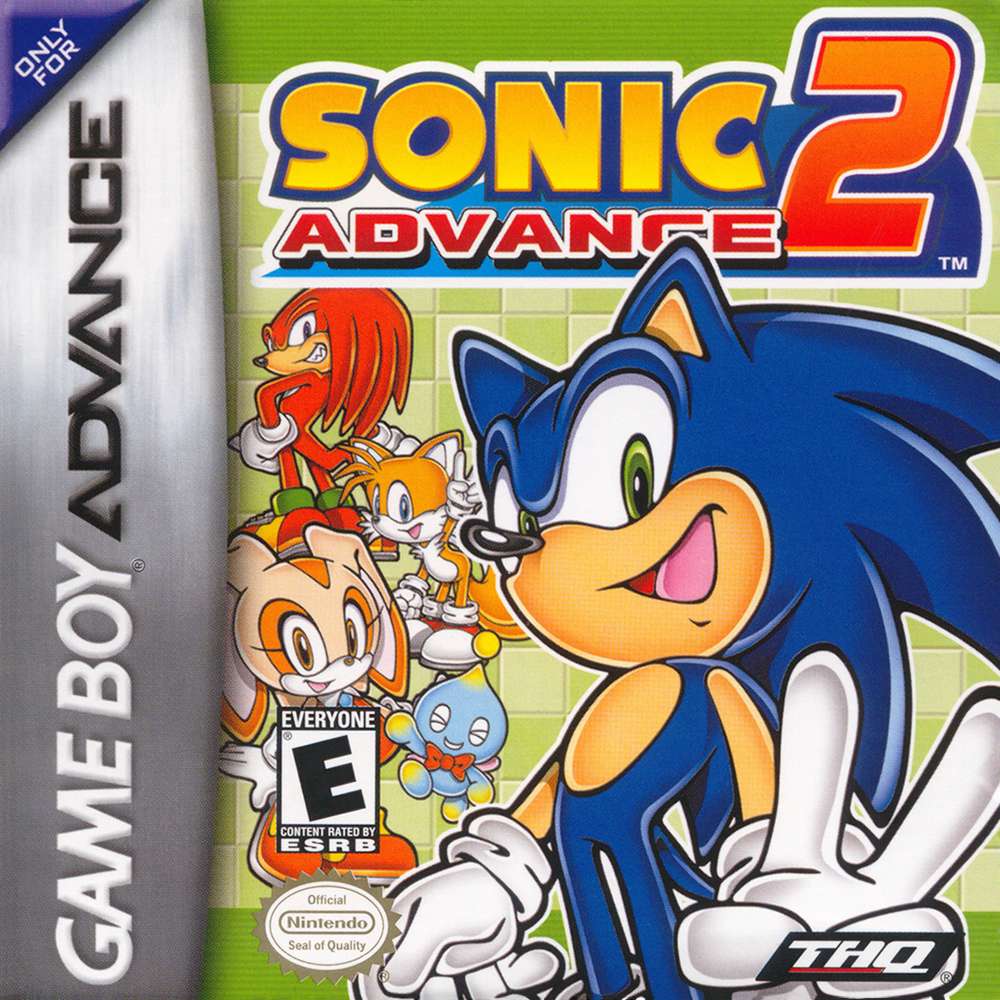
Sonic Advance 2
- Developers: Sonic Team, Dimps
- Release Date: December 19, 2002
Dimps decided that “fast” simply wasn’t fast enough in Sonic Advance 2, overhauling the engine to focus on raw, breakneck velocity. Ever felt like your thumbs couldn’t quite keep up with the shimmering pixels on your screen? That’s the intended experience here. The introduction of the boost mechanic—achieved just by running long enough—changed the flow from traditional platforming to something resembling a high-speed rhythmic dance. And let’s not forget Cream the Rabbit making her grand debut! Her Chao friend, Cheese, is basically a homing missile that trivializes boss fights, which is great for when I’m feeling particularly lazy.
Why It's Worth Playing: Sonic Advance 2 is the most adventuresome entry in the handheld trilogy. The game rewards players who can memorize the labyrinthine layouts and maintain a perfect flow state. If you want a platformer that tests your reflexes and twitch-timing while blasting one of the catchiest soundtracks on the system, Sonic Advance 2 is your speed demon of choice.
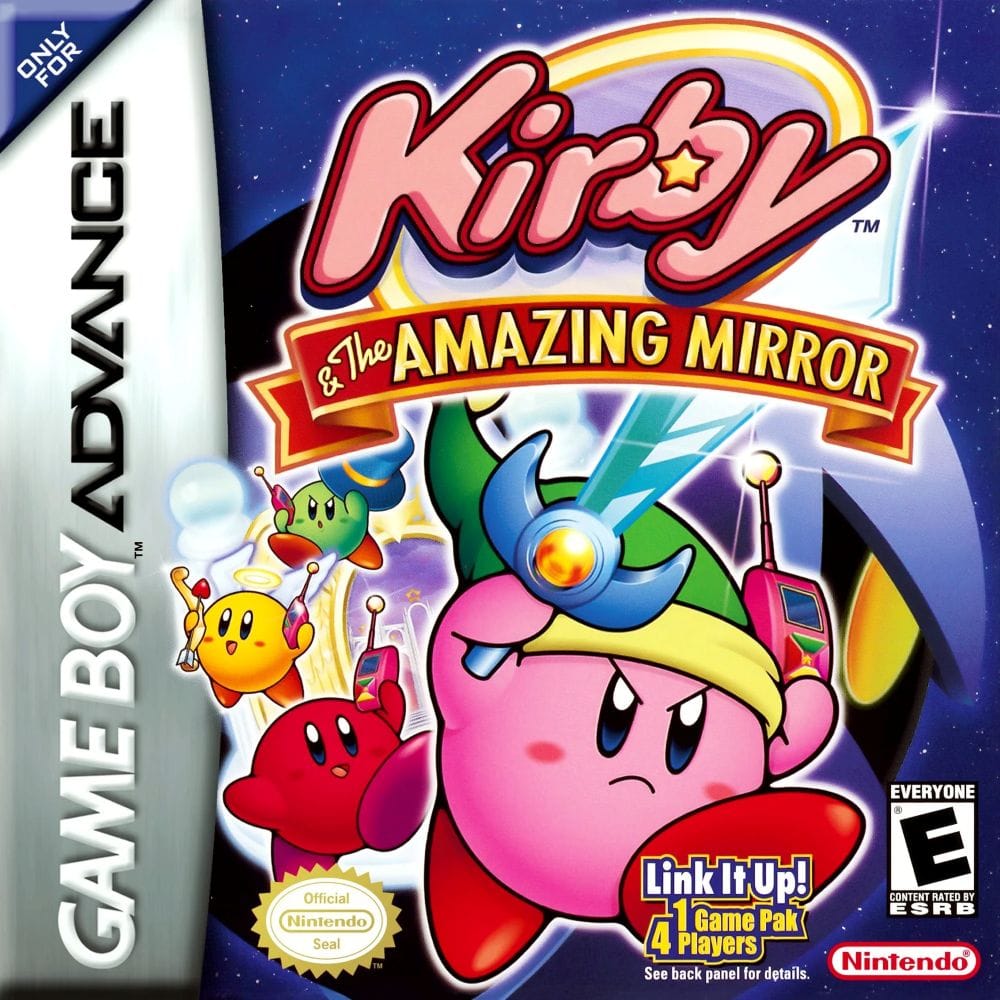
Kirby & The Amazing Mirror
- Developers: HAL Laboratory, Flagship, Dimps
- Release Date: October 18, 2004
Kirby & The Amazing Mirror tosses Kirby into a massive, interconnected Metroidvania that makes the Great Cave Offensive look like a backyard sandbox. Ever wondered why Kirby carries a cell phone in a fantasy world? It’s not for checking his socials—it’s to summon his three colorful clones for a chaotic quartet beatdown. The AI partners can be a bit eccentric—sometimes they’re tactical geniuses, and other times they’re just inhaling air in a corner—but the multiplayer potential via Link Cable was legendary. The sense of non-linear freedom is a breath of fresh air for the series, allowing you to tackle bosses in almost any order your pink heart desires.
Why It's Worth Playing: Kirby & The Amazing Mirror is arguably the most ambitious Kirby title on any handheld. The exploratory depth is staggering, and the ability to play through the entire adventure with friends (or chaotic AI) adds a layer of unpredictability you won't find in Nightmare in Dream Land. If you want a platformer that respects your intelligence and rewards your curiosity for secrets, this mirror is worth a look.
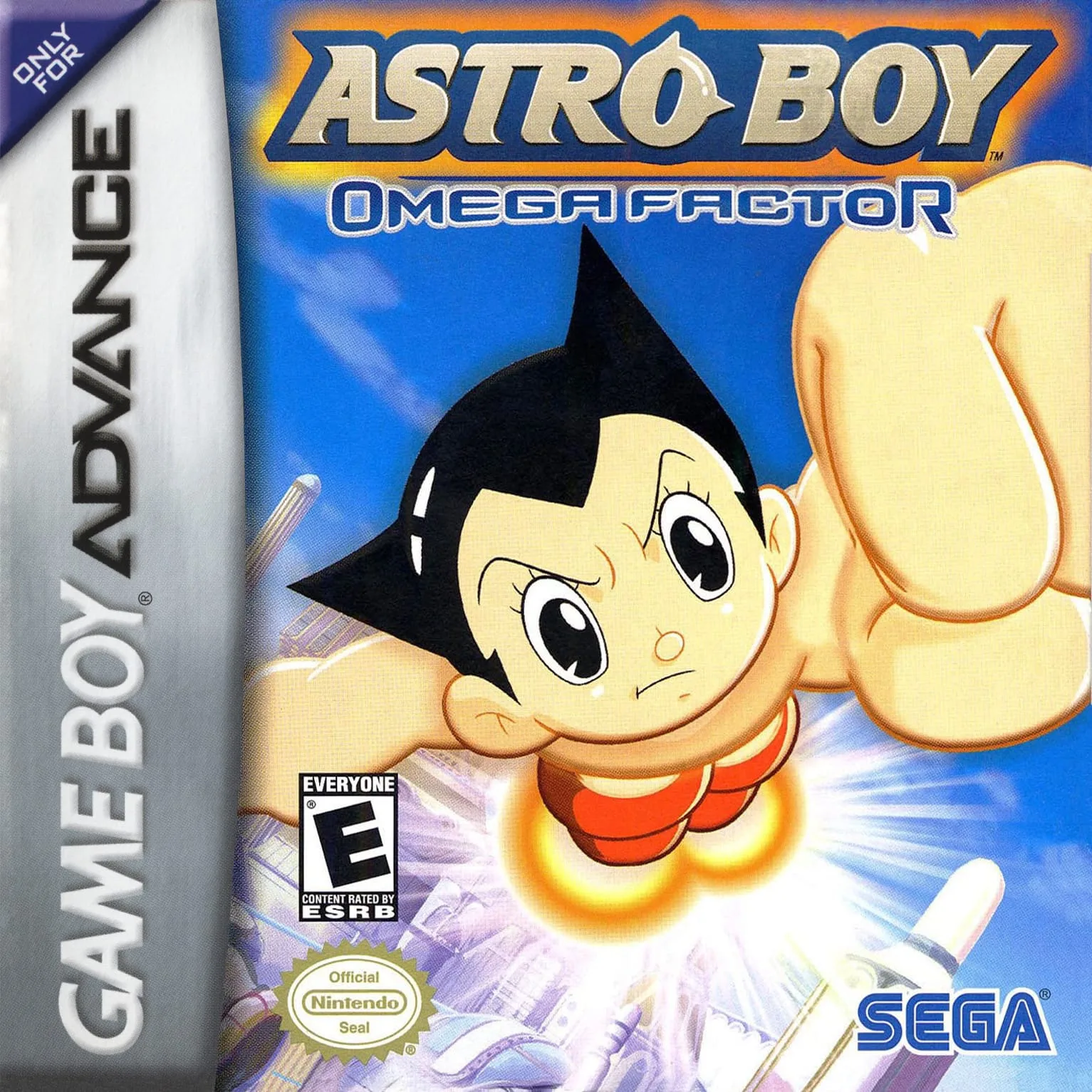
Astro Boy: Omega Factor
- Developers: Treasure, Hitmaker
- Release Date: December 18, 2003
Astro Boy: Omega Factor is a symphonic explosion of pixels that celebrates the entire Osamu Tezuka universe. The gameplay is a masterful blend of beat-’em-up combat and traditional platforming, punctuated by shmup-style flying stages. The Omega Factor system encourages you to meet and interact with various characters to power up your stats, turning the game into a massive interconnected scavenger hunt. I love how the combat rewards aggressive play—landing hits builds your meter for devastating EX moves that clear the screen in a flash of light.
Why It's Worth Playing: Astro Boy: Omega Factor is arguably the most polished and intense action-platformer on the system. This is the rare licensed game that doesn’t just do its source material justice—it elevates it. From Black Jack to Phoenix, Tezuka’s sprawling cast of characters makes meaningful cameos throughout the story, giving the game a depth and reverence rarely seen in licensed titles. Whether you’re a die-hard Tezuka fan or completely new to Astro Boy, Omega Factor is essential GBA gaming.
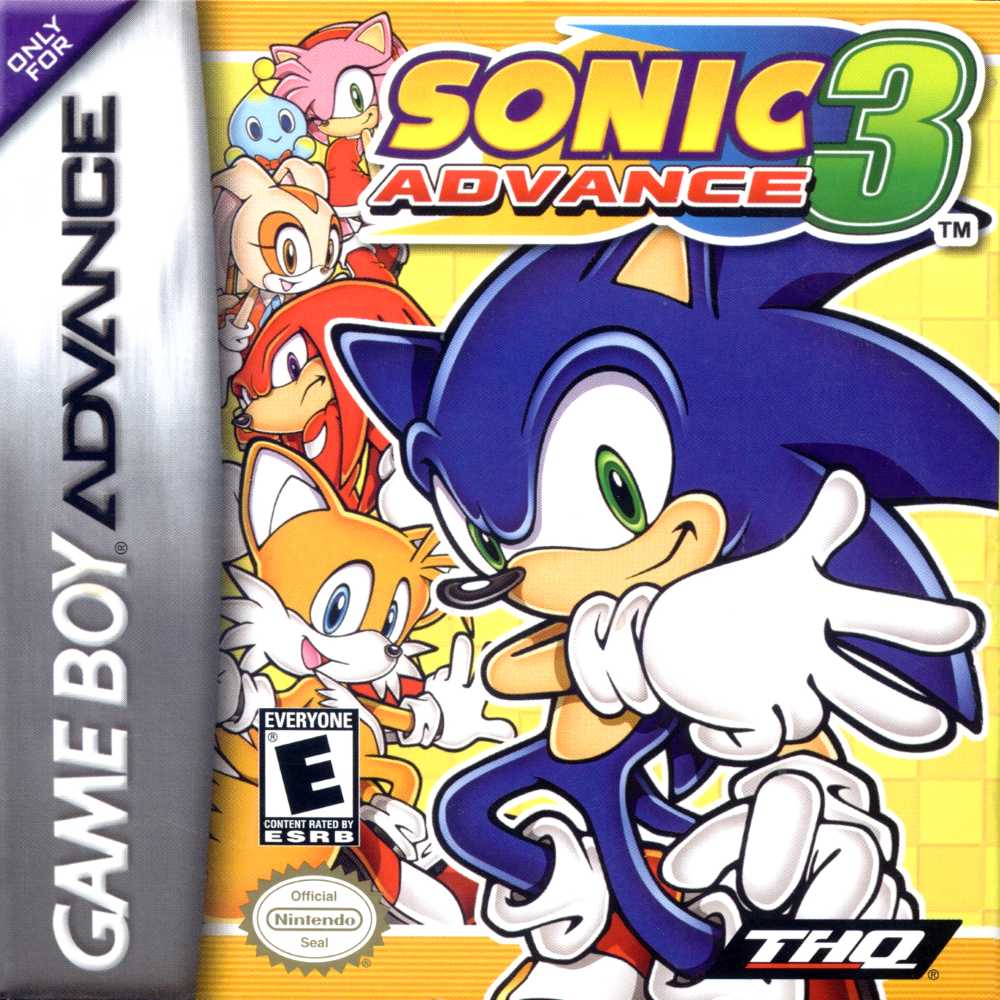
Sonic Advance 3
- Developers: Sonic Team, Dimps
- Release Date: June 7, 2004
If the first game was about tradition and the second was about raw speed, Sonic Advance 3 is all about synergy. This game shakes things up with the Tag Buddy system, which lets you pair up two characters to create a unique move set. Have you ever wondered what happens when you give Knuckles the speed of Sonic or give Tails the raw power of a powerhouse? It turns the levels into a playground for experimental traversal. The level design feels much more meaty this time around, with a return to the multi-act structure tied together by a central hub world. Visually, the game is a triumph of sprite animation, with adorable little interactions between your chosen pair at the end of every stage.
Why It's Worth Playing: Sonic Advance 3 provides incredible replay value and more strategic depth than its predecessors. The level design supports this by offering multiple paths and secrets tailored to different duo abilities. It’s less breakneck than Advance 2, but more methodical and layered, making it a satisfying conclusion to the trilogy.
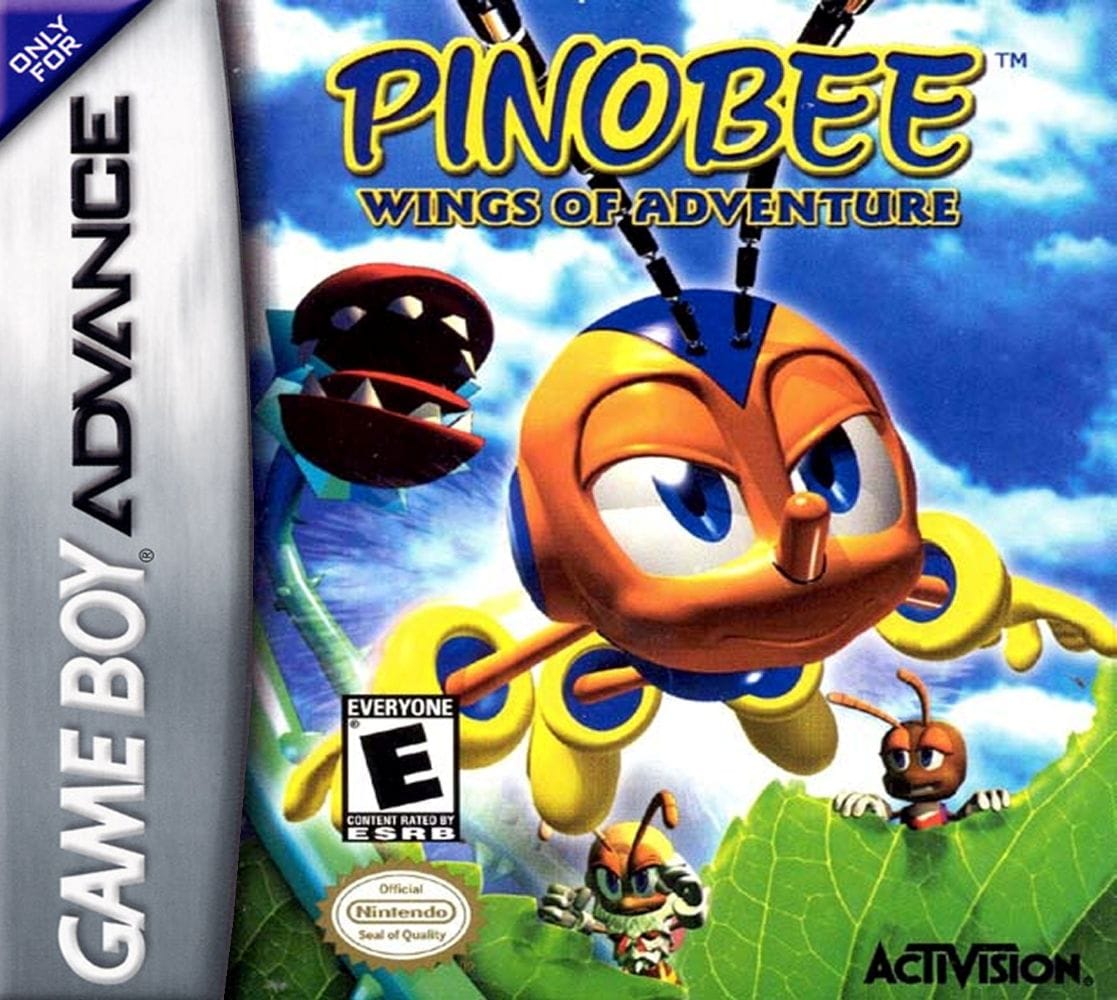
Pinobee: Wings Of Adventure
- Developer: Artoon
- Release Year: March 21, 2001
Pinobee: Wings Of Adventure is a weirdly endearing take on the Pinocchio story, but with a robotic bee. Instead of traditional walking and jumping, you spend most of your time dashing through the air. The game’s aesthetic is bursting with color—lush mechanical forests, candy-colored factories, and sparkling tech environments set the stage for a journey that’s both whimsical and oddly futuristic. Pinobee’s signature ability is his short, air-dashing flight, which feels delightfully floaty and makes the platforming feel more aerial than most GBA games. Admittedly, the game isn’t perfect, but it’s the kind of title that feels like it was made with love, even if it never quite found its audience.
Why It's Worth Playing: Pinobee is weird, cute, and doesn’t quite feel like anything else on the system. While it might feel a bit launch-window janky to some, the sense of freedom you get once you master the aerial dashes is genuinely unique. If you want a platformer that favors graceful navigation over combat and offers a surprisingly heartfelt story, Pinobee is a charming buzz from the past.
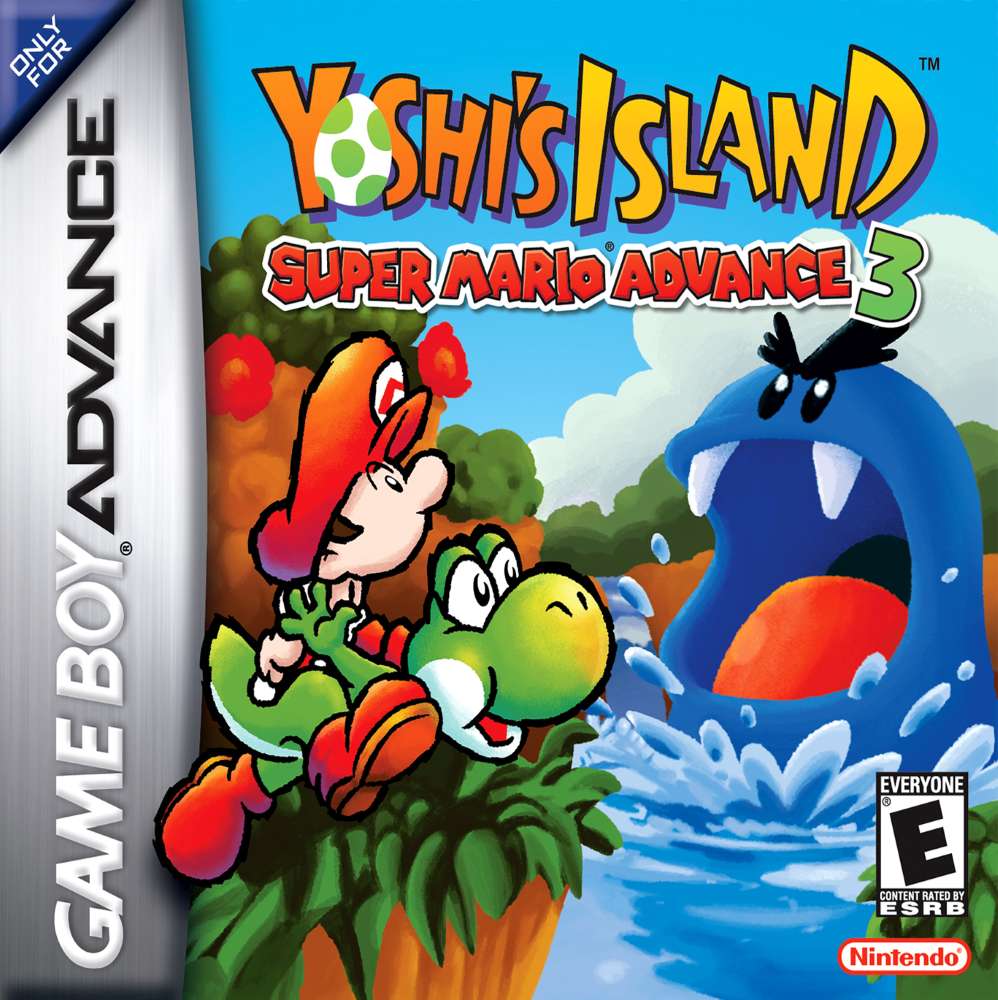
Super Mario Advance 3: Yoshi’s Island
- Developer: Nintendo R&D2
- Release Date: September 24, 2002
Yoshi’s Island: Super Mario Advance 3 brought the most beautiful, hand-drawn aesthetic in gaming history to the GBA’s small screen. Yoshi doesn’t just protect Baby Mario; he uses his own egg artillery to clear a path through some of the most imaginative levels ever conceived. The technical transition is nearly flawless, though the screen resolution is slightly tighter than the original. To compensate, the developers added some extra voice samples for Yoshi, giving him that modern Nintendo feel. The ground-pound physics and the flutter jump remain the gold standard for precision platforming.
Why It’s Worth Playing: Yoshi's Island: Super Mario Advance 3 is a masterclass in level variety and secret-hunting. Every stage feels like a fresh playground, blending exploration with high-stakes platforming. If you want to experience a game that feels like a living, breathing coloring book with mechanical depth that puts most modern titles to shame, this is the definitive handheld version.
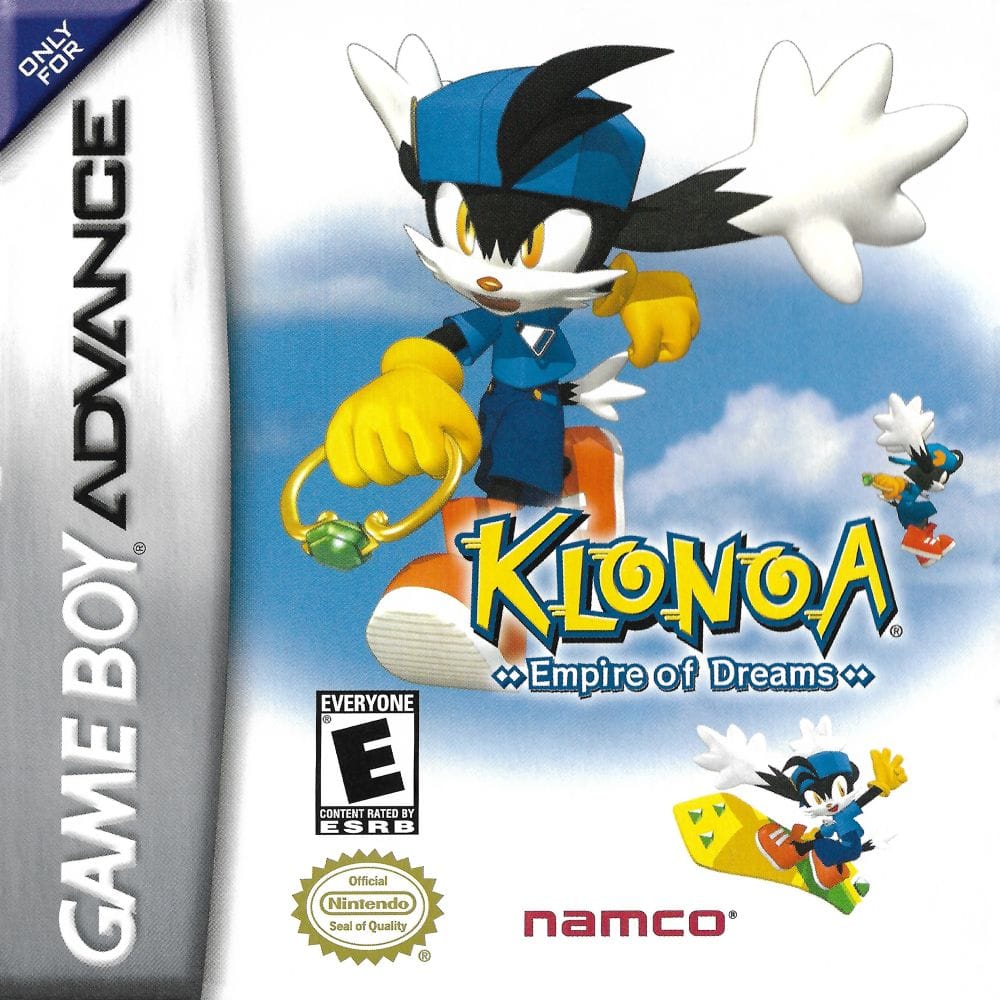
Klonoa: Empire of Dreams
- Developer: Now Production
- Release Date: July 19, 2001
Klonoa: Empire of Dreams delivers a near-perfect blend of puzzle-solving and platforming wrapped in a pastel dreamscape. It ditches the series’ 3D roots in favor of beautifully crafted 2D side-scrolling levels, but it retains everything that makes Klonoa special: the ring-powered Wind Bullet mechanic that lets you grab and toss enemies, double-jump by bouncing off foes, and solve clever environmental puzzles.
Why It's Worth Playing: Empire of Dreams is a game that respects the player’s brain as much as their reflexes. While the story is light and whimsical, it hits that sweet spot of being quietly emotional in a way only Klonoa can. If you grew up on Kirby’s Adventure or Yoshi’s Island, you’ll feel right at home here—but Empire of Dreams brings its own flavor of charm that makes it stand out, even among GBA’s strongest.
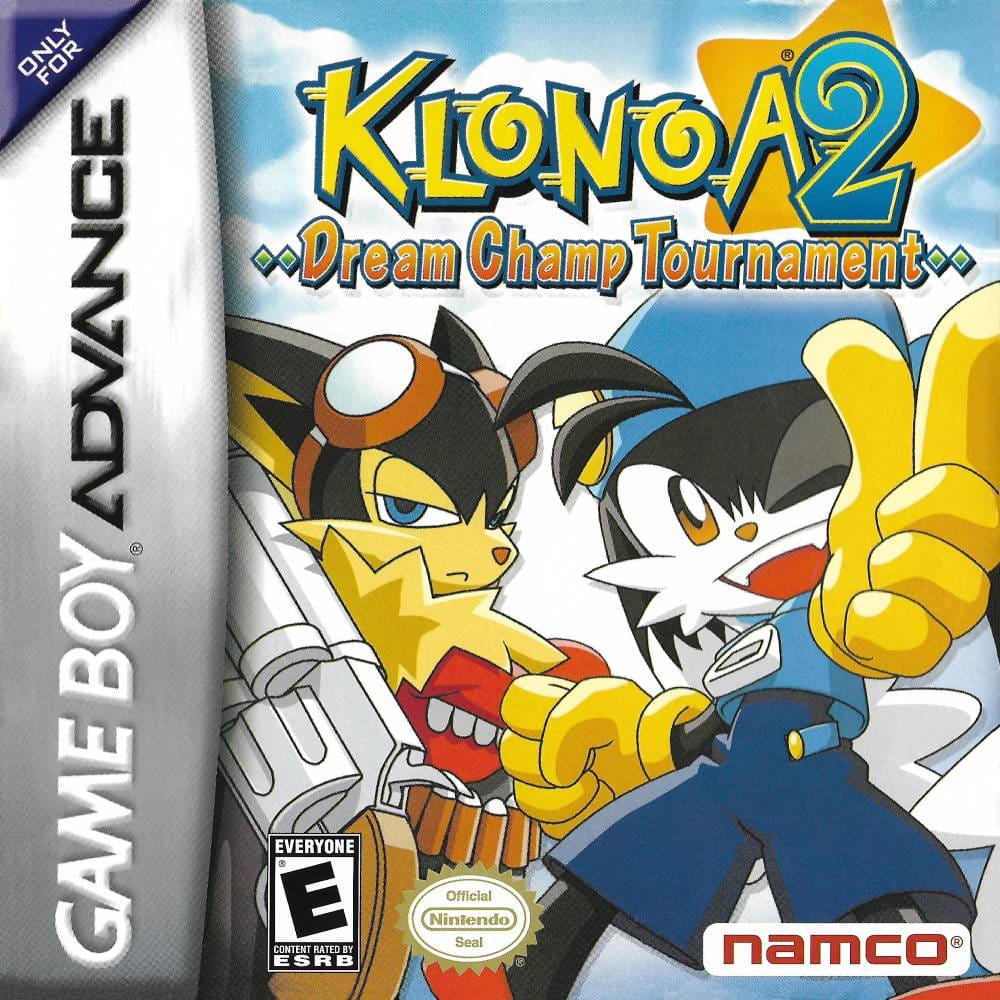
Klonoa 2: Dream Champ Tournament
- Developer: Now Production
- Release Year: August 6, 2002
While the PS2 version was a 2.5D spectacle, Klonoa 2: Dream Champ Tournament is a refined, grid-based puzzle-platformer that focuses on the Dream Traveler’s unique ability to grab enemies. The plot centers around an invitation to a world-class tournament, which gives the game a crisp, structured feel. You aren’t just reaching the exit; you’re collecting sun, moon, and star fragments to unlock the goal. The depth-based puzzles—where you toss enemies into the background to hit switches—are surprisingly sophisticated for a handheld. IMO, the vibrant, colorful sprites are some of the cleanest on the GBA, perfectly capturing Klonoa’s whimsical aesthetic.
Why It's Worth Playing: Klonoa 2: Dream Champ Tournament offers a thinky alternative to the high-speed chaos of Sonic or Mario. The puzzle-platforming loop is incredibly rewarding, providing a constant stream of "Aha!" moments as you figure out how to navigate the vertical stages. If you want a game that values precision and intellect over raw speed, Klonoa’s tournament is the place to be.
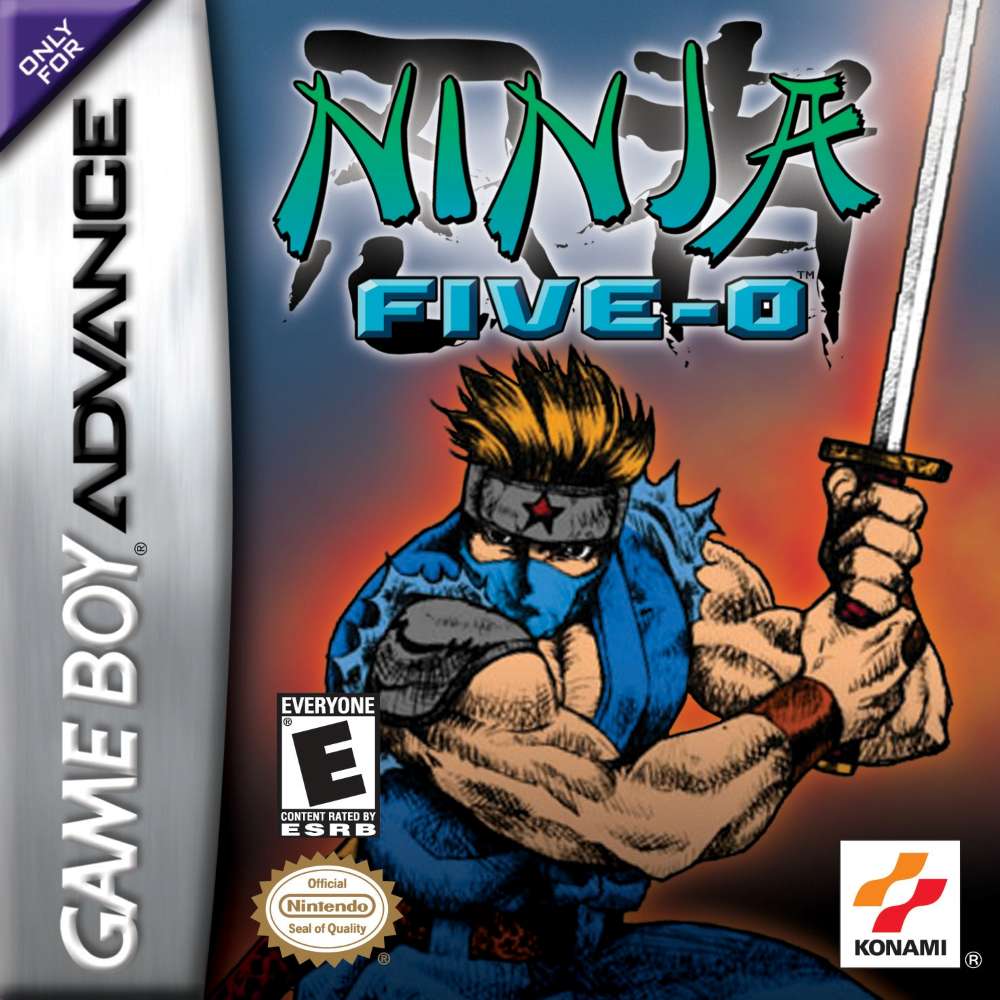
Ninja Five-O
- Developer: Hudson Soft
- Release Date: April 22, 2003
Ninja Five-O (or Ninja Cop if you’re in Europe) is an absolute masterclass in action-platforming. You play as Joe Osugi, a detective who apparently decided that a badge and a gun weren’t enough, so he brought a katana and a bionic grappling hook to the party. The physics of the grappling hook are the real star of the show here. Unlike the stiff swinging in other games, the rope in Ninja Five-O feels incredibly fluid, allowing you to build up pendulum momentum to launch yourself across the screen. The combat is just as snappy, requiring you to rescue hostages with split-second precision before the bad guys can react.
Why It’s Worth Playing: Ninja Five-O offers a level of mechanical depth that is rarely seen in handheld titles. The swing-and-slash gameplay creates a flow state that is platforming bliss once you find your rhythm. If you want a game that respects your skill and provides a legitimate, high-stakes challenge without any fluff, Ninja Five-O is the undisputed king of the GBA underground.
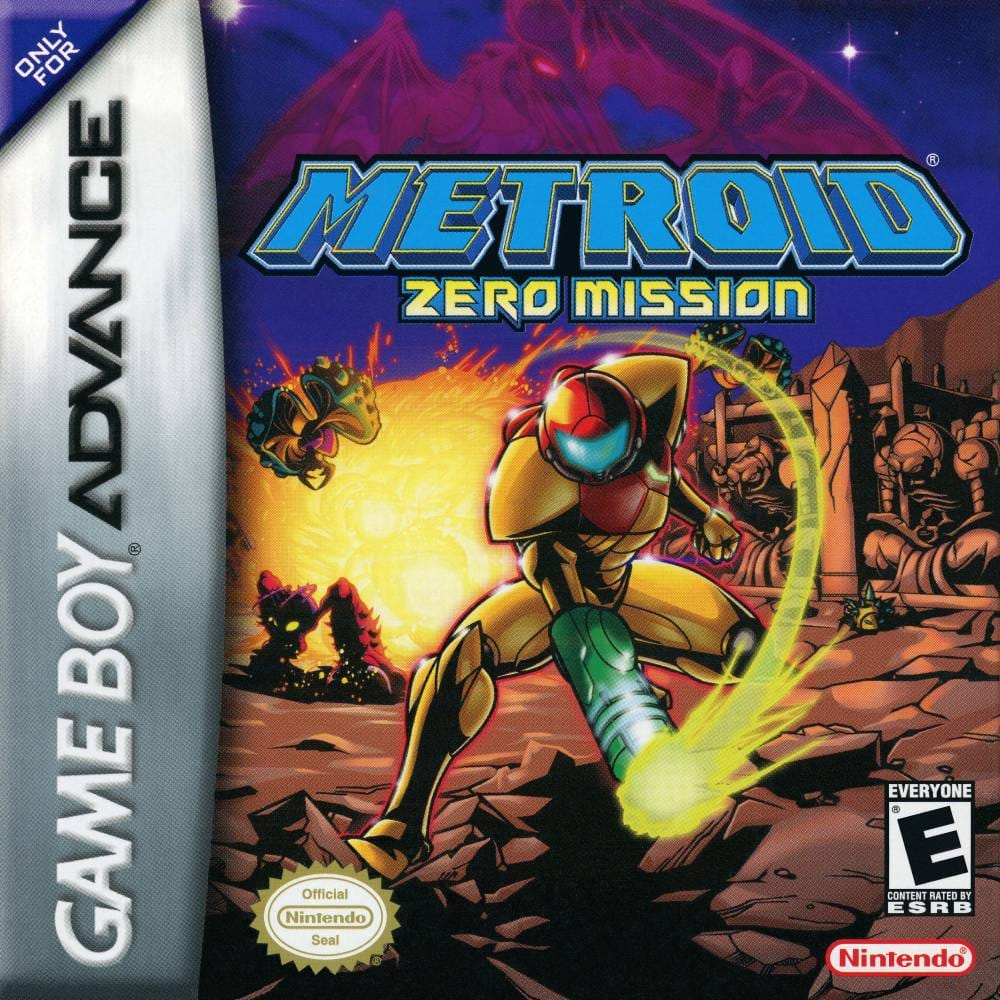
Metroid: Zero Mission
- Developer: Nintendo
- Release Date: February 9, 2004
Metroid: Zero Mission isn’t just a remake of the 1986 NES original; it’s a polished, high-octane thrill ride that perfected the formula. The pacing here is breakneck. You’re constantly acquiring new toys—like the Screw Attack or the Plasma Beam—at a rate that makes the exploration feel incredibly rewarding. The Metroidvania backtracking is handled with such architectural grace that you rarely feel lost, but you always feel smart for finding a shortcut. Visually, the comic-book aesthetic pops with vibrant oranges and deep purples, making the caverns of Zebes feel alive rather than just a series of static corridors.
Why It's Worth Playing: Metroid: Zero Mission is arguably the most accessible and refined 2D Metroid experience ever crafted. It respects your time, offers a relentless sense of progression, and features some of the tightest platforming controls in gaming history. If you want to see how Samus Aran became a legend while enjoying a masterclass in environmental storytelling, you cannot skip this mission.
Wario Land 4

- Developer: Nintendo
- Release Date: November 18, 2001
Wario Land 4 is everything Nintendo normally isn’t—loud, chaotic, a little bit gross, and absolutely glorious for it. It’s is a total departure from the immortal Wario mechanics of the previous entries, reintroducing a health bar and a much tighter focus on transformative puzzle-platforming. The game structure is pure genius. You explore a level at your own pace, hunting for four jewel pieces and a key-ghost, but once you hit the frog switch, the music shifts to a frantic beat and you have to book it back to the start. Visually, this is arguably the peak of GBA sprite work. Wario himself is incredibly expressive, with hand-drawn animations that give him a weight and chunkiness that Mario just lacks.
Why It's Worth Playing: Simply put, Wario Land 4 is a cult classic with mainstream polish. This isn’t Mario’s crisp, clean kingdom of Goombas and flagpoles. This is a twisted treasure hunt through haunted pyramids, oozing sewers, psychedelic jungles, and freakish boss arenas, all viewed through the cracked lens of Wario’s greedy, gassy ego. It's not just the best Wario game, but one of the most inventive platformers on the system. Greed has never looked so good.
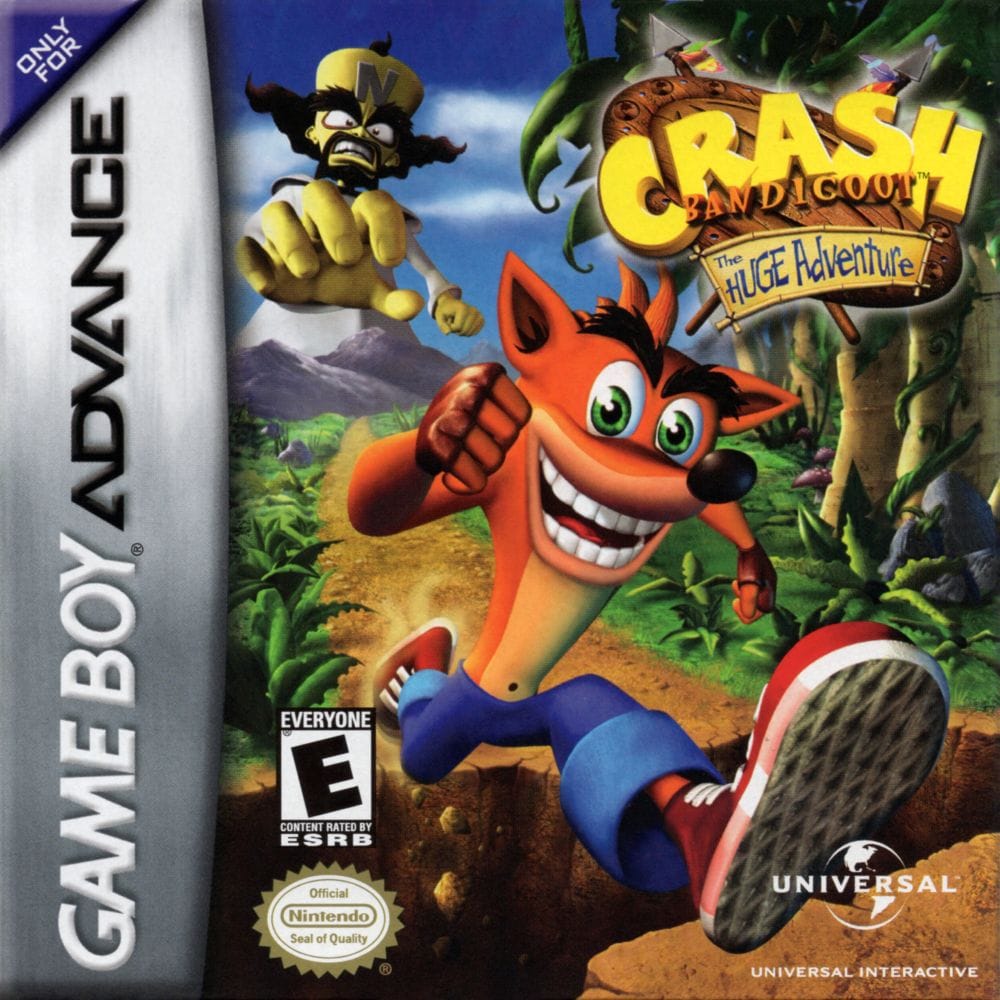
Crash Bandicoot: The Huge Adventure
- Developer: Vicarious Visions
- Release Date: March 13, 2002
Crash Bandicoot: The Huge Adventure (known as Crash Bandicoot XS in Europe) is a tight, well-crafted platformer that distilled everything players loved about the console games into a pint-sized package perfect for handheld play. The story is delightfully wacky—Neo Cortex has shrunk the Earth, and it’s up to Crash to collect crystals and put things right. You’ll spin, slide, and belly-flop your way through levels that feel like they could have been ripped straight from the PS1 era, only with the added convenience of playing anywhere.
Why It's Worth Playing: Crash Bandicoot’s first foray onto the Game Boy Advance was nothing short of impressive. For Crash fans, it’s the perfect pick-up-and-play experience—a game that captures the spirit of everyone’s favorite marsupial in a way that’s instantly familiar, yet fresh enough to keep you hooked from start to finish. If you’re looking to start your Crash Bandicoot GBA journey, this is the one to beat.
Crash Bandicoot: N-Tranced

- Developer: Vicarious Visions
- Release Date: January 7, 2003
A direct sequel to Crash Bandicoot: The Huge Adventure, N-Tranced tightens the controls, adds more creative level design, and throws in a fresh villain in the form of the hypnotic N. Trance. You’ve got the Atlasphere stages that feel like a chaotic game of pinball, and the water-skiing segments that demand some serious reflexive timing. Visually, the pre-rendered sprites look remarkably crisp, almost giving the illusion of a 3D space on a flat screen. The level variety is top-notch, whisking you from Egyptian tombs to futuristic space stations without missing a beat.
Why It's Worth Playing: Crash Bandicoot: N-Tranced is the best classic Crash experience you can find on the GBA. It captures the rhythmic flow of the console games while adding its own portable flair. If you want a platformer that tests your precision and offers a massive variety of gameplay styles in short, punchy bursts, you need to help Crash save his hypnotized buddies.
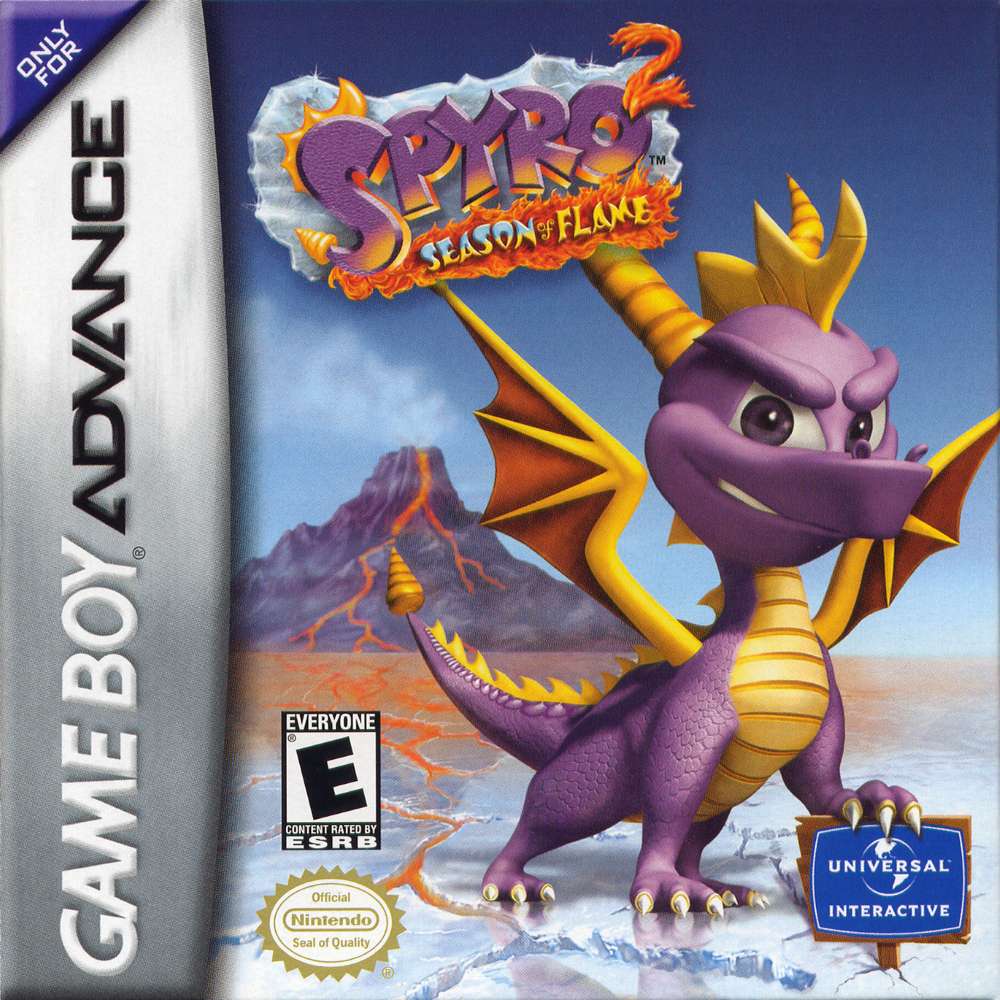
Spyro 2: Season of Flame
- Developer: Digital Eclipse
- Release Date: September 24, 2002
Spyro 2: Season of Flame feels remarkably close to the PS1 originals, polishing the isometric platforming until it gleams. The Rhynocs swiped all the fireflies, leaving our scaly hero with a case of Ice Breath that’s as cool as it is inconvenient. The biggest game-changer here is the inclusion of a functional map system, which is a total godsend for navigating the sprawling, multi-tiered levels. This entry also leans back into the Year of the Dragon vibes by letting you play as Agent 9 and Sheila. Sheila’s levels specifically offer a tactical verticality that breaks up the main quest beautifully. The graphics received a massive facelift, opting for a much warmer, saturated color palette that makes the “Flame” in the title pop.
Why It’s Worth Playing: Spyro 2: Season of Flame is the gold standard for how to do an isometric platformer right on the GBA. The diverse mission objectives ensure that you aren't just mindlessly charging through fields, and the multiple playable characters provide a much-needed variety in mechanical flow. If you want a handheld Spyro that actually captures the exploratory charm of the PS1 originals, this is the burning flame you’ve been looking for.
The Legend of Spyro: A New Beginning

- Developers: Krome Studios, Big Ant Studios
- Release Date: October 10, 2006
By the time 2006 rolled around, everyone’s favorite purple dragon was looking for a fresh identity, and The Legend of Spyro: A New Beginning delivered a cinematic origin story vibe that felt much more epic than the previous GBA outings. Instead of the slower, item-collecting pace of the earlier handheld titles, the combat is the real highlight here, featuring a surprisingly deep combo-based system that lets you juggle enemies in the air. Visually, the game opts for a more mature, atmospheric look, with lush environments that feel a bit more Lord of the Rings than Looney Tunes.
Why It's Worth Playing: Even with limited hardware, A New Beginning is a fantastic example of a franchise successfully reinventing itself. The elemental combat loop is engaging, and the shift toward an action-heavy structure makes it stand out from the sea of standard "jump and bonk" platformers. If you want to experience Spyro in a more heroic, high-stakes setting while enjoying some of the smoothest animations on the system, this is where the legend truly restarts.
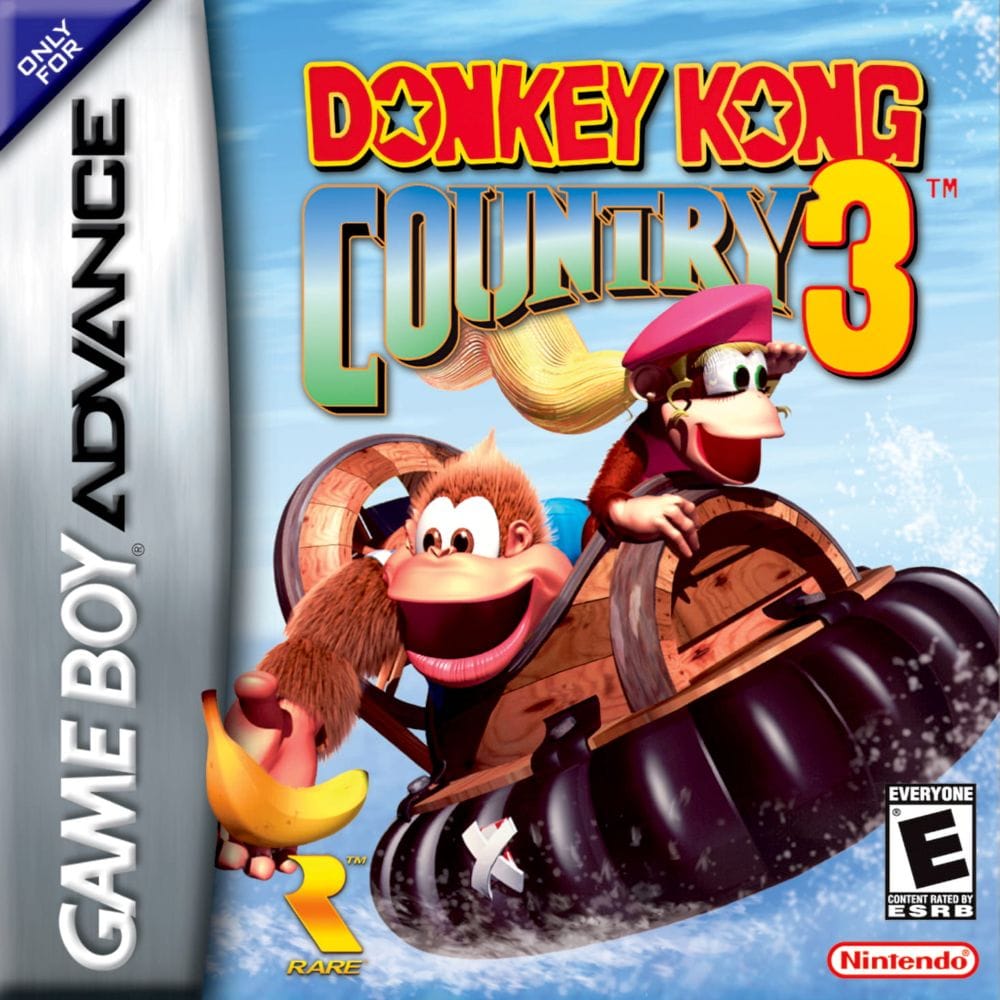
Donkey Kong Country 3
- Developer: Rare
- Release Date: November 7, 2005
The GBA port of Donkey Kong Country 3: Dixie Kong’s Double Trouble! is practically a Director’s Cut, overhauling the entire soundtrack and adding a whole new world called Pacificium. Kiddy and Dixie Kong return for their criminally underrated co-op adventure through the Northern Kremisphere, bringing that signature DKC blend of smooth animations, razor-sharp controls, and imaginative level design. The GBA version even adds a few nice bonuses—entirely new levels, boss battles, and secrets not found in the original SNES release. The GBA screen can’t match the SNES’s resolution, but the pre-rendered sprites remain expressive and smooth, and the environments retain their variety and personality.
Why It's Worth Playing: By the time Donkey Kong Country 3 rolled onto the GBA, it was the end of an era—both for Rare’s partnership with Nintendo and for the golden age of pixel-perfect platforming on handhelds. But what a send-off it was. This port of the SNES classic isn't just a nostalgic encore—it’s a loving tribute to one of gaming’s most iconic trilogies, now with a portable twist. It’s a showcase of Rare’s ability to push hardware to its limits—even on a tiny screen.
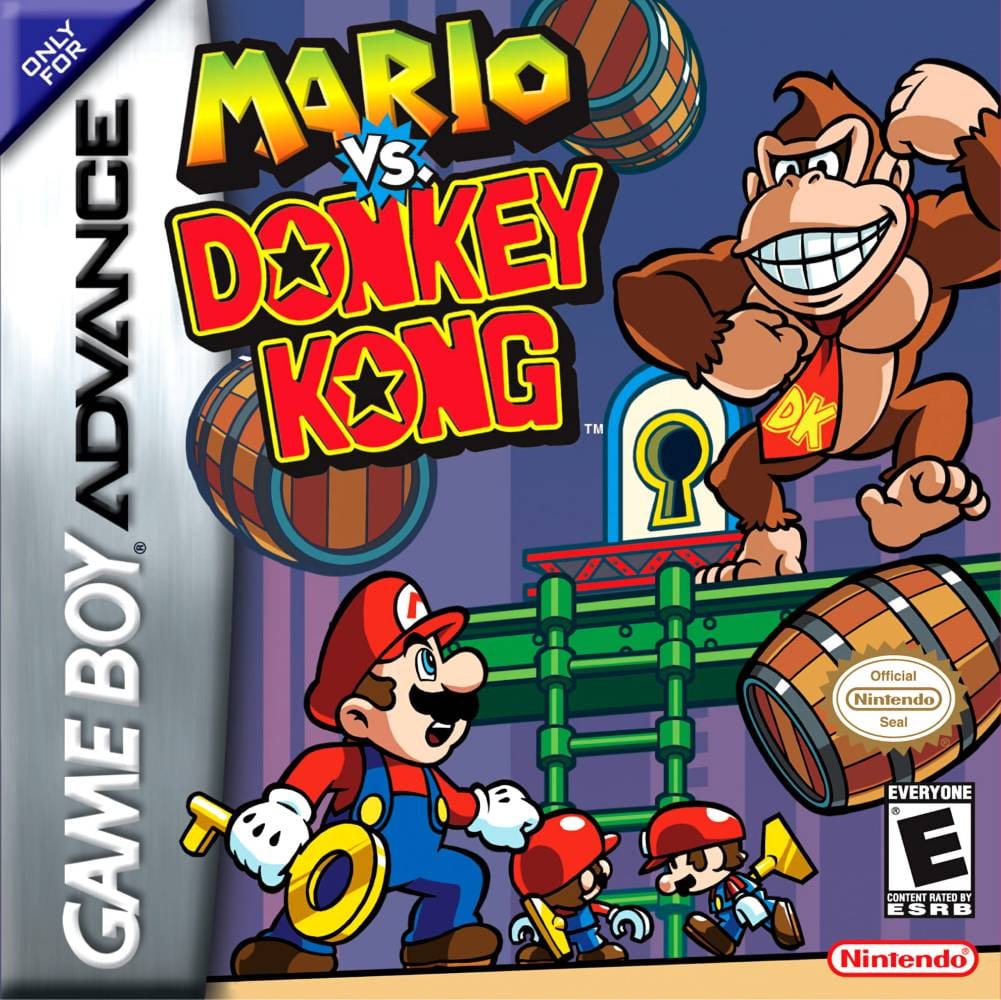
Mario vs. Donkey Kong
- Developer: Nintendo
- Release Date: May 24, 2004
Mario vs. Donkey Kong takes the DNA of the 1994 Game Boy Donkey Kong and injects it with a vibrant, pre-rendered look and a heavy focus on puzzle-platforming logic. The gameplay is a brilliant mix of classic arcade action and stop and think strategy. First, you have to navigate Mario through a level to find a key and carry it to a door—all while dodging Color Switches that toggle blocks on and off. Then, you have to reach the Mini-Mario in a gift box. It’s a game of spatial awareness where one wrong move means the key disappears and you’re back to square one.
Why It's Worth Playing: Mario vs. Donkey Kong is a brilliant "brain-teaser" platformer that feels distinct from the main Super Mario line. The satisfying click of solving a complex switch puzzle and the charm of the Mini-Mario animations make it a joy to play. If you want a game that makes you think three steps ahead while still giving you that classic Nintendo tactile feedback, this rivalry is a total win.
Kim Possible 2: Drakken’s Demise

- Developer: Behaviour Interactive
- Release Date: September 15, 2004
Kim Possible 2: Drakken’s Demise is a solid 2D action-platformer that feels surprisingly reminiscent of Mega Man, but with more hair flips. You navigate through levels using Kim’s iconic gadgets like the Grappling Hook to swing across ceiling fans, Slap Happy Glue to incapacitate henchmen, and the Stealth Suit to slip past security cameras. The writing is sharp, the dialogue is fully voiced (a huge flex for the GBA), and the visual style nails the cartoon’s bold, clean aesthetic. And yes, you can also play as Ron Stoppable and Rufus for specific segments—nothing beats controlling a naked mole rat to crawl through air vents to disable a laser grid.
Why It's Worth Playing: Kim Possible 2: Drakken’s Demise is a rare licensed title that actually feels like it was made by fans of the source material. The gadget-based progression keeps the gameplay fresh, and the inclusion of Ron and Rufus makes it feel like the whole team is involved. If you want a platformer that combines gadget-play, stealth, and high-energy combat, Kim’s second GBA outing is definitely the sitch.
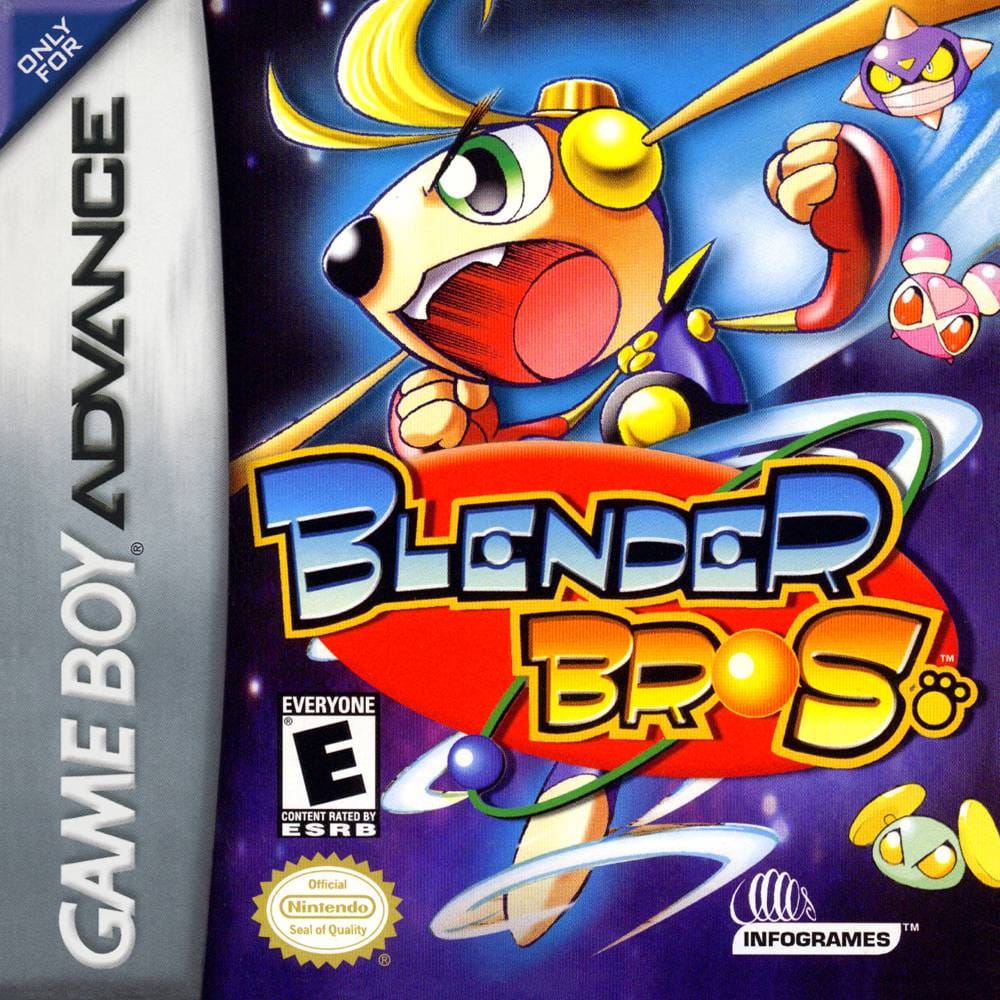
Blender Bros.
- Developer: Hudson Soft
- Release Date: April 15, 2002
Developed by Hudson Soft—the legendary studio behind Bomberman—Blender Bros. is a vibrant, upbeat platformer that feels like a Saturday morning cartoon come to life. You play as Blender, a bizarro canine-like hero with floppy antennae and a mission to save the universe. Sound weird? It is. But that’s part of the appeal. One of the standout features is the inclusion of “Mini-Bros.” These helpful little critters can be collected and summoned for special powers—like slowing down time, revealing hidden platforms, or launching powerful attacks. It’s a clever twist that adds strategy and variety to what could have been a straightforward platformer.
Why It's Worth Playing: In a world dominated by platforming icons like Mario, Sonic, and Donkey Kong, Blender Bros. is an overlooked hidden gem with solid mechanics, creative flair, and lovable weirdness. If you’re looking for a platformer that feels fresh and cheerful with rock-solid controls and a great sense of style, Blender Bros. is a top-tier choice for your GBA collection.
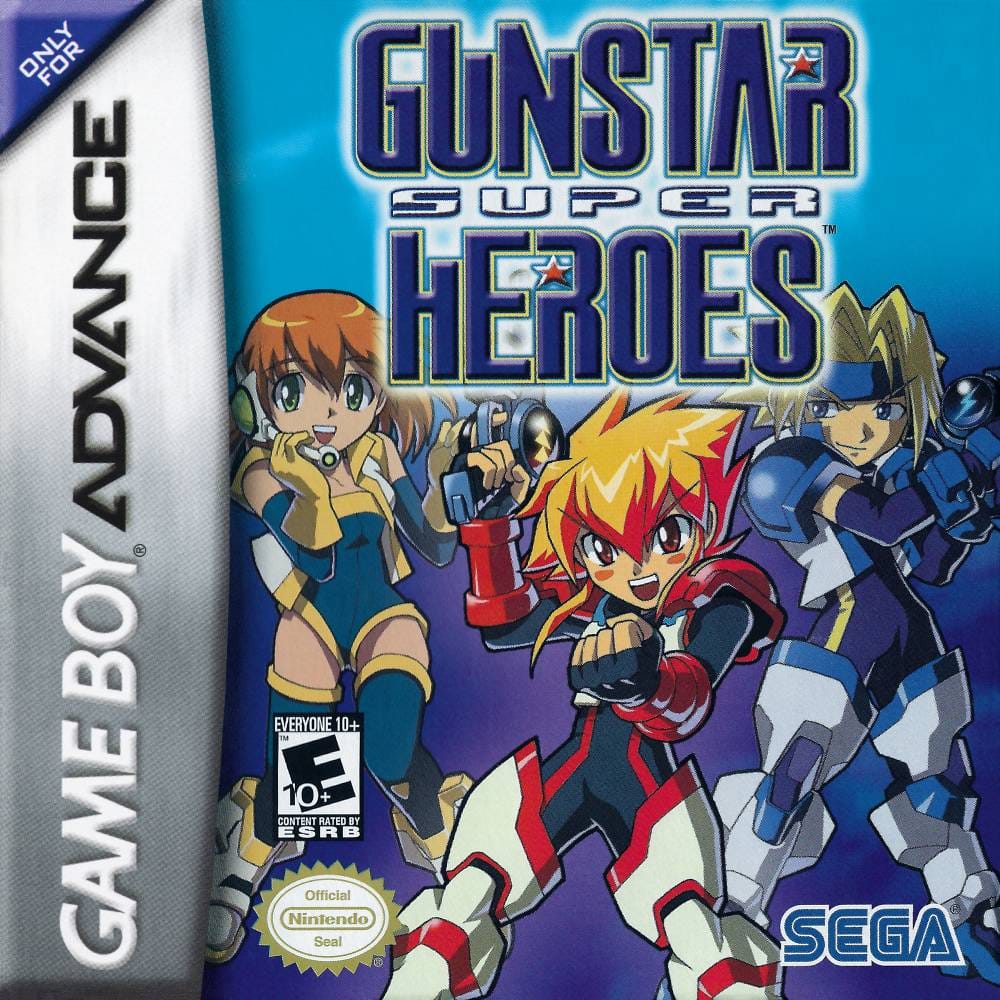
Gunstar Super Heroes
- Developer: Treasure
- Release Date: October 6, 2005
Do you want to know exactly how much explosions can fit on the GBA’s 2.9-inch screen? Gunstar Super Heroes is the answer. Unlike the first Gunstar Heroes, where you combined weapons, here you have three distinct fire modes (Rapid, Fire, and Seeker) that you can swap between on the fly. The sheer variety of gameplay styles—from shmup segments to side-scrolling brawling—prevents fatigue and keeps you in a constant state of focus. Visually, this is arguably the most technically impressive game on the system. Treasure utilized every trick in the book—rotation, scaling, and pseudo-3D effects—to create bosses that feel massive and intimidating.
Why It's Worth Playing: Gunstar Super Heroes is loud, fast, and unapologetically brilliant. Treasure ignored the limitations of the hardware to deliver what is arguably the most technically impressive action game on the GBA. If you want a game that makes your thumbs ache in the best way possible and provides a visual spectacle that still looks stunning today, Gunstar Super Heroes is highly recommended.
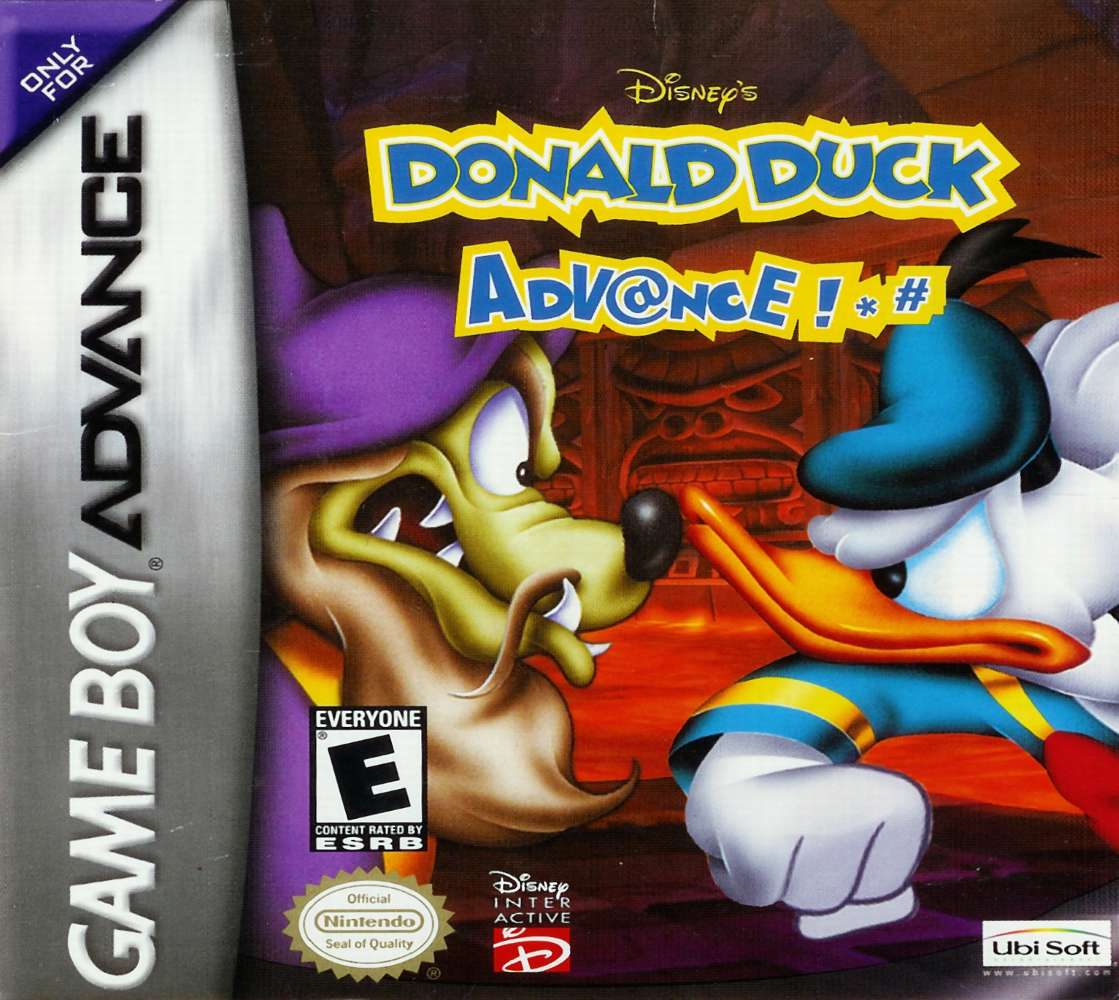
Donald Duck Advance
- Developer: Ubisoft
- Release Date: December 15, 2001
A port of the console title Goin’ Quackers, Donald Duck Advance captures Donald’s signature temper tantrums perfectly. The gameplay is a straightforward, classic 2D platformer that focuses on kinetic movement and quick reflexes. You’ll navigate through various themed worlds, collecting stars and dodging enemies. Visually, the game uses bright, clean sprites that look great on the GBA’s screen. The animation is surprisingly smooth, especially Donald’s indignant waddle and his over-the-top reaction when he takes damage. The level design is very newcomer-friendly, making it a great pick if you want a relaxing experience between more grueling titles like Metroid.
Why It’s Worth Playing: Donald Duck Advance is a charming, no-nonsense platformer that drips with Disney personality. It doesn’t overcomplicate things with deep RPG systems or complex puzzles; it’s just pure, mechanical fun with one of Disney’s best characters. If you’re a fan of the Classic Disney era of games or just want to see a duck explode with rage in 32-bit glory, Donald’s GBA debut is a quacking good time.
Pitfall: The Mayan Adventure

- Developer: Activision
- Release Date: June 10, 2001
This GBA port of the 16-bit classic Pitfall: The Mayan Adventure brought all the vine-swinging, crocodile-hopping peril to the palm of your hand. Unlike Mario or Sonic, this platformer that focuses heavily on momentum and verticality. You’ll be swinging on vines, sliding down steep embankments, and bungee-jumping off prehistoric trees. You’ve also got a sling for distance, explosive rocks for crowd control, and a boomerang for those tricky “return-to-sender” moments. The GBA port is a bit of a technical marvel, managing to cram the rotoscoped-style animations of the console versions onto a tiny cartridge. The way Harry ducks, crawls, and climbs looks incredibly life-like for the hardware.
Why It's Worth Playing: Pitfall: The Mayan Adventure represents the peak of the extreme 90s platforming era, successfully transitioning from home consoles to the GBA. The controls are snappy, the animation is incredibly expressive, and the level design encourages both speed and careful exploration. If you want a game that blends nostalgic roots with modern action-platforming, The Mayan Adventure provides a frantic, nostalgic rush that still holds up.
Prehistorik Man

- Developer: Titus Software
- Release Date: September 24, 2001
If Joe & Mac was your jam, then Prehistorik Man is the chaotic caveman cousin you never knew you needed. Originally a 1995 platformer, it was given a second life on GBA—complete with bold animations, tight platforming, and a good dose of prehistoric slapstick. You play as Sam, a meat-obsessed Neanderthal tasked with recovering his village’s stolen food supply. The setup is gloriously ridiculous, and the game leans into it with goofy humor, over-the-top animations, and a cartoon aesthetic that screams mid-’90s Saturday morning TV. Whether you’re clubbing dinosaurs, dodging lava, or bouncing off trampolines made of bones, the energy here is nonstop.
Why It's Worth Playing: What makes Prehistorik Man stand out on the GBA is how much it gets right mechanically. The controls are surprisingly responsive, with a satisfying variety of movement options that add a layer of variety that many GBA platformers don’t bother with. Prehistorik Man doesn’t get mentioned often in GBA retrospectives, but it absolutely should. It’s a great example of how even second-tier platformers from the ’90s found new life and purpose on Nintendo’s handheld powerhouse.
Treasure Planet
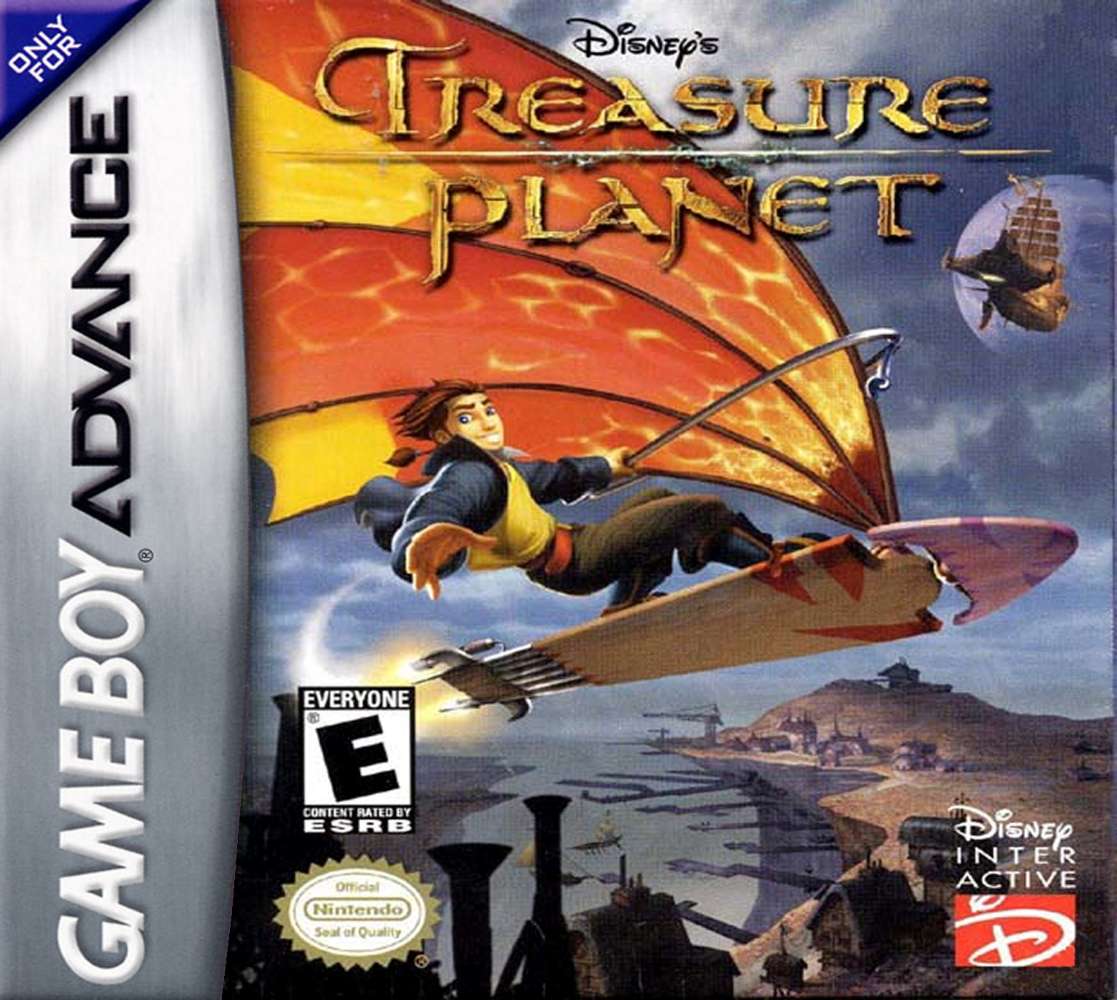
- Developer: Bizarre Creations
- Release Date: November 12, 2002
Taking a visually stunning 3D film and cramming it into a Game Boy Advance cartridge is no small feat, but Treasure Planet manages to capture that steampunk aesthetic surprisingly well. The gameplay shifts between on-foot exploration and those iconic solar surfing segments. The isometric perspective gives the levels a sense of depth that makes navigating the space-shanty towns of Montressor feel immersive. You’ll be dodging robot pirates and solving environmental puzzles while keeping an eye out for Jim’s shapeshifting pet, Morph, who acts as a literal swiss-army-tool for your inventory.
Why It’s Worth Playing: Treasure Planet is one of the better licensed games on the system, avoiding the lazy movie tie-in trap by focusing on varied gameplay mechanics. The mix of exploration and racing keeps the pace brisk, and the art direction is a refreshing break from typical fantasy or urban settings. If you’re a fan of the film’s unique sci-fi/pirate hybrid world, this is a journey worth taking to the center of the galaxy.
Drill Dozer
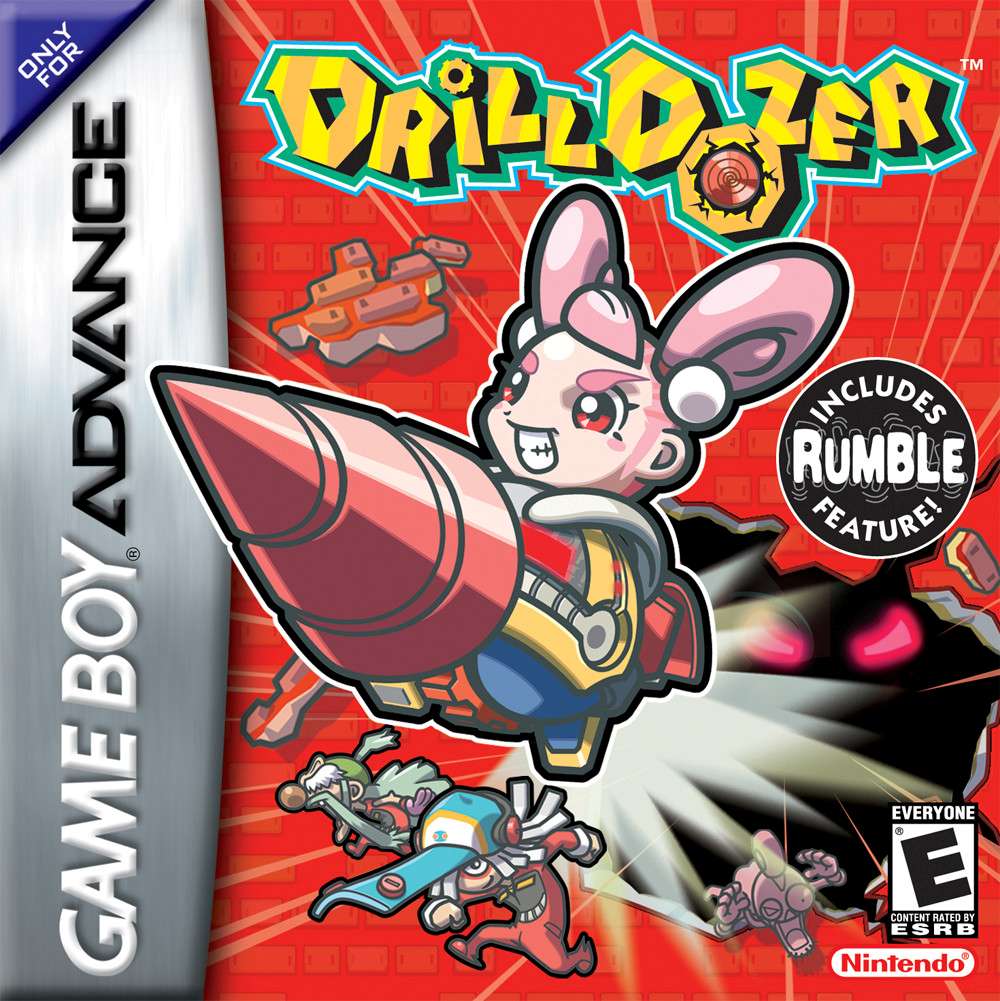
- Developer: Game Freak
- Release Date: February 6, 2006
Game Freak took a break from Pokemon to give us Drill Dozer, a tactile masterclass in mechanical platforming. You play as Jill, who’s trying to reclaim her mother’s stolen Red Diamond from the Skullker Gang with her massive Drill Dozer. She doesn’t just use it to break walls—she uses it to interact with the entire world, from deflecting bullets to shifting gears like a high-end sports car. The level design is some of the most creative on the system, constantly introducing new ways to use your drill. The GBA cartridge also came with a built-in Rumble Pak, making every block you pulverized vibrate right in your hands.
Why It’s Worth Playing: Drill Dozer is a rare example of a handheld game that’s built entirely around a single, satisfying mechanic that never gets old. The feedback loop of drilling and shifting gears is incredibly addictive and feels unlike anything else in the GBA library. If you want a platformer that favors tactile interaction and clever physics over just running and jumping, this game is an absolute must-drill.
Go! Go! Beckham! Adventure on Soccer Island
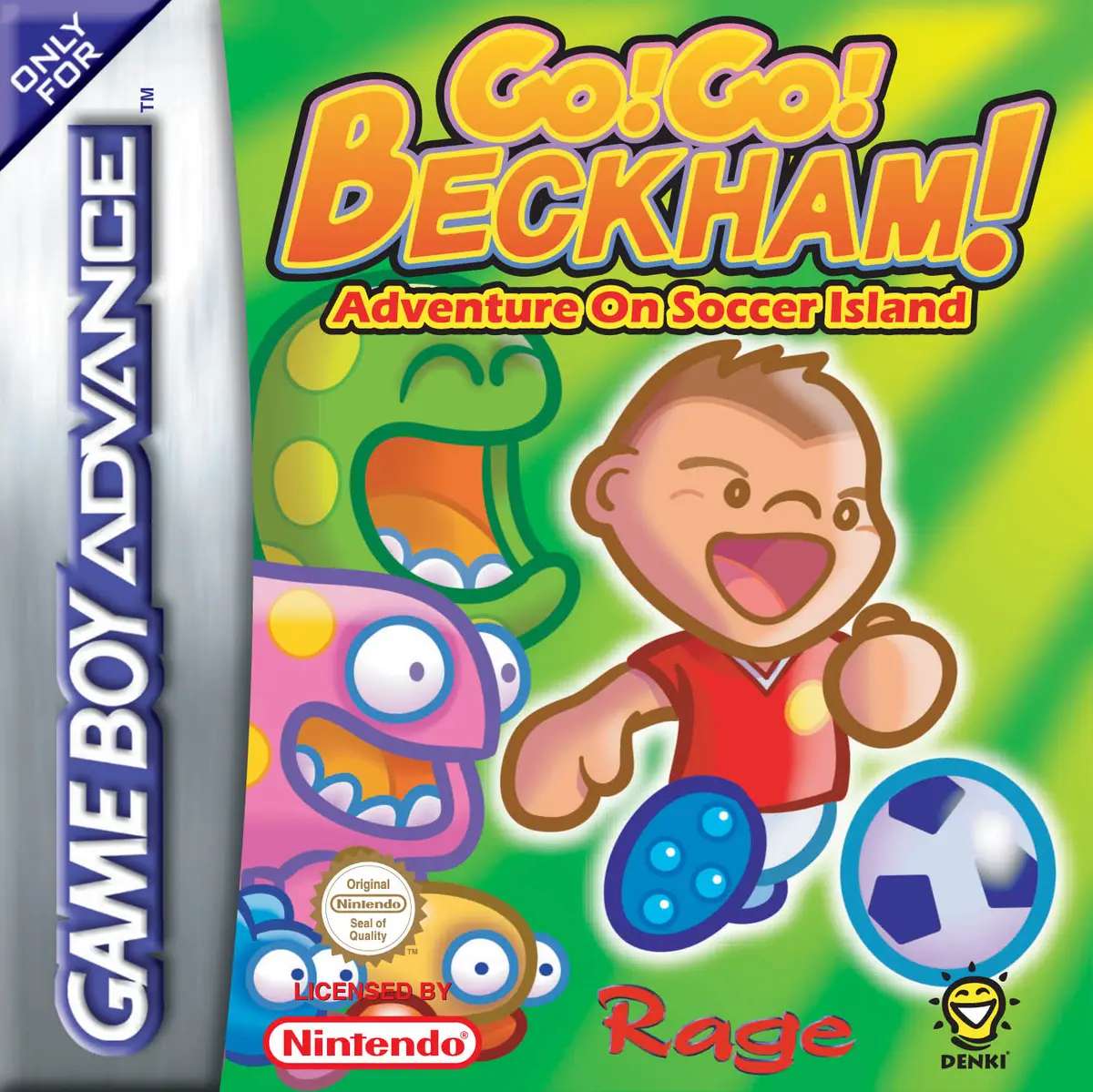
- Developer: Denki
- Release Date: September 13, 2002
Go! Go! Beckham! Adventure on Soccer Island is a physics-based puzzle platformer that’s one of the strangest yet most surprisingly delightful licensed games on the GBA. You play as a super-deformed, chibi version of David Beckham who has to save Soccer Island from the Duke of Darkness. The gameplay is entirely built around ball physics. You don’t jump on enemies to defeat them; you use your trusty soccer ball. You can dribble, kick high arcs, or perform a power shot to take out flying enemies. Visually, the game is colorful, and the animation of Beckham’s kicks is smooth, and the variety of themed soccer balls you can find adds a nice layer of power-ups.
Why It’s Worth Playing: Go! Go! Beckham! is a hidden gem that sounds like a joke but plays like a dream. It successfully takes a famous athlete and places them in a fully realized fantasy world with mechanics that actually make sense for the character. If you want a platformer that challenges your coordination and aiming skills rather than just your timing, Beckham’s island adventure is a total goal.
Frequently Asked Questions (FAQ)
Is it true that Drill Dozer was made by the Pokémon team?
Yes! It was directed by Ken Sugimori, the man who designed the original 151 Pokémon. You can actually see his distinct art style in Jill’s character design. It was Game Freak’s way of proving they weren't "just the Pikachu studio," and it remains one of the most mechanically unique games they’ve ever produced.
What is the E-Reader secret in Super Mario Advance 4?
Super Mario Bros. 3 (SMA4) had over 30 lost levels that were only accessible by scanning physical paper cards through a peripheral. These levels mixed mechanics from Super Mario World and Yoshi’s Island, effectively making it a precursor to Super Mario Maker.
Was Prehistorik Man different in other countries?
The game was actually a port of an SNES title, but the GBA version added a "Vehicle" system that wasn't in the original. Depending on where you bought it, some of the dialogue from the Village Elder changed to include more localized puns and jokes.
Can GBA Rumble be emulated?
Yes. Modern emulators like mGBA can translate the cartridge's rumble signal into the vibration motors of a modern controller (DualSense, Xbox).
Do the Sonic Advance games have multiplayer?
Yes! Sonic Advance 1, 2, and 3 all feature competitive racing. Sonic Advance 3 specifically focused on a Tag System, where your choice of partner changed your physics and abilities—a mechanic later refined in Sonic Heroes.
What makes Ninja Five-O so rare?
Ninja Five-O had a very low print run but features some of the best hook-shot physics in gaming history. It’s a masterclass in momentum-based platforming that became a high-priced collector's item due to word-of-mouth about its quality.
Is it true that Astro Boy: Omega Factor and Gunstar Super Heroes share DNA?
Exactly. Both were developed by the legendary studio Treasure. They used technical tricks like multi-jointed sprites and Mode 7 rotation to make the GBA look like a much more powerful console. Gunstar Super Heroes actually features a remake of the famous "Seven Force" boss fight specifically optimized for the GBA's hardware.
Which mascot made the best jump to GBA?
While Crash Bandicoot: The Huge Adventure and Spyro 2: Season of Flame successfully shrunk their console gameplay into 2D, Klonoa stands out. Empire of Dreams and Dream Champ Tournament used a vision system that combined 2D platforming with brain-teasing puzzles, making them some of the most polished titles on the handheld.
Can you really play the original Pitfall inside the GBA sequel?
Absolutely. In Pitfall: The Mayan Adventure, there is a hidden doorway in the very first level. If you find it, the game shifts into a perfect emulation of the 1982 Atari 2600 original. It was one of the first times a retro game was hidden inside a modern one as a fully playable bonus.
How does the multiplayer work in Kirby & The Amazing Mirror?
Kirby & The Amazing Mirror has one of the most ambitious uses of the Link Cable. Up to four players can explore a massive, non-linear world simultaneously. You don't have to stay on the same screen; you can wander off to different corners of the map and use an in-game cell phone to call your friends for help.
Conclusion
The Game Boy Advance was more than just Nintendo’s next portable—it was a 32-bit canvas for some of the most creative and polished platformers ever made. Developers pushed the GBA to its limits, blending tight controls, bold visuals, and inventive mechanics into games that feel timeless even decades later. From first-party masterpieces like Metroid: Zero Mission to licensed surprises like Kim Possible 2, there’s a sense of experimentation and heart that makes these titles endlessly replayable.
In the era of massive open worlds and photorealistic graphics, GBA platformers are a reminder of how fun-focused, design-driven games can still hit just as hard. So charge your SP, fire up that emulator, or hunt down those cartridges—because the golden age of handheld platforming is just a jump away.

At HyperComboGamer, we believe great games deserve great coverage. That means no filler, no clickbait, or fanboyism—just honest, high-quality reviews, features, and guides that put gamers first. Whether you’re a lifelong enthusiast or just starting your gaming journey, you’ll find interesting gaming perspectives that will leave you fully satisfied.