While mainstream minds were locked onto home consoles, the PSP quietly amassed a roster that would make any arcade cabinet blush. From Tekken: Dark Ressurection’s fluid 60FPS precision to Dissidia’s wild RPG-laced chaos, and deep cuts like Hajime no Ippo and Ultraman Fighting Evolution Zero, this was a platform that catered to combo connoisseurs, otakus, and retro purists alike.
These aren’t just “good for handheld” fighting games—they’re straight-up arcade-caliber, with tight controls, strong visuals, and serious replay value. They prove the PSP wasn’t a compromise—it was a battlefield. This is the definitive countdown of the 25 best PSP fighting games—fan favorites, cult hits, and hidden gems you may have missed.
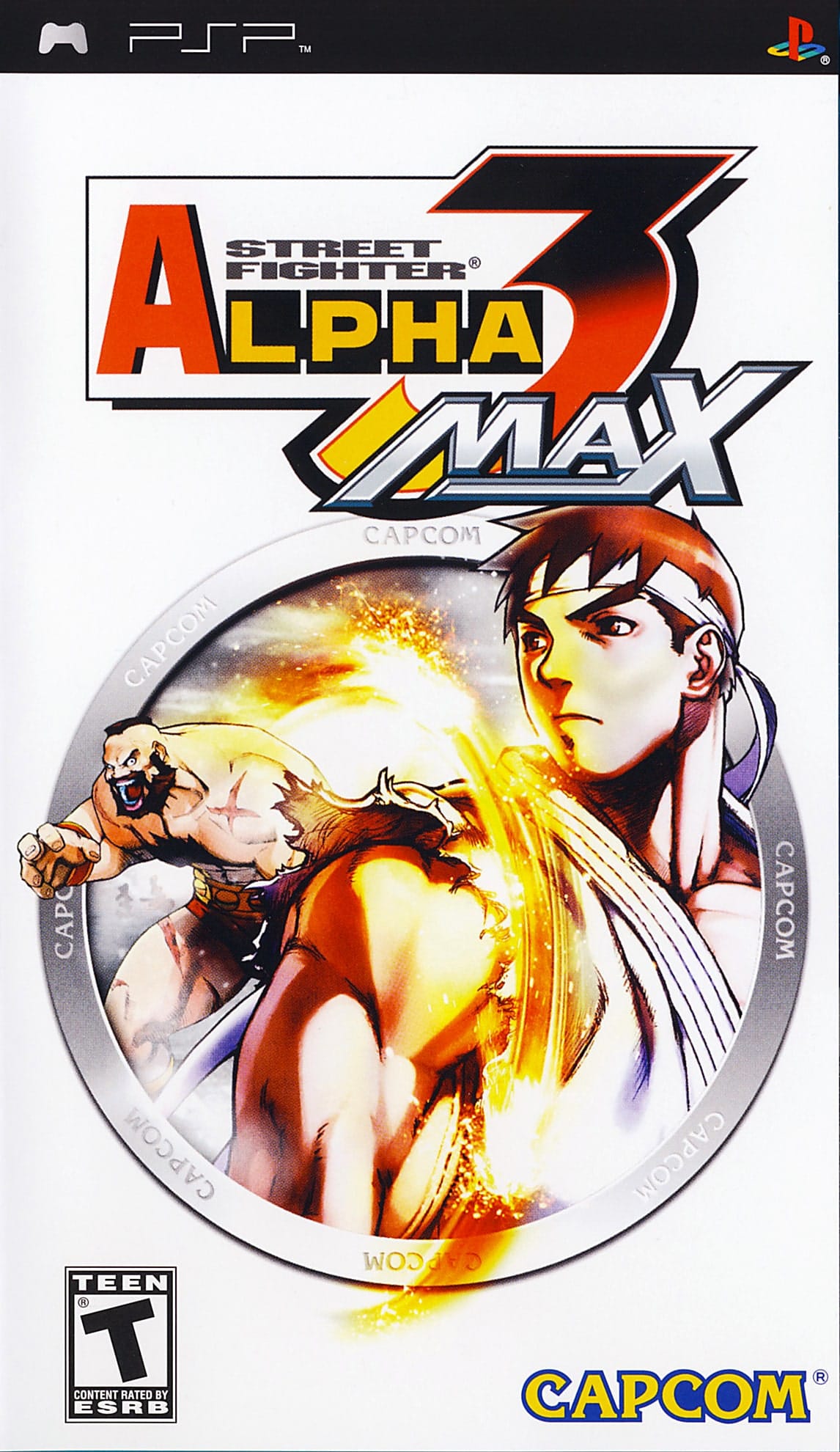
Street Fighter Alpha 3 MAX
Developer: Capcom
Release Date: February 07, 2006
If you only play one fighting game on the PSP, let it be this. Street Fighter Alpha 3 MAX isn’t just a port—it’s the most robust, feature-rich version of Alpha 3 ever made. Every character from the arcade and home versions returns, alongside newcomers like Eagle, Maki, and Ingrid, expanding the roster to 39 fighters. Every style—X-ISM, A-ISM, V-ISM—is faithfully preserved, offering deep mechanical variety. It’s visually crisp, lightning-fast, and feels phenomenal on the PSP’s D-pad.
Why It’s Worth Playing: Whether you’re chasing high-level play or just pulling off flashy supers on the go, this is a masterclass in how to do handheld fighting right. It’s the definitive version of a 2D classic, offering unparalleled depth and portability without sacrificing a pixel of polish.
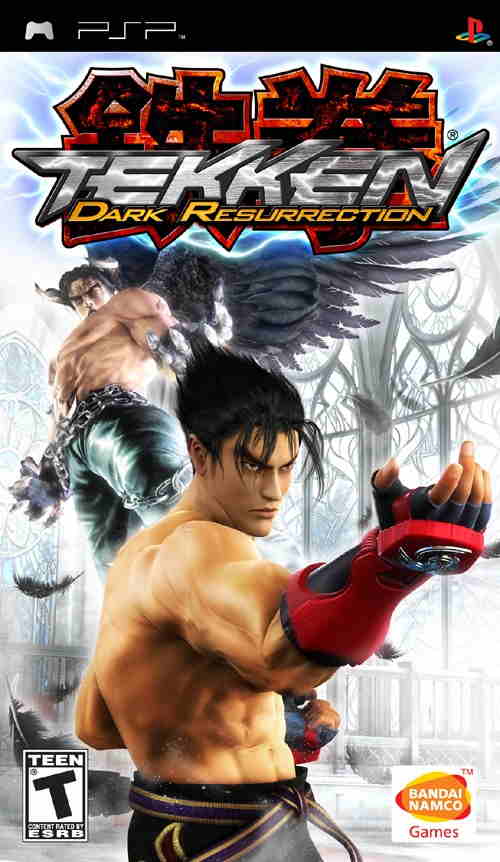
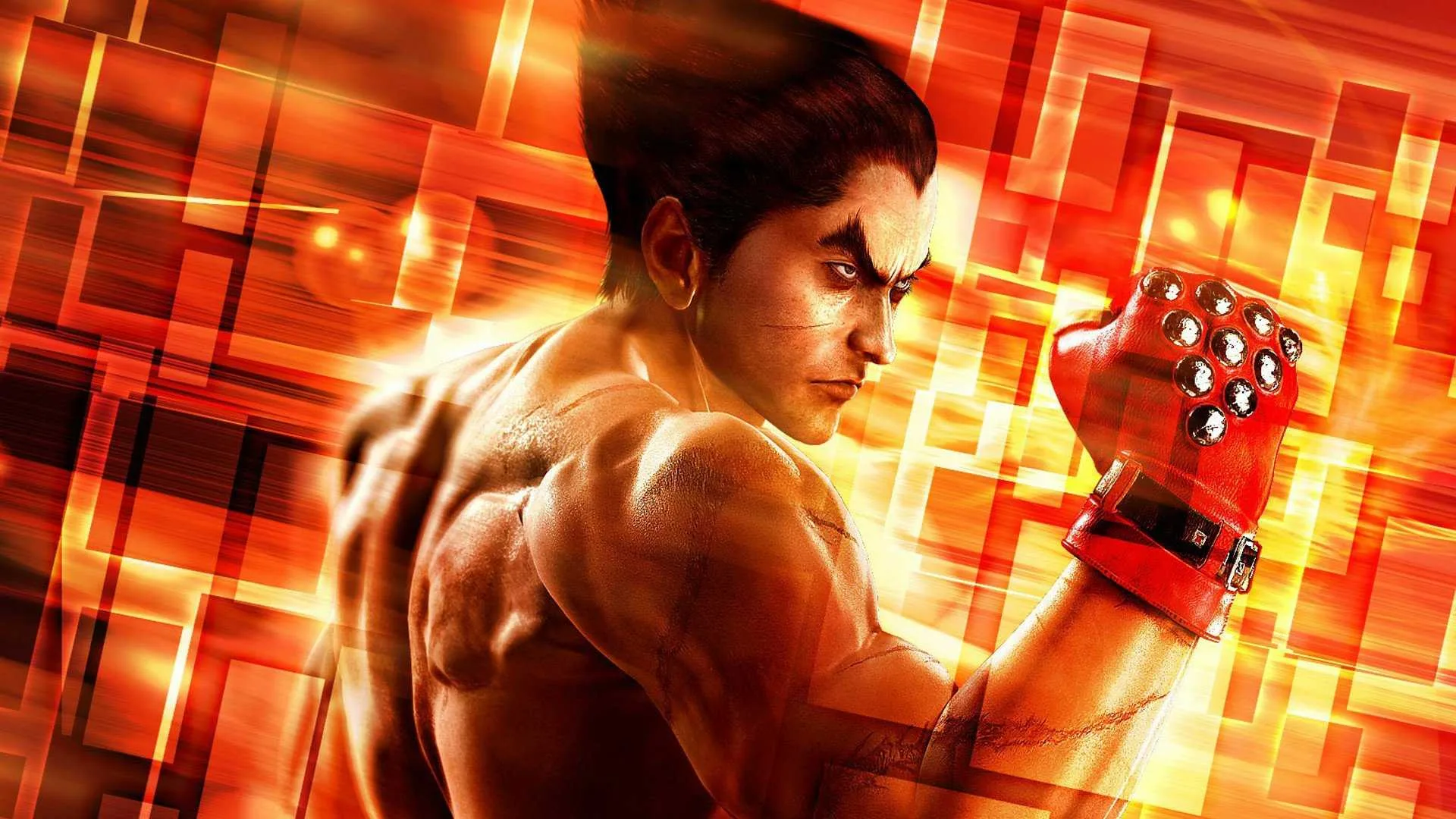
Tekken: Dark Resurrection
Developer: Namco
Release Date: July 6, 2006
Namco’s Tekken series has always been known for its technical excellence and fluid animation—and Dark Resurrection translated that pedigree beautifully onto the PSP. This isn’t a downgraded version of Tekken 5—it is the arcade update, reimagined for handheld without losing a step. It looks phenomenal, runs at a smooth 60fps, and features one of the most refined rosters in the series.
Why It’s Worth Playing: Whether you’re grinding Ghost Battles or linking juggles in wireless multiplayer, it’s an astonishingly complete fighter. It set the gold standard for 3D fighters on the go—visually stunning, mechanically sound, and endlessly replayable.
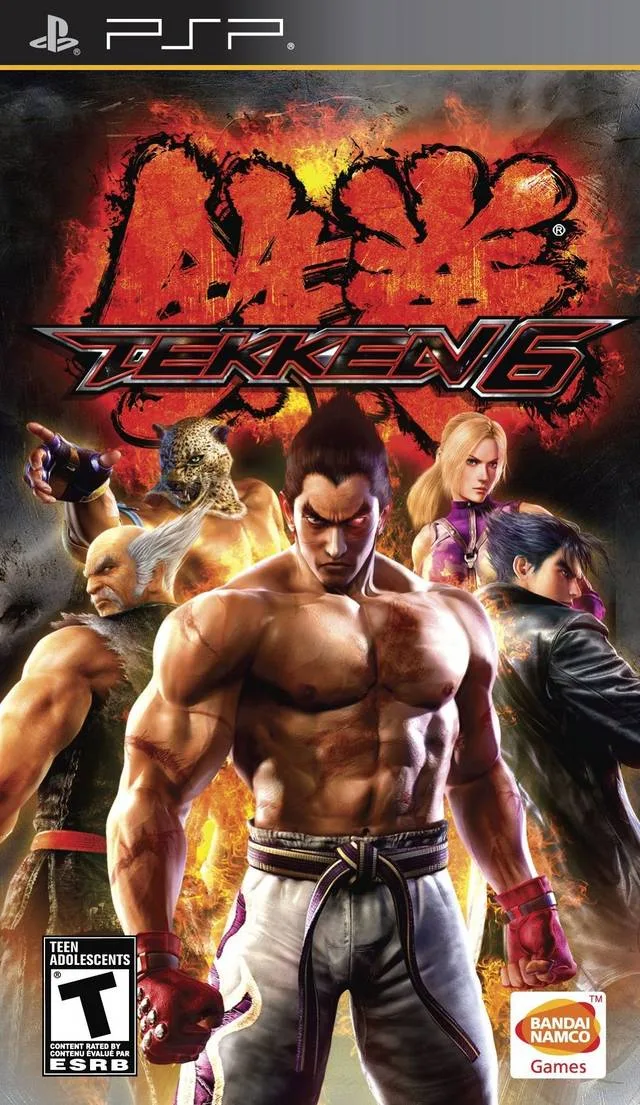
Tekken 6
Developer: Bandai Namco Games
Release Date: November 24, 2009
Porting Tekken 6 to a portable system seemed like a moonshot—but somehow, it works. Though it lacks the flashy campaign of its console counterpart, the core fighting engine is fully intact. Every character, every stage, every combo string—right there in your hands. It might be missing a few bells and whistles, but what matters most—the feel of the fight—is present and accounted for.
Why It’s Worth Playing: This is the entireTekken 6 experience condensed into a pocket-sized package, with all the finesse and fury of the arcade version. It’s a portable tour de force for Tekken fans who want uncompromising combat on the go.
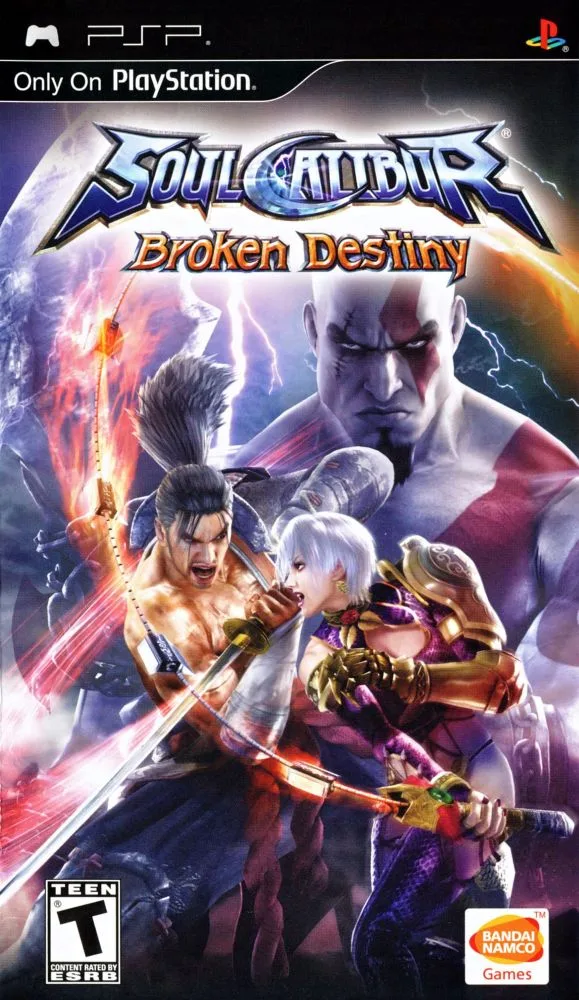
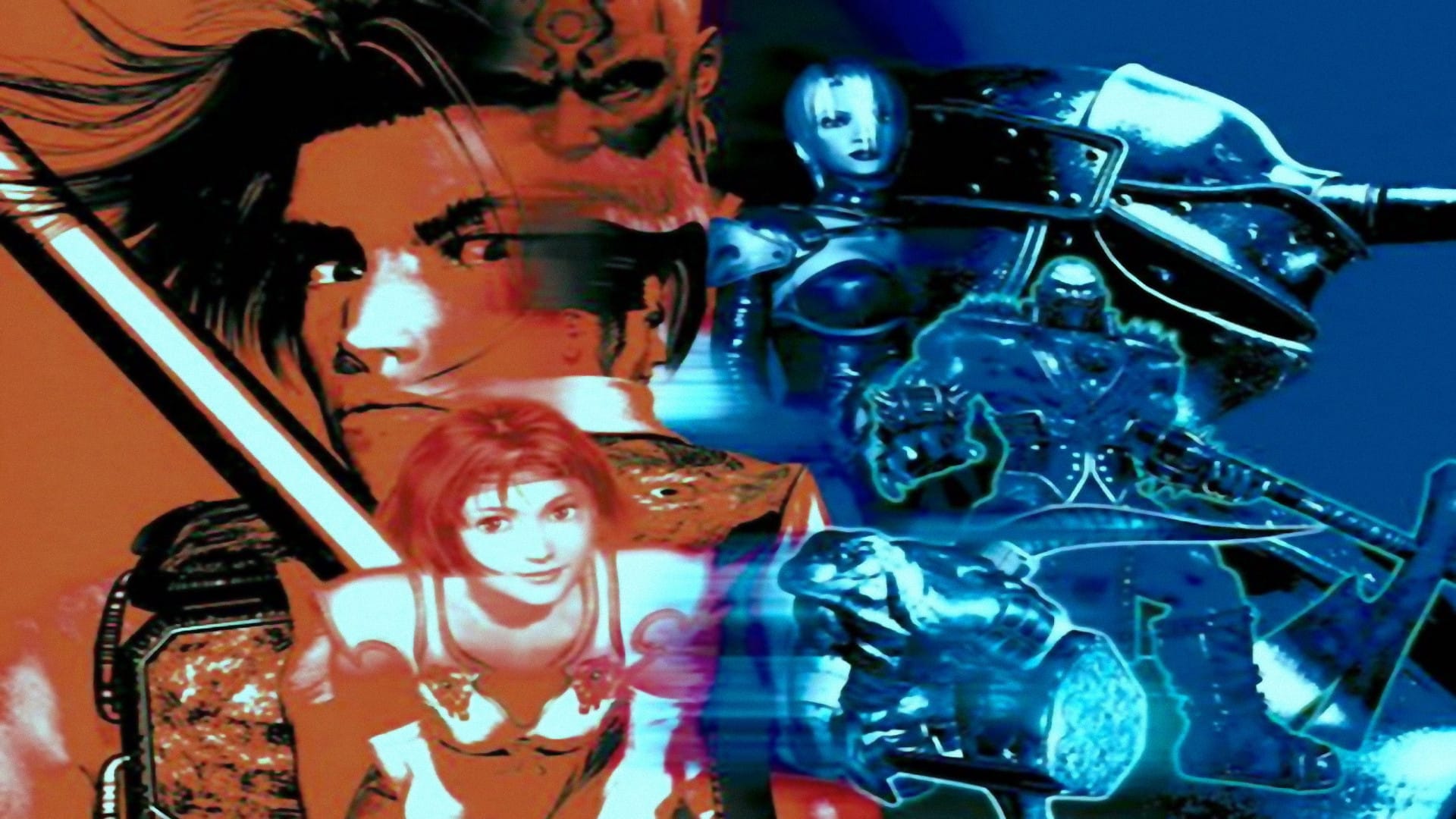
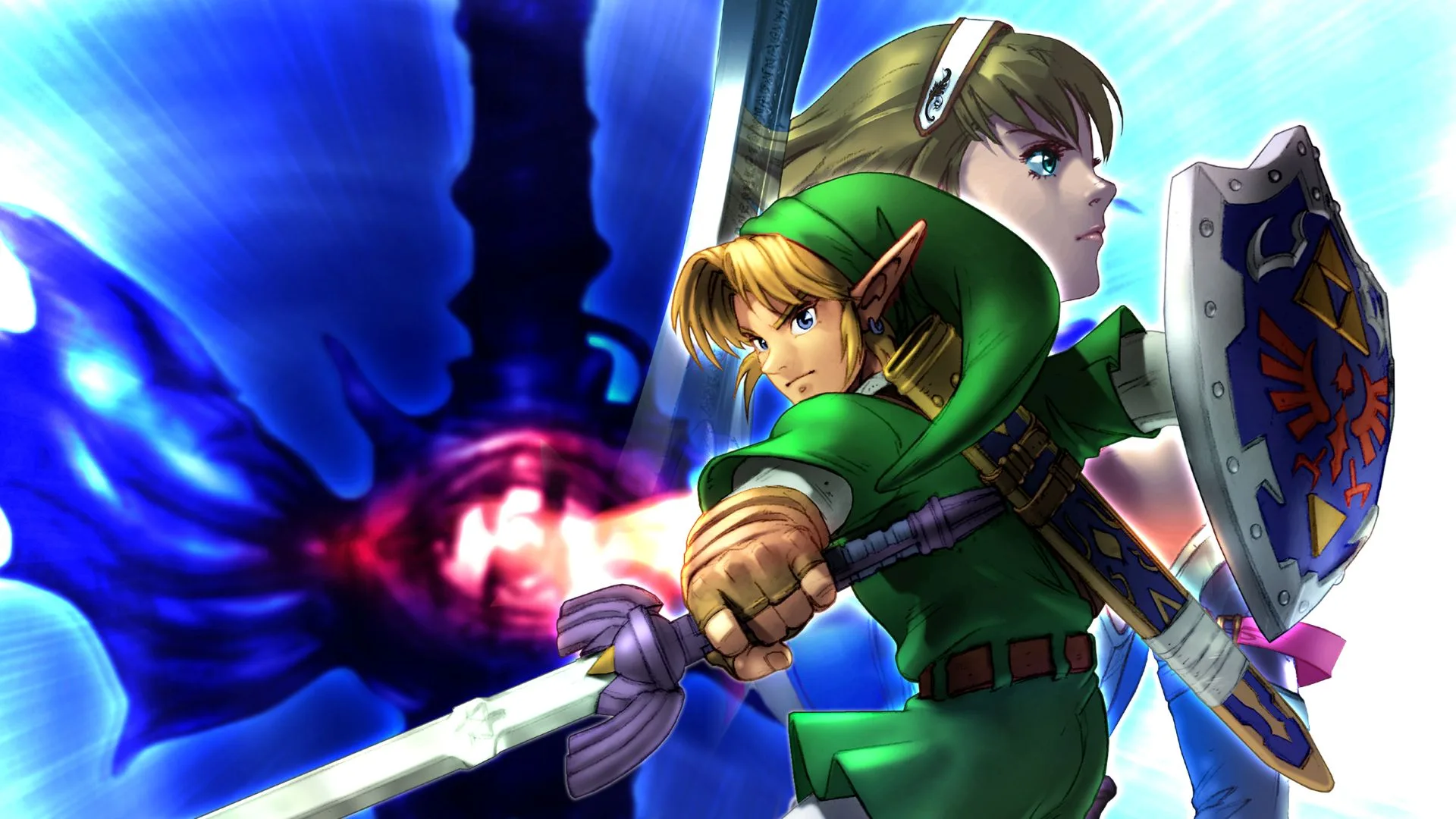
Weapon-based fighting games have always been rare on handhelds, but Broken Destiny proved it could be done—and done well. Built on the Soulcalibur IV engine, it looks dazzling and plays with surgical precision. The addition of Kratos is a fun novelty, but the real meat lies in the deep character customization, clever single-player missions, and pinpoint fighting mechanics.
Why It’s Worth Playing:Broken Destiny is a game that respects your time and skill, rewarding mastery with graceful, devastating victories. It’s the only portable Soulcalibur experience, and it’s surprisingly full-featured, visually rich, and mechanically faithful. Plus—Kratos with a sword.
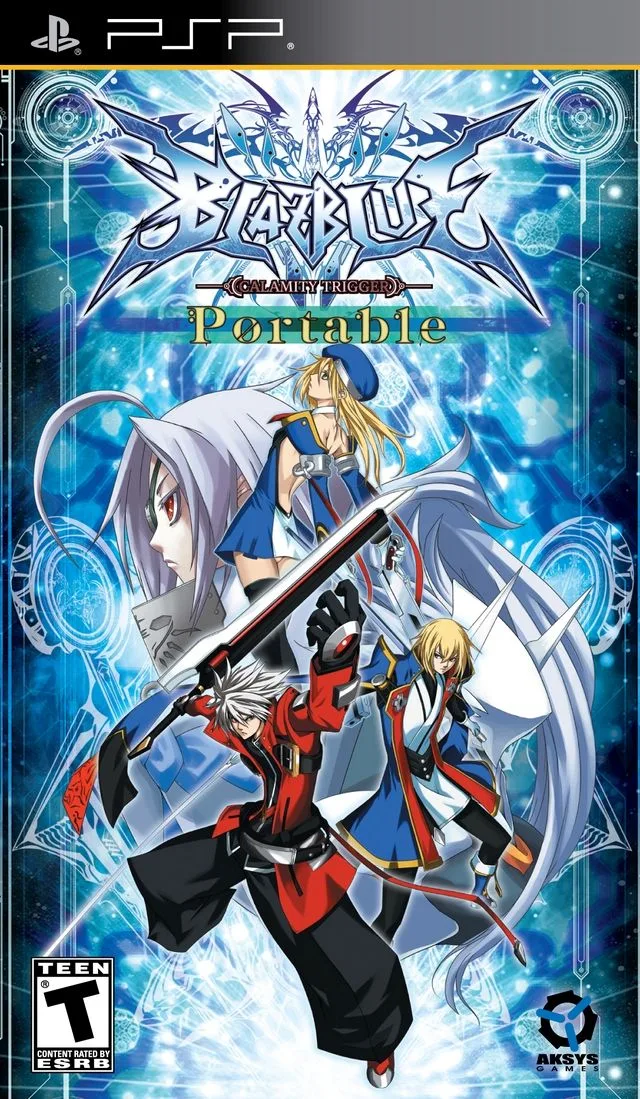
BlazBlue: Calamity TriggerPortable
Developer: Arc System Works
Release Date: February 25, 2010
Arc System Works brought its trademark flair to the PSP with BlazBlue: Calamity TriggerPortable, and the results were nothing short of dazzling. Hand-drawn sprites pop off the screen, the soundtrack wails with metal and jazz fusion, and the roster is full of unforgettable personalities—from the aggressive Ragna to the chaos-loving Rachel.
Why It’s Worth Playing: More than just eye candy, it features one of the smoothest and most accessible combo systems in modern 2D fighters, balancing approachability with surprising depth. It’s the full BlazBlue experience in the palm of your hand, offering high-speed combat, anime aesthetics, and enough story to fill a light novel.
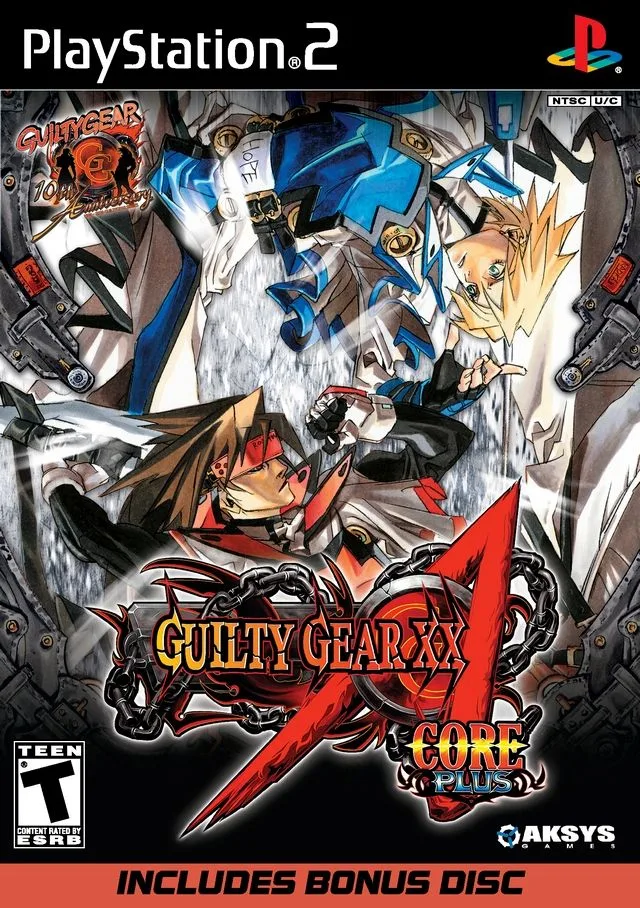
Guilty Gear XX Accent Core Plus
Developer: Arc System Works
Release Date: July 24, 2008
Hardcore fighting game fans already know: Guilty Gear doesn’t mess around. Every character is wildly distinct—from the guitar-shredding I-No to the time-controlling Axl Low—and each demands hours of practice. Yet, for all its technical demands, it’s also one of the most rewarding fighters ever crafted.
Why It’s Worth Playing:Accent Core Plus is brutally precise, lightning fast, and stacked with one of the most mechanically complex rosters in 2D history. If you’re chasing a true test of skill, this is it. No hand-holding—just raw, arcade-grade adrenaline and style.
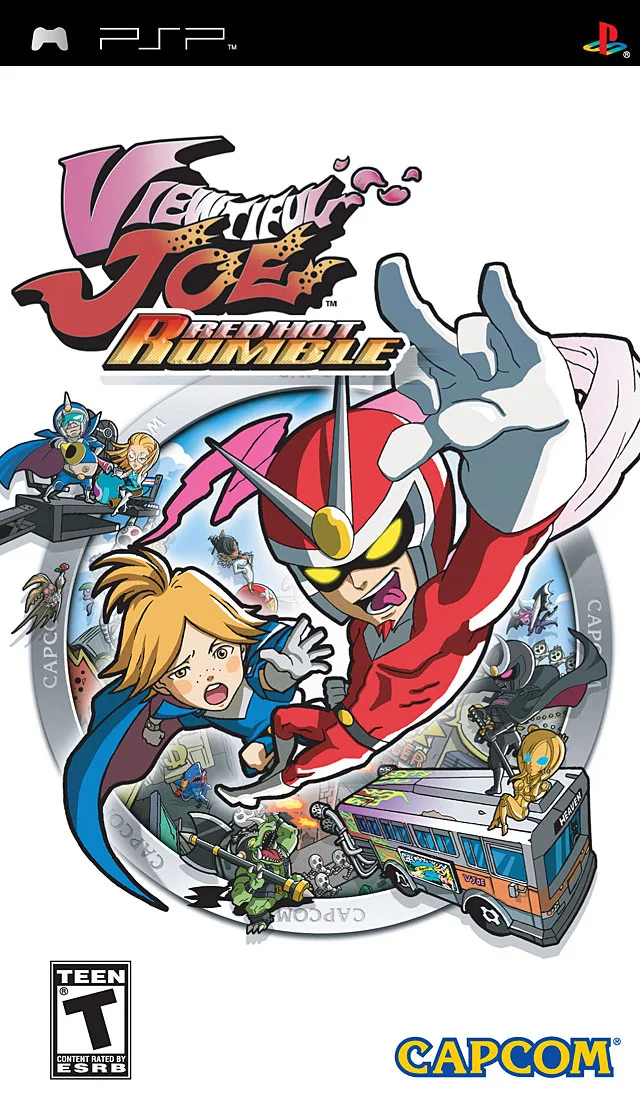
Not your traditional one-on-one fighter, Red Hot Rumble brings Smash Bros-like chaos to the Viewtiful Joe universe. Players duke it out in cinematic arenas filled with hazards, collectibles, and mini-objectives, all wrapped in the series’ signature cel-shaded style. It’s less about tight neutral game and more about managing mayhem, but that’s exactly what makes it such a riot.
Why It’s Worth Playing: It’s rare to find a fighting game that doesn’t just allow chaos, but actively celebrates it. Red Hot Rumble embraces its theatrical roots, rewarding style just as much as substance. For those who grew up loving Capcom’s flair for the eccentric, this is a slice of pure, technicolor joy—and a reminder that fighting games can be just as much about laughter and spectacle as they are about frame data and mastery.
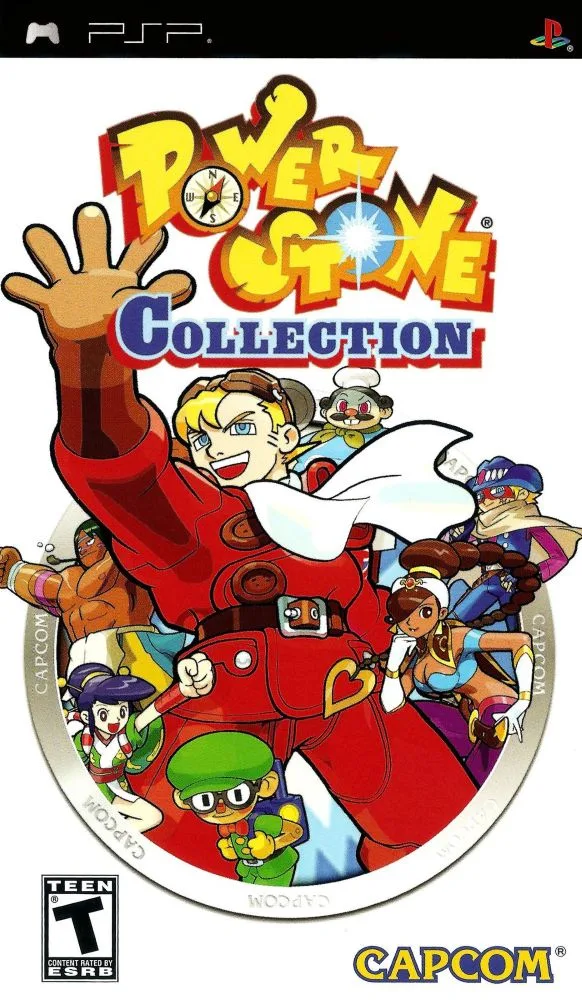
Few fighting games capture the sheer, unpredictable joy of Power Stone. Originally dazzling players on the Sega Dreamcast, Power Stone Collection on PSP compiles both entries of Capcom’s cult classic into one pocket-sized package. Fighters dash, climb, and throw everything from tables to treasure chests across fully 3D arenas, all while chasing after the glowing stones that grant jaw-dropping super transformations. One moment you’re scrambling to avoid flying chairs, the next you’re unleashing screen-shattering specials that turn the tide of battle in an instant.
Why It’s Worth Playing: Arena fighters are few and far between, and Power Stone remains one of the genre’s high-water marks. It’s pure, unfiltered fun—easy to learn, hard to put down, and tailor-made for portable play with friends. And this is the only way to officially play them outside the Dreamcast. That alone makes it essential.
Fight Night Round 3
Developer: EA Chicago
Release Date: February 20, 2006
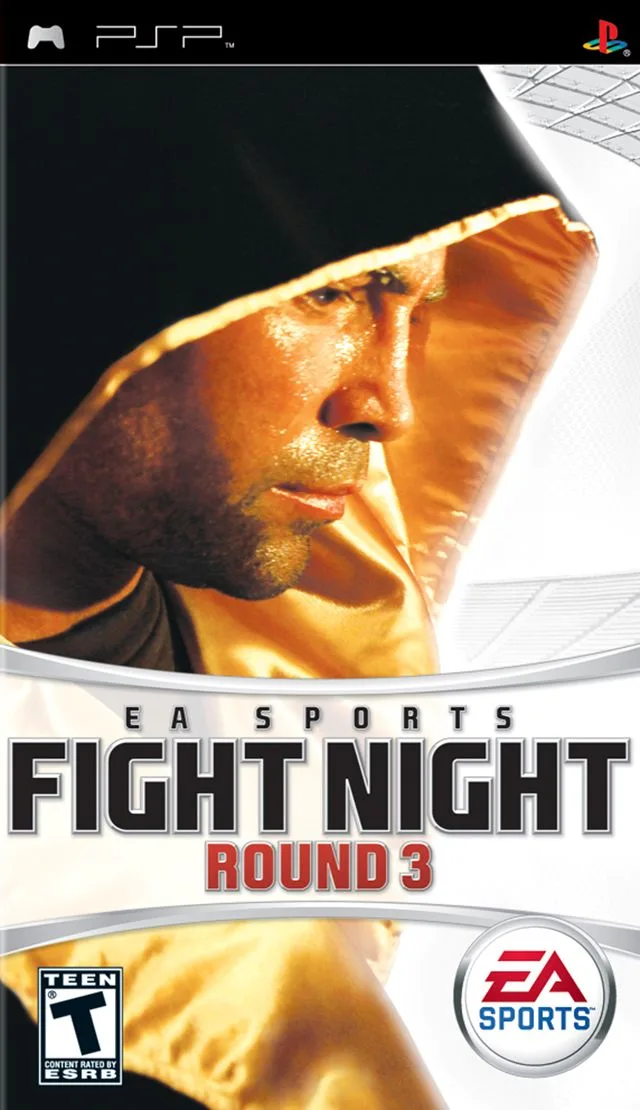
EA’s Fight Night Round 3 brought realistic boxing to the PSP with surprising fidelity. Muscles flex, sweat flies, and every jab feels like it carries weight. But visuals are only half the story. Timing, spacing, and stamina management all play crucial roles, giving each bout the kind of ebb-and-flow that mirrors real boxing. With its intuitive analog stick controls, pulling off hooks, uppercuts, and body shots feels fluid, rewarding both strategy and reflexes.
Why It’s Worth Playing: Boxing games are a rare breed these days, and Fight Night Round 3 remains one of the best examples of the genre. On PSP, it’s more than a technical showcase—it’s an addictive, portable boxing sim that nails the thrill of stepping into the ring. Whether you’re chasing a championship or just looking to land that perfect knockout, this one delivers the goods.
Steambot Chronicles: Battle Tournament
Developer: Irem
Release Date: July 10, 2008
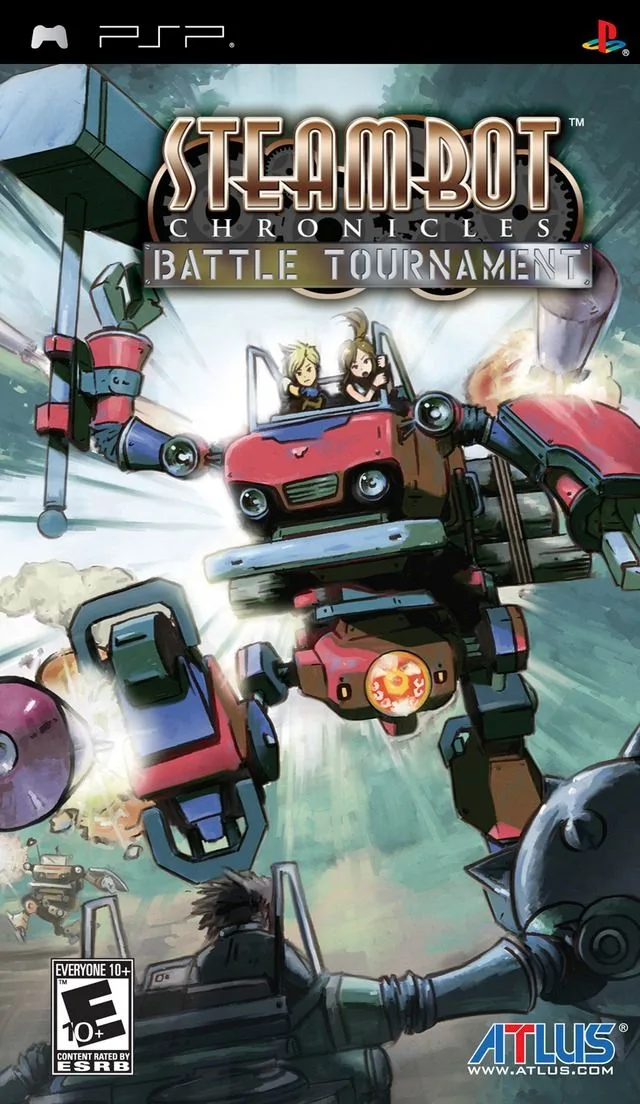
A spin-off of the cult Steambot Chronicles RPG, this game swaps exploration for arena-based mech-on-mech action. You’re not just battling—you’re customizing parts, balancing weight, and tweaking builds to match your fighting style. Combined with the game’s offbeat humor and personality-filled design, it’s a mech brawler that stands out from the crowd. It’s a quirky blend of tactical tinkering and real-time combat that feels unlike anything else on the system.
Why It’s Worth Playing: It may not have the polish of genre giants, but Battle Tournament shines in its originality. The customization alone makes every fight feel different, while its oddball charm ensures it never takes itself too seriously. For players craving something outside the usual fighting game formula, this is one of the PSP’s most unusual—and rewarding—hidden gems.
Hajime no Ippo Portable: Victorious Spirits
Developer: ESP Software
Release Date: December 20, 2007
Based on the long-running boxing anime Hajime no Ippo, Victorious Spirits captures the heart and grit of the source material with fast-paced, cinematic brawls. Where Fight Night aimed for realism, this one thrives on anime exaggeration—thunderous punches, dramatic knockdowns, and the kind of bone-rattling impact that feels straight out of the show. Special moves erupt with anime flair, and each fighter has their own unique rhythm. Land Ippo’s signature Dempsey Roll and you’ll see why fans still celebrate this adaptation—it’s a rush of pure adrenaline wrapped in cel-shaded flair.
Why It’s Worth Playing: It's boxing, but through a shonen lens—equal parts jab, uppercut, and pure heart. Victorious Spirits combines the thrill of real boxing with the drama of anime storytelling, which makes it perfect for fans of both gloves and guts. For PSP owners, it’s the closest you’ll get to stepping into the ring alongside Ippo himself.
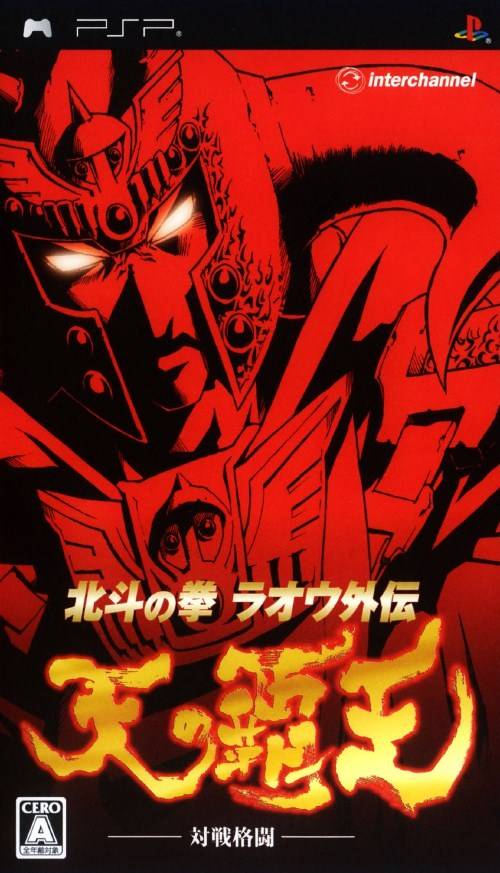
Hokuto no Ken: Raoh Gaiden – Ten no Haoh
Developer: LightWeight
Release Date: January 22, 2009
Step into a world where every punch could be your last—literally. Raoh Gaiden – Ten no Haoh brings the savage spirit of Fist of the North Star to life in a 2D fighter that’s as faithful to the source material as it is punishing. Combat is deceptively strategic. Players must build up a power gauge to unleash devastating instant K.O. finishers. Destructible environments add to the drama, with stages like collapsing jail cells that shatter mid-fight, raising the stakes and visual spectacle.
Why It’s Worth Playing:Ten no Haoh is more than fan service—it’s a full-bodied dive into one of anime’s most influential sagas. The combat may not be as technically intricate as Tekken or Street Fighter, but its larger-than-life presentation and faithfulness to the source material make it a must-play for fans of the series. If you’ve ever wanted to unleash the kind of fight-ending fury that made Hokuto no Ken legendary, this PSP brawler delivers it with clenched fists and roaring bravado.
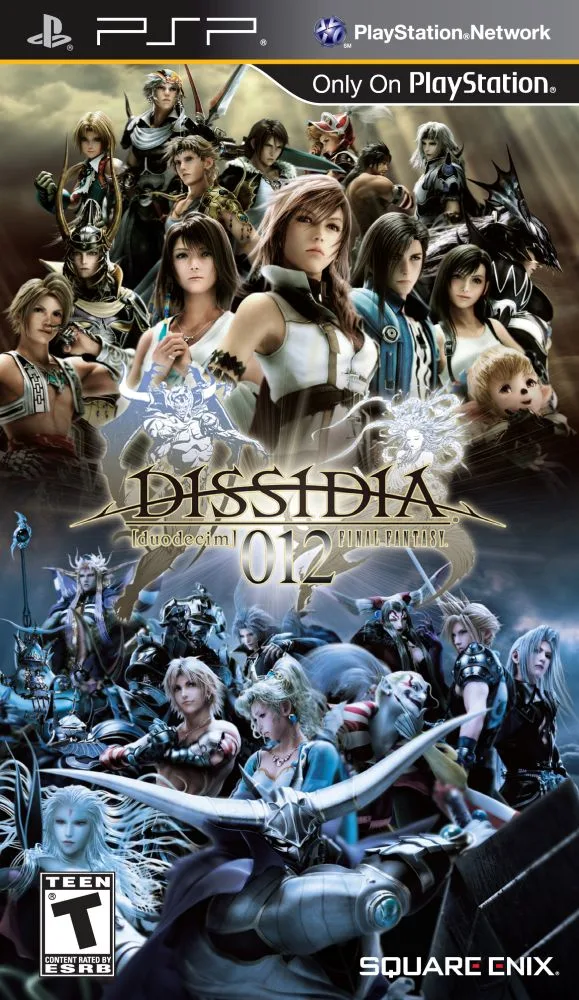
Dissidia 012 Final Fantasy
Developer: Square Enix
Release Date: March 3, 2011
Imagine Cloud Strife trading blows with Kefka, or Lightning clashing against Sephiroth. Square Enix pulled off the impossible by making those dream matches possible with Dissidia 012. It’s not a traditional one-on-one affair; instead, it marries RPG-style progression with fast-paced 3D combat across sprawling, destructible arenas. From Zidane, Terra, to Tidus, each character feels distinct, with move sets inspired by their original games. Layered over the spectacle is a “Bravery” system that rewards risk-taking, encouraging players to crush their opponents’ defenses before landing the final HP-draining blow.
Why It’s Worth Playing: The Bravery/HP attack system remains genius—adding a risk-reward loop that makes every hit feel high-stakes. Add in RPG-style leveling, customization, a sprawling story mode, and jaw-dropping super moves, and you've got a hybrid that doesn’t just work—it sings. With its massive roster, deep customization, and cinematic presentation, Dissidia 012 is both a fighting game and a Final Fantasy fan’s dream museum.
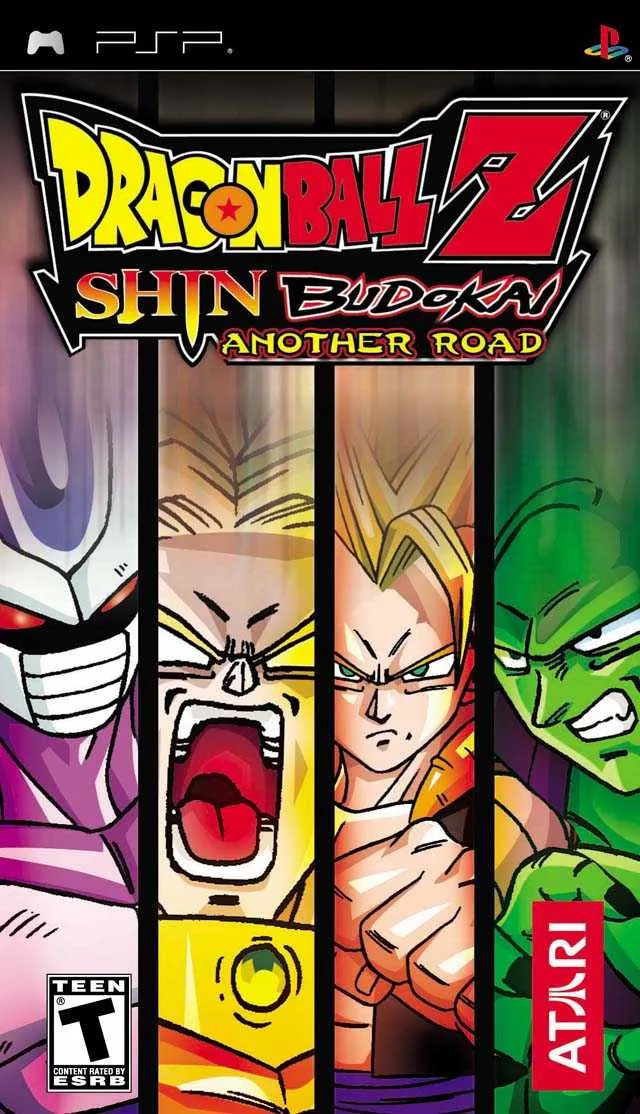
Dragon Ball Z: Shin Budokai – Another Road
Developer: Dimps
Release Date: March 20, 2007
Built from the groundwork of the Budokai series, Another Road refines the core of Shin Budokai into a streamlined, high-octane fighter that nails the tone and pacing of Dragon Ball Z. Fights are fast, fluid, and kinetic, with teleport counters, beam clashes, and super transformations happening in rapid-fire succession. What sets Another Road apart is its story mode, an alternate timeline that puts Trunks at the center of a new adventure. Instead of just recycling sagas from the anime, it dares to spin an original tale, giving longtime fans something fresh while still grounding the fights in familiar DBZ spectacle.
Why It’s Worth Playing: By combining a strong roster with an original narrative twist, Another Road doesn’t just feel like a handheld spin-off; it feels like a genuine part of the franchise’s fighting legacy. The alternate timeline story mode gives longtime fans something new to chew on, while the responsive controls and sharp presentation make this one of the smoothest DBZ experiences on any portable system.
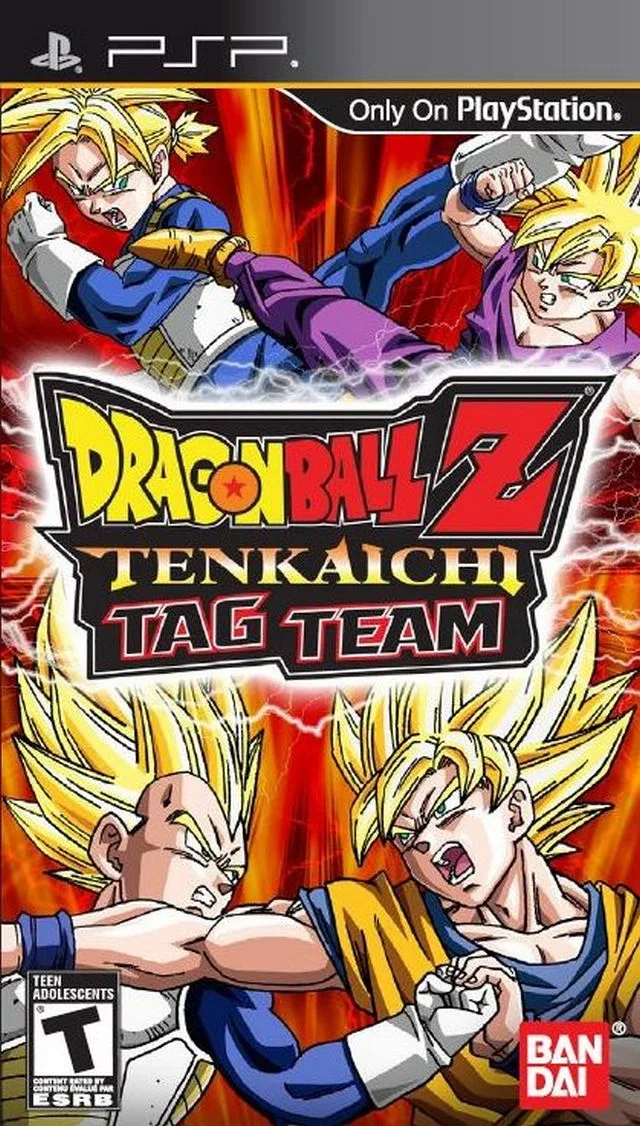
Dragon Ball Z: Tenkaichi Tag Team
Developer: Spike
Release Date: September 30th, 2010
If Another Road is about precision, Tenkaichi Tag Team is about sheer chaos. This fast and flashy arena brawler doesn’t just mimic the anime’s explosive energy—it multiplies it. For the first time in the series, up to four fighters could battle it out simultaneously, creating some of the most explosive fights in DBZ game history. Tag mechanics allow you to string together assist combos or save a teammate at the last second, all while blasting through destructible environments. With over 70 playable characters, the roster alone is enough to keep fans glued to their screens.
Why It’s Worth Playing: Few PSP fighters capture the sheer, unrestrained madness of anime combat like this one. Tenkaichi Tag Team doesn’t just let you relive DBZ’s greatest battles—it hands you the keys to create your own. Whether you’re teaming up with a friend or diving into four-way chaos against the CPU, it’s the closest the PSP ever came to replicating the anime’s grand, planet-shattering fights.
Naruto Shippuden: Ultimate Ninja Impact
Developer: Spike
Release Date: September 30th, 2010
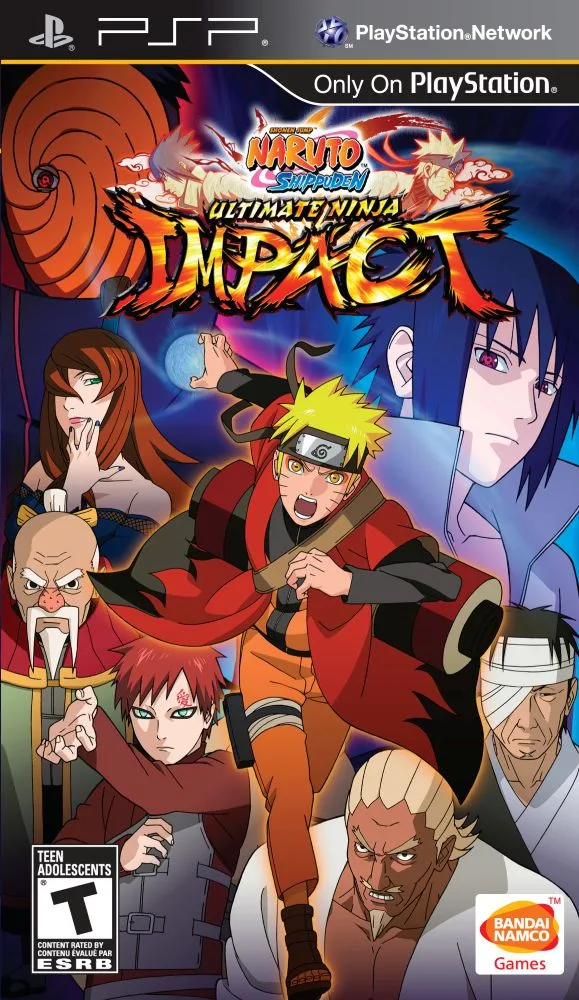
Unlike traditional one-on-one fighters, this game blends fast-paced fighting with beat ’em up elements, letting players dash across sprawling arenas, chain combos, and dispatch hordes of enemies with the flair of a true shinobi. Players can switch between allies on the fly, execute devastating team attacks, and navigate stages that are as much about positioning and momentum as raw damage. Every character feels faithful to the anime, with signature jutsus, flashy transformations, and cinematic finishing moves that make each fight feel like a mini-episode of the show.
Why It’s Worth Playing:Ultimate Ninja Impact delivers adrenaline-pumping action that’s easy to pick up but satisfying to master. The combination of anime-accurate moves, sprawling arenas, and frenetic team-based combat makes it one of the PSP’s standout anime fighters—and a must-play for anyone craving a shinobi rush on the go.
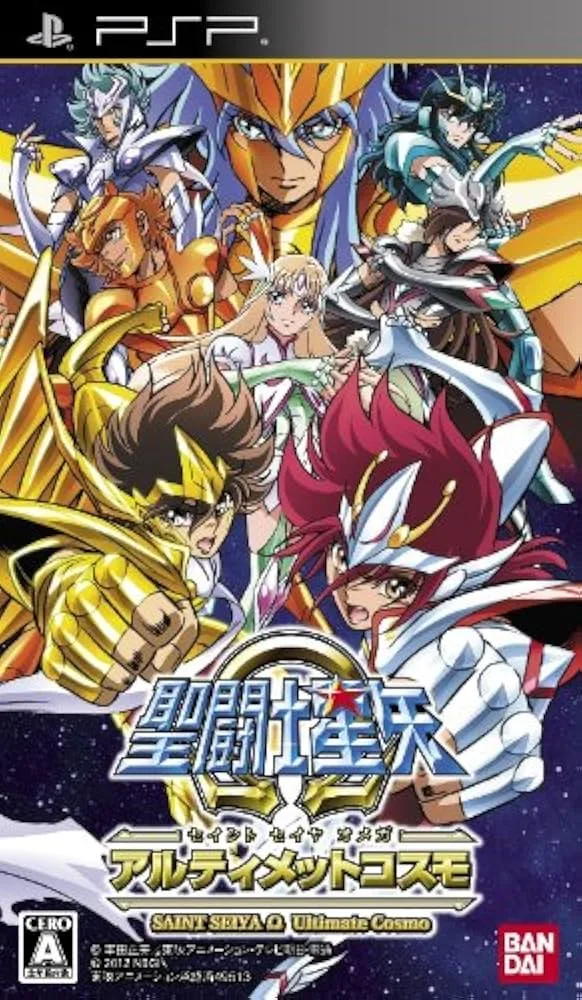
Drawing from the later Omega series, Ultimate Cosmo keeps the essence of Saint Seiya alive. Players step into the armored boots of the Saints, unleashing flashy combos and signature “Cosmo” attacks that light up the battlefield in dazzling fashion. Combat emphasizes timing, positioning, and strategic use of each character’s special abilities. The arenas are vibrant, and the sense of scale is faithfully captured, making every fight feel epic. While accessible enough for newcomers, mastering the interplay of attacks and defensive maneuvers rewards dedicated players.
Why It’s Worth Playing:Ultimate Cosmo translates the spectacle of Saint Seiya into a tangible, playable experience. Even newcomers can appreciate the fluid combat and visually striking battles. It proves that a handheld fighter can feel as grand and dramatic as its source material—without ever losing the charm that made the series iconic. For Saint Seiya fans, this is a golden opportunity to step into the cloth of your favorite character and relive those larger-than-life battles.
Ultraman Fighting Evolution 0
Developer: Banpresto
Release Date: July 20, 2006
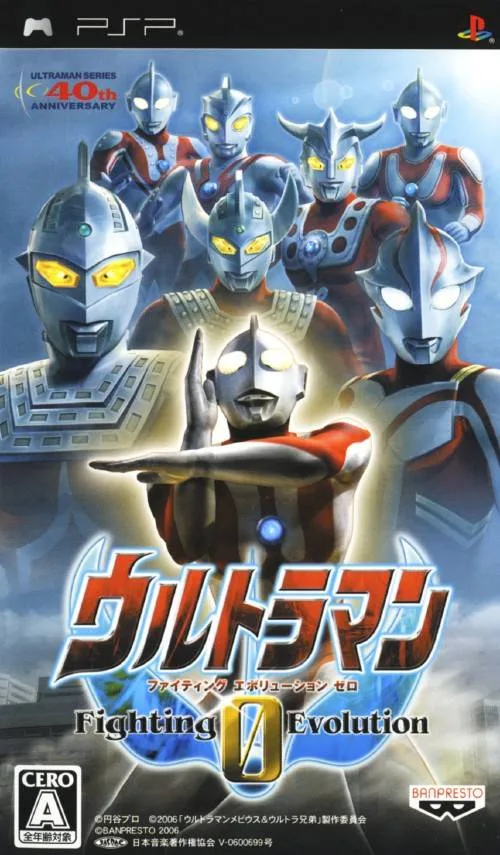
Step into the giant boots of Ultraman in Fighting Evolution Zero, where towering heroes clash with colossal kaiju in high-stakes brawls. Players can unleash signature beam attacks, grapple massive monsters, and perform devastating finishing moves that feel like panels straight from a tokusatsu showdown. With a roster of heroes and monsters spanning decades of the franchise, each battle offers variety and nostalgia, making it easy to lose hours experimenting with different matchups.
Why It’s Worth Playing: It’s a rare opportunity to play as Ultraman and battle giant monsters anywhere, anytime. Fighting Evolution Zero delivers all the spectacle, energy, and campy charm fans expect from the series. Whether you’re revisiting classic monsters or discovering them for the first time, this handheld fighter proves that kaiju-sized action can translate beautifully to PSP.
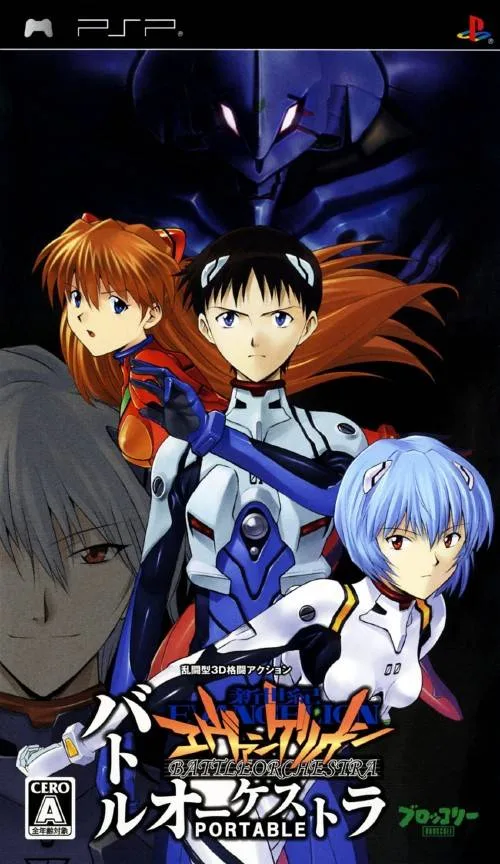
Rather than go the slow, methodical mecha sim route, Battle Orchestra Portable throws Evangelion into a chaotic, 4-player arena fighter with environmental hazards, cinematic attacks, and explosive destruction. Players can take control of classic Evas, unleash devastating AT Field abilities, or pilot other units for unique movesets. The game balances accessibility with tactical depth, rewarding players who master the interaction of movement, attacks, and defensive maneuvers. It’s messy, loud, and gloriously unhinged in a way that suits the Eva universe perfectly.
Why It’s Worth Playing: For fans of the franchise, Neon Genesis Evangelion: Battle Orchestra Portable is a rare chance to step into the cockpit and fight as an Eva. The chaotic, visually striking battles capture the tension and intensity of the series, while the variety of characters and arenas keeps gameplay fresh. It’s a handheld fighter that’s as much about spectacle as it is about skill—perfect for Evangelion enthusiasts and fighting game fans alike.
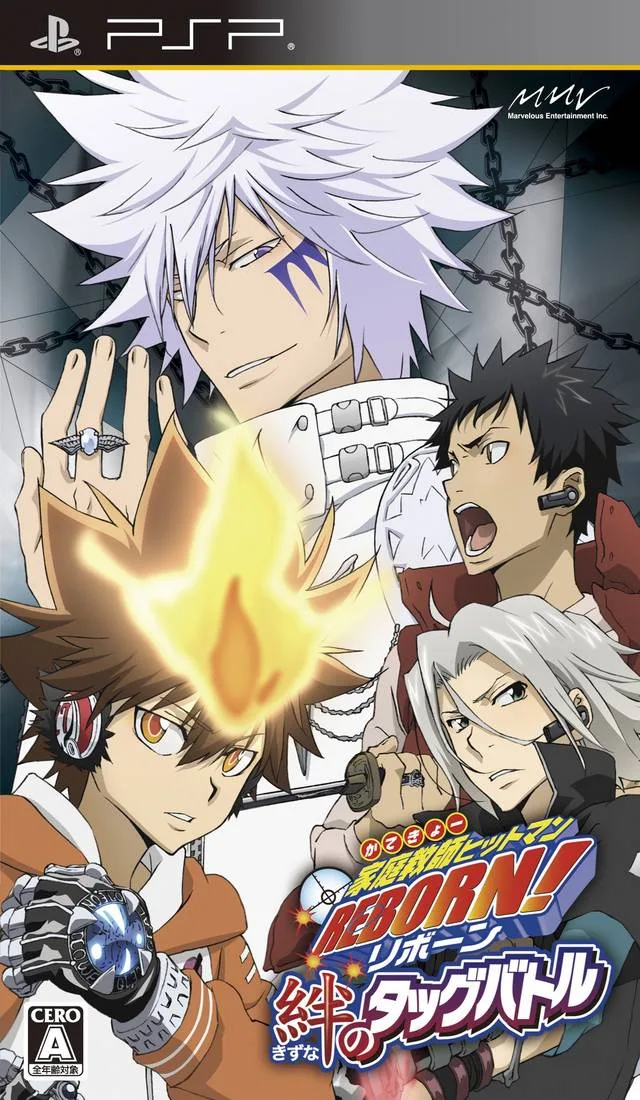
Katekyo Hitman Reborn! Kizuna no Tagbattle
Developer: Marvelous Entertainment
Release Date: February 25, 2010
This overlooked gem offers quick, responsive combat, beautiful sprite work, and tag-team mechanics that rival bigger-name titles. Players can swap between two characters mid-battle, chaining attacks together to create cinematic, devastating combos reminiscent of the series’ signature mafia showdowns. The tag system encourages planning and timing, letting players coordinate devastating combos or recover strategically when the heat is on. Fans of Reborn! will appreciate the faithful cast, flashy special moves, and ability to form dream team combos.
Why It’s Worth Playing:Kizuna no Tagbattle is a must-play for fans of Reborn! or anyone who loves tag-team fighting mechanics. It delivers all the flair, style, and chaos of the anime while providing a satisfying layer of depth for those who enjoy mastering cooperative combat. Portable, fast, and endlessly replayable, it’s one of the PSP’s more stylish and engaging fighters.
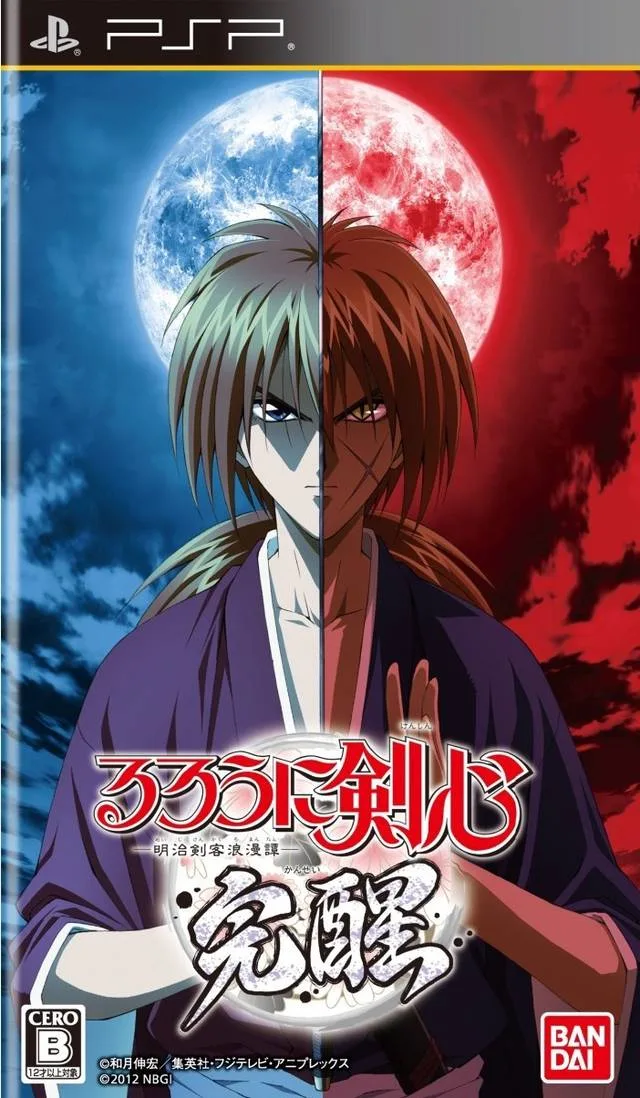
Rurouni Kenshin: Meiji Kenkaku Romantan – Kansei
Developer: Natsume Atari
Release Date: August 30, 2012
Step back into the twilight of the samurai era as Rurouni Kenshin: Meiji Kenkaku Romantan – Kansei rekindles the legendary duels of the Meiji period with refined gameplay and narrative depth. The sequel builds smartly on its predecessor, offering improved controls, smoother mechanics, and a more accessible combat system without sacrificing the tension and technique of swordplay.
Why It’s Worth Playing: Whether you fight with Kenshin’s graceful Hiten Mitsurugi-ryu, Sanosuke’s brawler fists, or Aoshi’s dual kodachi finesse, each character’s fighting style is distinct and steeped in lore. It’s a beautifully crafted fusion of historical drama, character-driven storytelling, and elegant sword combat.
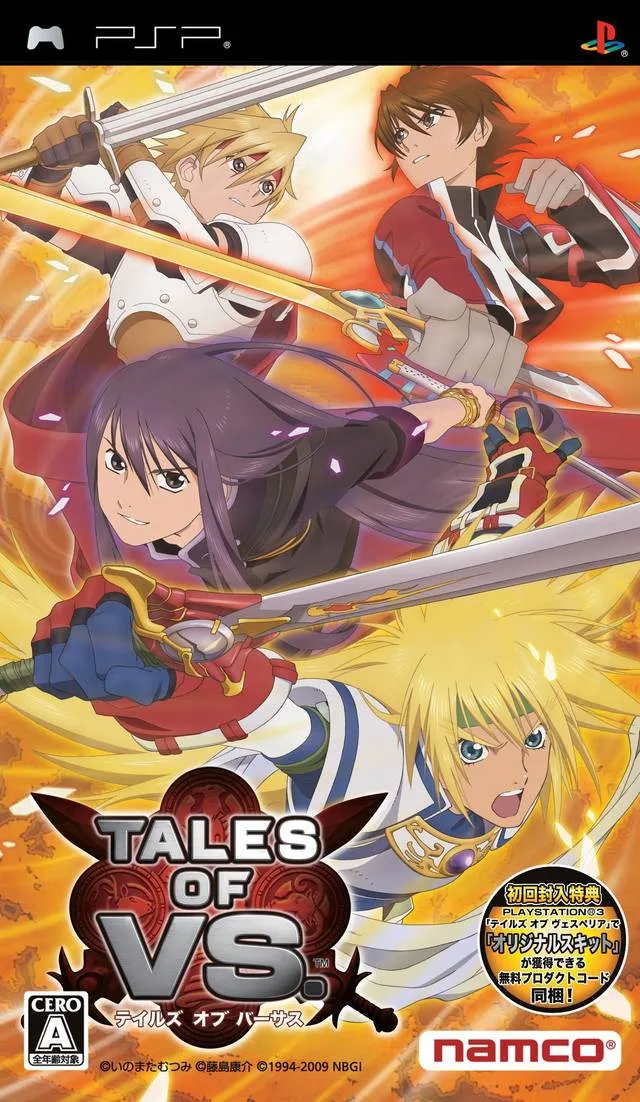
Imagine a 2D arena fighter featuring the best of the Tales franchise—fast-paced, combo-heavy action with all the artes and mystic attacks you’d expect, wrapped in a crossover campaign that’s more robust than it has any right to be. Story mode plays like a visual novel-RPG hybrid, while local multiplayer offers frantic, four-player brawls.
Why It’s Worth Playing:Tales of VS. brings together over 35 characters from across the series in a battle system that blends real-time action with tight platform-fighting mechanics. It’s fanservice done right—with crisp mechanics, a deep character pool, and just enough RPG flavor to feel like a proper Tales offshoot.
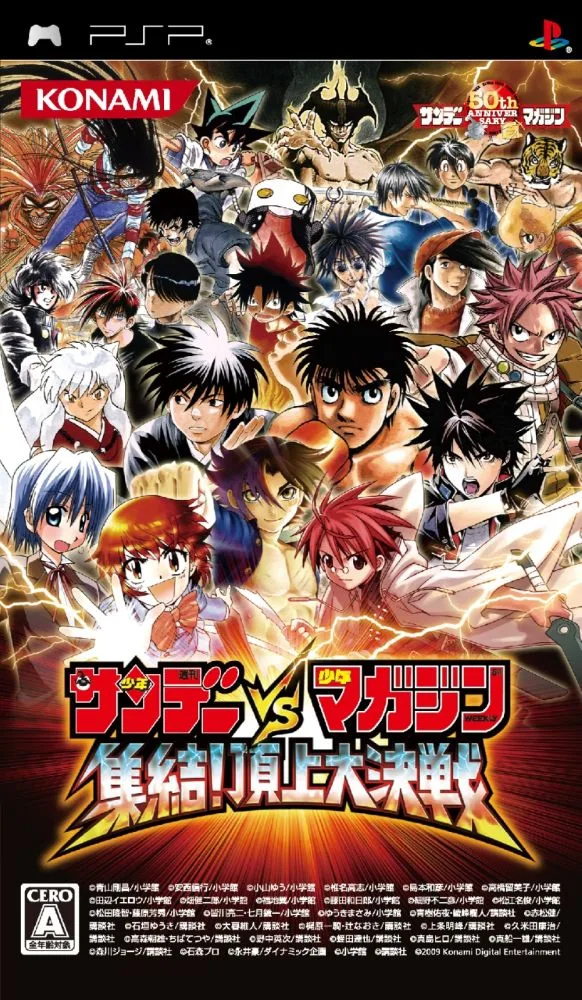
Sunday VS Magazine: Shūketsu! Chōjō Daikessen
Developer: Konami Computer Entertainment Aomori, Hudson Soft
Release Date: March 26, 2009
Weekly Shonen Sunday meets Weekly Shonen Magazine in Shūketsu! Chōjō Daikessen, a wild crossover packed with classic manga icons. You’ll see characters from Inuyasha, Fairy Tail, Hajime no Ippo, Detective Conan, and more squaring off in chaotic 2D arenas, each with their own signature moves and dramatic flair. The gameplay leans arcade-simple but stays stylish, with flashy supers and over-the-top stage designs. If you’ve ever dreamed of pitting Goku against Luffy, or Kenshin against Kinnikuman, Sunday VS Magazine: Shūketsu! Chōjō Daikessen makes that fantasy a reality.
Why It’s Worth Playing:Shūketsu! Chōjō Daikessen is the ultimate playground for manga fans. Beyond the thrill of dream matchups, the game’s frenetic combat and massive roster ensure endless variety. This isn’t just a fighter—it’s a celebration of manga itself, packed into a portable, chaotic, and endlessly replayable experience.
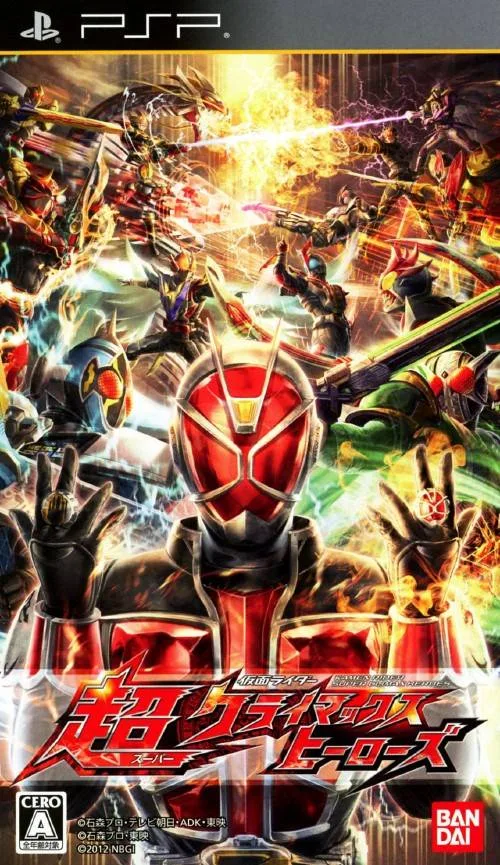
Kamen Rider: Super Climax Heroes
Developer: Eighting
Release Date: November 29, 2012
A celebration of Kamen Rider history, Super Climax Heroes delivers an all-out brawl of bike-riding heroes and villains spanning the Heisei and Showa eras. Each Rider comes complete with form changes, signature finishers, and sound effects straight from the series. Quick combos, powerful specials, and tag-team assists make fights feel alive, keeping the pace thrilling and the action nonstop. The fighting system is simple and accessible, focusing on cinematic clashes and screen-shaking Rider Kicks more than complex inputs.
Why It’s Worth Playing: For Kamen Rider fans, this is the definitive portable fighter. It faithfully captures the franchise’s energy and spectacle, while its variety of characters and abilities ensures every match feels fresh. Super Climax Heroes proves that tokusatsu action can translate beautifully to handheld gameplay, offering both fan service and genuinely satisfying combat.
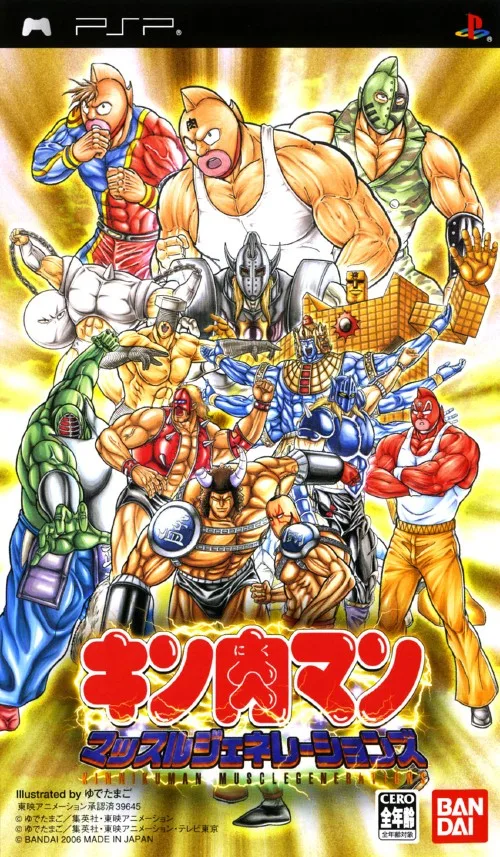
Kinnikuman: Muscle Generations
Developer: Bandai
Release Date: February 23, 2006
Based on the legendary Kinnikuman series (aka Ultimate Muscle), Muscle Generations blends pro wrestling mechanics with over-the-top anime action. Expect wild special moves, dramatic tag-ins, and ring-outs galore as you take control of classic characters like Kinnikuman, Robin Mask, and Ramenman.
Why It’s Worth Playing: The game thrives on spectacle—this isn’t about realism, it’s about throwing flaming German suplexes and laser-powered piledrivers. It’s the most fun you’ll have pretending pro wrestling is a legit superpower. Silly, stylish, and endlessly replayable.
Final Round
The PSP may have lived in the shadow of its home console siblings, but in the world of fighting games, it carved out an identity all its own. It wasn’t just a platform—it was a proving ground. Developers pushed the hardware to its limits, cramming in arcade-perfect ports, experimental crossovers, and anime-fueled slugfests that rivaled full-blown console releases. These weren’t watered-down side projects—they were legitimate fighters that still hold up today, both in mechanical depth and pure entertainment value.
For fans of the genre, it was an unexpected mecca—a machine that lets you grind out combos, throw down in tournaments, or relive anime battles anywhere, anytime. No other handheld of its generation offered the sheer range and fidelity of fighting experiences. It was home to pixel-perfect 2D brawlers, full-featured 3D arena fighters, and everything in between.
If you’re a fan of fighting games, the PSP’s library isn’t just worth revisiting—it’s worth celebrating. It was a golden age in your pocket.
At HyperComboGamer, we believe great games deserve great coverage. That means no filler, no clickbait, or fanboyism—just honest, high-quality reviews, features, and guides that put gamers first. Whether you’re a lifelong enthusiast or just starting your gaming journey, you’ll find interesting gaming perspectives that will leave you fully satisfied.