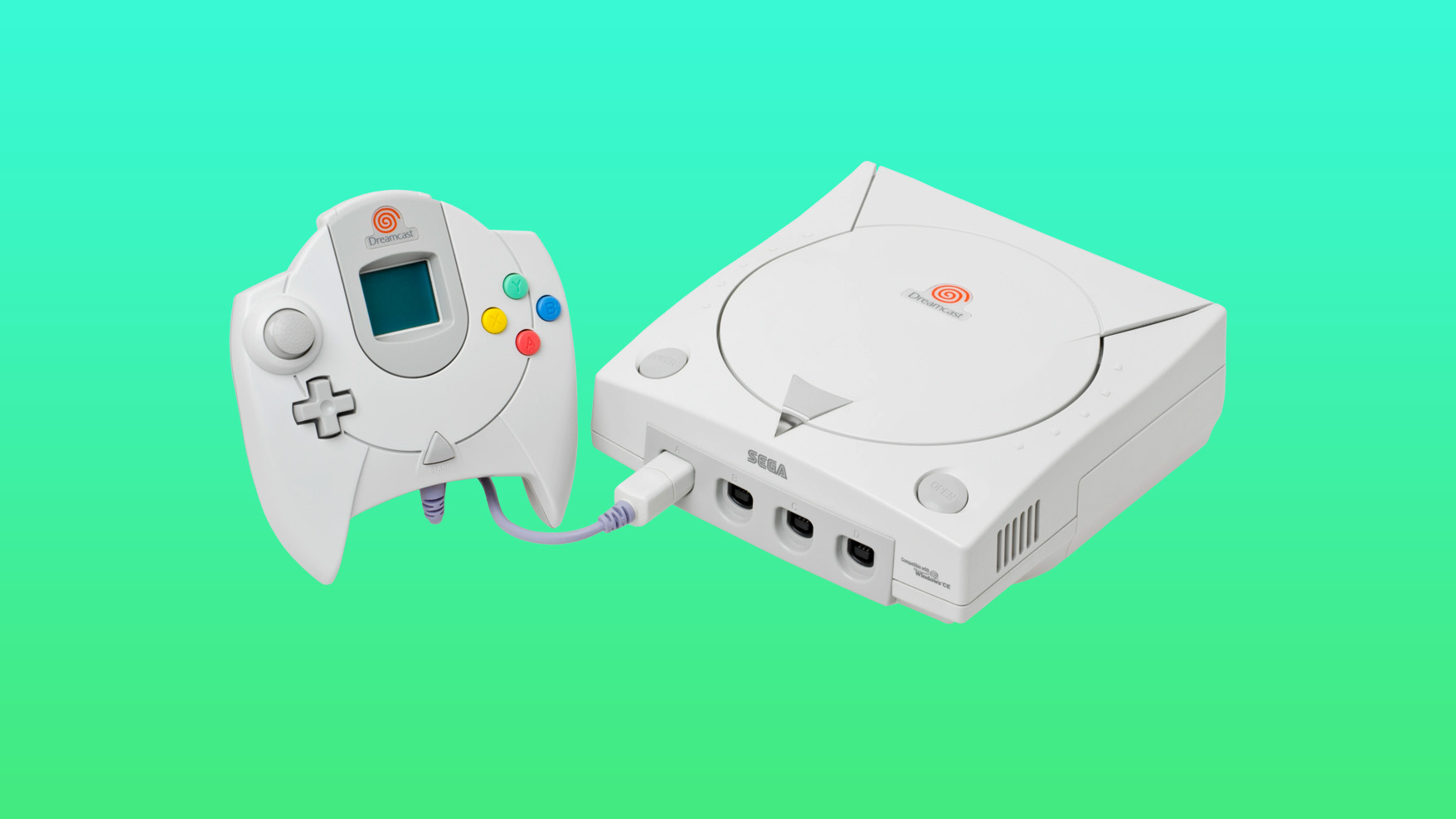
In the late 1990s, the gaming industry was at a turning point, with fierce competition among console manufacturers. Sega, a dominant force in the 16-bit era, had struggled with the commercial failure of the Sega Saturn, a misstep that left the company financially vulnerable and in desperate need of redemption. Enter the Sega Dreamcast, launched in 1998 in Japan and 1999 in North America, an ambitious console designed to put Sega back on top.
The Dreamcast was ahead of its time, introducing online multiplayer gaming, an innovative visual memory unit (VMU), and arcade-quality graphics. It was the first 128-bit console and delivered an experience unmatched by its contemporaries. However, despite strong initial sales and a dedicated fanbase, the Dreamcast’s lifespan was tragically short, discontinued in 2001, marking Sega’s exit from the hardware business.
So, what went wrong? How did a console with so much promise fail so quickly? To understand this, we must first look at its development, design, and the challenges Sega faced before its launch.
Development and Design
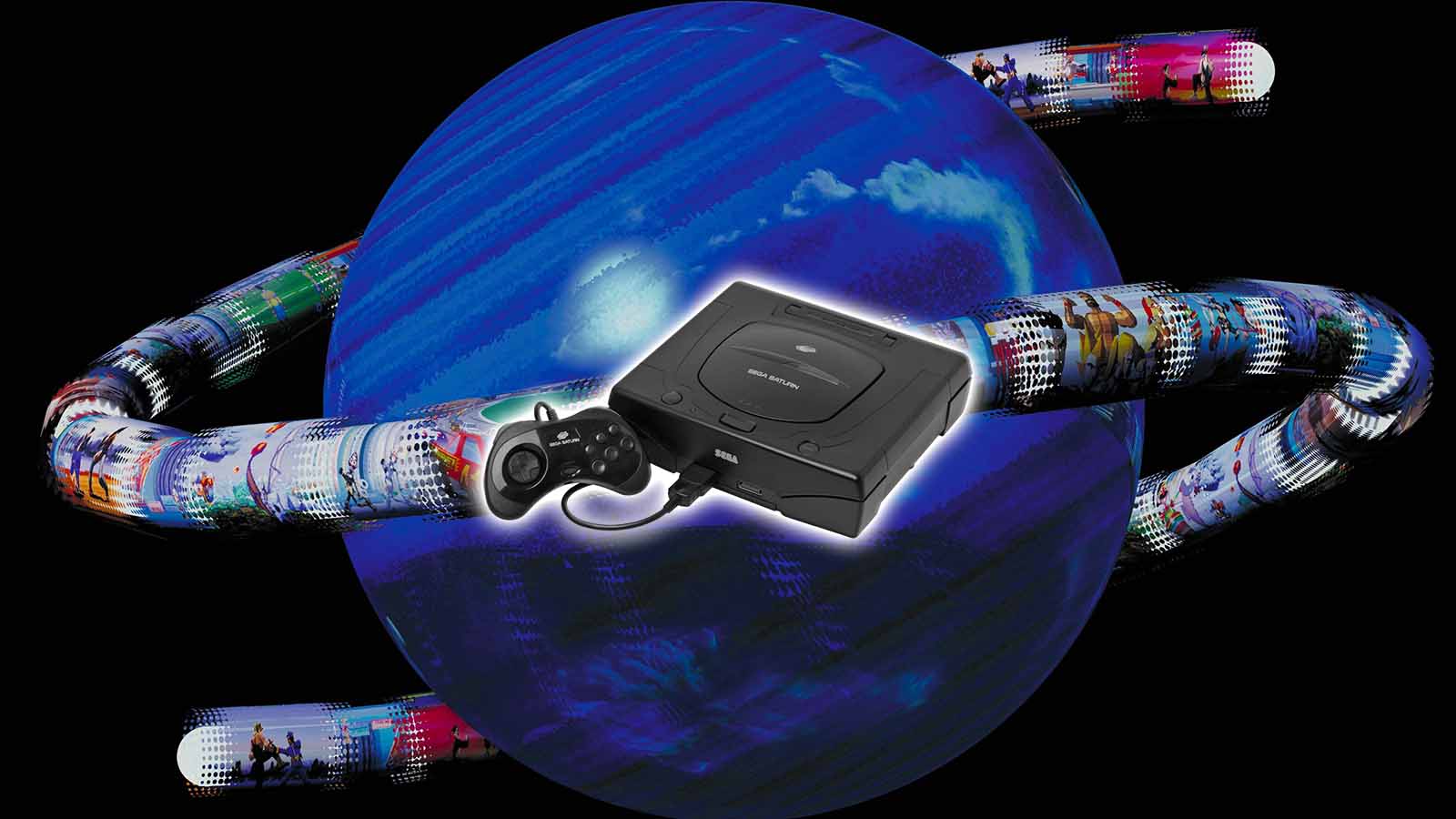
The year is 1996. The PlayStation, Sony’s first console that defied many odds, has been surprisingly successful. Wipeout XL, Crash Bandicoot, and Tomb Raider were very popular at the time. The Nintendo 64 just launched that fall, and scored a home run with its launch lineup. It had Wave Race, Pilot Wings, and its most famous launch game, Mario 64. Sega, on the other hand, was in turmoil. They previously released the Sega CD in ’92, and then the 32X in ’94, which were both failures. By the time Sega released the Saturn, fans were feeling abandoned and confused, especially due to the lack of a true Sonic platformer.
Let’s fast forward to 1997. After Sega Saturn’s failure, which was plagued by poor marketing, rushed development, and complex hardware, Sega knew they needed a different approach. So, they decided to press the restart button and work on developing their next console.
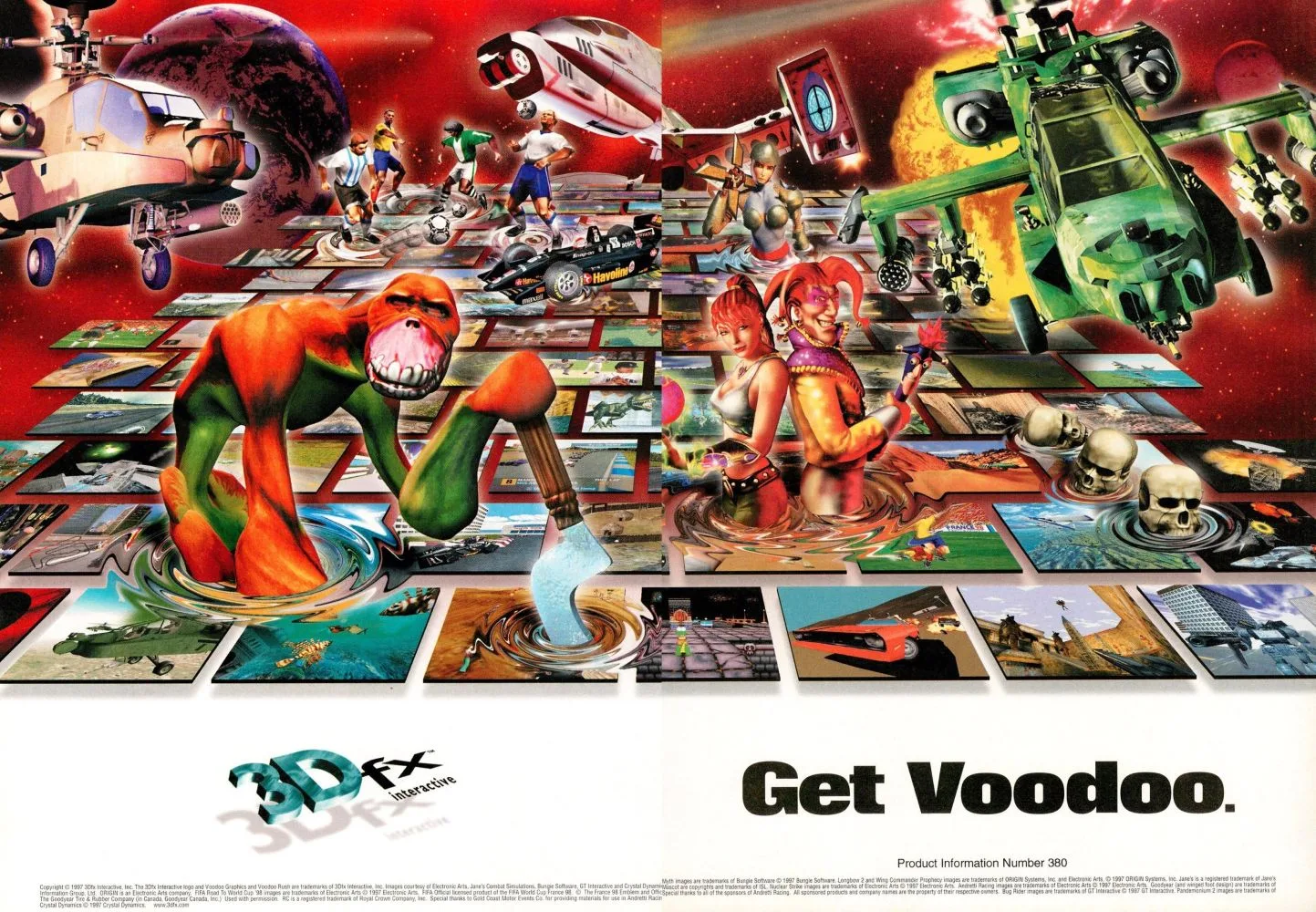
Sega opted for off-the-shelf components, prioritizing affordability and accessibility over exotic engineering. Management decided to pit two internal teams against each other to find the ultimate hardware solution. Sega of America teamed up with the giants at 3dfx to develop “Project Blackbelt,” while Sega of Japan worked with NEC and VideoLogic on “Project Katana.”
The American team’s 3dfx solution used the legendary Voodoo architecture, which was the gold standard for PC gaming at the time. Most developers practically begged for this version because they already knew how to use it. Ultimately, the Japanese team won, integrating the PowerVR2 graphics chip which promised arcade-perfect ports. But at what cost?
3dfx was furious, and slapped Sega with a $155 million lawsuit for breach of contract. Imagine trying to launch a “redemption” console while your previous business partner is dragging you through court. It was a total PR nightmare that painted Sega as an unstable partner right when they needed to look like the adults in the room.
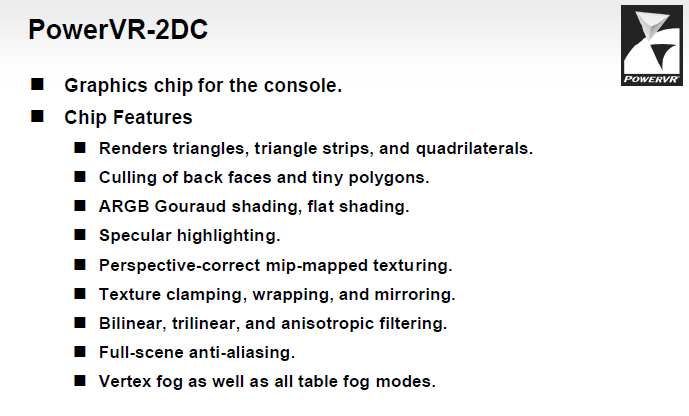
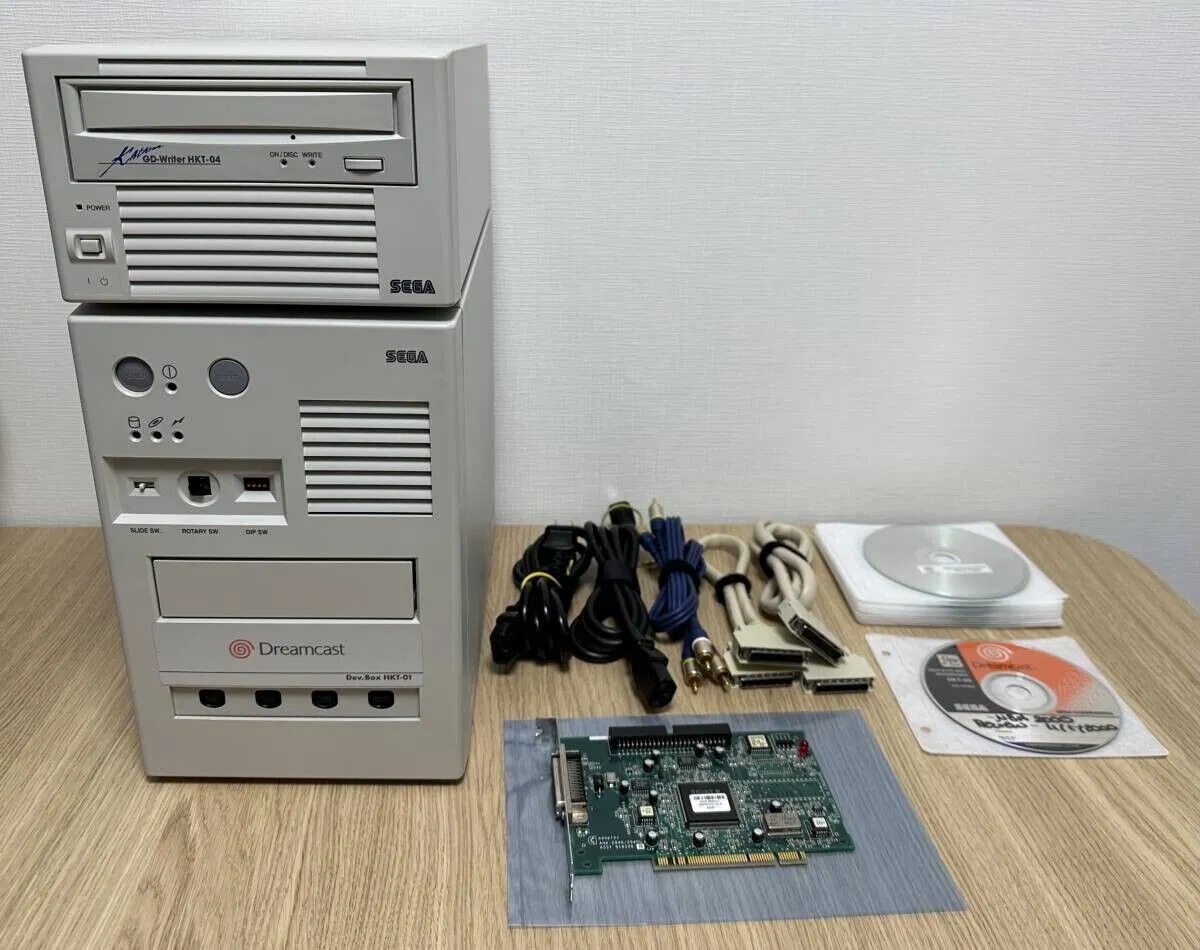
Development of the Katana began that same year. While Sony was still coasting on the original PlayStation’s success, Sega’s engineers were busy cramming unprecedented computational muscle into a compact, stylish white box. They selected the Hitachi SH-4 RISC CPU, a chip that punched way above its weight class by handling complex geometry calculations with terrifying speed. While competitors relied on custom, proprietary silicon that took years to master, Sega chose a path of logical efficiency.
Sega abandoned the clunky proprietary formats of yesteryear, opting for the GD-ROM, a high-density disc that could hold 1GB of data. The physical design of the next-gen console broke away from the industrial, boxy aesthetic of the Saturn. It looked sleek, modern, and—dare I say—approachable. Even the controller, though a bit chunky, featured those innovative VMU (Visual Memory Unit) slots that turned a standard memory card into a second screen.
In a move that felt like a corporate crossover episode, Sega partnered with Microsoft to integrate a specialized version of Windows CE. This wasn’t the full OS you’d find on a clunky 90s laptop; it was a flexible API designed to give PC developers a “plug-and-play” experience. Sega hoped this would lure Western studios away from the N64 and PS1.
The goal was simple in theory and brutal in execution. Make a machine that a developer could actually understand. One CPU. One GPU. All of this unfolded under an unforgiving clock. Sony’s PlayStation 2 loomed like a storm front, heavy with hype and inevitability. Sega knew it couldn’t win a war of patience. Katana had to arrive early, hit hard, and restore faith, driven by a growing realization that this might be Sega’s final chance to rewrite its own future.
The Big Reveal & Naming the Console
By the late 1990s, Sega knew that their new console’s success would depend not only on its hardware but also on how well it was marketed. The company had to regain consumer trust after the Sega Saturn’s failure while generating enough hype to compete with the looming PlayStation 2.
To engage fans, Sega held a public competition to name the console. Sifting through over 5,000 suggestions, they ultimately settled on “Dreamcast”—a fusion of “Dream” and “Broadcast.” Naming a console feels like naming a child, except the stakes involve millions of dollars and a legacy of corporate pride. After the Saturn crashed and burned, Sega knew they needed a title that reflected the console’s ambition to deliver groundbreaking entertainment and online connectivity.
Ever wondered why that swirl logo looks so hypnotic? It represents the “Spiral of Life” and the infinite nature of creativity. Sega wanted to distance itself from the cold, industrial vibe of its predecessors. They traded the metallic, aggressive aesthetics of the 90s for something that felt organic and visionary. Sega officially unveiled the Dreamcast on May 21, 1998, in Tokyo, setting the stage for its comeback.
Sega doubled down on marketing, with one of the most memorable campaigns in gaming history—the cryptic “It’s Thinking” ads in North America. These eerie, futuristic commercials hinted at the Dreamcast’s advanced AI and innovative features, aiming to build intrigue and excitement.
This wasn’t just corporate puffery. The campaign signaled that the Dreamcast possessed a nascent intelligence thanks to its built-in 56k modem. In 1999, “online gaming” was a niche hobby reserved for PC enthusiasts willing to wrestle with IRQ settings. Sega wanted to democratize the internet, making connectivity as simple as plugging in a phone line and hitting “Start.”
Ever felt the hair on your arms stand up when a piece of tech felt too smart? That was the goal. Sega weren’t just competing with Nintendo or Sony anymore; they were competing with the very concept of physical boundaries. While the “It’s Thinking” ads were brilliantly weird, they successfully framed the Dreamcast as a cerebral powerhouse that knew what you wanted before you even did. IMO, it remains the peaked era of gaming advertisements.
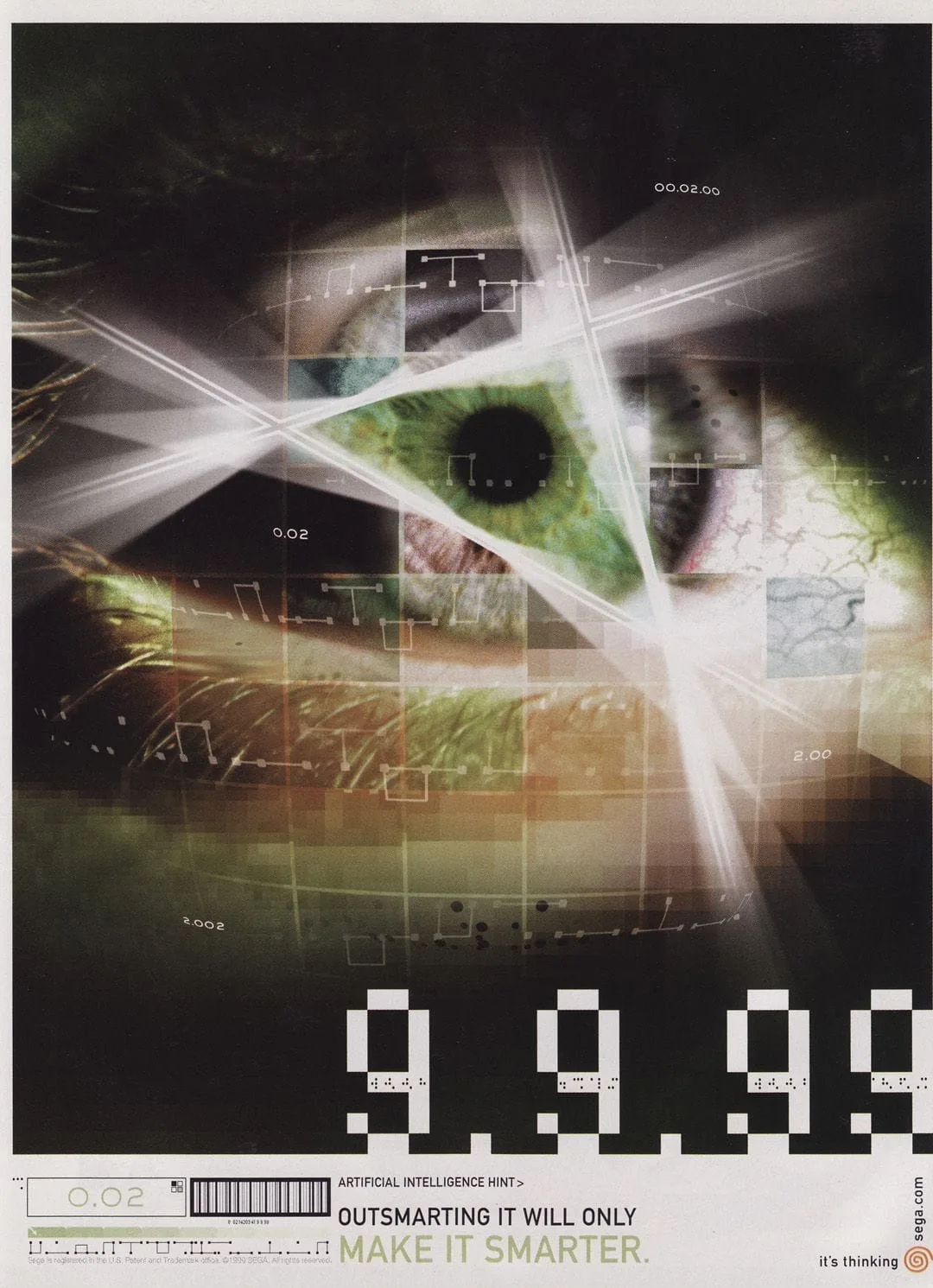
Sega of America’s Bernie Stolar pulled off a masterclass in retail hype by choosing the most memorable date in gaming history: September 9, 1999. The “9/9/99” launch became a cultural moment, backed by a $100 million marketing budget that saturated MTV and sports broadcasts. It felt like a monolithic event that finally signaled Sega’s return to the big leagues.
Under the hood of that clever marketing was SegaNet, a dedicated ISP and gaming network that promised low-latency matches. This was the ancestral blueprint for Xbox Live and PlayStation Network. Sega was the first to realize that the future of gaming wasn’t just about better textures—it was about human interaction.
Did the average gamer in 1999 actually have a spare phone line in their bedroom? Probably not, but that didn’t stop the Dreamcast from being the vanguard of the digital age. They bet that players would endure “mom-hanging-up-the-phone” frustrations for the chance to play ChuChu Rocket! with someone in Tokyo.
Additionally, Sega partnered with Hollywood Video for a pre-launch rental program, allowing players to test the console before its official release. This strategy gave potential buyers hands-on experience, helping to build confidence and anticipation for the Dreamcast’s arrival.
Did the rental strategy work? The proof was in the pre-orders. Sega shattered industry records by securing over 300,000 pre-orders in North America alone, signaling that the public was finally ready to forgive the Saturn’s sins. This aggressive strategy gave the Dreamcast a solid early sales boost, increasing its chances of making a strong first impression in the market.
The Dreamcast’s Launch
The Dreamcast launched in Japan on November 27, 1998. Priced at ¥29,000, the initial hype actually looked promising. Fans lined up, the media swarmed, and the console technically sold out on day one—but that “sell-out” hid a frustrating logistical failure.
The problem? Sega simply didn’t have enough units to meet the demand. A massive shortage of PowerVR2 chipsets from NEC crippled production right out of the gate. Imagine being a loyal Sega fan, waiting in the freezing cold, only to find out your local shop received a grand total of five consoles.
Hardware shortages are one thing, but you need a reason to actually own the box. The Japanese launch lineup felt dangerously thin compared to the buffet of games we usually expect. While Virtua Fighter 3tb served as a decent technical showcase, it didn’t feel like the massive “system seller” Sega desperately needed.
Aside from Virtua Fighter, the other titles lacked that mainstream magnetism. You had Godzilla Generations and Pen Pen TriIcelon, which—let’s be honest—weren’t exactly going to keep Sony executives awake at night. The absence of a flagship Sonic title at launch was a glaring strategic oversight that left many Japanese consumers feeling underwhelmed.
It didn’t help that the PlayStation 2 announcement was looming, which also made Japanese gamers hesitant to invest in Sega’s new console. All of these factors combined led to underwhelming initial sales in Japan. After the setbacks in Japan, Sega needed a strong Western launch, and they certainly delivered spectacularly.
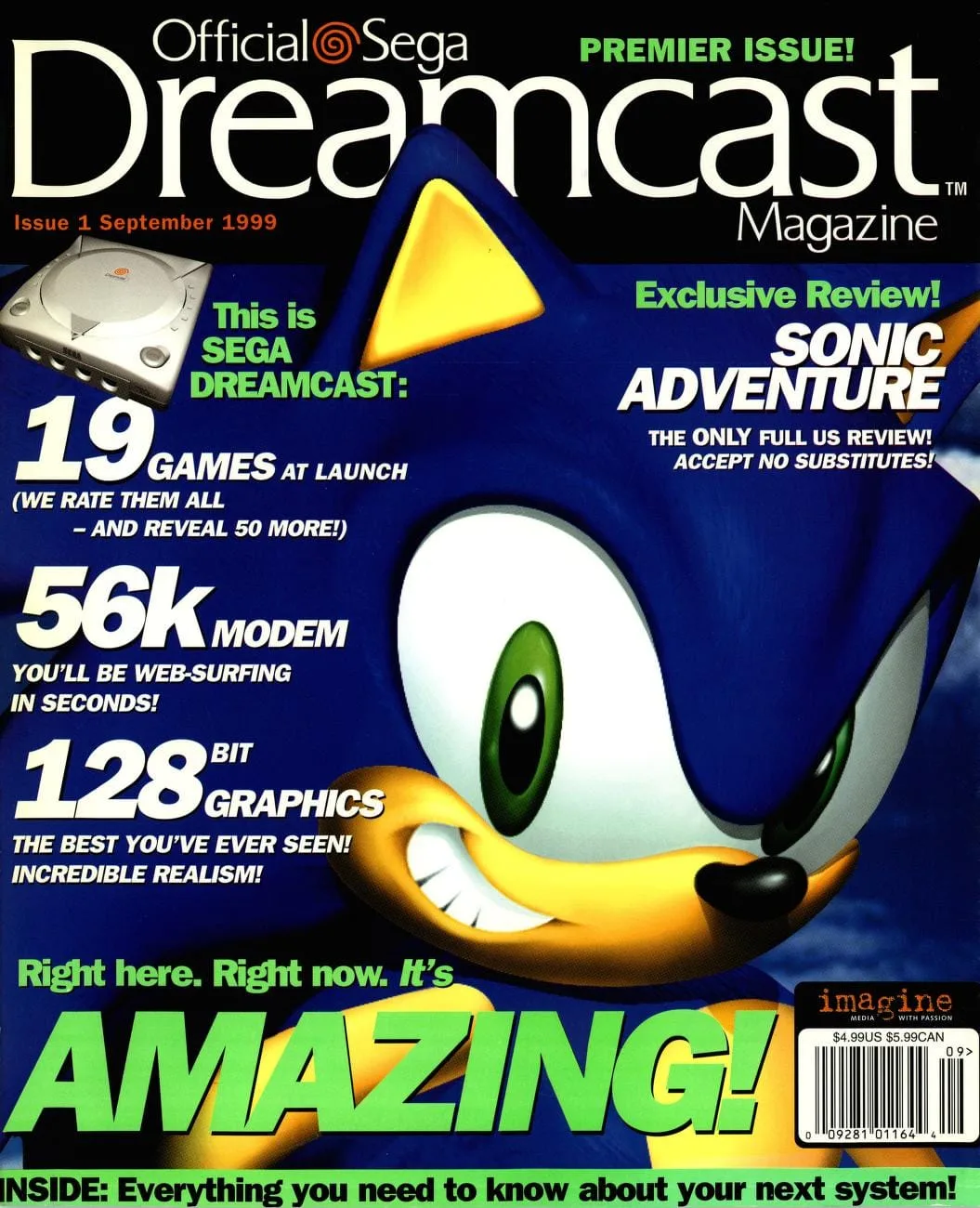
The Dreamcast hit North America on September 9, 1999, for $199, the Dreamcast made a huge impact in North America. Sega ensured a strong lineup of 15+ launch titles, including Sonic Adventure, Soul Calibur, and NFL 2K. The console set sales records, moving 225,132 units in the first 24 hours and surpassing 500,000 sales within two weeks.
The Dreamcast was the world’s first 128-bit gaming console, marking a generational leap forward in visuals and performance. Games like Soul Calibur showcased visuals that outclassed even the best arcade cabinets of the time.
Sega made online gaming a core feature of the Dreamcast, a radical move in 1999. It was the first home console with a built-in modem, allowing players to browse the web, email, and play multiplayer games online.
Titles like Phantasy Star Online and NFL 2K introduced millions of gamers to the potential of online play years before Xbox Live or PlayStation Network came into existence. With a bold marketing push and solid early sales, the Dreamcast looked like a massive success. But despite this successful launch, the old issues that Sega was having in the past might have been too big for the Dreamcast to overcome.
The Dreamcast’s Decline and Discontinuation
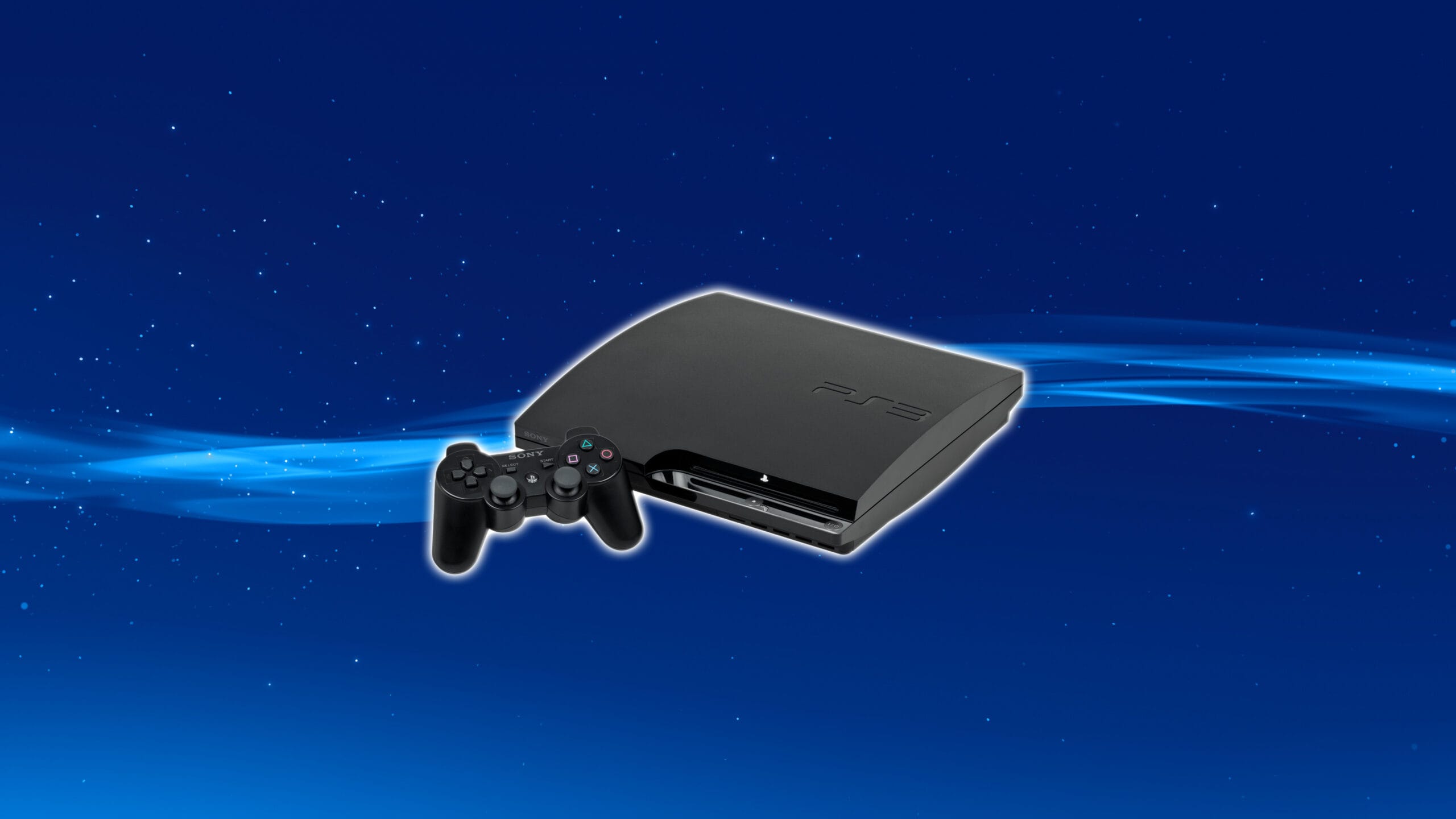
While Dreamcast had been a success in 1999, sales began plummeting in 2000. The PlayStation 2 launched in March 2000 (Japan) and October 2000 (North America)—and it changed everything.
- Superior Specs – The PS2 offered more processing power and polygon rendering compared to the Dreamcast.
- DVD Player – Unlike the Dreamcast’s GD-ROM format, the PS2 supported DVD playback, making it an attractive entertainment hub for families and movie lovers.
- Backward Compatibility – The PS2 could play original PlayStation games, instantly giving it a massive library of over 1,000 titles at launch.
The PlayStation 2’s DVD functionality, backward compatibility, and massive hype stole the spotlight. Even worse, Sony struggled to keep up with PS2 demand at launch, but rather than buy a Dreamcast, many gamers chose to wait.
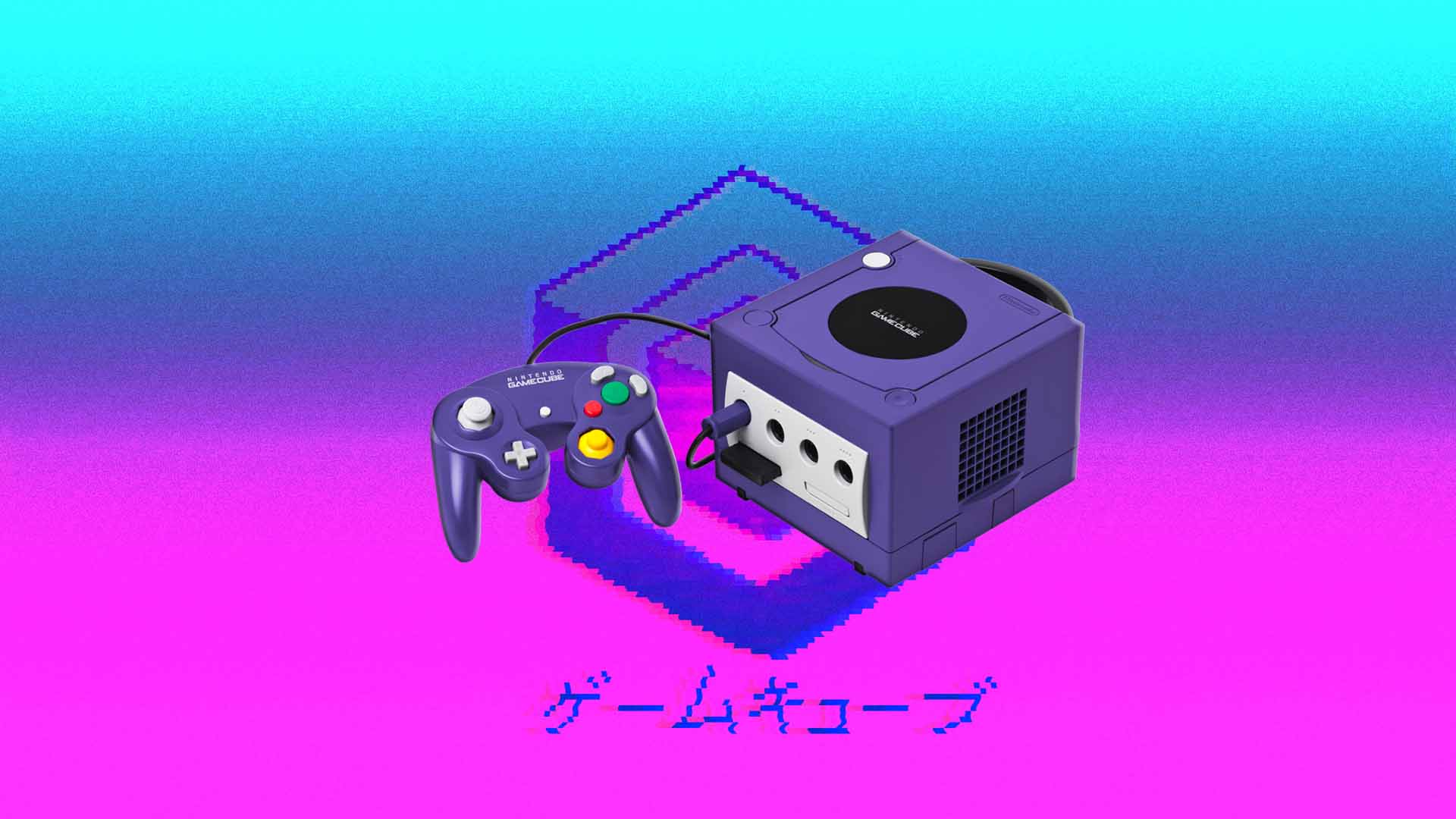
The Dreamcast’s early momentum had faded, and the competition was closing in fast. Microsoft’s Xbox and Nintendo’s GameCube were on the horizon, giving consumers even more reasons to wait.
By the end of 2000, the numbers painted a grim picture:
- Dreamcast had sold a respectable 8.2 million units worldwide, but it wasn’t enough.
- The PS2 had already surpassed Dreamcast sales within its first year, even with supply shortages.
- Sega was losing hundreds of millions of dollars, unable to sustain its console business.
On January 31, 2001, Sega CEO Isao Okawa announced that the company would cease Dreamcast production by March 31, 2001. After nearly two decades of making consoles, this decision marked the end of Sega’s hardware ambitions.
Factors Behind the Dreamcast’s Failure
Despite its strong start, the Dreamcast was ultimately doomed by a combination of internal and external factors.
Remember that NEC vs 3dfx situation I talked about earlier? EA took sides with 3dfx, and since they already had problems with Sega before, they decided that this was the last straw, and stopped releasing games for Sega. This meant that the older PS1 and N64 consoles were going to receive new Need For Speed and Madden NFL games instead of the next-gen Dreamcast.
Other publishers were also hesitant to commit, fearing Sega would abandon the console as it did with its previous consoles. In general, third-party support was bad for the Dreamcast. While the Dreamcast had strong first-party games, the absence of major third-party hits made it less appealing to casual gamers.
Sega was already in serious financial trouble before the Dreamcast launched. The Sega Saturn’s failure had left the company with massive losses, and Sega’s arcade division was struggling as well. Even though Dreamcast sold well initially, Sega didn’t have the financial resources to sustain the console in the long term.
The Sega CD, 32X, and Saturn were all commercial misfires, leading many gamers to lose trust in Sega as a console manufacturer. Even with a strong marketing push, the company failed to sustain momentum beyond the first year.
And finally, people just had enough of Sega. The PS1 and N64 had games that people wanted to play, and in 1999, the hype was insane about how much of a super-computer the PS2 was. Many people believed that the PS2 was going to have Pixar-quality graphics, and the ability to play DVDs meant that the PS2 was going to be the ultimate home theater console when it was released. Sega was already becoming the Atari of the 90s.
Even though the PS2 didn’t have Pixar graphics like people believed, it was already too late for the Dreamcast. The hype surrounding the PS2 froze the market, and many gamers chose to wait for Sony’s new console rather than invest in a Dreamcast, slowing Sega’s momentum. As Sony’s PS2 continued to dominate headlines, the Dreamcast’s presence in the market faded quickly.
Sega burned so much cash with promoting and manufacturing the Dreamcast that they had to discontinue it after only 2 years. Microsoft was able to take advantage of Sega’s failures and launched the Xbox a few months after its discontinuation. They also saw what Sega did with its online services, and used them as a foundation to create Xbox Live.
Legacy and Cult Following
After Dreamcast’s discontinuation, Sega restructured into a third-party publisher, a radical shift for a company that had once competed directly with Nintendo and Sony.
- Sonic, Virtua Fighter, and other franchises were now appearing on PlayStation, Xbox, and GameCube—a move that would have been unthinkable in the ‘90s.
- Sega’s arcade expertise allowed it to pivot towards publishing hit franchises in the years that followed.
Though the Dreamcast era failed, its impact on gaming history is undeniable. Over two decades later, the console still has a dedicated fanbase, and its influence can be seen in modern gaming. The Dreamcast introduced several innovations that would shape the future of gaming:
- Online Play: Sega paved the way for online console gaming, laying the foundation for Xbox Live and PlayStation Network.
- The VMU (Visual Memory Unit): The Dreamcast’s unique memory card doubled as a mini-screen, foreshadowing second-screen experiences like the Wii U GamePad and smartphone connectivity in modern gaming.
- Pioneering Game Library: Many Dreamcast exclusives, from Jet Set Radio to Shenmue, are still celebrated today for their innovation and unique art styles.
Even after its discontinuation, the Dreamcast has remained a favorite among collectors and indie developers. The homebrew and indie game community continues to develop new titles for the system, thanks to its accessible hardware and support for MIL-CD discs.
There have also been a variety of classic Dreamcast games that have been remastered or ported to modern platforms, ensuring their legacy lives on. In retrospect, the Dreamcast is now seen as one of the greatest gaming consoles ever made. It was a console ahead of its time, a swan song for Sega’s hardware ambitions, and a beloved piece of gaming history that refuses to be forgotten.
Conclusion
The Sega Dreamcast introduced features that were ahead of its time, from built-in online play to a cutting-edge game library that still resonates with gamers today. Yet, despite its ambition, the Dreamcast ultimately couldn’t survive the brutal realities of the gaming industry.
In the end, the Dreamcast was Sega’s last great gamble—a console that dreamed big, even if it didn’t achieve its goals. It may not have survived the cutthroat console wars, but it left a special mark on gaming history. The Dreamcast proved that sometimes, even in failure, there’s beauty, creativity, and a legacy that endures. And for that, it will always hold a special place in the hearts of gamers everywhere.

At HyperComboGamer, we believe great games deserve great coverage. That means no filler, no clickbait, or fanboyism—just honest, high-quality reviews, features, and guides that put gamers first. Whether you’re a lifelong enthusiast or just starting your gaming journey, you’ll find interesting gaming perspectives that will leave you fully satisfied.