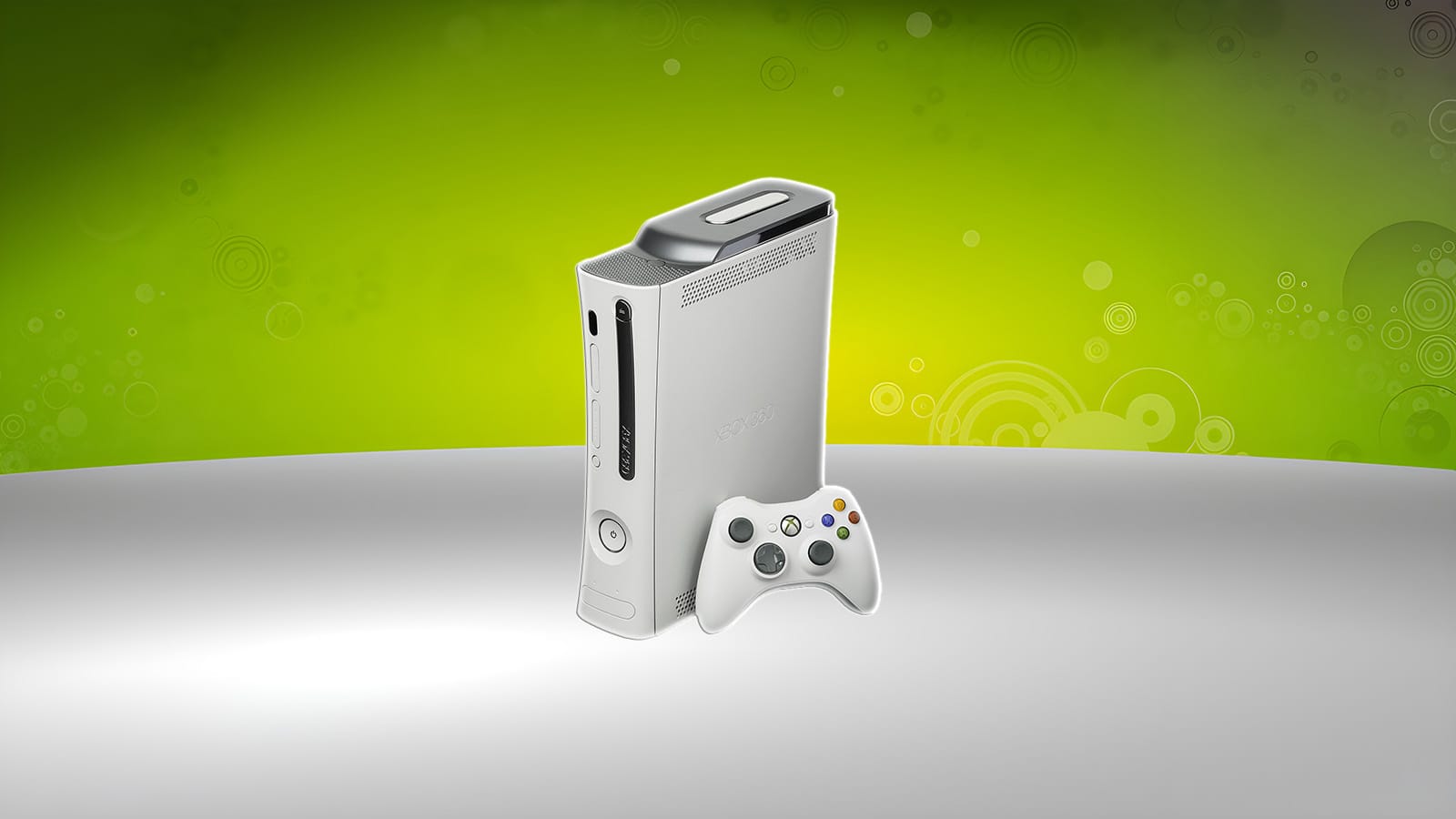
The OG Xbox was a dark horse for racing fans. It launched into a market already dominated by genre giants, but its powerful hardware, robust online capabilities, and love for all things four-wheeled gave it an edge. Microsoft wasn’t just playing catch-up—it was pushing boundaries, letting developers experiment with physics, speed, and style in ways that felt fresh and fearless.
The result? A melting pot of driving experiences. From hardcore simulations to over-the-top arcade blasts like, the Xbox offered a full-throttle ride through nearly every corner of the racing world. So buckle up—we’re counting down the 25 best original Xbox racing games that made this console a surprisingly essential stop for any fan of fast, furious, and forgotten favorites.
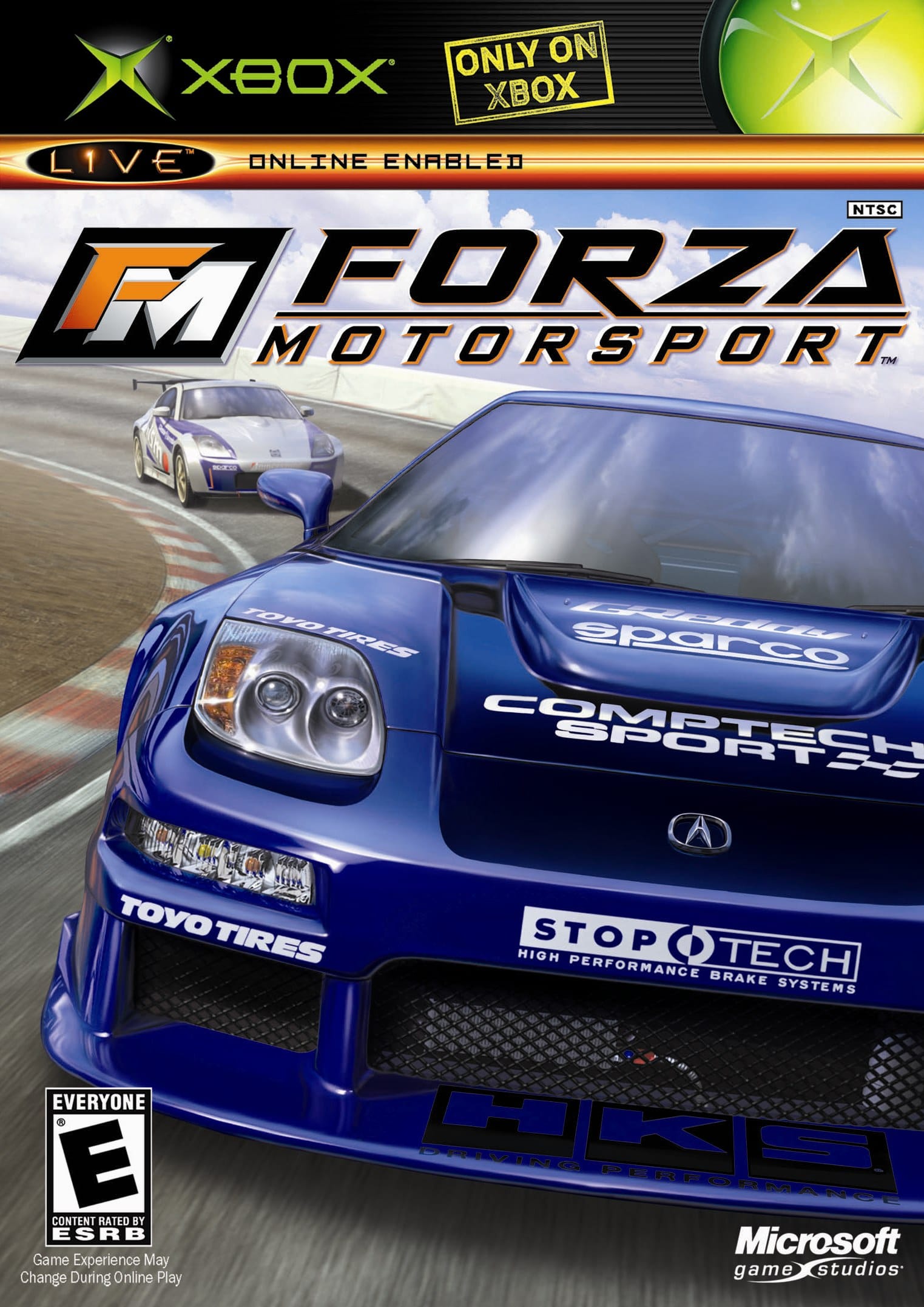
Forza Motorsport
Developer: Turn 10 Studios
Release Year: 2005
When Forza Motorsport debuted in 2005, it wasn’t content to simply join the sim racing scene—it wanted to redefine it. Microsoft’s flagship answer to Gran Turismo brought with it not just a wealth of licensed cars and real-world tracks, but a physics engine that was astonishing for its time. Each car felt distinct, with performance affected by weight distribution, drivetrain configuration, and tire wear. The AI was smart and aggressive, adapting to your racing style and punishing sloppy driving. This was sim racing on a console with zero compromises.
Why It's Worth Playing: What truly set Forza apart wasn’t just how cars drove—it was how much control the player had over them. You could dive deep into the garage, tweaking suspension setups, gear ratios, brake balance, and more. For those who didn’t want to get greasy, visual customizations like paint jobs, vinyls, and decals turned every car into a canvas. This blend of technical depth and personal expression set the stage for a series that would dominate for decades to come.
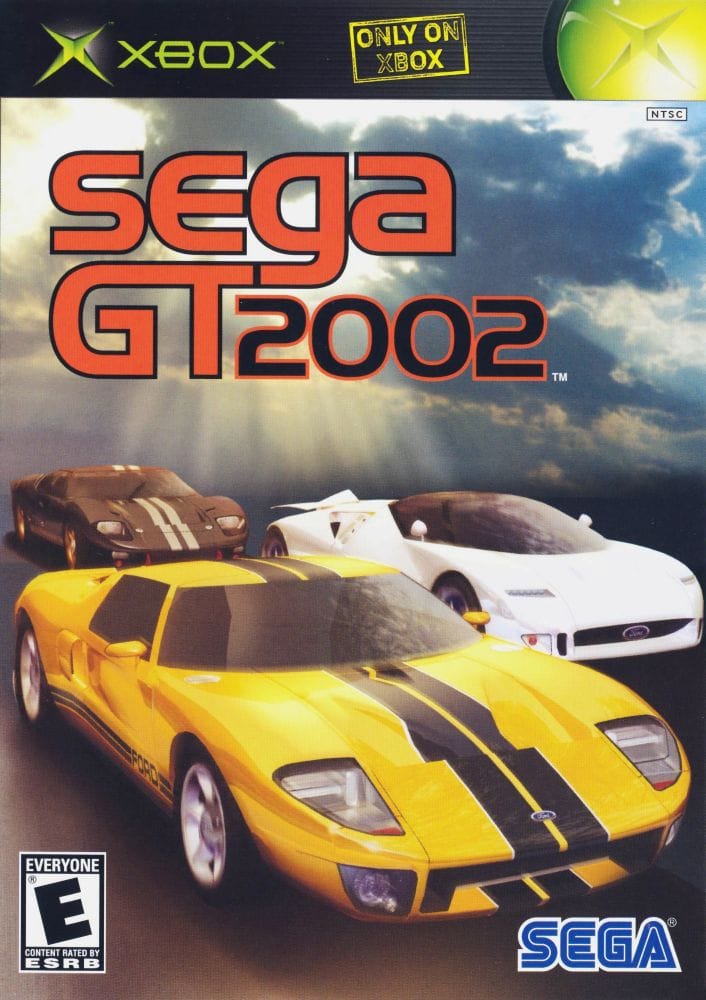
Sega GT 2002
Developer: Wow Entertainment
Release Year: 2002
Released early in the Xbox’s life and often overshadowed by flashier arcade titles, Sega GT 2002 carved out a niche for itself as a grounded, gearhead-friendly sim. With over 130 cars and a focus on progression over spectacle, it rewarded steady improvement and smart driving over instant gratification. Unlike some of its peers, it emphasized realism not just in physics, but in how you earned your place on the track.
Why It's Worth Playing: The career mode was quietly brilliant. Starting with basic cars, you earned money through races, unlocked licenses, and slowly worked your way up the ranks. Managing your budget, buying used cars, and upgrading parts created a loop that was as satisfying as it was strategic. If Forza was the slick, modern showroom, Sega GT 2002 was the modest local garage that turned out winners.
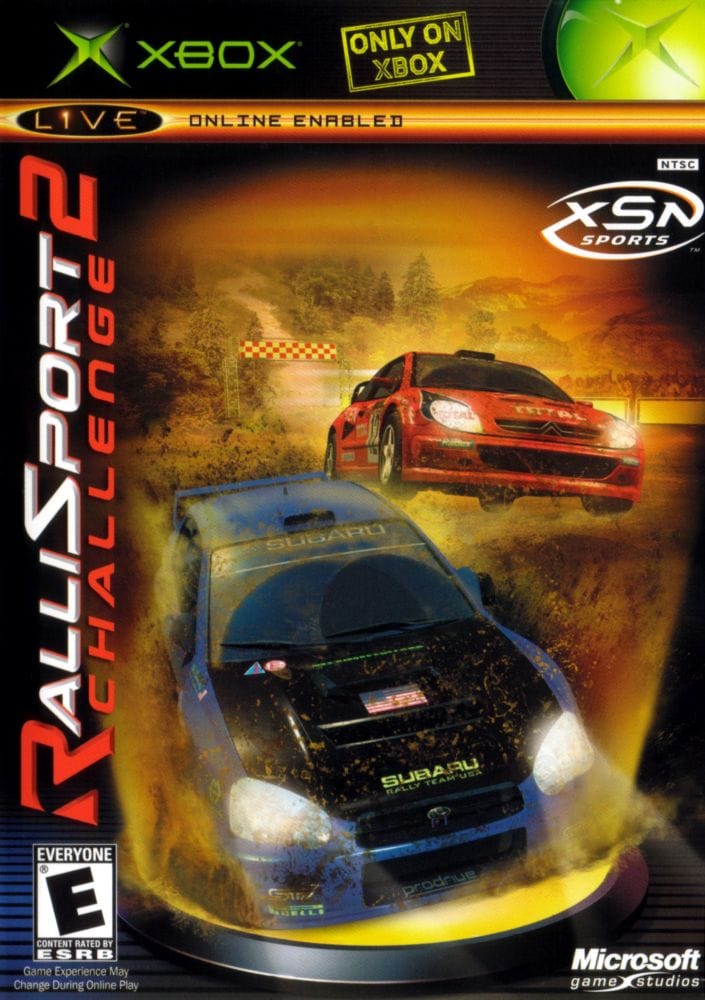
RalliSport Challenge 2
Developer: Digital Illusions CE
Release Year: 2004
There are rally games, and then there’s RalliSport Challenge 2. Building on the already strong foundation of its predecessor, this sequel amped up everything—handling, visuals, event variety—to deliver what many still consider the best off-road racing experience of the generation. Rallycross, hill climbs, and traditional time trials were all handled with finesse, capturing the chaos and control that makes rallying so thrilling. Every surface demanded respect. Every corner, a risk.
Why It's Worth Playing: Arguably one of the most polished and overlooked racers of the generation, RalliSport Challenge 2 delivered an off-road experience that was equal parts brutal and beautiful. Even by today’s standards, RalliSport Challenge 2 is a stunner. Crisp visuals, dynamic weather, and tight controls made it the definitive rally experience on the Xbox—and a must-play for fans of sideways speed.
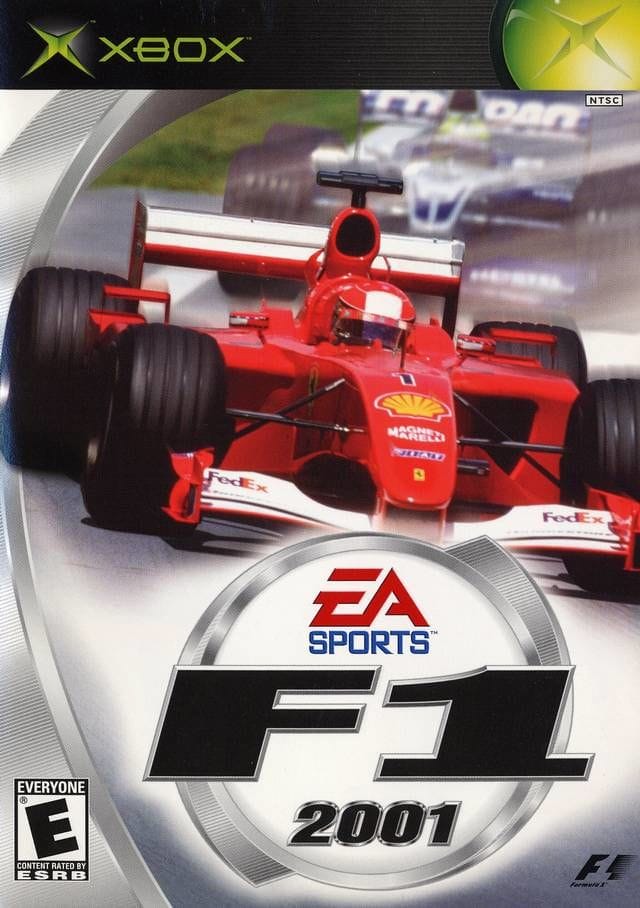
F1 2001
Developer: EA UK
Release Year: 2001
F1 2001 wasn’t an arcade spin-off with licensed names slapped on. It aimed to deliver a detailed, methodical Formula One simulation that leaned hard into authenticity. Every car on the grid felt distinct. Tire degradation, weather conditions, and track temperature all played into how your car responded. Full-length race weekends, complete with practice, qualifying, and dynamic race strategy, gave F1 2001 a depth that few console racers dared attempt at the time.
Why It's Worth Playing: Though EA’s F1 series didn’t quite have the longevity of others, F1 2001 helped establish what a proper console Formula One sim could look like. It wasn’t for casual Sunday drivers—it was for fans who knew every corner of Spa, every pit strategy at Suzuka. With crisp visuals, a solid physics engine, and officially licensed content, it laid essential groundwork in the evolution of serious F1 racing games on home consoles.
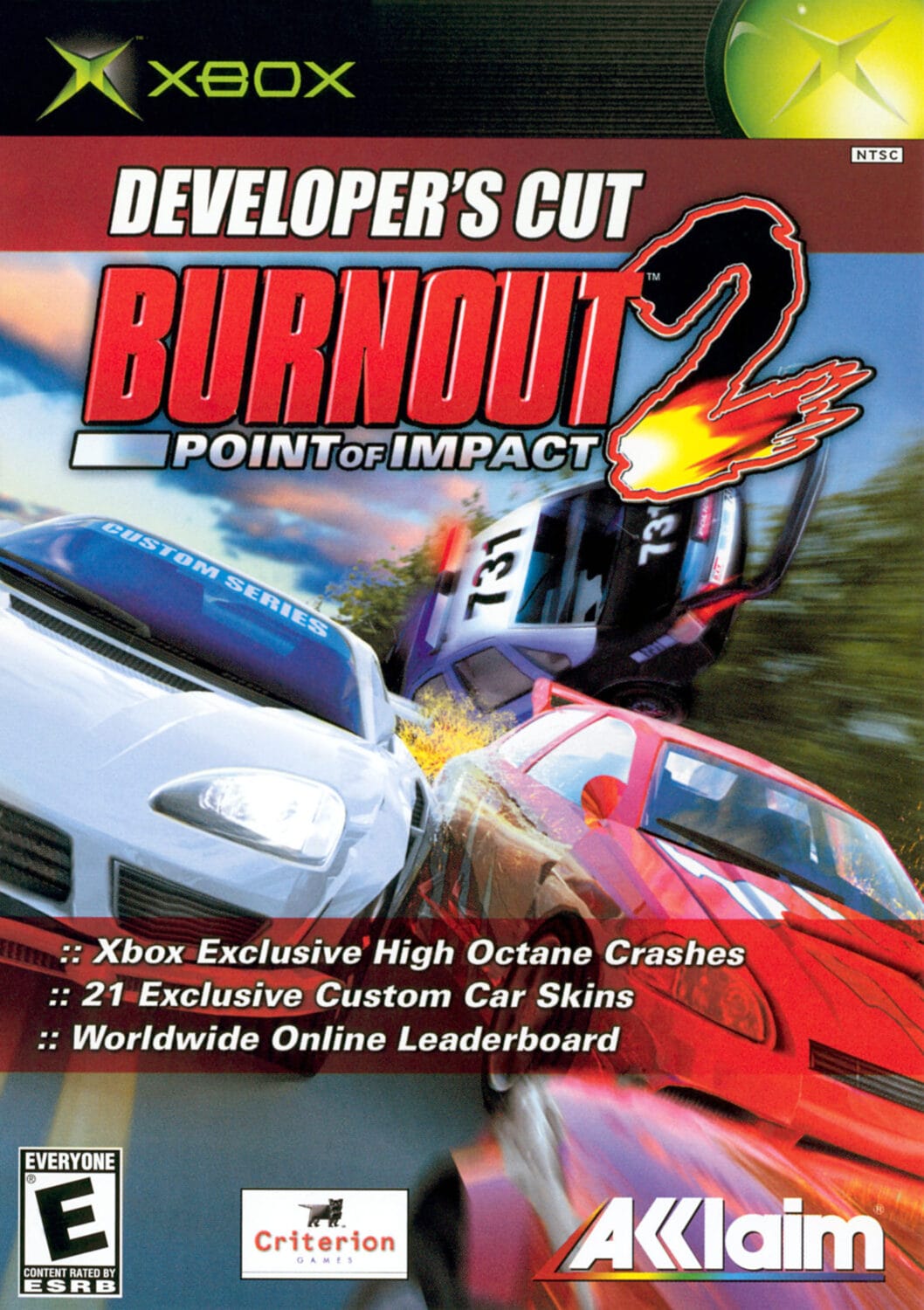
Burnout 2: Point of Impact
Developer: Criterion Games
Release Year: 2003
If Burnout hinted at the mayhem to come, Burnout 2: Point of Impact ripped the doors off. Criterion refined its formula with tighter controls, improved visuals, and, most notably, the introduction of Crash Mode—a brilliant, gleeful departure from standard racing conventions. You weren’t just encouraged to crash—you were rewarded for it. Launching your car into a packed intersection and watching the resulting ballet of twisted metal unfold in slow motion felt revolutionary. The sense of speed? Utterly unhinged. Your reflexes had to keep up with the breakneck pacing or you’d end up as roadkill.
Why It's Worth Playing:Burnout 2: Point of Impact was the ignition point—the moment Burnout stopped being a curious underdog and became a legit phenomenon. The physics engine struck a perfect balance between control and chaos, making every drift, dodge, and detonation feel immediate and satisfying. Burnout 2 didn’t just push the genre forward—it kicked it into overdrive.
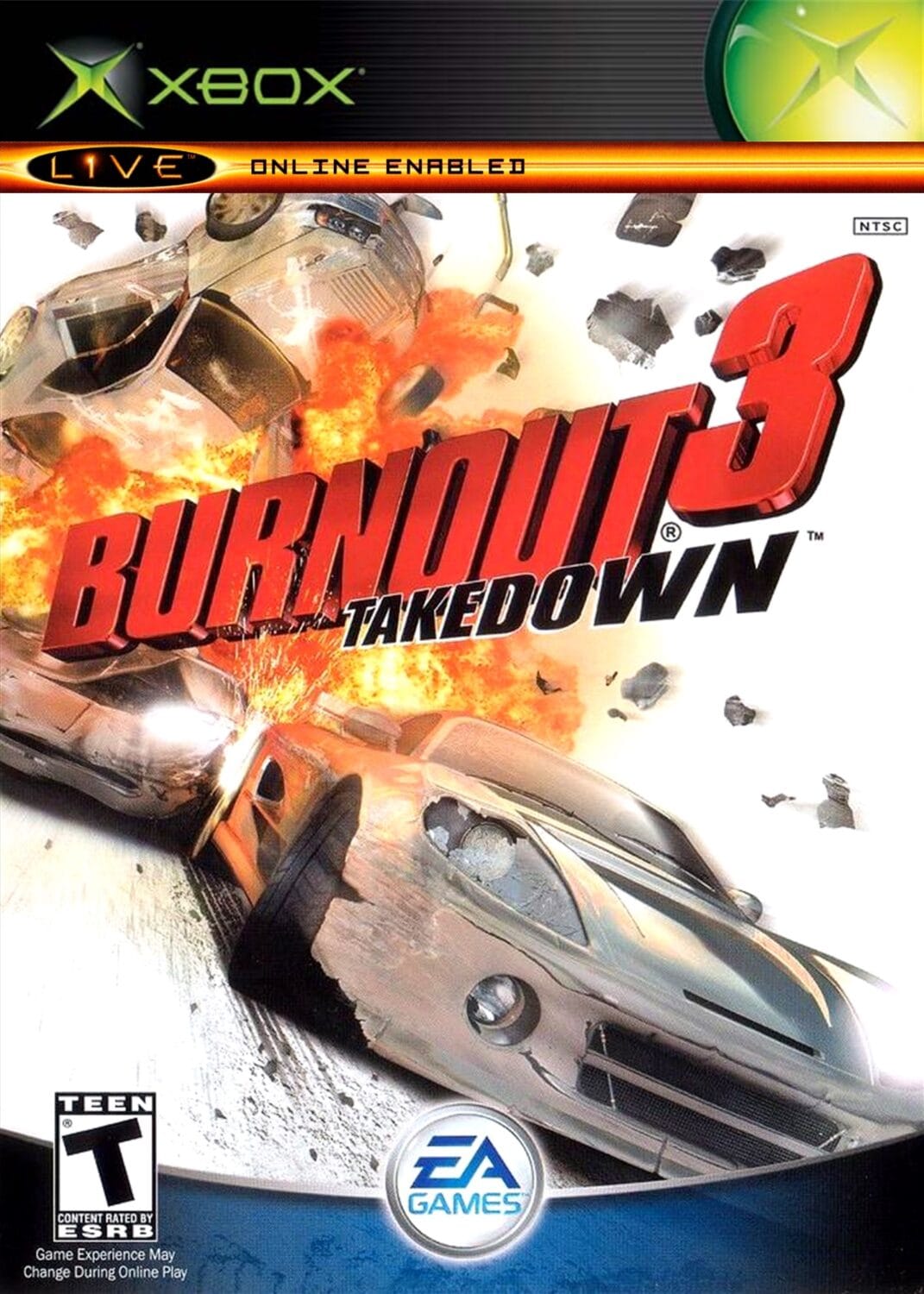
Burnout 3: Takedown
Developer: Criterion Games
Release Year: 2004
Where Burnout 2 encouraged chaos, Burnout 3weaponized it. With the debut of the “Takedown” mechanic, racing was no longer about just reaching the finish line—it was about eliminating everyone in your path on the way there. Every rival car was a moving target, and smashing them into oncoming traffic or off bridges felt just as rewarding as crossing the line first. The presentation is flawless, featuring a high-energy pop-punk soundtrack and the enthusiastic (if slightly polarizing) commentary of DJ Stryker. The game runs at a buttery-smooth 60 frames per second, making every near-miss feel incredibly responsive.
Why It's Worth Playing: Burnout 3: Takedown because it is the purest expression of arcade racing ever conceived. Combos, rivalries, and revenge takedowns added layers of strategy and sadistic joy. The crashes were Hollywood-caliber spectacles, captured in dramatic slow motion with shrapnel flying in all directions. If you ask any racing fan to name the greatest game of all time, there is a very high probability they’ll scream "Burnout 3!" at you.
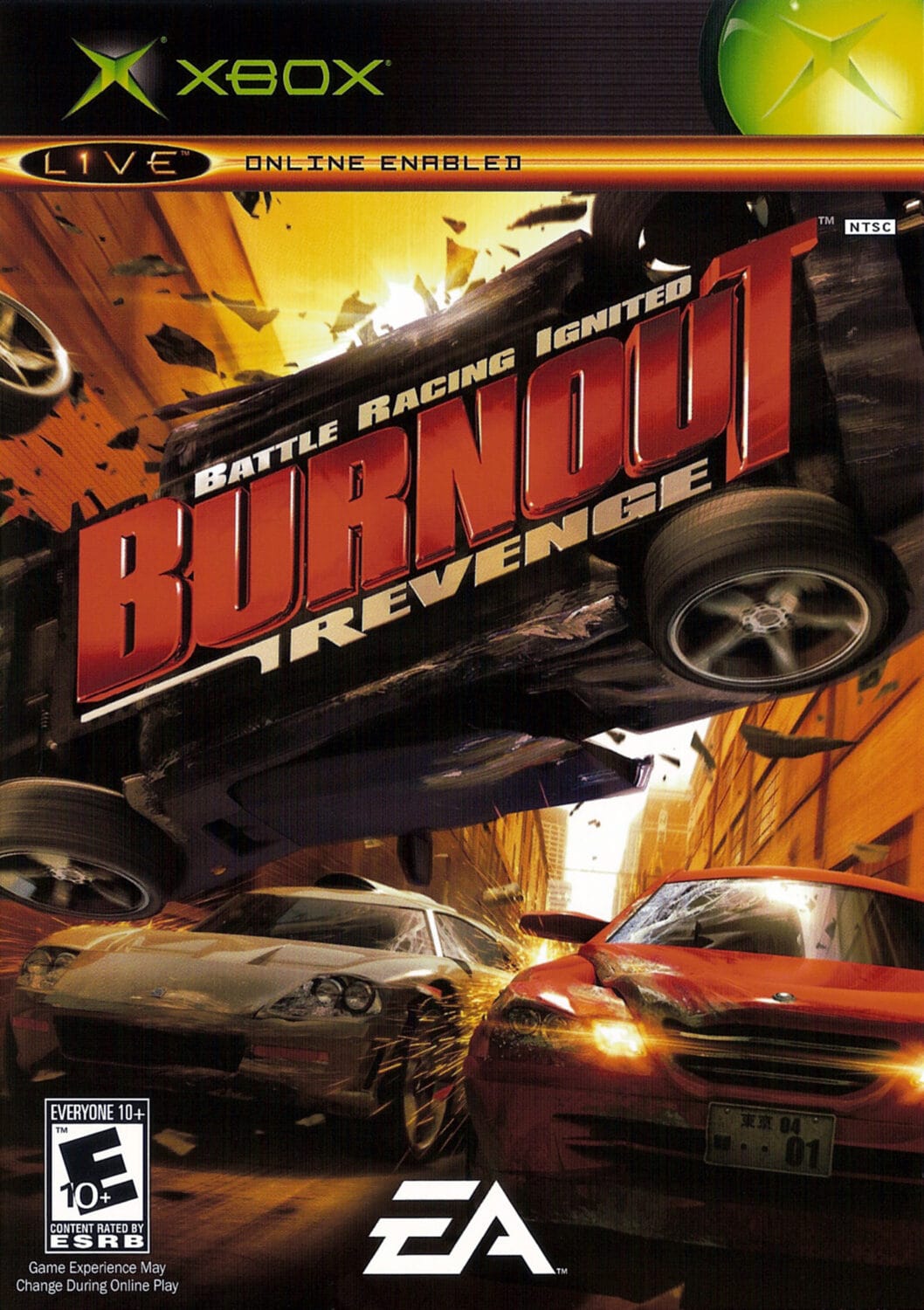
Burnout Revenge
Developer: Criterion Games
Release Year: 2005
BurnoutRevenge took everything Takedown built and turned the carnage up another notch. The biggest innovation? Traffic Checking—the ability to smash same-direction civilian traffic into your rivals. Suddenly, the entire road was your weapon, and chain reactions became the norm. The new Revenge mechanic itself adds a spicy layer of spite to every race. If an AI dared to tap your bumper, the game marked them red, practically begging you to annihilate their chassis for a bonus.
Why It's Worth Playing:BurnoutRevenge was the absolute peak of aggro-racing before the series transitioned to an open-world format. The sense of speed remains unparalleled on the Xbox, blurring the screen until you’re operating purely on instinct. Honestly, if you don't enjoy explosive, multi-car pileups set to a mid-2000s alt-rock soundtrack, we might need to have a talk about your priorities.
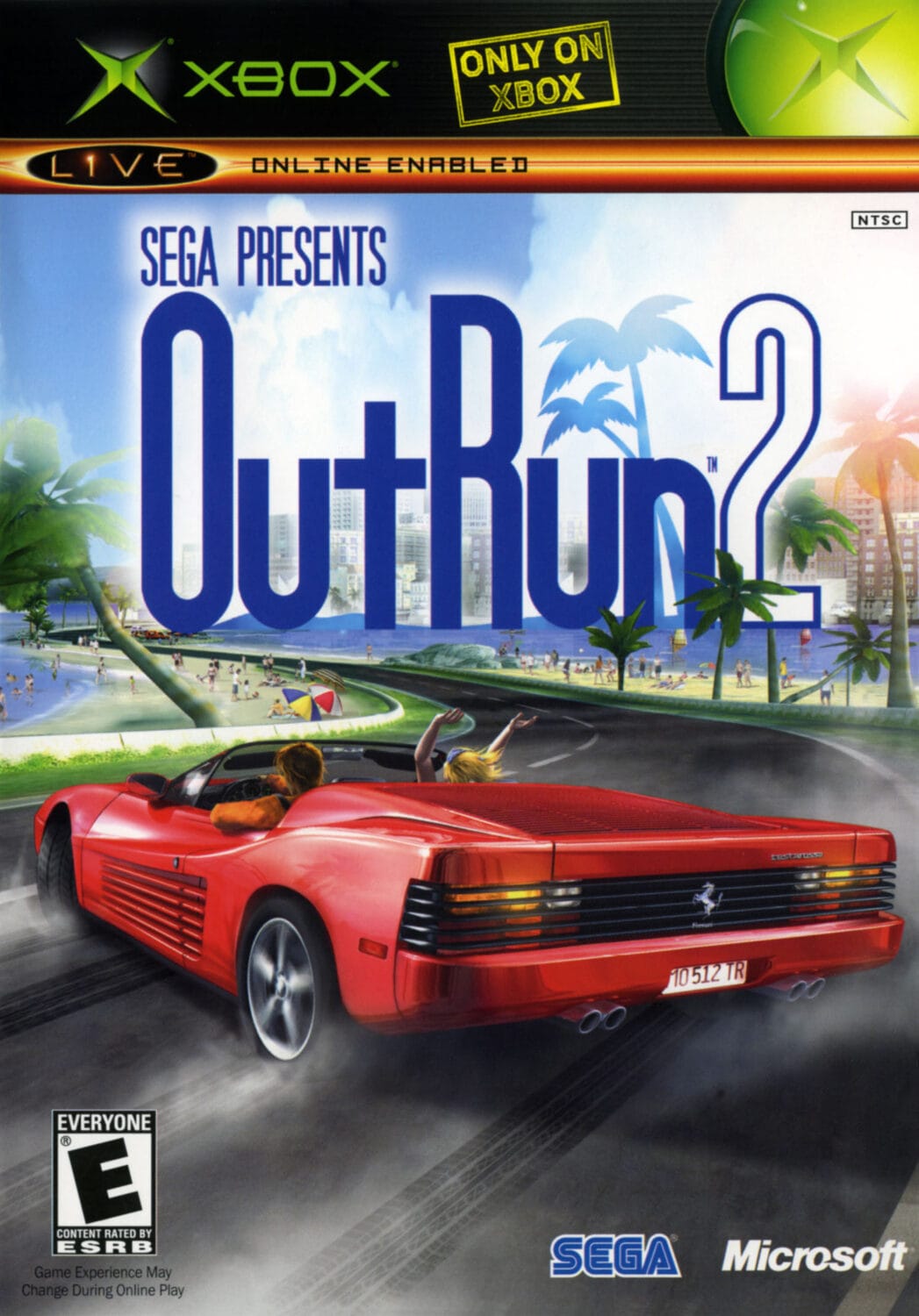
Sega’s OutRun series was already legendary in arcades, but OutRun 2 on the Xbox proved retro could still be cutting-edge. This wasn’t just a port—it was a reimagining. Crisp visuals, buttery frame rates, and tight controls made it one of the smoothest and most enjoyable driving experiences on the console. Its signature “choose your route” system let you shape your race as you drifted through palm-lined highways and sun-soaked vistas.
Why It's Worth Playing: Drifting in OutRun 2 wasn’t just a mechanic—it was an aesthetic. Long, elegant slides around wide corners felt almost like dancing, with synth-heavy music and pastel-colored skies heightening the dreamlike experience. It was the rare racing game that felt laid-back and exhilarating at the same time. An arcade love letter with horsepower to spare.
Crazy Taxi 3: High Roller
Developer: Hitmaker
Release Year: 2002
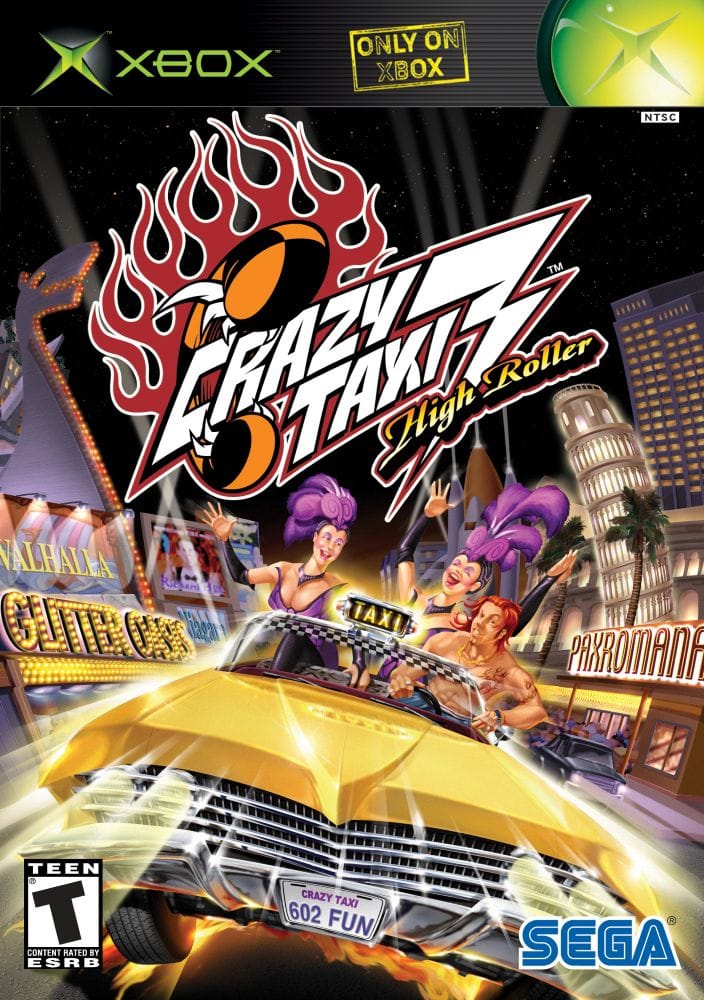
Crazy Taxi 3: High Roller took everything fans loved from the first two games and made it more loud, obnoxious, and utterly addictive. The new “Glitter Oasis” map added verticality and absurdity in equal measure, with ridiculous jumps, winding highways, and more airborne moments than most flight sims. The “Crazy X” mini-games return, offering some of the most frustratingly fun challenges in the series. The Xbox hardware handles the chaos with ease, keeping the frame rate steady even when you’re drifting a Cadillac through a crowded sidewalk.
Why It's Worth Playing: The game’s chaotic energy was pure Sega—soundtracked by The Offspring and packed with passengers screaming for fast food deliveries and mall runs. It didn’t evolve the formula much, but it didn’t need to. This was an ode to momentum and madness, where time was always ticking, and a perfect landing meant the difference between a top fare and a taxi full of regret.
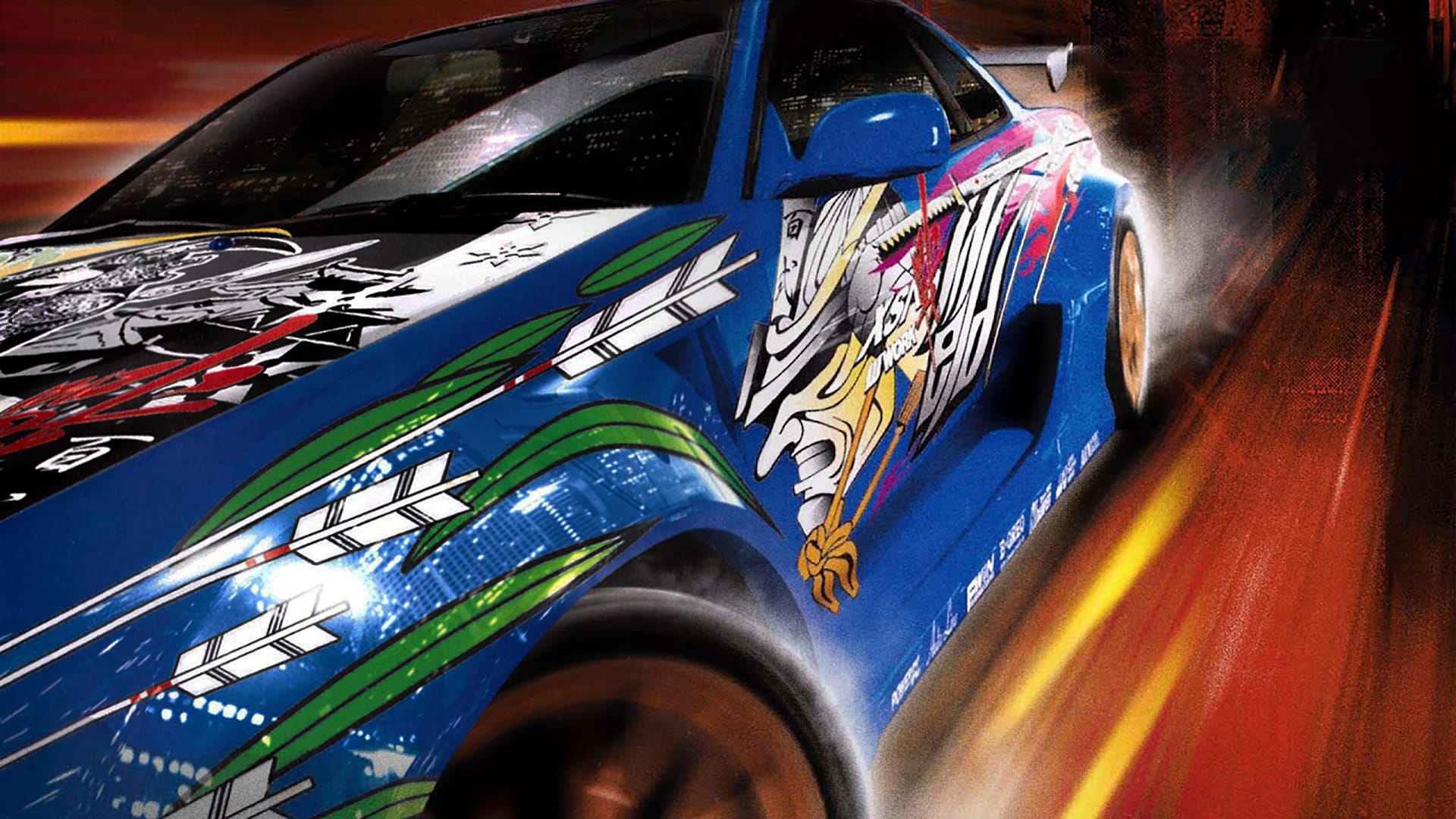
Need For Speed: Underground
Developer: EA Black Box
Release Year: 2003
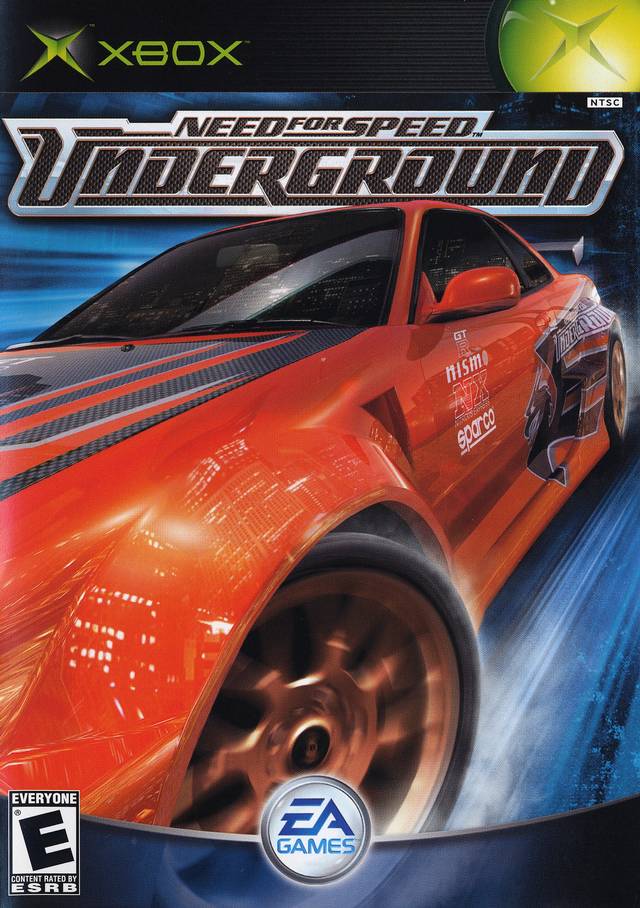
Need for Speed: Underground arrived at exactly the right moment. Street racing was surging in pop culture, and EA captured that energy with a dark, neon-drenched take on urban racing. No licensed supercars, no sunny circuits—just souped-up compacts, drag strips, and a whole lot of NOS. The drag racing and circuit events were intense and brutally fast, and the Drift events forced us to slide through warehouses and parking lots to rack up points. I still get a rush of nostalgia the moment Lil Jon & The East Side Boyz start blasting over the main menu.
Why It's Worth Playing:Underground offers a laser-focused arcade experience that prioritizes style and adrenaline over everything else. Spoilers, body kits, underglow, vinyls—Underground let you build your dream ride from the ground up. Every visual upgrade wasn’t just for show—it felt like a badge of honor. If you want to relive the import revolution in its most polished form, this is where you start.
Need For Speed: Underground 2
Developer: EA Black Box
Release Year: 2004
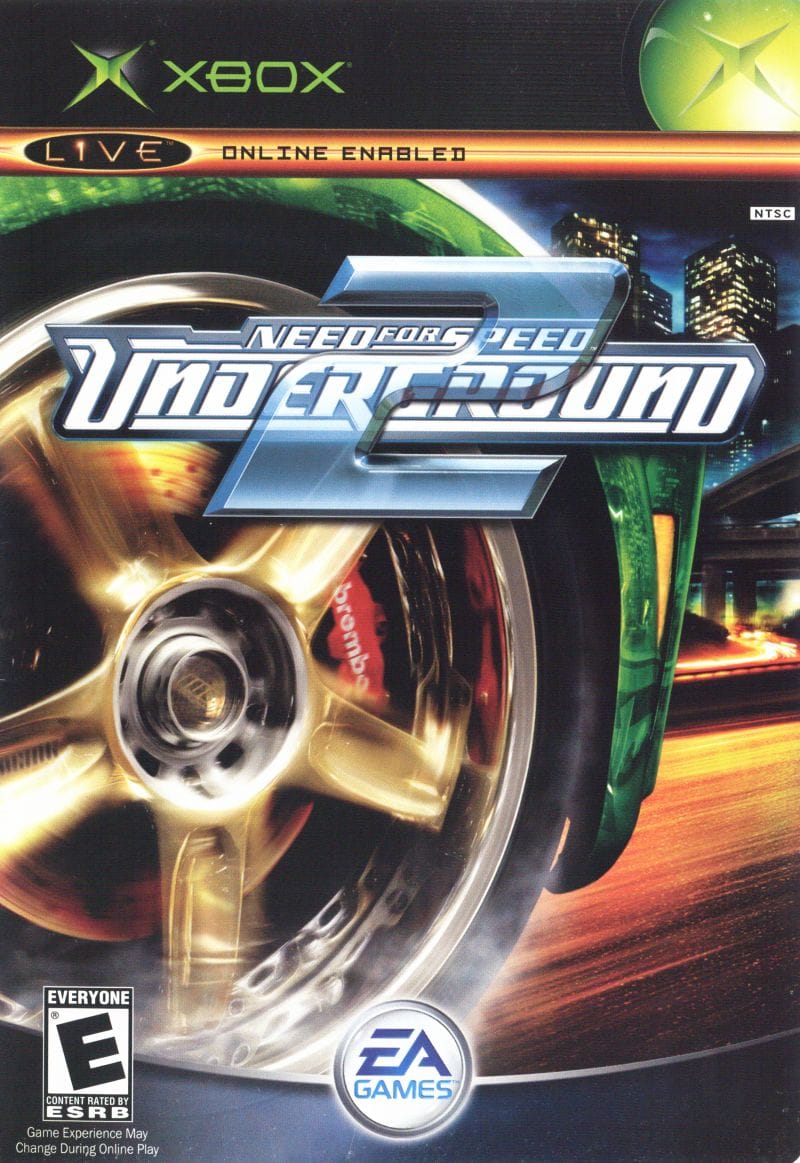
Need For Speed: Underground 2 took everything its predecessor did and blew it wide open. Say goodbye to menus—welcome to Bayview, a sprawling, fully explorable city dripping with underground attitude. From parking garages to winding mountain roads, you could cruise anywhere, finding races, shops, and secrets at your own pace. From scissor doors, neon underglow, and even hydraulics that let you hop your way through traffic, the level of customization here remains arguably the deepest in the entire franchise. The inclusion of SUVs was a weird but welcome flex, allowing you to take a Hummer H2 and turn it into a rolling disco ball with trunk-mounted speakers.
Why It's Worth Playing: With a killer soundtrack and a map that begged to be explored, Underground 2 cemented itself as a street racing classic. It perfectly captures that "Fast & Furious" energy and gives you total creative freedom over your machine. It’s a nostalgic masterpiece that still feels incredibly fun to play today.
Need For Speed: Most Wanted
Developer: EA Black Box
Release Year: 2005
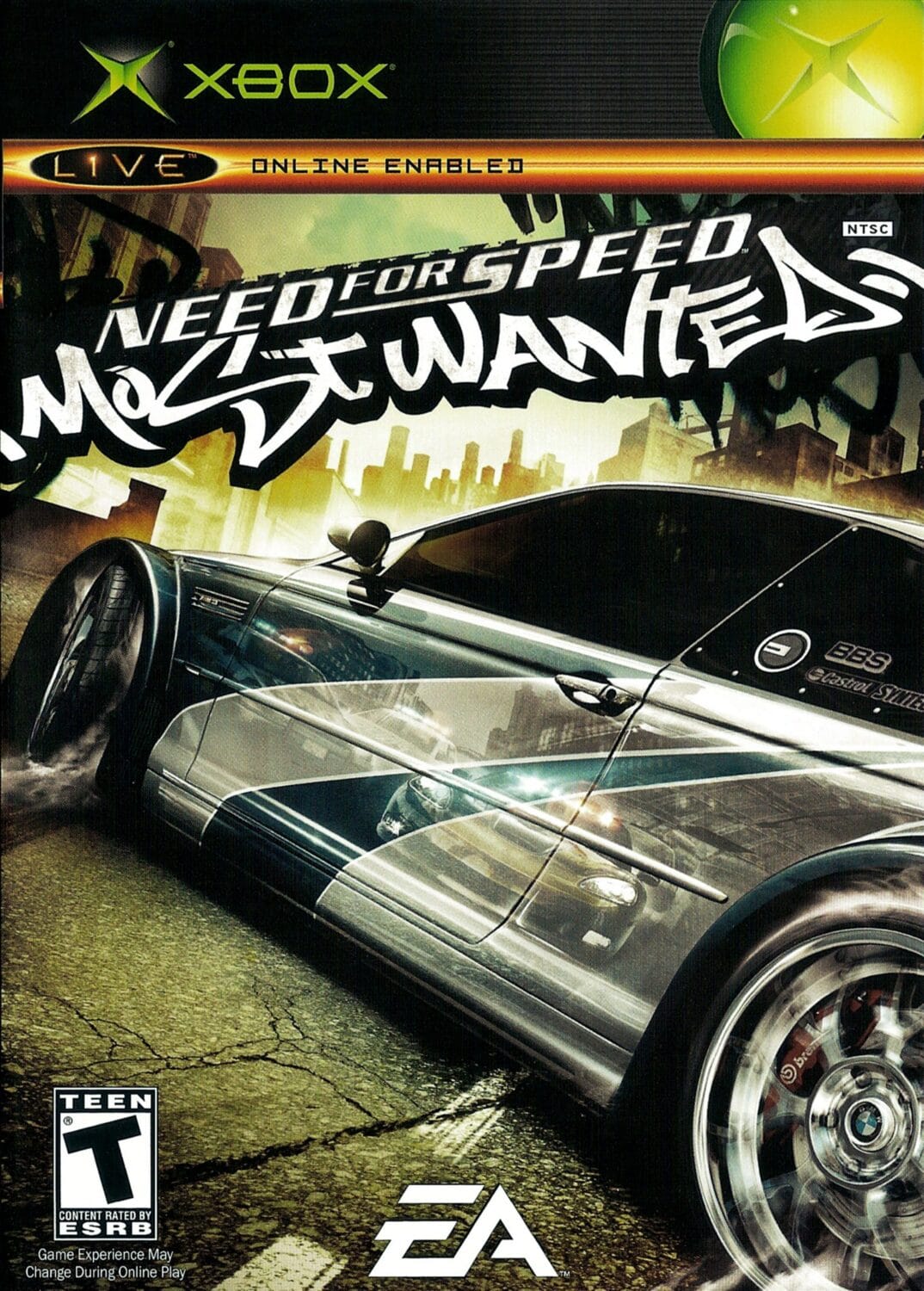
Most Wanted was where the series matured. It kept the fast cars and customization but wrapped it in an open-world cops-and-robbers thriller. You start at the bottom of the “Blacklist,” a roster of fifteen ego-driven rivals, and have to win your way back to your stolen BMW M3 GTR. Every race was a gamble—not just against opponents, but against the ever-looming threat of a police chase. Pursuits could escalate into epic, multi-tiered brawls with spike strips, helicopters, and full-blown roadblocks. The cutscenes utilize a stylized live-action green screen effect that is so peak-2005 it hurts—and I love every second of it.
Why It's Worth Playing:Most Wanted is the ultimate power fantasy for anyone who grew up watching high-speed pursuit footage on the news. It perfectly balances an engaging "boss-climb" progression system with some of the best open-world police AI ever programmed. This game remains one of the most beloved entries in the franchise for good reason.
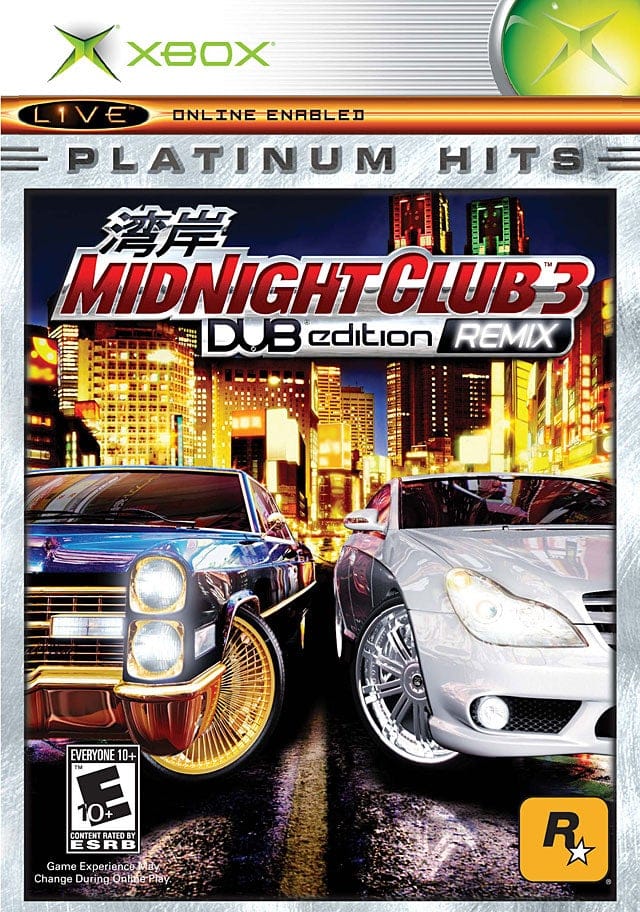
Midnight Club 3: DUB EditionRemix
Developer: Rockstar San Diego
Release Year: 2006
If the original release of Midnight Club 3: DUB Edition was a masterpiece, the Remix is the Greatest Hits album. This game delivered fast, furious races and a sense of urban cool that felt more authentic than polished. The customization remains the gold standard for the era. You can tweak everything from the tire profile to the specific shade of candy paint, offering a depth that puts many modern “triple-A” titles to shame. With cities like San Diego, Atlanta, and Detroit as your playground, you’re given complete freedom to find your own path to the finish line—shortcuts through shopping malls included. The Remix edition added 24 new rides, as well as Tokyo from Midnight Club II.
Why It's Worth Playing: With licensed cars, bikes, and DUB-approved parts, the game went deep on vehicle modding—but never at the expense of gameplay. Speed was instant, races were chaotic, and the city streets were littered with shortcuts. Toss in a thumping hip-hop soundtrack and you had a racer with serious attitude and real staying power.
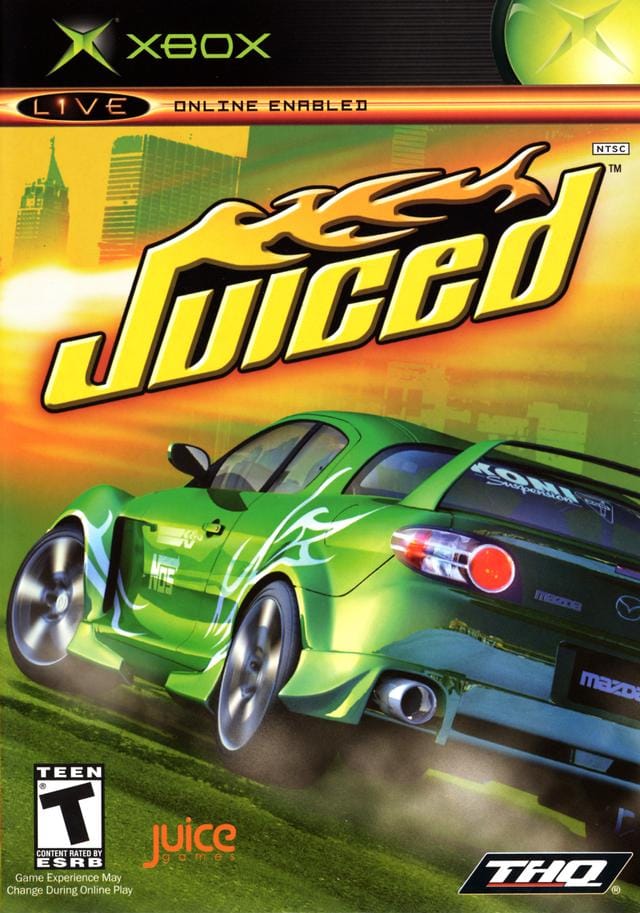
Juiced
Developer: Juice Games
Release Year: 2005
While Need for Speed was about the vibe, Juiced was about the hustle. You don’t just race for trophies; you race for “Respect” and cold, hard cash. You have to build a crew, manage your betting bankroll, and keep your Reputation intact. One mistake could cost you not just a race, but your ride. Visually, the game shines with its pearlescent paint jobs and motion blur that makes your eyes water. It lacks the arcade forgiveness of its peers, requiring you to actually learn the weight of your Subaru or Mitsubishi.
Why It's Worth Playing: While it didn’t have the polish of NFS or Midnight Club, Juiced stood out with its grounded, street-level grit. It featured deep tuning options, pink slip races, and real stakes. It asked you to think before you raced—to build your crew, plan your battles, and play the long game. It was the underdog racer that dared to slow things down and play it smart.
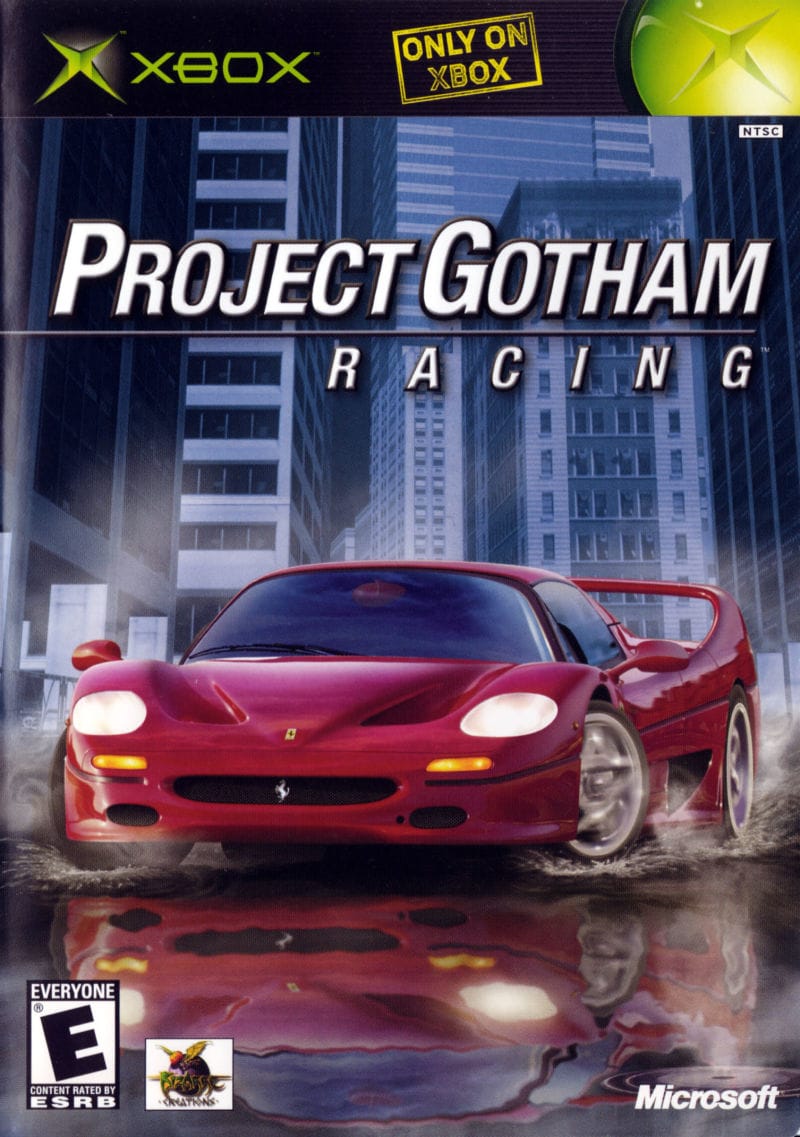
Project Gotham Racing
Developer: Bizarre Creations
Release Year: 2001
Project Gotham Racing wasn’t about the sterile perfection of a track; it was about the urban grit of London, Tokyo, and San Francisco. It introduced the Kudos system—a game-changing mechanic that rewarded more than just first-place finishes. Pulling off a clean drift, drafting opponents, or navigating a tight corner with finesse would all earn you style points. The result? A racer where elegance was just as important as efficiency. The sense of place in the city tracks is still top-tier, and the soundtrack—featuring everything from Gorillaz to The Chemical Brothers—is a perfect time capsule of 2001. Before Forza Horizon glamorized open-world flair, Project Gotham Racing was already making driving look cool.
Why It's Worth Playing: Built from the bones of Metropolis Street Racer on Dreamcast, PGR was a slick, street-savvy package that hit the sweet spot between arcade energy and sim precision. Tight urban circuits, beautifully rendered cities, and responsive handling hinted at the future of racing games on Xbox. It wasn’t about just getting there—it was about how good you looked doing it.
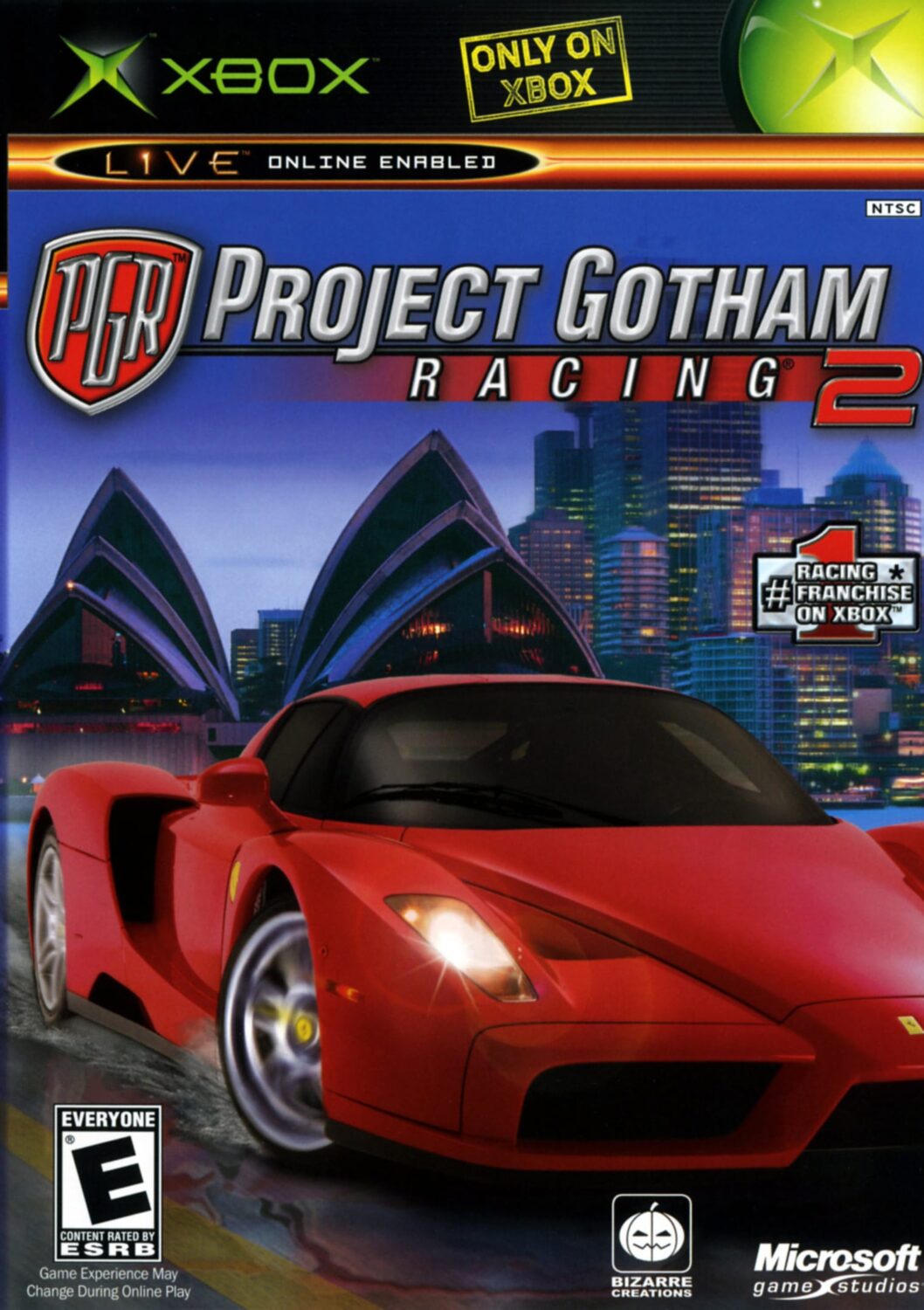
Project Gotham Racing 2
Developer: Bizarre Creations
Release Year: 2003
Project Gotham Racing 2 took the groundwork of its predecessor and refined it into a near-perfect driving experience. The car roster exploded, adding over 100 cars, and cities like Florence, Edinburgh, and Moscow were rendered with a level of detail that made our CRT televisions sweat Every city had its own personality, every car its own bite. One of the coolest “secret” features was the inclusion of Geometry Wars inside your virtual garage. It’s wild to think that a tiny mini-game meant to test the hardware’s particle effects eventually became a massive hit in its own right.
Why It's Worth Playing: This was one of the first games that made Xbox Live feel essential. Real-time leaderboards, seamless matchmaking, and intense online showdowns made PGR2 a cornerstone of early Xbox multiplayer. It didn’t just play well—it connected well, paving the road for online racing as we know it today.
Midtown Madness 3
Developer: Digital Illusions
Release Year: 2003
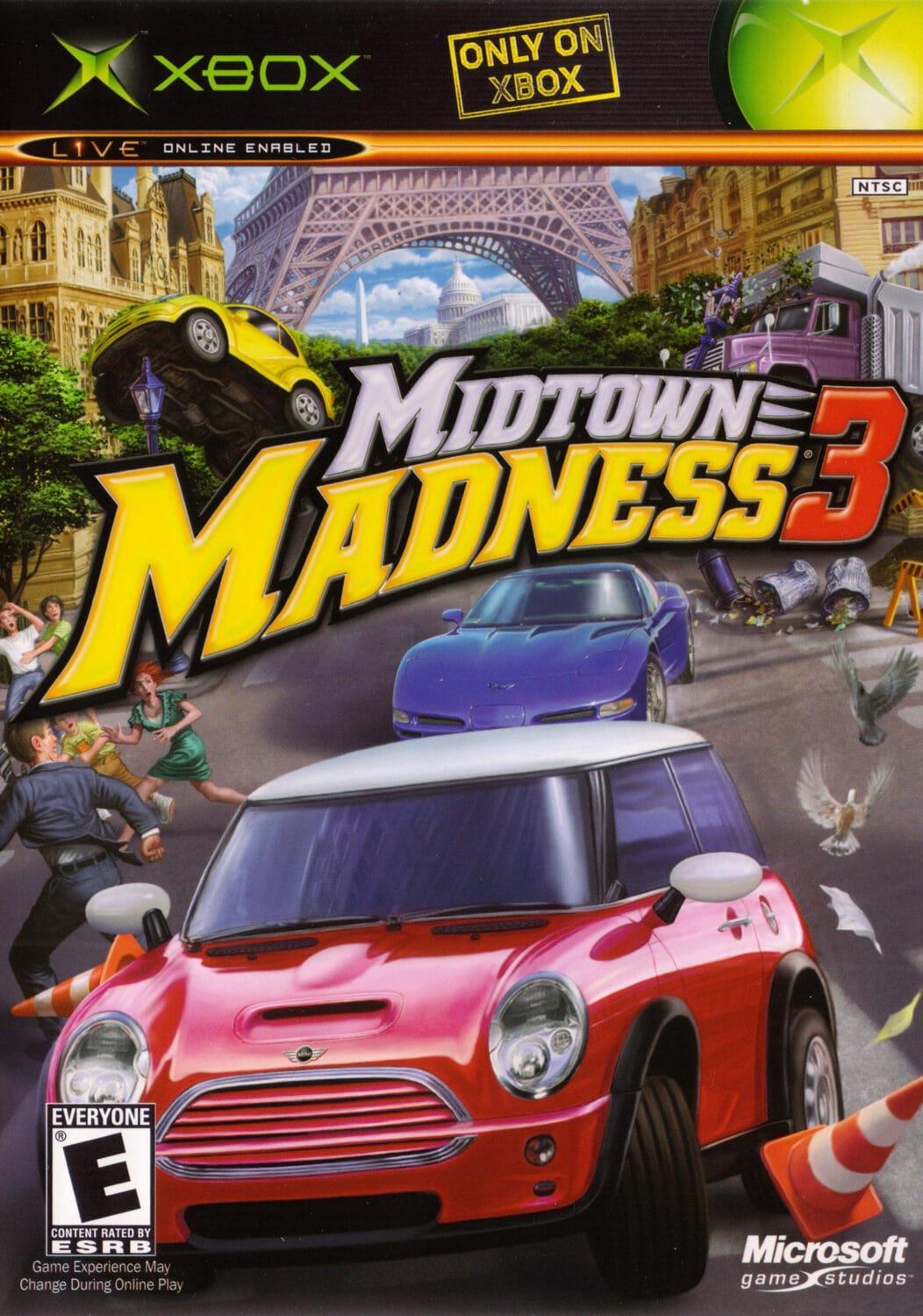
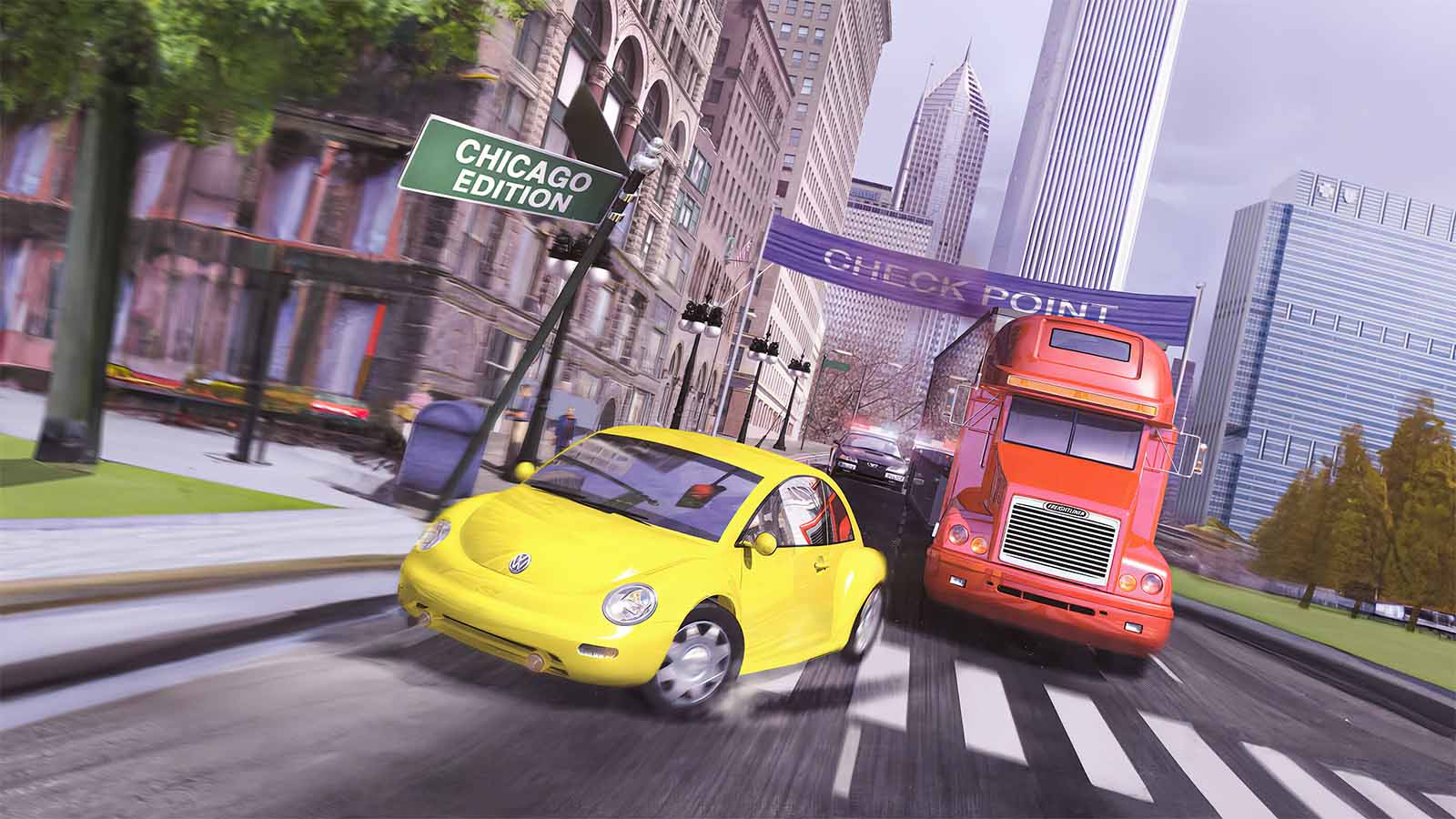
Where most racers stuck to tracks, Midtown Madness 3 drops you into highly detailed versions of Paris and Washington D.C. and essentially tells you to go nuts. The “Work Undercover” mode is a total blast, casting you as everything from a pizza delivery driver to a secret agent, each role with its own set of ridiculous missions. You could race, stunt, or just joyride through city streets filled with traffic, pedestrians, and unexpected obstacles. With unapologetically arcade-y physics, you can also smash through newsstands, parking meters, and even the windows of certain buildings without losing your momentum.
Why It's Worth Playing: It wasn’t about lap times—it was about possibility. MM3 let you play however you wanted: leap off rooftops, barrel down alleys, or just vibe while soaking in the urban sprawl. In a time before Burnout Paradise or Forza Horizon, Midtown Madness 3 showed us the thrill of unstructured driving freedom.
Quantum Redshift
Developer: Curly Monsters
Release Year: 2002
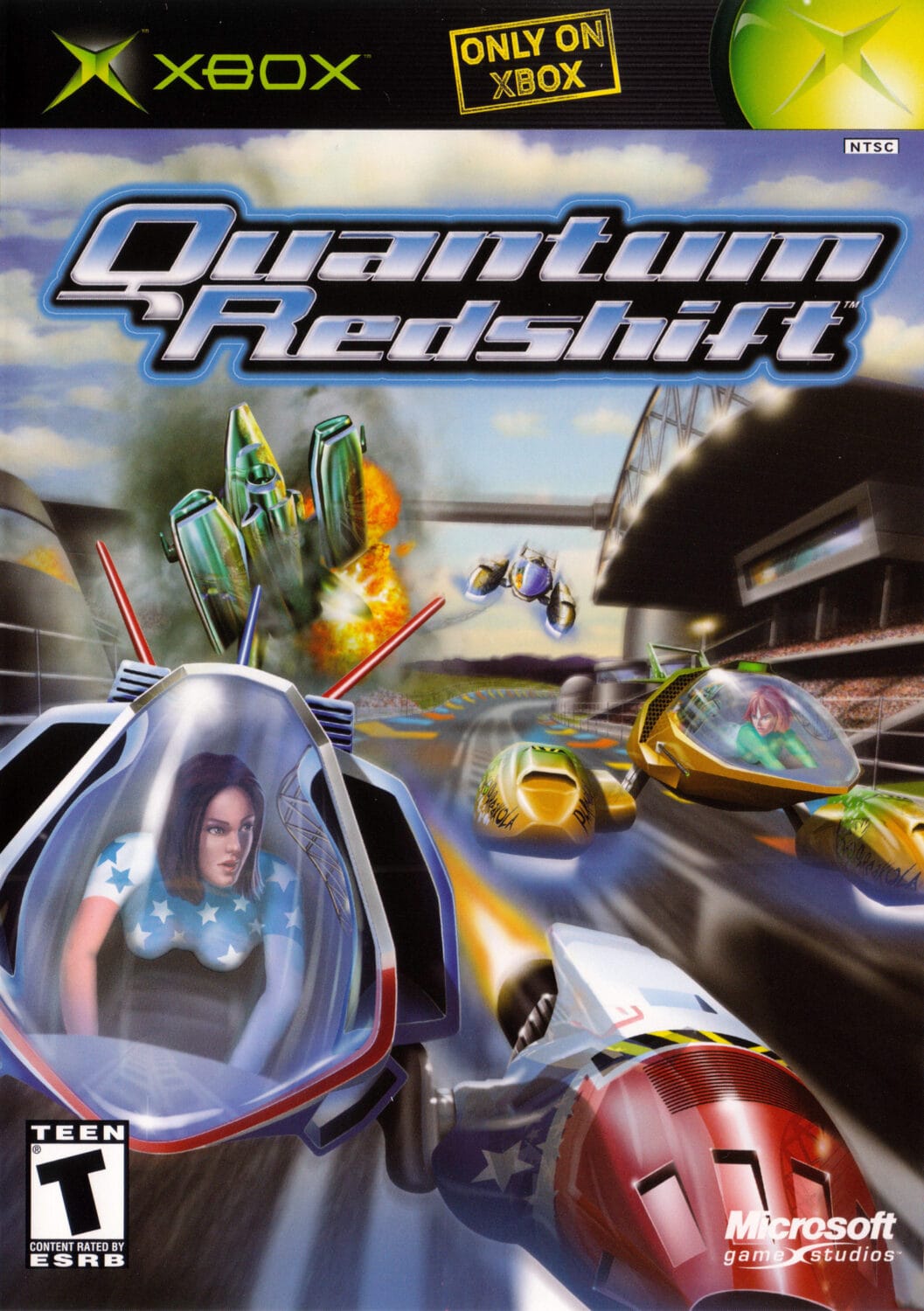
Developed by Nick Burcombe—one of the masterminds behind the original Wipeout—Quantum Redshift ditched the wheels for anti-gravity hulls and pushed the Xbox’s shaders to the absolute limit. It paired sleek hovercraft designs with a pulsing techno soundtrack, pitting rival pilots against each other in breakneck, weapon-filled sprints. The track design is the real star, featuring massive jumps that make your stomach drop and terrain that ripples with heat haze. It didn’t quite get the sales it deserved, likely because it was a new IP in a crowded market, but for those who played it, it was pure technical wizardry.
Why It's Worth Playing:Quantum Redshift was more than just a visual showcase—it was a technical achievement. Running at a smooth 60 frames per second, Quantum Redshift felt buttery responsive and brutally fast. It may not have reached WipEout's legendary status, but for Xbox owners, it scratched that same high-speed itch with style and swagger.
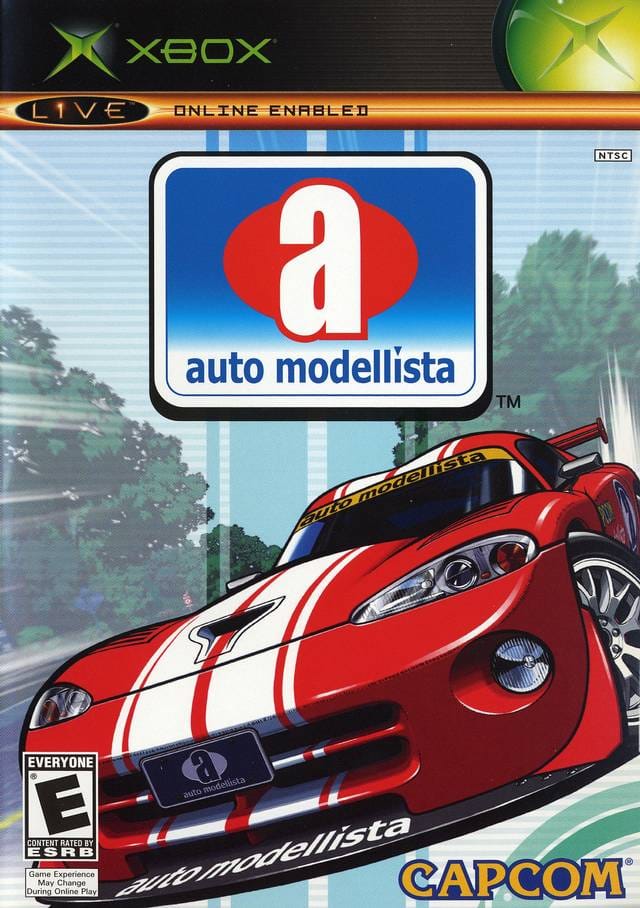
Capcom doesn’t make many racing games, but Auto Modellista was a bold experiment. With its cel-shaded, hand-drawn aesthetic, it looked like a playable anime—and stood out instantly from the sea of hyper-realistic racers. The “Garage Life” mode is where the game’s heart truly beats. You don’t just pick a car; you inhabit a space. You can decorate your garage with posters, toolboxes, and spare tires, creating a sanctuary for your customized rides. The car roster is a JDM fan’s fever dream, featuring everything from the iconic Toyota Trueno to the Mazda RX-7.
Why It's Worth Playing: Some players bounced off its floaty physics, but those who embraced Auto Modellista found a racer with deep customization, unique personality, and undeniable charm. Building out your garage, applying decals, and whipping around corners in comic-book motion made it unforgettable—if not universally loved.
Crash Nitro Kart
Developer: Vicarious Visions
Release Year: 2003
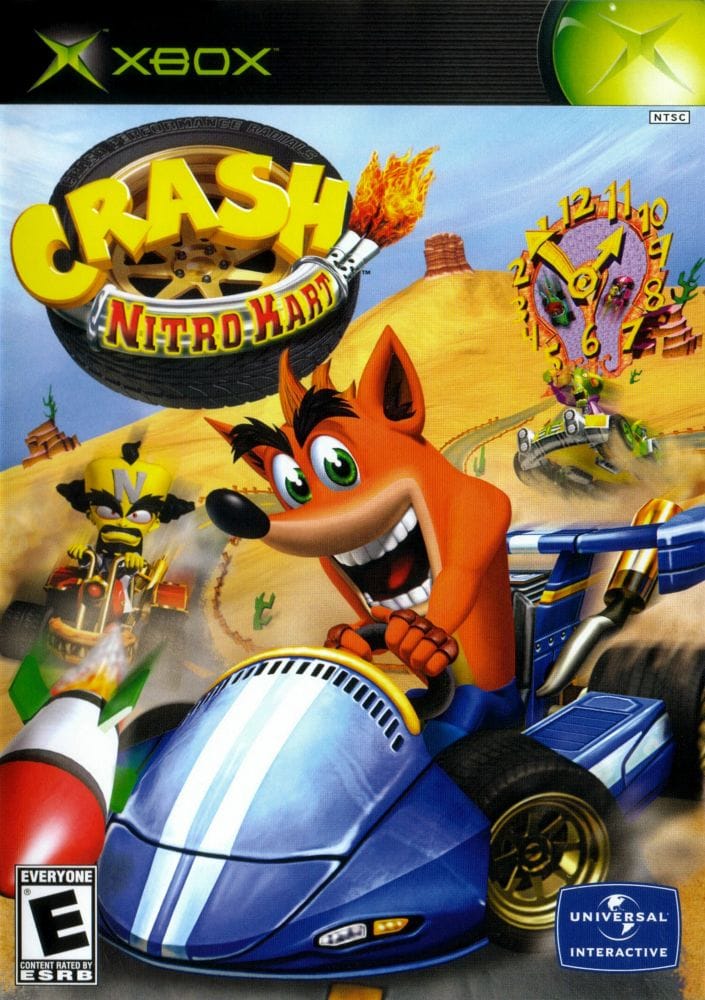
Mario may have had the kart crown, but Crash Bandicoot wasn’t far behind. Crash Nitro Kart brought tight tracks, cheeky humor, and recognizable characters to Xbox players craving kart chaos. It played fast and loose, leaning into power slides, item battles, and over-the-top arenas. The Adventure Mode keeps things interesting with its hub worlds and boss challenges, and the track variety here is genuinely impressive, featuring everything from futuristic volcanoes to space stations. While the “anti-gravity” sections were perhaps a bit ahead of their time, they added a nice visual flair to the proceedings.
Why It's Worth Playing: While not a genre-redefiner, CNK was a well-crafted kart racer that delivered exactly what fans wanted: a vibrant, wacky ride that could hold its own. Especially for players without a GameCube, it was a welcome hit of kart goodness with a Crash-colored twist. Plus, seeing Velo’s massive head on an HDTV via the Xbox’s superior output is a nostalgic trip worth taking.
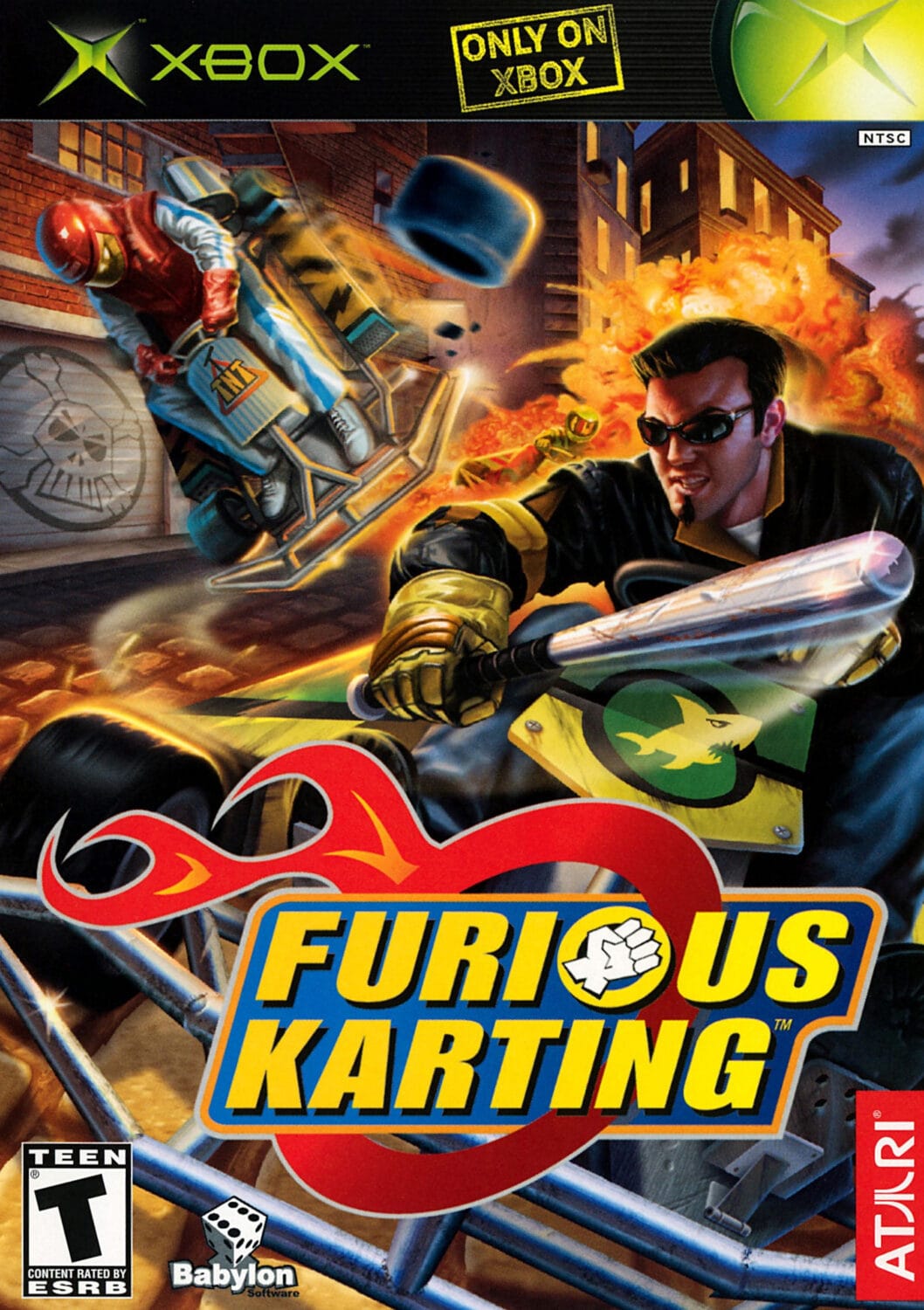
Furious Karting
Developer: Babylon Software
Release Year: 2003
Furious Karting didn’t have mascots or flashy branding—but it brought surprising intensity. It focused on fundamentals: responsive controls, solid speed, and well-designed tracks that encouraged tight, skillful racing. The trick system feels a bit like a clumsy cousin to SSX, requiring you to balance on two wheels or pull off flips that usually end in a spectacular faceplant. But the sheer absurdity of throwing flammable glue or a literal chicken at a rival makes it a hilarious party game for those who find Mario Kart a bit too polite. The game’s hip-hop and indie rock soundtrack actually shifts dynamically based on which team is in the lead, which is a neat concept.
Why It's Worth Playing: Lacking the gimmicks of bigger franchises, Furious Karting delivered a more “pure” kart racing experience. While it never reached wide acclaim, its solid mechanics made it a cult favorite among genre aficionados. It's one of those “blink and you’ll miss it” gems that’s well worth rediscovering.
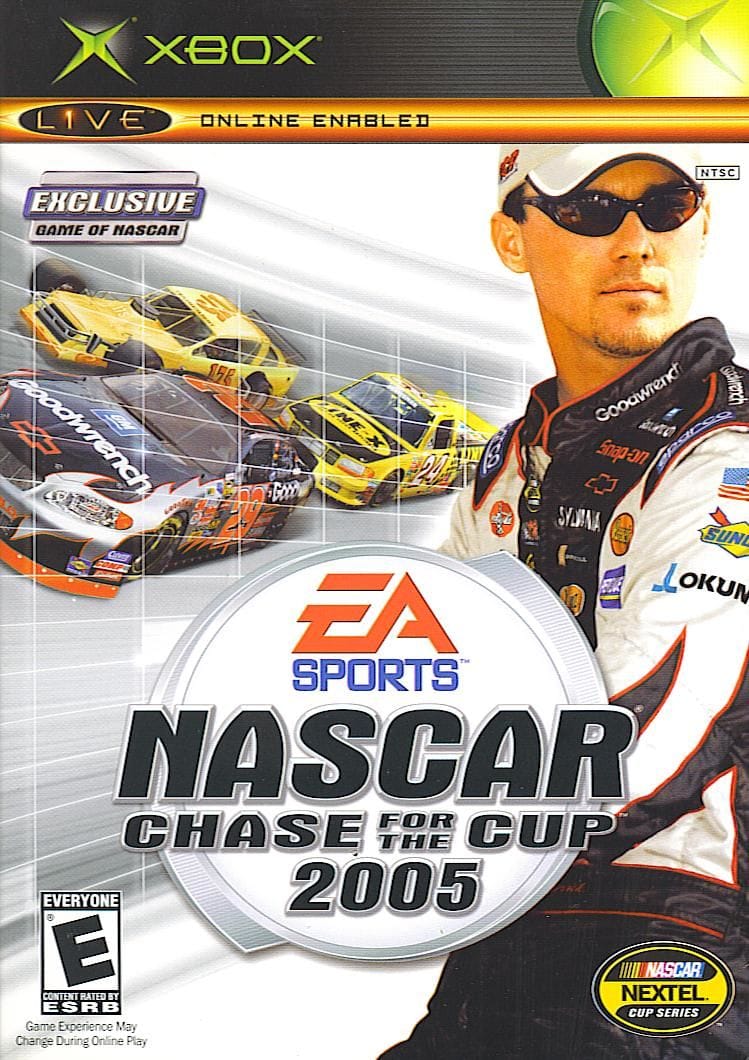
NASCAR 2005: Chase for the Cup
Developer: EA Tiburon
Release Year: 2004
At first glance, NASCAR 2005: Chase for the Cup looked like just another annual update—but under the hood, it delivered something far more engaging. EA Sports reinvented the franchise’s formula by introducing a full-fledged career mode that did more than string races together. You didn’t just race—you hustled your way through the minor leagues, signed contracts, climbed the ranks, and, most importantly, made enemies. The rivalry system added tension to every bump and pass, and soon, every race felt like a grudge match waiting to explode.
Why It's Worth Playing: From the sharp in-race commentary to the TV-style presentation, every detail was crafted to immerse you in the NASCAR experience. Whether you were trading paint on short tracks or strategizing pit stops on superspeedways, Chase for the Cup captured the nuances of stock car racing better than any NASCAR title had on console up to that point. For Xbox owners, it was the definitive NASCAR experience.
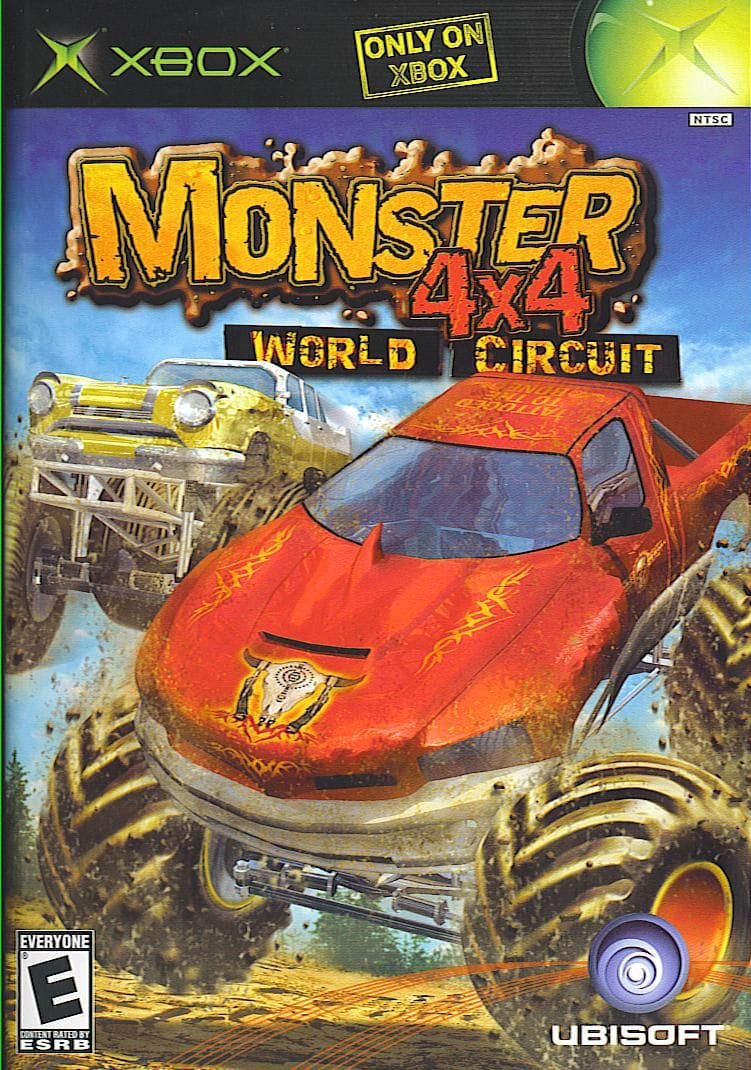
Monster 4×4 World Circuit
Developer: Ubisoft Barcelona
Release Year: 2006
If Forza was a fine-tuned symphony, Monster 4×4: World Circuit was a garage band smashing amps. It made no attempt to hide its arcade roots—this was monster truck madness dialed to eleven. With exaggerated jumps, unpredictable landings, and physics that often defied logic, it was less about racing and more about surviving each lap. The controls were floaty, the visuals were rough, but the sheer lunacy of it all made it a blast for anyone craving unfiltered, pedal-to-the-metal mayhem.
Why It's Worth Playing: You didn’t play Monster 4x4 for polish—you played it because it felt like strapping into a juggernaut and launching it off a cliff. Its absurdity was its charm. Think of it as the monster truck show that came to your Xbox, complete with dirt, destruction, and a healthy disregard for realism. It wasn’t refined, but it didn’t need to be.
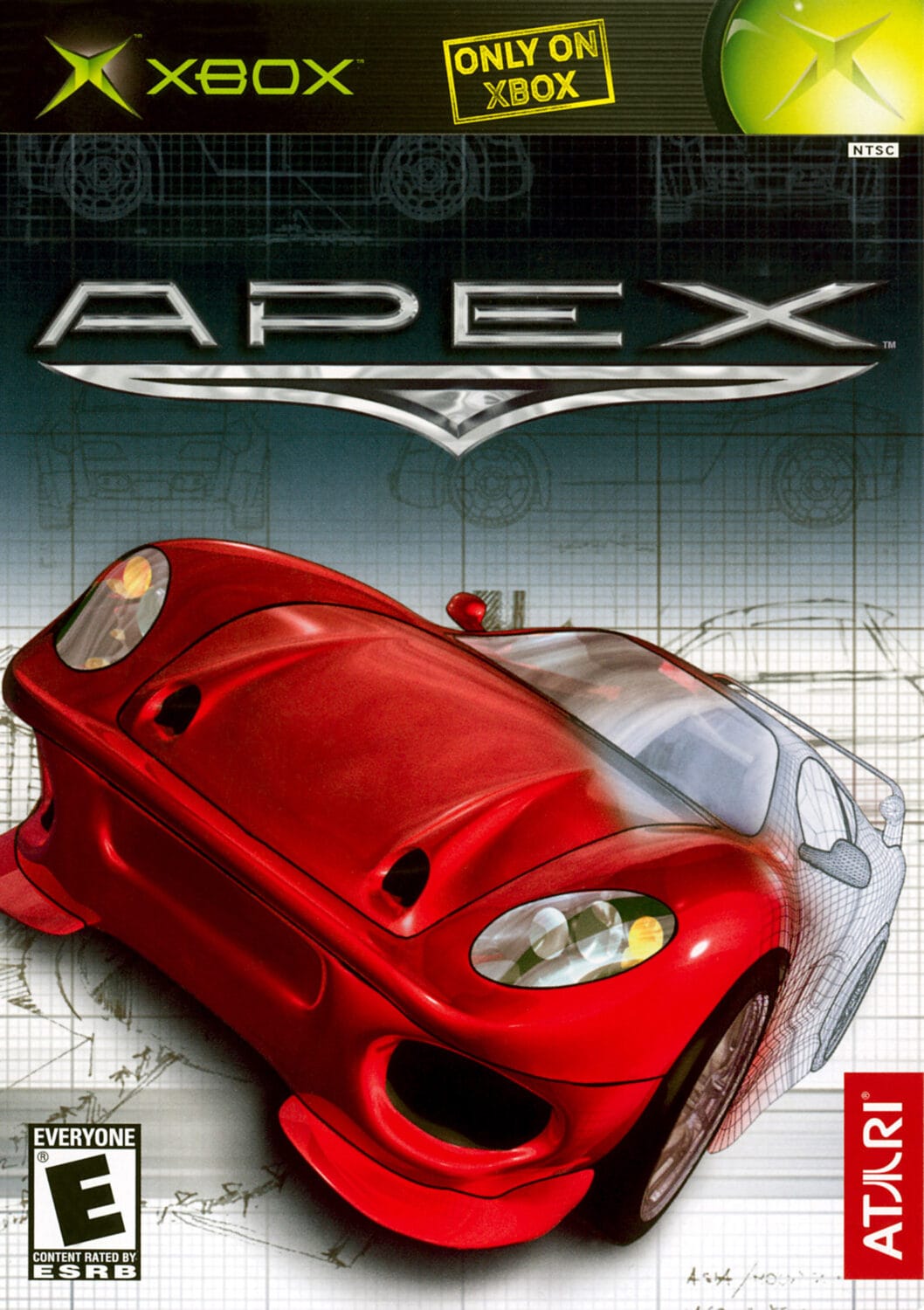
Apex(Racing Evoluzione)
Developer: Milestone
Release Year: 2003
Apex (known as Racing Evoluzione in Europe) dared to ask: what if you weren’t just a racer, but the person behind the cars? Part racing sim, part tycoon game, Apex blended circuit competition with automotive entrepreneurship. As you won races, you also unlocked the ability to design your own prototype vehicles and grow your fledgling car company from the ground up. Each win wasn’t just a trophy—it was R&D fuel for the next breakthrough model.
Why It's Worth Playing: Visually sharp and conceptually ahead of its time, Apex was one of the more unique titles in the Xbox racing stable. While the driving didn’t always feel as tight or precise as genre leaders, the hybrid structure gave it a fresh edge. It scratched both the gearhead and the management sim itch, and though it never became a breakout hit, it remains a hidden gem for players who like their racing games with a side of innovation.
Final Thoughts
From the precision-tuned Forza Motorsport to the crash-happy chaos of Burnout 3: Takedown, the original Xbox offered something for every kind of racing fan. Sim diehards found their groove in RalliSport Challenge 2 and Sega GT 2002, while arcade addicts tore up the streets in Midtown Madness 3 and OutRun 2. Even deep cuts like Quantum Redshift and Auto Modellista gave the console a flavor all its own.
The original Xbox was more than just a powerhouse—it was a proving ground for racing innovation. It hosted genre-defining sims, offbeat oddities, and arcade smash-hits that still hold up today. In a console generation defined by experimentation and ambition, its racing catalog deserves a victory lap. So buckle up, pick your lane, and remember: speed wasn’t just a feature on Xbox—it was a philosophy.
At HyperComboGamer, we believe great games deserve great coverage. That means no filler, no clickbait, or fanboyism—just honest, high-quality reviews, features, and guides that put gamers first. Whether you’re a lifelong enthusiast or just starting your gaming journey, you’ll find interesting gaming perspectives that will leave you fully satisfied.