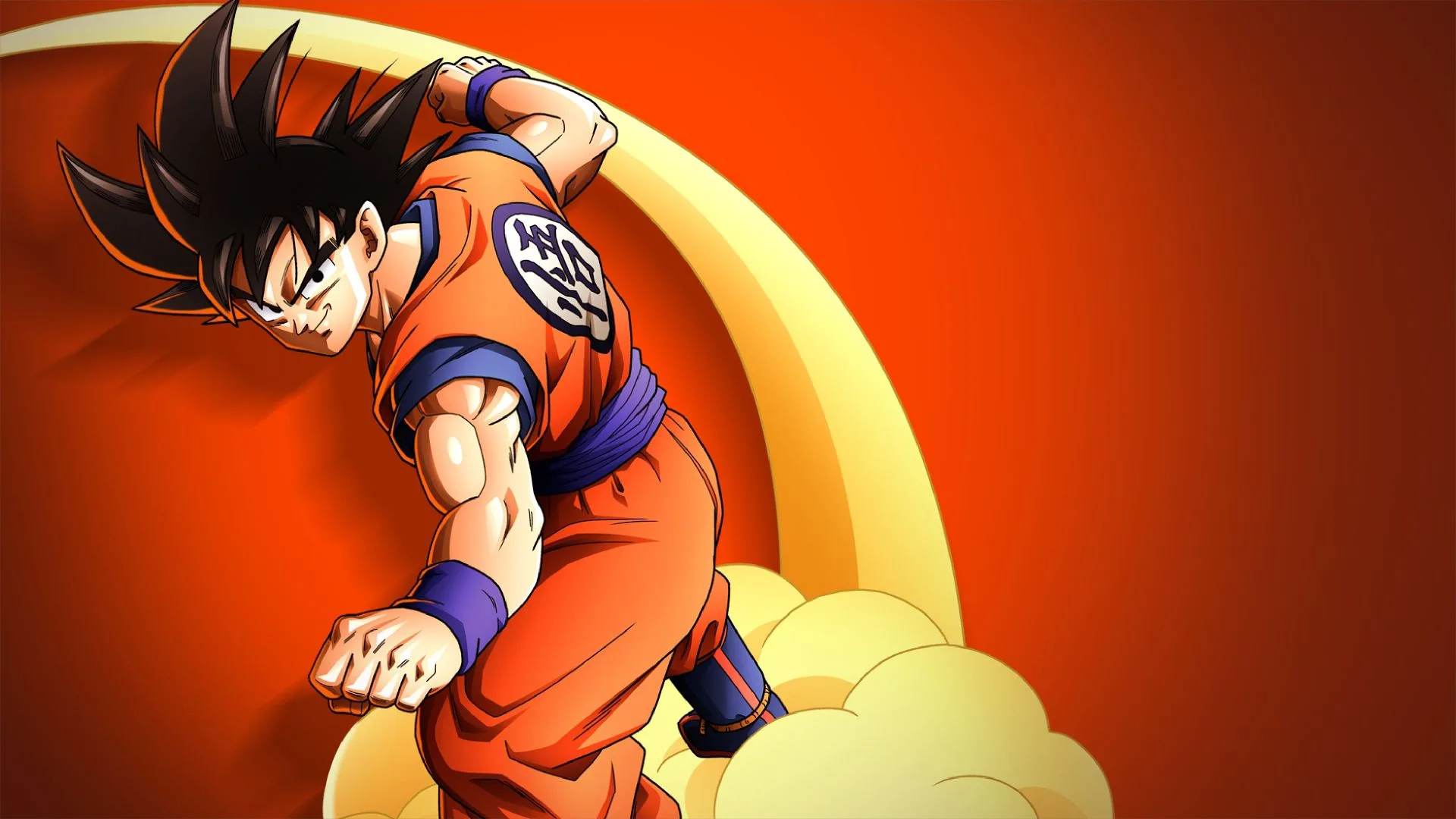
For many of us, the Dragon Ball series served as our first real introduction to the vibrant world of anime. I spent my youth glued to the screen, watching Goku and the gang define an entire generation of action. Ever wonder why it took so long for the franchise to move past the standard 2D fighting games of the 90s?
While most early titles focused on basic brawling, the Legacy of Goku series for the GBA finally broke that predictable mold as an action RPG. Along with Attack of the Saiyans on the DS, these handheld RPGs earned a massive positive reaction from the fanbase. Despite the critical success, the RPG genre stayed strangely absent from our home consoles and PCs.
CyberConnect2—the cinematic masters behind the Naruto Ultimate Ninja Storm games—finally brought that ambitious vision to life with Dragon Ball Z: Kakarot. Could they actually scale that intensity across a massive, open-ended world? Making a linear fight look good is one thing, but building a living Earth and Namek requires a different set of skills. In this review, you’ll find out whether this game can actually capture what made the anime so special.
Story Overview
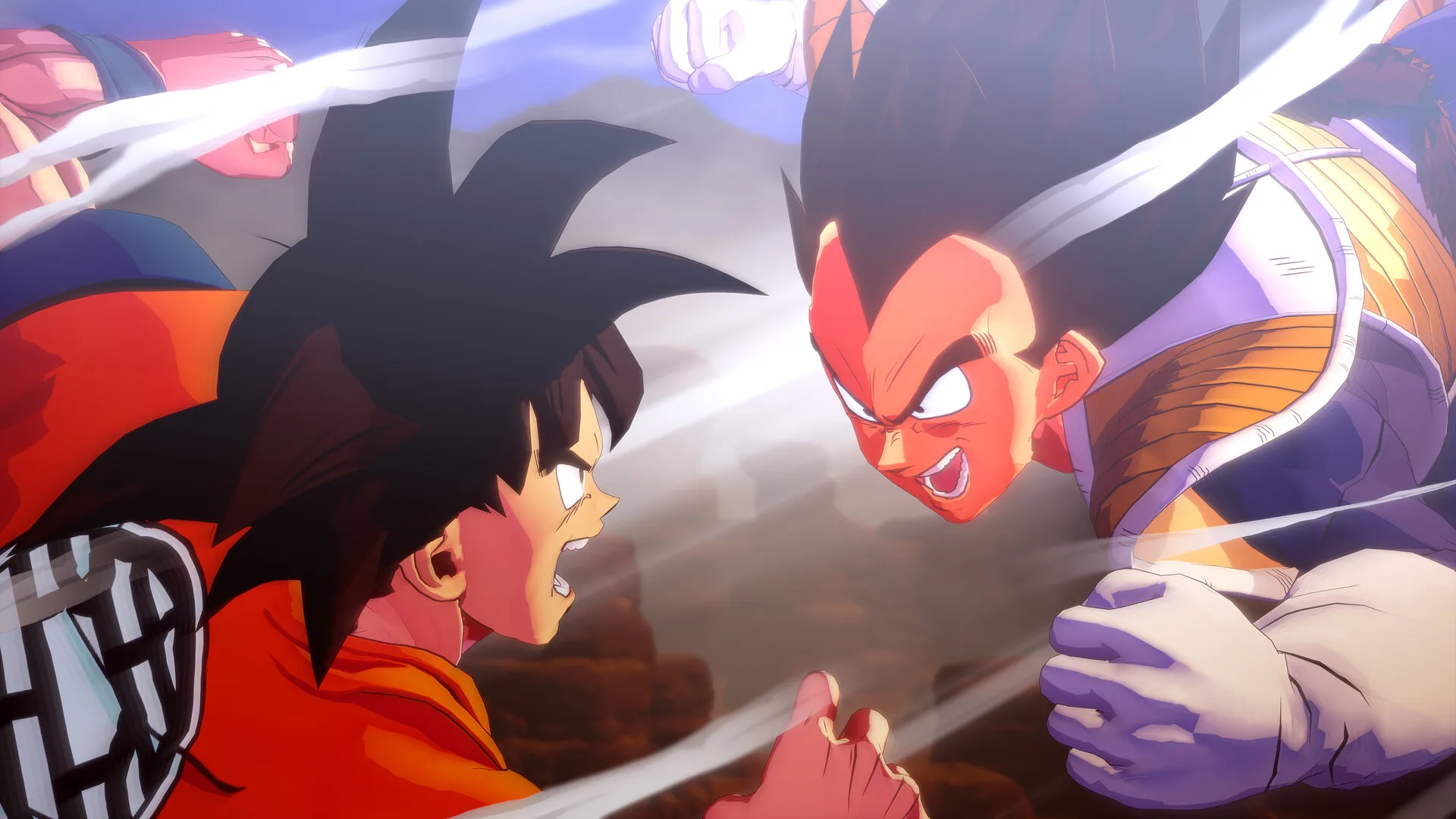
Let’s be real: we’ve all seen Goku turn Super Saiyan about a thousand times by now. You might think playing through the same plot points would feel like a chore, but Kakarot treats these stories with incredible reverence. The game carves the experience into the four legendary pillars: the Saiyan, Frieza, Cell, and Buu Sagas.
Each arc feels like a curated “Best Of” collection that hits every emotional beat you remember from Saturday morning TV. While most titles treat the story as a flimsy excuse to get to the next fight, Kakarot treats the narrative like the main event. CyberConnect2 did an excellent job of making me feel like I was actually living inside the anime rather than just watching a recap.
The pacing generally keeps you hooked, though the game definitely takes its time. You’ll spend hours training for the arrival of Vegeta or hunting for Dragon Balls on Namek before the big showdowns. While it’s a massive time commitment, the payoff of seeing these iconic battles rendered with modern tech makes the journey feel essential.
Ever wondered what the Z-Fighters do when they aren’t screaming at a purple alien? This game actually lets you live through those quiet, character-building stretches. You aren’t just jumping from boss to boss; you’re living the daily life of a Z-Fighter. Whether you are hunting for food or training in the wilderness, the game builds a sense of scale that makes the world feel lived-in and authentic.
Gameplay
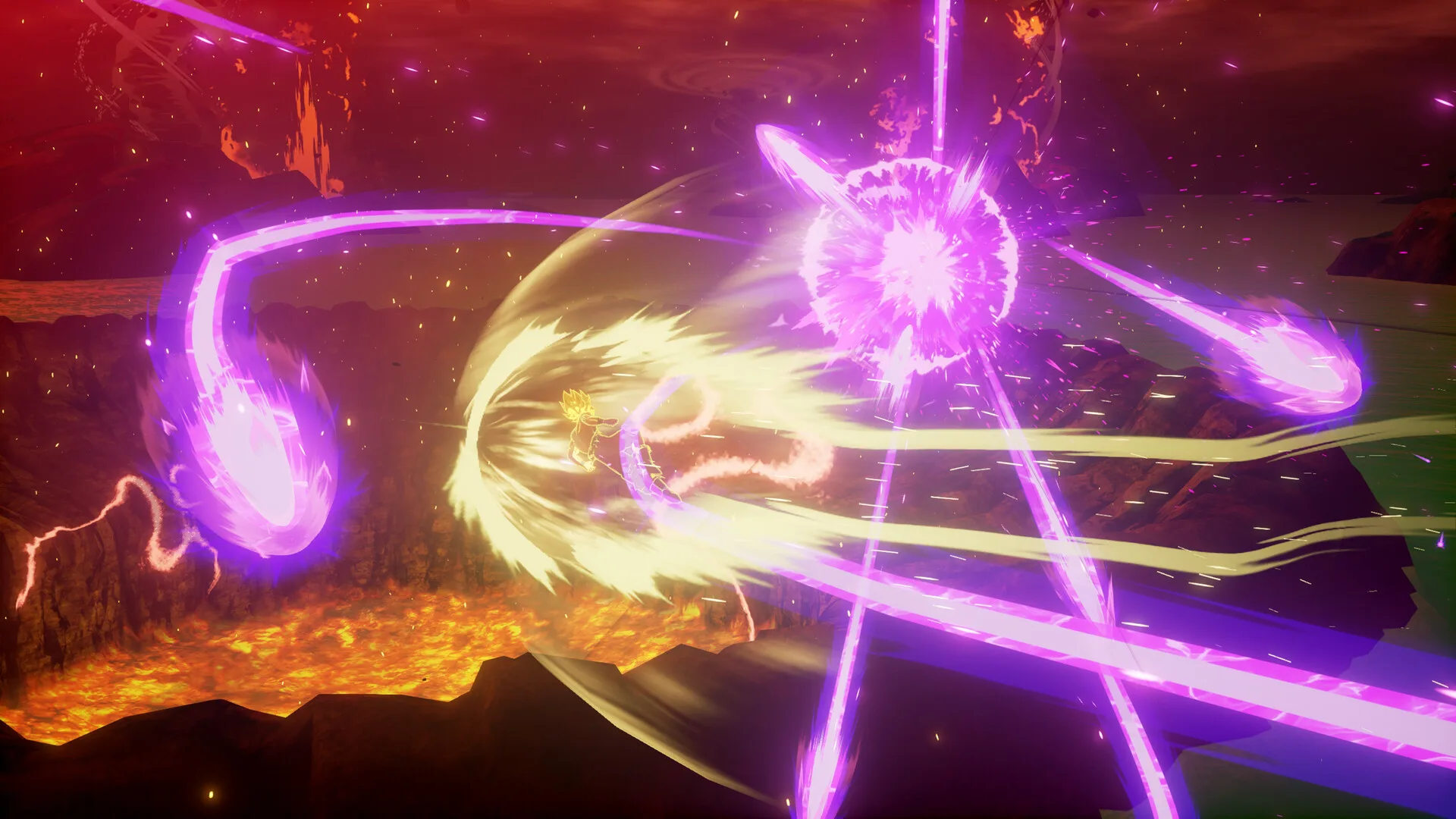
The combat in Kakarot feels exactly how a high-stakes anime brawl should: fast, loud, and slightly chaotic. You aren’t just standing on a 2D plane poking at health bars. Instead, you’re zipping through 3D space, smashing through mountains, and turning the landscape into a cratered mess.
At its core, the system relies on a delicate balance of offense and resource management. You have to juggle physical combos with your Ki meter, which powers everything from your basic energy blasts to your massive finishers. If you let your Ki run dry, you’re basically a sitting duck, forcing you to find a momentary opening to charge up while your opponent hunts you down.
The controls are incredibly approachable, but there is a definite rhythm to master if you want to survive the tougher bosses. You’ll spend most of your time dodging at high speeds, waiting for that perfect split-second to vanish behind an enemy for a counter-strike. It’s an intoxicating loop that captures the energy of the show without requiring the “pro-gamer” reflexes of a traditional fighting game.
In Kakarot, pulling off a Spirit Bomb or a Super Kamehameha feels every bit as monumental as it looks on screen. However, every time you trigger a special move, you leave yourself completely vulnerable for a few crucial seconds. If your opponent dodges your beam, you’re basically standing there with your chin out, waiting for a counter-attack.
This creates a high-stakes “risk versus reward” dynamic that keeps the combat from feeling like a mindless button-masher. You have to carefully study your opponent’s patterns to find the perfect window to strike. Do you play it safe with quick physical hits, or do you gamble your health bar on a massive blast? It’s a constant tactical headache, but landing a Big Bang Attack on a boss’s face is the ultimate dopamine hit.
Beneath all the flashy hair and planet-busting lasers, Kakarot is a numbers game through and through. Winning battles and completing missions nets you the holy grail of the genre: experience points. As you level up, your base stats like strength, health, and Ki naturally climb, turning those early-game struggles into total power fantasies. Ever wanted to go back to the first area and absolutely flatten a robot that used to give you trouble? It’s as satisfying as it sounds.
The progression system doesn’t just stop at bigger numbers, though. Reaching specific milestones in the story unlocks the ability to learn new special attacks and upgrades for your existing moves. You’ll spend a fair amount of time hunting for “Z-Orbs” scattered across the map to fund these upgrades in the skill tree.
The Community Board is the game’s clever way of turning the franchise’s massive cast into a literal support network. You collect “Soul Emblems”—basically shiny character tokens—and slot them into various boards dedicated to things like combat, cooking, or adventuring.
If you place emblems next to each other that share a canon relationship, you trigger a “link bonus.” Want a massive boost to your stats? Put Goku right next to Gohan. Looking to improve your shopping discounts? Group the adult characters who actually have jobs. It’s a fun, flavor-heavy system that rewards you for actually knowing the source material.
In typical RPG fashion, you’ll face random encounters while traveling between regions. While they are a total breeze at first, as you progress into the later sagas, the enemy density becomes a genuine headache. It feels like every ten feet of airspace is occupied by a group of drones or scouts just itching for a fight. These encounters are technically “optional” if you can fly fast enough, but getting yanked into the same repetitive skirmish for the fiftieth time is beyond annoying.
Graphics & Sound

If you have the hardware to push this game to 4K, prepare to have your retinas blessed. The visual fidelity in Kakarot is nothing short of gorgeous, thanks to a masterclass in cel-shading. It doesn’t just look like a game inspired by the show; at times, it looks better than the source material itself. The level design is incredibly immersive, pulling you into a world that feels vibrant and alive.
The attention to detail that CyberConnect2 poured into the environments is honestly staggering. Whether you are hovering over the lush greenery of Kame House Island or the desolate, crater-scarred plains of Planet Namek, the world looks exactly like the anime you grew up with. Every rock, tree, and waterfall feels like it was ripped directly from a manga panel and polished for a modern display.
What really seals the deal are the cutscenes. The seamless transition from gameplay to high-octane cinematic moments made me feel like a kid again, staring wide-eyed at the latest episode on Toonami. Seeing a beam struggle light up the entire screen in high resolution is an absolute treat for the eyes.
The presentation is a total love letter to the era of afternoon cartoons and sugar-heavy cereal. From the UI design to the way the camera pans over the landscape, everything screams Dragon Ball Z in a way that feels incredibly authentic.
While the graphics do a lot of the heavy lifting, the soundscape plays a massive role in that “kid again” feeling. I have to admit, the general soundtrack is a bit of a mixed bag; it’s mostly just “fine” background noise while you’re flying around. But hearing the iconic “Cha-La Head-Cha-La” theme song start up in the game’s intro isn’t just a musical choice—it’s a calculated strike on your nostalgia centers.
The voice acting is exactly what you’d expect: loud, passionate, and full of that classic Z-intensity. Whether you prefer the original Japanese cast or the Funimation dub, the performances help carry the emotional weight of the bigger sagas. It’s the kind of polish that reminds you why we fell in love with these screaming muscle-men in the first place. FYI, keep the volume up for the boss fights; the sound effects for the energy clashes are beefy as heck.
Replay Value
If you’re a die-hard fan, you probably noticed that Akira Toriyama had a habit of letting characters just… vanish. Whatever happened to Launch and her sneezing-induced personality swaps? Why did the Pilaf Gang become such a distant memory in the Z-era? Kakarot fixes this by bringing these forgotten faces back through some truly delightful side content.
Interacting with these original Dragon Ball characters feels like a warm hug from the past. Since the anime moved on to bigger and badder aliens, the developers had plenty of room to craft their own stories for these guys. Seeing how they fit into the world of Z adds a layer of depth that makes the universe feel whole again.
While these missions are technically “fillers” designed to feed you EXP and items, they don’t always feel like chores. There’s something genuinely charming about helping an old friend with a mundane task between world-ending threats. It’s the kind of fan service that actually serves the world-building, rather than just winking at the camera.
While I loved catching up with the old-school cast, I have to be honest: not every side quest is a winner. For every cool character cameo, there are about five missions that feel like absolute busywork. Do you really want to spend your time as the savior of the universe hunting down three specific pieces of meat for a random NPC?
These fetch quests can become incredibly excessive and overwhelming, especially when the map starts glowing with blue icons. At a certain point, the rewards just don’t justify the time spent flying back and forth across the globe. It’s a classic RPG pitfall where quantity definitely trumps quality, and it can really drag down the excitement of the main story.
If you’re a completionist, you’re going to have a long road ahead of you. But for everyone else? You’re honestly better off avoiding the fluff and sticking to the missions that actually feature recognizable characters. Don’t let the filler burn you out before you even reach the Cell Games!
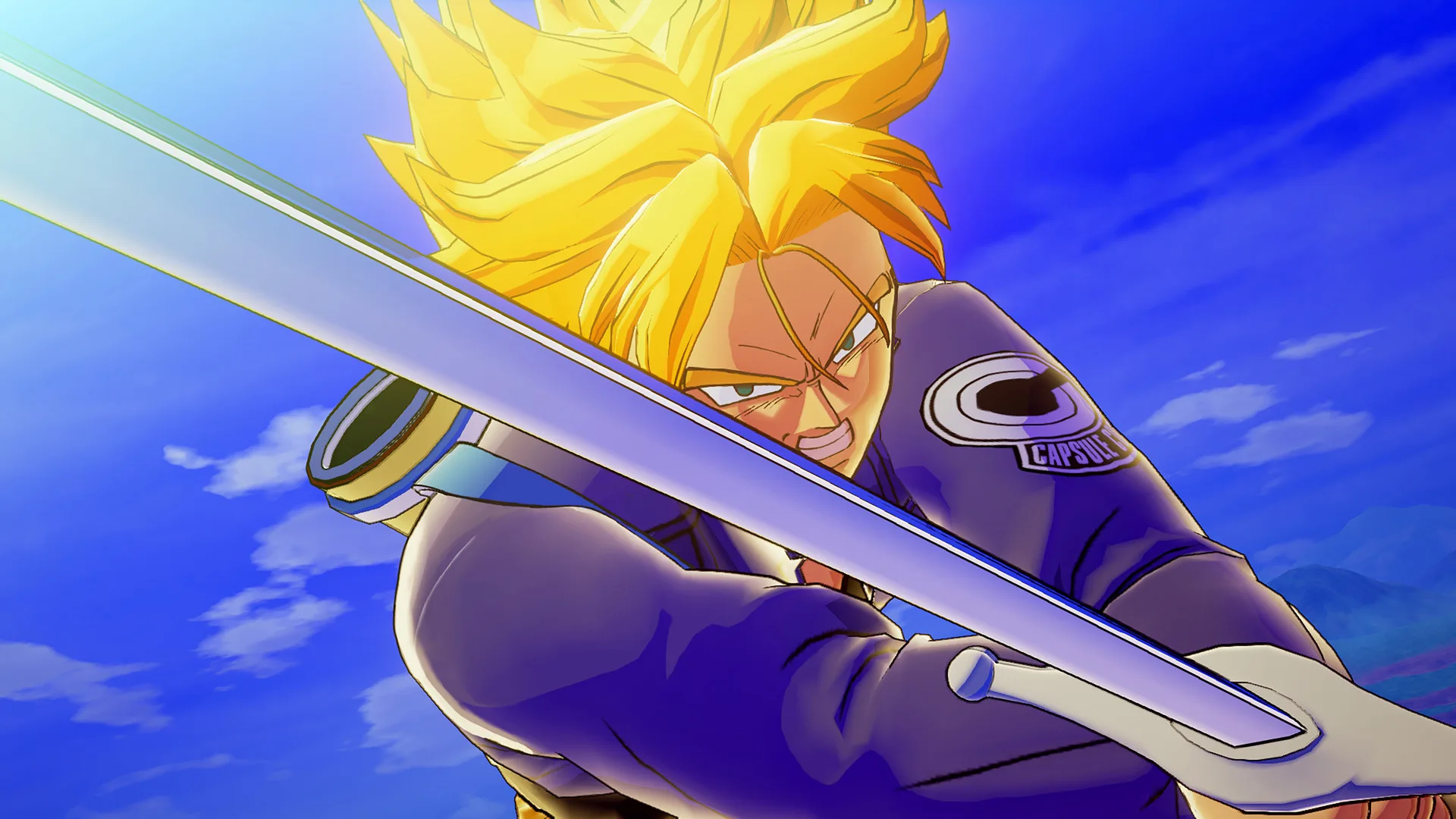
Once the credits roll, you’ll probably find yourself itching for more. Kakarot offers plenty of DLC, but let’s be real: most of it feels like a total cash grab. A lot of the expansions are just glorified boss fights designed to help you farm EXP. However, Trunks: The Warrior of Hope is the massive exception to the rule.
This expansion takes us away from the main timeline and drops us into the depressing, rain-soaked future of Future Trunks. Based on the iconic History of Trunks movie, this DLC feels like a complete, standalone experience. You step into the boots of a young Trunks as he desperately tries to defend a crumbling world from the absolute terror of Android 17 and 18.
The tone is much darker and more urgent than the base game, which is a refreshing change of pace. It’s not just about getting stronger; it’s about survival in a world where almost all the heroes are dead. If you’re going to spend extra money on this game, make it this one. It’s the only piece of post-launch content that captures the true soul of the series.
Final Verdict
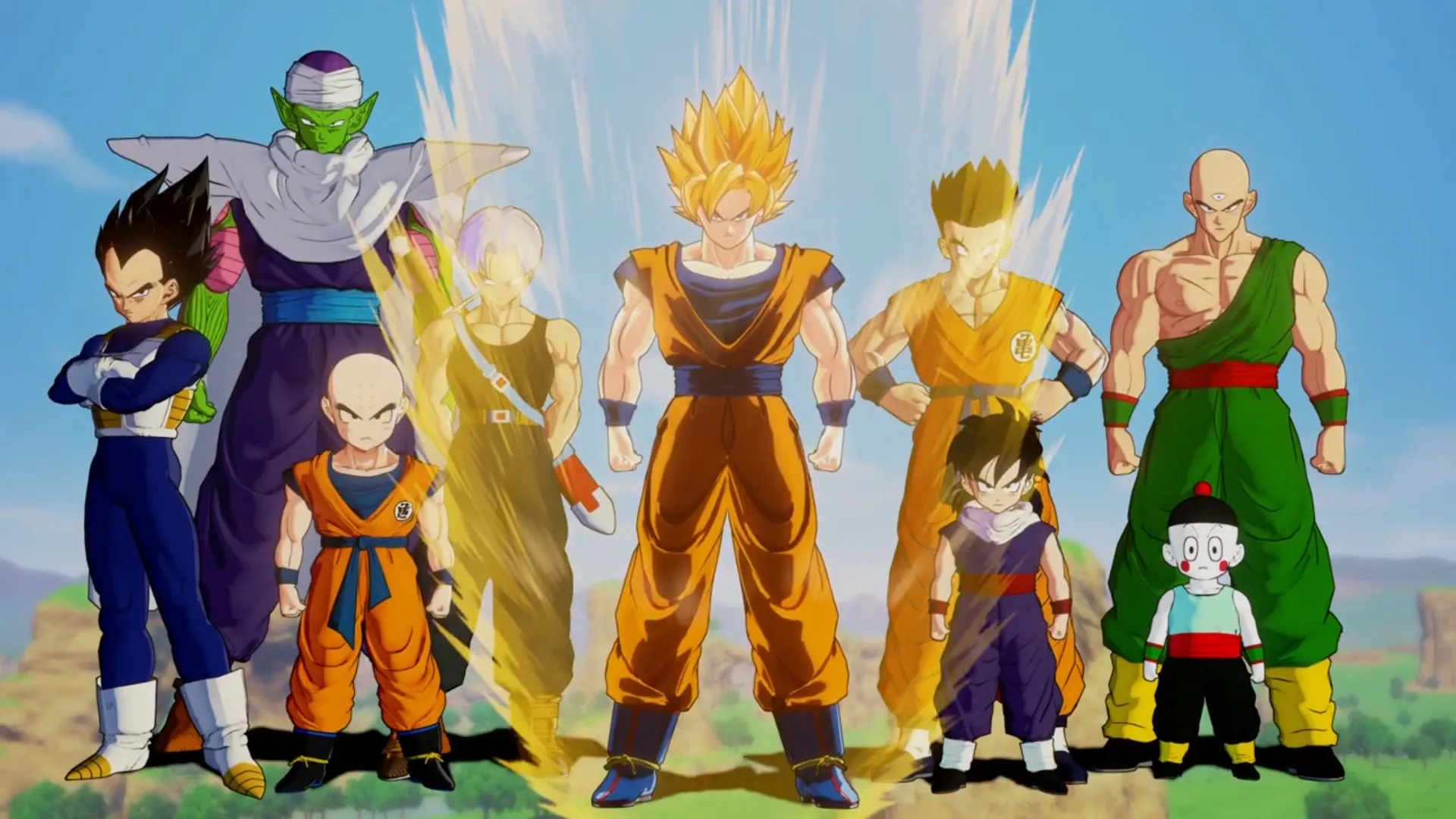
At the end of the day, Dragon Ball Z: Kakarot is an incredibly ambitious swing at the RPG fence. Does it have some scuffed edges? Absolutely. The pacing can feel a bit sluggish during the filler arcs, the side missions are occasionally mindless, and those constant random encounters can be a total buzzkill when you’re just trying to get home to Chi-Chi.
But when you’re soaring over the orange-tinted canyons or clashing with a mid-air Kamehameha, those gripes mostly vanish. The pros far outweigh the cons here. CyberConnect2 delivered a gorgeous, heart-felt tribute that captures the actual soul of the anime better than any game before it. It’s a rare chance to stop being a spectator and finally start living the legend.
While this game might not be for everyone,Dragon Ball Z: Kakarot is a massive, interactive museum of our collective childhood. Whether you’ve ever practiced a power-up scream in your bedroom (don’t lie, we all did) or just have even a passing interest in the Z-Fighters, you need to experience this. Just Saiyan.
Verdict
Dragon Ball Z: Kakarot
Great

At HyperComboGamer, we believe great games deserve great coverage. That means no filler, no clickbait, or fanboyism—just honest, high-quality reviews, features, and guides that put gamers first. Whether you’re a lifelong enthusiast or just starting your gaming journey, you’ll find interesting gaming perspectives that will leave you fully satisfied.