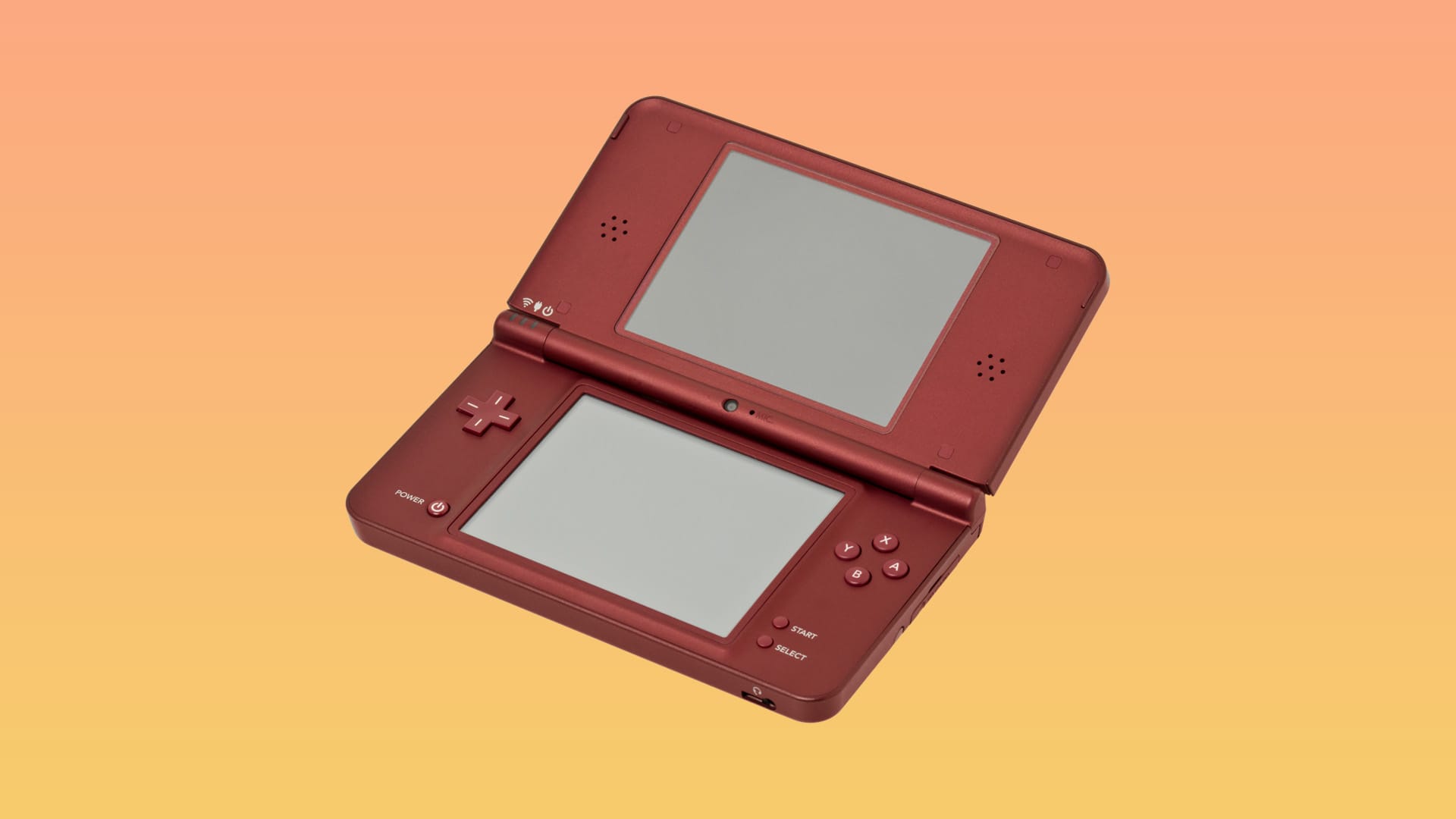
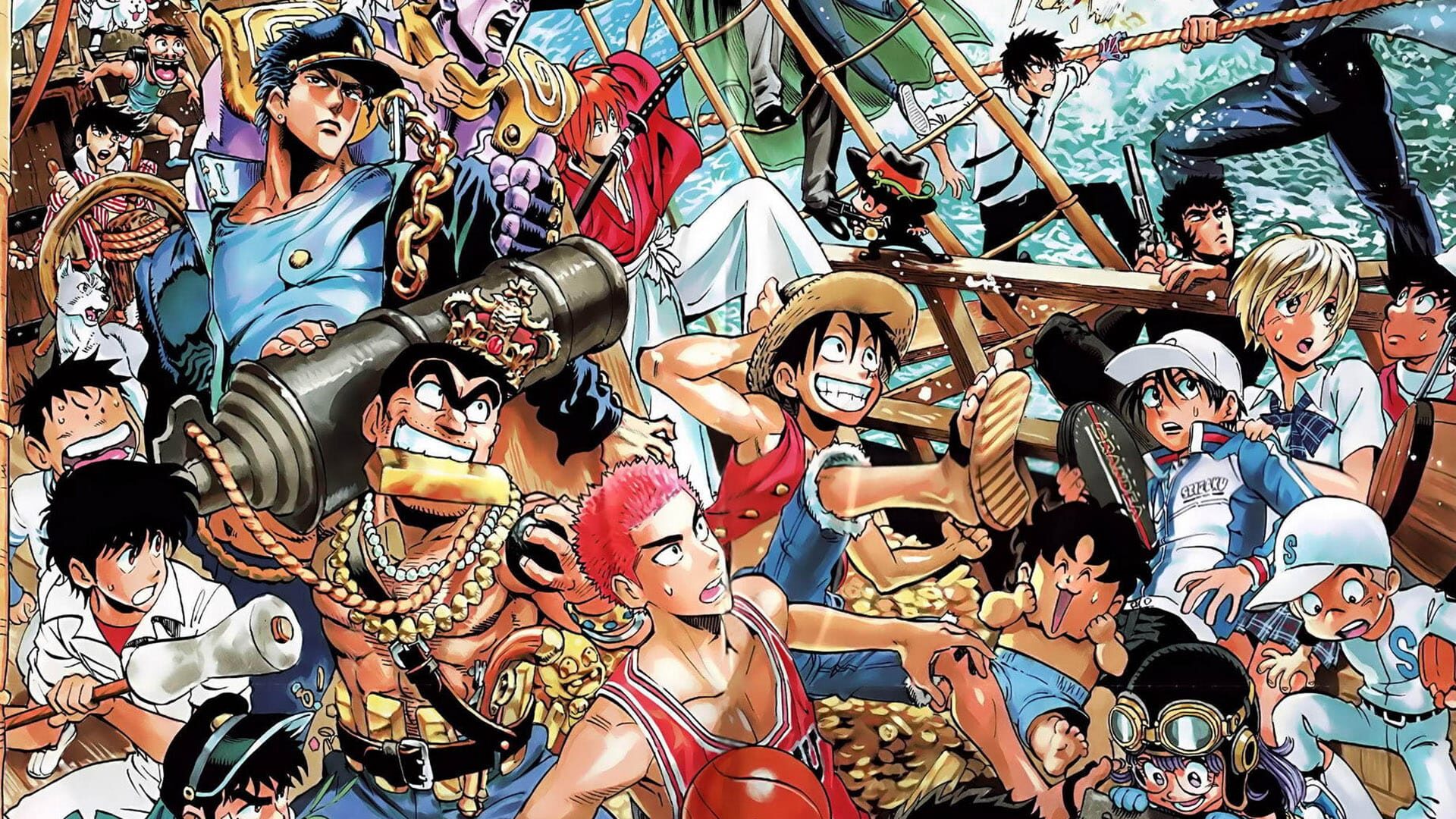
If you spent your childhood hunched over a backlit screen, trying to hide your Nintendo DS under the covers past bedtime, you know that the DS era was something truly special. It wasn’t just about the dual screens or the novelty of the stylus; it was about the sheer explosion of anime titles that finally made us feel like we were playing the shows we watched every Saturday morning.
Today, we’re taking a nostalgic trip back to the mid-2000s and early 2010s to rank the 20 best Nintendo DS anime games. These are the titles that defined a generation of handheld gaming—the ones that are still worth a slot in your carrying case today. Ready to see if your favorite made the cut? Let’s get into it!
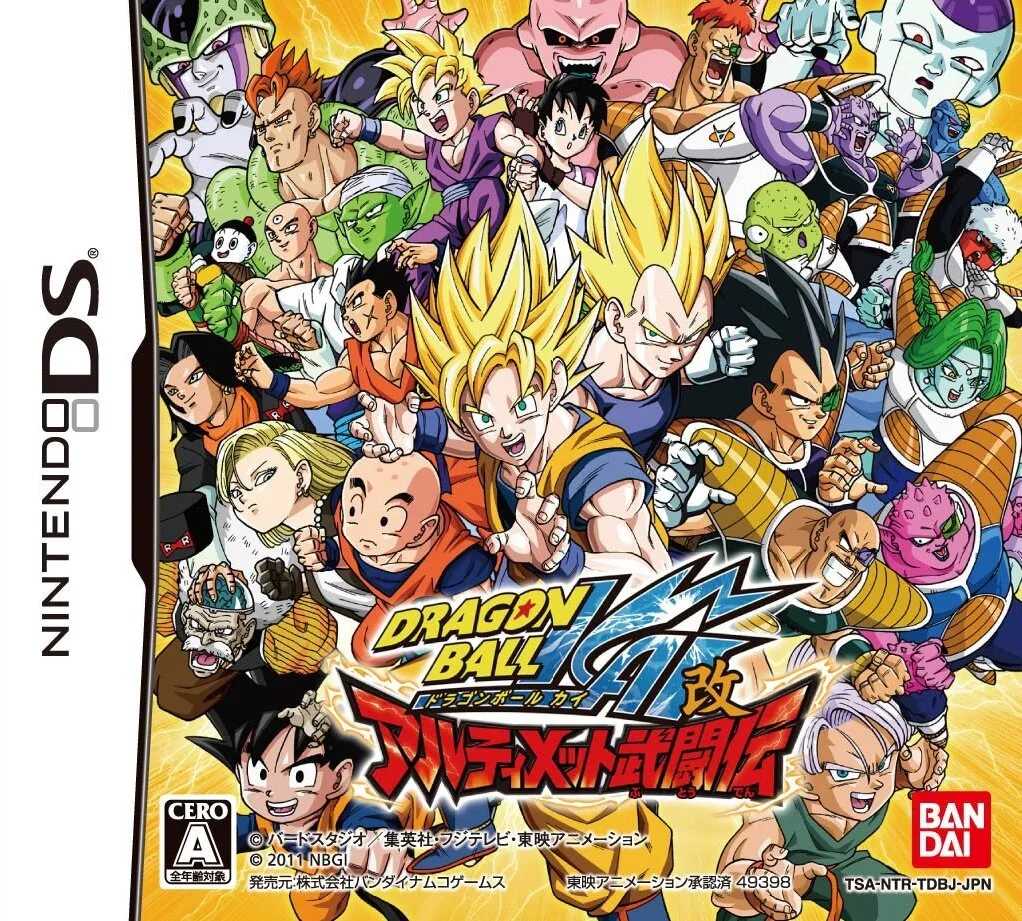
Dragon Ball Kai: Ultimate Butoden
- Developer: Game Republic
- Release Date: February 3, 2011
You probably thought the DS hardware lacked the “oomph” to pull off a technical 3D fighter, didn’t you? Dragon Ball Kai: Ultimate Butoden says otherwise. The combat feels punchy and surprisingly sophisticated for a game that relies on a D-pad and four face buttons. You aren’t just mashing X; you are managing ki, timing teleports, and unleashing super-cinematic ultimates that actually feel heavy. Want to know the best part? The game features a massive roster that spans the entirety of the “Kai” era, giving you plenty of options for your dream matchups. The character models pop with a vibrant cel-shaded aesthetic that squeezed every last drop of power out of those twin screens.
Why It’s Worth Playing: Ultimate Butoden represents the apex of DS graphical fidelity and offers a robust fighting engine that rewards skill over button-mashing. While it stayed locked behind the Japanese border, the menus are intuitive enough that you won't need a degree in linguistics to navigate them. If you crave a portable Dragon Ball experience that prioritizes tight mechanics and deep customization, you cannot skip this import gem.
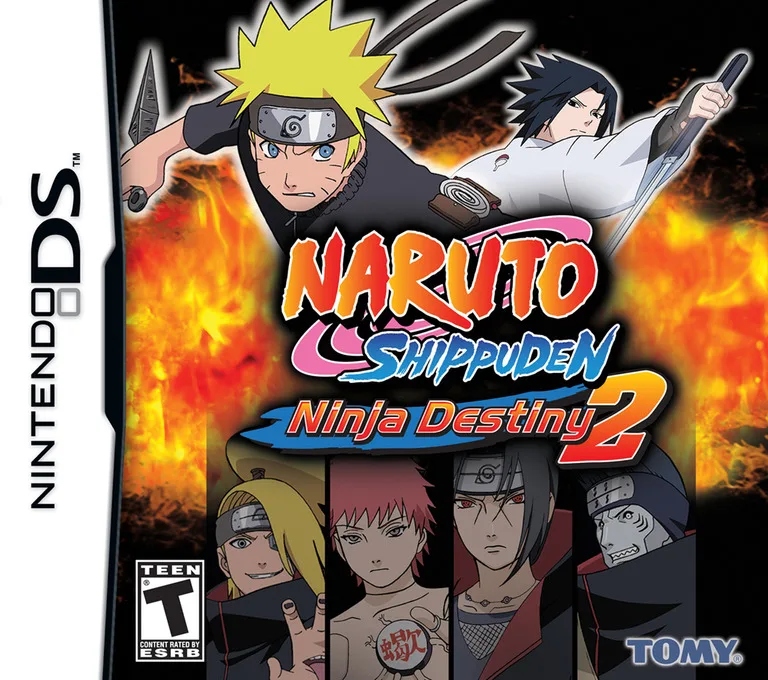
Naruto Shippuden: Ninja Destiny 2
- Developer: Tomy
- Release Date: September 29, 2009
Remember when every anime game felt like a lazy reskin? Naruto Shippuden: Ninja Destiny 2 broke that curse by refining the 3D brawling mechanics of its predecessor into something genuinely addictive. It ditches the fluff and focuses on fast-paced, high-intensity shinobi warfare. The roster jumped to 34 playable characters, which felt like an absolute mountain of content back in 2009. The Quest Mode captures that early Shippuden vibe perfectly, focusing on the search for Sasuke with a sense of urgency. The frame rate stays buttery smooth even when the screen is crawling with clones and elemental jutsu.
Why It’s Worth Playing: Ninja Destiny 2 offers the most polished 3D combat experience for Naruto fans on the DS. Whether you want to pick it up for a five-minute round during your commute or sink an hour into unlocking every hidden ninja, it hits that sweet spot of accessibility and fan service. The sheer variety of Jutsu and the inclusion of a dedicated story mode make it a mandatory pick for anyone who still misses the glory days of the Hidden Leaf Village.
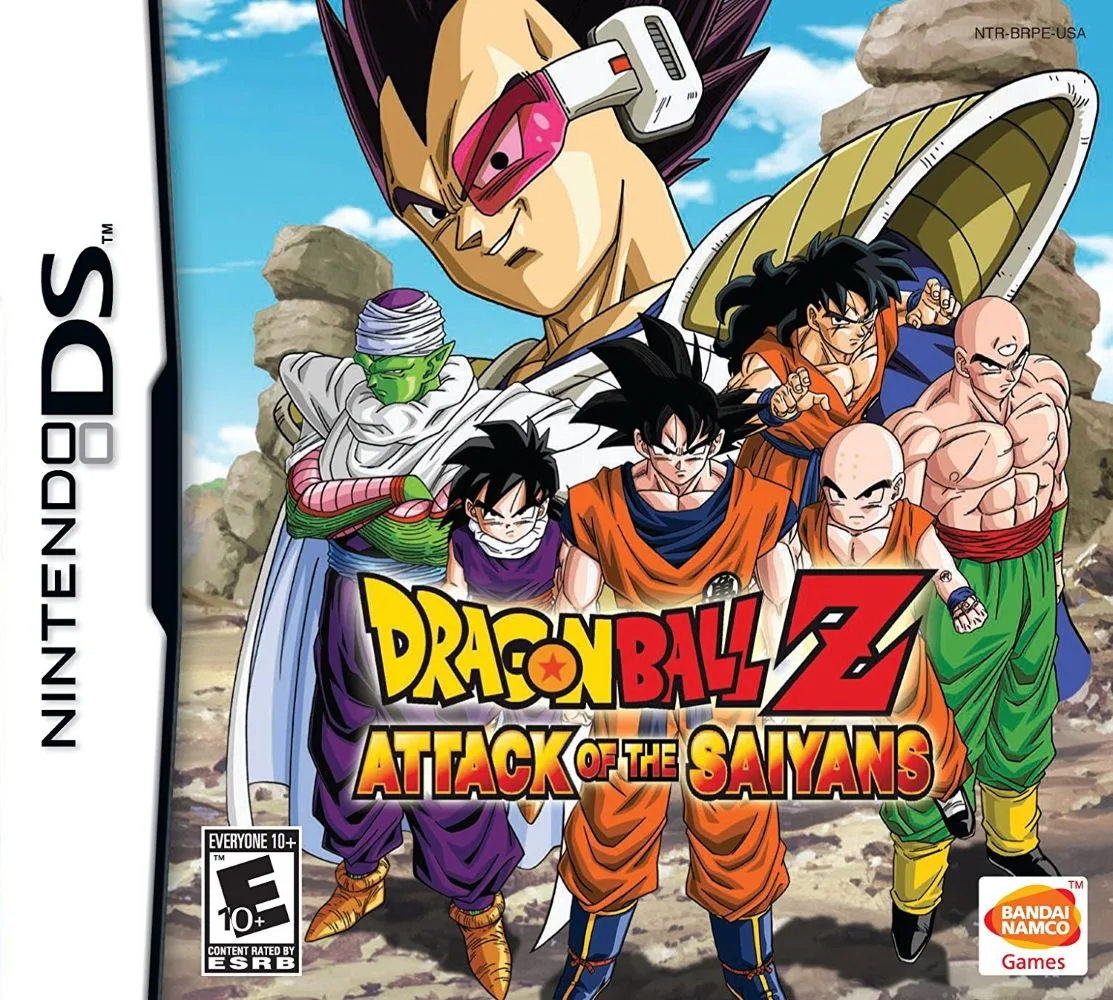
Dragon Ball Z: Attack of the Saiyans
- Developer: Monolith Soft
- Release Date: November 10, 2009
Monolith Soft, the studio behind Xenoblade Chronicles, crafted Dragon Ball Z: Attack of the Saiyans, a turn-based JRPG that is arguably better than most of the mainline fighting games. This game focuses narrowly on the Saiyan Saga, which allows it to flesh out the world and characters with incredible detail.The sprite work here is legendary. Every animation—from Krillin’s Destructo Disc to Tien’s Tri-Beam—looks like it was ripped straight from the cels of the anime. You aren’t just clicking “Attack” repeatedly; you have to manage a synchronization gauge to pull off devastating team attacks. It makes the secondary characters feel useful for once, which is a miracle in the Dragon Ball universe.
Why It’s Worth Playing: Attack of the Saiyans isn't just a licensed cash-in; it’s a masterclass in RPG design that respects the source material. With stunning pixel art and deep gameplay, it provides a rare, high-quality RPG take on the franchise. If you prefer strategic growth and exploration over reflex-heavy fighting, this is the definitive way to experience the dawn of the Z-era.
One Piece: Gigant Battle! 2: Shinsekai
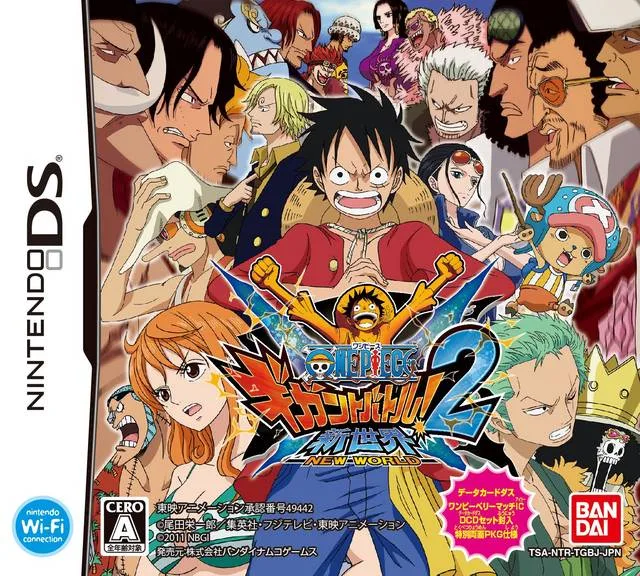
- Developer: Ganbarion
- Release Date: July 1, 2011
Ever wondered what would happen if One Piece crashed into a Super Smash Bros. tournament? One Piece: Gigant Battle! 2: Shinsekai is the answer. This 2D arena brawler features chaotic four-player fights, and you’ve got over 40 playable characters and a staggering 100+ support characters. You aren’t just fighting; you’re interacting with stages that have their own quirks—like dodging falling debris or using environmental hazards to trap your opponents. Ever wanted to see Post-Timeskip Luffy go gear-for-gear against Akainu? The New World campaign mode lets you live out those revenge fantasies across a huge map of the Grand Line.
Why It’s Worth Playing: Gigant Battle! 2: Shinsekai offers an unrivaled blend of platforming, brawling, and tactical support calls ensures that no two matches ever feel the same. While non-Japanese gamers may get lost in translation, you’ll have a blast even if you don't read the dialogue. The sheer volume of fanservice, combined with the refined 2D brawling, makes it easily the best One Piece game on the DS, period.
Dragon Ball Z: Supersonic Warriors 2
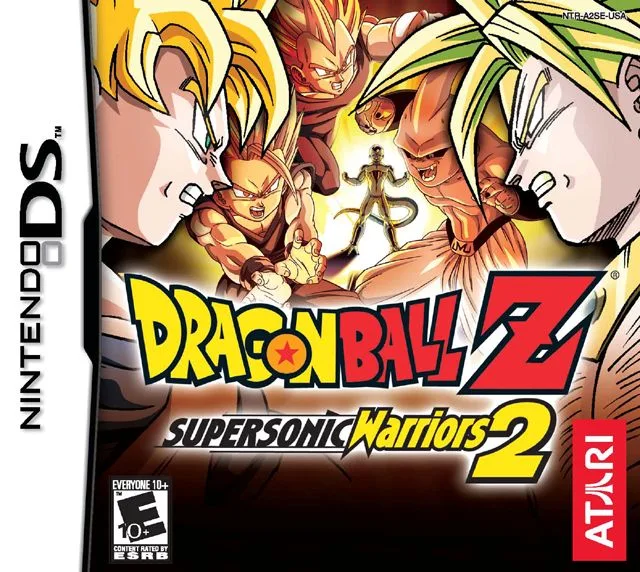
- Developer: Arc System Works
- Release Date: November 20, 2005
Dragon Ball Z: Supersonic Warriors 2 perfected the “aerial combat” style, where you fly freely across massive 2D stages. The “What If” scenarios are the highlight of the single-player experience. Ever want to see Piccolo fuse with King Piccolo to take on Majin Buu? This game lets you explore those alternate timelines in a way that feels like high-quality fan fiction. The team-based mechanics also allow for cool “Ultimate Tag” moves that utilize your entire three-man squad for a single, screen-filling blast. I love the tactical layer of using the bottom screen to swap characters or activate specific abilities, which keeps the top screen clear for the beautiful, pixel-heavy carnage.
Why It’s Worth Playing: Supersonic Warriors 2 is an old-school brawler that still feels fresh because of its unique movement physics. While it’s an early DS title, the sprite work and special effects possess a timeless quality that many 3D games of that era lack. The aerial combat remains unique and incredibly satisfying to master, and it serves as a fascinating look at Arc System Works' early development of DBZ games.
Jump Super Stars
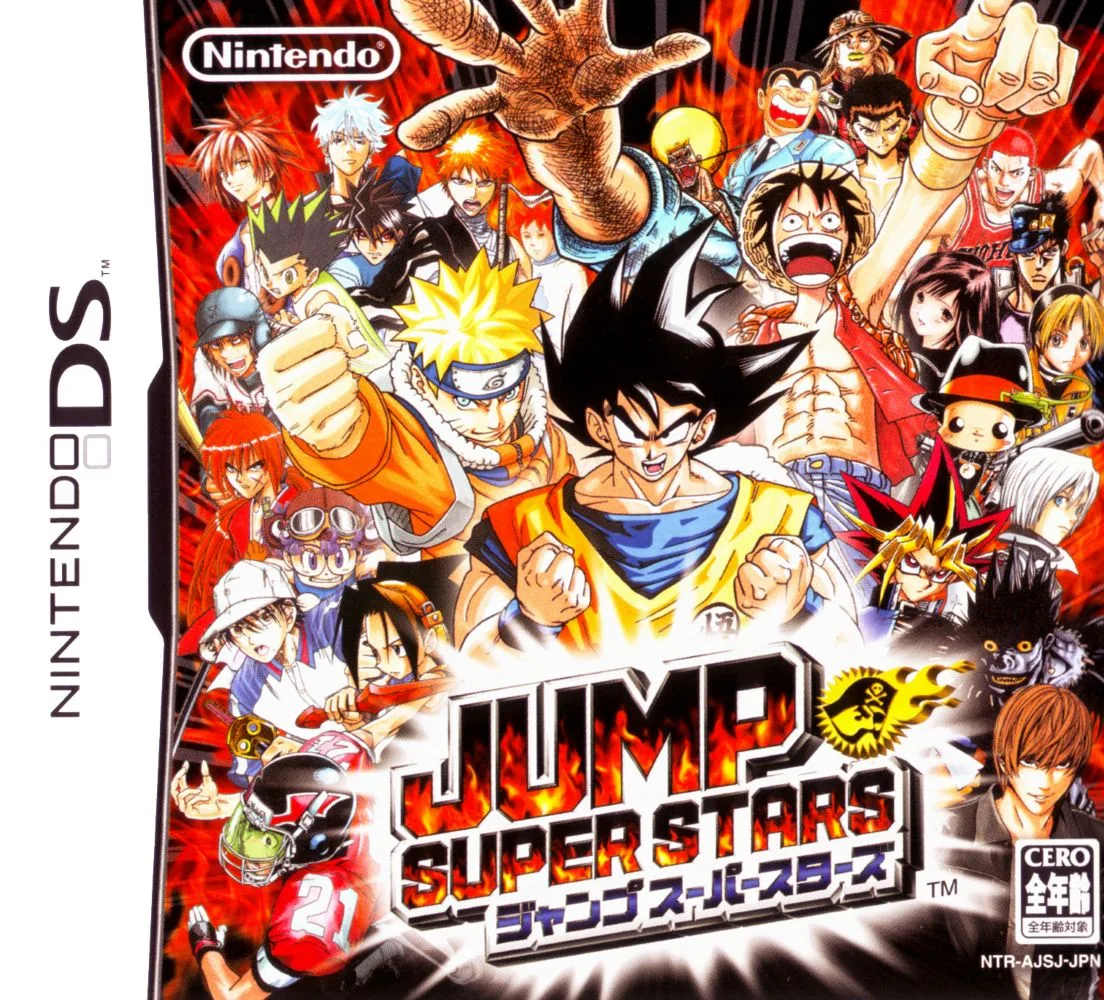
- Developer: Ganbarion
- Release Date: August 8, 2005
Jump Super Stars brought together the heavy hitters of Weekly Shonen Jump in a way that made our collective heads explode. We’re talking Luffy, Naruto, and Goku sharing the same screen long before it was a common occurrence. The genius of this title lies in the Koma system. You don’t just pick a character; you literally build a manga page on your bottom screen using different sized panels. A 1-panel Koma might be a simple health buff, while a 5-panel Koma transforms into a fully playable fighter. It’s like a deck-building game mixed with a frantic brawler, and it works flawlessly.
Why It’s Worth Playing: Jump Super Stars offers a unique strategic layer to the brawler genre that you won't find anywhere else. Even if you don't speak a lick of Japanese, the Tetris-style team building is addictive enough to keep you hooked for weeks. It’s a throwback to manga culture that treats every franchise with an immense amount of respect.
Naruto: Path of the Ninja
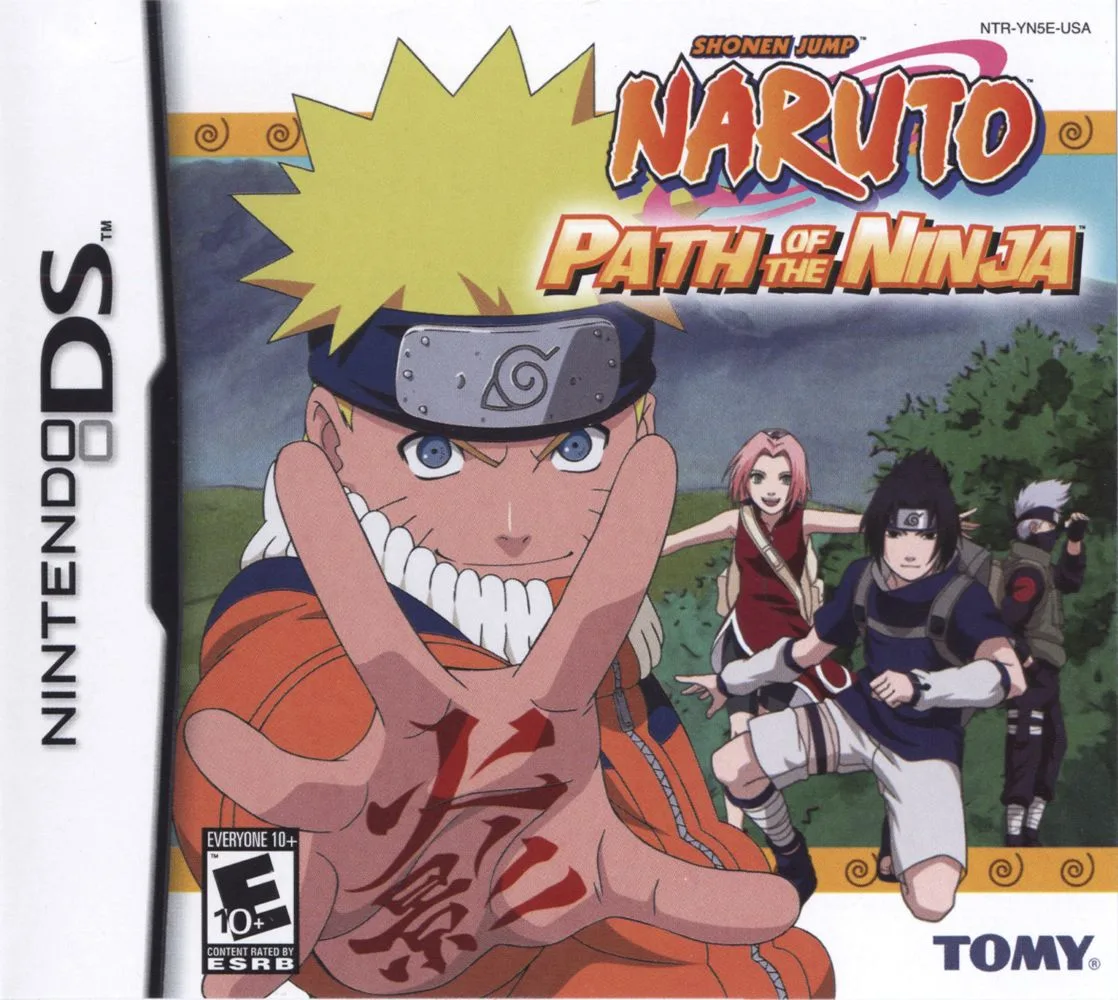
- Developer: TOSE
- Release Date: November 13, 2007
While most Naruto games were busy trying to be the next Tekken, Naruto: Path of the Ninja took a detour into the world of classic turn-based JRPGs. It covers the Land of Waves and the Chunin Exams, giving you a nostalgic trip back to when the series was about scrappy underdogs and clever strategy rather than overpowered ninjas. The combat uses a grid-based system where positioning actually matters. You can move your characters around to avoid area-of-effect attacks or to get in close for a devastating Rasengan. The pixel art is vibrant, and the soundtrack features some surprisingly catchy renditions of the anime’s themes.
Why It’s Worth Playing: Path of the Ninja is a charming and substantial adventure that captures the heart of the original series. It’s a rare turn-based take on the Naruto universe that prioritizes strategy over reflexes. This is the perfect game for a rainy afternoon when you just want to grind some levels and relive the glory days.
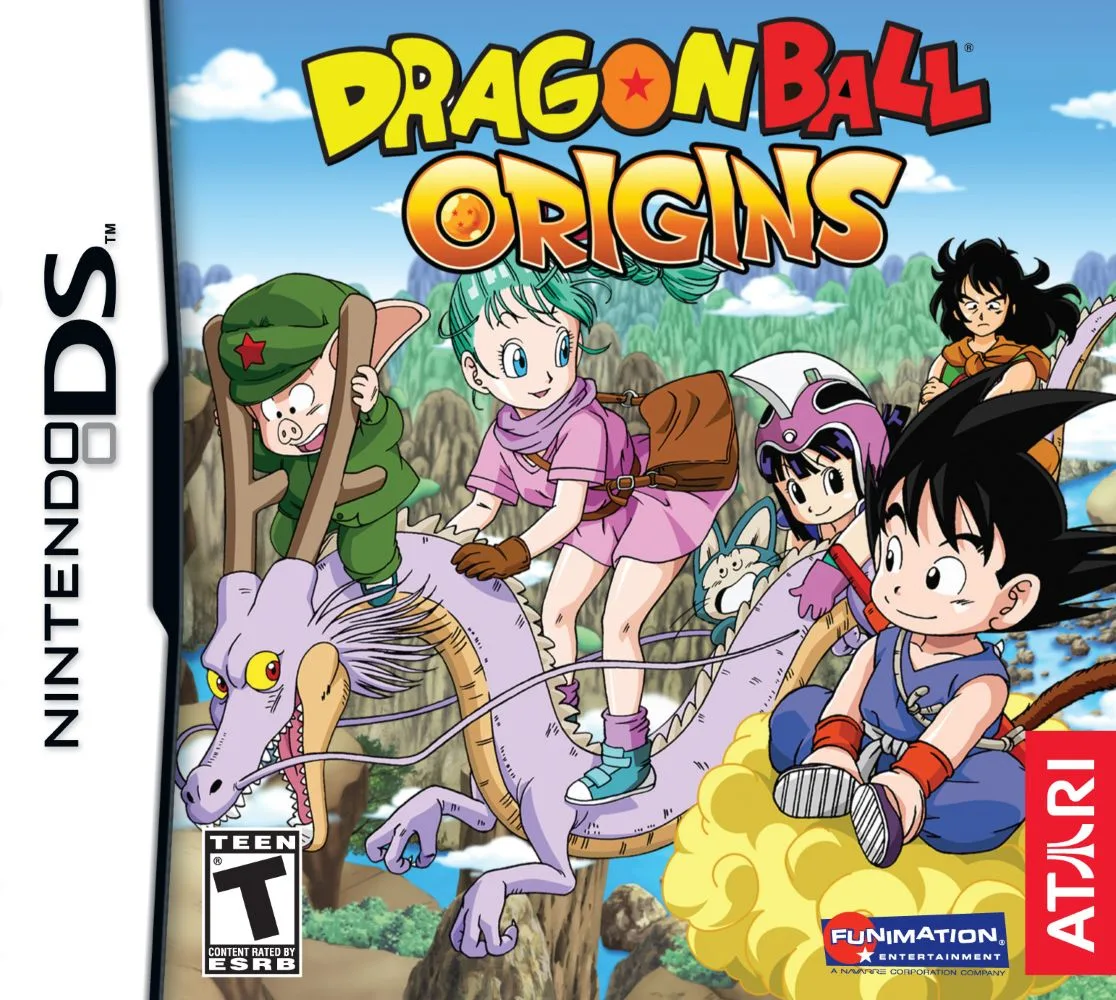
Dragon Ball Origins
- Developer: Game Republic
- Release Date: November 4, 2008
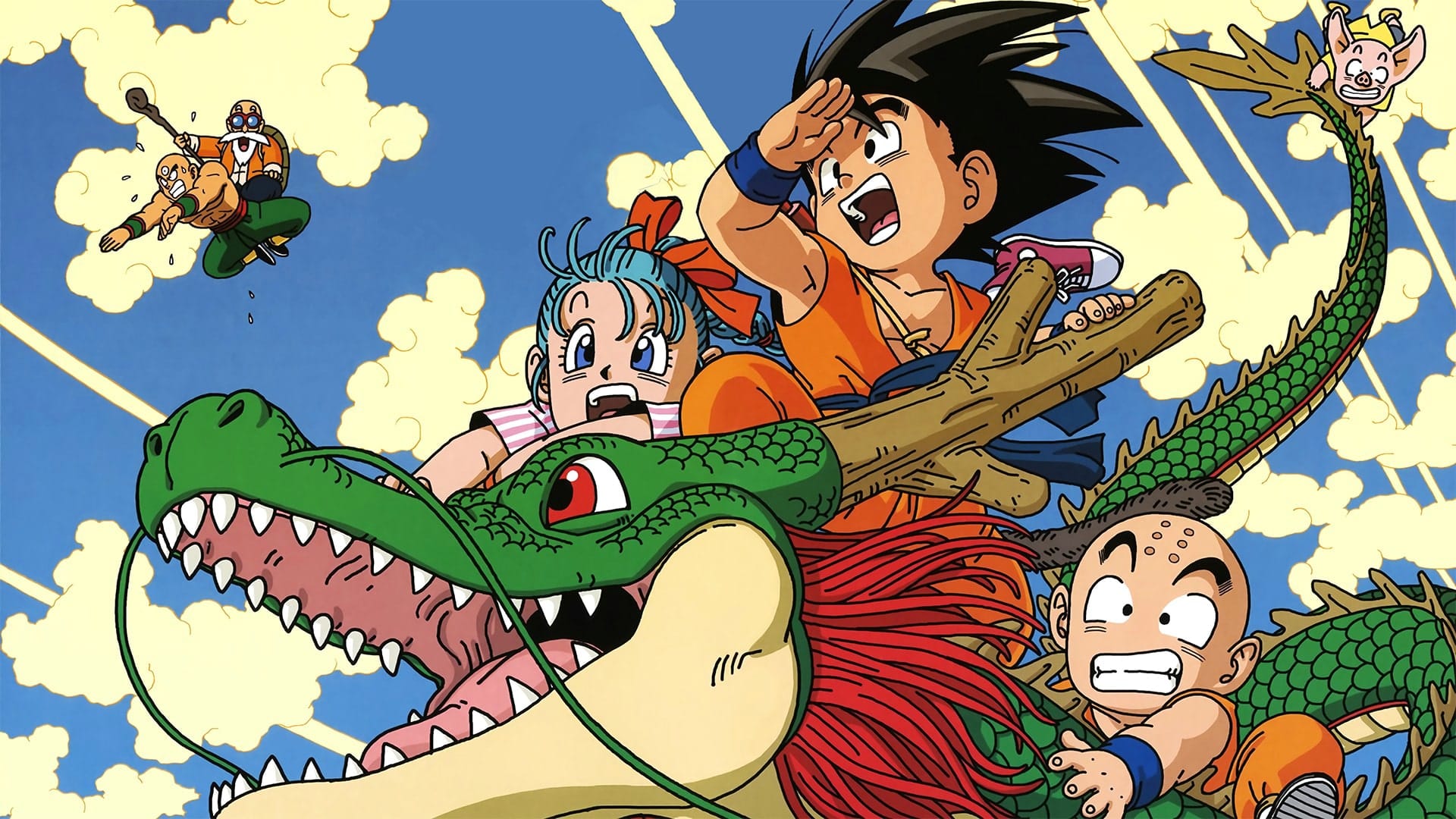
Before the world was obsessed with power levels and Super Saiyan transformations, Dragon Ball was a goofy adventure about a boy with a tail. Dragon Ball Origins captures that Early Dragon Ball charm perfectly. You control Goku almost entirely with the stylus, tapping to move, swiping to swing your Power Pole, and drawing circles to charge up a Kamehameha. It sounds gimmicky, but the precision of the touch controls is actually impressive. The puzzles are clever, and the boss fights require you to actually think rather than just mash buttons. The 3D presentation is surprisingly ambitious for the DS, featuring fully voiced cutscenes and expressive character models.
Why It’s Worth Playing: Dragon Ball Origins is one of the few games that reminds us that Goku used to be a curious kid exploring a weird world, rather than just a muscle-bound warrior. It offers a unique control scheme and a focus on exploration that most Dragon Ball games ignore. If you have a soft spot for the original series' humor and sense of wonder, this is a must-play.
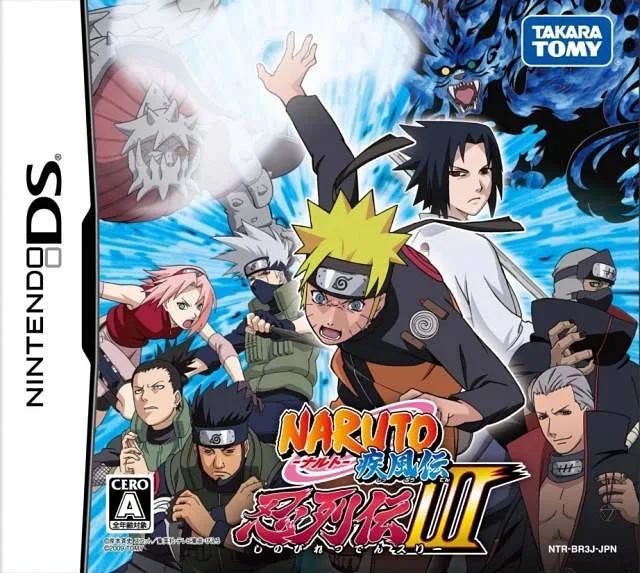
Naruto Shippuden: Ninja Destiny 3 (Shinobi Retsuden III)
- Developer: Tomy
- Release Date: April 28, 2009
Ever felt like the DS screens were too small for a Kaiju fight? Naruto Shippuden: Ninja Destiny 3 (known in Japan as Shinobi Retsuden III) proves they weren’t. It introduces the Beast battles, where you take on massive opponents like the Three-Tailed Giant Turtle. The fighting engine received a significant overhaul, adding a “Wall Run” mechanic that makes the stages feel more three-dimensional. You aren’t just stuck on a flat plane; you’re zipping around like an actual ninja. The roster is updated to include the Akatsuki members, and playing as Itachi on the DS feels just as broken (and fun) as you’d expect. For some reason, the publishers decided the West didn’t need this one, which is a total tragedy.
Why It’s Worth Playing: Ninja Destiny 3 is the "lost" masterpiece of the Ninja Destiny trilogy. With punchy Jutsu animations and smooth frame rate never hitches, it represents the technical peak of 3D Naruto games on the handheld. The inclusion of giant boss battles and refined movement mechanics makes it one the best 3D fighters on the system, period.
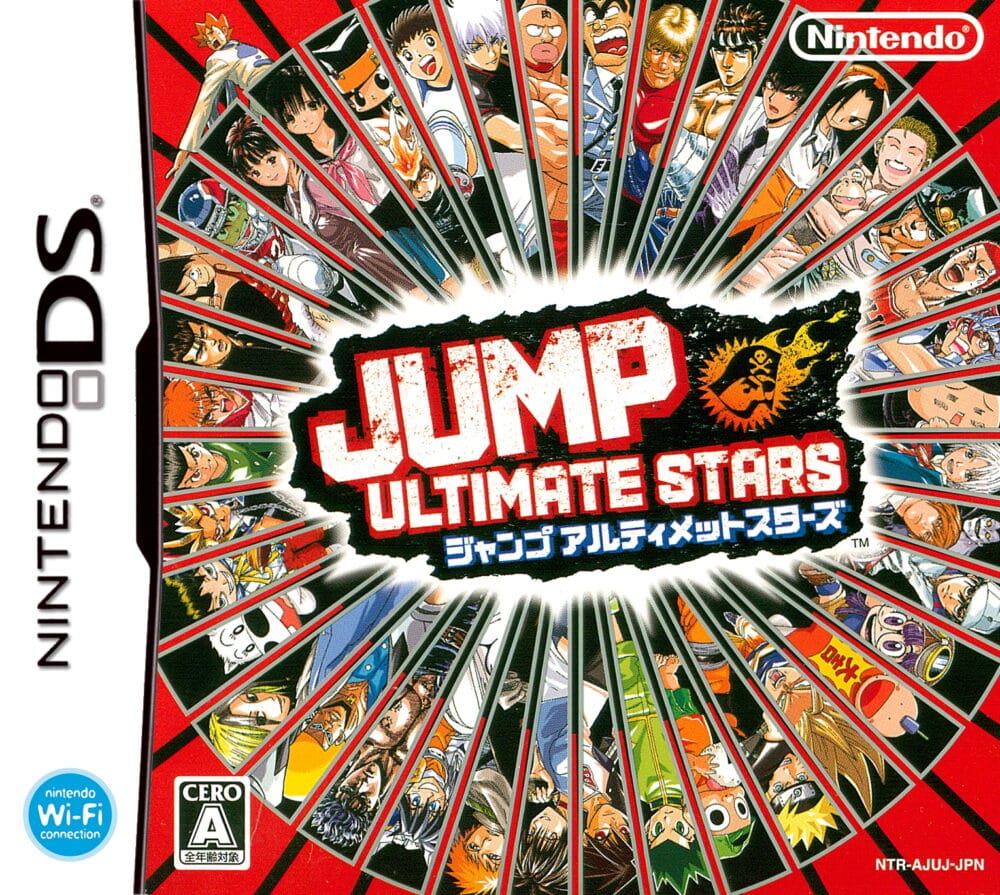
Jump Ultimate Stars
- Developer: Ganbarion
- Release Date: November 23, 2006
If Jump Super Stars was a proof of concept, Jump Ultimate Stars is the finished masterpiece. They took everything that worked in the first game and dialed it up to twelve. We went from 27 playable characters to 56, and the total roster (including supports) ballooned to over 300. It’s absolute insanity. Even without an official Western release, the competitive scene was huge. The Koma system returned but was much deeper, allowing for “Evolution Paths” where you could upgrade your favorite characters into stronger versions of themselves. The sprite work is some of the best on the entire system, and the sheer amount of content is staggering.
Why It’s Worth Playing: Jump Ultimate Stars is arguably the greatest crossover game ever made. You could play this for a hundred hours and still find new character interactions. The depth of the team-building and the massive variety of playstyles makes it an essential title for any anime fan with a DS.
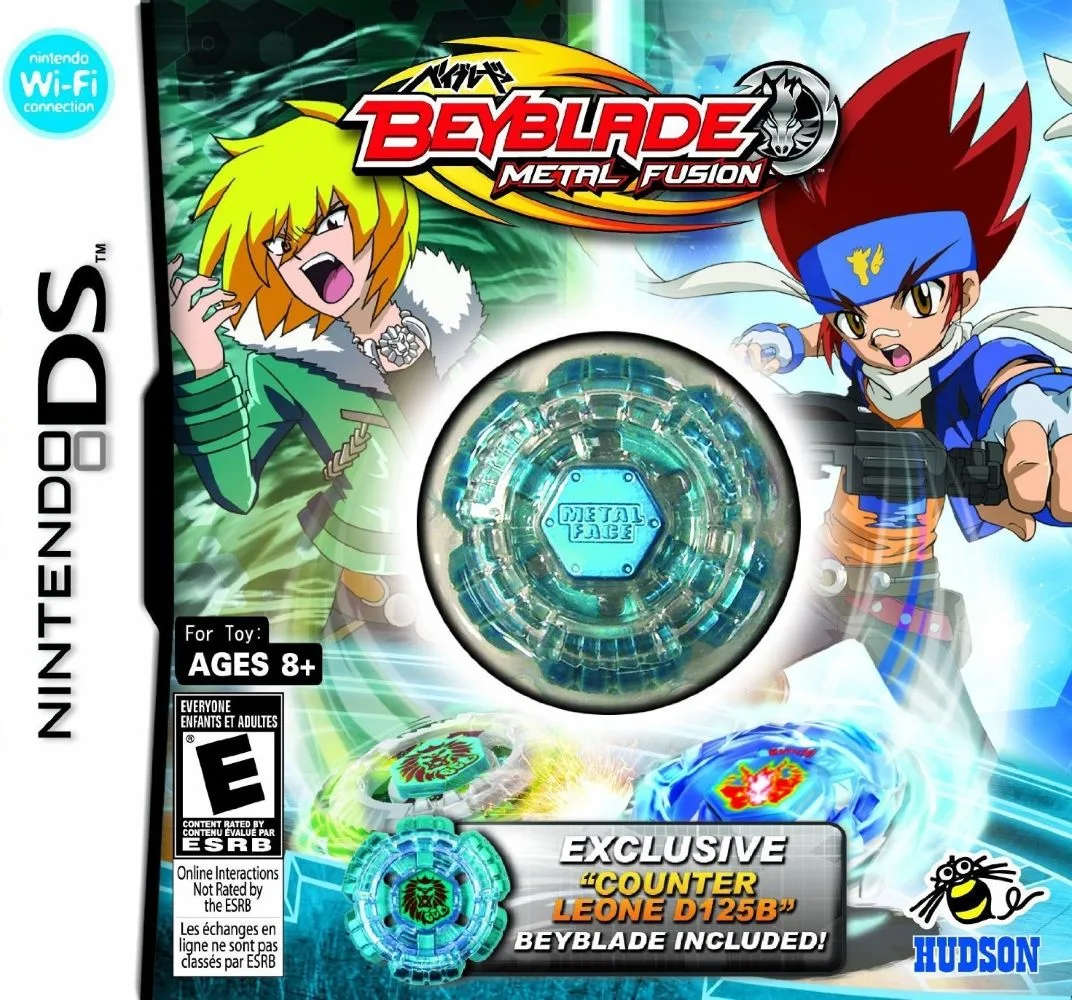
Beyblade Metal Fusion
- Developer: Hudson Soft
- Release Date: November 9, 2010
Beyblade Metal Fusion brings the high-velocity spinning action to the DS without the risk of property damage. It isn’t just a simple “spin and hope” simulator; it uses the touch screen to let you control the trajectory and intensity of your attacks in real-time. The customization is surprisingly granular. You can swap out Face Bolts, Energy Rings, and Fusion Wheels to balance your Bey for stamina, defense, or pure aggression. It’s like a miniature mechanical RPG where the grind actually pays off in the stadium. The Cyber Pegasus storyline is standard anime fare, but the gameplay loop of winning parts and climbing the ranks is genuinely addictive.
Why It’s Worth Playing: Beyblade Metal Fusion offers a tactile and strategic take on the toy franchise. The deep customization options and physics-based combat provide a level of engagement that goes far beyond a simple licensed tie-in. It’s a niche title, but for fans of the show, it hits all the right notes.
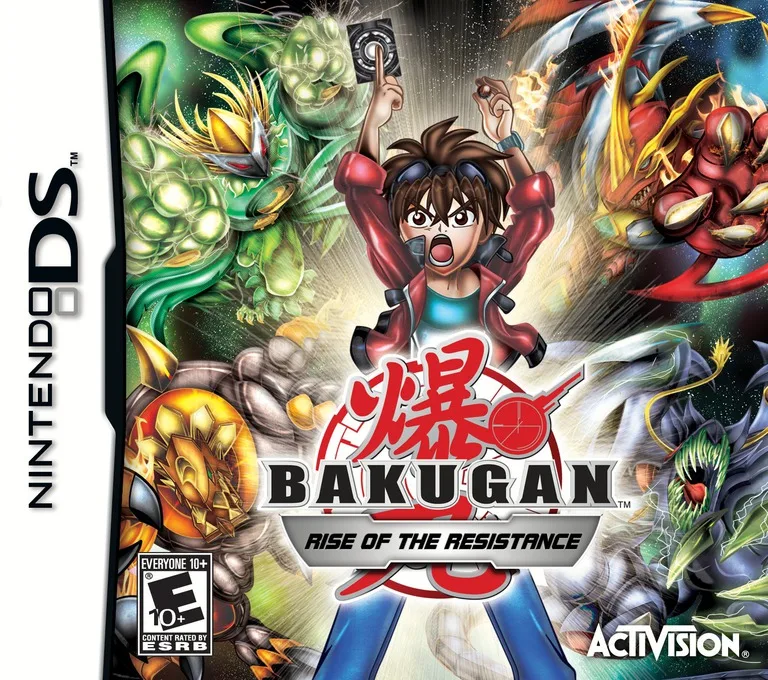
Bakugan: Rise of the Resistance
- Developer: Now Production
- Release Date: September 20, 2011
Most Bakugan games try to mimic the complex rules of the tabletop game, but Rise of the Resistance pivots toward a mix of tower defense and real-time strategy. It’s a bold move that actually pays off, making the battles feel much more grand in scale. You aren’t just tossing a ball; you are managing a battlefield. You take control of Dan or other brawlers to defend various territories from the Vexos. The variety of Bakugan you can deploy is impressive, and each one feels distinct in terms of how they control the field. The visuals are clean, and the game manages to handle several units on screen without the DS choking. It’s a bit of a “hidden gem” because it deviates so much from the standard formula
Why It’s Worth Playing: Rise of the Resistance successfully blends strategy and action in a way that feels unique to the DS library. It forces you to think about positioning and timing, rather than just relying on the highest G-power. It’s perfect for fans who want to see their favorite monsters used in a more tactical, large-scale environment.
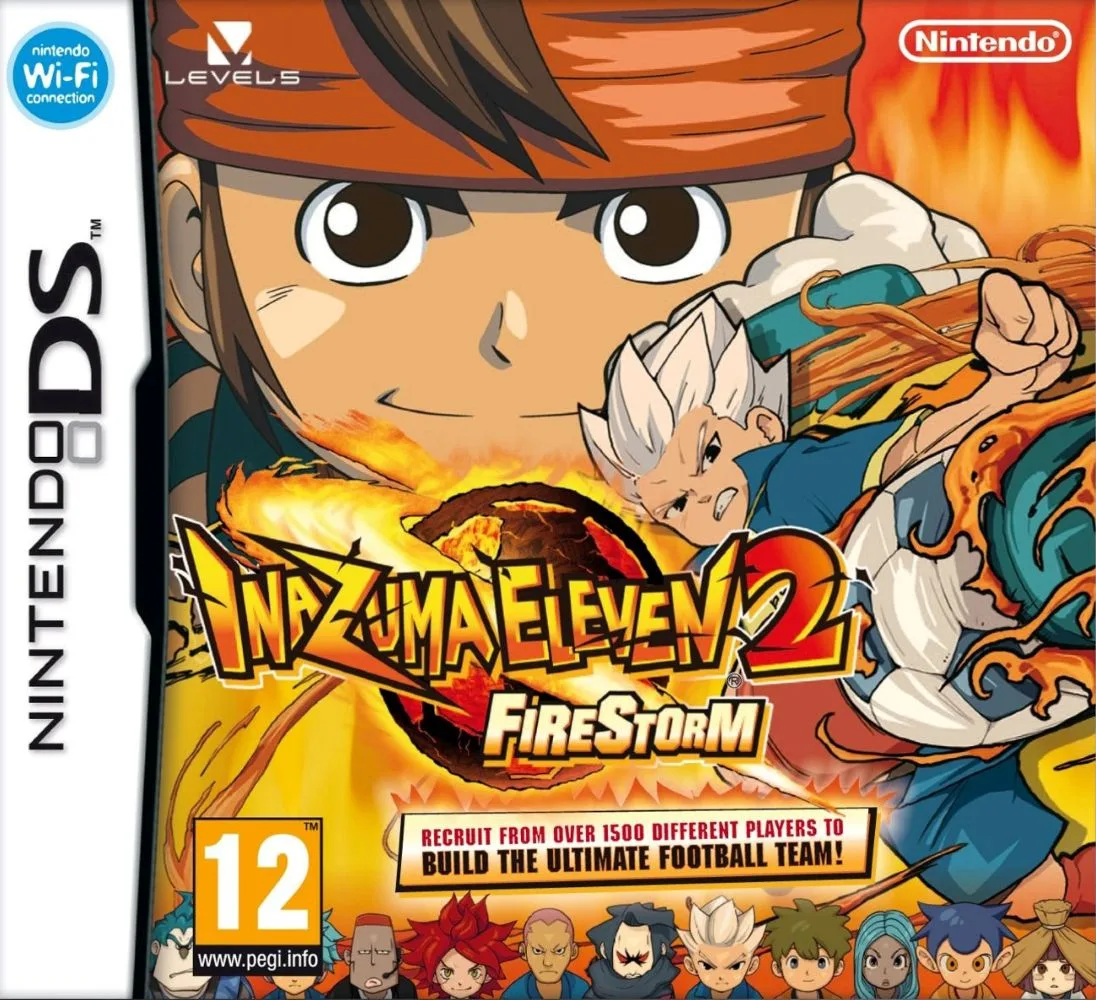
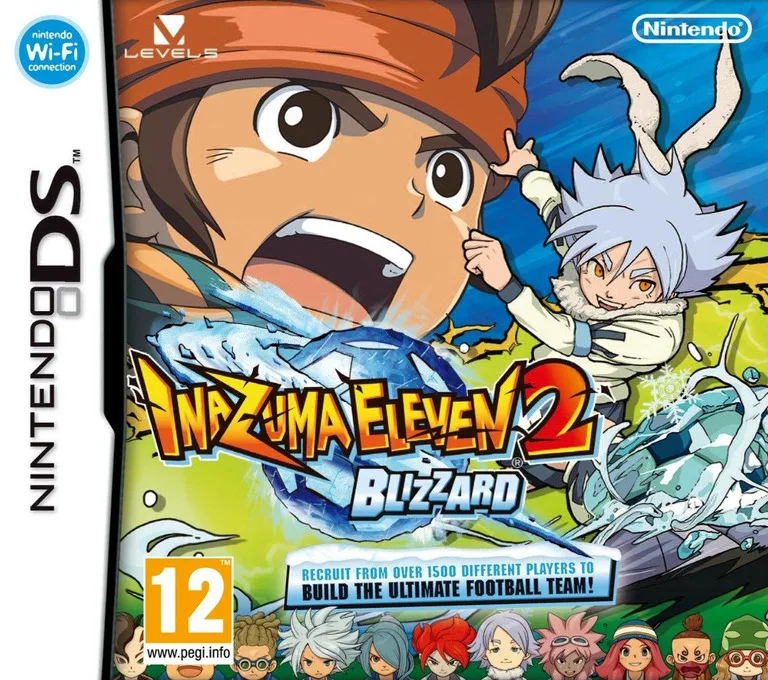
Inazuma Eleven 2 (Firestorm/Blizzard)
- Developer: Level-5
- Release Date: October 1, 2009
Inazuma Eleven 2 is essentially a soccer-themed JRPG where you travel across Japan in a lightning-bolt-shaped bus to stop aliens from destroying schools. It sounds ridiculous because it is, and that’s why it’s incredible. You play the matches entirely with the stylus, drawing paths for your players to run and tapping to pass or shoot. When two players collide, it triggers a cinematic battle where you choose a special move—like summoning a giant hand or a literal fire tornado. The production value is sky-high, featuring gorgeous anime cutscenes and a soundtrack that will live in your head rent-free.
Why It’s Worth Playing: Inazuma Eleven 2 is one of the best sports games on the DS. The recruitment system is deep enough to rival any monster-catcher, and the stylus-driven soccer matches are unlike anything else in gaming. If you love a good underdog story with a touch of fantasy, you need this in your life.
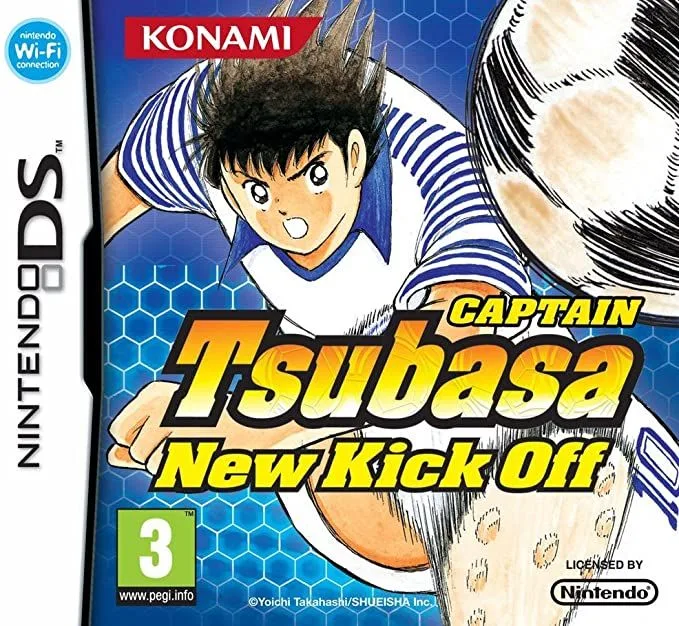
Captain Tsubasa: New Kick Off
- Developer: Konami
- Release Date: May 20, 2010
While Inazuma Eleven is about fighting aliens, Captain Tsubasa: New Kick Off is about the sheer drama of high school soccer. This game celebrates the 30th anniversary of the series, and it does so with a combat system that feels more like a tactical RPG than a sports sim. Everything stops when you reach an opponent, giving you a menu of options based on your stats. The New Hero mode is where the meat of the game lies. You follow Tsubasa’s journey, and the game does a fantastic job of recreating those melodramatic anime moments where a single kick takes half an episode to land. The cinematic shots of the “Drive Shot” or the “Twin Shot” are pure fanservice that never gets old.
Why It’s Worth Playing: Captain Tsubasa: New Kick Off captures the intensity and nostalgia of the classic anime perfectly. The tactical gameplay offers a thoughtful alternative to frantic arcade sports games, rewarding fans who know their lore and their stats. It’s a rhythmic, thoughtful sports game that prioritizes the spirit of the manga over arcade speed.
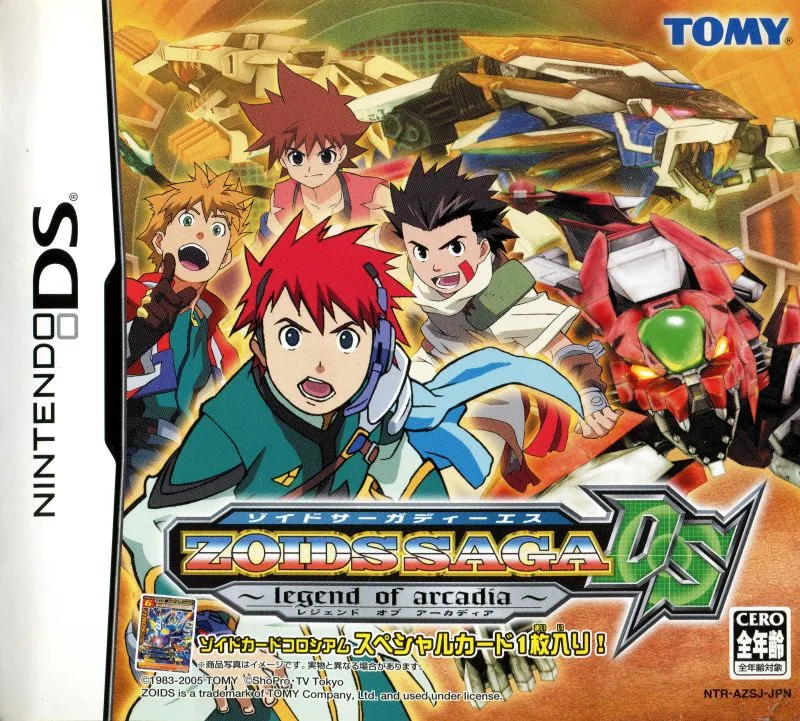
Zoids Saga DS: Legend of Arcadia
- Developer: Takara Tomy
- Release Date: December 1, 2005
Zoids Saga DS: Legend of Arcadia is a massive crossover JRPG that pulls characters and mecha from every corner of the Zoids universe. The customization is the real star here. You can collect hundreds of different Zoids and swap out their weaponry, upgrade their cores, and refine their stats. Seeing a fully kitted-out Liger Zero in high-quality pixel art is a treat that never loses its luster. The battles are turn-based and require a good deal of grinding, but for a mecha head, that’s just part of the charm. It’s a shame this one never saw a Western release, but the menus are relatively straightforward if you’ve played any RPG before.
Why It’s Worth Playing: Legend of Arcadiaisa deep, crunchy, and rewarding experience for anyone who likes their robots with teeth. The level of customization and the massive roster of mechs make it a dream come true for anyone who grew up building the plastic models. The sheer volume of fan service content for anyone who grew up watching the different anime series makes it the definitive Zoids experience on a handheld.
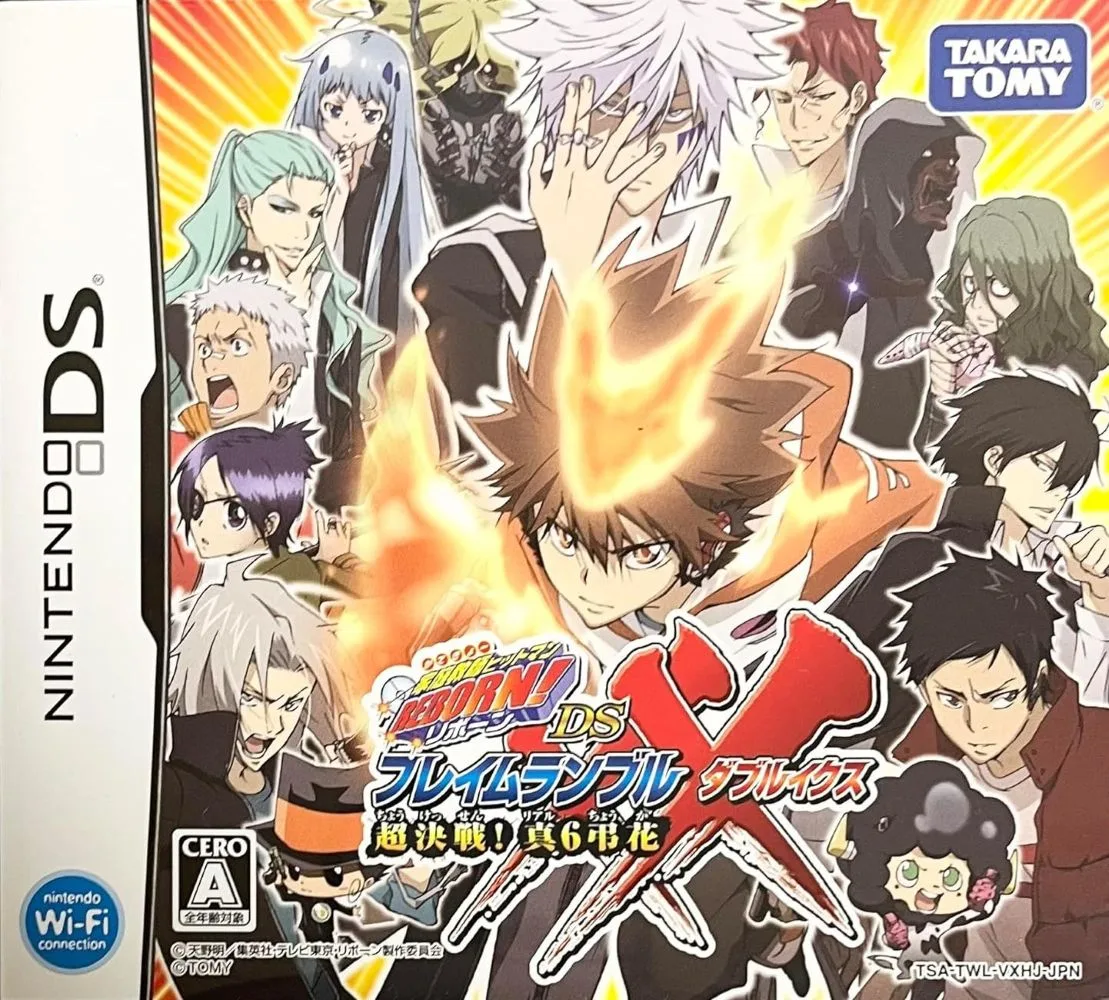
Katekyoo Hitman Reborn! DS Flame Rumble XX
- Developer: Takara Tomy
- Release Date: July 22, 2010
Katekyoo Hitman Reborn! DS Flame Rumble XX is the absolute peak of the Flame Rumble series, and man, it goes hard. It features a staggering 100 characters (including assists), covering everything up to the Future Final Battle arc. The combat feels incredibly fluid, focusing on “Fiamma Voltage” to unleash massive special attacks. While it’s a bit of a tragedy that this series never got a Western localization, the fighting mechanics are so intuitive that you’ll be pulling off high-level combos in no time. FYI, the “XX” in the title stands for the sheer amount of content packed into this tiny cartridge. 🙂
Why It’s Worth Playing: DS Flame Rumble XX is one of the fastest 2D fighters on the handheld, offering a massive roster and flashy visuals that rival console games. The sprites are crisp, and the action is so fast it’ll make your head spin. For fans of the series, the level of fanservice and technical depth makes it the definitive way to experience the Vongola's power on the go.
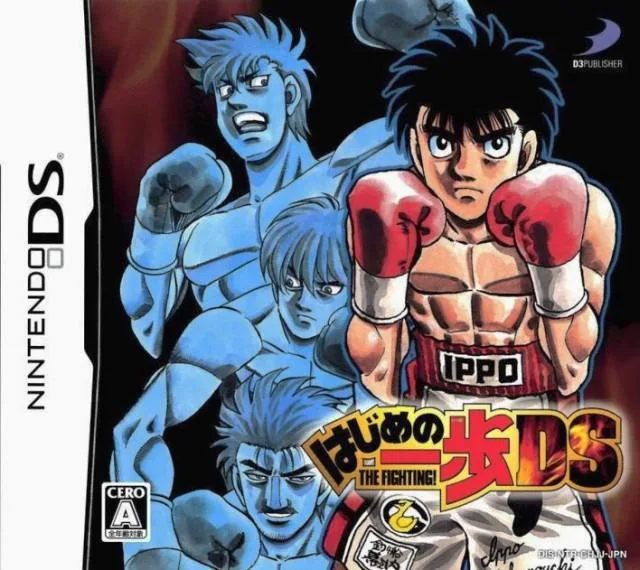
Hajime No Ippo: The Fighting!
- Developer: ESP Software
- Release Date: December 4, 2008
Boxing games on the DS are a bit of a rarity, but Hajime No Ippo: The Fighting! proves that the hardware was a perfect fit for the squared circle. Instead of a typical side-on view, this game uses a behind-the-back perspective that makes every punch feel personal. You use the stylus and buttons to weave, bob, and land that iconic Dempsey Roll. What makes this special is how it translates the anime’s high-stakes drama into gameplay. When Ippo takes a heavy hit, the screen shakes and the audio gets muffled, making you feel the impact. The story mode is a fantastic journey through the manga’s early arcs, and the character portraits are expressive and stay true to the art style.
Why It’s Worth Playing: Hajime No Ippo: The Fighting! offers a visceral and unique perspective on the boxing genre. It’s a rhythmic, intense experience that makes you feel like you’re in the underdog story of the century. The way it captures the "soul" of the anime through its mechanics makes it a standout title for anyone who loves a good sports drama.
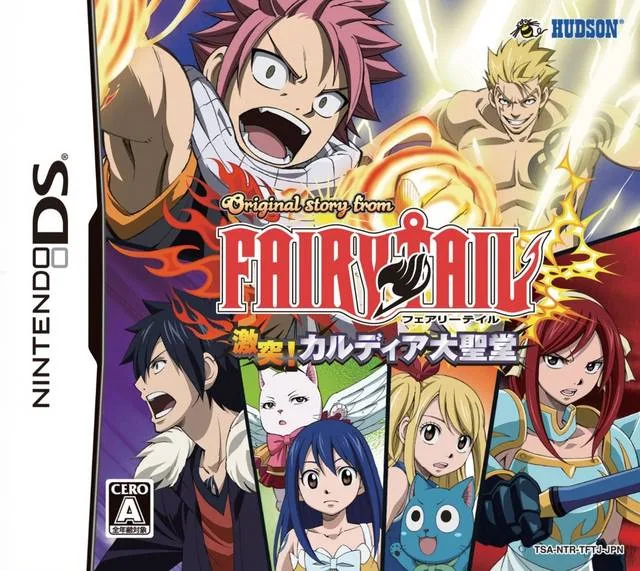
Fairy Tail Gekitou! Kardia Daiseidou
- Developer: Hudson Soft
- Release Date: April 21, 2011
Released during the height of the Fairy Tail craze, Fairy Tail Gekitou! Kardia Daiseidou is a four-player brawler that feels like a spiritual successor to the Jump games. Based on the “Battle of Fairy Tail” arc, you can smash through destructible environments, and you can bring in support characters to interrupt your opponent’s flow or help you recover from a knockdown. The sprite work is surprisingly detailed, and the stages are filled with hazards and power-ups that keep the momentum shifting constantly. Many fans outside Japan missed out on it, but it’s remarkably easy to pick up and play without knowing a word of Japanese.
Why It’s Worth Playing: Kardia Daiseidou is the best way to experience Fairy Tail's chaotic energy on the go. It’s loud, it's colorful, and it's exactly the kind of chaos you'd expect from the rowdiest guild in Magnolia. The focus on four-player brawling makes it a perfect pick for fans who enjoy the frantic pace of games like Super Smash Bros.
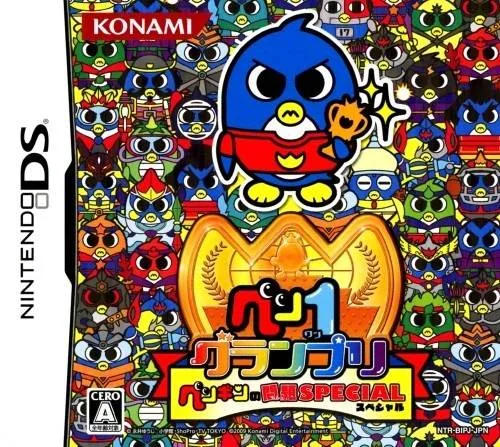
Pen 1 Grand Prix: Penguin no Mondai Special
- Developer: Konami
- Release Date: December 17, 2009
Based on the gag manga/anime Penguin no Mondai, Pen 1 Grand Prix is one of the most bizarrely addictive games on the DS. It’s an action-adventure game with a deep focus on customizing your penguin with various “parts” that change your stats and abilities. You explore a vibrant world, taking on quests and battling other penguins in real-time combat. The humor is off-the-wall, and the game doesn’t take itself seriously at all. It’s a great example of how the DS library was filled with unique, high-quality titles that never left Japan.
Why It’s Worth Playing: Pen 1 Grand Prix is a whimsical and surprisingly deep adventure that offers a level of customization you won't find anywhere else. The controls are tight, the visuals are charming, and the customization system is deeper than many "serious" RPGs. If you want something that’s genuinely different and full of personality, this penguin is your man.
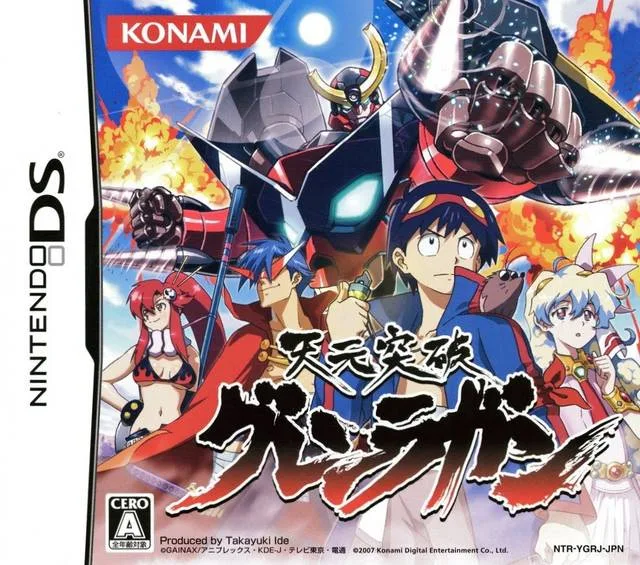
Tengen Toppa Gurren Lagann
- Developer: Konami
- Release Date: October 25, 2007
Finally, we cap off our list with a game that encourages you to fight the power! Tengen Toppa Gurren Lagann on the DS is a high-octane action game that uses the stylus to simulate drilling. Yes, you literally use the touch screen to spin your drill and destroy your enemies. The game follows the plot of the first half of the series, featuring incredible 2D artwork and cutscenes that look like they were ripped straight from the TV broadcast. The boss fights are massive in scale, requiring you to find weak points and exploit them with well-timed stylus swipes. One of the coolest features is the inclusion of an exclusive OVA episode on the cartridge, which was a huge deal for fans at the time.
Why It’s Worth Playing: Gurren Lagann on the DS is built with immense love for the source material, and it remains one of the best examples of how to adapt a high-energy anime to a handheld format. It’s tactile, satisfying, and features unique stylus-driven combat that makes you feel the power of the Drill. For fans of Simon and Kamina, this is an essential piece of Gurren Lagann history that still feels great to play today.
Conclusion
Remember the first time you saw a Nintendo DS ad and thought it was a gimmick? Fast forward a few years, and now gamers are importing Japanese cartridges just to see Goku and Luffy throw down in glorious 2D. Looking back, it’s wild to realize just how much heavy lifting that little handheld did for the anime community.
Whether you were obsessively building the perfect manga panel team in Jump Ultimate Stars or drawing fire tornados in Inazuma Eleven, these games offered a level of interaction you just couldn’t find anywhere else. So, which of these classics are you going to fire up first? Whatever you choose, you’re diving into a golden age of gaming that we’ll likely never see again.

At HyperComboGamer, we believe great games deserve great coverage. That means no filler, no clickbait, or fanboyism—just honest, high-quality reviews, features, and guides that put gamers first. Whether you’re a lifelong enthusiast or just starting your gaming journey, you’ll find interesting gaming perspectives that will leave you fully satisfied.