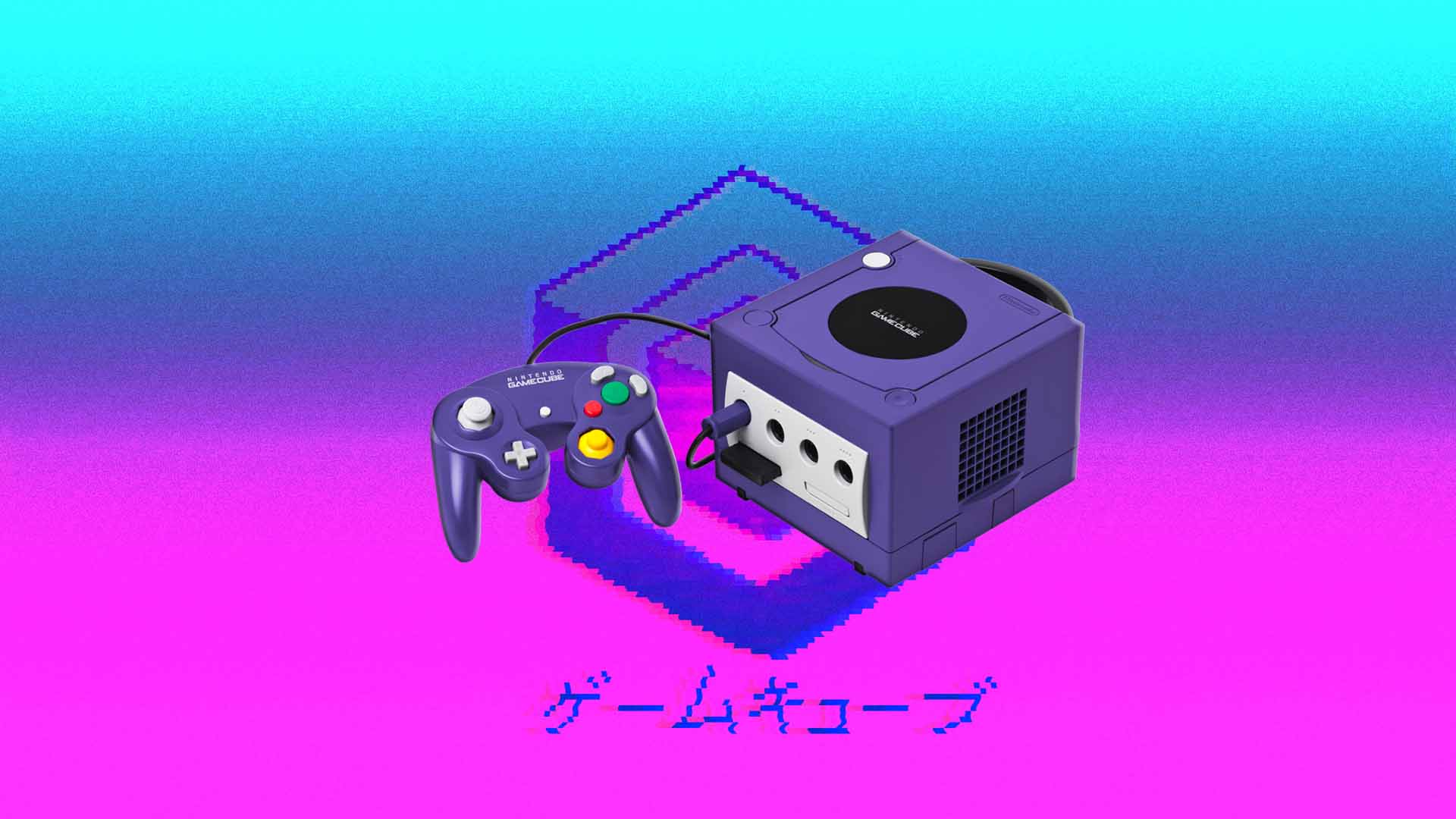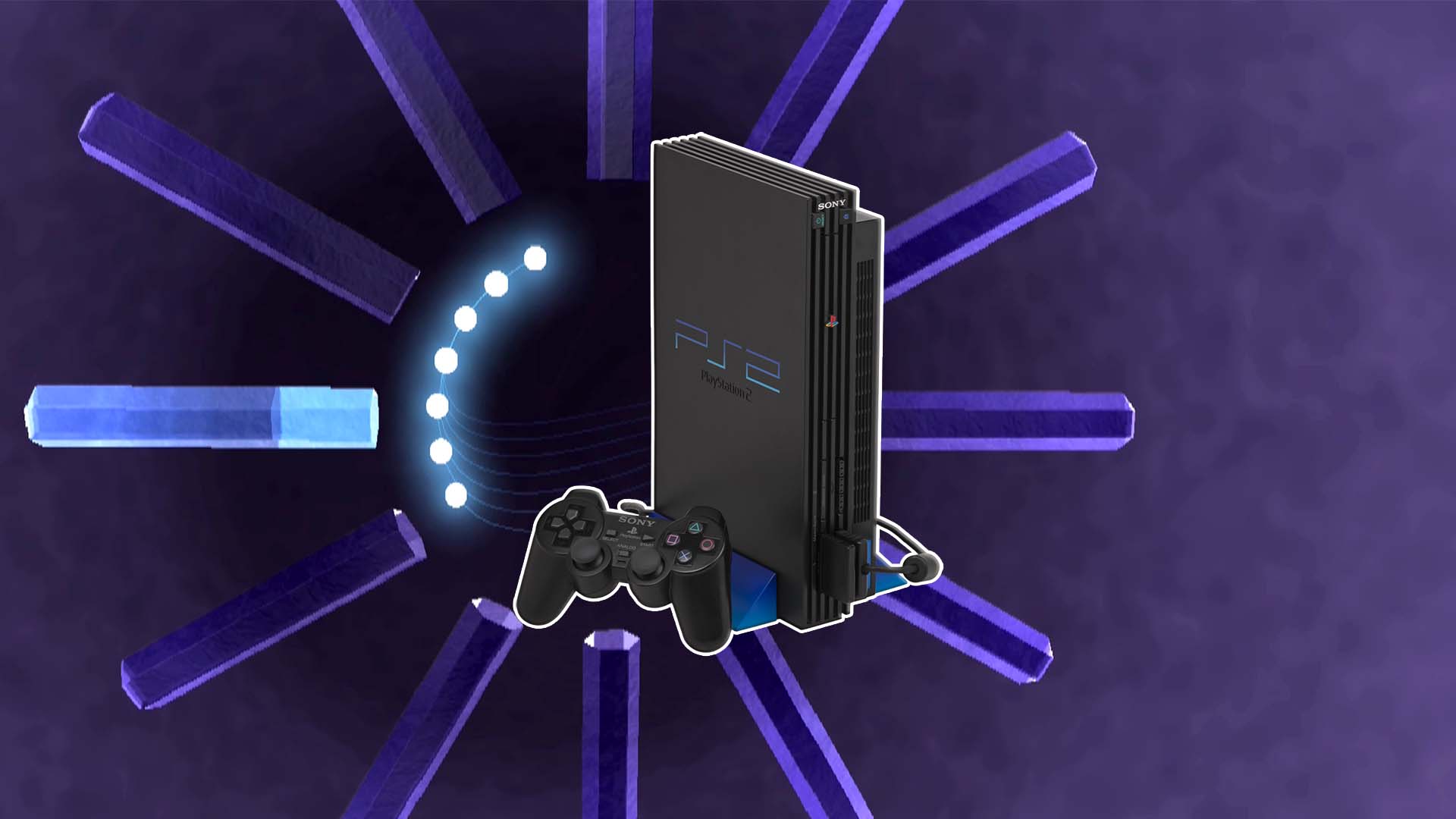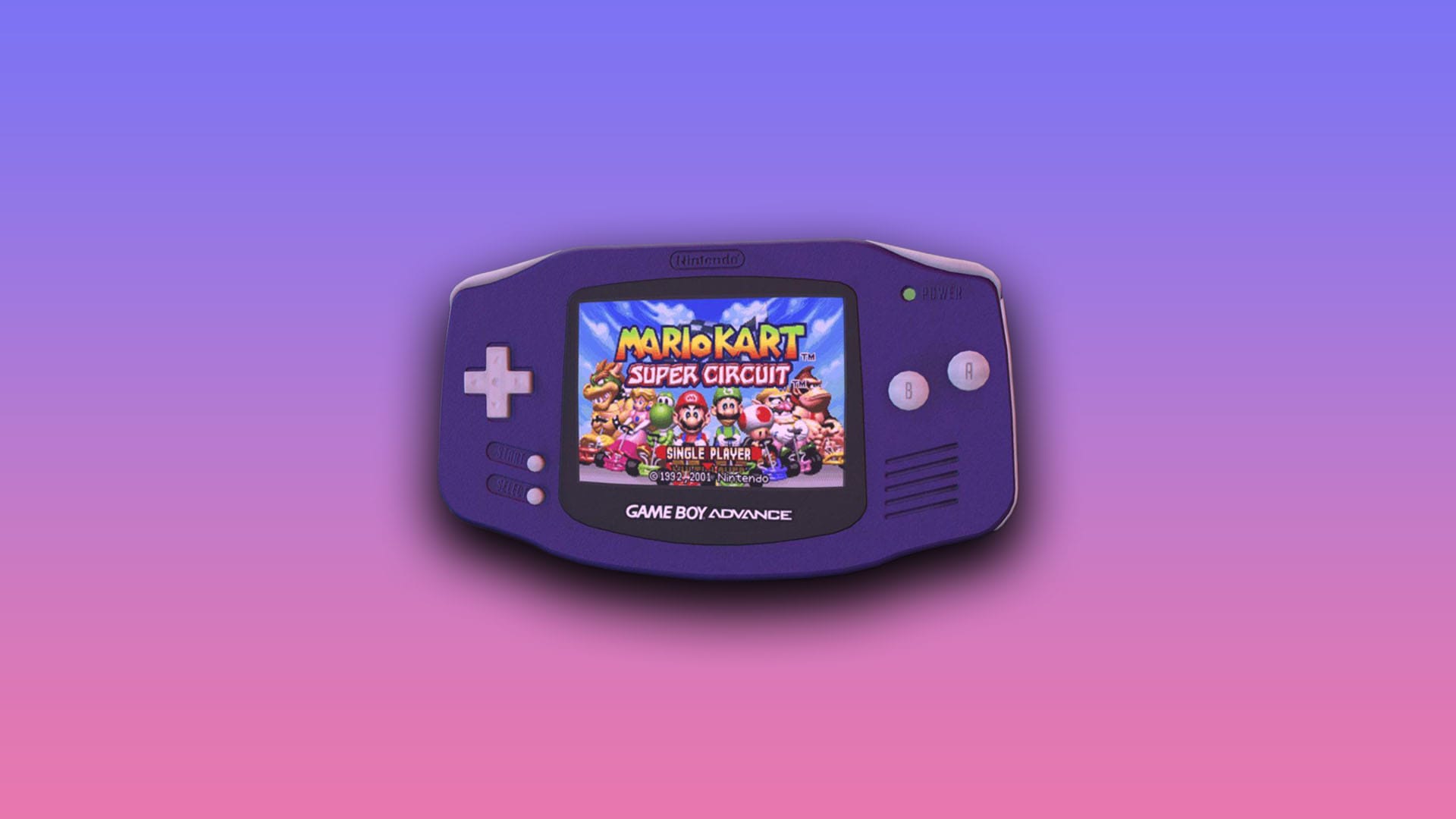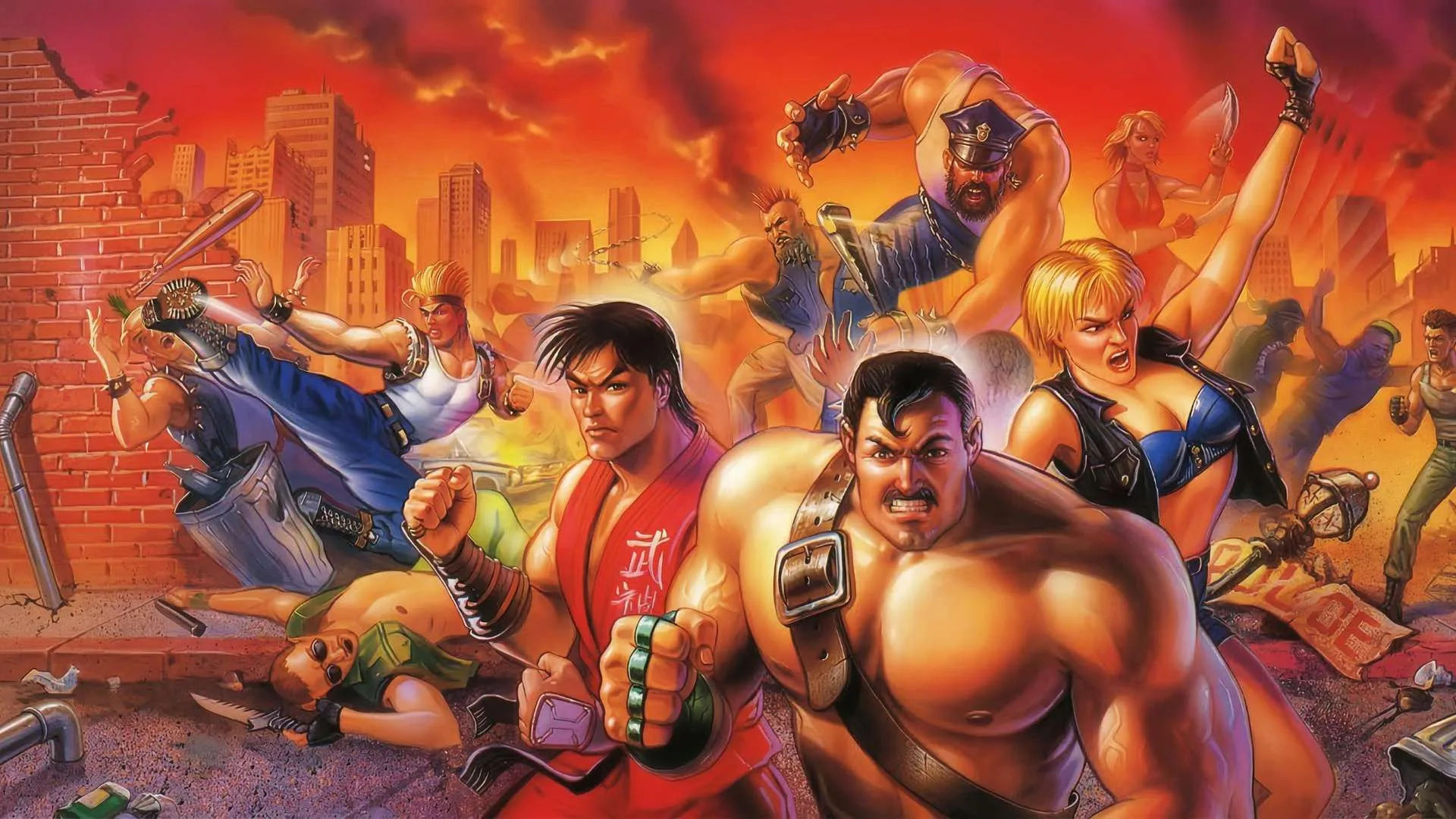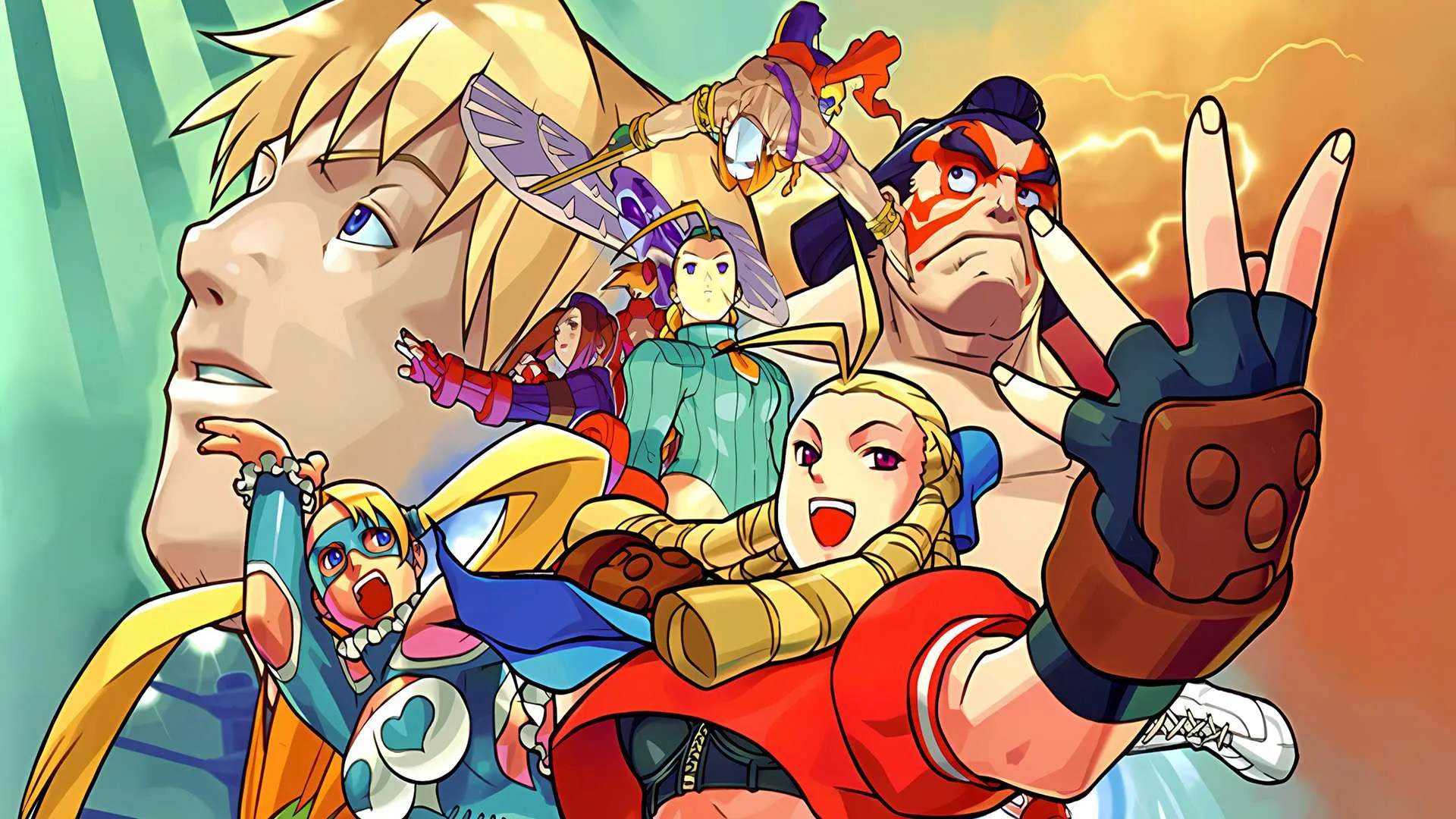
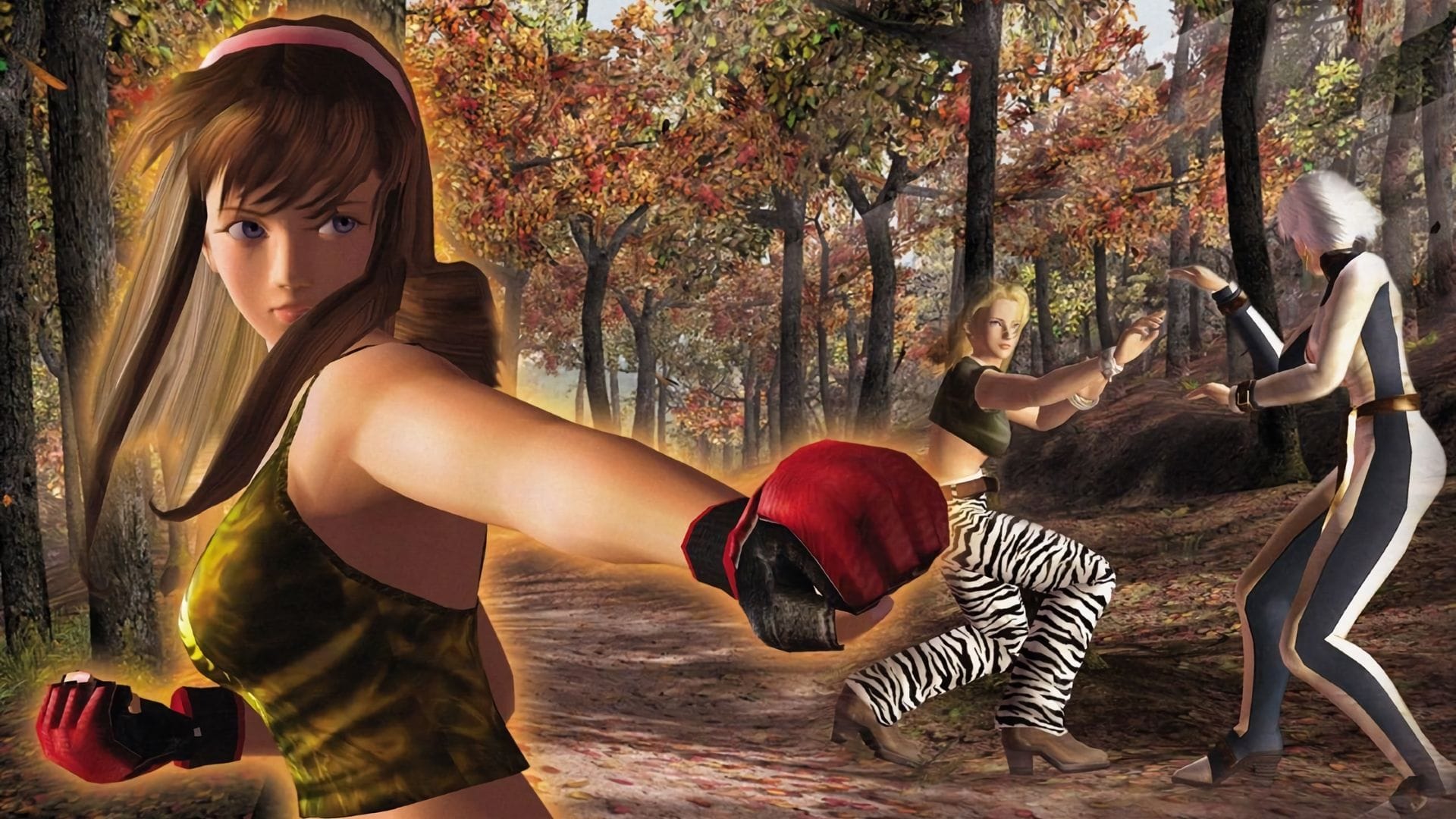
When we think of the original Xbox, the first thing that usually pops into our heads is Halo. But if you were hanging out in the fighting game community (FGC) back in the early 2000s, the Xbox was actually a secret powerhouse for the genre. While the PS2 had the numbers and the GameCube had the Smash Bros. factor, the Xbox was the home of technical superiority. We’re talking 480p progressive scan (which was a big deal on those heavy CRT TVs!), faster load times, and the birth of Xbox Live, which changed how we threw hands forever.
Whether you’re a die hard fighting game fan or just someone who wants to smash giant monsters into buildings, the Xbox library has some absolute gems. Pull up a chair, grab your favorite Xbox controller, and let’s break down the 15 best Original Xbox fighting games.
Dead or Alive 3
- Developer: Team Ninja
- Release Date: November 15, 2001
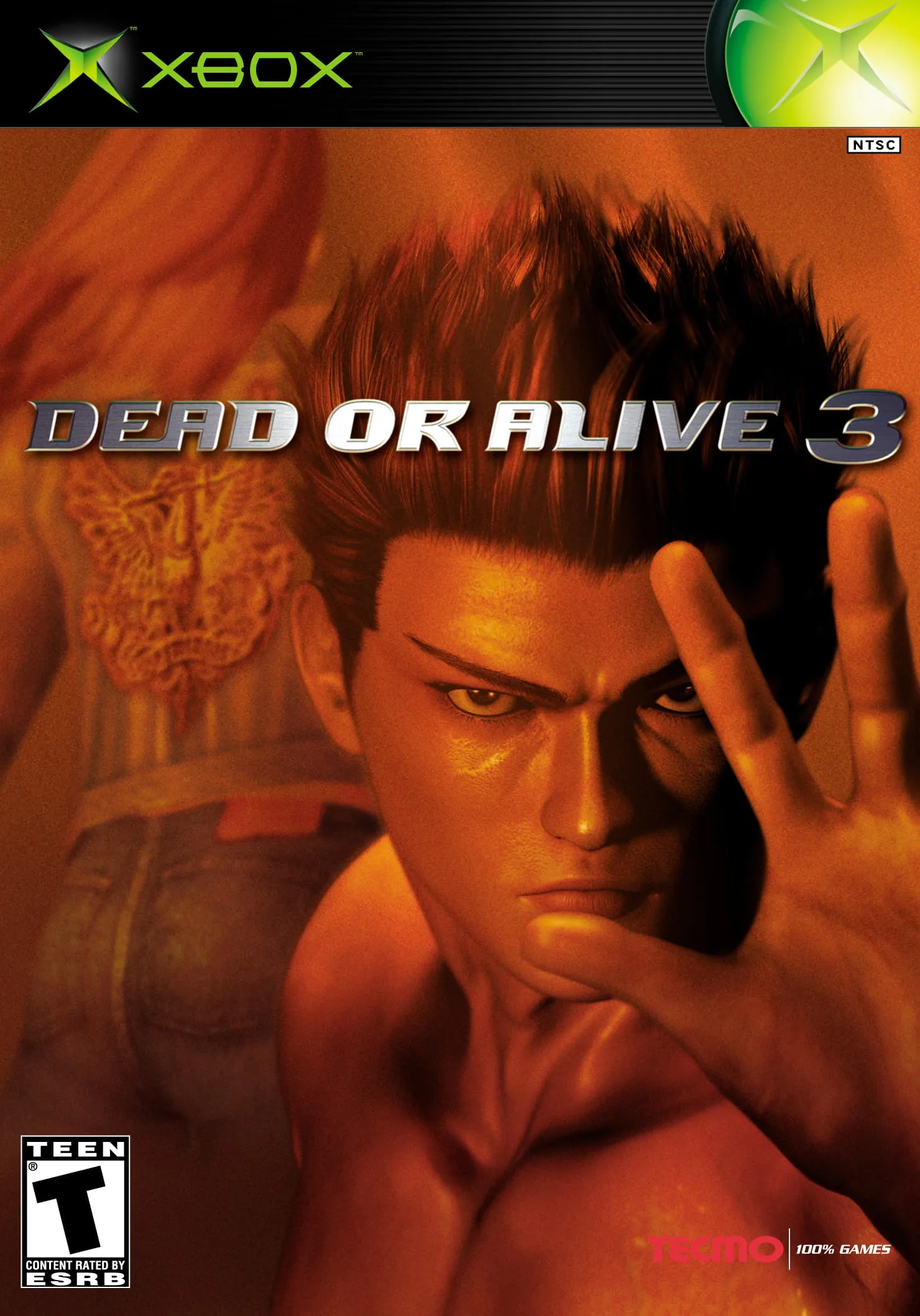
When Microsoft needed a killer app for the Xbox, Team Ninja stepped up and delivered Dead or Alive 3, one of the best looking fighters of its era. Featuring incredibly lush 3D environments and smoothly rendered character models, while maintaining a rock-solid 60 frames per second was mind-blowing back in 2001. It didn’t just look pretty, though. Team Ninja also expanded the roster with heavy hitters like the drunken master Brad Wong and the deadly assassin Christie. The move to full 3D axis movement meant you could finally sidestep with real fluidity, and being able to kick someone off a cliff and jump down to finish the job added a cinematic weight that few other fighters could match at the time.
Why It’s Worth Playing: Dead or Alive 3 represents the absolute peak of arcade-style spectacle on the original Xbox. It offers an immediate sense of empowerment that few other fighters can match, regardless of your skill level. Plus, seeing the technical wizardry Team Ninja pulled off over two decades ago serves as a great reminder of why we fell in love with the Big Black Box in the first place.
Capcom vs. SNK 2 EO
- Developer: Capcom
- Release Date: February 11, 2003
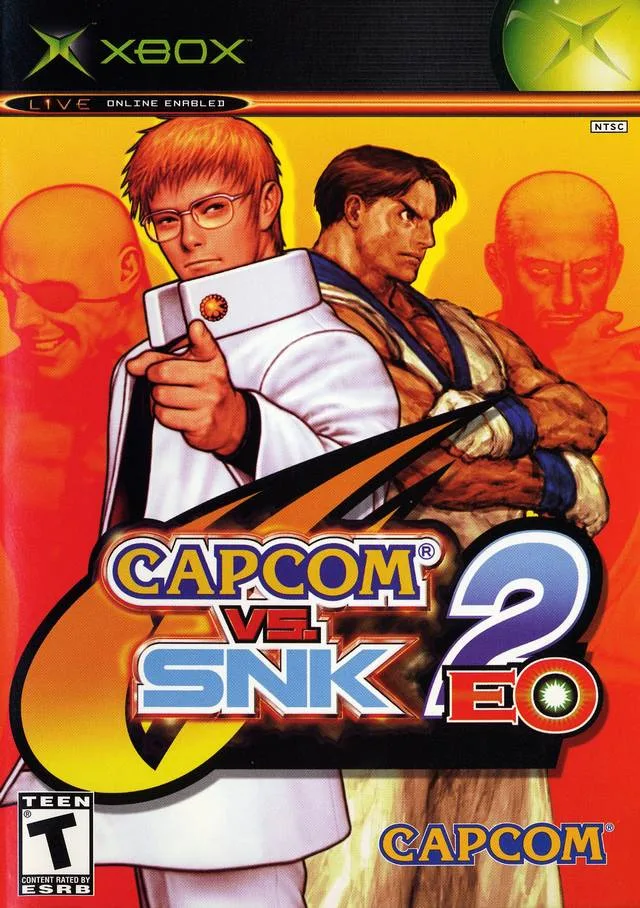
Capcom vs. SNK 2 EO brought together the two biggest powerhouses in 2D fighting history for a final showdown. The “EO” in the title stands for Easy Operation, an addition that allowed newcomers to map special moves to the right analog stick. The real meat of the game lies in the Groove System, which effectively lets you choose the “rules” of your favorite era. The Xbox version specifically brought Xbox Live support to the table, which was a total game-changer for those of us living in areas without a local arcade scene. With 44 characters and six different Grooves, the sheer variety of matchups keeps the game fresh decades after its release.
Why It’s Worth Playing: Capcom vs. SNK 2 EO provides the most comprehensive 2D crossover experience ever conceived. It bridges the gap between two rival design philosophies, offering a "greatest hits" roster that we likely won't see again due to licensing nightmares. It’s a deep fighter that rewards experimentation, and is a great way to introduce your non-FGC friends to the genre without them crying over complex inputs.
Soulcalibur II
- Developer: Project Soul
- Release Date: August 27, 2003
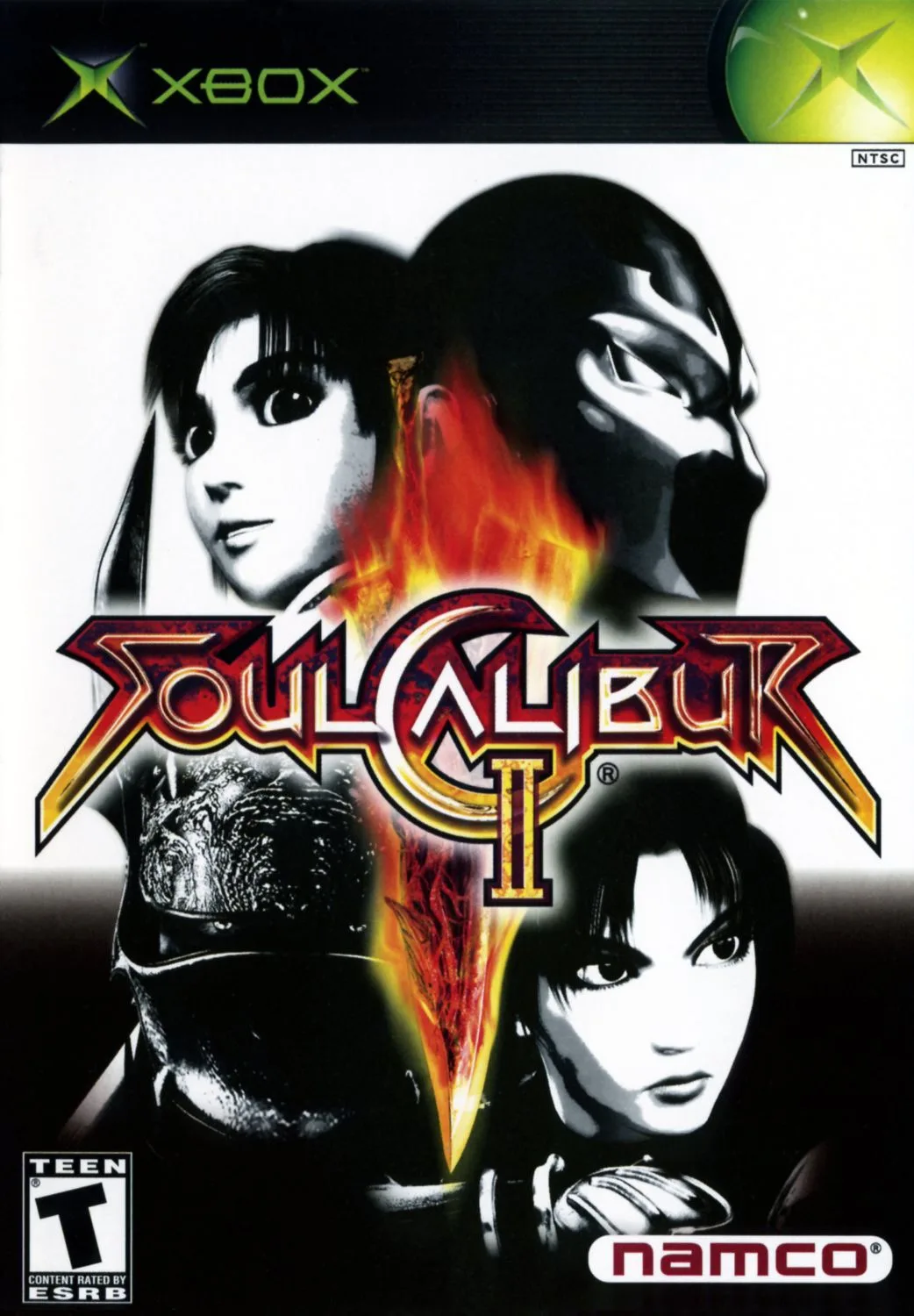
Soulcalibur II puts modern fighting games to shame. It perfected the 8-Way Run system, allowing for unparalleled freedom of movement in a 3D space. Between the expansive story map, the collectible gallery items, and the various trial modes, you can sink fifty hours into this thing without ever touching the versus mode. While the GameCube had Link and the PS2 had Heihachi, the Xbox version secured the rights to Spawn, the anti-hero from Todd McFarlane’s comics who felt surprisingly at home in the 16th century. The visual fidelity on the Xbox was noticeably sharper than its counterparts, supporting 720p resolution for those lucky few who had the high-definition AV pack.
Why It’s Worth Playing: Soulcalibur II is arguably the most user-friendly 3D fighter ever made. The "easy to learn, hard to master" philosophy shines here, making it the perfect choice for a casual game night or a dedicated competitive grind. It’s a masterclass in presentation, weapon-based combat, and pure, unadulterated fun that still holds up beautifully on a modern screen.
Marvel vs. Capcom 2
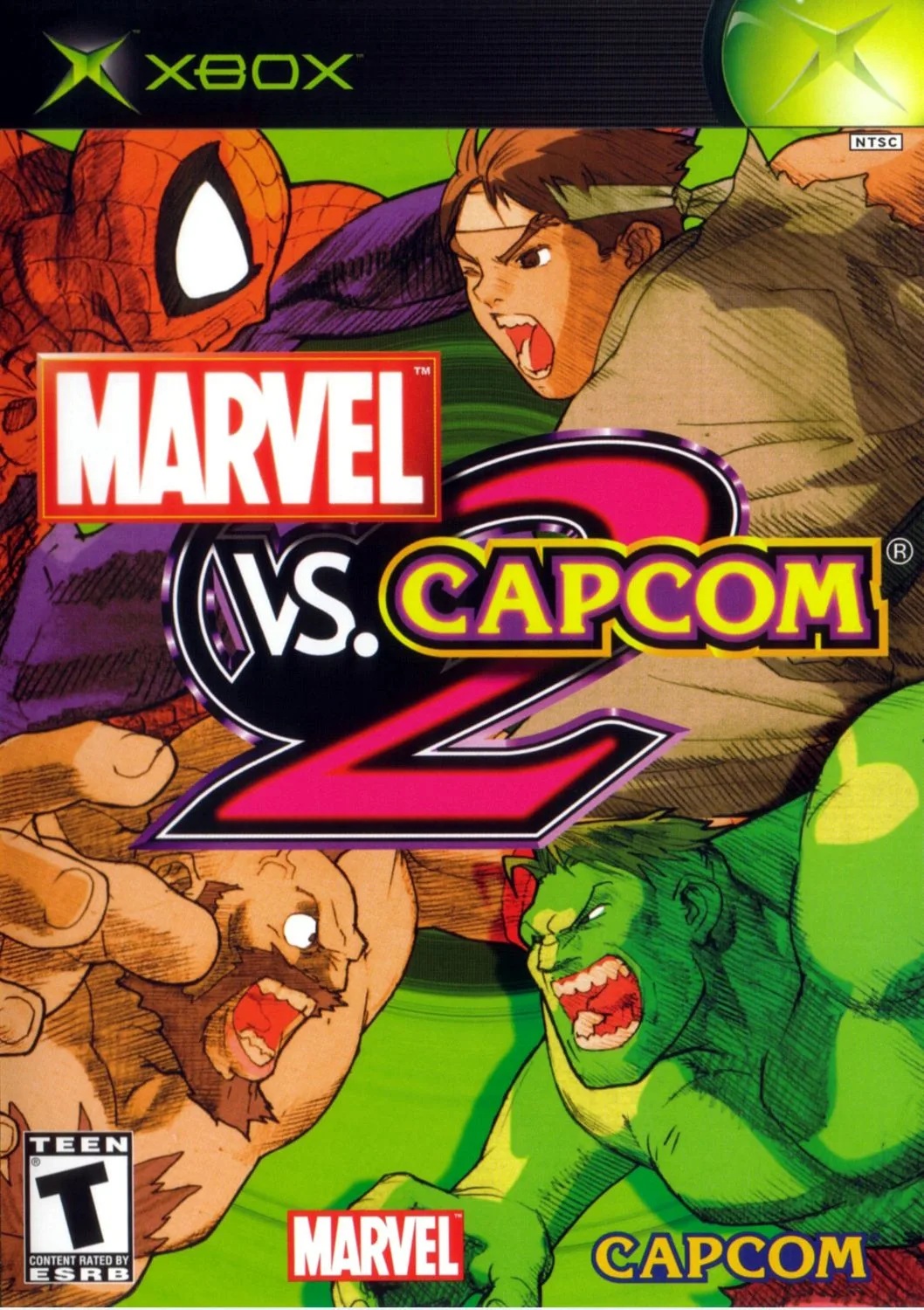
- Developer: Capcom
- Release Date: March 27, 2003
If you want to witness comic book chaos on your television screen, look no further than Marvel vs. Capcom 2. This game is famous for its massive 56-character roster and its “everything plus the kitchen sink” approach to combat. The 3-on-3 tag system allows for insane creativity, letting you mix and match assists to create inescapable traps or infinite combos that would make a modern developer faint. The jazz-fusion soundtrack is an acquired taste, sure, but it perfectly encapsulates the bizarre, wonderful energy of this legendary crossover. It’s a high-speed, high-stakes adrenaline rush where a single mistake can lead to your entire team being wiped out in seconds.
Why It’s Worth Playing: Marvel vs. Capcom 2 is a piece of gaming history that every enthusiast needs to experience at least once. It represents an era where developers took massive risks with roster sizes and gameplay speed, resulting in a title that feels truly "limitless." Even if you aren't a pro, the sheer joy of teaming up Spider-Man with a giant robot from Mega Man is an itch that only this game can scratch.
Street Fighter Anniversary Collection
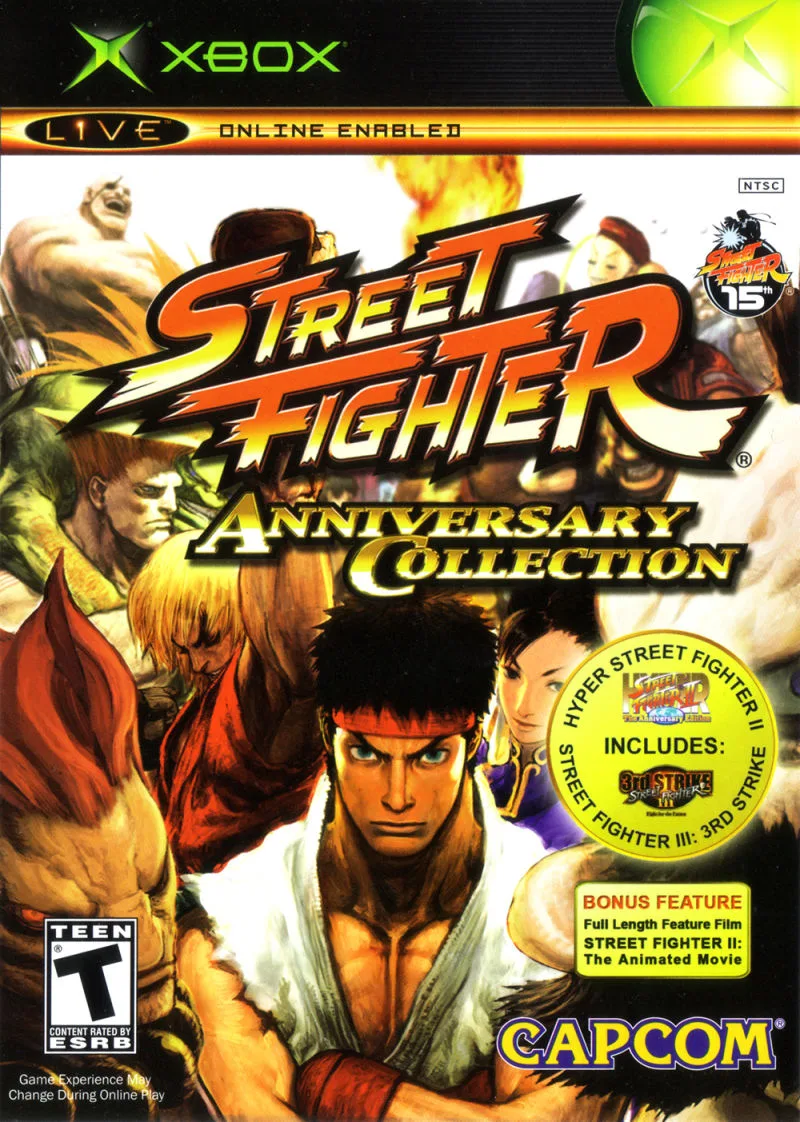
- Developer: Capcom
- Release Date: August 31, 2004
Capcom essentially bundled many gamers’ childhood into one disc with Street Fighter Anniversary Collection. You get Hyper Street Fighter II: The Anniversary Edition and the legendary Street Fighter III: 3rd Strike, making this an absolute powerhouse for purists. The Xbox version specifically outshines the rest because it included Xbox Live support for 3rd Strike. In an era before “rollback” was a household term, playing this masterpiece online was a revelation for the FGC. The collection also features the full-length Street Fighter II animated movie as a bonus, which is a nice touch if you need a break from getting your face kicked in by a top-tier Chun-Li.
Why It’s Worth Playing: Street Fighter Anniversary Collection is a must-have because it offers the definitive way to play 3rd Strike on legacy hardware. The controls feel tight, the music is iconic, and it’s a crisp, arcade-perfect port that handles the transition to home consoles with zero compromise. This collection is a literal time capsule of the era when Capcom was the undisputed king of the arcade scene.
Guilty Gear X2 #Reload
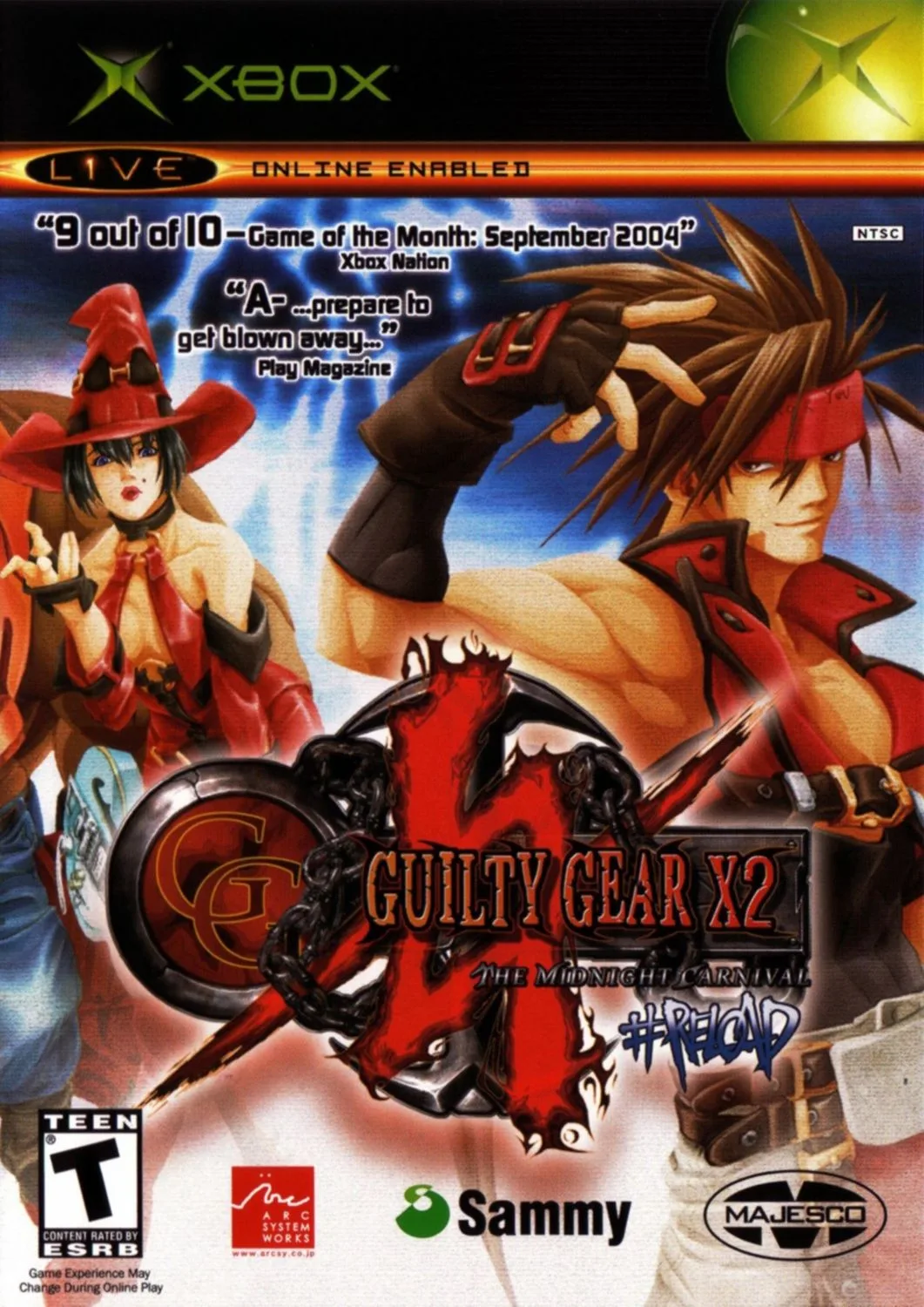
- Developer: Arc System Works
- Release Date: September 14, 2004
Guilty Gear X2 #Reload is fast—ridiculously fast—and the Xbox version was the first time many Western fans got to experience it with a functional online mode. The mechanics in this game are notoriously complex, featuring things like Roman Cancels—which let you burn meter to reset your animation and extend combos. The visuals are a masterclass in high-resolution 2D sprites, popping with color and personality that still looks incredible today. The #Reload update specifically balanced the roster and added more content, making it the version to own.
Why It’s Worth Playing: Guilty Gear X2 #Reload encourages you to stay in your opponent's face and rewards creativity above all else. Plus, the sheer style and "cool factor" of the character designs make it stand out in a crowded library of generic brawlers. It’s a high-execution game that demands respect, but it rewards your practice with some of the most stylish combat ever committed to code.
The King of Fighters 2002/2003
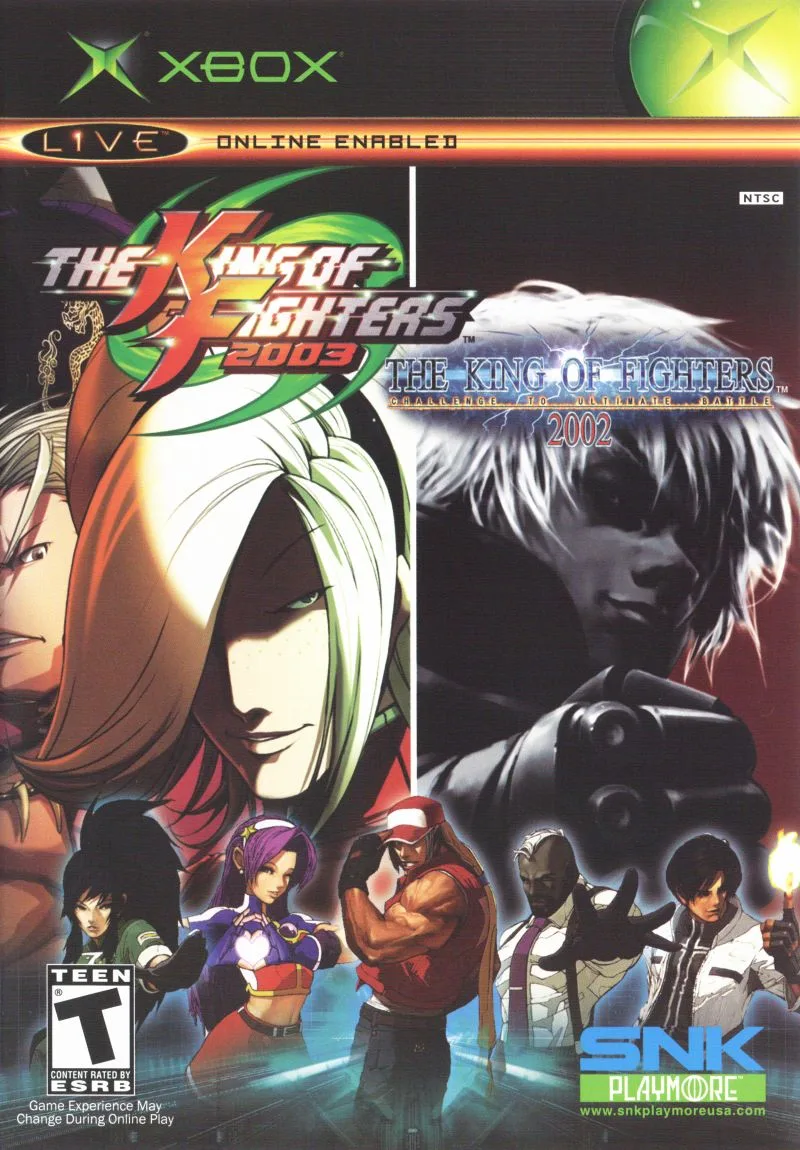
- Developer: SNK Playmore
- Release Date: December 14, 2004
SNK fans were eating like kings on the Xbox with The King of Fighters 2002/2003, which provided two distinct flavors of the legendary franchise on one disc. KOF 2002 is a “Dream Match” title, meaning it ditches the story to bring back a massive roster of fan favorites for pure 3-on-3 tactical warfare. On the flip side, KOF 2003 introduced the Multi-Shift system, which finally allowed you to tag characters in and out mid-fight—a massive shift for a series that had stuck to its guns for a decade.The Xbox ports are fantastic, featuring rearranged soundtracks and smoother backgrounds than the original Neo Geo hardware could ever dream of.
Why It’s Worth Playing: The King of Fighters 2002/2003 is essential for anyone who appreciates deep, technical team-based fighting. You’re getting two massive games that offer hundreds of hours of potential mastery. It’s the perfect way to experience the transition of the KOF series from its classic roots to the more modern, experimental tag-team mechanics.
The King of Fighters: Maximum Impact – Maniax
- Developer: SNK Playmore
- Release Date: April 13, 2005
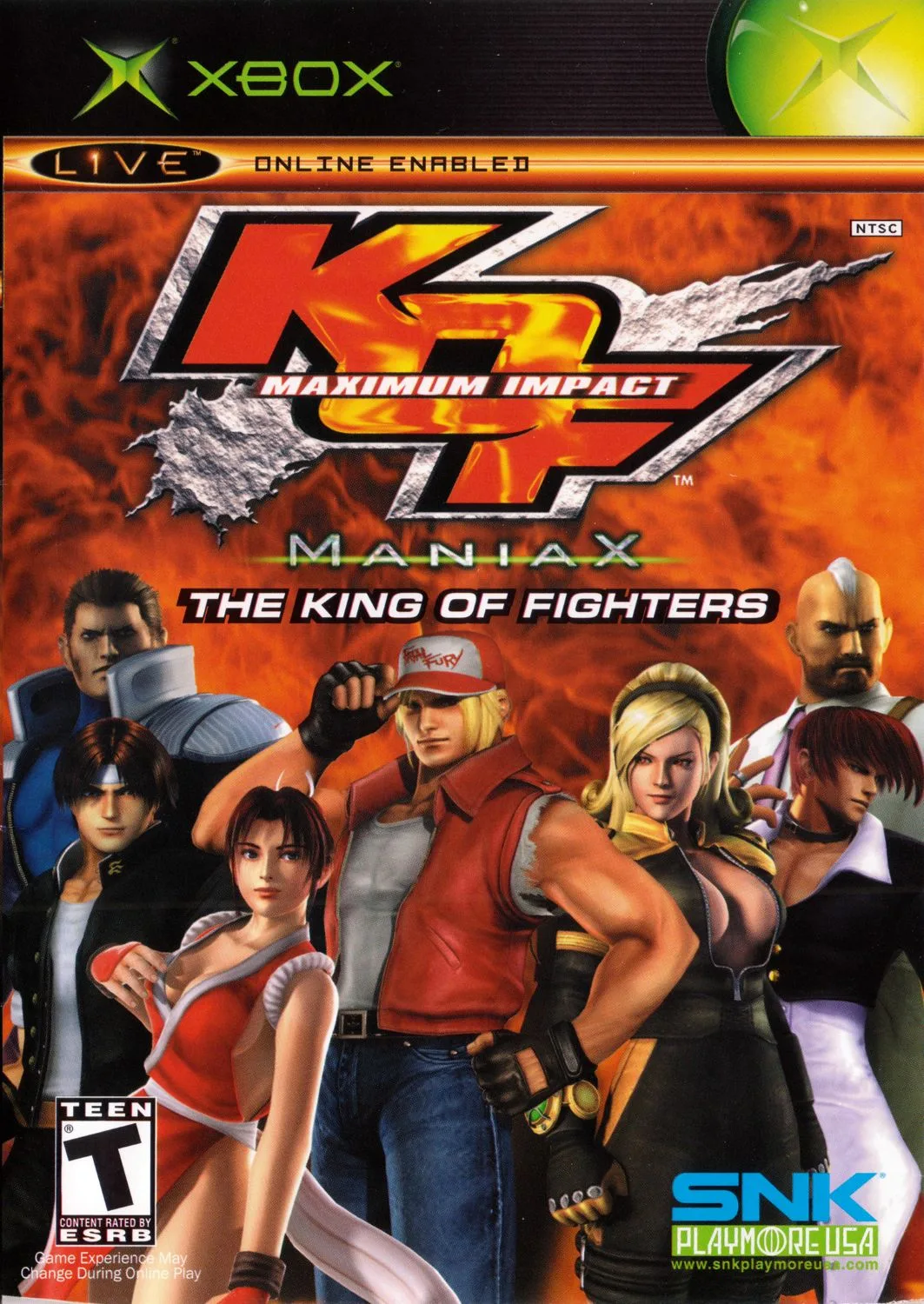
When SNK released The King of Fighters: Maximum Impact – Maniax, the community was… skeptical, to say the least. But this game proved that Terry Bogard and Kyo Kusanagi could handle the jump to three dimensions with their dignity intact. The gameplay feels more like a 3D brawler than a traditional KOF, utilizing a “Stylish Art” combo system that lets you chain hits together with simple rhythmic taps. It’s flashy, it’s loud, and the character models look surprisingly chunky and detailed for the era. The “Maniax” version on Xbox added a much-needed online mode and a “camera follow” option that fixed most of the original’s janky perspective issues.
Why It’s Worth Playing: Despite being the black sheep of the series, Maximum Impact – Maniax is definitely worth your time because it’s a fascinating experiment that actually works. If you enjoy games like Tekken but want the personality of SNK, this is the perfect middle ground. It’s an easy-to-pick-up fighter that doesn't take itself too seriously, making it great for a casual weekend session.
SNK vs. Capcom: SVC Chaos
- Developer: SNK Playmore
- Release Date: October 7, 2004
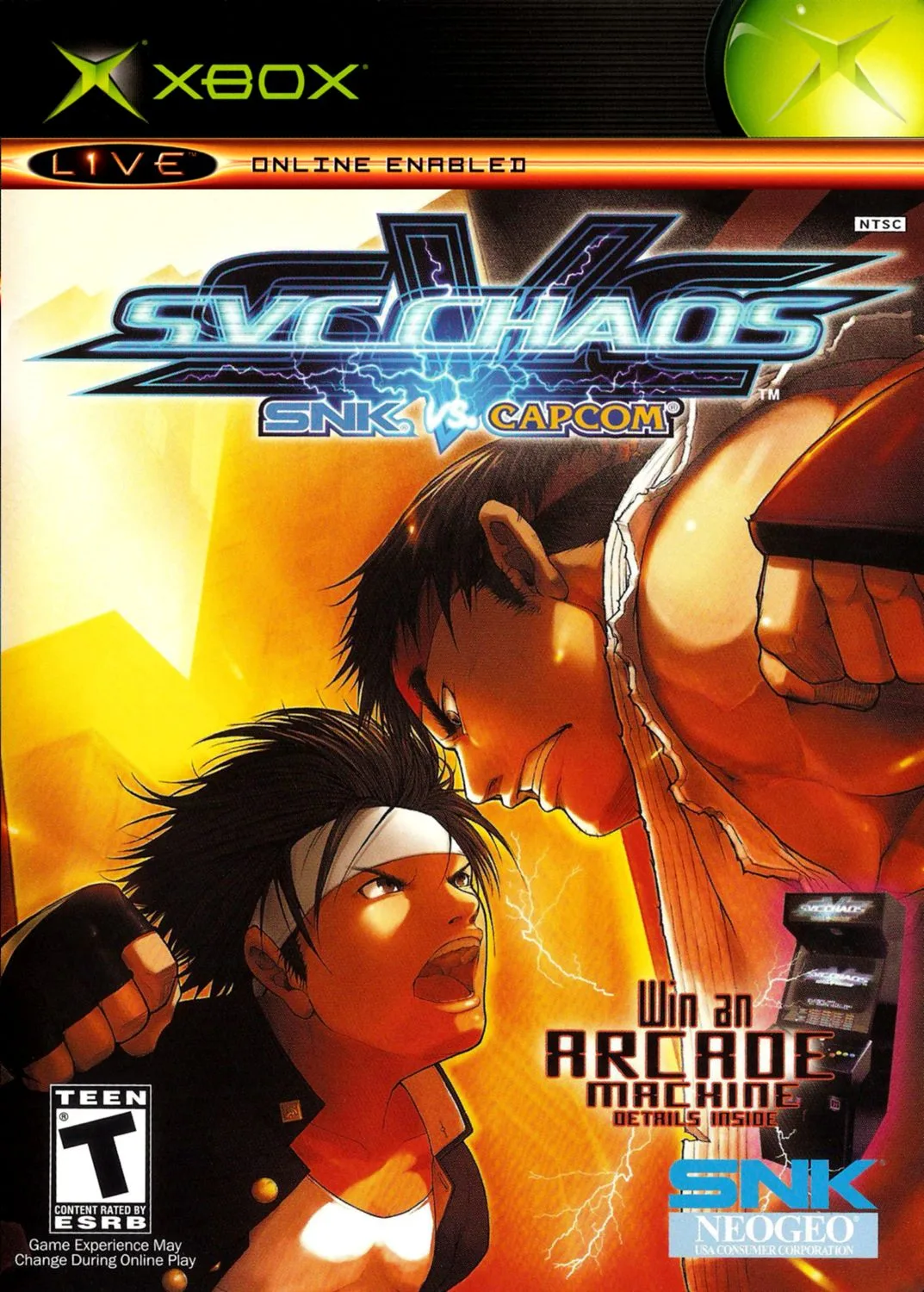
While Capcom gave us the flashy CvS2, SNK responded with SVC Chaos, a brutal, arcade-hard fighter. The gameplay is strictly “SNK-style” 1-on-1 combat, ditching the tag mechanics for a more traditional feel. It’s notoriously difficult—the AI bosses like Serious Mr. Karate and Shin Akuma will absolutely wreck you if you aren’t prepared. The roster is wild, featuring Zero from Mega Man Zero and even Violent Ken. The sprites are large and detailed, and the backgrounds have a moody, desolate vibe that sets it apart from the colorful “comic book” feel of other crossovers. It feels like a fan-made project that somehow got a massive budget, and I mean that in the best way possible.
Why It’s Worth Playing: SVC Chaos offers a completely different vibe than the Capcom vs. SNK series, focusing on a more grounded and brutal interpretation of these iconic characters. It’s a punishing game, but one that rewards patience and precise execution. With a unique roster and its uncompromisingly dark aesthetic, it’s perfect for gamers who want a grittier alternative to Capcom vs. SNK.
Samurai Shodown V
- Developers: Yuki Enterprise, SNK Playmore
- Release Date: January 10, 2006
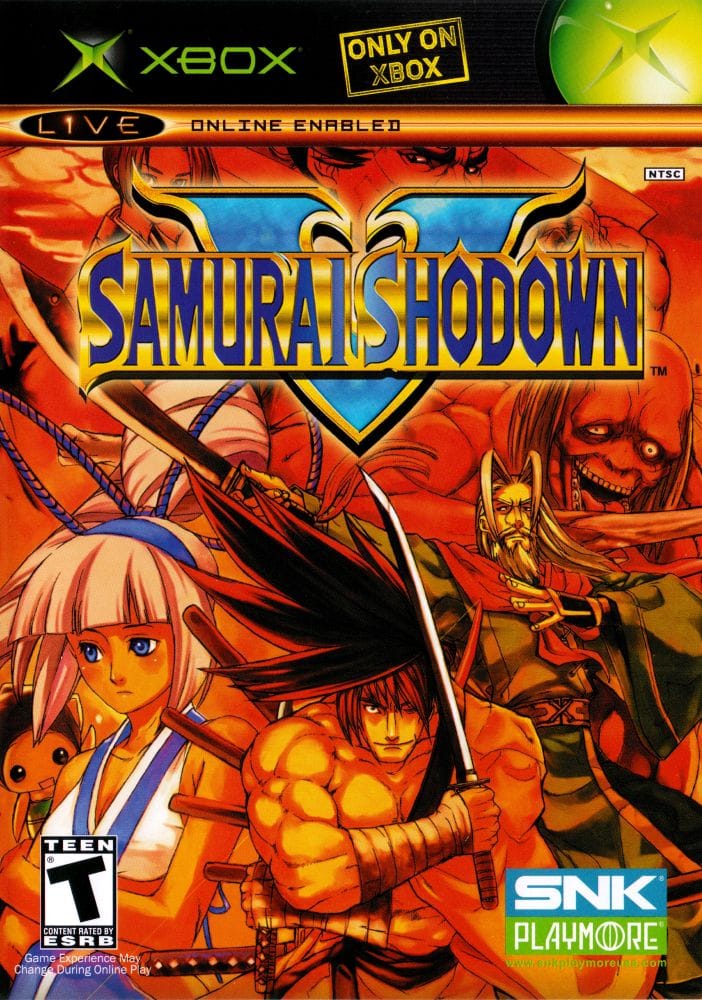
Samurai Shodown V is a tense, sweaty-palmed game of chess that isn’t about 50-hit combos; it’s a methodical, tense dance of death where a single heavy slash can shave off a third of your life. The Xbox version is particularly special because it arrived as part of a late-life surge for the console, offering a much cleaner experience than the original Neo Geo arcade hardware. You get a massive roster of 24 fighters, including the debut of characters like the archer Mina Majikina and the dual-wielding Yoshitora Tokugawa.Xbox port also featured online play via Xbox Live, which was a godsend for fans of this niche, high-stakes series.
Why It’s Worth Playing: Samurai Shodown V is a game of nerves, spacing, and brutal punishment that feels incredibly satisfying to master. It offers a completely different rhythm than Street Fighter or Dead or Alive, offering a thrilling experience that feels like a Kurosawa film. It’s a brutal, beautiful, and deeply rewarding experience for anyone who appreciates the art of the blade.
Bloody Roar Extreme
- Developer: Eighting
- Release Date: May 27, 2003
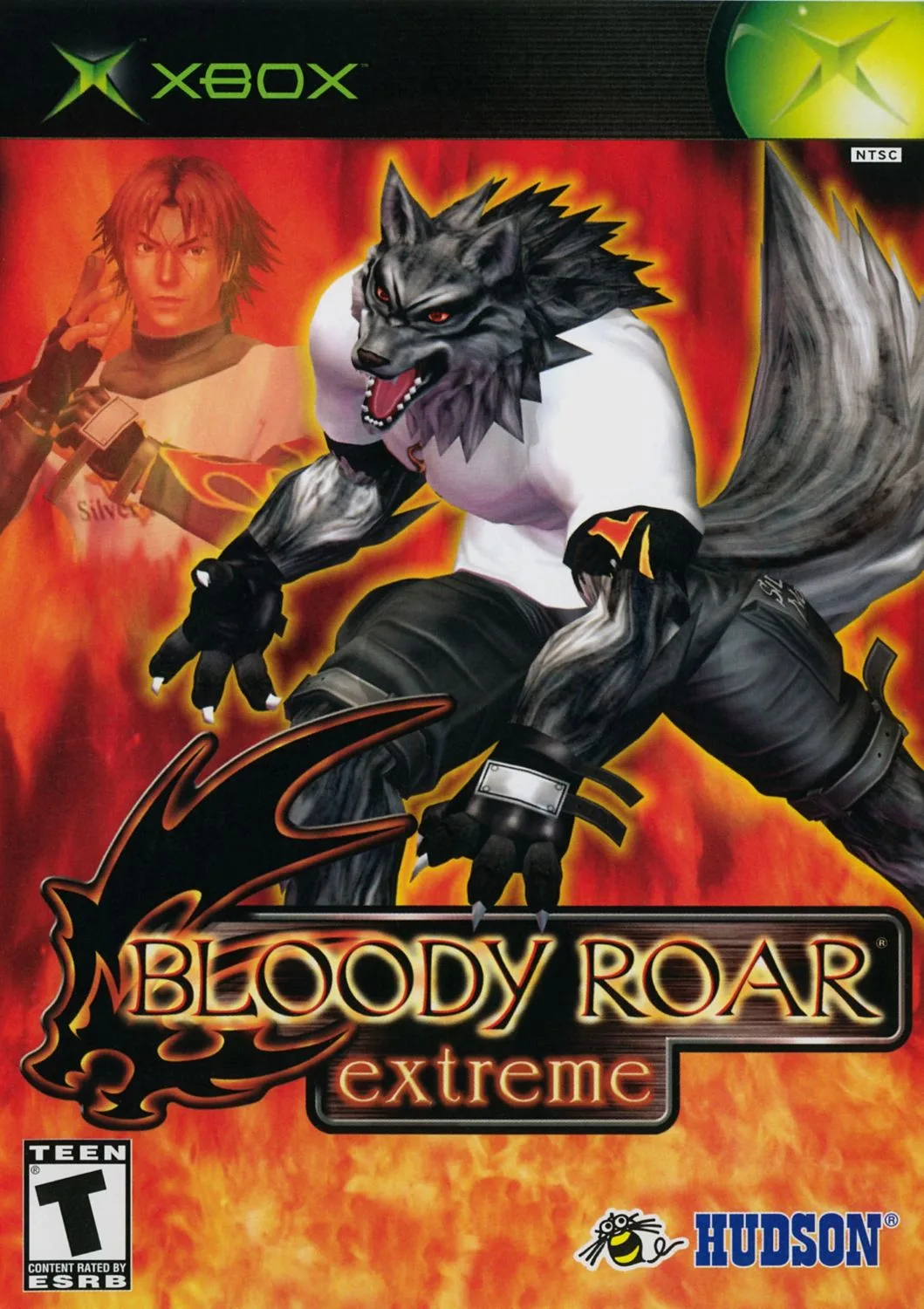
Bloody Roar Extreme is the ultimate hidden gem fighter on the Xbox. The combat is lightning-fast, encouraging aggressive “rushdown” play over defensive turtling. With the Beast Mode mechanic, you can transform into a humanoid animal—like a lion, a wolf, or even a giant chameleon—to regain health and unlock a completely different move set. The transitions between human and beast forms are seamless, allowing for combos that start with a punch and end with a predatory pounce. The Xbox version is essentially a souped-up port of the GameCube’s Primal Fury, but it runs with a crispness that only the Xbox hardware could provide.
Why It’s Worth Playing: Bloody Roar Extreme is the most unique 3D fighter on the system. The transformation mechanic adds a layer of strategy you simply won't find in Tekken or Dead or Alive. It’s fast, weird, and incredibly fun to play with friends who think they’ve seen everything the genre has to offer.
Godzilla: Destroy All Monsters Melee
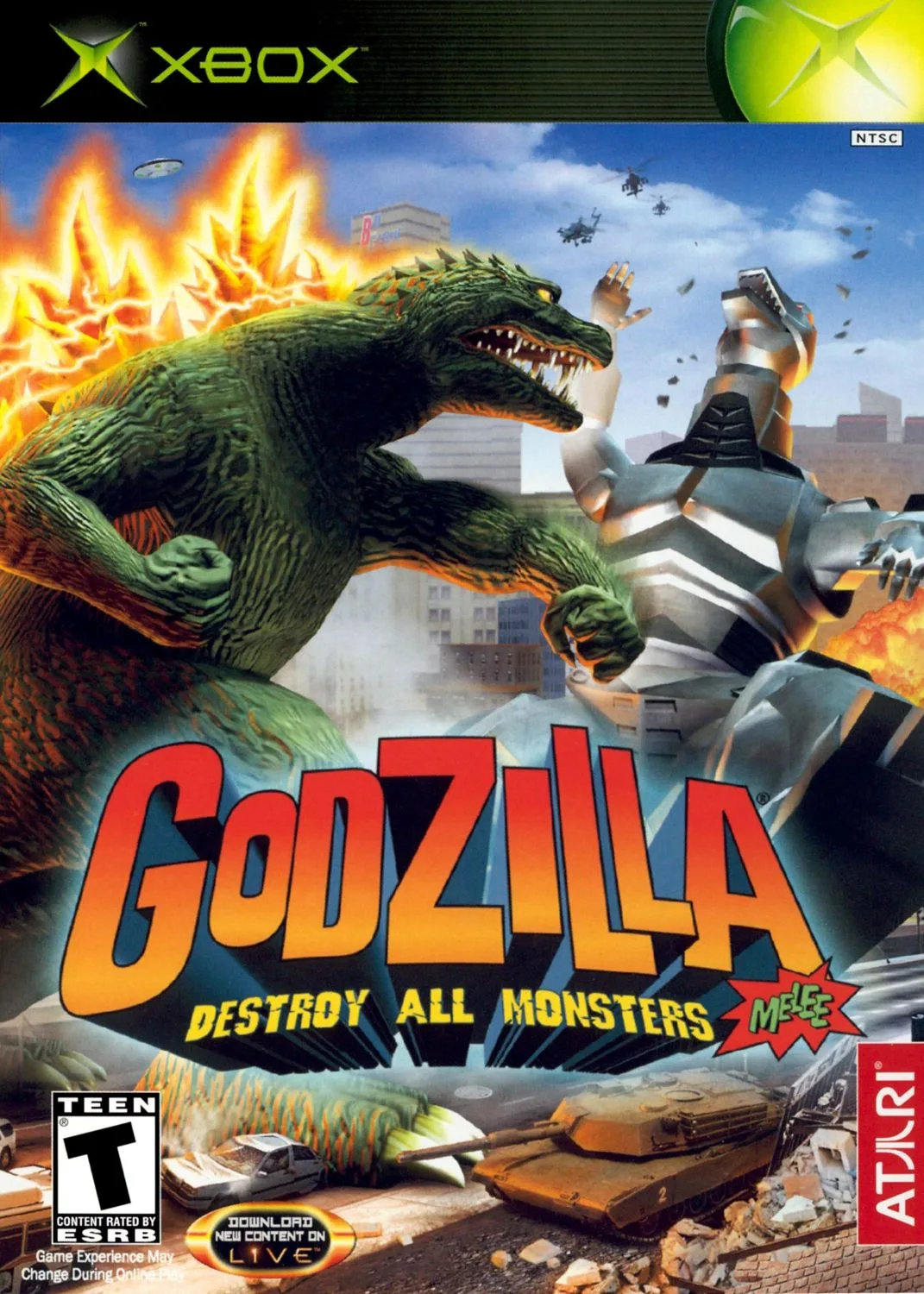
- Developer: Pipeworks Software
- Release Date: April 16, 2003
Godzilla: Destroy All Monsters Melee is basically Power Stone if everyone was 300 feet tall and radioactive. Essentially a giant-sized party brawler, you can pick up buildings and throw them, stomp on tanks, and use the city as your personal weapon. The controls are simple enough for anyone to pick up, but there’s enough strategy in managing your energy meter and timing your blocks to keep it competitive. The Xbox version of Destroy All Monsters Melee is widely considered the “definitive” edition. Why? Because the developers added a whole new monster (Mechagodzilla 3) and significantly upgraded the lighting and particle effects.
Why It’s Worth Playing: Destroy All Monsters Melee is the kind of game that brings out the inner child in everyone. It perfectly captures the scale and "oomph" of the Kaiju genre. Whether you’re a die-hard Godzilla fan or just someone who likes smashing stuff, the Xbox version provides the smoothest, best-looking way to wreck a city with your friends.
Godzilla: Save The Earth
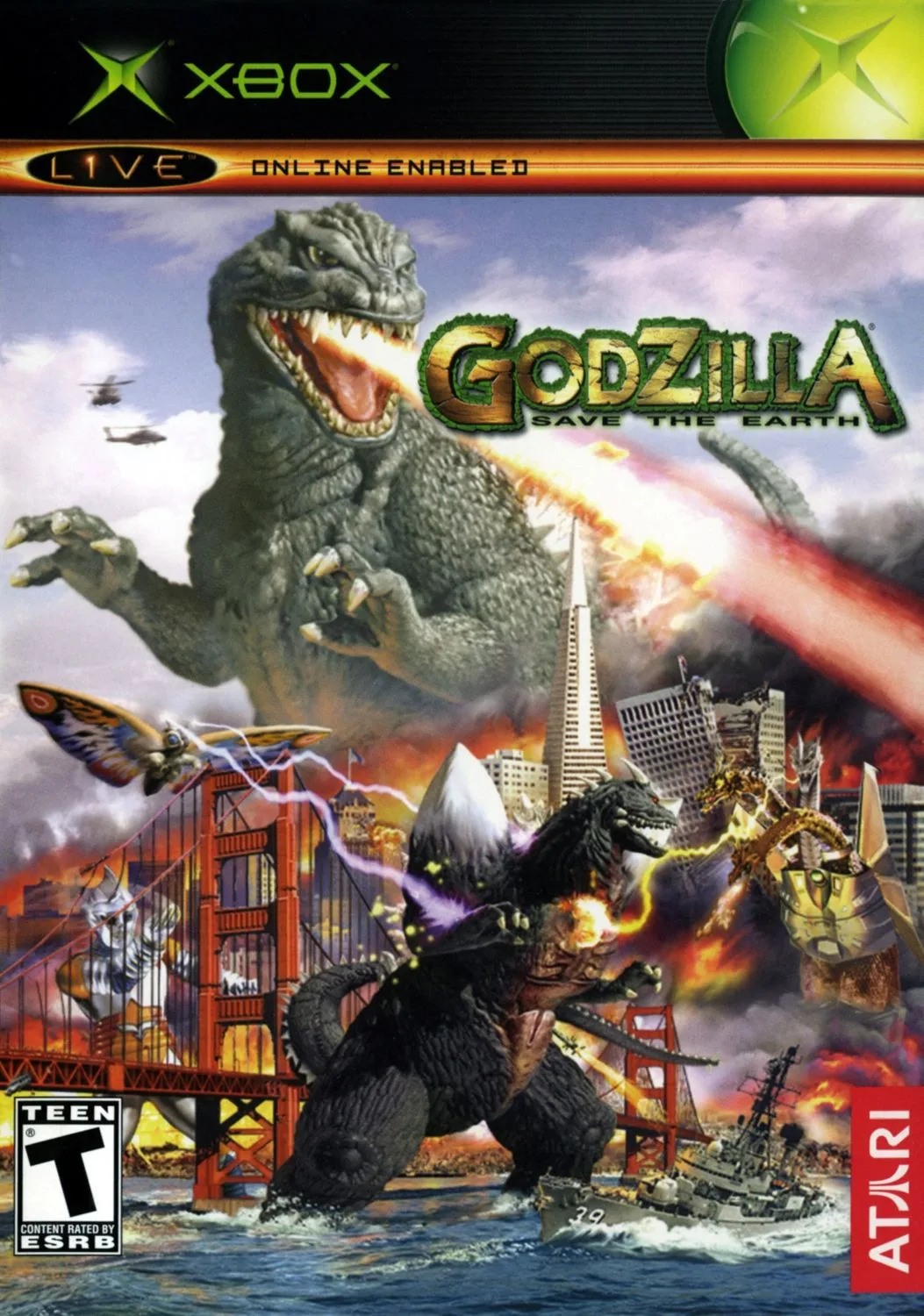
- Developer: Pipeworks Software
- Release Date: November 16, 2004
Godzilla: Save The Earth is the pinnacle of Kaiju combat, taking everything that worked in the first game and tripled it. It added more monsters (including fan-favorites like Jet Jaguar and SpaceGodzilla), more cities, and a much-improved combat system that felt way more responsive. What I love about this entry is how it respects the lore. Gigan is fast and twitchy, while Biollante is a slow, methodical powerhouse. The environmental interaction reached new heights with the Rage system, which can unleash devastating, cinematic attacks that would leave the map looking like a smoking crater. It also introduced an online mode via Xbox Live, which was a massive deal for Kaiju fans back in 2004.
Why It’s Worth Playing: Godzilla: Save the Earth is still one of the best monster games ever made. It offers a massive roster and deep environmental mechanics that make every fight feel like you were playing through a high-budget Toho film. If you have any love for the "King of the Monsters," this is a non-negotiable addition to your Xbox collection.
Kung Fu Chaos
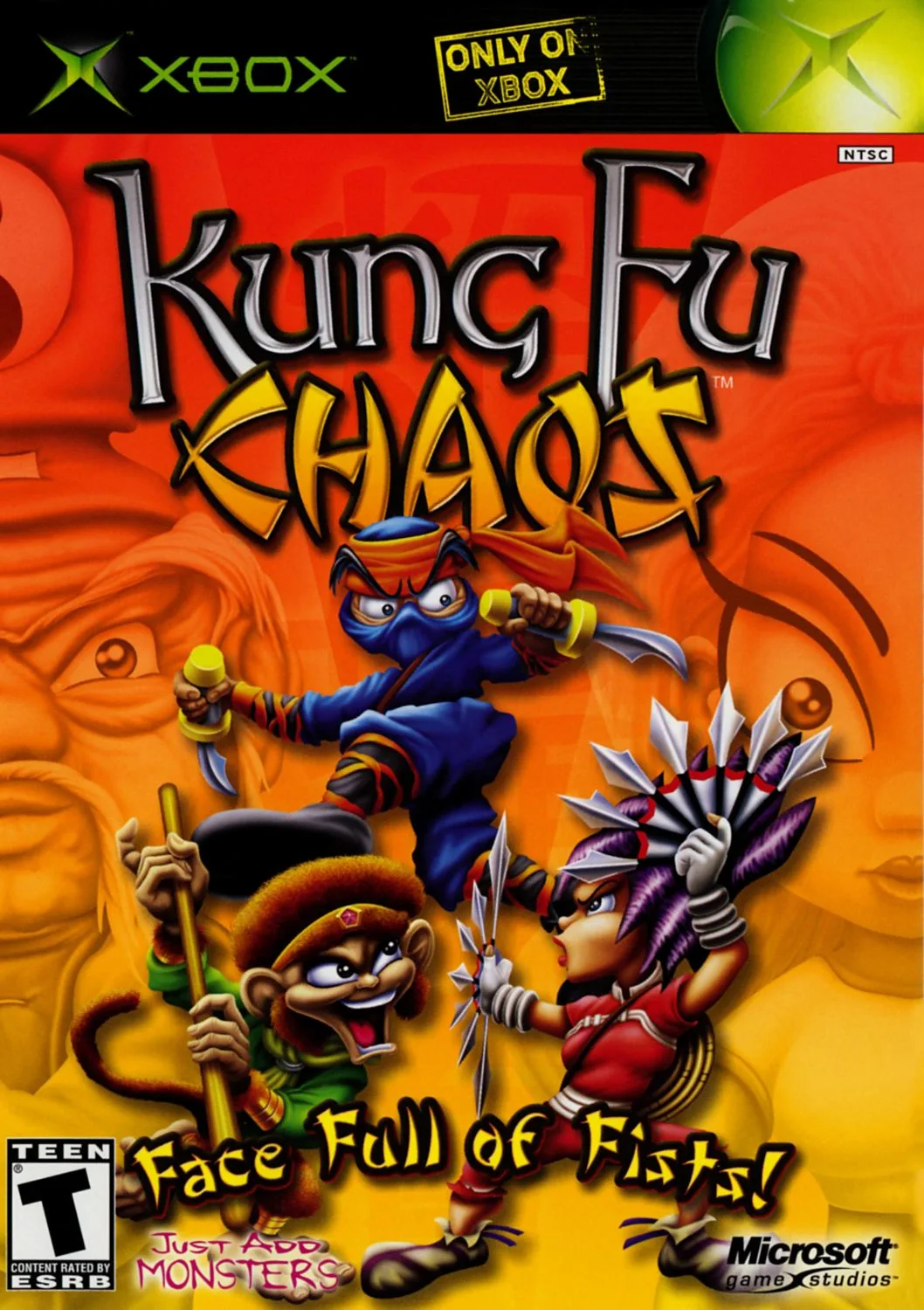
- Developer: Just Add Monsters
- Release Date: February 24, 2003
Kung Fu Chaos is one of the most hilarious and creative party fighters ever. Set in a low-budget 1970s kung fu movie, this 4-player brawler feels like a wild hybrid of Power Stone and Super Smash Bros., but with a heavy dose of slapstick humor. You have a dedicated taunt button that’s actually central to the mechanics—humiliating your opponents builds up your meter for devastating “Super Moves.” The “Ninja Stars” system for special attacks adds a layer of strategy—do you use your stars now to clear some space, or save them for the end-of-scene bonus? The environments are fully dynamic; you’ll find yourself battling on a sinking Titanic parody or leaping across moving trucks during a high-speed chase.
Why It’s Worth Playing: Kung Fu Chaos is the perfect pizza and soda game for a group of friends. It strips away the intimidating "fighting game" barriers and replaces them with sheer creativity and humor. It’s a perfect reminder that the Xbox wasn't just about shooters; it was a place for experimental, joyful games that just wanted to make you laugh on a Friday night.
Capcom Fighting Evolution
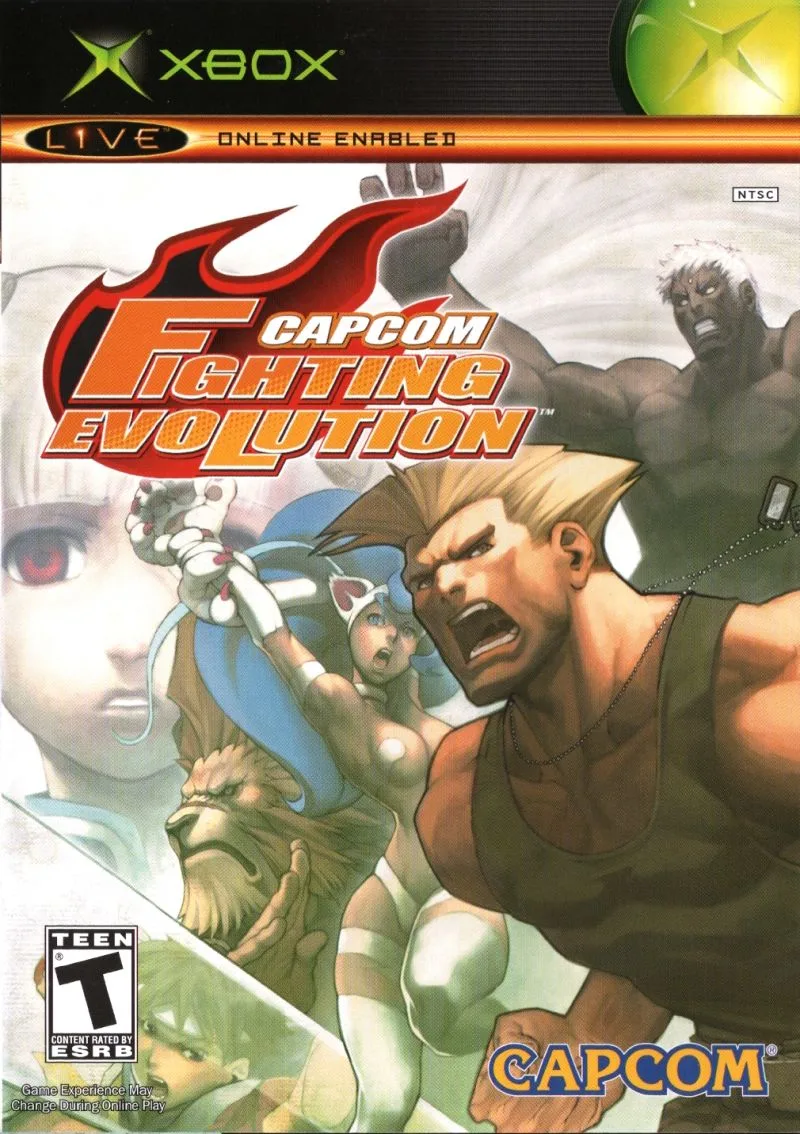
- Developer: Capcom
- Release Date: November 16, 2004
What happens when Capcom takes their most iconic assets from five different series and throws them into a blender? The result is Capcom Fighting Evolution (known as Capcom Fighting Jam in Japan), a massive crossover that feels like a fever dream. The genius of this game is that every character sticks to the mechanical rules of their home series. If you pick a character from Street Fighter III, you get the parry system; pick an Alpha fighter, and you’re rocking the Custom Combo meter. It’s definitely not the most balanced game Capcom ever released, but the sheer novelty of playing as a giant dinosaur from Red Earth against Ryu is too much fun to ignore.
Why It’s Worth Playing: Capcom Fighting Evolution is quirky, experimental, and the only place where you can pit completely different engine philosophies against one another in a 2-on-2 format. Plus, it’s the home console debut of the Red Earth characters, who are usually locked away in arcade obscurity. If you’re a Capcom historian or just want to see how different eras of fighting games clash, this cult classic deserves a spot in your rotation.
Conclusion
Looking back at this list, it’s clear that Microsoft’s debut console wasn’t just a powerful machine; it was a home for technical perfection, experimental brawlers, and the birth of a truly connected online era.Whether you’re chasing the frame-perfect parries of 3rd Strike, hurling skyscrapers as a radioactive lizard in Godzilla, or laughing at the slapstick mayhem of Kung Fu Chaos, the library offers a depth that still feels fresh.
These 15 titles represent a time when developers were willing to take massive risks with crossovers and 3D mechanics, resulting in some of the most memorable local multiplayer sessions of all time.So, dust off that Duke controller and clear some space on your shelf. The green-glowing box still has plenty of fights left in it, and these legends prove that great combat never really goes out of style. 🙂

At HyperComboGamer, we believe great games deserve great coverage. That means no filler, no clickbait, or fanboyism—just honest, high-quality reviews, features, and guides that put gamers first. Whether you’re a lifelong enthusiast or just starting your gaming journey, you’ll find interesting gaming perspectives that will leave you fully satisfied.