Since 1997, the GT series has defined the console racing genre by chasing a singular, borderline-manic vision of automotive fidelity. Polyphony Digital transforms the PlayStation into a sophisticated hub for global car enthusiasts through a mix of realistic driving physics and courses from across the globe.
Many players wondered if the little black box would have any juice left after the massive success of Gran Turismo 3: A-Spec. Could Gran Turismo 4 actually top the technical marvel of its predecessor? In this review, you’ll discover whether this game still delivers the drive of your life.
Vehicle Roster
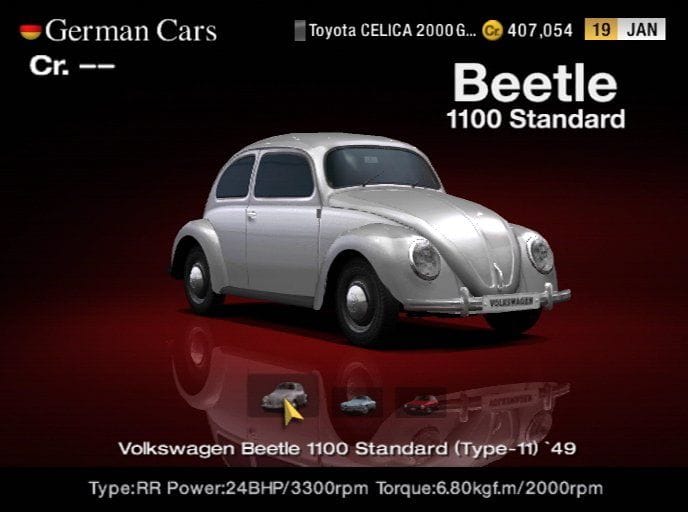
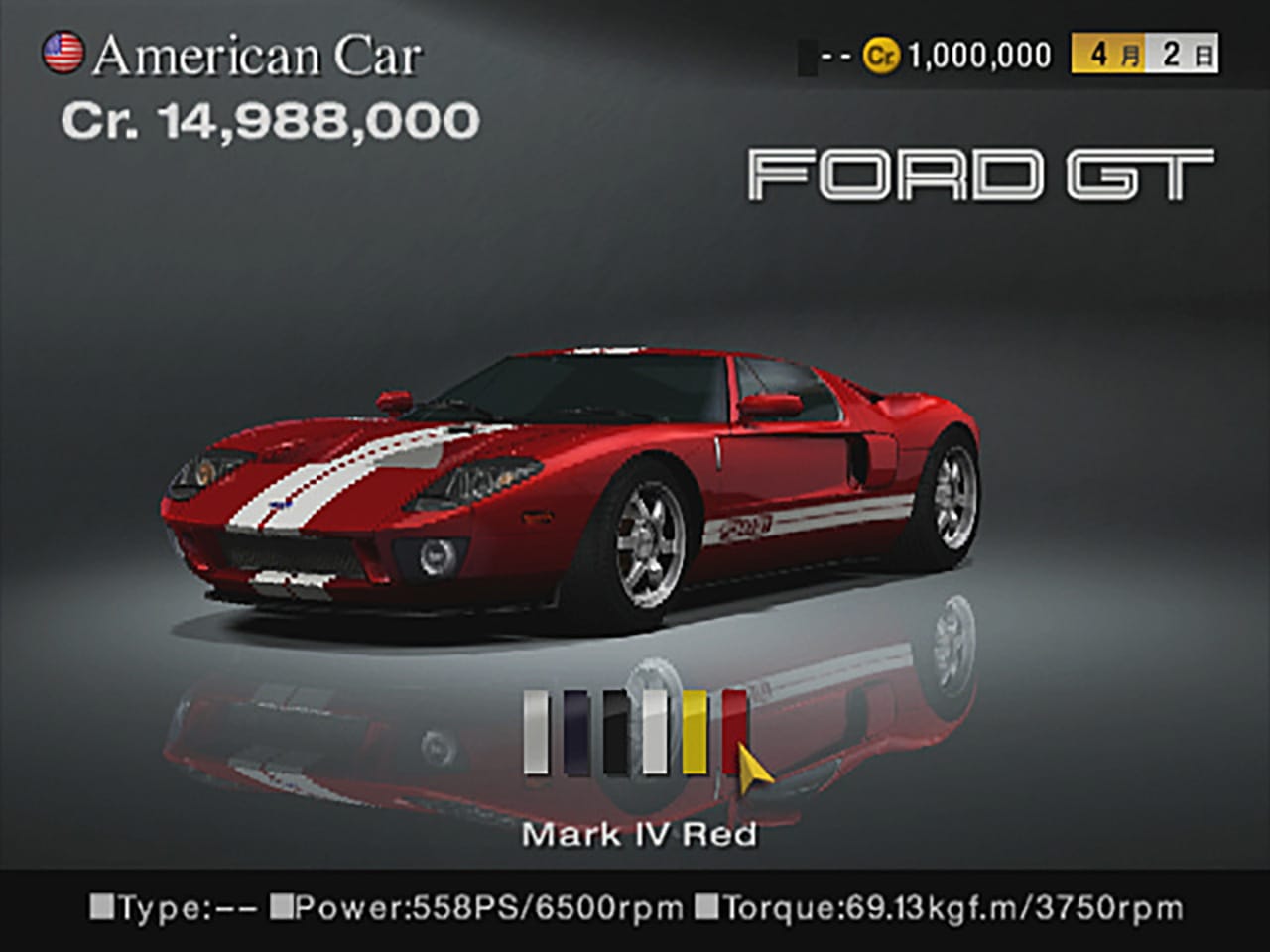
Most racing games are content to stick to the greatest hits of the last twenty years, but Polyphony Digital went full archaeologist. Gran Turismo 4 features a massive roster of over 700 vehicles, spanning every major era of manufacturing. The sheer chronological span of Gran Turismo 4 is enough to give any historian a minor heart attack.
Have you ever wondered what it’s like to drive a car that literally predates the paved road? You can actually get behind the wheel (or tiller, really) of the 1886 Daimler Motor Carriage, which is essentially a motorized sofa that reaches a blistering top speed of 11 mph. It’s useless for racing, but it’s great historical fanservice for petrolheads.
Fast forward a few decades, and you’re wrestling with the 1964 Pontiac GTO. These beasts are all torque and no brakes, offering a terrifyingly fun contrast to the horseless carriages of the Victorian era. Finally, you hit the modern era of carbon fiber monocoques and active aerodynamics. Pilot machines like the Pagani Zonda or the Pescarolo C60 Judd that feel less like cars and more like low-flying fighter jets.
If you grew up watching Best Motoring tapes or spent your nights lurking on car forums, Gran Turismo 4 is basically your digital Mecca. The game features an almost hysterical level of love for the Japanese Domestic Market. We aren’t just talking about a couple of Supras and calling it a day. Polyphony included nearly every trim level of the Nissan Skyline known to man.
But it’s not all about the real-world legends. The “Concept” side of the garage is where things get truly weird—and occasionally terrifying. Polyphony collaborated with actual manufacturers to design cars that didn’t even exist yet. The Nike One 2022 is the standout nightmare here; it looks like a high-speed athletic shoe with wheels and requires the “driver to wear a specialized suit to even operate it. It’s fast, it’s silent, and it’s utterly bizarre to drive.
This all-inclusive approach is what separates GT4 from the pack. It doesn’t just care about the fastest cars; it cares about the important ones. Whether it’s a 19th-century relic or a 21st-century prototype, every vehicle feels like it has a soul (and a very specific engine note).
Track Selection
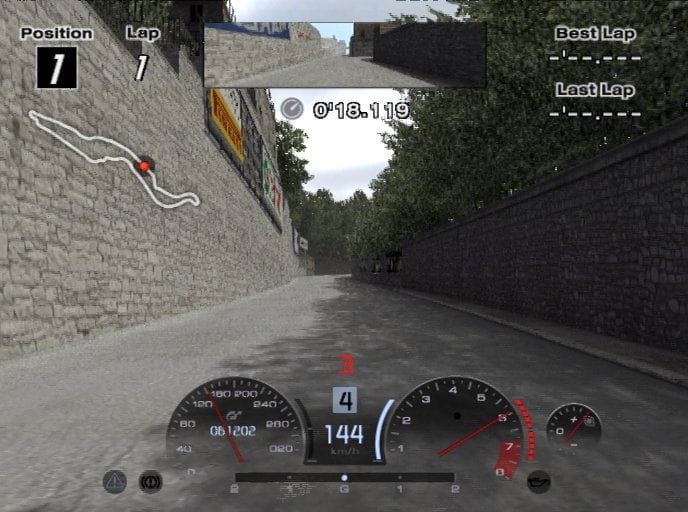
Having 700 cars is great, but where are you going to let those horses run? Polyphony Digital didn’t just give us a few tracks; they handed us a global passport to speed. With over 50 courses available, the sheer environmental variety in GT4 is enough to make a seasoned travel agent weep. From the pristine tarmac of world-class racing facilities to the bumpy, unforgiving cobblestones of European villages, the world is your oyster—or your oyster-shaped racetrack.
The track selection in Gran Turismo 4 feels like a fever dream for anyone who’s ever spent too much time staring at a world atlas. Polyphony didn’t just give us “loops”; they gave us living, breathing environments. Have you ever tried to thread a 500-horsepower GT-R through the narrow, high-fashion streets of George V Paris? It’s a bit like trying to fit a polar bear into a tuxedo—expensive, terrifying, and strangely majestic.
Let’s talk about the elephant in the room: the Nürburgring Nordschleife. This isn’t a racetrack; it’s a grueling, 170-turn endurance test that ruins friendships and breaks controllers. Polyphony’s recreation is so obsessively accurate that real-world drivers reportedly used it to practice before their actual races. Every dip, every crest, and every graffiti-covered stretch of asphalt is present and accounted for.
Who needs a vacation when you have a DualShock 2 and a copy of GT4? The city courses represent the pinnacle of the PS2’s aesthetic capabilities, blending high-speed thrills with postcard-perfect vistas. George V Paris captures the romantic, yet chaotic, essence of French transit, while New York lets you blast past Times Square at 200 mph without getting a ticket.
Racing through Hong Kong at night feels like a fever dream inspired by high-budget action cinema. The tight barriers and narrow corridors leave zero room for error, forcing you to prioritize agility over raw horsepower. Have you ever tried navigating a 700-horsepower Viper through these narrow lanes? It’s a recipe for expensive-looking paint scrapes.
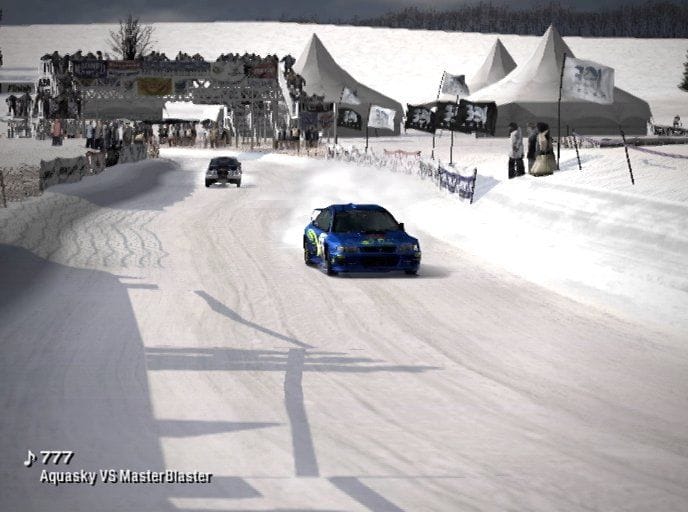
It isn’t all about smooth asphalt, though. GT4 brings back Rally stages, where you’ll spend most of your time in the Grand Canyon or Tahiti Maze wrestling with the steering wheel as your rear end tries to overtake your front. The snow and ice tracks take the lack of friction to a comical extreme. Every input on the DualShock 2 needs to be microscopic, or you’ll find yourself pointing the wrong way before you can say understeer.
Campaign
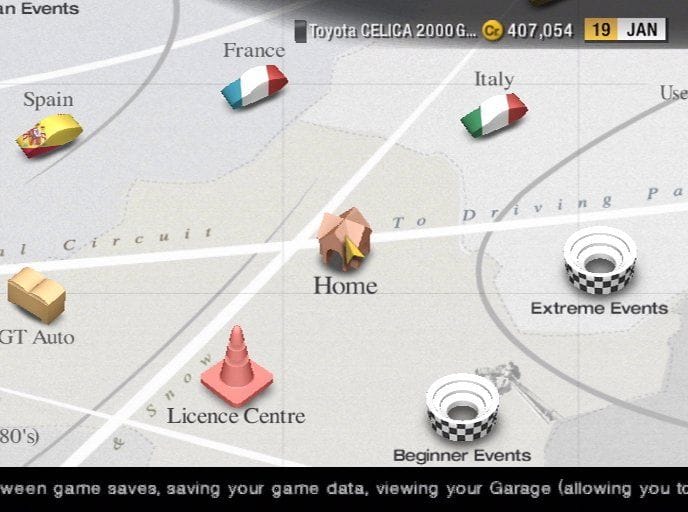
Whether you’re a weekend warrior looking for a quick hit of speed or a dedicated gearhead aiming to build a racing empire, Gran Turismo 4 splits its soul into two distinct experiences. Arcade mode provides quick thrills through single races and time trials, strips away the anxiety of bank balances and oil changes, letting you sample the world’s finest machinery immediately.
But the real soul of this game lives within the sprawling, map-based Gran Turismo mode. Gran Turismo Mode isn’t just a racing series; it’s a full-blown RPG where the “stats” are horsepower, torque, and spring rates. Unless you happen to have a Gran Turismo 3: A-Spec save file lurking on your memory card to port over 100,000 credits, you’re starting your career with a measly 10,000 credits. In the world of high-stakes racing, that’s basically pocket change.
With such a pathetic budget, you’ll become intimately acquainted with the Used Car Showrooms, specifically the ’80s and early ’90s sections. This is where the real strategy begins. Do you blow your wad on a high-mileage Nissan Silvia that needs an oil change, or do you settle for a lightweight Honda Civic and hope the VTEC kicks in hard enough to pass a Sunday driver?
GT4 organizes its main racing campaign through a tiered system that keeps the challenge curve feeling fresh—or occasionally, like a brick wall. You’ll start in the Beginner Events, where the competition is gentle and the prize money is just enough to cover a car wash.
The early game is a legitimate grind. You’ll find yourself repeating the Sunday Cup more times than you’d care to admit just to afford a set of Sports Tires. Before you can even think about entering the high-stakes world of Professional or Extreme events, you have to prove you actually know how to drive by passing the license tests.
There are five stages of grief…*coughs*…license tiers in GT4, each one more soul-crushing than the last. Is it frustrating? Absolutely. Is it necessary? Unfortunately, yes. You literally cannot enter certain prestigious races without the right credentials in your digital wallet.
You’ll start with the National B & A, which teaches you the fundamentals. If you can’t brake in a straight line, you aren’t going anywhere. International B & A is where the training wheels come off. You’ll be handling high-performance machines on tricky sectors of world-class tracks. The Super License is the final boss. You’ll have to complete full-lap time trials on the hardest circuits in the game, often in cars that want to kill you.
You only need a Bronze to pass and move on with your life. But for those of us with a completionist streak, anything less than Gold is a personal insult. Polyphony dangles a massive carrot in front of you: Prize Cars. If you manage to All-Gold a license set, the game hands over a high-end racing machine that would otherwise cost you hundreds of thousands of credits. It’s a fantastic way to bolster your garage early on, but be prepared for some serious rage quit moments.
Once you earned all your licenses, the Professional Events introduce longer races and more aggressive AI. This is where tire wear and pit strategy start to actually matter. If you’re brave enough to reach the Extreme Events, prepare for endurance tests that will push your concentration—and your PS2’s hardware—to the absolute limit.
Ever felt like a kid in a candy store, but the candy store is the size of a small country? You’ll navigate between Japan, Europe, and America, each housing its own unique culture and competitive spirit. Each region celebrates its local engineering marvels, forcing you to diversify your garage if you want to clear the board. You can’t just bring supercharged American muscle to a compact car challenge in the heart of Tokyo.
Gameplay
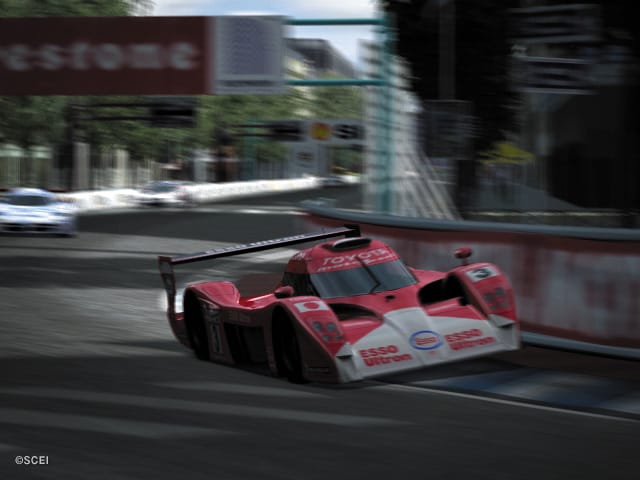
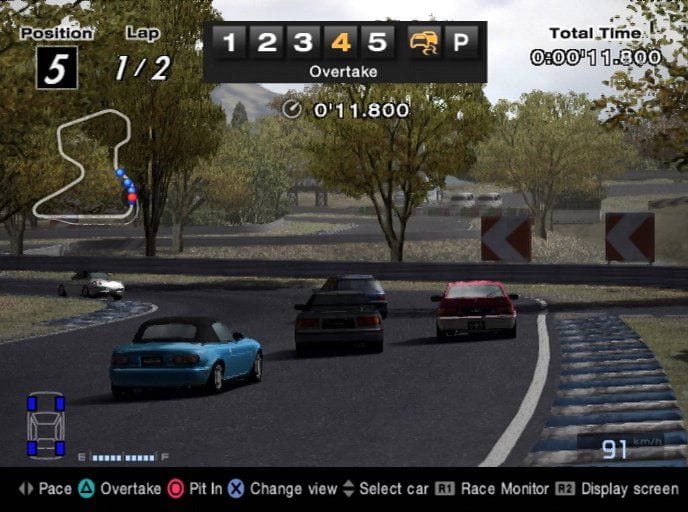
If you want to survive the Nürburgring without ending up as a permanent fixture of the guardrails, Gran Turismo 4 demands that you respect the brake pedal. You start wide, dive into the apex, and explode out of the corner. When you nail the transition from deceleration to a wide-open throttle, the sense of flow is intoxicating.
Have you ever noticed how the car’s nose dips when you lift off the throttle? That’s weight transfer in action, and using it to your advantage is what separates the casuals from the pros.
You can actually hear and feel when you’ve hit the apex correctly. The sound of the tires changes from a stressed “scrubbing” to a clean grip, and if you’re using a DualShock 2, the vibration tells you exactly how much “bite” you have left.
For all the talk about “The Real Driving Simulator,” there’s one part of Gran Turismo 4 that feels less like a professional race and more like a chaotic commute in rush hour. I’m talking about the artificial intelligence. The computer-controlled opponents in this game are famously stubborn.
They follow a pre-determined racing line with an almost religious devotion, seemingly oblivious to the fact that you—a living, breathing human—are currently occupying that space. The biggest letdown in GT4 is the lack of situational awareness from your rivals. They don’t race you so much as they exist on the track alongside you.
If you’re on the inside of a corner, don’t expect them to give you space; they will turn in as if you’re a ghost, resulting in a side-swipe that can ruin your suspension or send you spinning into the weeds. I’ve lost count of how many times a “clean” race turned into a scrap because the lead car decided to slam on the anchors in a high-speed zone.
Because the AI is so predictable and heavy, savvy players have developed the (admittedly cheap) tactic of wall-riding or “car-leaning.” If you’re coming into a hairpin too fast, you can literally bounce off the side of an opponent to stay on the track. It’s not exactly sportsmanlike, but hey, if you can’t beat ‘em, use ‘em as a cushion!
Pro Tip: If you find yourself struggling, try turning on the Active Stability Management (ASM), though true purists will tell you that the real fun starts when you turn the assists off and fly by the seat of your pants.
Sometimes, you just want to sit back, crack open a cold soda, and watch someone else do the heavy lifting. Enter B-Spec Mode, the Director’s Cut of the Gran Turismo experience. It transforms the game from a white-knuckle racer into a high-stakes management sim, where you delegate the driving to an AI pilot whose skill level increases as you train them.
Polyphony Digital famously described B-Spec as a way to play GT4 while enjoying a cup of coffee, and they weren’t kidding. It’s a lifesaver for completing the massive 100% completion checklist. If you’ve already mastered a track in A-Spec and just need the prize money, why not let the computer handle the grunt work? It’s the perfect solution for those grueling 24-hour endurance races that would otherwise wear out your thumbs and controller.
Controls
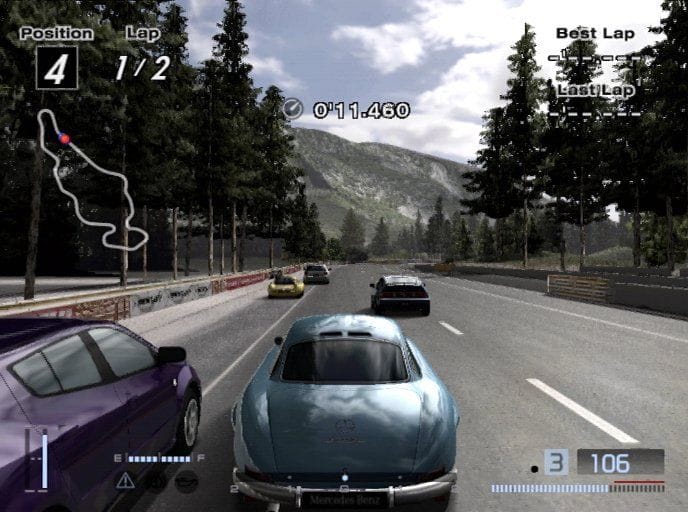
If you think you can just mash the accelerator and drift through every corner like you’re in an arcade cabinet, Gran Turismo 4 is about to give you a terrifying, beautiful reality check. The physics engine in GT4 feels like it’s constantly calculating a thousand tiny variables just to keep you on the road. The most impressive feat here is how Polyphony Digital managed to make every single one of those 700+ cars feel distinct.
Driving a BMW M5 feels heavy, planted, and professional, whereas a Toyota Tacoma X-Runner has a high center of gravity that makes every sharp turn feel like a daring feat of physics. You can actually feel the difference between a front-wheel-drive hatchback and a rear-wheel-drive beast.
The physics in GT4 punish “digital” driving—treating the buttons like on/off switches. If you’re jerky with the steering or erratic with the gas, the car will fight you. You have to be smooth. The game rewards a rhythmic approach where every input flows into the next. From the way the suspension compresses under heavy braking to the scrubbing sound of understeering tires, the feedback transforms the DualShock 2 from a piece of plastic into a direct link to the asphalt.
While the controller is great, playing this game with a compatible Force Feedback steering wheel (like the Logitech Driving Force Pro) is a complete game-changer. Suddenly, you aren’t just pushing buttons; you’re fighting the car. The wheel fights against you during a slide, and you can feel every individual bump on the rumble strips.
It adds a layer of physical exhaustion to the longer races that you just don’t get with a thumbstick. If you have the space for a racing seat setup, it’s the only way to truly experience what the developers intended. FYI, your lap times might actually get worse at first as you adjust to the realism, but the satisfaction of a clean lap is worth the learning curve.
Graphics
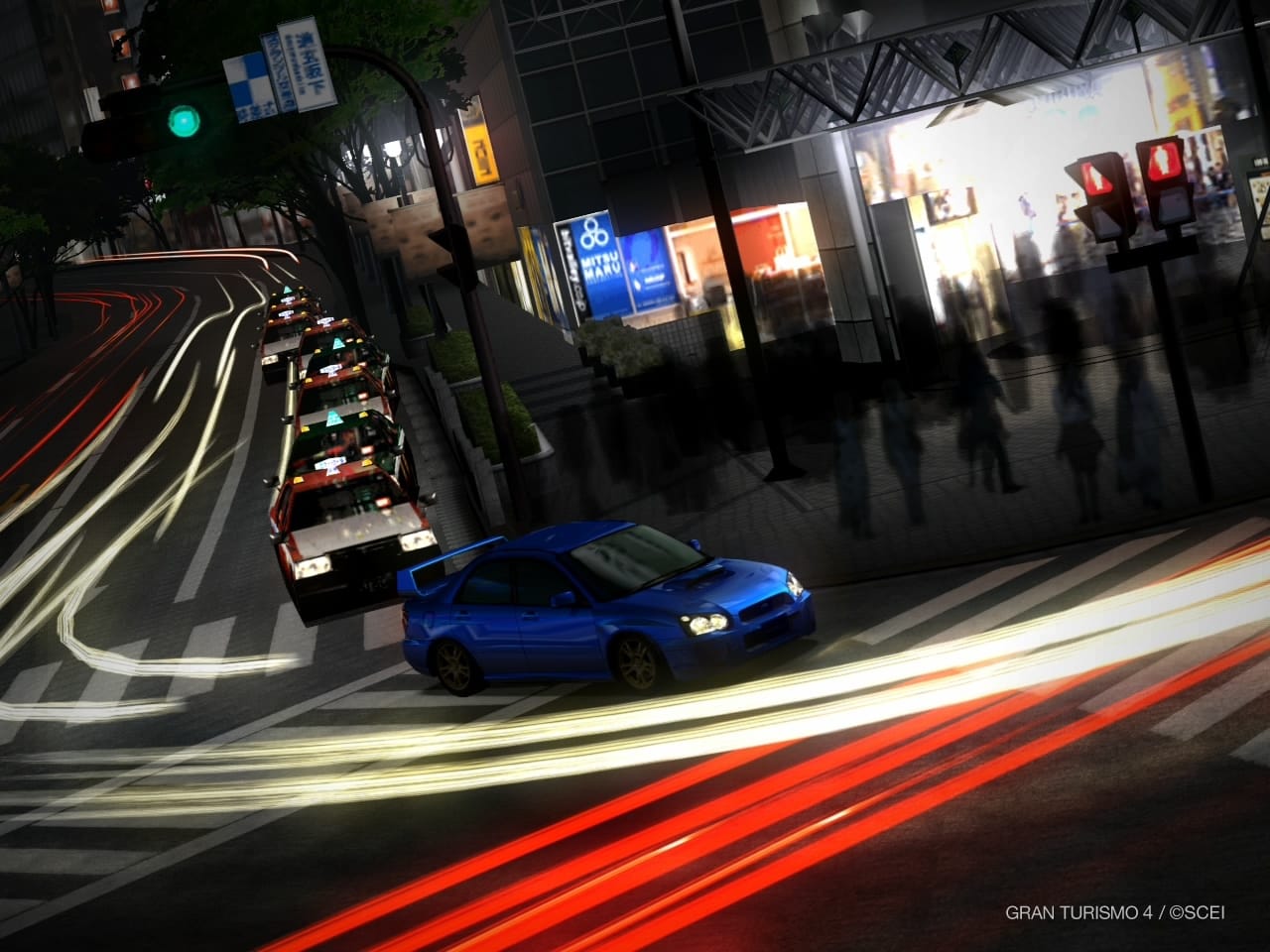
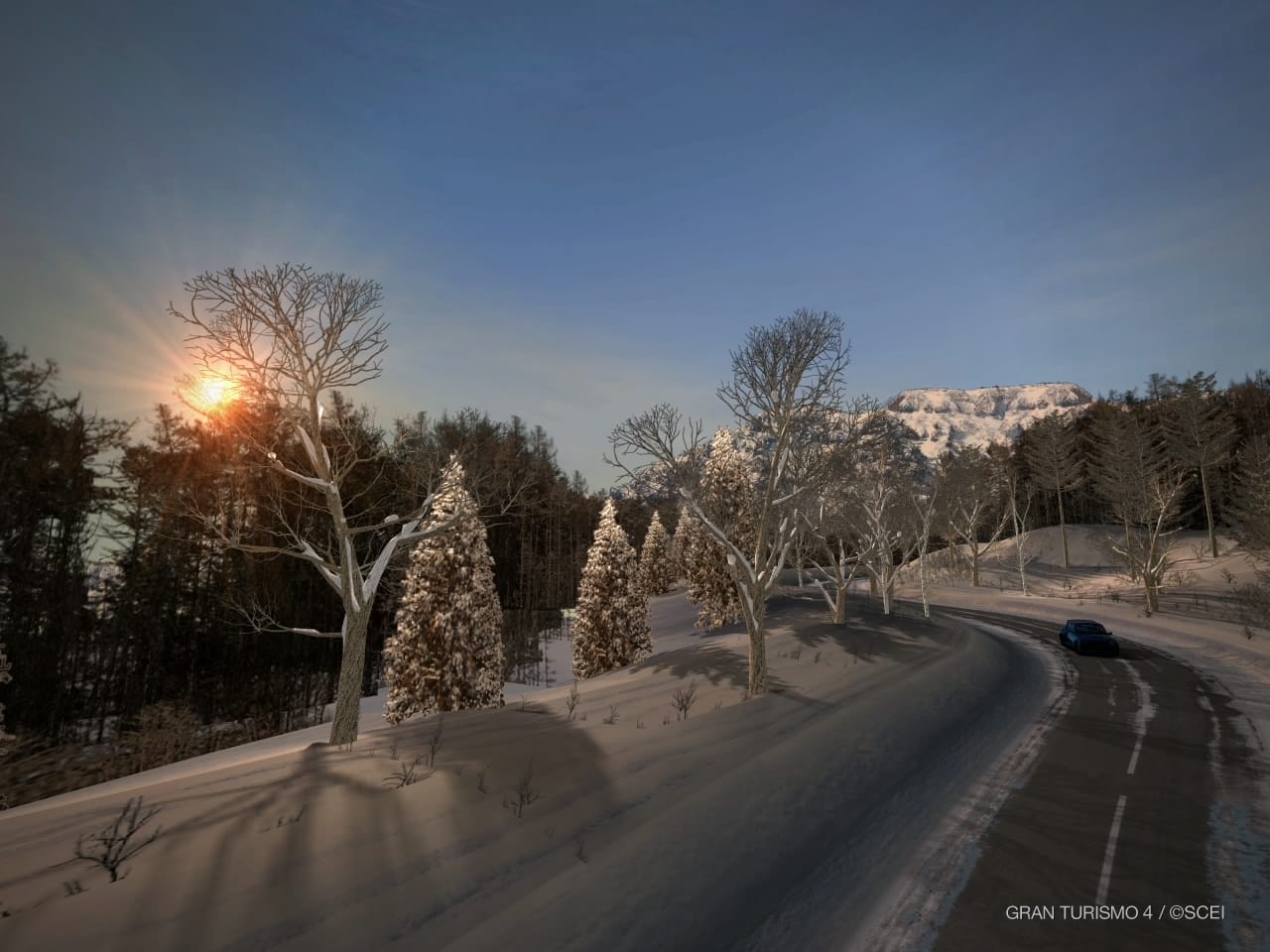
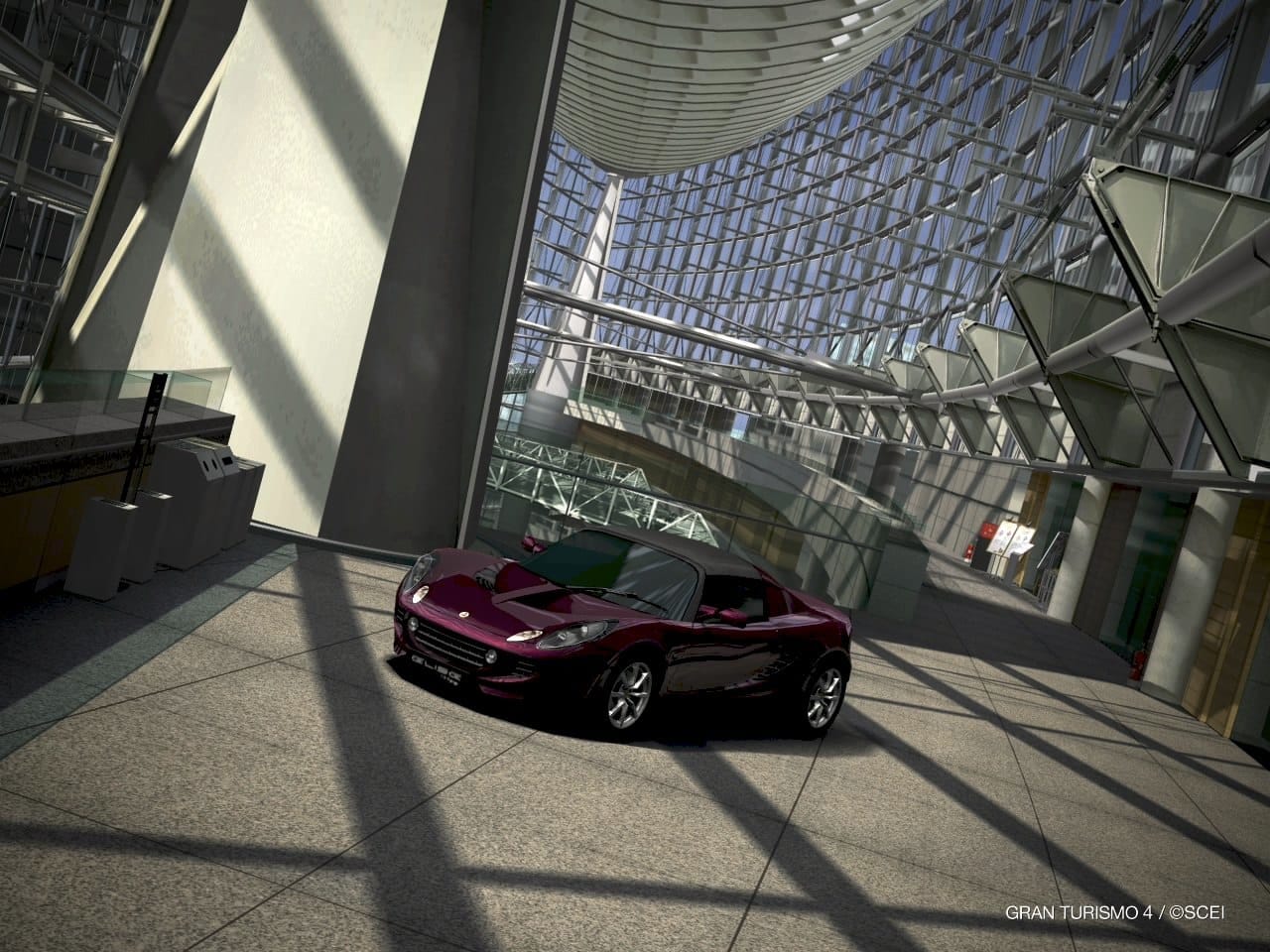
Gran Turismo 4 doesn’t just look “good for its time”—it looks clean even by modern standards when you consider it’s running on hardware with only 32MB of system RAM. The headline feature that still causes double-takes today is the support for 1080i resolution. While most PS2 titles were content to chug along at 480i (standard definition), GT4 offered a high-definition output mode that was years ahead of its time.
The term “perfectionist” doesn’t quite do the developers justice. To recreate the 700+ cars in the game, the team spent three months building each individual model from the ground up. They didn’t just eyeball the shapes; they used over 500 photographs per vehicle to ensure every curve of the bodywork and every spoke on the wheels was mathematically accurate.
This obsession extends to the lighting engine. The way light reflects off different paint finishes—from matte black to pearlescent white—is stunning. Have you ever noticed how the shadows of the trees at Trial Mountain dance across your dashboard in the interior view? It’s these tiny, unnecessary details that elevate GT4 from a mere game to a work of art.
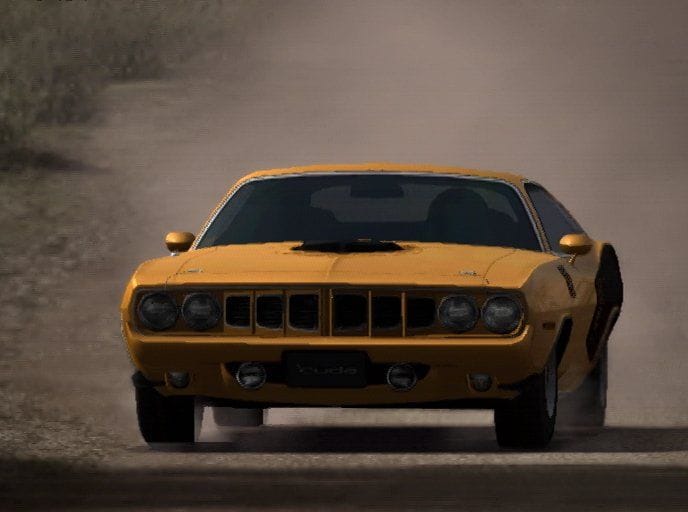
How on earth did Polyphony Digital squeeze this much juice out of a console from the year 2000? Polyphony used custom-written code that bypassed standard libraries to speak directly to the PS2’s hardware. They managed to implement sophisticated environmental mapping and particle effects (like the dust in the rally stages) that should have theoretically crashed the system.
By 2005, most developers were hitting the ceiling of the PlayStation 2’s capabilities, yet Gran Turismo 4 arrived and basically rebuilt the roof. It’s the kind of technical wizardry that makes you wonder if Kazunori Yamauchi and his team found a secret turbo button inside the Emotion Engine.
Fun Fact: GT4 is so large it actually required a Dual-Layer DVD, which caused some older PS2 consoles to struggle just to read the disc!
Sound
Close your eyes for a second and just listen. Do you hear that? It isn’t just generic car noise #4 looping in the background. In Gran Turismo 4, every gear shift, every turbo flutter, and every redline scream carries its own distinct DNA. Polyphony Digital didn’t just want the cars to look like their real-world counterparts; they wanted them to “speak” with the same authority.
The developers recorded the actual engine notes for every single one of the 700+ vehicles in the game. It’s a level of commitment that borders on the fanatical. Have you ever noticed how a high-revving Honda VTEC engine sounds completely different from the low-frequency rumble of a 7.0L Chevy V8? It’s an auditory feast that turns your living room into a paddock.
If you’ve ever sat on the menu screen for twenty minutes just to hear the smooth jazz finish its loop, you know that Gran Turismo 4 is as much about the vibes as it is about the valves. But once you actually hit the track, the Great Soundtrack Debate truly kicks off. Depending on which side of the Atlantic you call home, your high-speed anthems look—and sound—drastically different.
The musical direction here is a wild, eclectic mix that ranges from nu-metal and pop-punk to classical remixes and deep-cut electronic tracks. Ever wondered why racing a 1920s tricar felt so intense? It’s probably because Judas Priest was screaming in your ear the entire time. It’s a sonic whiplash that somehow perfectly captures the chaotic energy of a 60-car garage.
For the North American release, Sony went all-in on the Xtreme energy of the mid-2000s. The tracklist reads like a time capsule of alternative radio, featuring heavy hitters like Papa Roach, Jet, The Crystal Method, and Van Halen that were practically designed to make you press the accelerator a little harder.
If you managed to snag the PAL version of the game, you were treated to a completely different vibe. The European soundtrack leans heavily into the UK’s indie and electronic prowess, trading some of the American grit for a more sophisticated European cool. Many fans (myself included!) argue the European list is the superior curation.
You get Queens of the Stone Age, Kasabian, and the ethereal, shoegaze-adjacent sounds of Ulrich Schnauss. It feels a bit more “boutique” and fits the globetrotting nature of the game perfectly. Have you ever drifted through the Swiss Alps to the driving bassline of a Bushwacka! remix? It’s a transcendent experience.
We also have to talk about the classical music. GT4 famously features orchestral pieces. There is something profoundly hilarious—and yet strangely beautiful—about navigating a Ford Model T at a blistering 25 mph while a full symphony orchestra plays Bach in the background. It’s that signature Polyphony touch: a mix of high-brow art and mechanical obsession.
Whether you’re a fan of the US grunge or the Euro-electronic scene, the music in GT4 acts as the heartbeat of the simulation. It’s the final layer of polish on a game that already feels like a love letter to car culture. Just don’t let a particularly spicy guitar solo distract you from your braking point at the Mulsanne Straight.
Replay Value
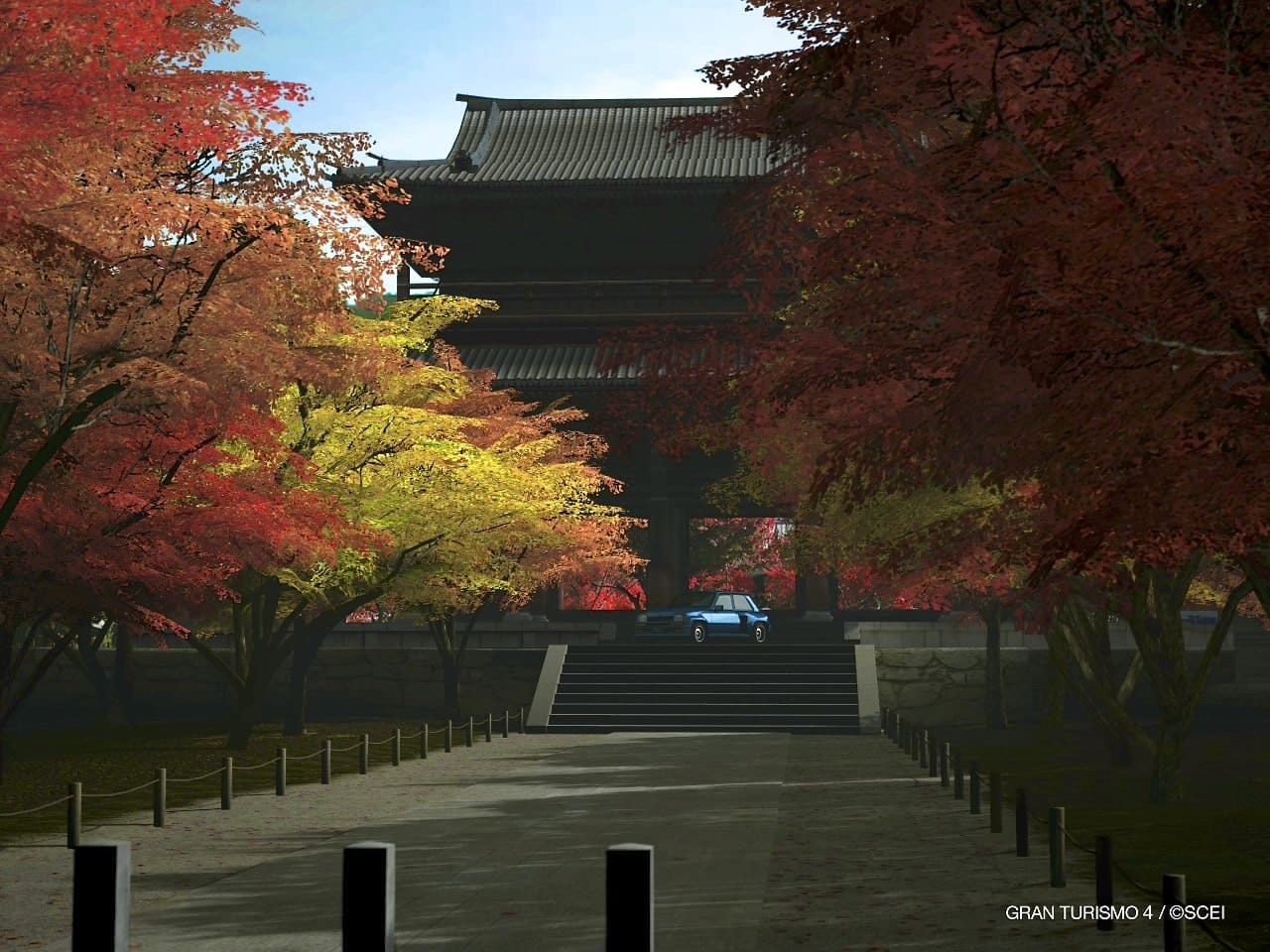
If you thought Gran Turismo 4 was merely about the finish line, think again. This game gave us Photo Mode, a professional-grade photography suite that lets you take your prized machines to iconic Photo Travel spots like the Grand Canyon, Gion in Kyoto, or the bright lights of Las Vegas. You can adjust the shutter speed, focus, and even the “camera” angle with startling precision.
Want that blurry “bokeh” background that makes your car pop? You can do that. Want to capture a sense of speed with a long exposure? Go for it. In a move that feels like ancient history now, you could actually plug a compatible Epson printer into the PS2’s USB port and print out your masterpieces.
If the standard career feels a bit too traditional for you, the Driving Missions offer a concentrated dose of high-stakes lifestyle racing. You’ll find yourself rallying through the dirt in the Swiss Alps or navigating the narrow, sun-drenched streets of a Mediterranean village. These races often require specific tires and a completely different driving style.
These missions force you to master the nuances of the game’s physics, like the drafting feature or slipstreaming. It demands a level of focus that makes finally clearing Mission 34 feel like winning the actual lottery. Not to mention the rewards for these missions include some of the rarest, most flex-worthy cars in the game, making them a must for any serious collector.
Final Verdict
After weeks of grinding for licenses, obsessing over suspension geometry, and watching your B-Spec driver finally figure out how a steering wheel works, we’ve reached the finish line. Gran Turismo 4 is an achievement that captured a specific moment in time when Polyphony Digital’s ambition and the PS2’s hardware hit a perfect, high-RPM harmony.
Sure, the AI drives like it’s following a GPS with a five-second delay, and the license tests might make you want to reconsider your life choices. But those are minor speed bumps in an otherwise perfect journey. So, is it still the king? In the hearts of anyone who values depth, detail, and the pure joy of the automobile, the answer is a resounding yes. It’s a masterclass that everyone—revhead or not—needs to experience at least once. Just remember to bring your own coffee for those B-Spec endurance runs.
Verdict
Gran Turismo 4
Masterpiece