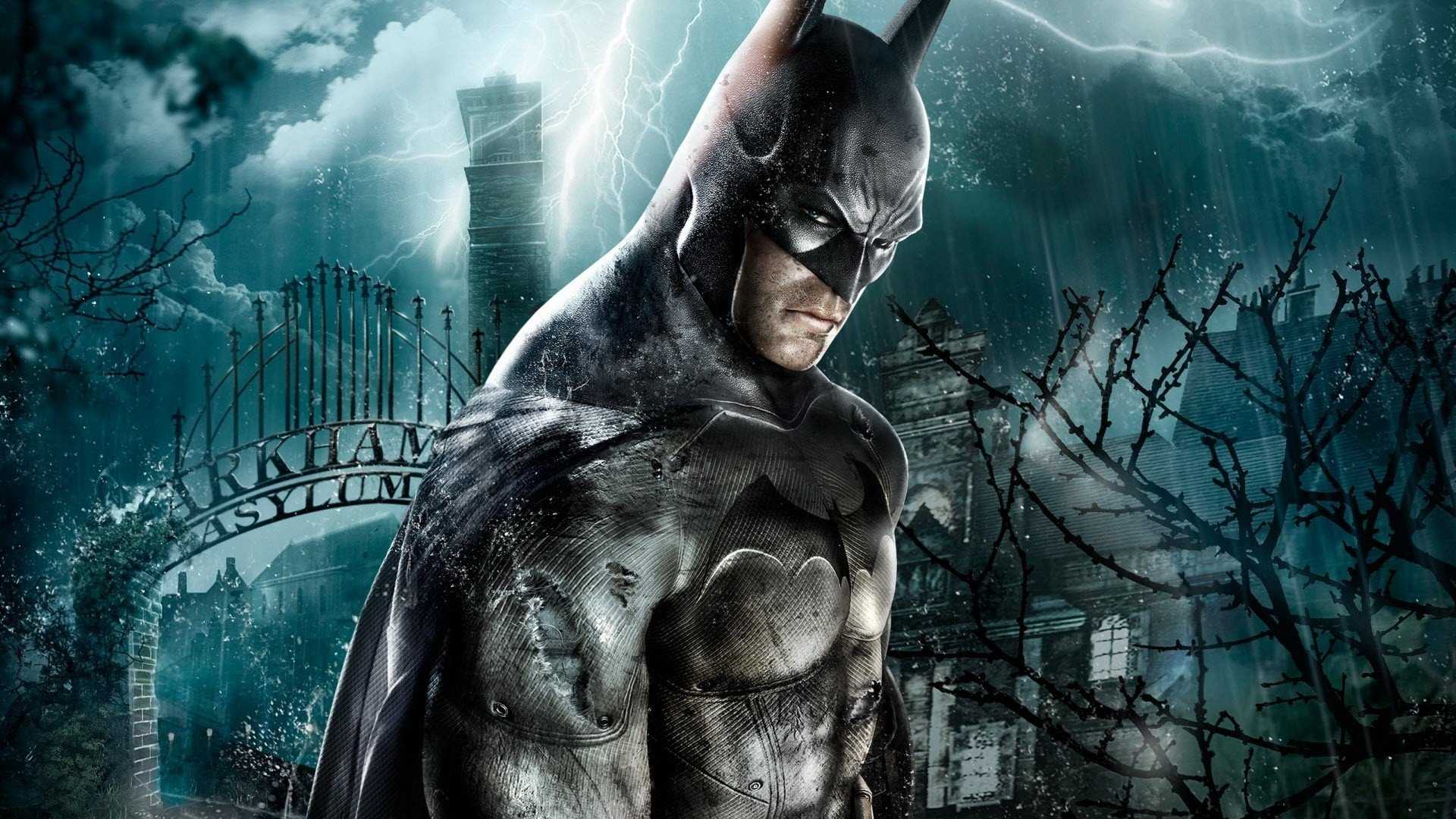
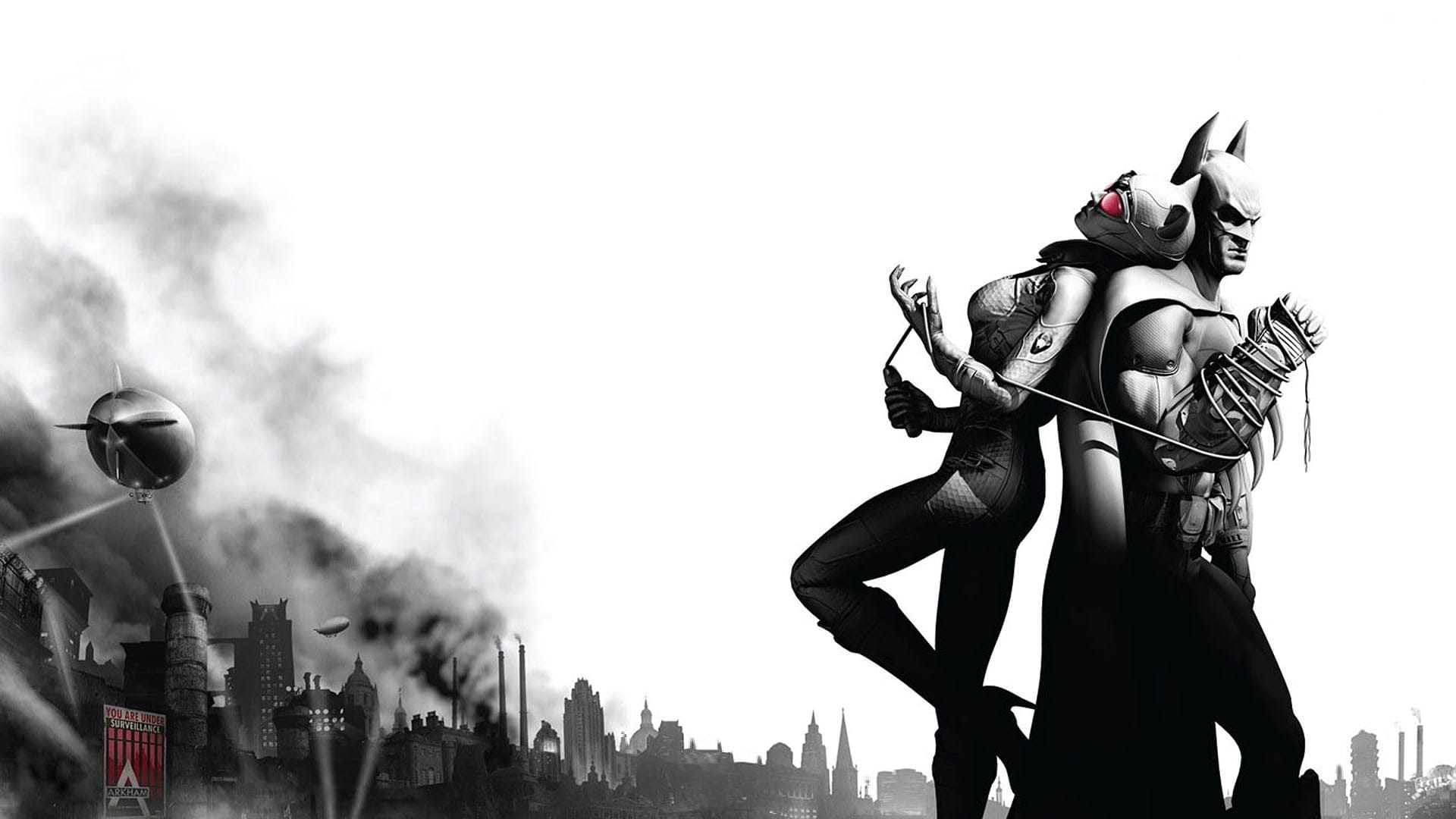
Batman: Arkham Asylum didn’t merely succeed in 2009, it recalibrated the entire superhero genre, leaving a long, intimidating shadow draped over anything that dared follow it. But how would Rocksteady respond? Would the Dark Knight’s second outing collapse under the weight of its own ambition, or would lightning strike twice? In this review, you’ll find out if Batman: Arkham City Game Of The Year Edition is still worth playing today.
Story Overview
Set across a single, brutally long night, the story wastes no time establishing its stakes. Batman is dropped into chaos with no room to breathe, forced to navigate a city where every faction is making a move and every alliance is temporary at best. Urgency isn’t suggested. It’s enforced, woven into the pacing and reinforced by constant pressure from all sides.
Familiar faces from Arkham Asylum return with sharpened edges and expanded roles, no longer confined to single-setpiece madness. They’ve adapted, entrenched themselves, and carved out power within the city’s fractured hierarchy. These aren’t repeat performances. They’re evolutions, shaped by survival and spite.
Alongside them come heavyweight additions who thrive in the new, open structure. Penguin’s militarized stronghold oozes authoritarian paranoia. Two-Face’s turf war adds a volatile sense of lawless entropy. Ra’s al Ghul injects mythic gravitas, pulling the narrative into ancient conspiracies and moral absolutism. Each villain doesn’t just exist in Arkham City. They rule parts of it.
What ties the gallery together is tone. No character feels cartoonishly out of place, despite wildly different philosophies and aesthetics. The city absorbs them, reshapes them, and reflects their influence through environmental design, enemy behavior, and mission structure. Arkham City understands that Batman is defined by his adversaries. By giving each villain space to breathe, to scheme, and to threaten in their own way, the game turns its rogues’ gallery into a living ecosystem of danger, ambition, and inevitable confrontation.
This is a bolder story than Arkham Asylum, unafraid to juggle multiple villains, intersecting plots, and philosophical clashes about justice, control, and sacrifice. The writing leans darker, trading pulpy shock for a more confident, measured menace. It’s a story that understands restraint, escalation, and consequence, proving that superhero narratives can be both operatic and grounded without losing their bite.
Gameplay & Combat
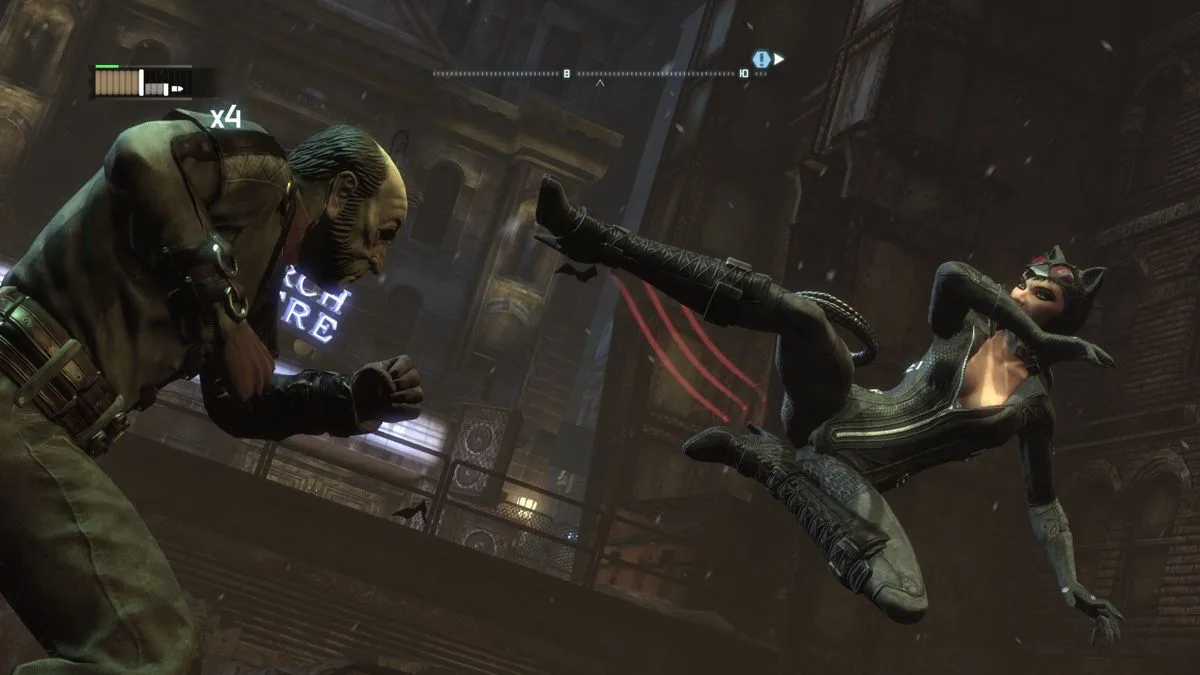
The Freeflow foundation from Arkham Asylum returns intact, but everything around it has been tightened, expanded, and pushed harder. Strikes chain more fluidly, counters feel more responsive, and the expanded move list rewards players who treat combat like a rhythm rather than a button-mashing exercise. Momentum is everything. Lose it, and the illusion collapses fast.
New enemy archetypes demand adaptation. Armored thugs punish sloppy aggression. Agile opponents break predictable patterns. Shield carriers and stun baton enforcers force quick prioritization, turning brawls into fast-moving puzzles rather than brute-force encounters. Gadgets are no longer optional flair. They’re integral tools woven seamlessly into combos, encouraging creativity under pressure.
If Freeflow combat is Batman unleashed, Predator encounters are Batman unstoppable. These encounters transform enclosed spaces into tactical playgrounds where patience, positioning, and psychological warfare matter more than raw strength. Gargoyles aren’t just perches. They’re promises. Every shadow is an opportunity, every silent takedown a message sent to the remaining thugs.
Enemies are sharper this time around. They adapt. They cover vantage points, deploy mines, jam detective vision, and panic in increasingly desperate ways as their numbers dwindle. The brilliance lies in how fear becomes a mechanical system. The fewer men left standing, the more erratic their behavior, the more vulnerable they become. Batman’s toolkit feeds into this predatory loop beautifully. Disruptor gadgets, smoke pellets, environmental takedowns, and silent glides encourage experimentation without breaking flow. No two encounters need to play the same way, and the game rarely forces a single solution.
Arkham City’s smartest narrative flex isn’t a villain reveal or a late-game twist, it’s letting players slip between two characters: Batman and Catwoman. Where Batman dominates space through gadgets and intimidation, Catwoman survives on speed, precision, and an almost reckless grace. Her movement is lighter, faster, and more exposed. There’s no cape to glide on, no endless utility belt to lean on. Instead, traversal becomes a constant forward rush, driven by whip-assisted leaps and a combat rhythm that rewards aggression over caution.
Narratively, Catwoman’s sections act as pressure valves, breaking up Batman’s grim crusade with a story rooted in self-interest, moral ambiguity, and survival. Her objectives intersect with Batman’s mission without ever feeling subordinate to it, reinforcing the idea that Arkham City isn’t just a battleground, but a crossroads of competing agendas. It would have been great if Catwoman had a bigger part in the story, but for what it’s worth, she left an excellent presence in Arkham City.
Level Design
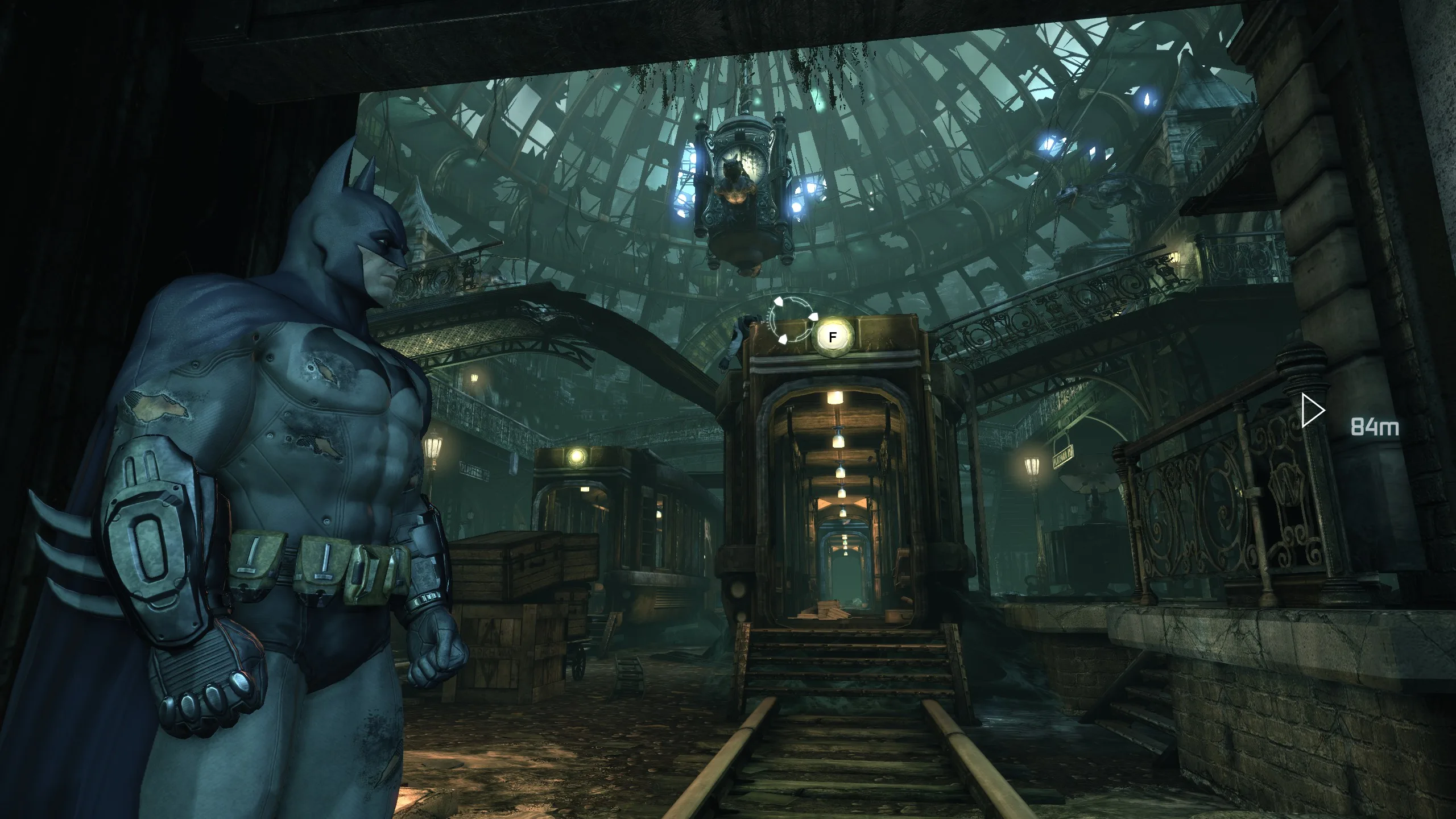
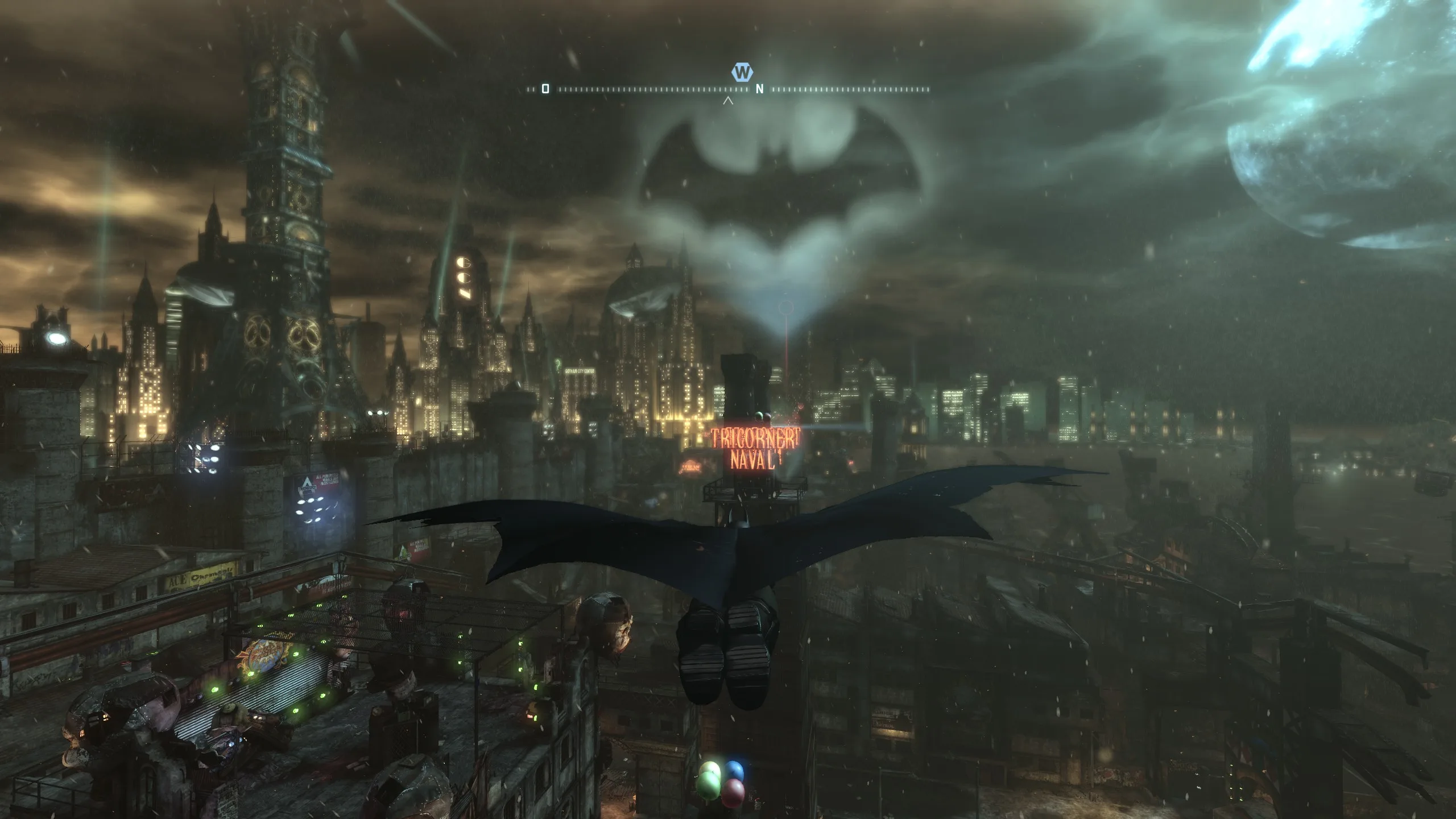
Where Arkham Asylum boxed Batman into tight corridors and carefully choreographed panic rooms, Arkham City cuts him loose in a walled-off chunk of Gotham that feels volatile, vertical, and permanently on the brink of collapse. Rooftops replace air vents. Back alleys become hunting grounds. The skyline itself turns into a playground for momentum and menace, with grapnel boosts and gliding mechanics encouraging constant forward motion rather than cautious inching.
Arkham City hums with unease, its streets echoing with distant gunfire, barking orders, and the low murmur of criminals who know something terrible is hunting them. Snow drifts through broken skylines. Neon signs flicker like dying pulsebeats. Even silence feels loaded.
Every district has its own personality, from industrial ruins to frozen strongholds, and each one tells a story without stopping gameplay to explain itself. Criminals chatter about power struggles. Propaganda blares from loudspeakers. Violence feels ambient, like weather.
Crucially, the game trusts restraint. There’s no map clutter screaming for attention. Discovery feels organic, earned through curiosity rather than obligation. You glide because you want to. You stop because something feels wrong. Arkham City succeeds not by telling you that you are Batman, but by quietly ensuring that every movement, every pause, and every looming shadow agrees.
Most importantly, the design understands Batman. Verticality fuels dominance. Sightlines reward planning. Escape routes matter as much as entrances. Arkham City doesn’t just give you more space to move. It gives you more room to think, to stalk, and to strike on your terms. The result is a city that feels less like a map and more like a living crime scene waiting to be solved with fists.
Graphics & Sound
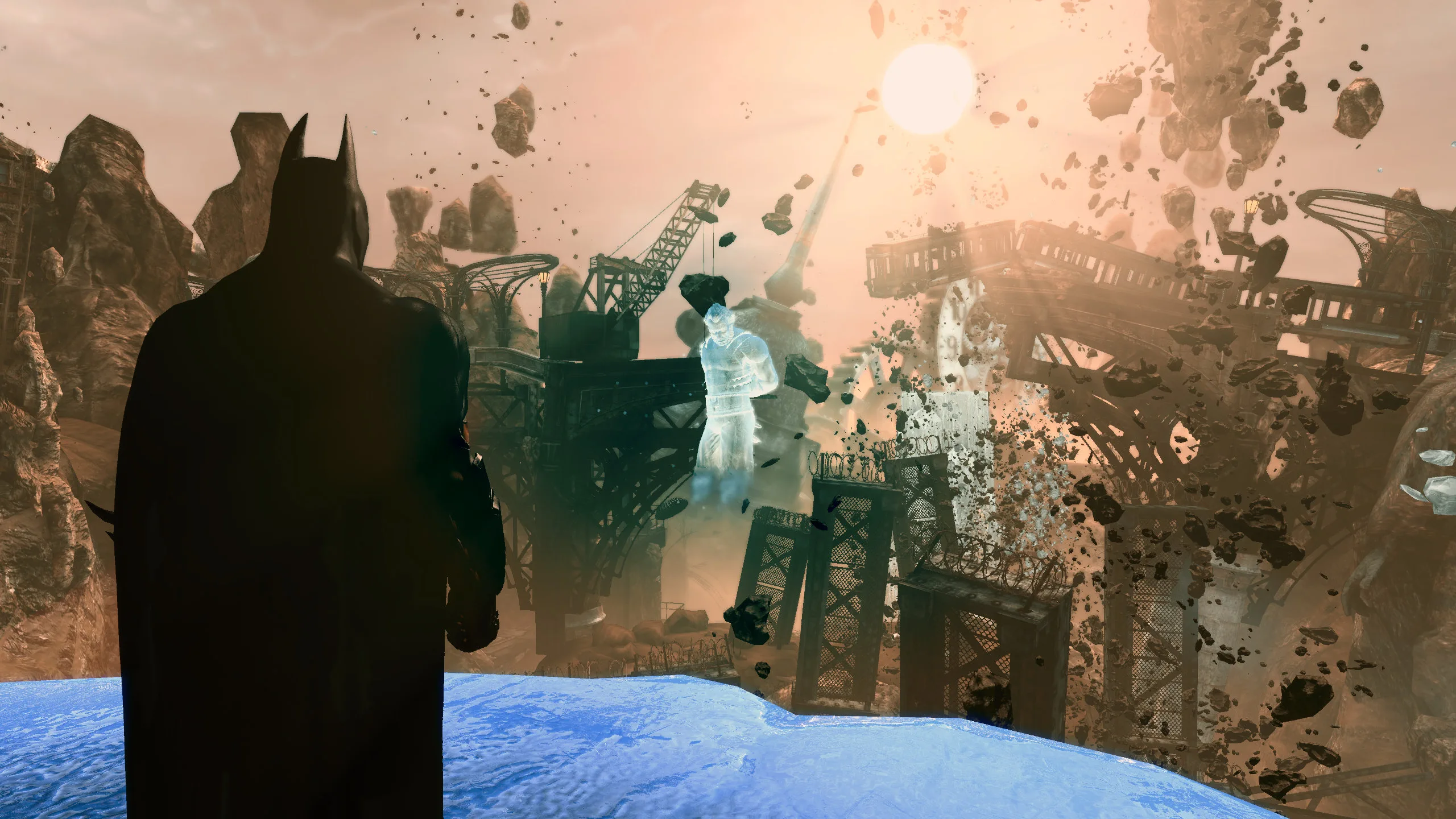
Compared to Arkham Asylum, Arkham City delivers a level of visual fidelity that still feels arresting years later. Texture clarity holds up under scrutiny, lighting remains dramatic without smothering detail, and character models retain a sharpness that many contemporary releases struggle to maintain. Cranked to max settings, Arkham City wouldn’t feel out of place alongside early PS4 or Xbox One releases. The city’s vertical sprawl benefits enormously from higher resolutions, giving Gotham a sense of scale that consoles of the era could only hint at.
For all its technical ambition, Arkham City’s PC version carries a frustrating caveat stitched into its fabric. Nvidia PhysX effects, when available, adds realistic smoke and environmental destruction that undeniably enhance the experience. Smoke curls with convincing density, paper debris swirls dynamically during fights, and environmental destruction gains a tactile, almost theatrical quality. These touches add texture to combat and atmosphere alike, reinforcing the illusion of a living, reactive world.
The problem is access. PhysX is locked behind proprietary hardware requirements that immediately sideline a large portion of PC players. AMD GPU users are excluded outright, and even owners of modern Nvidia cards often find themselves unable to fully leverage these features due to limited native support on newer architectures. Handheld gaming PCs fare no better, further shrinking the pool of players who can experience Arkham City as originally envisioned.
What makes this sting is how unnecessary it feels. The game looks excellent without PhysX enabled, but knowing that visual enhancements exist and are arbitrarily unavailable creates an avoidable sense of compromise. Instead of feeling like optional flair, PhysX becomes a reminder of technical gatekeeping that’s still done today in the current PC gaming market. Well done, Nvidia.
The sound design is dense and deliberate, layering distant sirens, howling wind, clanking machinery, and muffled criminal chatter into a constant low-grade tension. The musical score leans heavily into atmosphere, swelling subtly during exploration before erupting into urgent, percussive themes during combat and boss encounters. It knows when to step forward and when to disappear entirely, allowing the city’s ambient noise to do the storytelling. The result is a soundscape that reinforces momentum without ever overwhelming it.
Voice acting remains one of Arkham City’s greatest strengths. With Mark Hamill and the late Kevin Conroy reprising their roles again, they’re able to deliver dialogue with menace, charisma, and surprising emotional range. Batman’s restrained intensity anchors the experience, while the villains chew through their lines with just enough theatricality to feel dangerous rather than cartoonish.
Replay Value
Side missions here aren’t filler content dangling for completionists. They’re extensions of the city’s instability, each one revealing another fracture in Gotham’s already crumbling order. Villain-focused side quests stand out in particular, offering self-contained arcs that expand the rogues’ gallery without stealing focus from the main plot. They provide context, consequence, and occasionally genuine surprise, reinforcing the idea that Batman can’t be everywhere at once, no matter how hard he tries.
Then there’s the Riddler. His challenges return in force, but with sharper design and greater variety. They test observation, timing, and spatial reasoning rather than patience alone. Solving them feels like dismantling a psychological assault piece by piece.
New Game Plus reframes the entire campaign, stripping away the safety net and demanding a deeper understanding of combat flow, enemy behavior, and gadget synergy. Enemy placements are less forgiving, reaction windows tighten, and success hinges on experience rather than upgrades. It’s a mode that respects returning players by refusing to pull its punches.
The Game of the Year Edition expands Arkham City’s longevity in meaningful ways, most notably through the Combat Challenge Maps. These arenas strip the experience down to its mechanical core, daring players to master timing, positioning, and efficiency against escalating waves of thugs. There’s no narrative safety net here, only skill and endurance, making them a perfect showcase for Arkham City’s refined combat systems.
New playable characters like Robin and Nightwing add a distinct rhythm, animation set, and gadget loadout that subtly reshapes familiar encounters. Robin blends acrobatics with gadget-heavy control, while Nightwing is pure momentum, favoring speed and flowing strikes. Their inclusion in the game shows just how impressive the combat framework really is, while also underscoring a missed opportunity from Rocksteady to integrate them more deeply into the main story. Still, as bonuses, they punch well above their weight.
Beyond challenges, additional skins and content serve as celebratory nods to Batman’s long history, offering cosmetic variety without disrupting balance or tone. Taken together, the Game of the Year content transforms Arkham City from a singular campaign into a broader sandbox of mastery, built to be replayed. For players willing to stay in the cowl a little longer, there’s always another fight worth perfecting.
Final Verdict
More than a decade after release, the Game of the Year Edition on PC remains a masterclass in how to evolve a sequel without losing identity. It expands scope without sacrificing focus, deepens mechanics without burying them under excess, and delivers a version of the Batman fantasy that still feels definitive. Combat is sharper. Movement is liberating. The city itself feels hostile, alive, and endlessly compelling.
Arkham Knight, Rocksteady’s final entry, overwhelms with systems, vehicle combat, and visual excess, often at the expense of focus. Arkham City, by contrast, knows exactly what it wants to be. It strikes the perfect balance between power and restraint, and it captures Batman not as an icon on a screen, but as a presence you inhabit.
Its flaws are real, but minor in the grand scheme. Proprietary PhysX limitations feel dated and unnecessary, and the absence of deeper story integration for characters like Catwoman, Robin and Nightwing leaves some potential untapped. Yet these issues barely dent an experience built on confidence, cohesion, and mechanical brilliance.
Overall, Arkham City isn’t just a great sequel, it’s the absolute peak of the Arkham series. It’s one of the finest examples of how to translate a legendary character into a truly outstanding game. Few action-adventure games earn the right to be called timeless.
Verdict
Batman: Arkham City Game Of The Year Edition Review (PC)
Outstanding

At HyperComboGamer, we believe great games deserve great coverage. That means no filler, no clickbait, or fanboyism—just honest, high-quality reviews, features, and guides that put gamers first. Whether you’re a lifelong enthusiast or just starting your gaming journey, you’ll find interesting gaming perspectives that will leave you fully satisfied.