While others focused on being family-friendly, SEGA leaned into being fast, cool, and had a relentless drive to bring high-octane arcade energy into our homes. Have you’ve ever felt that specific surge of adrenaline when the “SEEGAA!” chant rings out, or if you still argue that the Saturn was criminally underrated? You’re in the right place.
Today, we’re taking a deep dive into the 30 best SEGA games ever made. We’re talking about the hits that defined the Genesis, the gems that kept the Dreamcast dream alive, and the modern masterpieces that prove the blue hedgehog still has plenty of gas in the tank.
Sonic The Hedgehog 2
- Release Date: November 21, 1992
- Platform: Sega Genesis
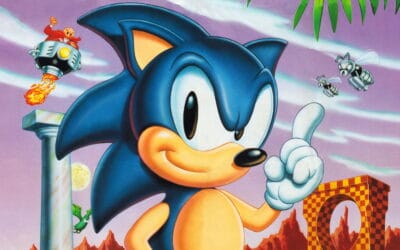
Sonic The Hedgehog 2 represents the precise moment SEGA found its groove and started sprinting. Adding Miles “Tails” Prowler was a stroke of genius, and the Super Spin Dash turned Sonic from a fast platformer into a blue blur of pure, unadulterated momentum. The level design in this masterpiece is nothing short of sublime. We go from the breezy vibes of Emerald Hill to the synth-heavy atmosphere of Casino Night. Who hasn’t spent way too much time gambling for rings in those giant pinball machines? It’s addictive, brilliant, and perhaps a little irresponsible for a hedgehog. If you didn’t wake up on Sonic 2sday back in ’92 with a frantic need for speed, did you even live?
Why It's Still Iconic: Sonic 2 remains the quintessential blueprint for high-speed platforming. It strikes that elusive balance between blistering velocity and precise control that many modern titles still struggle to replicate. It represents SEGA at its most confident, delivering a polished, vibrant spectacle that proved the Genesis could go toe-to-toe with any juggernaut in the industry.
Streets Of Rage 2
- Release Date: December 20, 1992
- Platform: Sega Genesis
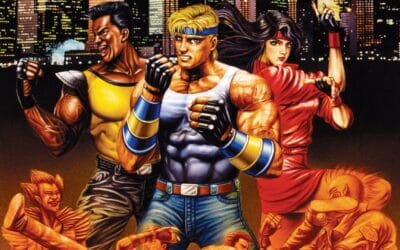
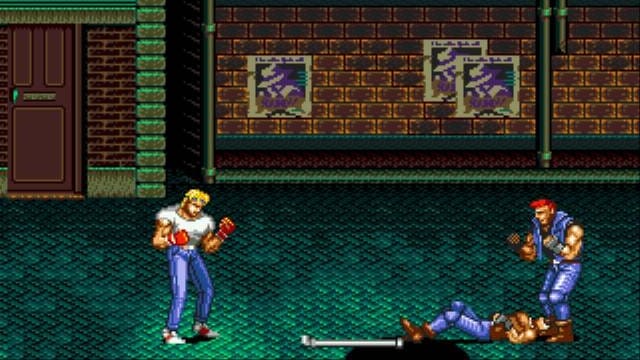
While the first game laid the foundation, Streets Of Rage 2 brought the hammer down with improved graphics and meatier combat. The character roster feels perfectly symmetrical this time around. You’ve got the balanced power of Axel, Blaze’s tactical agility, Max’s hulking grappler style, and Skate’s high-speed rollerblade shenanigans. Yuzo Koshiro’s soundtrack was legendary, pushing the Genesis sound chip into territory that sounded more like an underground rave than a home console. Why does punching a punk into a telephone booth feel so viscerally satisfying even thirty years later?
Why It's Still Iconic: Streets Of Rage 2 sits on the throne as the undisputed king of brawlers. The combination of flawless hit detection, iconic sprite work, and an atmospheric soundtrack creates an immersive urban grit that remains unmatched. It’s the gold standard that every modern revival, including Streets of Rage 4, looks to for inspiration.
Shinobi III: Return Of The Ninja Master
- Release Date: July 23, 1993
- Platform: Sega Genesis
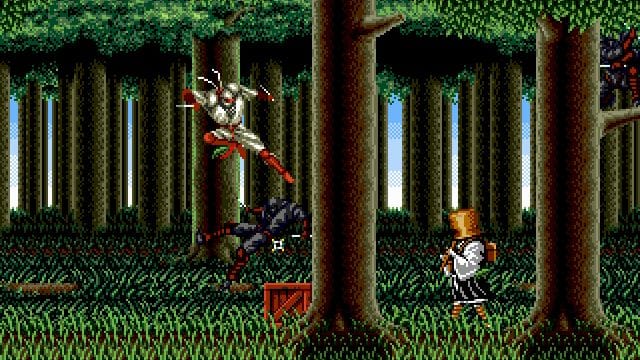
If you want to feel like a total badass, look no further than Joe Musashi. Shinobi III serves as the pinnacle of action-platforming on 16-bit hardware. Ditching the stiff movement of the previous games, the developers clearly prioritized fluidity. The movement set here is so fluid it makes other 16-bit protagonists look like they’re wading through molasses. The technical prowess on display is also staggering. SEGA utilized parallax scrolling and massive sprites to create a cinematic feel that pushed the hardware to its absolute limit. Does any other game make you feel quite as much like a lethal shadow as this one?
Why It's Still Iconic: While Shinobi II was a tough act to follow, this three-quel basically turned Joe Musashi into a god-tier acrobat. It perfected the ninja fantasy by prioritizing speed and agility over clunky combat. It’s a masterclass in "easy to learn, impossible to master" gameplay that serves as a permanent reminder of SEGA’s internal development brilliance during the 90s.
Virtua Fighter 2
- Release Date: November 1994 – December 1995
- Platform: Arcade, SEGA Saturn
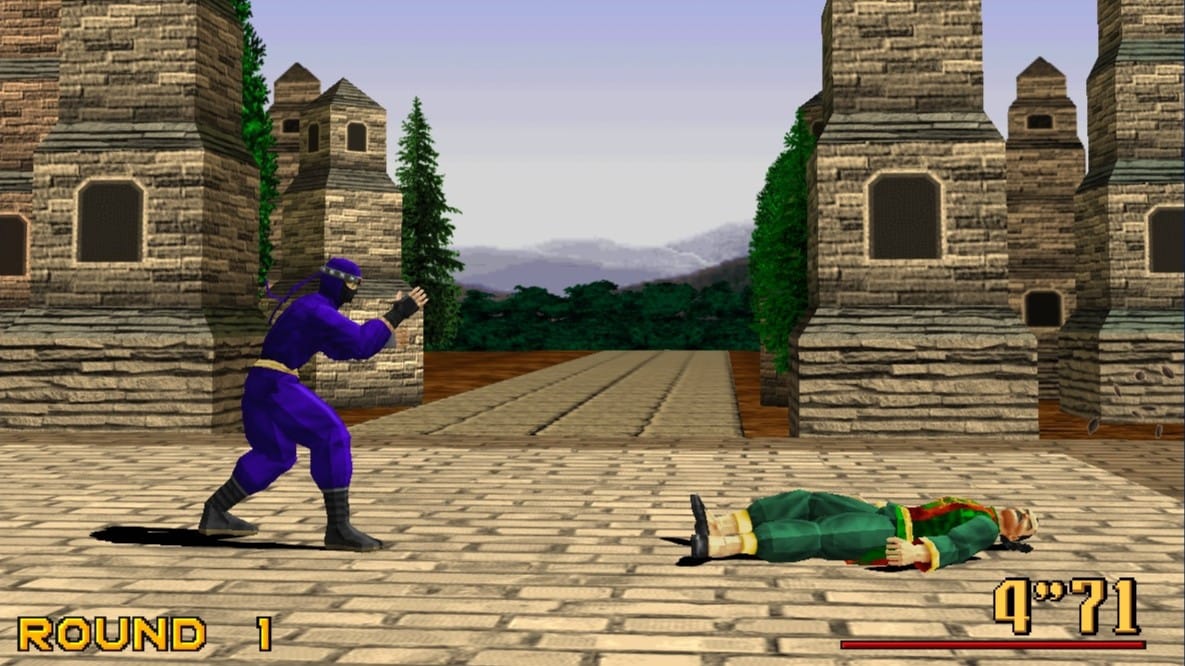
When Virtua Fighter 2 hit the scene, it was revolutionary. While the original game looked like a collection of moving blocks, this sequel introduced smooth, high-resolution textures and fluid motion-captured animation that felt like looking five years into the future. Gameplay-wise, Virtua Fighter 2 is the thinking man’s fighter. It ditched the fireballs and teleportation of its rivals in favor of authentic martial arts styles, from Jeet Kune Do to Drunken Kung Fu. The Saturn port is a legendary feat of programming. SEGA AM2 pushed the console’s dual CPUs to their breaking point, resulting in a near-perfect translation that became the gold standard for home fighting games.
Why It’s Still Iconic: Virtua Fighter 2 was the first game to prove that polygons could convey the grace and complexity of human movement. For many, it remains the peak of the series for its purity and focus. It’s a masterclass in balance and technical discipline that still commands respect in the fighting game community today.
Daytona USA
- Release Date: March 1994 – April 1995
- Platform: Arcade, SEGA Saturn
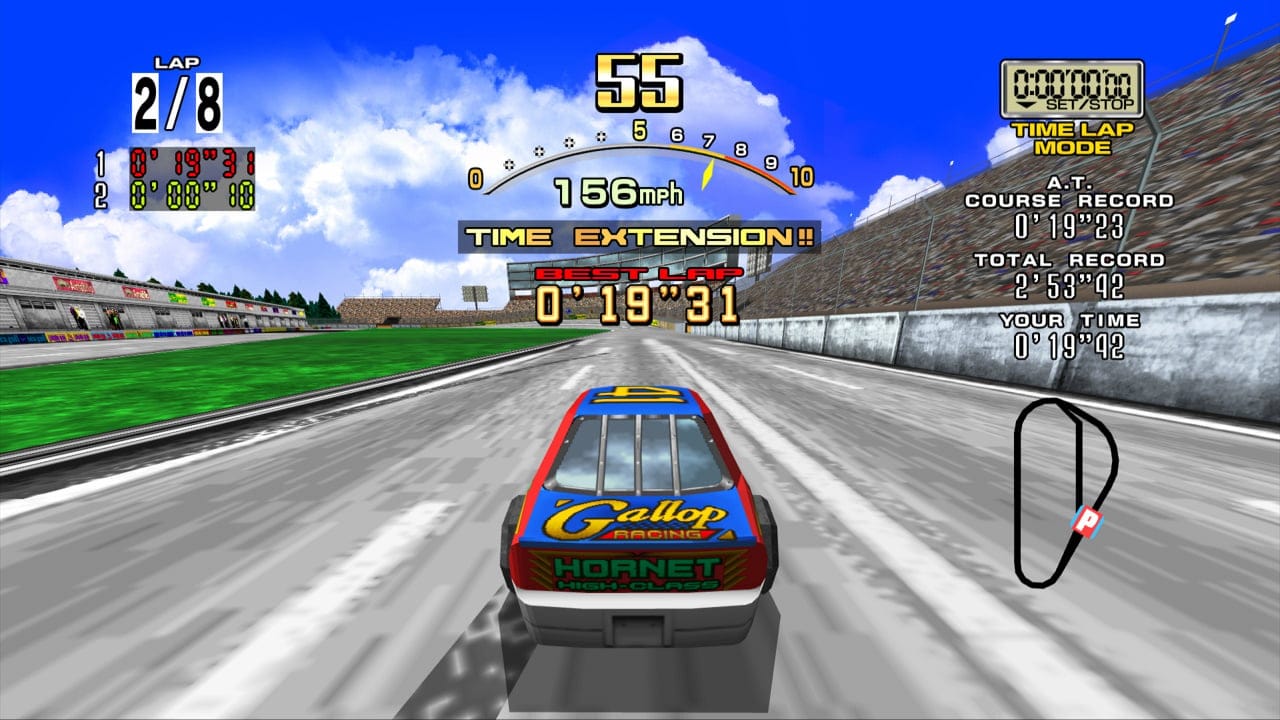
Powered by the legendary Model 2 arcade board, Daytona USA featured 3D graphics so smooth and textured that they made everything else look like prehistoric fossils. It isn’t a simulation, but it isn’t quite a kart racer either; it lives in that perfect SEGA sweet spot. Tapping the brake and slamming the wheel to the side sends your stock car into a controlled slide that feels incredible. The music, composed and performed by Takenobu Mitsuyoshi, is legendarily campy and infectious. With that iconic “Let’s go away!” theme song starting every race, it’s impossible to play this game without humming along to the cheesy lyrics.
Why It’s Still Iconic: Daytona USA remains the gold standard for pick-up-and-play arcade racing. The handling is intuitive yet deep, and the visual style is timelessly inviting. It’s a reminder of an era when games were focused on fun and vibrant energy, something that modern, serious racers completely lack.
Sega Rally Championship
- Release Date: October 1994 – December 1995
- Platform: Arcade, SEGA Saturn
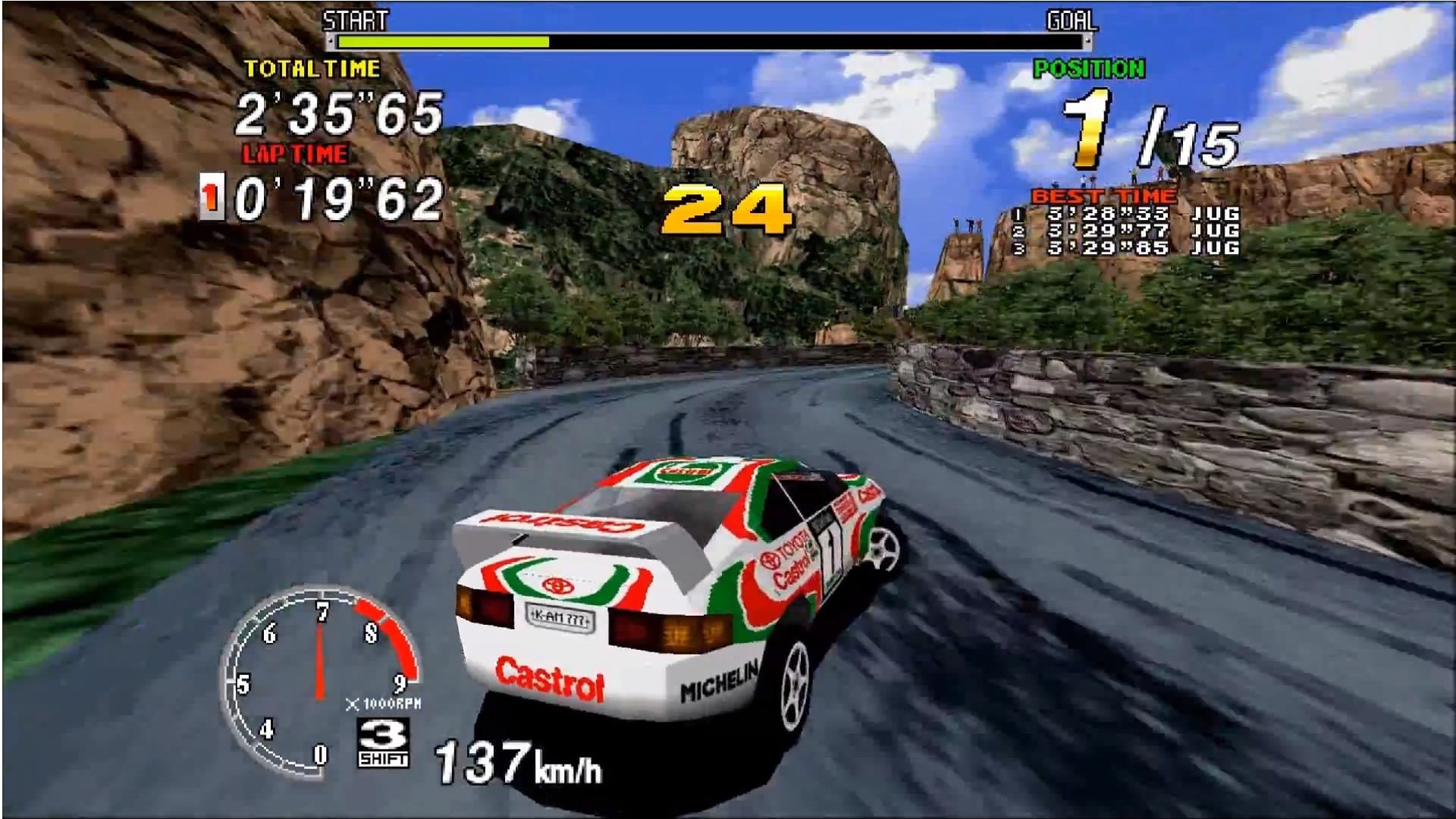
If Daytona is about speed, Sega Rally is about technique. This game pioneered the idea of different driving surfaces affecting your handling. Moving from the tarmac to the mud feels visceral, forcing you to adjust your steering on the fly. The game famously only featured three tracks (plus a secret one), but the design was so tight and the physics so rewarding that you could spend hundreds of hours just trying to shave a millisecond off your best time in the Forest stage. Despite the hardware gap, the Saturn port is widely considered one of the best arcade-to-home conversions ever.
Why It’s Still Iconic: Sega Rally Championship laid the groundwork for every rally game that followed, from Colin McRae to DiRT. The physics-based handling was revolutionary, and it taught an entire generation of gamers how to counter-steer and power-slide through a hairpin turn. To this day, the handling model in SEGA Rally feels more responsive and alive than many modern simulators.
NiGHTS Into Dreams
- Release Date: July 5, 1996
- Platform: SEGA Saturn
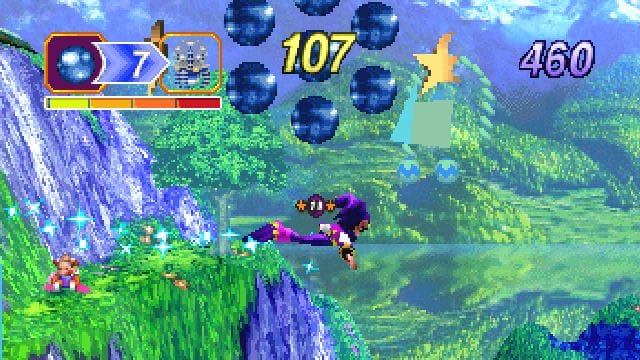
If Sonic is about the adrenaline of the ground, NiGHTS into Dreams is about the grace of the air. Released during the height of the 32-bit era, NiGHTS ditched traditional platforming for a 2.5D flying mechanic that remains one of the most unique experiences in gaming history. Using the Saturn’s 3D Analog Controller (which was specifically designed for this game), you loop-de-loop through rings, collect Blue Chips, and perform Paraloops to vacuum up items. The music is genuinely some of the best SEGA has ever produced. “Dreams Dreams” will get stuck in your head for weeks, and the way the music changes based on your performance is a technical marvel for 1996.
Why It’s Iconic: NiGHTS is the ultimate example of SEGA’s fearless innovation. It defied genre conventions, trading combat for elegance and speed for grace. This game captures a specific sense of wonder and childhood whimsy that few games have ever matched. It’s a dream you never quite want to wake up from, reminding us that gaming can be high art without losing its heart.
Panzer Dragoon Saga
- Release Date: January 29, 1998
- Platform: SEGA Saturn
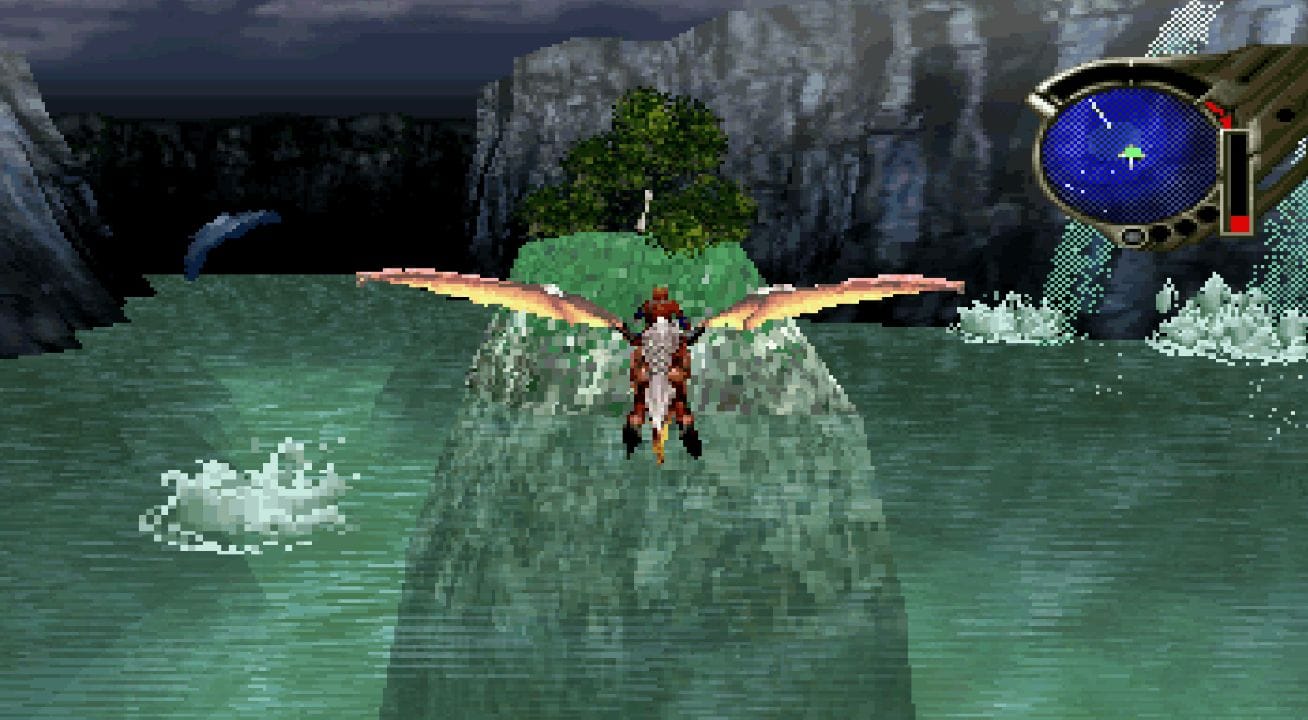
While the rest of the world was obsessed with Final Fantasy VII, SEGA’s Team Andromeda was busy crafting a four-disc RPG epic that fundamentally reimagined what the genre could be. It took the post-apocalyptic, biologically-twisted world of the previous rail shooters and transformed it into a fully explorable, 3D masterpiece. The combat system is a stroke of genius. You pilot your dragon around enemies to find weak spots or avoid devastating attacks, turning every encounter into a tactical dogfight. And the “Morph” system? Being able to dynamically shift your dragon’s stats between Agility, Attack, Defense, and Spiritual mid-battle was innovative back in 1998.
Why It’s Iconic: Panzer Dragoon Saga proved that RPGs didn't need to follow the Final Fantasy blueprint to be successful. The story is mature, the world-building is peerless, and the art direction is some of the finest in the industry. It remains a testament to the Saturn’s untapped potential, and one that every serious gamer needs to experience.
Sonic Adventure
- Release Date: December 23, 1998
- Platform: SEGA Dreamcast
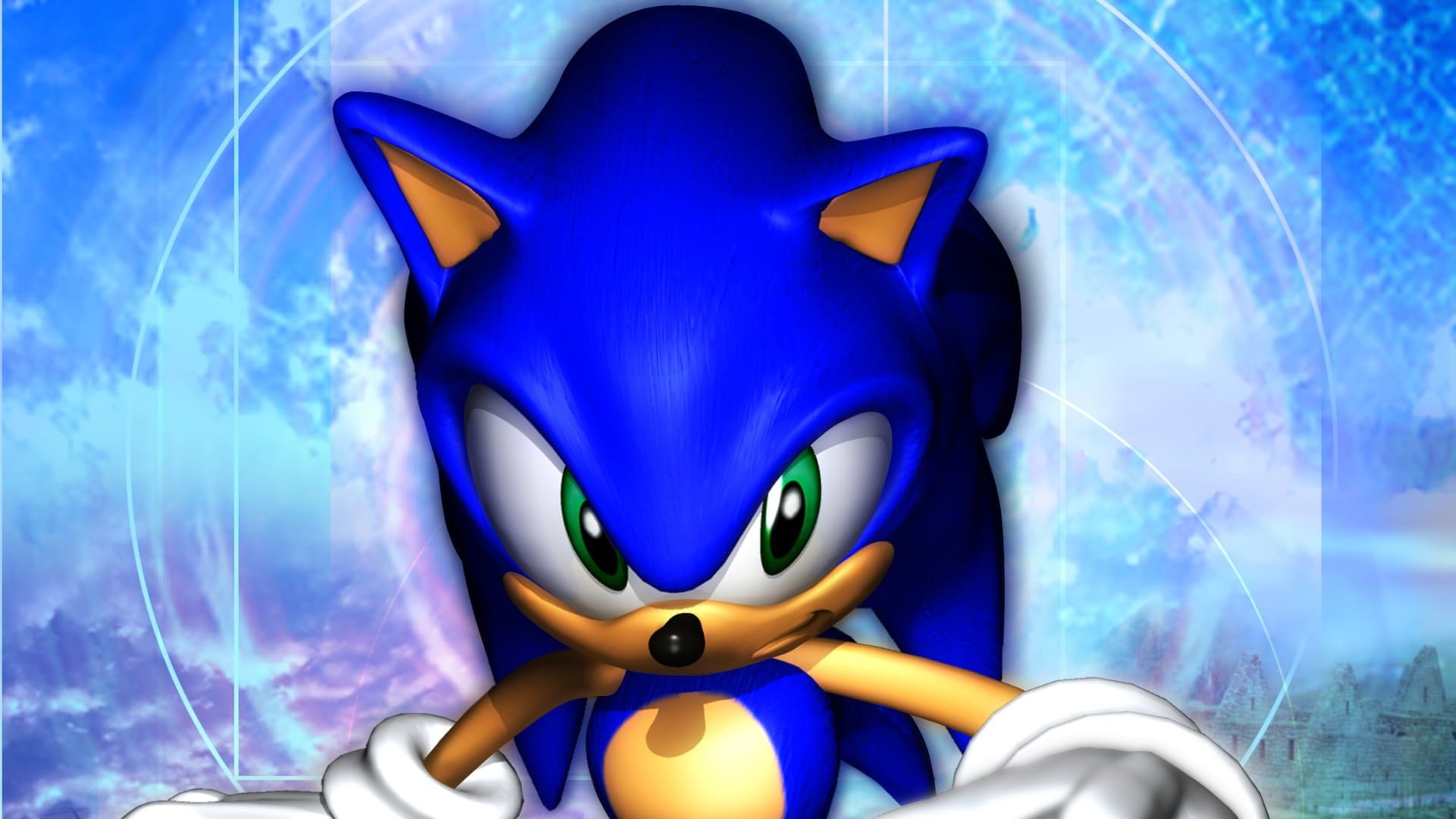
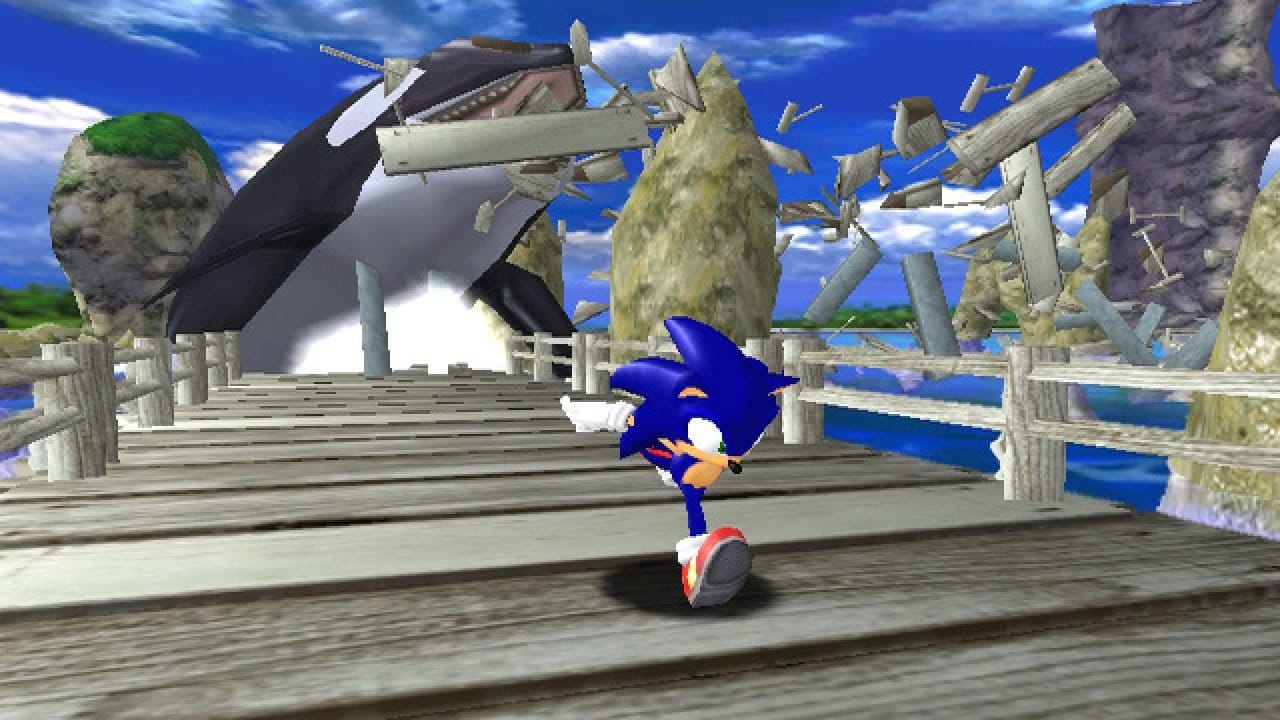
Seeing Sonic transition into full 3D in Sonic Adventure was a massive deal, and playing through six different perspectives to see the full story was an ambitious move. The Speed Highway level as Sonic is still a masterclass in 3D momentum, and the Emerald Coast whale chase is a cinematic masterpiece that still holds up. The soundtrack shifted from synth-pop to crushing rock and roll, with Jun Senoue’s guitar riffs defining the sound of the late 90s for SEGA fans. Plus, the Chao Garden is a life-ruiningly addictive tamagotchi-style distraction that many gamers spent way too much time on. Is it a bit buggy? Sure. But the sheer ambition and scale of Sonic Adventure make it impossible to hate.
Why It’s Iconic: Sonic Adventure was the Holy Crap! moment for an entire generation that the Dreamcast had arrived. It introduced the "Adventure" formula that fans still clamor for today. Between the high-octane set pieces and the sprawling hub worlds, it’s a flawed masterpiece that changed the trajectory of the franchise forever.
Shenmue
- Release Date: December 29, 1999
- Platform: SEGA Dreamcast
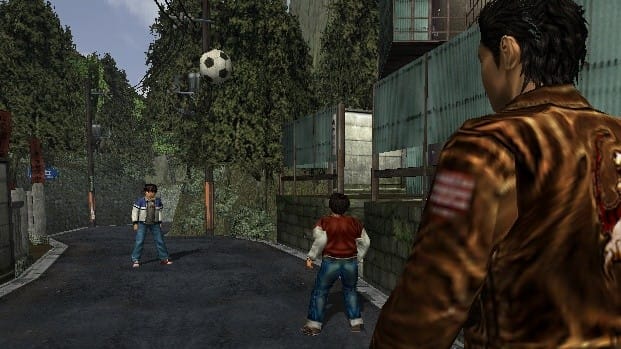
Yu Suzuki basically invented a new genre with Shenmue. It’s a revenge story, sure, but it’s also a life simulator where you can spend your days practicing karate, talking to neighbors, or feeding a stray kitten. The level of detail is mind-blowing. You can open every drawer, buy every capsule toy at the local shop, and play full versions of Hang-On at the arcade. The combat system, derived from Virtua Fighter, made the occasional brawls feel impactful and technical. Then there were the Quick Time Events (QTEs). While they’re common now, Shenmue popularized them as a way to make cinematic moments interactive.
Why It’s Iconic: Have you ever spent an entire in-game day just practicing moves in a park? That’s the Shenmue experience. It’s a beautiful, meticulously crafted tragedy that remains one of the most expensive and ambitious projects in gaming history. Without it, we wouldn't have the level of detail seen in modern AAA open worlds today.
Crazy Taxi
- Release Date: February 1999 – January 24, 2000
- Platform: Arcade, SEGA Dreamcast
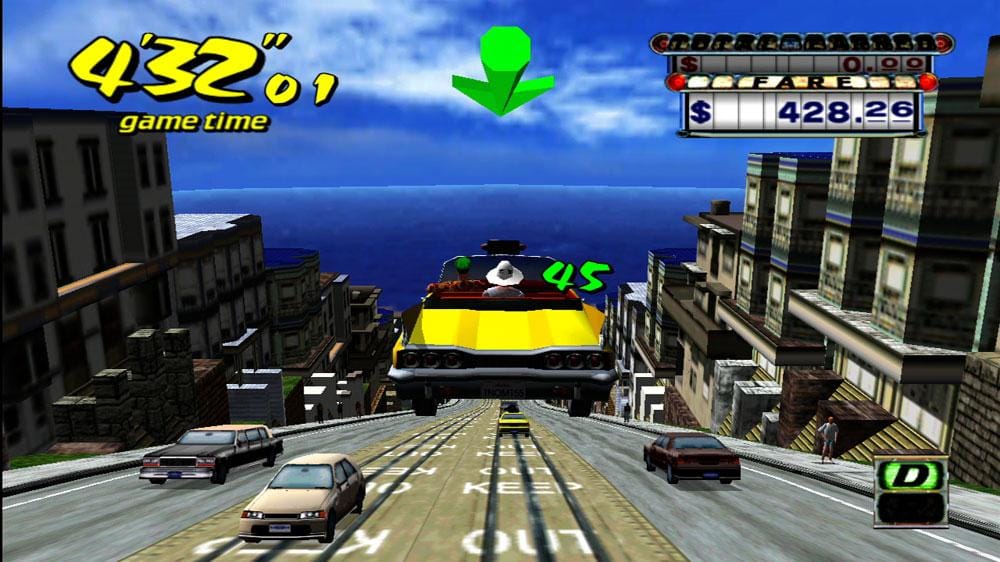
“YEAH, YEAH, YEAH, YEAH, YEAH!” Crazy Taxi is the definition of pure arcade energy. You have one job: pick up passengers and drive like a total maniac to get them to their destination. The controls are deceptively deep. Mastering the Crazy Dash and the Crazy Drift is the difference between a C rank and a S rank. The brand placements were hilarious, too. Dropping a passenger off at Tower Records or Pizza Hut made the world feel strangely grounded, even while you were jumping your car over a bus. Has any game ever made reckless driving feel this joyful? Probably not.
Why It’s Iconic: Crazy Taxi is the ultimate combination of high-speed chaos, a killer punk-rock soundtrack, and simple-yet-deep mechanics. It’s a snapshot of the year 2000 in digital form, and it still kicks serious butt. If you don't hear The Offspring’s "All I Want" the second you see a yellow cab, you’re doing it wrong.
Space Channel 5
- Release Date: December 16, 1999
- Platform: SEGA Dreamcast
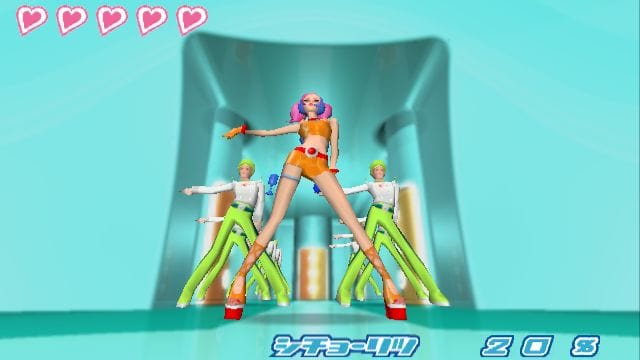
Space Channel 5 is one of the most stylish rhythm games ever conceived. You play as Ulala, a 60s-inspired space reporter, as she learns to use the power of dance to defeat the alien invaders. You have to memorize the aliens’ patterns and repeat them back in time with the beat. It’s simple, but the increasing speed and shifting rhythms make it a legitimate challenge. The swinging 60s aesthetic mixed with sci-fi technology creates a visual feast that still looks great today. The game is short, but the infectious energy and catchy tunes make it endlessly replayable.
Why It’s Iconic: Space Channel 5 captures the weird and wonderful side of the Dreamcast library perfectly, and it’s the reason why Ulala is still one of SEGA's most recognizable faces. Are you ready to lose your mind to the "Mexican Flyer" theme song? Because it’s going to happen.
Jet Set Radio
- Release Date: June 29, 2000
- Platform: SEGA Dreamcast
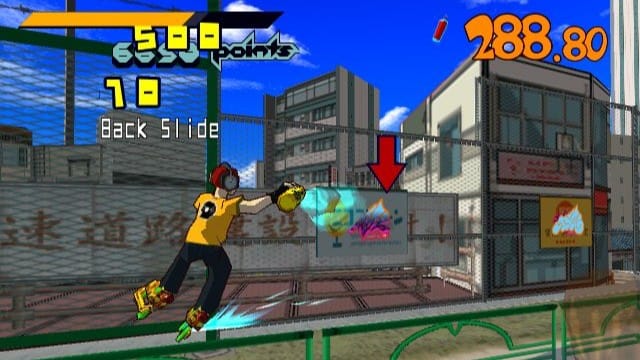
Jet Set Radio is a game that looks, sounds, and feels like a rebellious underground movement. You play as a gang of Rudies skating through Tokyo-to, tagging the environment with graffiti while dodging a very angry police captain. The controls are unique, requiring you to perform specific analog stick motions to complete tags. I spent hours perfecting my lines through the streets of Benten-cho, trying to finish my graffiti before the SWAT teams arrived. We also have to talk about the incredible soundtrack by Hideki Naganuma. It’s a chaotic mix of funk, hip-hop, and J-pop that defines the game’s identity.
Why It’s Iconic: Jet Set Radio is perhaps the most visually distinct game ever made. It’s combination of bold street art, inline skating, and a rebellious spirit makes it a singular experience that has never been truly replicated—though many have tried. It’s absolutely the definition of "cool."
Skies of Arcadia
- Release Date: October 5, 2000
- Platform: SEGA Dreamcast
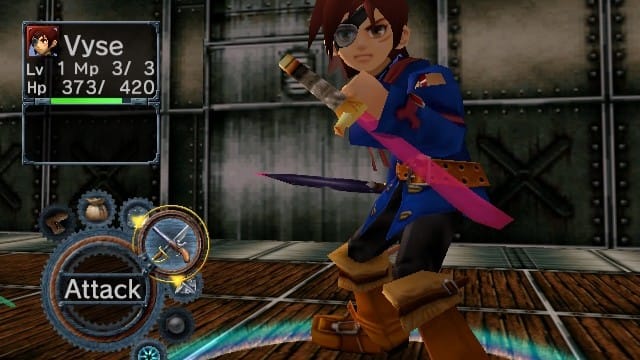
Skies of Arcadia is the ultimate optimistic adventure. You play as Vyse, a Blue Rogue (air pirate), sailing a ship through a world of floating islands and endless clouds. The ship-to-ship combat is a highlight, turning JRPG battles into massive, cinematic broadside exchanges. The cast is incredibly likable, from the spunky Aika to the mysterious Fina. Exploring the world map to find Discoveries felt like you were actually charting unknown territory. You’re not just saving the world; you’re recruiting a crew, building your own base, and seeing your influence grow across the skies.
Why It’s Iconic: Skies of Arcadia is arguably the best traditional JRPG on the Dreamcast. It eschewed the edgy trends of the late 90s for a classic swashbuckling tale that feels timeless. The world-building and sense of discovery are still top-tier decades later. If you miss the feeling of adventure in RPGs, you need to play Skies of Arcadia.
Sonic Adventure 2
- Release Date: June 18, 2001
- Platform: SEGA Dreamcast
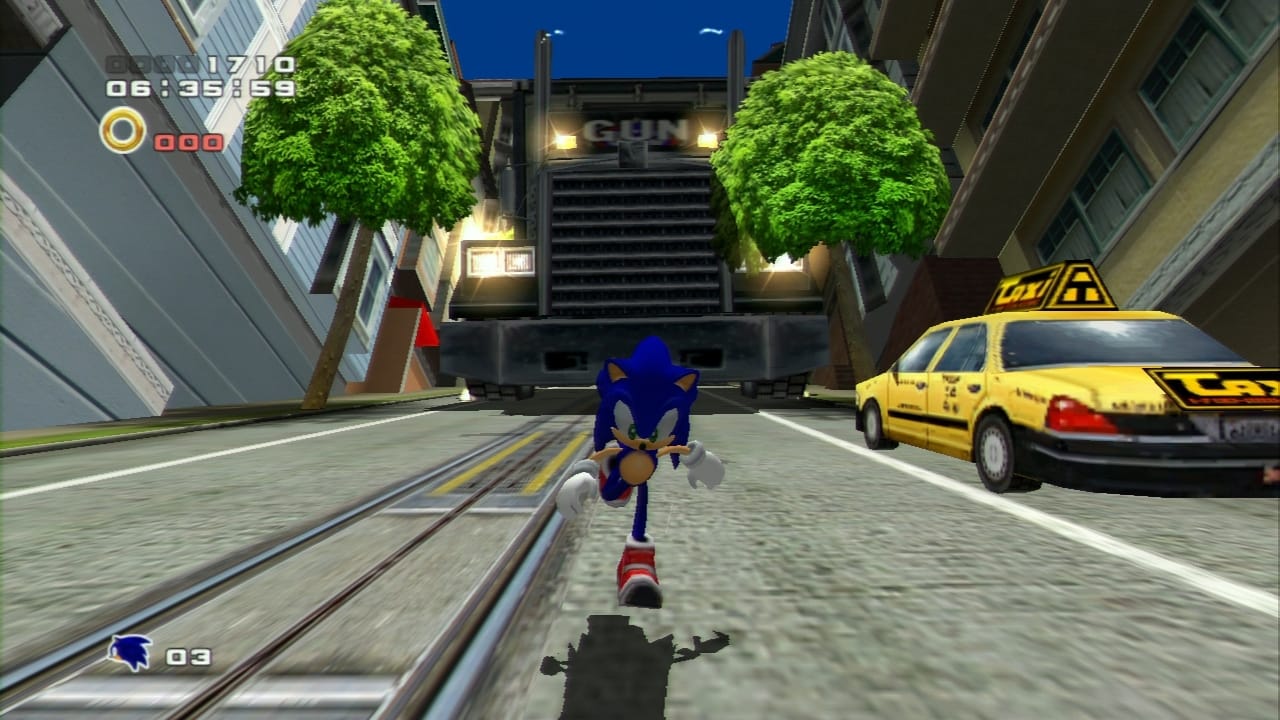
From government conspiracies to a moon-shattering laser, Sonic Adventure 2 is a chaotic, high-stakes masterpiece. It introduced the world to Shadow the Hedgehog, a character so edgy he makes a leather jacket look like pajamas. The split between the Hero and Dark campaigns offered a brilliant perspective shift. One minute you’re grinding rails as Sonic, and the next you’re causing absolute mayhem as Eggman in a bipedal tank. It’s peak early 2000s cool, and I’m still not over how hard that opening stage, City Escape, hits when you’re boarding down a San Francisco-style hill.
Why It’s Iconic: Sonic Adventure 2 represents the pinnacle of the Adventure style of gameplay. The level design is focused, the music is legendary, and the introduction of Shadow changed the franchise's lore forever. It’s a fast-paced, melodramatic soap opera featuring talking animals, and I wouldn't have it any other way.
Super Monkey Ball 2
- Release Date: August 25, 2002
- Platform: GameCube
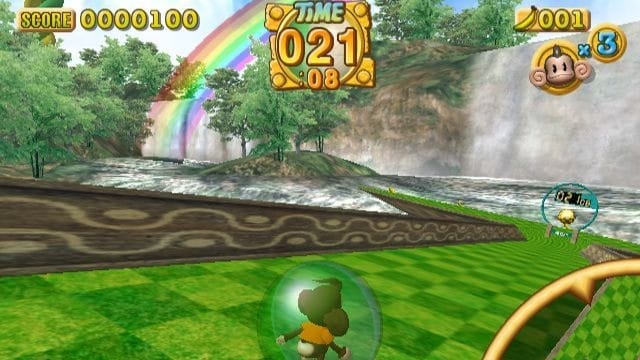
If you thought the first game was a challenge, Super Monkey Ball 2 is here to politely—and then very rudely—shatter your confidence. The Story Mode introduced some truly unhinged level gimmicks. Giant washing machines, spinning clock gears, and gravity-defying ramps turned every stage into a physics-based puzzle. Beyond the main game, the Party Games are the real MVP here. Between Monkey Billiards, Monkey Bowling, and the legendary Monkey Target 2, this game was a staple of every early 2000s sleepover.
Why It’s Iconic: Super Monkey Ball 2 is the gold standard for "easy to learn, impossible to master" design. The physics are remarkably consistent, which means every failure is entirely your fault (as much as we love to blame the controller). Who knew that tilting a floor to move a monkey in a ball could be so infuriatingly addictive?
Phantasy Star Online: Episode I & II
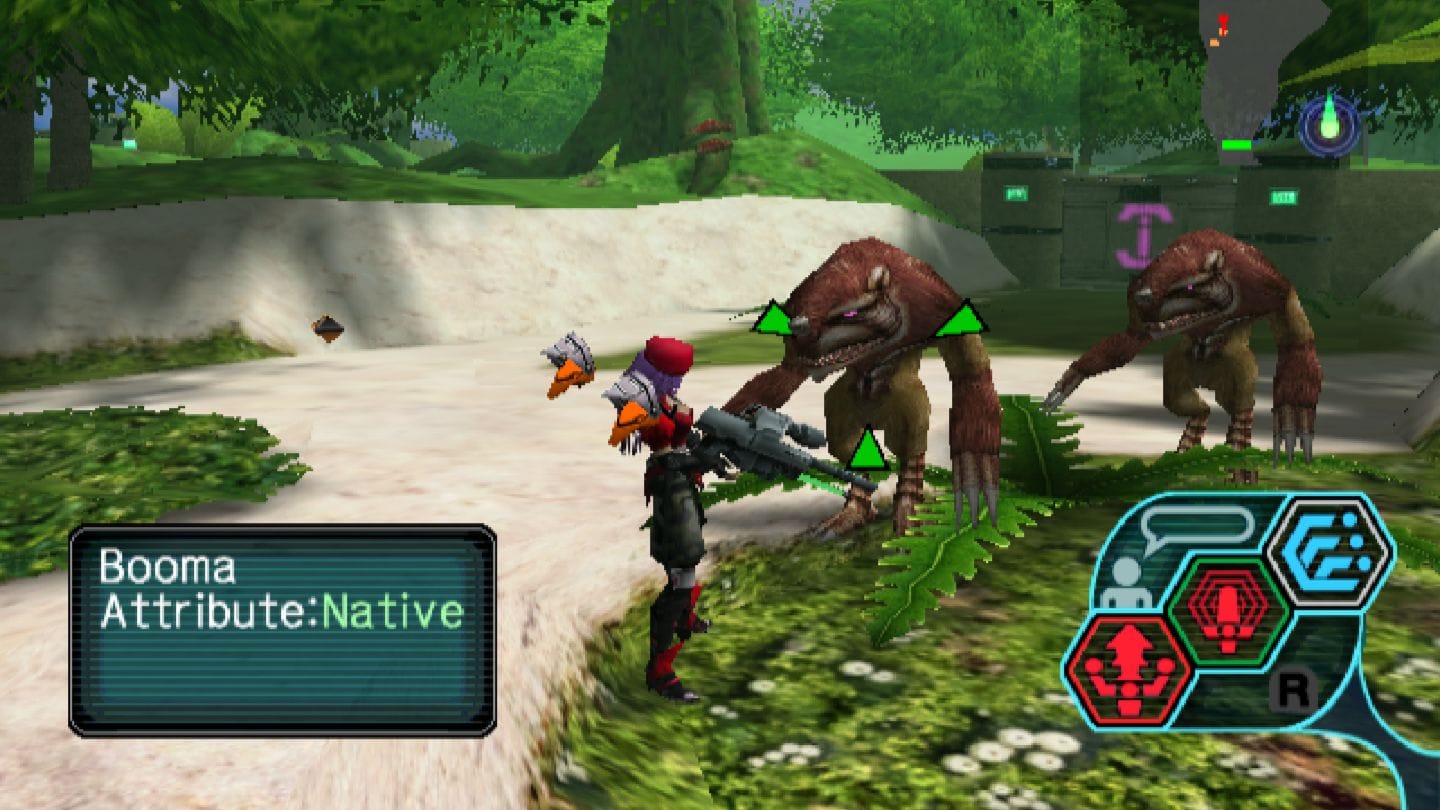
While the original Dreamcast version broke new ground, the Episode I & II expansion of Phantasy Star Online is where the obsession truly peaked. The gameplay loop is deceptively simple: drop into Ragol, smash some Boomas, and hunt for that Red Box drop. There is no feeling quite like seeing that specific red sparkle on the ground and praying it’s a Spread Needle or a “Heaven Striker. The sense of community in this game was real; people would literally hang out in the lobbies just to show off their rare weapons and outfits. It was social media before social media existed.
Why It’s Iconic: Phantasy Star Online: Episode I & II brought the MMORPG experience to consoles without losing the "action" feel. The atmospheric soundtrack and the mystery of Pioneer 2 created a world that felt vast and lonely yet deeply inviting. IMO, modern looter-shooters owe everything to this game's DNA.
Panzer Dragoon Orta
- Release Date: December 19, 2002
- Platform: Xbox
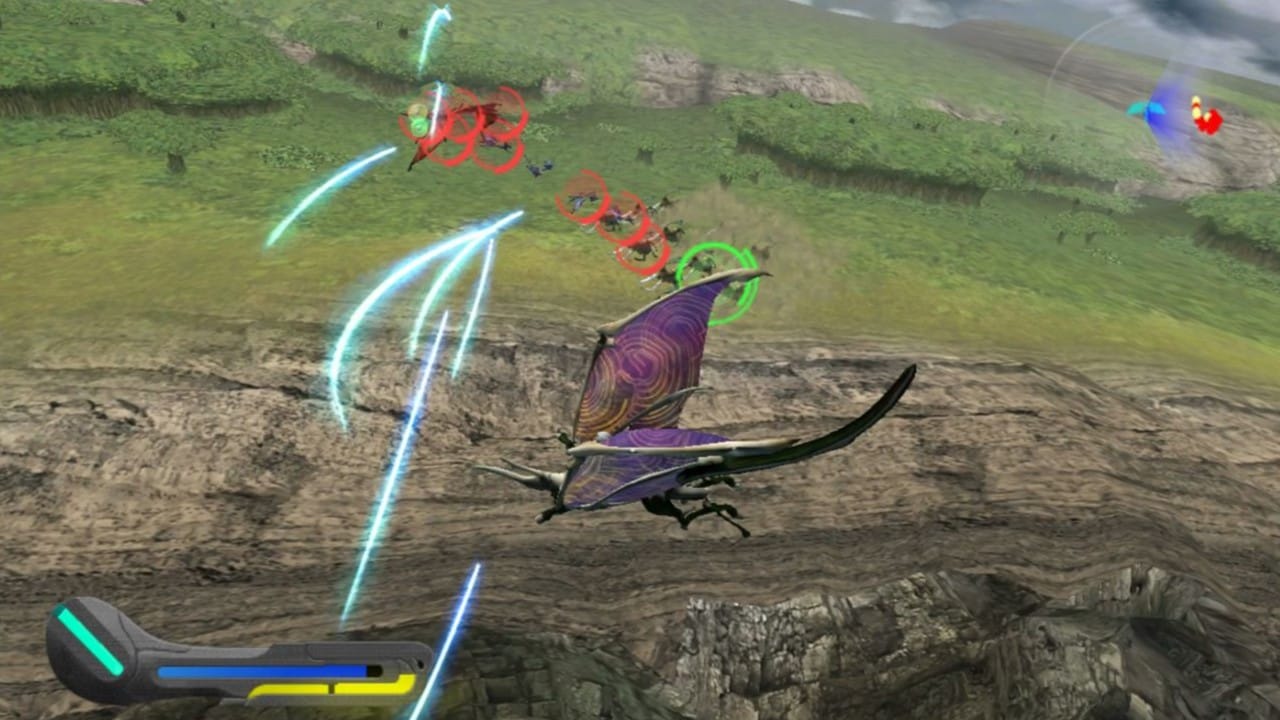
Panzer Dragoon Orta served as both a technical showcase for the original Xbox and a breathtaking return to the series’ rail-shooting roots. The game added a layer of tactical depth with Dragon Morphing. On the fly, you can switch between three distinct forms: the agile Glide Wing, the powerful Heavy Wing, and the balanced Base Wing. Each form has its own leveling system and specialized attacks, turning every level into a puzzle of positioning and resource management. Visually, Orta was a masterpiece of its time. Even today, the art direction and fluid animation hold up remarkably well. The inclusion of the original Panzer Dragoon as an unlockable extra was a legendary thank you to the fans.
Why It’s Still Iconic: Panzer Dragoon Orta is, quite simply, one of the most beautiful and atmospheric shooters ever made. It proved that SEGA’s niche, artistic franchises could survive and thrive on more powerful hardware without losing their soul. It’s a soaring tribute to a world that feels unlike anything else in gaming history.
Virtua Fighter 4: Evolution
- Release Date: August 7, 2002 – March 13, 2003
- Platform: Arcade, PlayStation 2
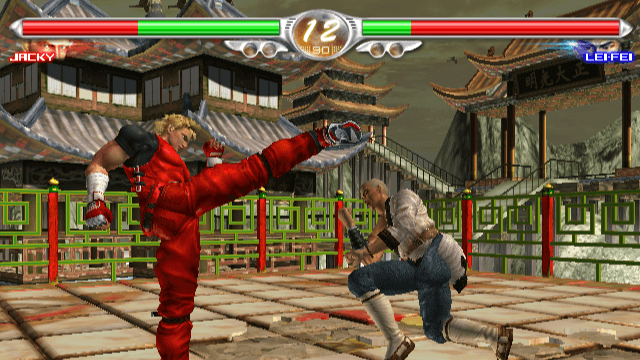
While other fighting games were busy adding flashy characters and storylines, VF4: Evolution focused on being a pure fighting game that punished button-mashers and forced them to “get gud”. The Quest Mode simulated the experience of traveling to different Japanese arcades and earning ranks, making you feel like you were part of a real fighting game community. The game also introduced Brad Burns and Goh Hinogami, two characters who added a much-needed edge to the roster. Brad’s Muay Thai flow and Goh’s brutal Judo tosses felt incredibly heavy and impactful thanks to the PS2’s hardware. The tutorial system was also years ahead of its time, turning many beginners into strategic players.
Why It’s Iconic: Virtua Fighter 3tb walked so VF4: Evolution could run. It stripped away the fluff and focused on a rock-paper-scissors mechanic of strikes, throws, and guards that feels infinitely deep. It’s widely considered by many purists to be one of the deepest fighting games ever made, and for good reason.
OutRun 2006: Coast 2 Coast
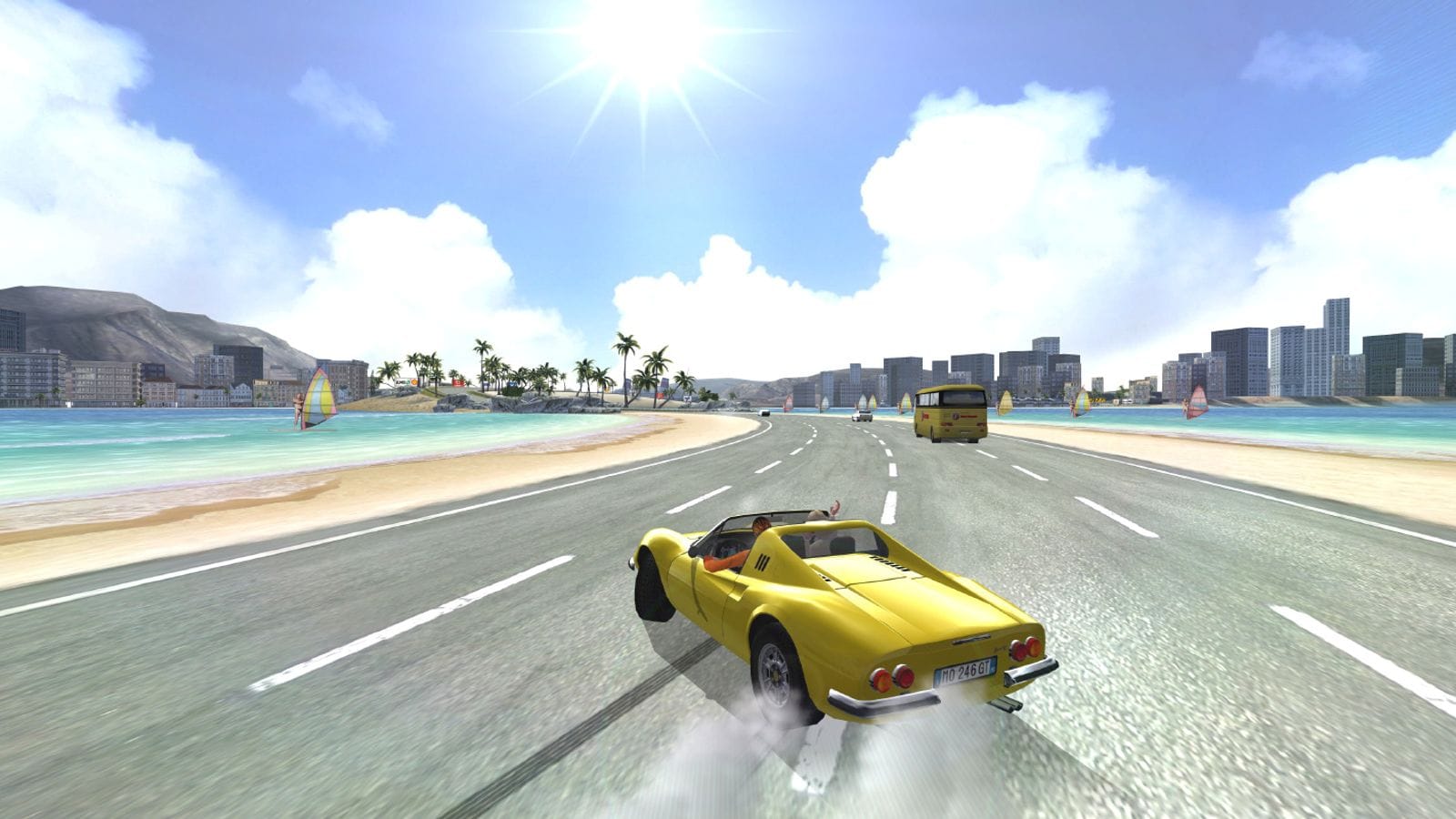
If you’re feeling a bit burnt out by modern racers, OutRun 2006: Coast 2 Coast is your dream vacation. You aren’t just trying to beat a clock; you’re trying to impress your passenger while drifting a Ferrari through some of the most beautiful vistas ever rendered. The Coast 2 Coast mode offers a huge map of missions that reward you with OutRun Miles to buy new Ferraris, featuring everything from the classic Testarossa to the F430. FYI, the PSP version is a technical marvel; it looks and plays almost exactly like its big-console brothers, making it the perfect companion for an actual road trip.
Why It’s Iconic: OutRun 2006: Coast 2 Coast captures a sense of pure joy that is vanishingly rare in the genre today. It doesn't want to punish you; it wants you to have a great time looking at gorgeous vistas while listening to some of the best tunes in gaming history. IMO, it’s the most relaxing high-speed game ever made—a masterpiece of style and simplicity that we desperately need a modern remaster for.
Sonic Colors
- Release Date: November 16, 2010
- Platform: Wii
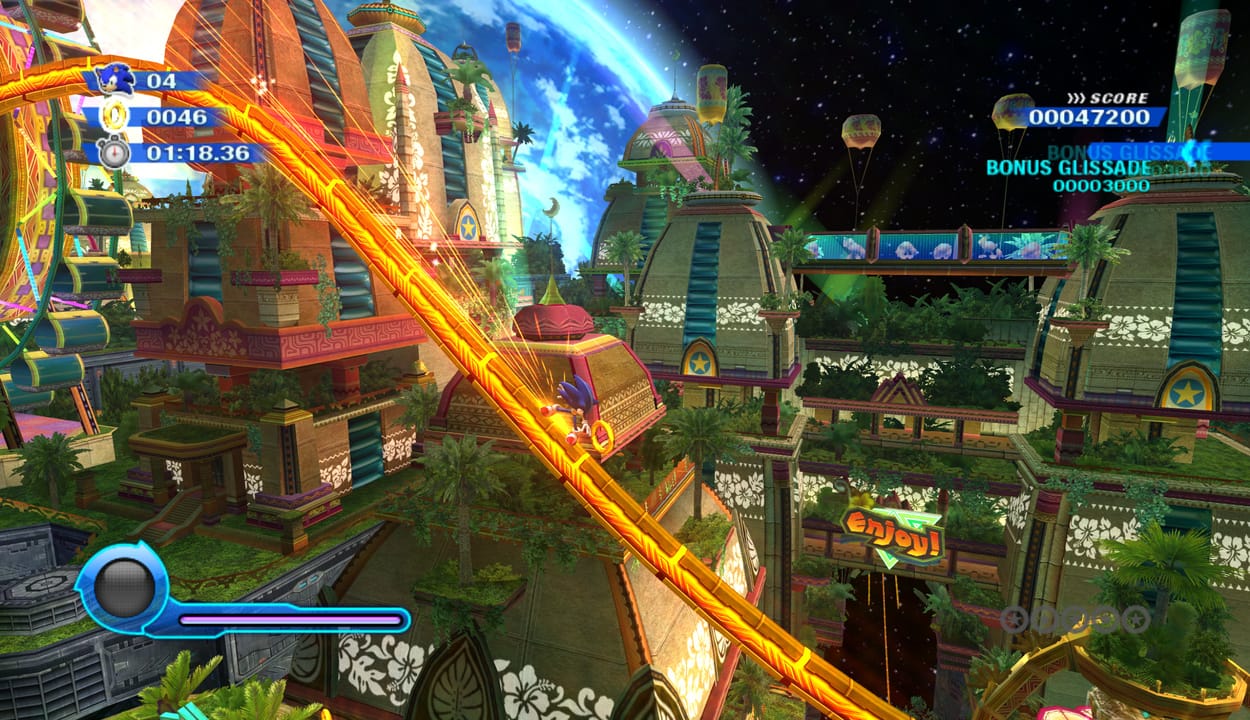
After a few years of Sonic having some… identity crises (looking at you, Black Knight), Sonic Colors arrived like a breath of fresh air. Set in an interstellar theme park built by Eggman—who, to be fair, has great taste in architecture—the game is a visual feast that pushed the Wii to its absolute limits. The big game-changer here was the Wisps. These little alien dudes give Sonic Color Powers that range from turning into a drill to becoming a literal laser beam. It added a layer of puzzle-solving to the high-speed gameplay that felt genuinely fresh. The soundtrack is an absolute banger, mixing orchestral swells with that classic Sonic synth-pop energy.
Why It’s Iconic: Sonic Colors is one of the most feel-good games of the entire series. With blistering speed and creative platforming, it found the perfect middle ground between the Adventure-style and the modern Boost formula. Sonic Colors restored faith in the franchise, and proved that 3D Sonic could be consistently fun and visually stunning without needing a sword or a werewolf gimmick.
Total War: Shogun 2
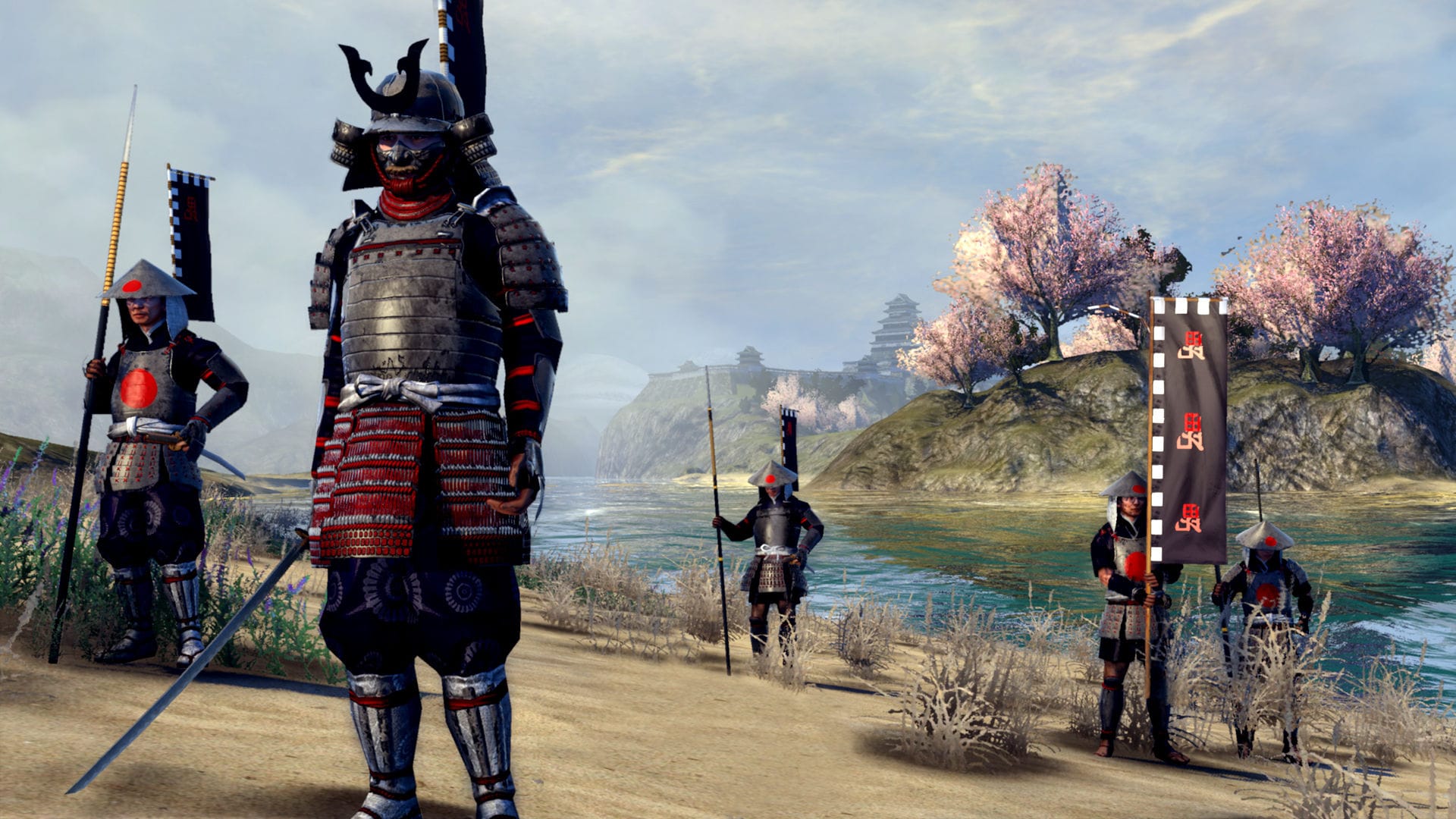
- Release Date: March 15, 2011
- Platform: PC
Wait, a strategy game on a Best of SEGA list? Damn straight. Total War: Shogun 2 is deep, complex, and the undisputed peak of the franchise. It moves away from the global sprawl of previous titles to focus intensely on 16th-century Japan. The scale of the battles is enough to make any history buff weep. Watching thousands of samurai clash on a rain-slicked hillside while your cavalry prepares a flanking maneuver is cinematic gold. Inspired by Japanese woodblock prints, the art direction feels like a piece of living history. It’s about more than just war; it’s about diplomacy, trade, and the slow, methodical rise to power.
Why It’s Iconic: Shogun 2 is widely considered the most polished Total War ever made. It captured the romanticism and brutality of the Sengoku period perfectly, proving that SEGA’s portfolio is way more diverse than just blue hedgehogs and arcade racers. It’s a masterpiece of tactical depth that still hasn't been topped in its own series.
Virtua Fighter 5: Final Showdown
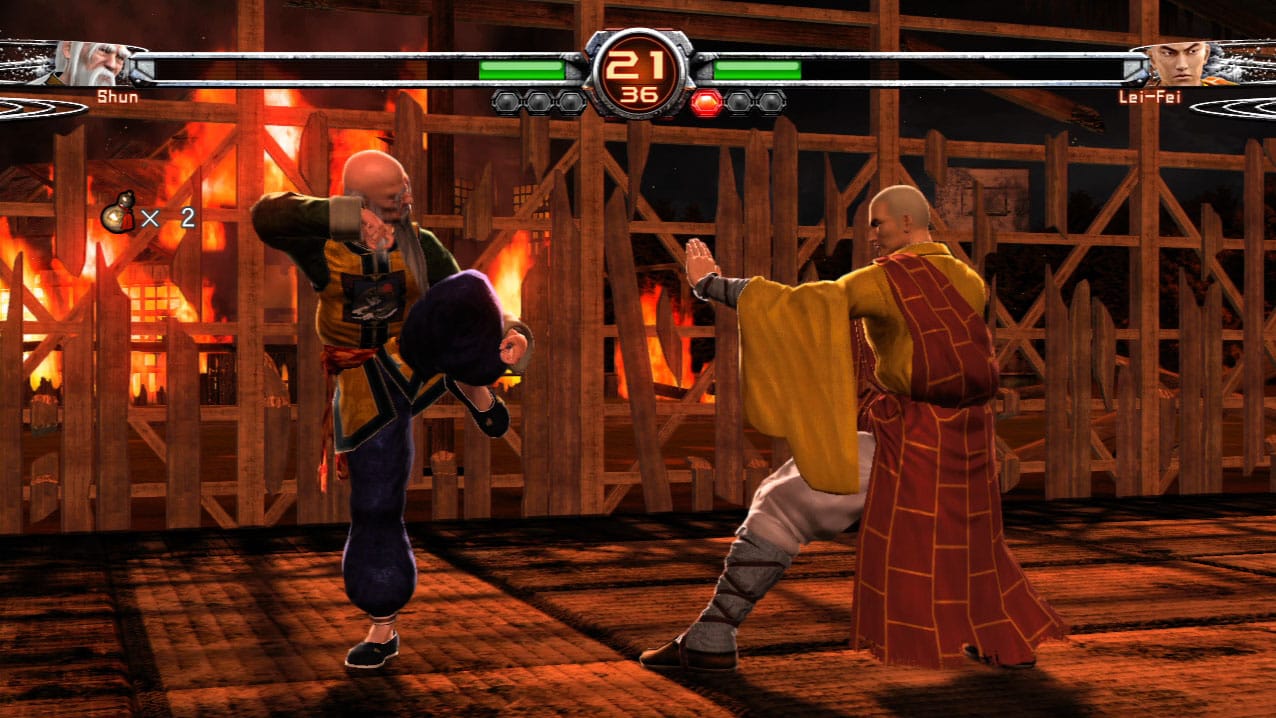
Virtua Fighter 5: Final Showdown is the purest fighting game on the planet, hands down. The animation in this game is still mind-blowing even by today’s standards. You can practically feel the weight of Taka-Arashi’s sumo slaps or the lightning speed of Jacky Bryant’s kicks. The Final Showdown version stripped away the fluff and focused on a lean, mean competitive experience. It introduced a massive amount of character customization, allowing you to make your fighter look like anything from a traditional martial artist to a total weirdo in a cardboard box. It doesn’t hold your hand, but it rewards every second you spend in the training lab.
Why It’s Iconic: Virtua Fighter 5: Final Showdown remains the gold standard of 3D fighting balance. There are no cheap characters here; if you lose, it’s because your opponent simply played better. It’s a game of high-speed chess that requires nerves of steel and perfect execution. IMO, it’s the most honest competitive experience SEGA has ever produced.
Sonic & SEGA All-Stars Racing Transformed
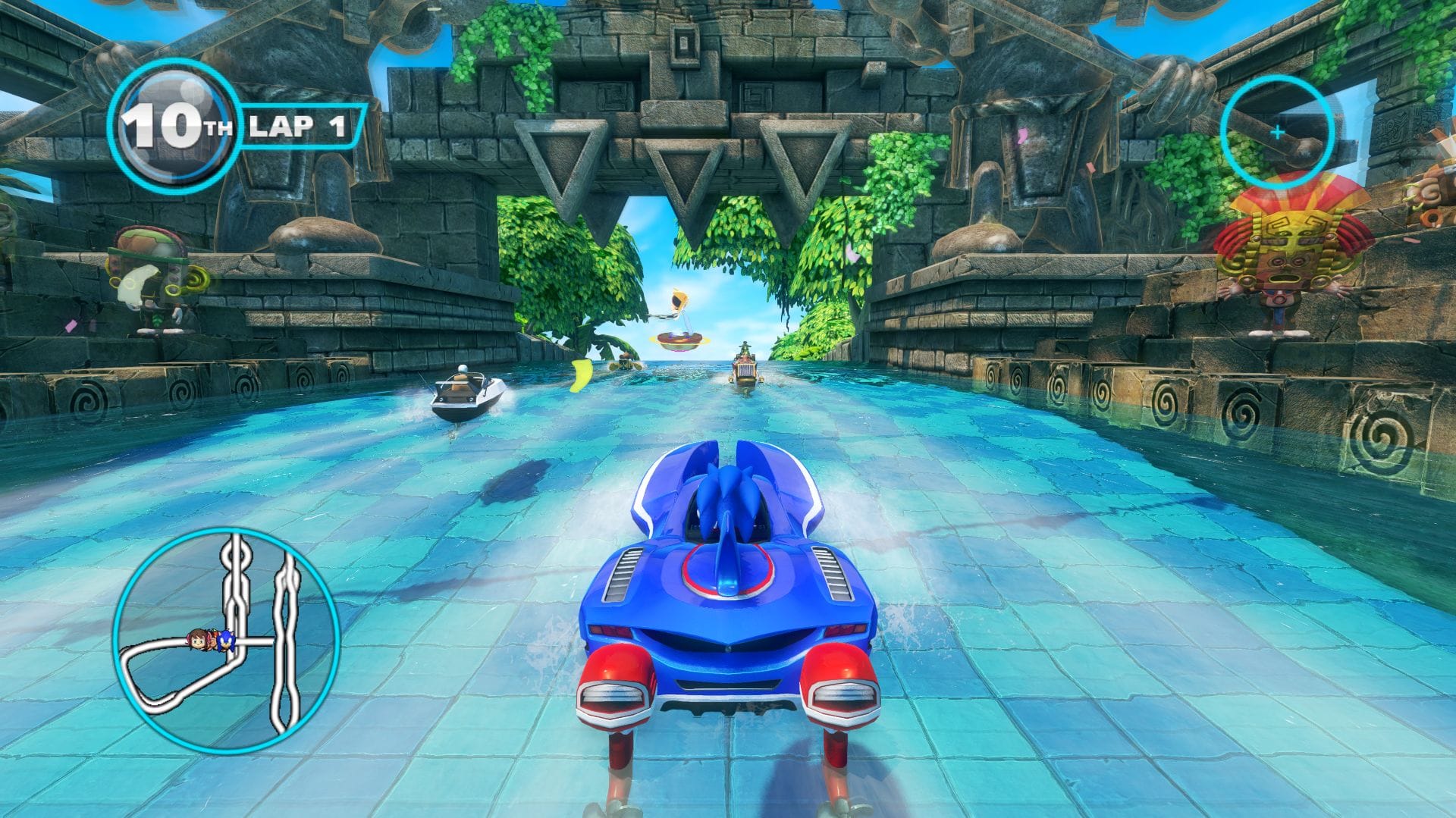
- Release Date: November 16, 2012
- Platform: PS3, Xbox 360, Wii U, PS Vita, PC, Nintendo 3DS
I’m just going to come out and say it: Sonic & SEGA All-Stars Racing Transformed is the best kart racer ever made. Yes, even better than that one with the plumber. It took the solid foundation of the first game and added a mechanic where your vehicle dynamically shifts between a car, a boat, and a plane mid-race. The World Tour mode is surprisingly beefy, offering plenty of challenges that actually require you to master the mechanics. The fan service is also off the charts. Racing through a level inspired by After Burner while playing as B.D. Joe from Crazy Taxi is the kind of fever dream only a true SEGA fan could love.
Why It’s Iconic: Sonic & SEGA All-Stars Racing Transformed is the ultimate celebration of SEGA’s history, wrapping decades of arcade legacy into one incredibly fast package. It’s challenging, gorgeous, and packed with content, offering depth rarely seen in other mascot racers. This game has a massive heart and a genuine love for its source material, and it’s a blast to play with friends.
Puyo Puyo Tetris
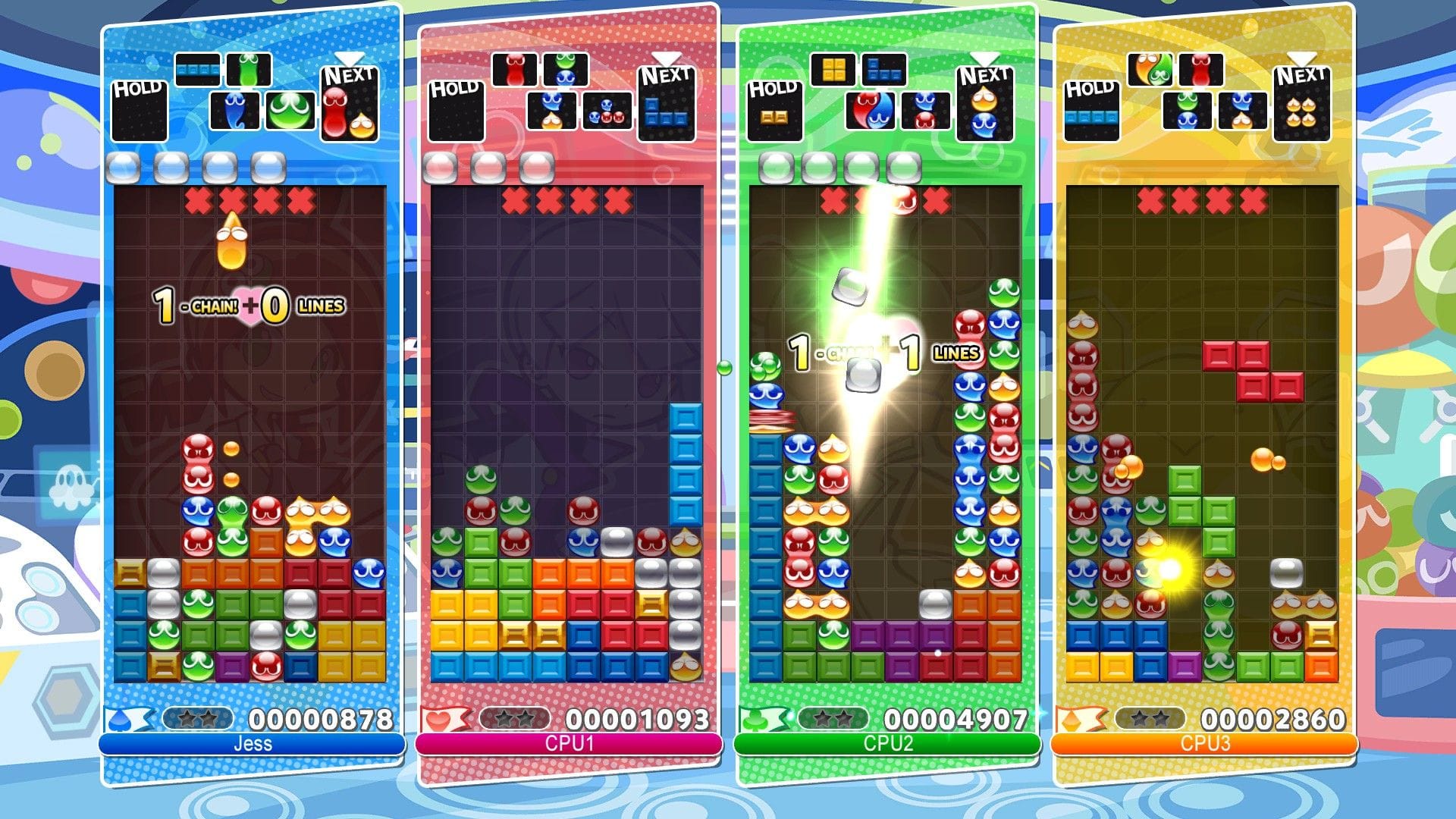
- Developer: Sonic Team
- Release Date: February 6, 2014
- Platform: PS3, Xbox 360, Nintendo 3DS, PS Vita, Wii U, PS4, Xbox One, Switch, PC
What happens when you take the two biggest puzzle titans in history and force them into a room together? You get Puyo Puyo Tetris, a competitive masterpiece that is dangerously addictive. It sounds like it shouldn’t work—Tetris is about rigid lines while Puyo is about floppy blobs—but the balance is remarkably tight. The story mode is surprisingly charming, featuring a cast of characters that make the grind of puzzle matches feel like a Saturday morning cartoon. Whether you’re playing against friends or the terrifyingly good pros online, the Fusion mode—where blocks and blobs drop on the same board—is pure, unadulterated chaos.
Why It’s Iconic: Puyo Puyo Tetris is colorful, frantic, and infinitely replayable. It introduced a whole new generation of Western gamers to the Puyo Puyo series while giving Tetris fans a fresh way to play their favorite classic. Just be warned: once you start seeing Puyos in your sleep, there’s no going back. 🙂
Sonic Mania Plus
- Developers: Christian Whitehead, PagodaWest Games, Headcannon, Hyperkinetic Studios
- Release Date: July 17, 2018
- Platform: PS4, Xbox One, Switch, PC
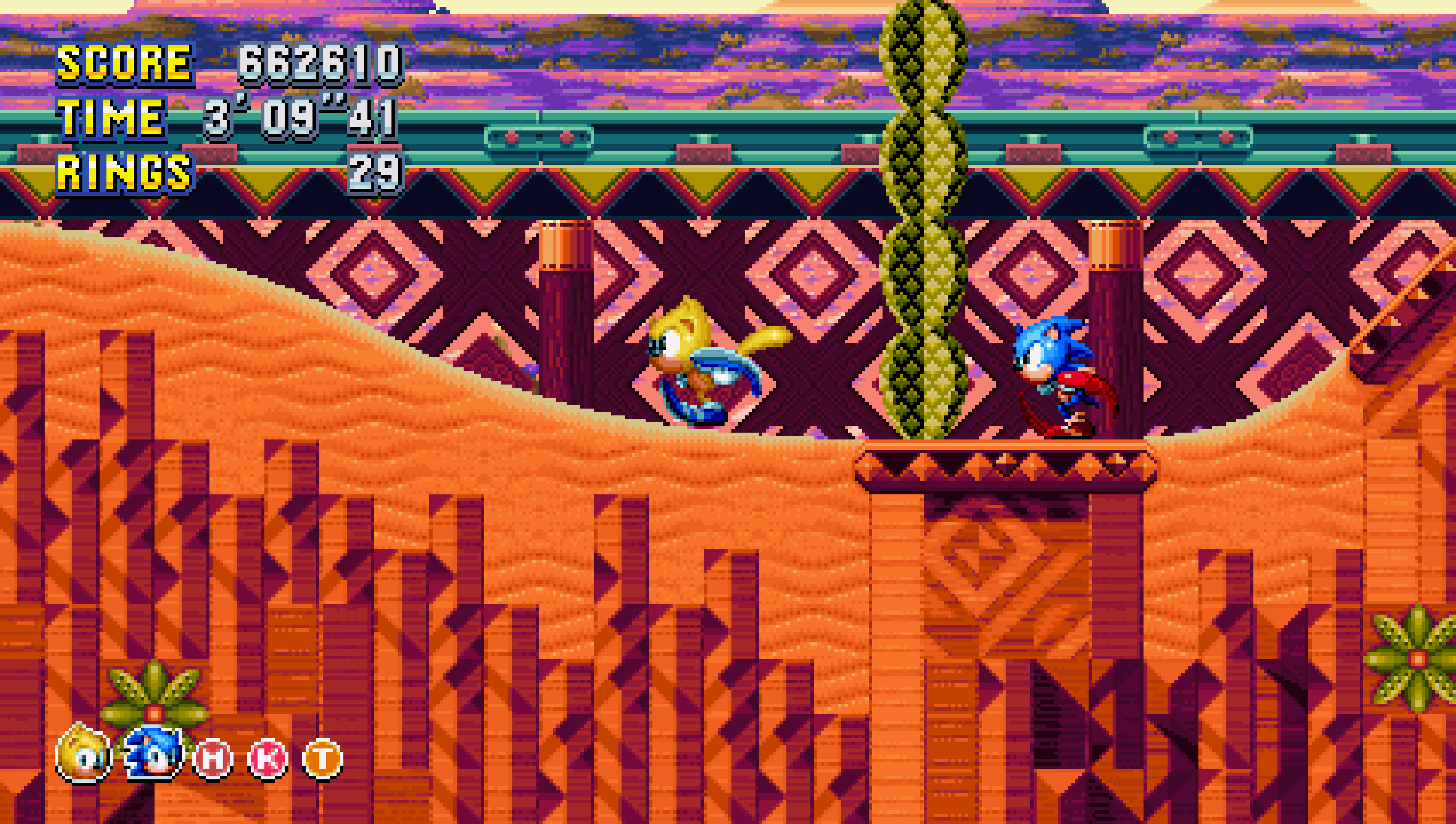
Sonic Mania was already a miracle, but Sonic Mania Plus is the victory lap we all deserved. After years of fans asking SEGA to return to the 16-bit style, SEGA did something radical: they hired the fans to make the game. New zones like Studiopolis feel like they’ve always existed alongside Green Hill. The Sega Saturn-like visuals are fluid, and the soundtrack by Tee Lopes is an absolute banger from start to finish. The Plus edition brought back Mighty the Armadillo and Ray the Flying Squirrel from the SegaSonic arcade days, and added an Encore Mode that keeps the replay value sky-high.
Why It’s Iconic: Made by the fans, for the fans, Sonic Mania is so vibrant and polished that it actually outshines some of the original Genesis classics. It didn't need modern gimmicks to be great; it just needed tight controls and imaginative levels. It’s the highest-rated Sonic game in fifteen years, and Sonic Mania Plus is the definitive way to experience it.
Sonic Frontiers
- Release Date: November 8, 2022
- Platform: PS4, Xbox One, Switch, PS5, Xbox Series X|S, PC
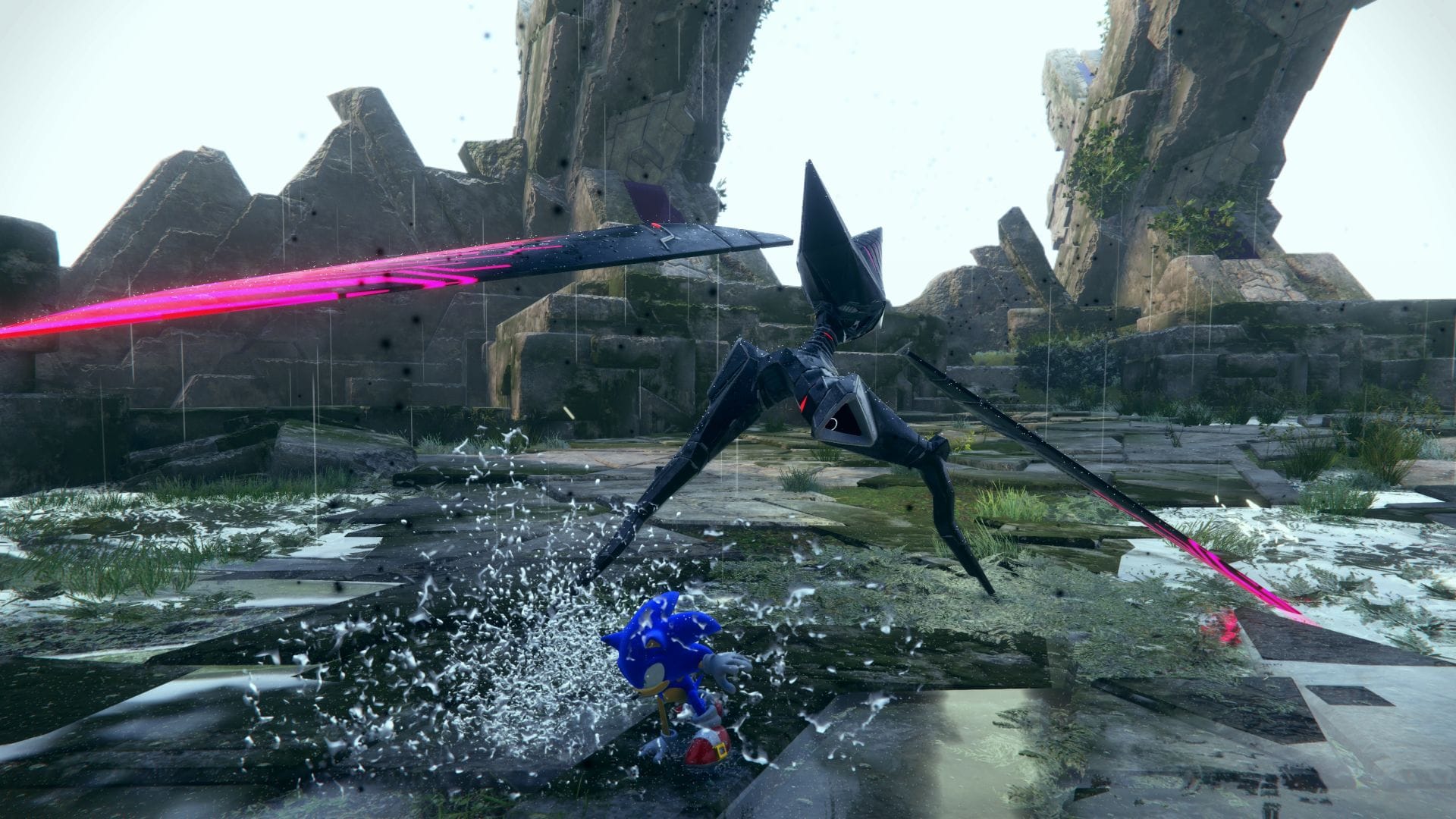
Sonic Frontiers was the massive gamble that SEGA desperately needed to take, but man, did it pay off. It traded the traditional linear levels for vast, mysterious landscapes that felt like a mix of high-speed platforming and a moody, atmospheric adventure. The movement feels heavy and satisfying, and the skill tree actually gives you a reason to engage with the world. There’s something strangely beautiful about running at Mach speed across a lonely ruin while a somber piano track plays in the background. The game also features Cyber Space levels—shorter, traditional stages based on Sonic’s memories—which act as a nice bridge for fans who miss the classic style.
Why It’s Iconic: Sonic Frontiers is an ultimately triumphant step forward for a franchise that was stuck in its ways for too long. This game successfully integrated high-speed platforming into a large-scale environment, solving the 3D Sonic problem in a way that feels modern. It’s a moody, ambitious, and deeply rewarding adventure that has completely redefined what a Sonic game can be.
Sonic X Shadow Generations
- Release Date: October 25, 2024 – June 5, 2025
- Platform: PS4, Xbox One, Switch, PS5, Xbox Series X|S, Switch 2, PC
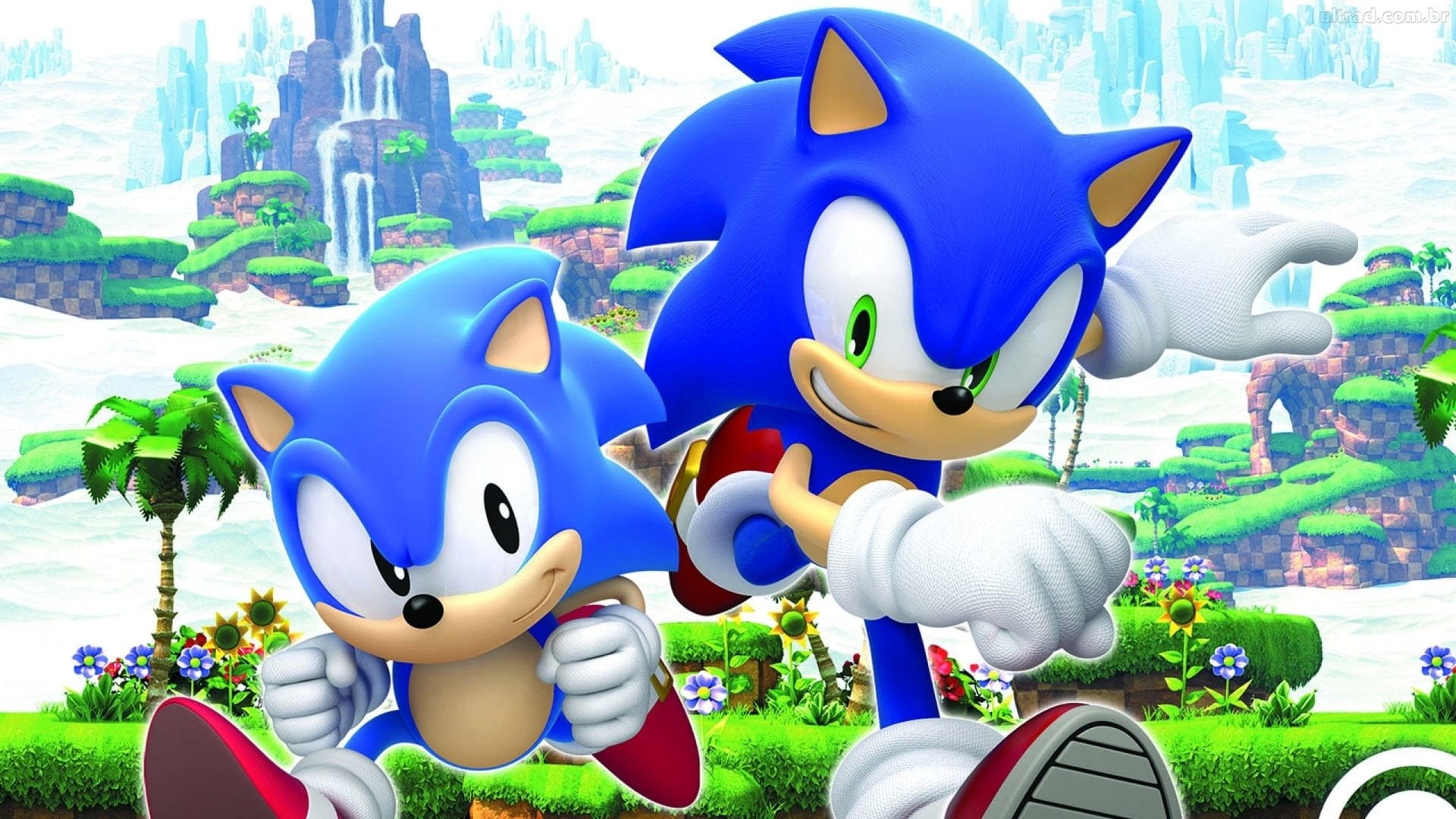
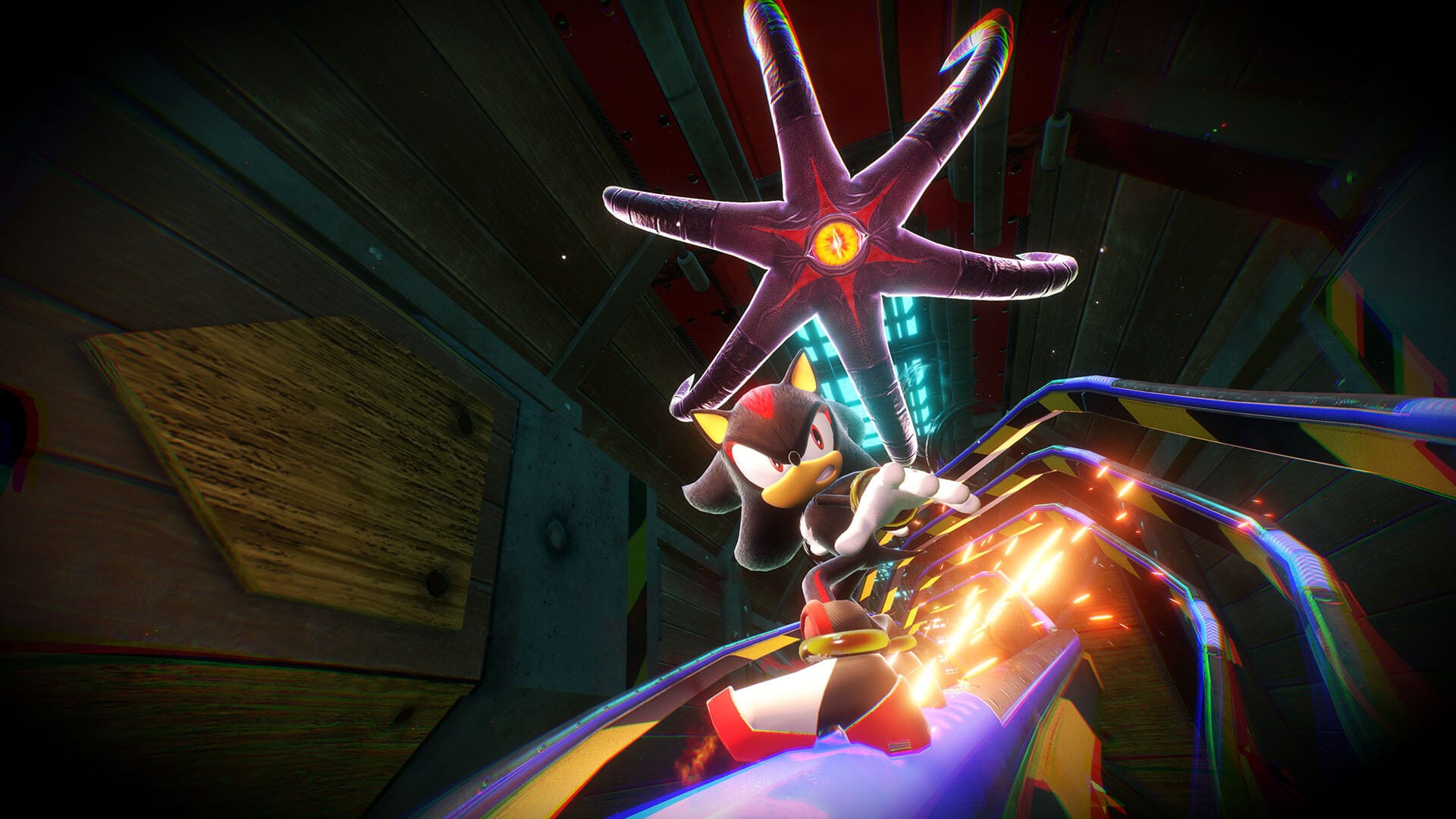
Sonic X Shadow Generations takes the already-perfect Generations formula and bolts on an entirely new campaign starring Shadow, everyone’s favorite Ultimate Lifeform. Shadow’s campaign, Shadow Generations, introduces Doom Powers that make his gameplay feel distinct from Sonic’s. You can stop time with Chaos Control or blast through enemies with dark energy. Featuring reimagined versions of classic stages like Rail Canyon, the levels are surreal, mind-bending trips through Shadow’s past, Meanwhile, you still get the perfect blend of 2D Classic Sonic and 3D Modern Sonic with the original Sonic Generations content, sprinting through the greatest hits of the franchise’s history.
Why It’s Iconic: Sonic X Shadow Generations is the perfect bridge between nostalgia and innovation. This game honors the series' history while pushing the gameplay forward with Shadow’s unique abilities. It’s fast, it’s polished, and it’s packed with enough fan service to make it the definitive Sonic experience for the modern era.
Sonic Racing: CrossWorlds
- Release Date: September 25, 2025
- Platform: PS4, Xbox One, Switch, PS5, Xbox Series X|S, Switch 2, PC
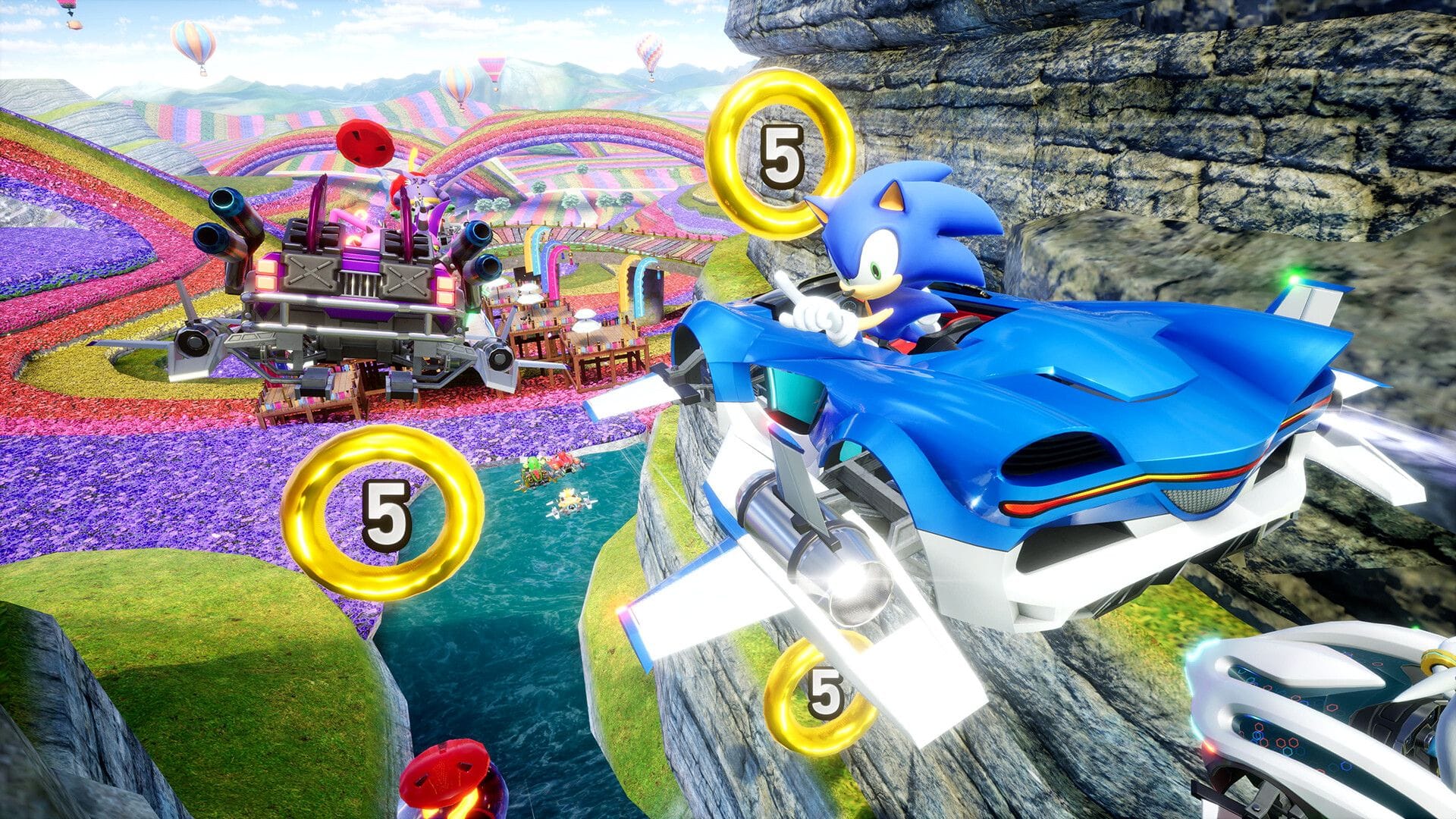
The newest entry on our list and a total sleeper hit, Sonic Racing: CrossWorlds, takes the solid foundation of Team Sonic Racing and injects it with a massive dose of inter-dimensional madness. The handling is incredibly tight, and the Cross-Shift mechanic allows you to swap between team members to gain different perks on the fly. The online integration is surprisingly smooth, with “World Events” that encourage players to team up to unlock new tracks and characters. The character roster is easily the most ambitious SEGA has ever assembled. Seeing Hatsune Miku drifting a kart alongside Joker from Persona 5 is the kind of crossover energy we all need.
Why It’s Iconic: CrossWorlds combines the transforming mechanics of the past with a massive Super Game scale that feels modern and expansive. It’s a vibrant celebration of speed that proves SEGA still owns the arcade racing throne.
Conclusion
And there you have it—the 30 best SEGA games to ever grace our screens. From the bit-crushed “SEEGAA!” chant on the 16-bit Genesis to the inter-dimensional, star-studded races of Sonic Racing: CrossWorlds, this company has always marched to the beat of its own drum. SEGA had their ups and downs, sure, but they’ve never lost that punk-rock attitude and optimism that makes them so special.
Whether you’re a newcomer discovering the joy of a Spin Dash for the first time or a “blue-blooded” veteran who still has a Dreamcast hooked up to their TV, there’s something in this list for everyone. SEGA’s legacy isn’t just about a hedgehog; it’s about a relentless drive to innovate and an obsession with arcade-quality action that stays with you long after the power is turned off. Now go out there, grab a controller, and experience some gaming history for yourself!