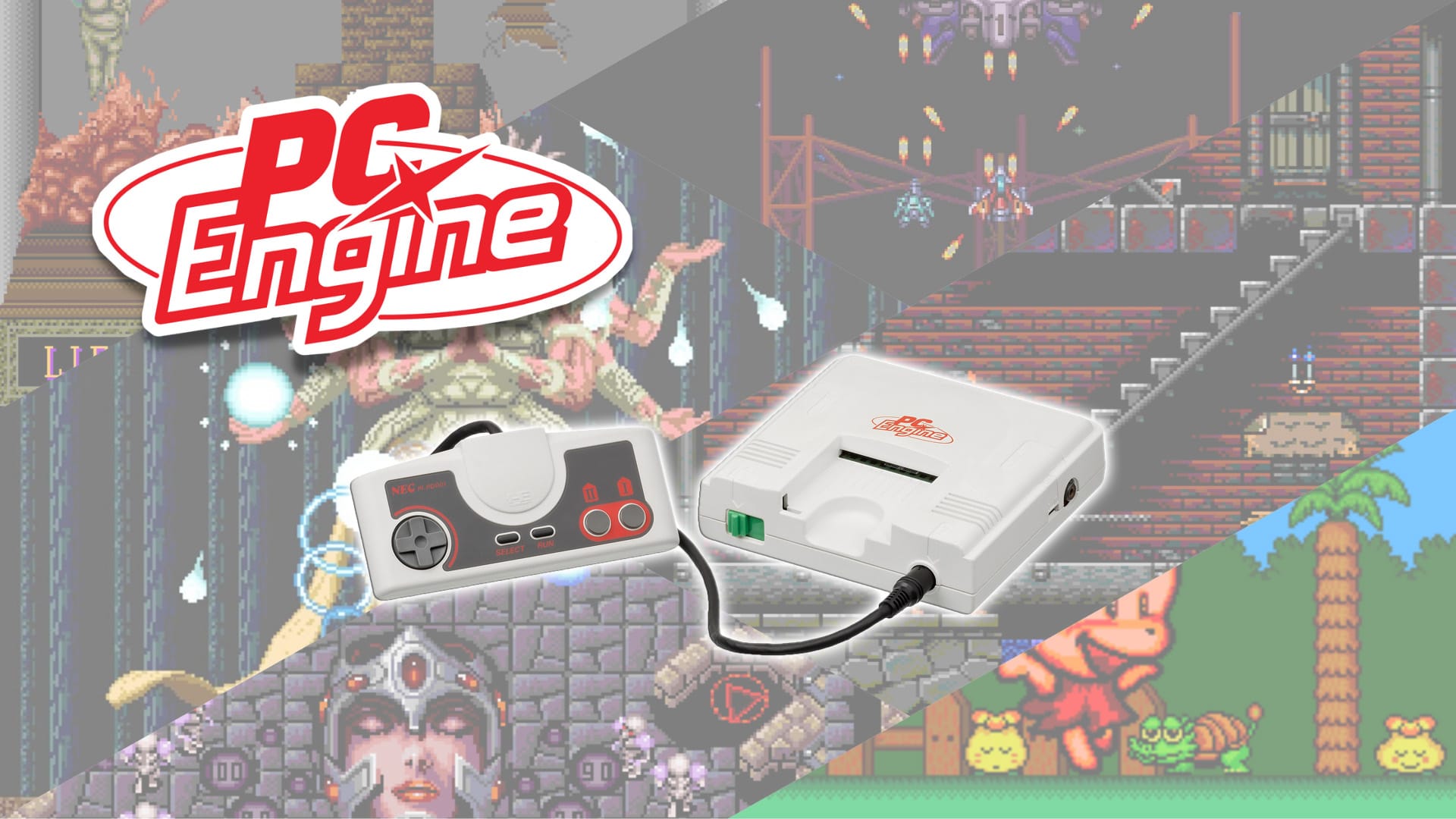
Following up a legend is never easy. Just ask anyone who had to fill the shoes of a superstar. For NEC, that superstar was the PC Engine (or TurboGrafx-16 for my Western friends)—a pint-sized powerhouse that absolutely dominated the Japanese gaming landscape. Imagine the pressure of trying to top a console that basically owned the late 80s and early 90s.
NEC and Hudson Soft had the world at their fingertips, but they faced a brutal reality: the world was changing faster than their blueprints could keep up. You know that specific brand of anxiety when your favorite band drops a perfect, chart-topping album? You just know the follow-up will probably sound like a dumpster fire. Well, that perfectly captures the vibe surrounding the NEC PC-FX.
We all expected the PC-FX to carry the torch of high-quality gaming into the 32-bit era. Unfortunately, the path to this console resembles a cautionary tale of hesitation, technical hubris, and a world that simply moved on while the architects slept. Let’s discover how NEC fumbled the PC-FX, a console that was trapped between two console generations.
Project Iron Man: The 32-Bit Successor Born in Secret
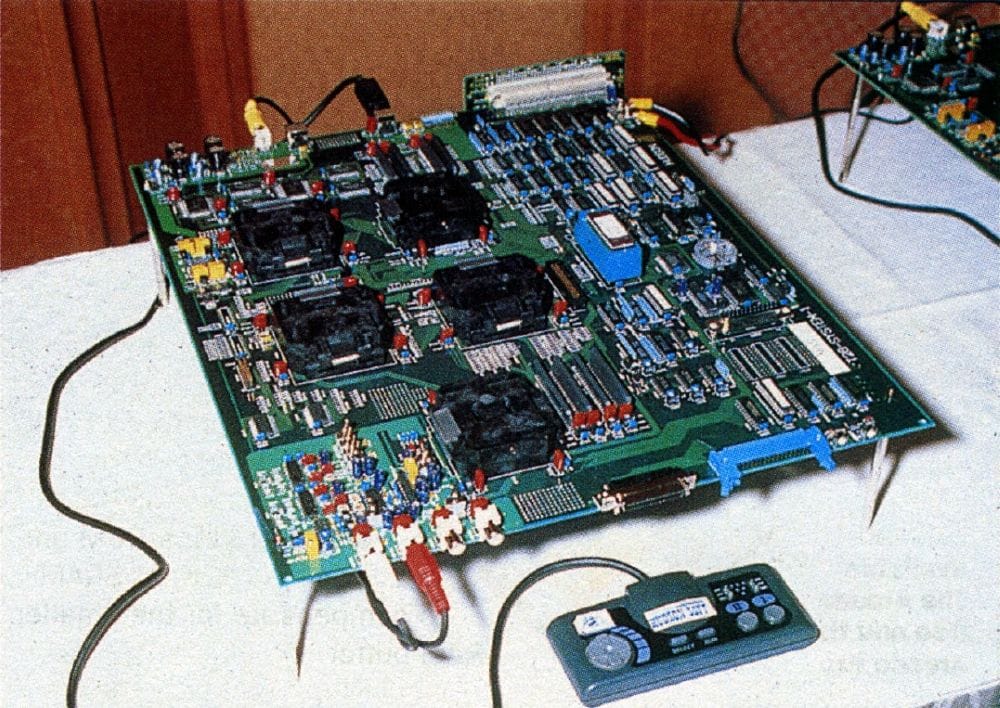
Back in 1990, while most of us were still figuring out how to beat the first boss in Bonk’s Adventure, NEC and Hudson Soft were already whispering about the future. They didn’t just want a slight upgrade; they wanted a heavy hitter to maintain their iron grip on the Japanese market. To achieve this, they locked their best engineers in a room and began covert operations on a 32-bit behemoth.
They gave this hardware the codename Tetsujin, which translates directly to Iron Man in English. Doesn’t that name sound like a villain in an obscure 90’s anime OVA that’s ready to crush anything in its way with a maniacal laugh? You have to admit, that moniker sounds incredibly badass for a console.
For two grueling years, the team worked in absolute secrecy, far away from the prying eyes of industry journalists and rivals. By 1992, the silicon was fully baked and ready to roll off the assembly line. The specs for Iron Man were actually quite impressive for the time, boasting robust CD-ROM support and a design that promised tantalizing future expandability. It felt like NEC was poised to leapfrog the 16-bit era entirely and land firmly in the next generation.
The hardware existed, the developers were ready, and the hype was building in the shadows. But why did we have to wait so long to actually see it? It’s almost like they had the ultimate weapon ready to deploy and then suddenly got cold feet. Have you ever wondered if a company can be too successful for its own good? That’s exactly the trap NEC walked into. They had a powerhouse in the garage, but they were too afraid to take the tarp off.
The SuperGrafx Scars: Why NEC Waited Too Long to Launch
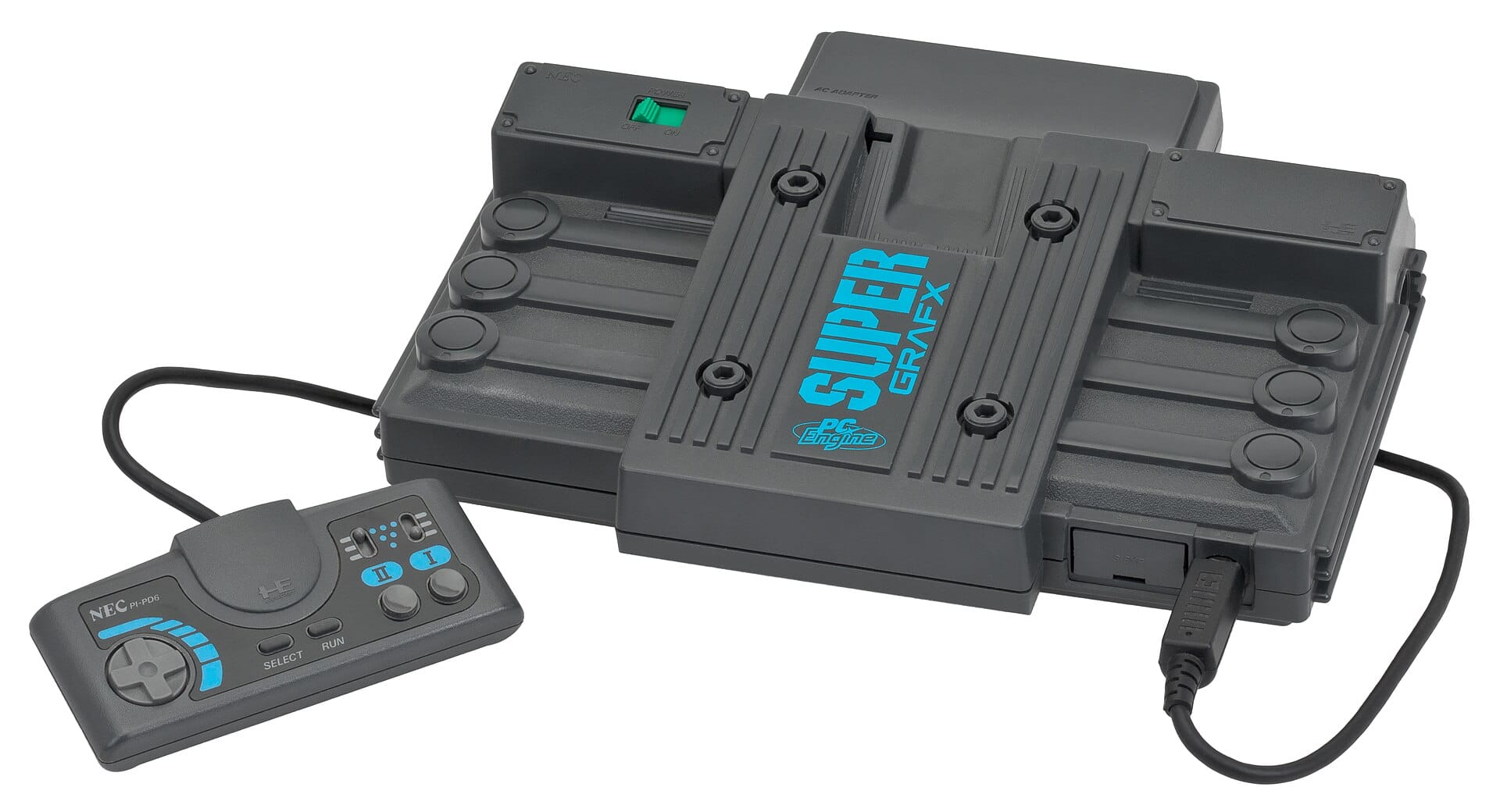
Well, NEC had a massive, money-printing problem sitting squarely on their desks: the original PC Engine. Gamers still bought the little white box by the absolute truckload, and the software library was peaking with iconic hits. The executives looked at their shiny new 32-bit hardware and then glanced nervously at their overflowing bank accounts. They remembered the absolute retail bloodbath of the SuperGrafx that gave the top brass permanent financial PTSD, and didn’t want a repeat performance.
The SuperGrafx was supposed to be a mid-gen powerhouse, but it launched with a pathetic library and confused the heck out of consumers. Rather than risk cannibalizing their own wildly successful market again, NEC and Hudson did the unthinkable. They shoved the Iron Man project into a dark corporate closet and simply waited for the PC Engine’s momentum to die down naturally.
They let the crucial developmental year of 1992 bleed straight into 1993 without making a single official move. While they waited, the competition wasn’t exactly standing still; Sony and Sega were already sharpening their 3D blades. Rumors of this phantom console filled the back pages of gaming magazines like Electronic Gaming Monthly, leaving us all scratching our heads and wondering if the machine even existed.
The Reveal of the HuC62 Platform
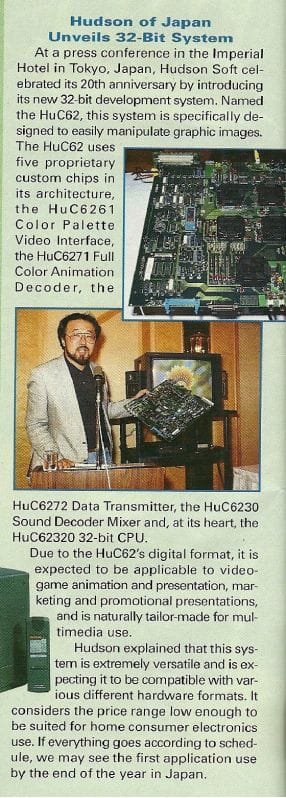
After years of cryptic whispers and those “now you see it, now you don’t” magazine leaks, NEC Home Electronics finally broke the silence in January 1994. They officially unveiled the PC-FX in the pages of PC Gekkon Magazine, and the specs initially sounded like a powerhouse for the multimedia age. The architecture centered on the HuC62 platform, a sophisticated 5-chip system designed for one specific purpose: total media dominance.
Can you imagine the hype of seeing 30fps full-screen FMV in the mid-90s? This wasn’t the grainy, postage-stamp video we usually suffered through on the Sega CD or the 3DO. In an era long before DVDs, high-speed streaming, or even decent video compression, these visuals looked like absolute sorcery. NEC leaned heavily into this strength, hoping that “interactive anime” would become the dominant gaming genre of the decade.
It made sense on paper—after all, the most popular PC Engine CD-ROM² games succeeded because of their animated cutscenes and voiced dialogue. The PC-FX promised a cinematic experience that finally bridged the gap between high-quality anime and interactive gaming. It felt like the future had finally arrived on our doorstep, wrapped in a shiny new 32-bit bow.
The basis of the machine confirmed what many suspected: it was an evolution of the tech Hudson had been refining for years. By focusing on the HuC62, NEC doubled down on the multimedia craze that was sweeping the industry at the time. By focusing on full-motion video, NEC hoped to capitalize on the exact features that made the PC Engine CD-ROM² a cult legend.
The Heart of the Machine: Exploring the V810 CPU
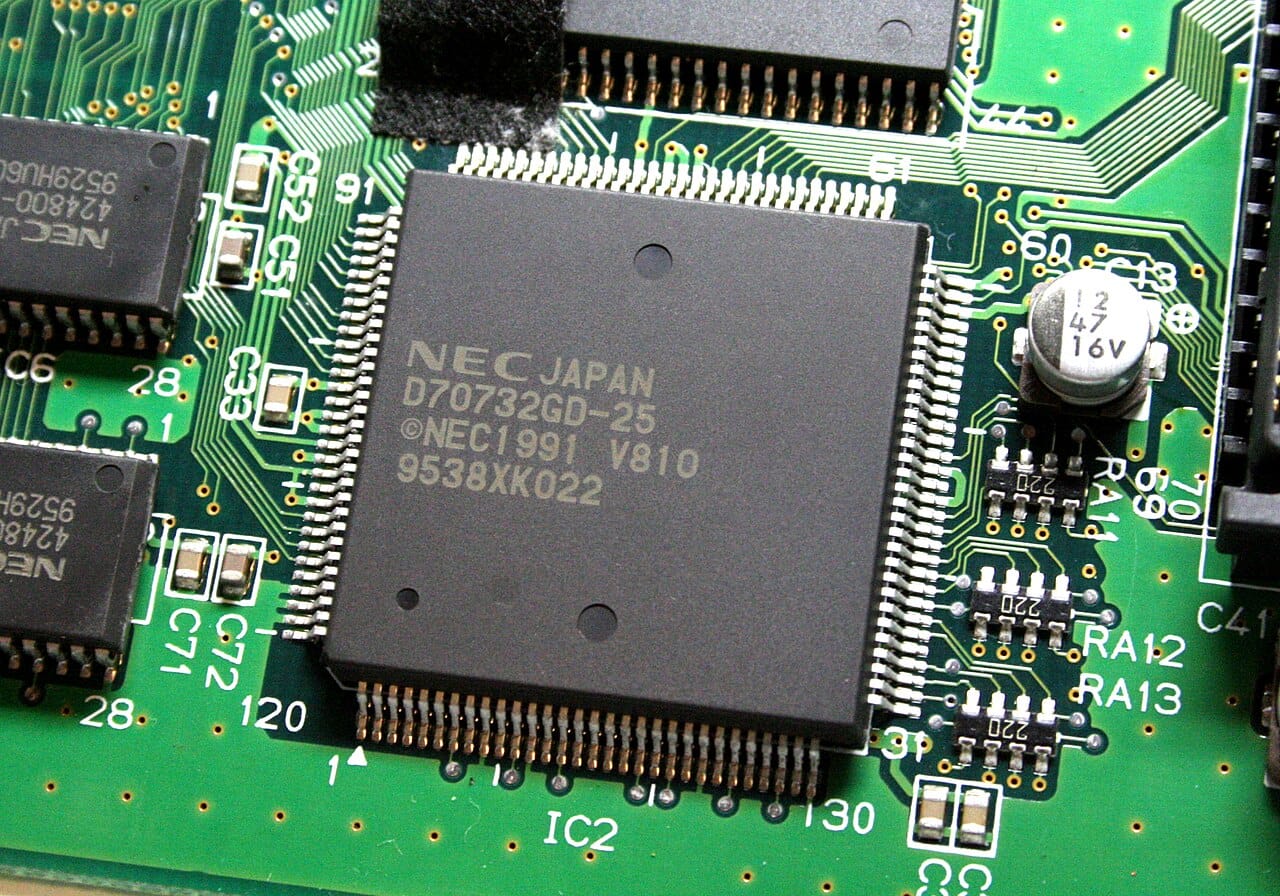
Underneath that strange vertical chassis beat a very specific heart: NEC’s own V810 CPU. While the early Iron Man prototypes experimented with different tech, NEC decided to keep things in-house for the final production model. This 32-bit RISC processor was essentially a workstation chip trying to masquerade as a gaming powerhouse. While it was fast, it wasn’t exactly designed with the sprite pushing or polygon crunching features that console gamers actually cared about.
Does the name V810 ring a bell for any Nintendo aficionados out there? It should, because this exact chip later powered the infamous Nintendo Virtual Boy. Using a proprietary chip meant developers had to learn an entirely new architecture from scratch during an era where everyone was already pivoting to Sony’s more user-friendly dev kits. This decision created a massive hurdle for third-party studios who were already feeling the squeeze of the 32-bit transition.
On paper, these specs looked like a powerhouse for 1994, but the reality behind the scenes felt much more like a looming nightmare. NEC’s own Tetsuya Iguchi later lamented that the hardware’s capabilities were frustratingly narrow and difficult to work with.
“Our machine is a 2-D powerhouse, but in a world suddenly obsessed with 3-D, such capabilities are difficult to sell. We built a system perfect for high-speed racing games and beautiful animation, yet it risks becoming a jerky disappointment compared to the polygon revolution. We misjudged the sea change; we are standing by a configuration that is already several years old.” — Testuya Iguchi, NEC
While NEC was busy perfecting its 2D sprites, the arcade world was screaming in high-definition polygons. The runaway success of Sega’s Virtua Fighter 2 changed everything overnight, shifting player expectations from pretty pictures to immersive depth. Suddenly, the ability to play a crisp anime video felt secondary to the thrill of a 3D brawler.
NEC and Hudson were caught completely off guard by this sea change in consumer taste. They had spent years refining a configuration that was already several years old by the time it hit the shelves. It’s like bringing a very expensive, very beautiful knife to a laser gun fight. You might have the best craftsmanship in the room, but you’re still going to lose the duel.
Because the hardware lacked a dedicated 3D geometry engine, PC-FX games looked lackluster compared to the burgeoning libraries of the Saturn and PlayStation. Developers couldn’t just patch in 3D support (more on that later); the silicon simply wasn’t built for it. This left the console standing in the shadow of giants, clutching onto a 2D crown that was rapidly losing its luster.
A Vertical Launch to Remember
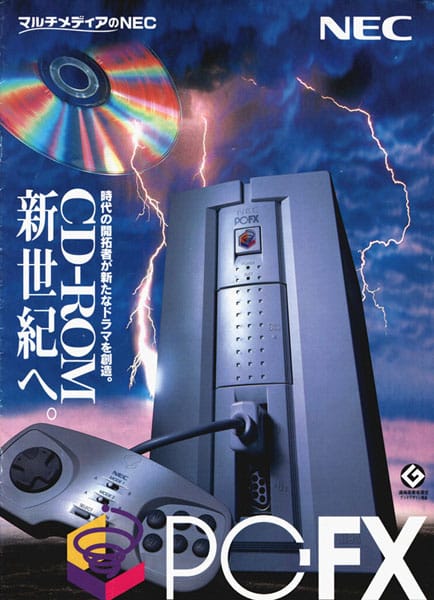
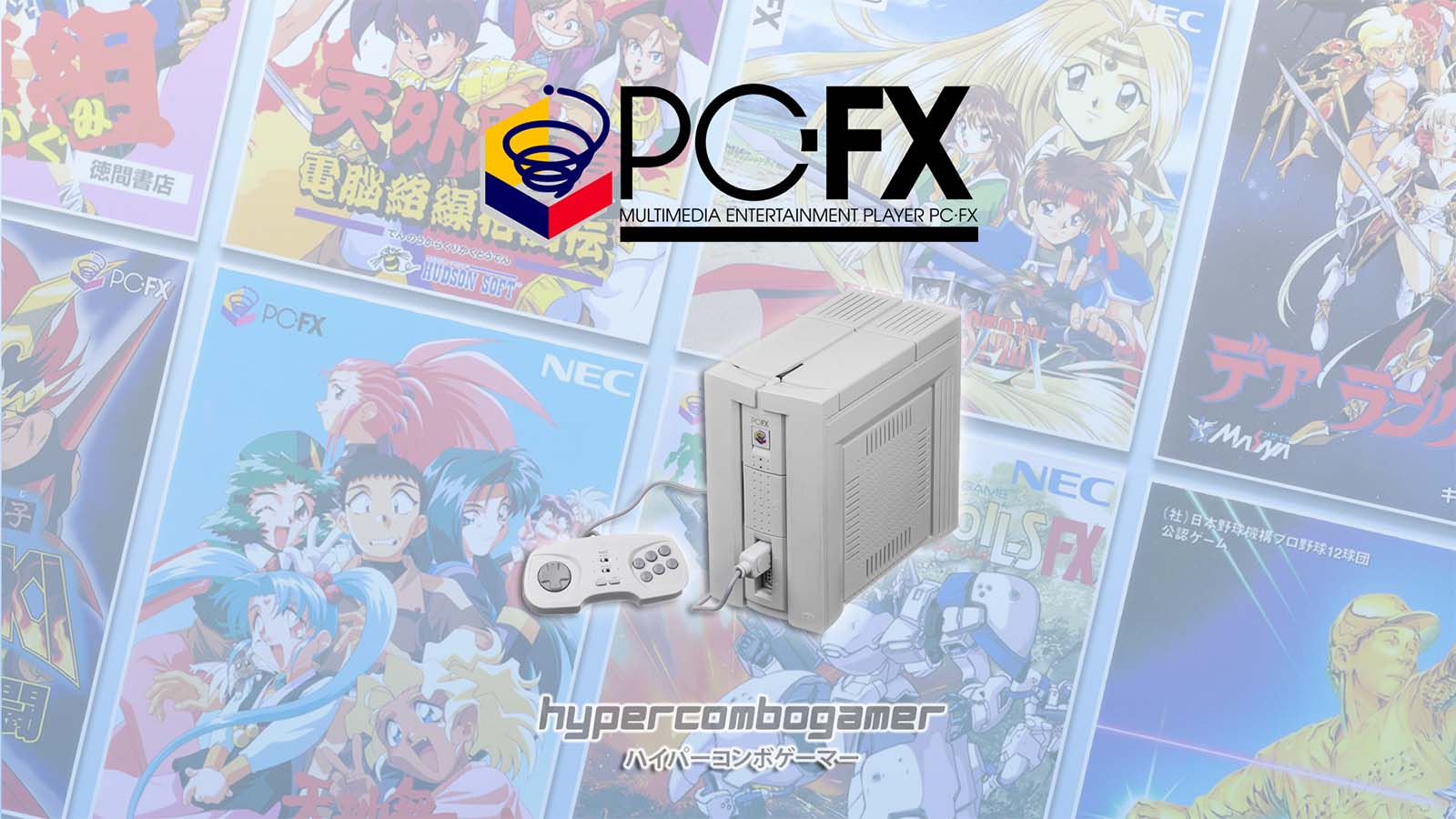
NEC and Hudson finally pushed the PC-FX out of the nest on December 23, 1994. Most consoles from the 90s followed a familiar, horizontal pizza box aesthetic, but the PC-FX decided to stand tall. It featured a unique vertical tower design that looked more like a miniature desktop computer than a gaming machine.
However, while the mini-tower look fit the “Tetsujin” persona of a serious machine, it was a logistical nightmare for the average Japanese household. The unit was simply too tall to fit into standard TV stands, so most owners ended up leaving it on the floor or perched awkwardly next to the TV.
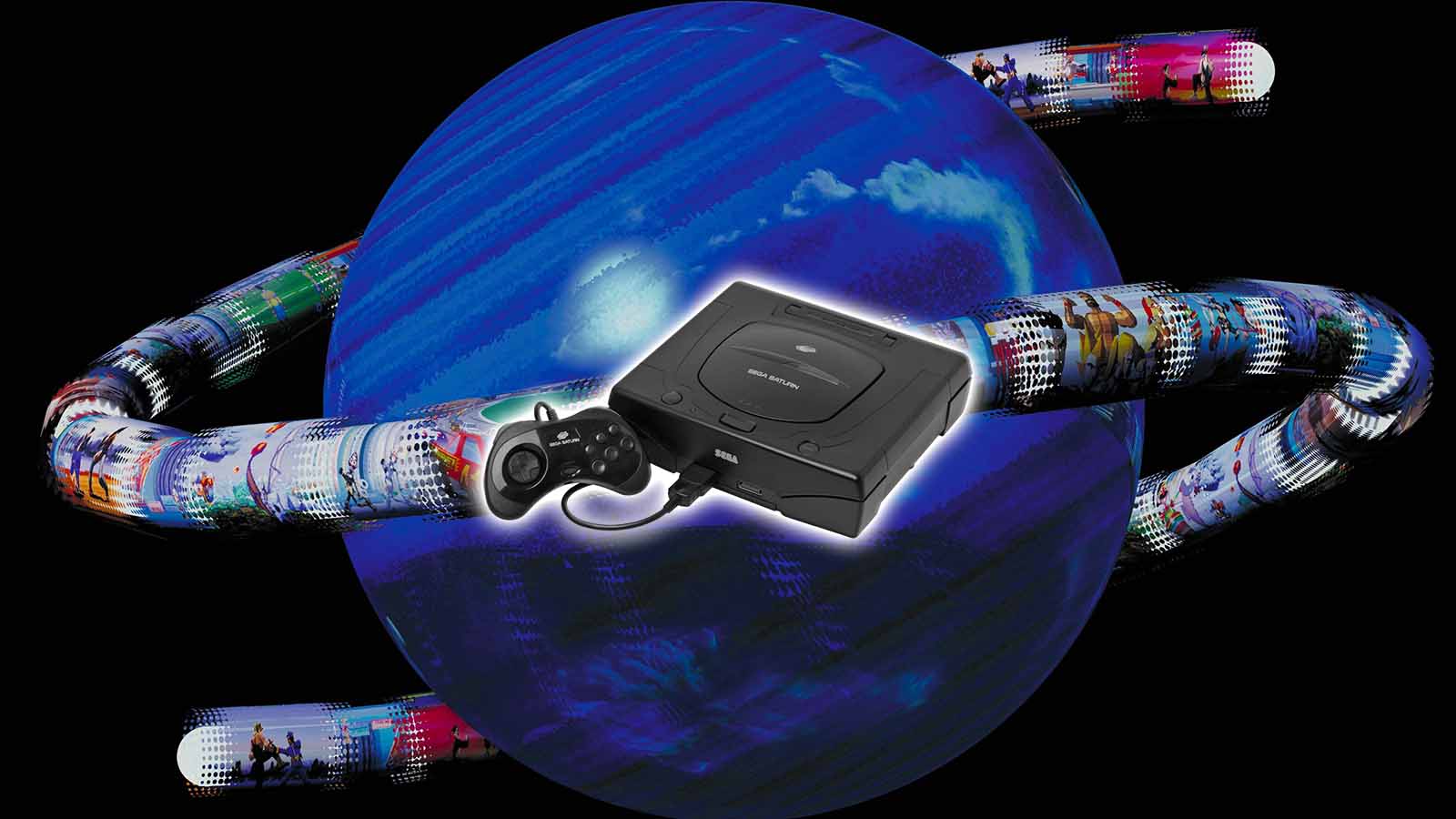
They picked a holiday release window, which usually spells retail gold, but they ran head-first into a total buzzsaw. Both the Sony PlayStation and the Sega Saturn had already hit Japanese shelves weeks earlier, and the hype for 3D was absolutely deafening. Imagine trying to sell a machine that looked backward while your neighbors were showing off the literal future.
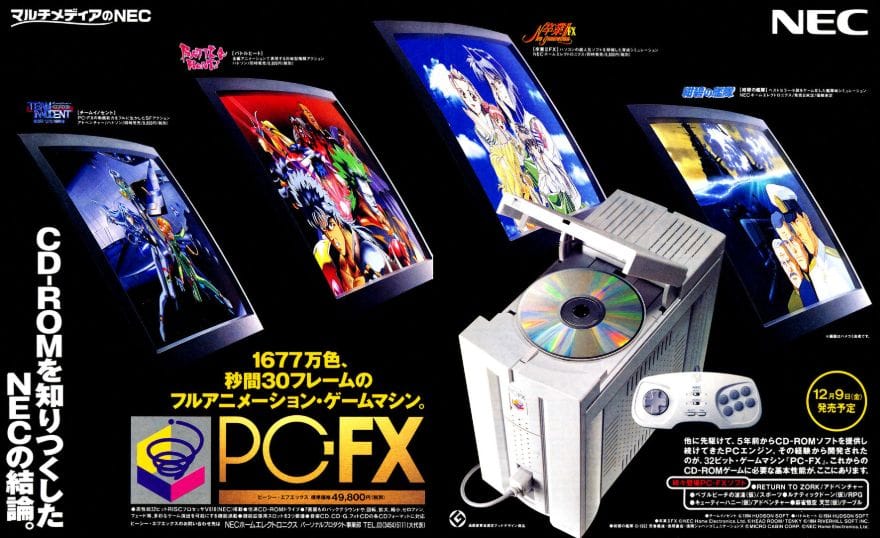
If the dated tech didn’t scare off consumers, the sticker shock certainly did. NEC slapped a launch price of 49,800 yen on the PC-FX, which converted to over $500 USD at the time. For the same price—or often less—you could snag a Saturn or a PlayStation and enjoy the cutting-edge worlds of Ridge Racer or Virtua Fighter. How did they expect people to pay a month’s rent for a machine that lacked dedicated 3D hardware?
The launch lineup didn’t exactly set the world on fire either, leaving gamers wondering what all that Iron Man secrecy was actually for. NEC basically priced themselves out of the market before the first unit even left the factory. For a company that had dominated the 8-bit era in Japan, this was a cold shower of reality.
A Multimedia Powerhouse
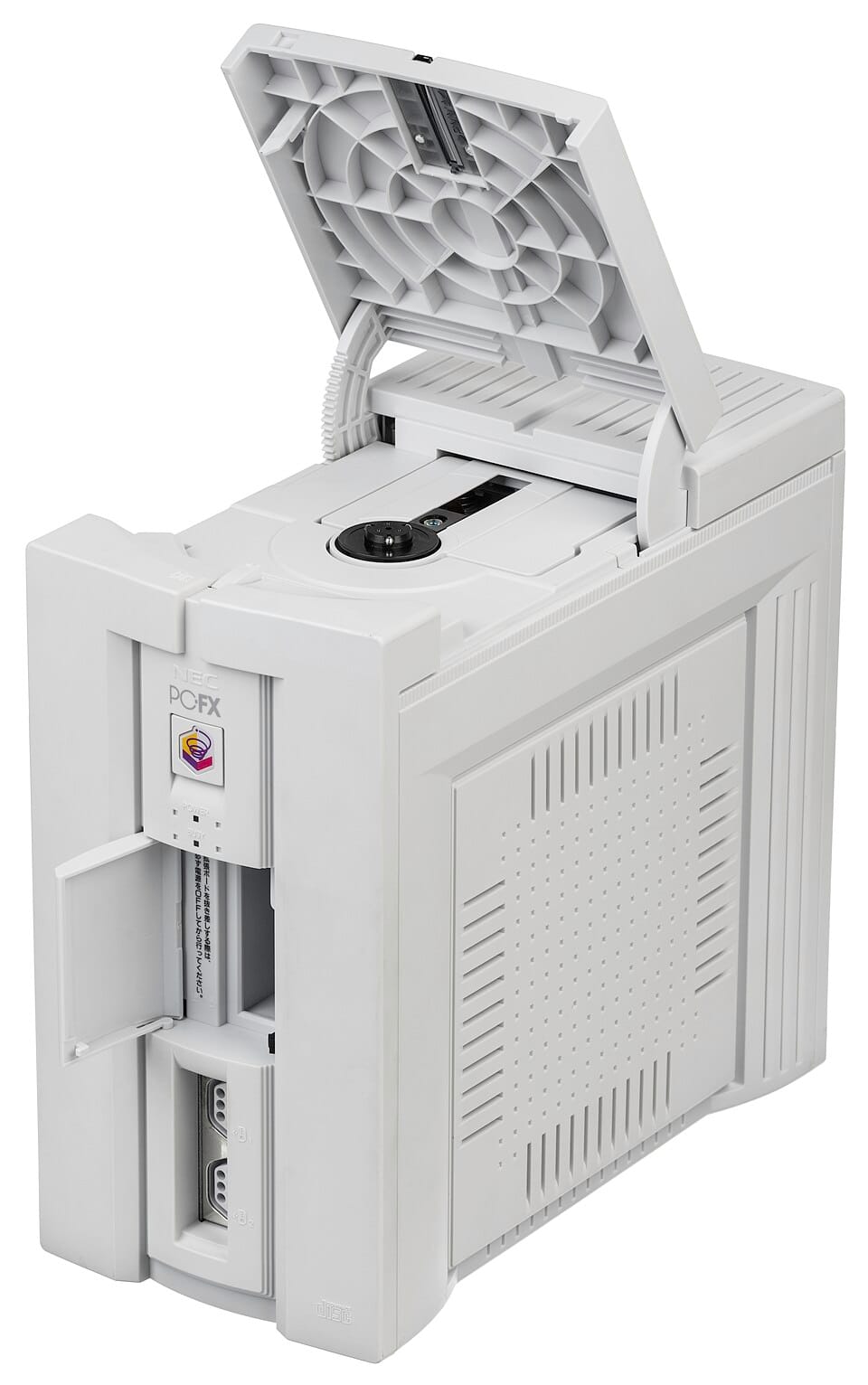
Why on earth would NEC choose such a bulky, utilitarian look for a home console? NEC was banking on the idea that families would use their television as a digital center—a concept that was about a decade ahead of its time and restricted by mid-90s bitrates. If the tower design didn’t already give it away, the PC-FX was marketed as much as a multimedia hub as a gaming console.
The PC-FX was a Swiss Army knife of 1994 tech, fully compatible with several cutting-edge disc formats. It supported CD+G (Compact Disc + Graphics), which allowed the console to display low-resolution lyrics and primitive backing visuals while playing audio. It was a tactical inclusion for the Japanese market where karaoke is a national obsession, yet for a global audience, it felt like a legacy vestige.
Then there was Photo CD support, a Kodak-developed standard that let users view high-resolution photographs on their CRT screens. Watching a digital slideshow in 1994 felt like sorcery, though the 2x CD-ROM drive speed meant you needed the patience of a saint for each image to decompress and materialize.
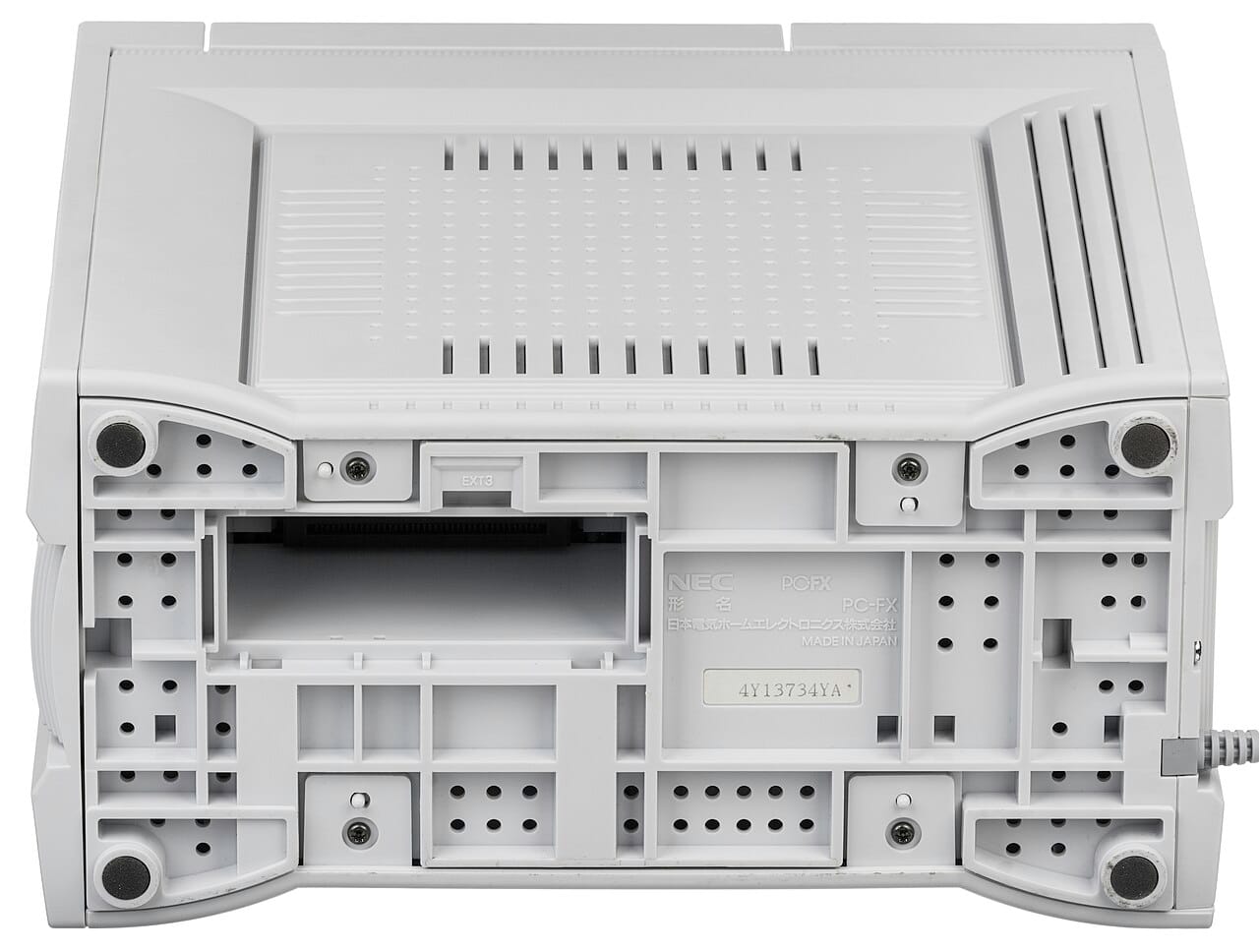
The most intriguing physical aspect of the PC-FX was its hidden potential. f you flip the unit around or check the bottom, you’ll find three internal expansion slots (one on the bottom, two on the rear). NEC basically wanted us to upgrade our consoles like we upgrade our PCs, promising these would keep the console relevant for decades.
NEC absolutely nailed the FX-PAD controller. It’s a solid, well designed 6-button controller that feels incredibly comfortable for long sessions, and would’ve been perfect for 2D fighting games. Honestly, the controller feels more next-gen than the console itself.
Locked in Japan: The Missing TurboGrafx Successor
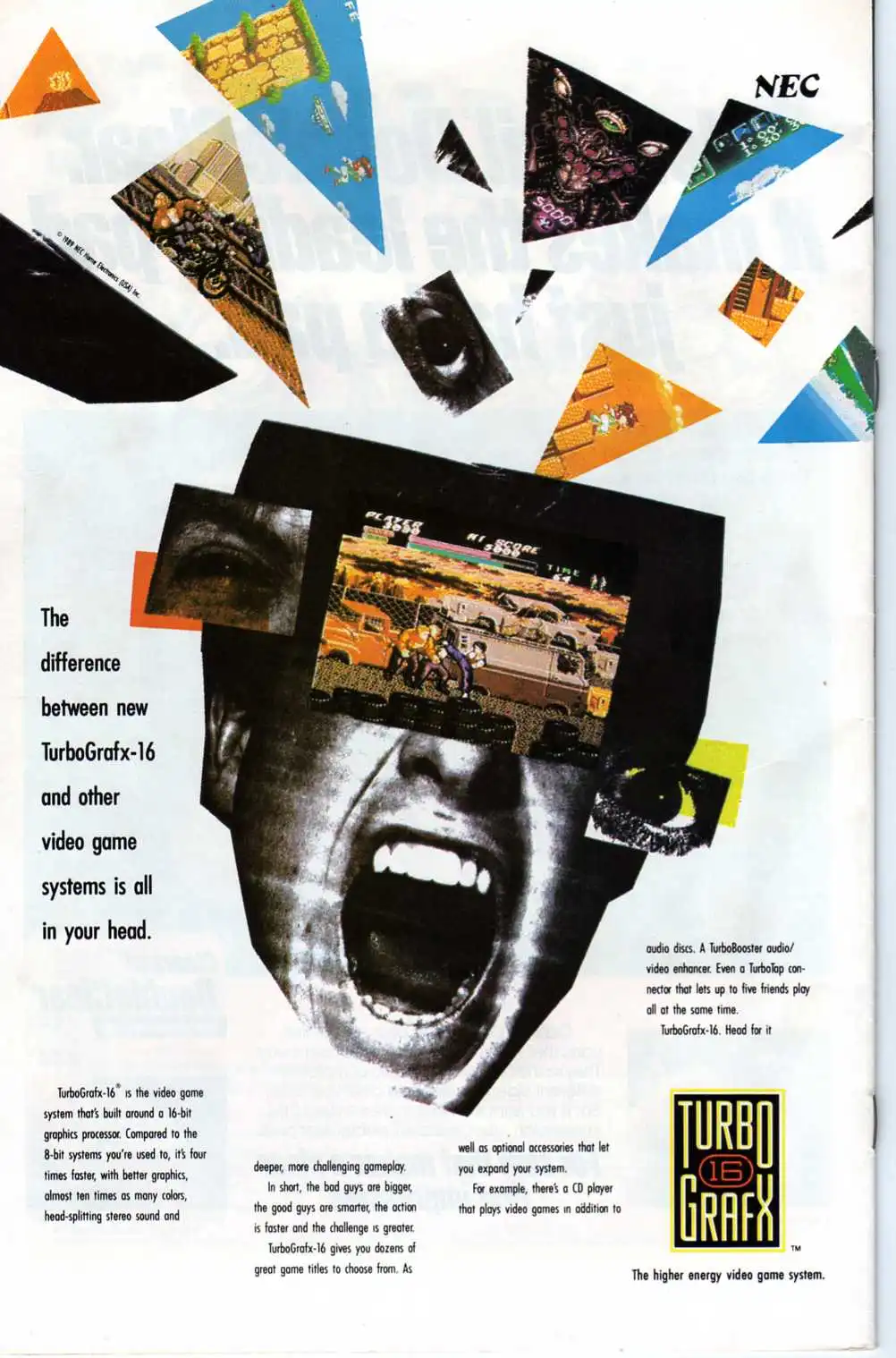
If you lived in the US or Europe during the mid-90s, you probably only saw the PC-FX in the grainy import sections of magazines like GameFan. While we were all busy debating the merits of the “Next Generation,” NEC and Hudson Soft were looking at the dismal performance of the TurboGrafx-16 in the West and feeling incredibly gun-shy. Ultimately, they decided to stay home, keeping the PC-FX locked away in Japan.
This decision effectively killed any chance of the console gaining global relevance or a diverse library. The lack of an international release meant Western developers had zero incentive to create the kind of games that appealed to audiences outside of Tokyo. We missed out on potential 32-bit shooters, sports sims, and arcade ports that could have rounded out the system’s niche appeal.
Instead, the PC-FX became a strictly regional curiosity, untranslated and unapproachable for the average gamer. This isolation turned the console into an “exotic” white whale for hardcore collectors, rather than a true competitor to the PlayStation or Saturn. FYI, if you wanted to get your hands on one back then, you were looking at astronomical import fees and a very confused local post office!
The Library Problem
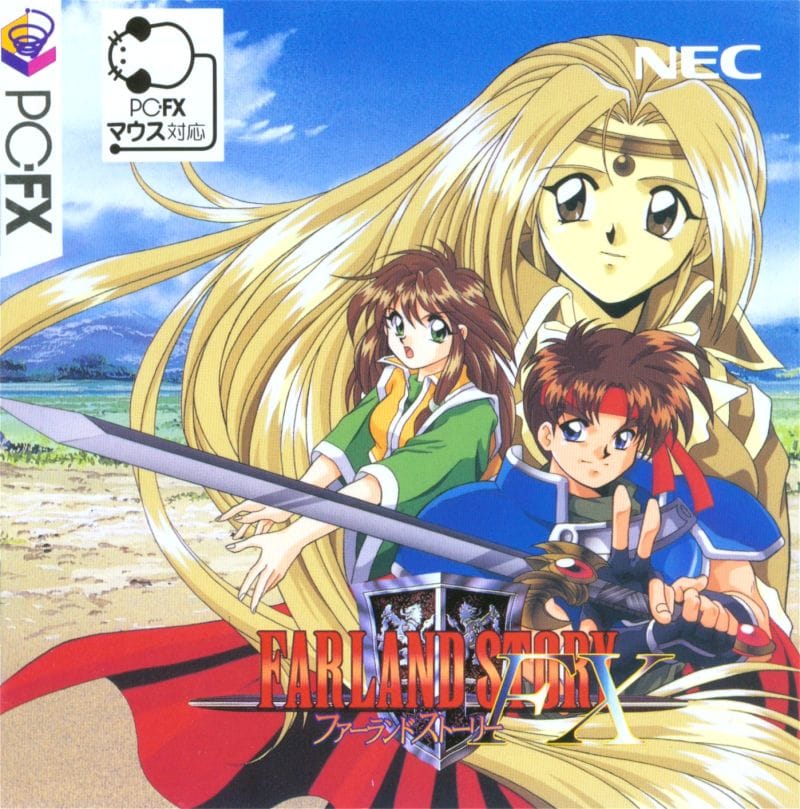
While the PlayStation and Saturn were boasting libraries in the hundreds (and eventually thousands), the PC-FX sat in a corner with a mere 62 official commercial games released over its entire lifespan. That isn’t just a small library; for a 32-bit console from a major manufacturer, it’s a skeleton crew.
The PC-FX was essentially abandoned by the very people who were supposed to arm it. Major third-party developers looked at the PC-FX’s inability to handle polygons and ran for the hills. If you weren’t making a visual novel or a 2D dating sim, you didn’t want anything to do with the HuC62 platform. This led to a massive third-party exodus, leaving NEC and Hudson Soft to do the heavy lifting themselves.
Unlike the PC Engine—where you could easily fumble your way through a 2D shooter like Soldier Blade—the PC-FX library is built almost entirely on heavy dialogue and text-based menus. For the hardcore PC Engine fan, there was some appeal, but for the average gamer, the PC-FX was a ghost town.
The PC-FX GA: The 3D Cheat Code That Nobody Used
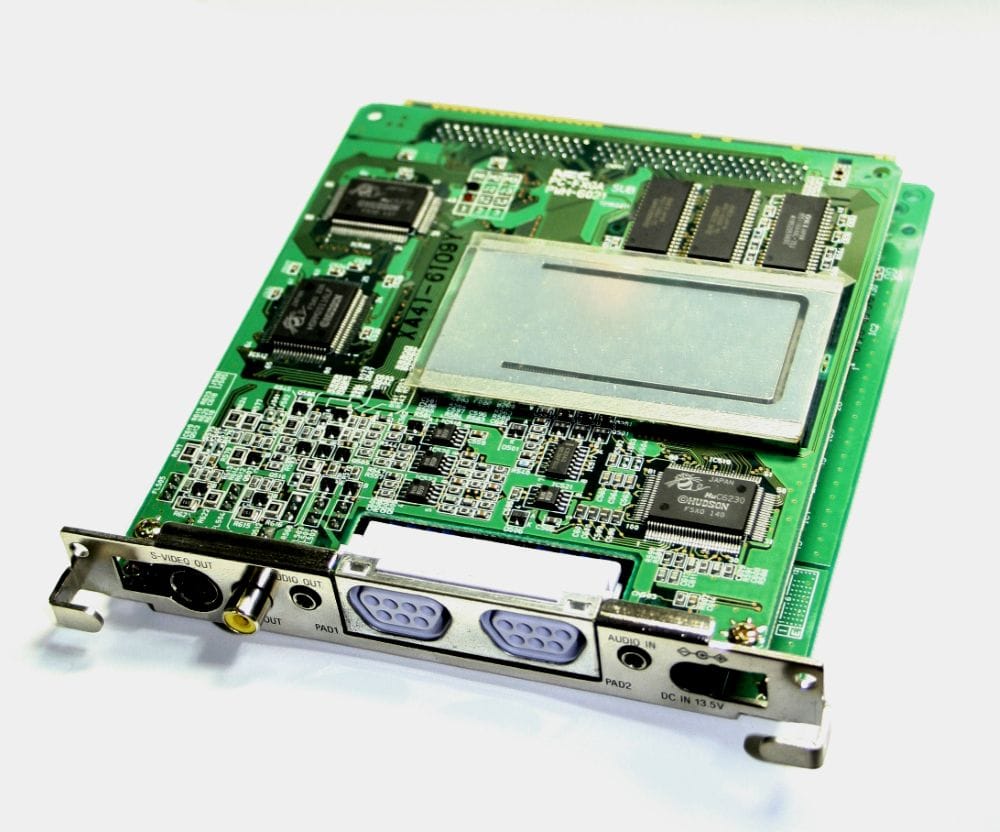
The biggest irony in the history of the PC-FX is that the 3D-capable version of the console wasn’t a console at all—it was a computer expansion card. In 1995, NEC released the PC-FX GA (Game Accelerator)—a specialized expansion board designed for the NEC PC-9800 series (specifically the PC-9821). While the standalone Iron Man unit was famously locked out of the polygonal revolution, the PC-FX GA featured a secret weapon: a dedicated 3D graphics chip.
NEC partnered with VideoLogic to integrate the early PowerVR architecture into the GA board. This wasn’t just a minor tweak; it was a fundamental shift in what the hardware was capable of. The PowerVR chip utilized a unique method called Tile-Based Deferred Rendering. Instead of calculating every single polygon in a scene (including the ones hidden behind other objects), the chip broke the screen into small tiles.
This saved an enormous amount of memory bandwidth, allowing the PC-FX GA to push relatively smooth 3D environments without needing the massive, expensive VRAM of its competitors. For a brief moment, this turned Japan’s most popular work computer into a dual-threat gaming powerhouse. But the PC-FX GA wasn’t just a port of the home console; it was actually better than the standalone machine in one very specific, very ironic way.
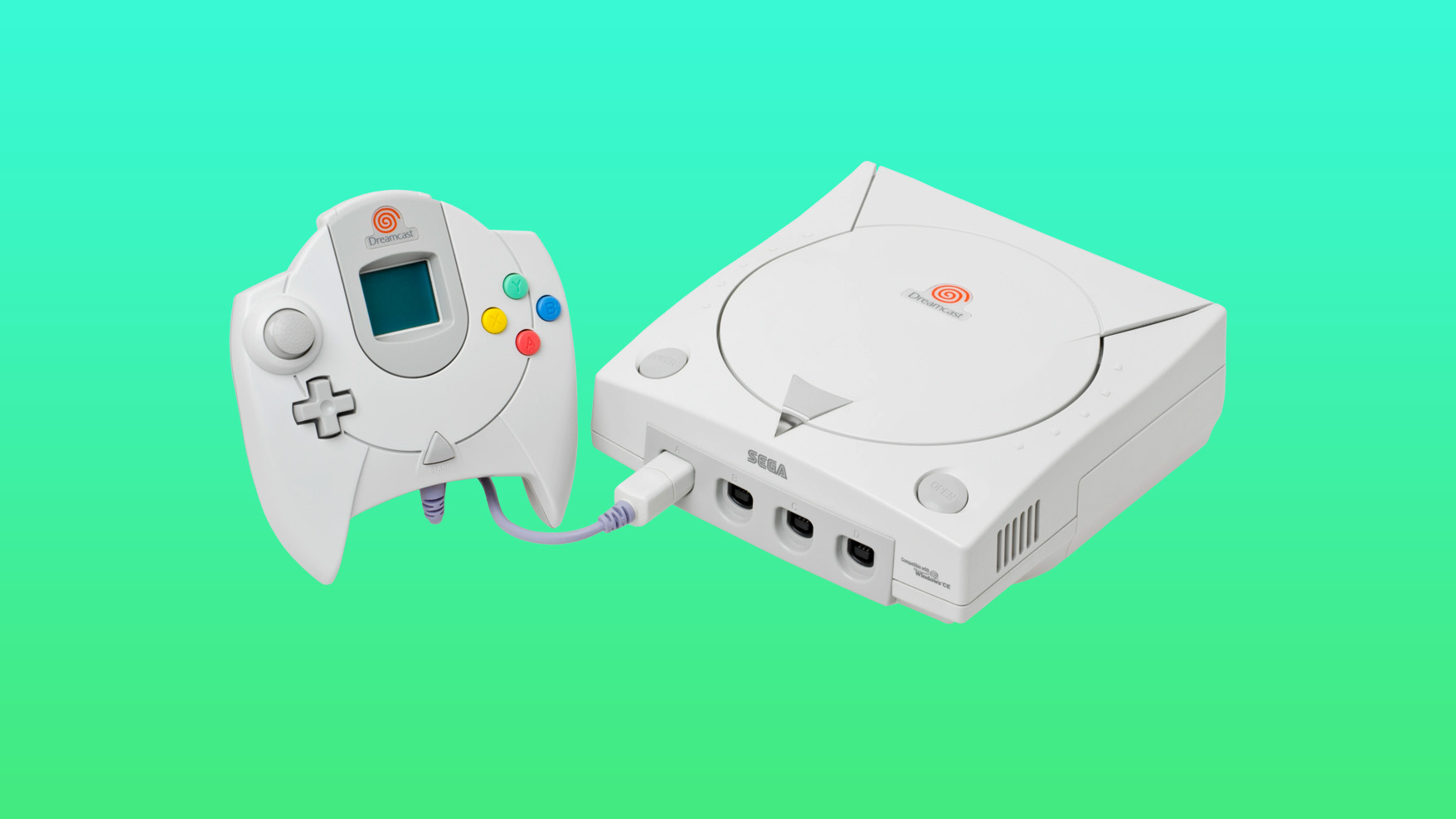
Having a 3D chip is one thing; having games that use it is another. Because the standard PC-FX console didn’t have this hardware, developers had almost no incentive to use it. The PowerVR tech inside the PC-FX GA eventually evolved into the hardware that powered the Sega Dreamcast and the Atomiswave arcade boards. It was world-class technology trapped on a niche expansion card for an even more niche computer system.
The Iron Man Falls
By April 1998, the FMV dream of the interactive anime future had finally flickered out. NEC officially pulled the plug on the PC-FX, marking the end of a four-year struggle to find an identity in an increasingly three-dimensional world. It was a quiet, almost somber exit for a machine that had been born from such high-stakes secrecy—a Tetsujin that found itself obsolete before it even finished its first transformation.
NEC had bet the farm on the idea that high-quality, pre-rendered FMV and hand-drawn 2D sprites would always trump the blocky polygons of the competition. But by 1998, the PlayStation was rendering Final Fantasy VII and Spyro the Dragon, proving that players wanted agency and cinematic depth within a 3D space, not just a beautiful cartoon they could occasionally interrupt. The PC-FX’s specialized video hardware, once its proudest boast, had become a golden cage.
The sales figures for the PC-FX weren’t just a disappointment; they were a corporate tragedy. NEC had ambitious dreams for their Iron Man, projecting sales of at least 400,000 units in its first year alone. Instead, the console met a cold reality, limping toward a lifetime total of roughly 110,000 units sold. To put that in perspective, the PlayStation was moving millions while NEC’s inventory sat gathering dust in climate-controlled warehouses across Japan.
Ultimately, the failure of the PC-FX didn’t just end a console line; it signaled the end of NEC’s ambitions as a primary hardware contender in the home gaming market. It represented a crushing defeat for a company that once stood toe-to-toe with Nintendo. The PC-FX was a quiet, expensive fade into obscurity for the machine that was supposed to be the Iron Man of the next generation.
Essential PC-FX Gems
While the vast majority of the PC-FX library is filled with Japanese text-heavy dating sims and RPGs, a few standout games that showed what that V810 processor and custom video hardware could do when it wasn’t making you decide which girlfriend to pick in a romance visual novel.
Kishin Douji Zenki FX: Vajra Fight
- Developer: Hudson Soft
- Release Date: December 22, 1995
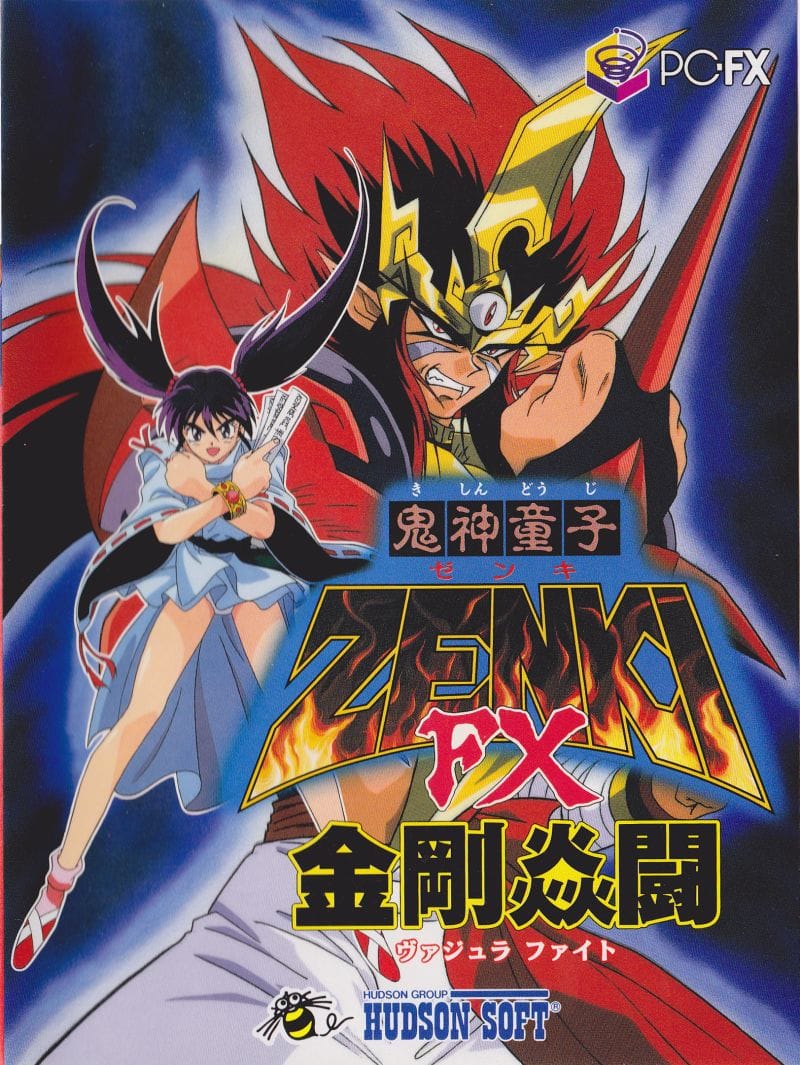
Kishin Douji Zenki FX: Vajra Fight is the closest the PC-FX ever got to proving it could handle traditional action gameplay. Based on the Kishin Douji Zenki anime, this side-scrolling beat ’em up features massive, beautifully animated sprites and fluid combat. Using the console’s transparency effects and multiple scrolling layers, it creates a visual experience that the Super Famicom could only dream of.
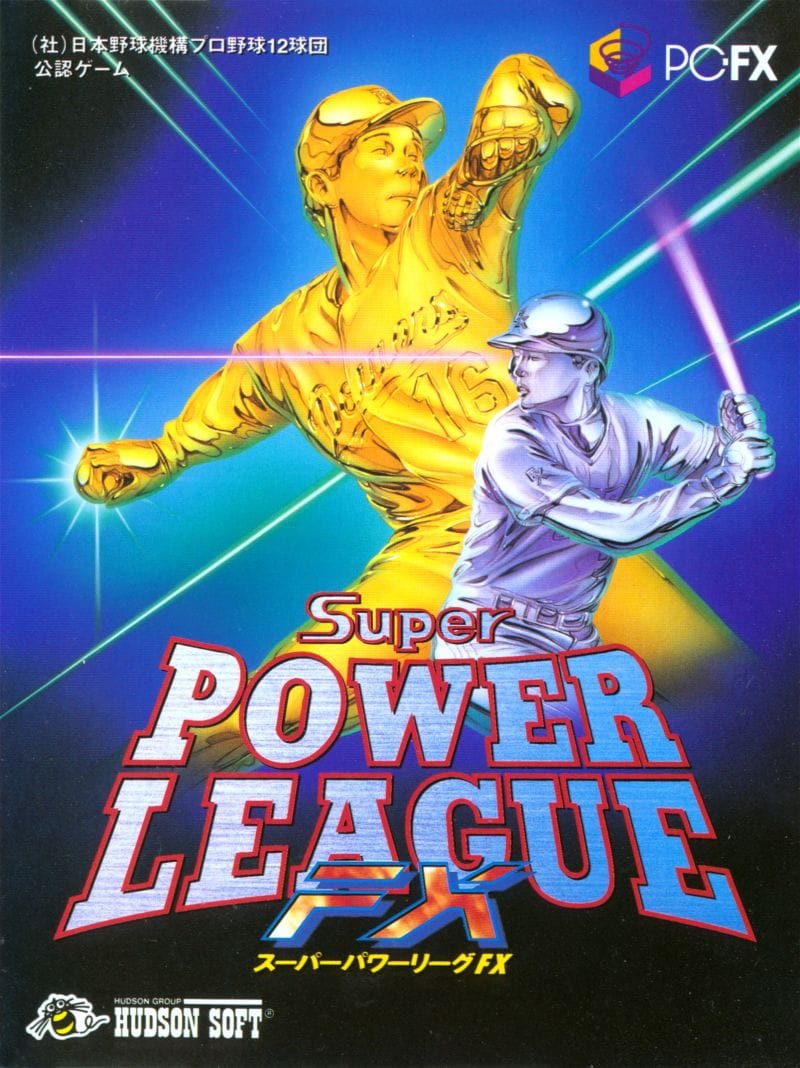
Super Power League FX
- Developer: Hudson Soft
- Release Date: April 26, 1996
While the rest of the library was busy being a virtual book club, Super Power League FX actually let you pick up a bat and play some ball. The only traditional sports title on the entire system, this game features a full Pennant Mode, an All-Star game, and a surprisingly deep team edit function. Even if you don’t speak a word of Japanese, the menus are intuitive enough that you can be throwing heaters within five minutes.
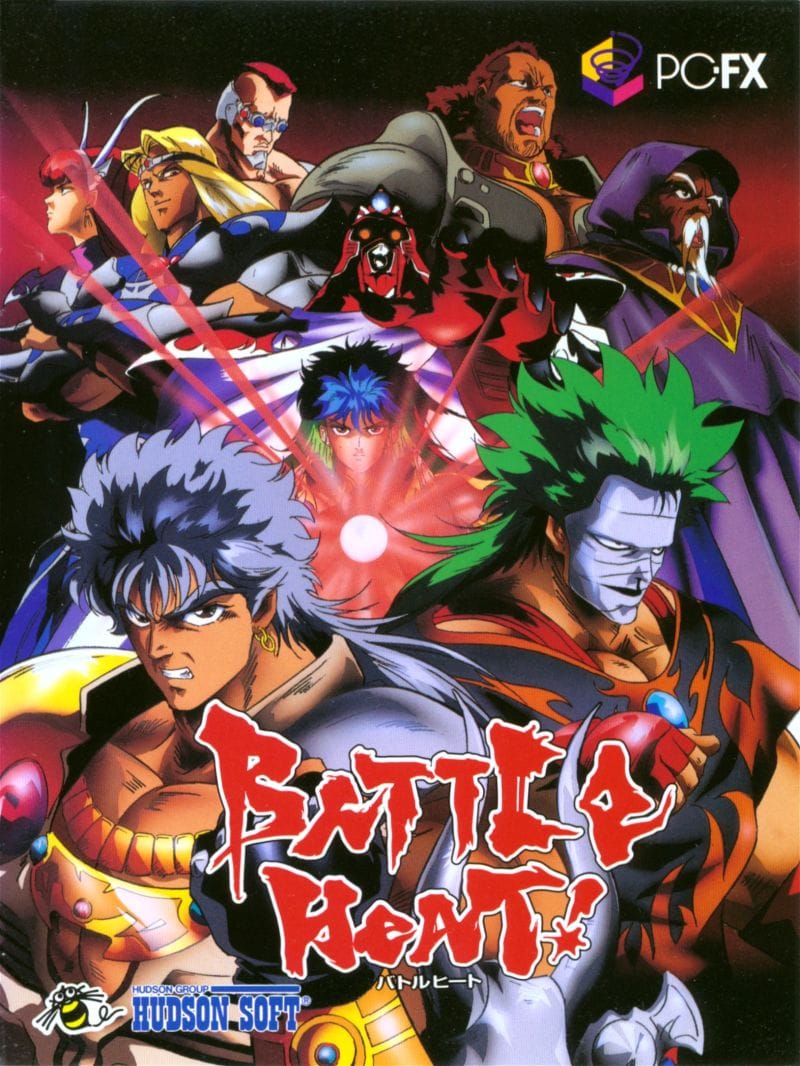
Battle Heat
- Developer: Hudson Soft
- Release Date: December 23, 1994
Released as a launch title, Battle Heat is a fighting game that plays more like a rhythm or memory game. The entire game is a seamless stream of high-quality anime clips, with the PC-FX’s specialized hardware makes the game incredibly responsive. While the control scheme is bizarre, it’s the best-looking game on the system. It achieved what NEC wanted the PC-FX to be: Interactive Anime.
Tyoushin Heiki Zeroigar

- Developers: Fupac, Sugeeya, Winds
- Release Date: April 26, 1996
Oddly, Tyoushin Heiki Zeroigar is the only traditional vertical shmup on the system. It leans heavily into the console’s FMV strengths with anime cutscenes between levels, but the core gameplay is pure, old-school arcade action. A full English fan translation is now widely available, making the RPG-style weapon progression and story sequences finally accessible to Western fans.

At HyperComboGamer, we believe great games deserve great coverage. That means no filler, no clickbait, or fanboyism—just honest, high-quality reviews, features, and guides that put gamers first. Whether you’re a lifelong enthusiast or just starting your gaming journey, you’ll find interesting gaming perspectives that will leave you fully satisfied.