Key Takeaways
| Pros | Cons |
| Peak 2D Artistry: Features some of the most detailed and vibrant pixel art in fighting game history. | RNG Assist System: The random guest character selection can sometimes feel unfair in a tight match. |
| Blistering Speed: The CPS-II hardware ensures a rock-solid, high-octane frame rate that feels incredibly responsive. | Limited Roster: While the characters are iconic, the total count is smaller compared to its successor, MvC2. |
| True 2v2 Tagging: Unlike the butchered PS1 port, the arcade version offers the full tag-team experience. | High Skill Ceiling: Advanced mechanics and the sheer speed can be overwhelming for total newcomers. |
| Incredible Soundtrack: A jazzy, high-energy OST and a legendary announcer that keeps the vibes immaculate. | Balance Issues: Certain characters (looking at you, Wolverine) definitely have a “top-tier” advantage over the rest. |
Superheroes. Arcade legends. Explosions of color. The first time Marvel vs. Capcom: Clash of Super Heroes blared out of an arcade cabinet, it felt like the universe had briefly lost control of itself. For a lot of players, this game turned casual curiosity into lifelong obsession and cemented the idea that video games could be loud, ridiculous, and endlessly exciting all at once.
Marvel’s most iconic superheroes was thrown into the ring with Capcom’s arcade royalty with no restraint or balancing handbrake. Just pure, high-octane spectacle. So, let’s rewind the tape, crank the volume on that iconic character select theme, and learn whether this original clash of titans still remains an untouchable classic.
Roster

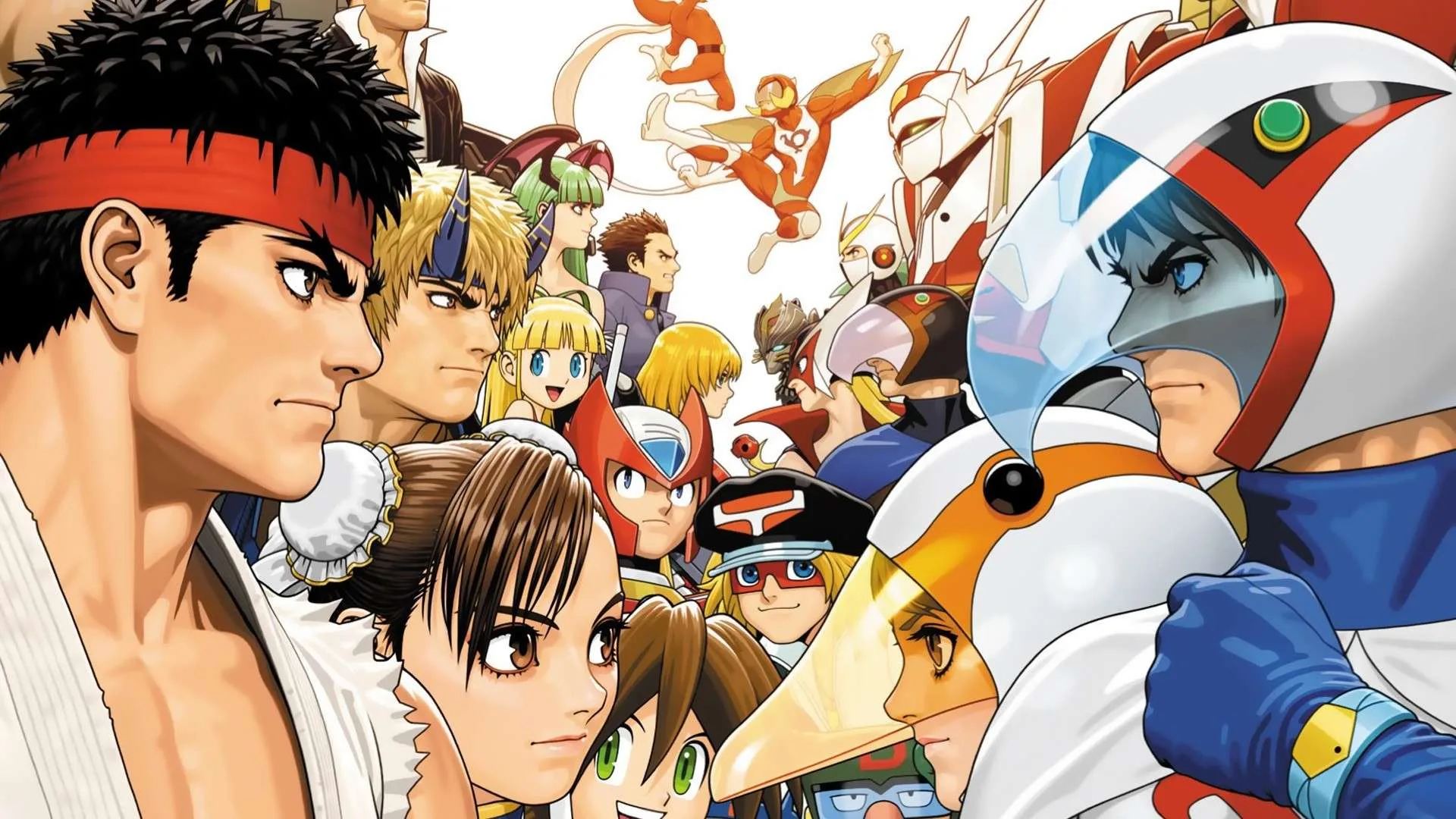
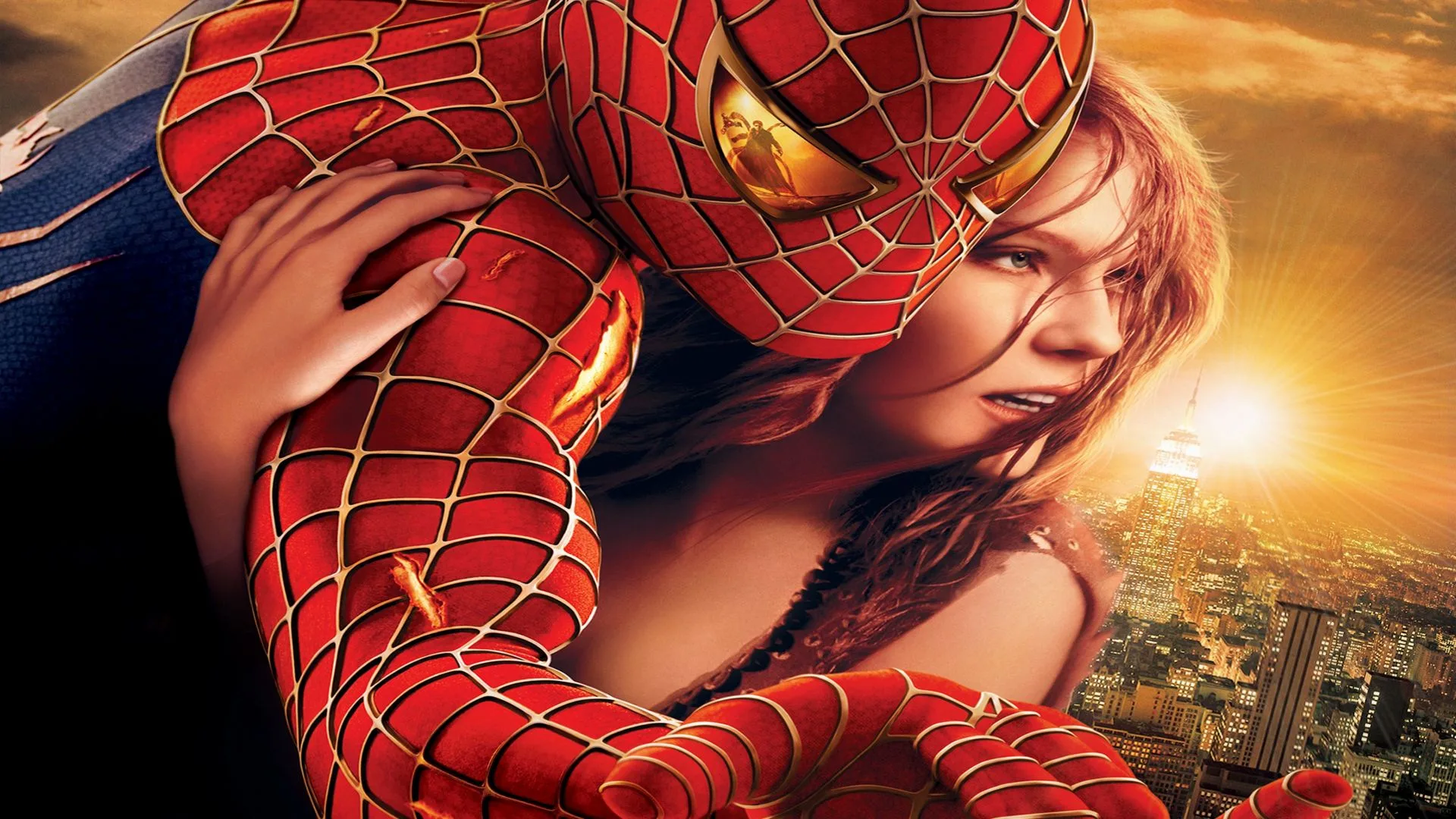
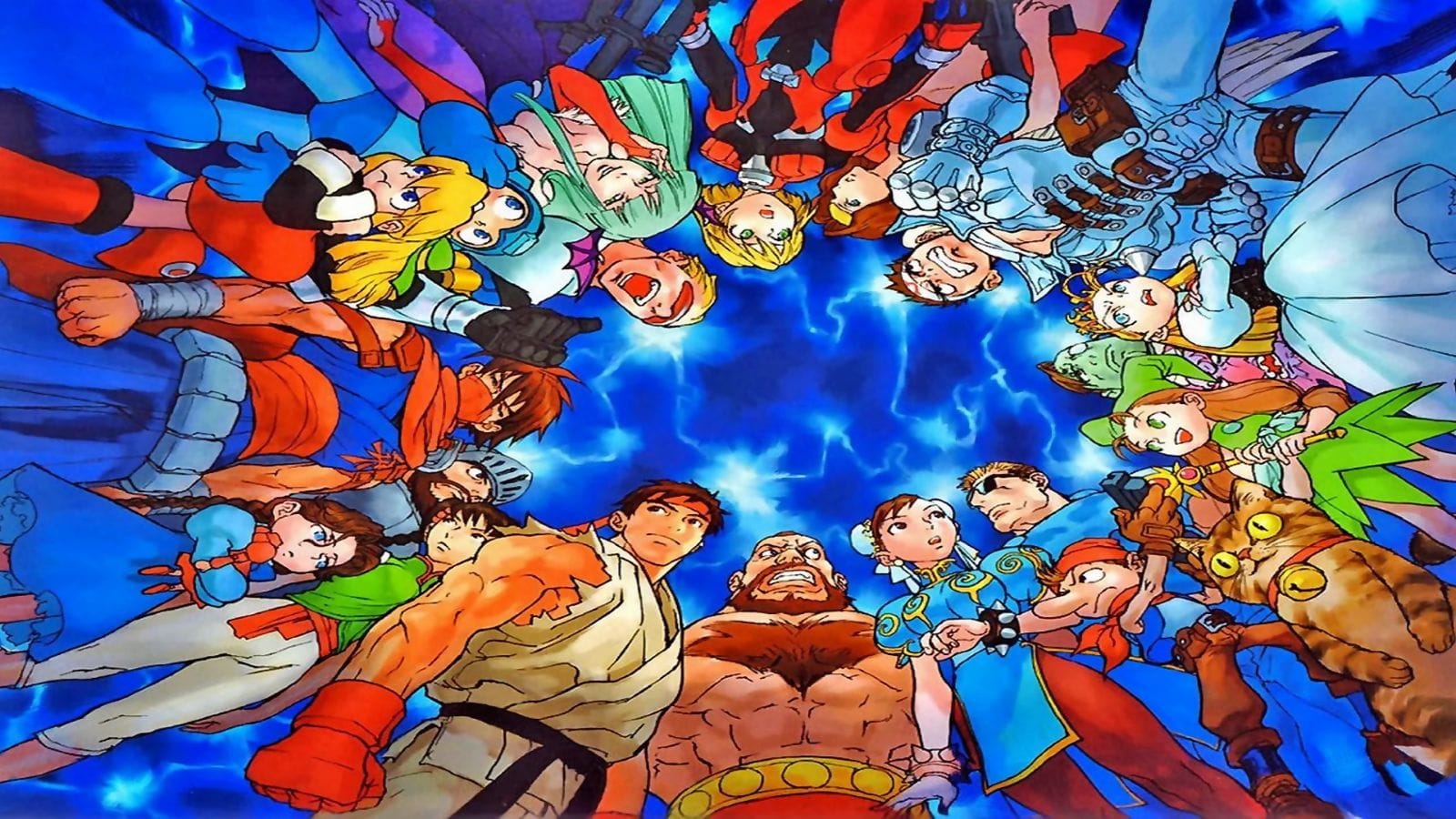
The character select screen in Marvel vs. Capcom: Clash of Super Heroes radiates a dynamic energy that makes your hands itch for the joystick. Selecting your duo in this game feels like being a kid with an unlimited budget at a toy store. Marvel brings its A-game with a lineup that feels curated for maximum impact. You have the perennial heavy hitters like Spider-Man and Wolverine, who move with a ferocity that defines the Versus style. Cyclops rounds out the X-Men representation, proving that optical blasts never go out of style.
On the other side of the marquee, Capcom throws down the gauntlet with legendary fighters and a few eccentric deep cuts. Ryu anchors the roster with his disciplined Hadouken game, while Strider Hiryu brings a level of verticality that resets the pace of the match. Seeing Jin Saotome scream his way through a massive robot summon is an experience every gamer needs at least once.
Capcom added a brilliant wrinkle to the formula with the Guest Character system. Every time you start a match, the game randomly assigns you a support hero to call in for a quick assist. You might get a tactical edge from Lou or a heavy strike from Colossus, but you never know exactly who shows up until the fight starts.
Gameplay

If you think modern fighters are fast, Marvel vs. Capcom: Clash of Super Heroes will make your head spin in the best way possible. The engine runs at a blistering tempo that demands instant reflexes and zero hesitation. Every movement feels snappy, and the sheer velocity of the combat ensures that boredom never even enters the room.
The core of the experience revolves around the 2-on-2 battle system, which allows for incredible creative freedom. You aren’t just managing one health bar; you’re orchestrating a duo. Swapping characters mid-combo is a tactical necessity to recover red health and keep your momentum alive.
Once that gauge at the bottom of the screen glows, the real party starts. You can unleash Hyper Combos that fill the entire display with beams, explosions, and pure 2D adrenaline. There is an unmatched catharsis in landing a massive “Shinkuu Hadouken” or a “Maximum Spider” right when your opponent thinks they have the upper hand.
Ever tried the Duo Team Attack? By burning enough meter, you bring both characters onto the field simultaneously for a brief window of unadulterated carnage. You control both heroes at once, overwhelming the screen with a literal double-team assault. It is chaotic, it is loud, and it is arguably the most satisfying mechanic in the entire game.
The genius of Capcom’s 90s design lies in its “easy to learn, hard to master” philosophy. You can mash buttons and see cool stuff happen, but the high-level play involves intricate air combos and frame-perfect cancels. The game rewards your curiosity, encouraging you to see just how long you can keep an opponent juggled in the air.
Graphics

If you want to see what happens when developers push hardware to its absolute limit, look no further. Marvel vs. Capcom: Clash of Super Heroes represents the pinnacle of 2D sprite work, a time when every frame of animation was a labor of love. The vibrancy on display makes modern 3D fighters look a bit sterile by comparison, don’t you think?
Running on the legendary CPS-II arcade board, the game pumps out colors that practically bleed off the screen. Every explosion, every energy beam, and every background detail carries a level of “pop” that defines the 90s aesthetic. This wasn’t just a game; it was a technicolor riot that commanded your attention from across a crowded room.
The level of detail in these sprites is frankly staggering. When you compare the hand-drawn quality of these fighters to newer 2D attempts like Marvel Cosmic Invasion, the classic MvC wins on soul alone. Does any other game from 1998 look this breathtaking today?
Tech Trivia: The original PS1 port was a bit of a disaster compared to the arcade. Why? Because the console only had 2MB of RAM, which is basically nothing when you're trying to load dozens of massive, high-animation sprites. It had to cut the tag-team mechanic entirely, turning the game into a 1-on-1 affair with assists. It wasn't until the SEGA Dreamcast landed that we finally got a version that didn't feel like a lite edition.
Sound

If the visuals are a feast for the eyes, the audio is a full-blown assault on the senses—in the best way possible. Capcom’s sound team clearly had a blast composing the soundtrack for Marvel vs. Capcom: Clash of Super Heroes, opting for an upbeat, jazz-fusion vibe that feels surprisingly sophisticated for a brawler. Instead of generic orchestral swells, you get catchy, driving melodies that stick in your head long after you’ve left the arcade. Does any theme hit harder than Captain Commando’s stage music?
The announcer is the unsung hero of the entire experience, acting as a one-man hype machine. His enthusiastic shouts of “Let’s Go Crazy!” and “Excellent!” provide the perfect punctuation to your most brutal combos. It’s that specific brand of arcade charisma that makes you feel like a pro, even if you’re just mash-linking buttons.
Every Hadouken and Berserker Barrage carries a distinct acoustic signature that helps you track the chaos without even looking at the screen. The sound design provides vital feedback; you hear the difference between a blocked hit and a clean connection. The sound of a Hyper Combo finishing off an opponent is easily one of the most satisfying noises in gaming history.
Final Verdict

Decades later, Marvel vs. Capcom: Clash of Super Heroes represents a prime example of 90s Capcom at the height of its powers. It turned me into a massive gaming nerd, and I suspect it’s still out there doing the same for anyone who has yet to experience this classic. You can still find dedicated players huddled around candy cabs or using modern rollback netcode to settle scores.
Why does it stick? Because Capcom captured a lightning-in-a-bottle balance of accessibility and high-level technicality that very few titles have managed to replicate since. You can play MvC with a friend who hasn’t played a video game in years, and once they start learning the nuances of combos and frame data, the game transforms into a high-speed chess match.
Marvel vs. Capcom: Clash of Super Heroes laid the foundation for every crossover fighter that followed, proving that you could balance fan service with deep, engaging mechanics. But make no mistake: this game isn’t just a piece of archaic history; it’s a living, breathing masterpiece that refuses to age. It’s the reason this franchise remains iconic and why we’re still talking about it all these years later. If you have the chance to drop a coin into this legend, don’t hesitate—just let it go crazy.
Verdict
Marvel vs. Capcom: Clash of Super Heroes
Masterpiece

At HyperComboGamer, we believe great games deserve great coverage. That means no filler, no clickbait, or fanboyism—just honest, high-quality reviews, features, and guides that put gamers first. Whether you’re a lifelong enthusiast or just starting your gaming journey, you’ll find interesting gaming perspectives that will leave you fully satisfied.