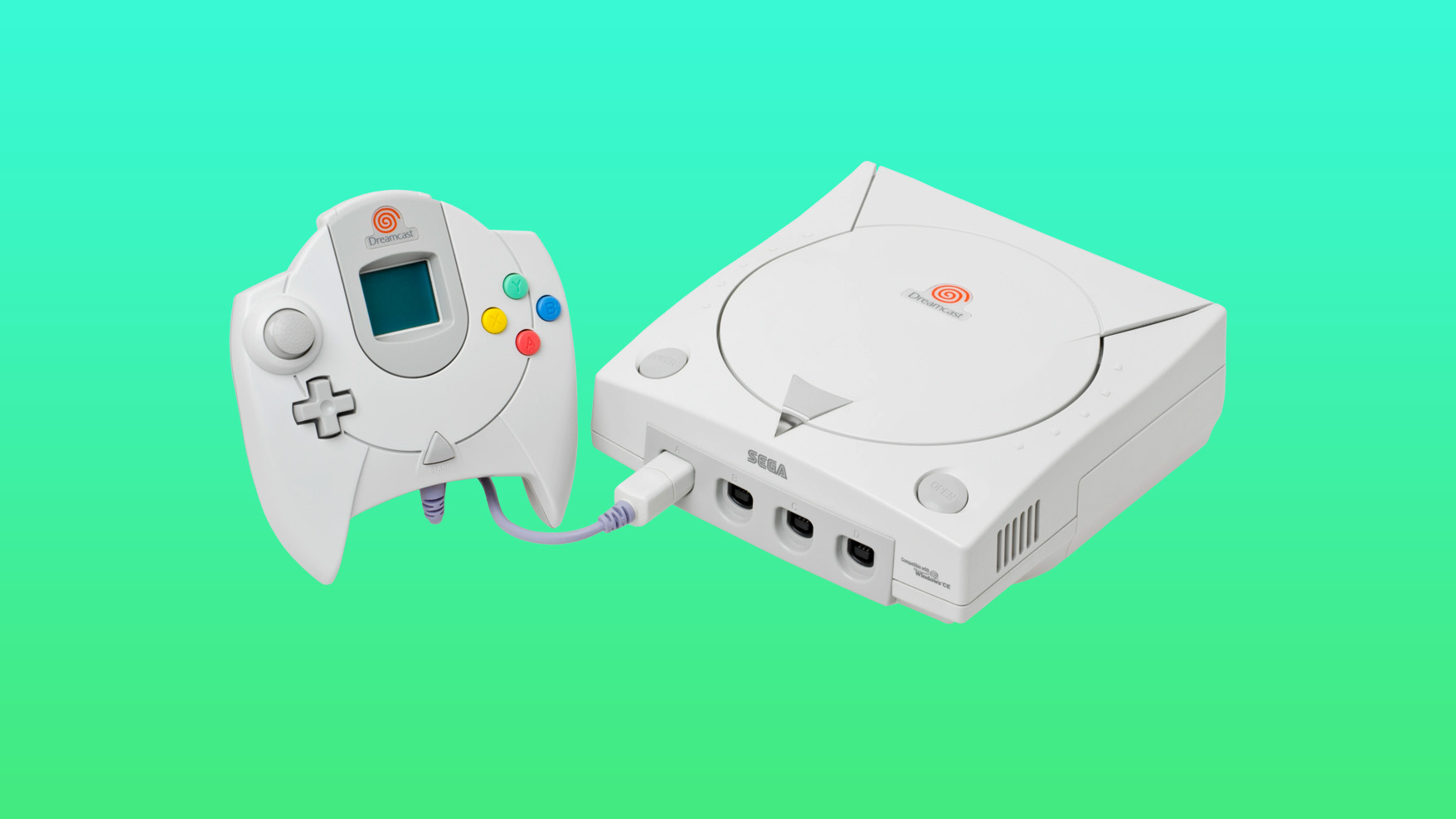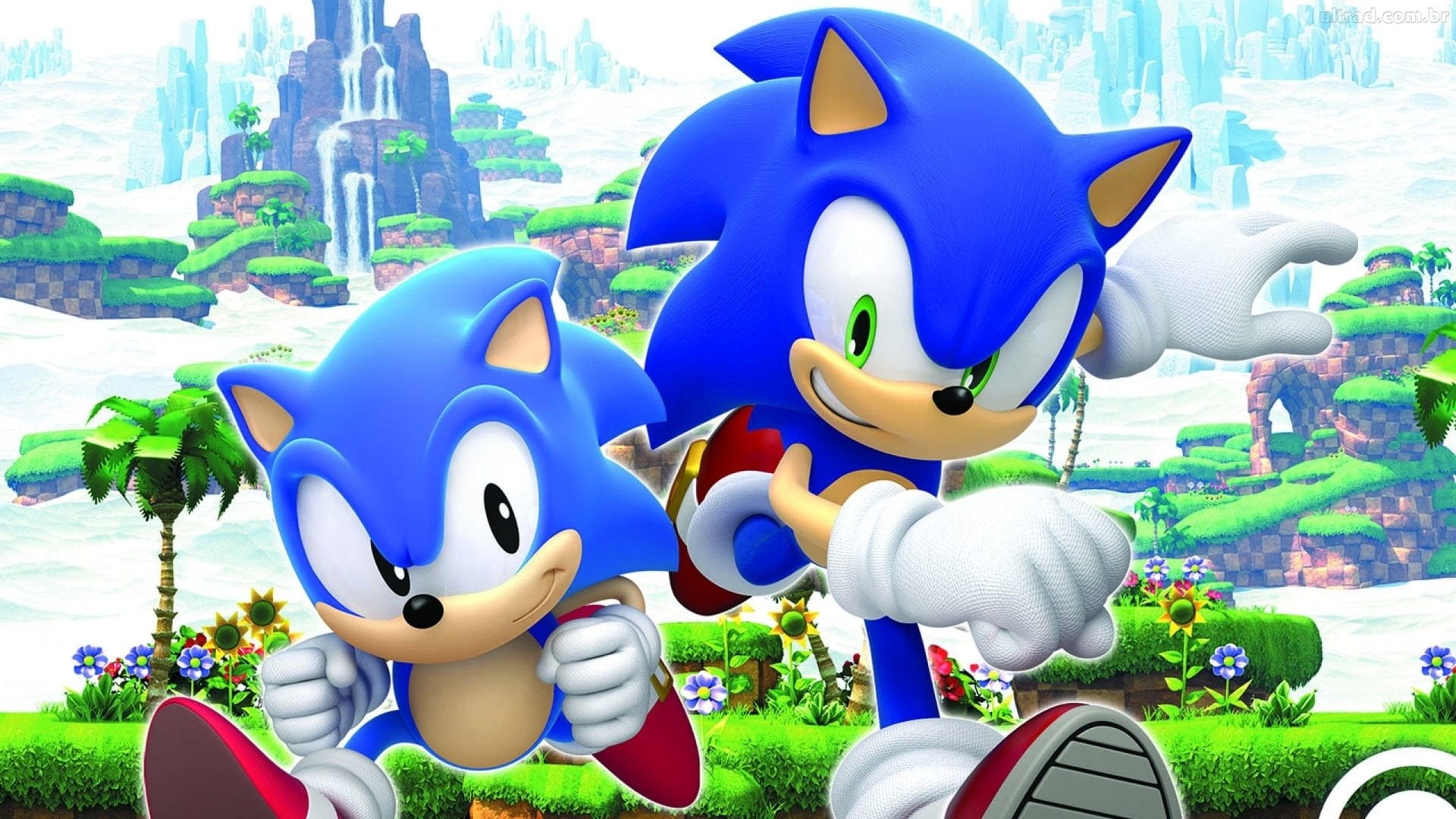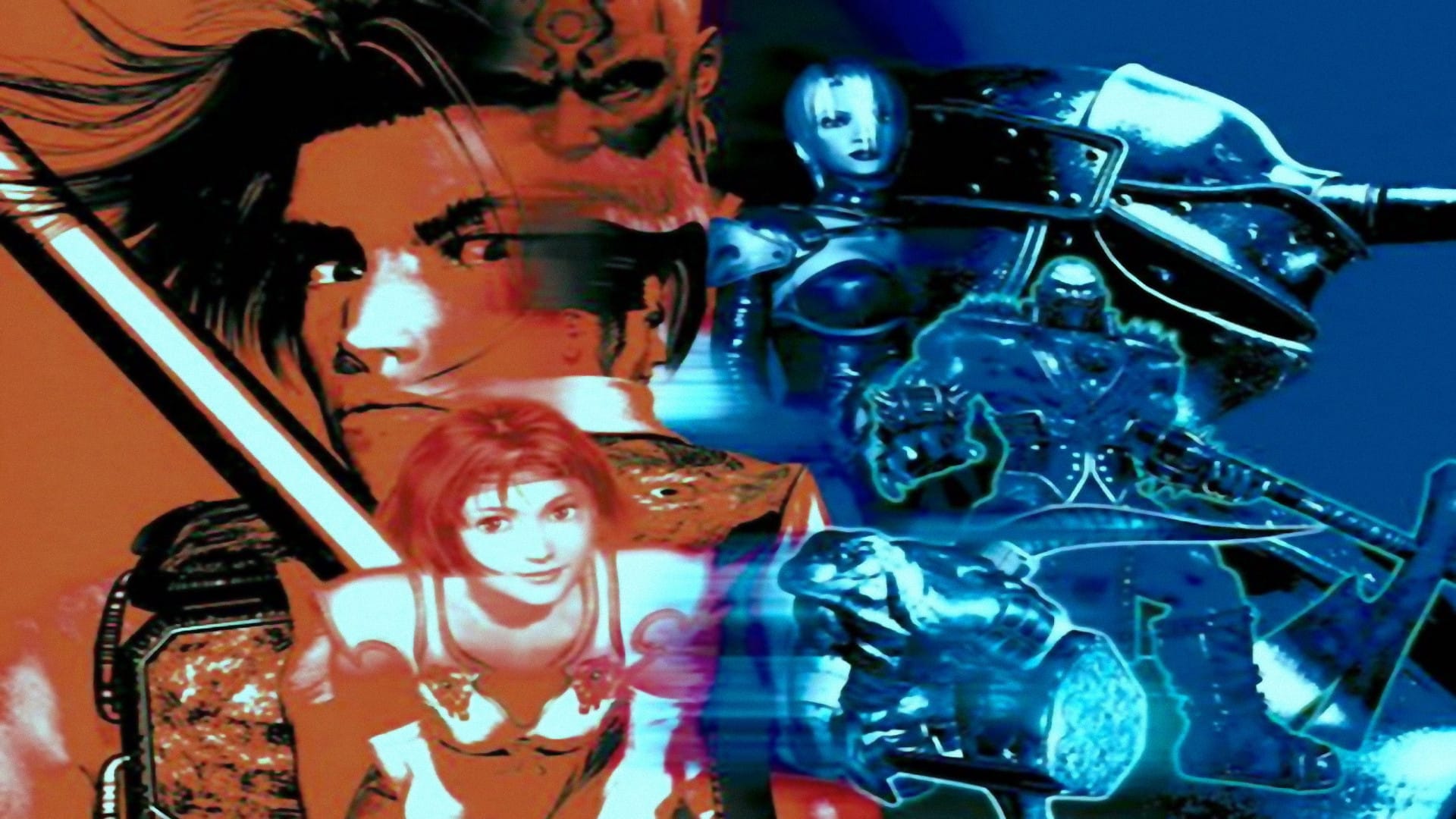
Pull up a chair, grab a controller, and let’s talk about 1999. If you were around back then, you remember the palpable tension in the air. Sega was backed into a corner. After the Saturn failed to ignite the world outside of Japan—mostly because it lacked those heavy-hitting exclusives (I mean, no flagship Sonic game? What were they thinking?)—the Dreamcast was Sega’s hail mary. They knew they couldn’t just play it safe; they needed games that felt like the absolute future.
Enter Jet Set Radio. Developed by Smilebit, this wasn’t just another game; it was Sega’s way of saying, We’re still the coolest kids in the room. This game was made to appeal not just to Japanese gamers, but Western gamers as well, blending a rebellious rude boy attitude with some of the most innovative tech of the era. In this review, you’ll discover whether this graffiti-tagging, inline-skating cult classic is still worth playing decades later.
Graphics

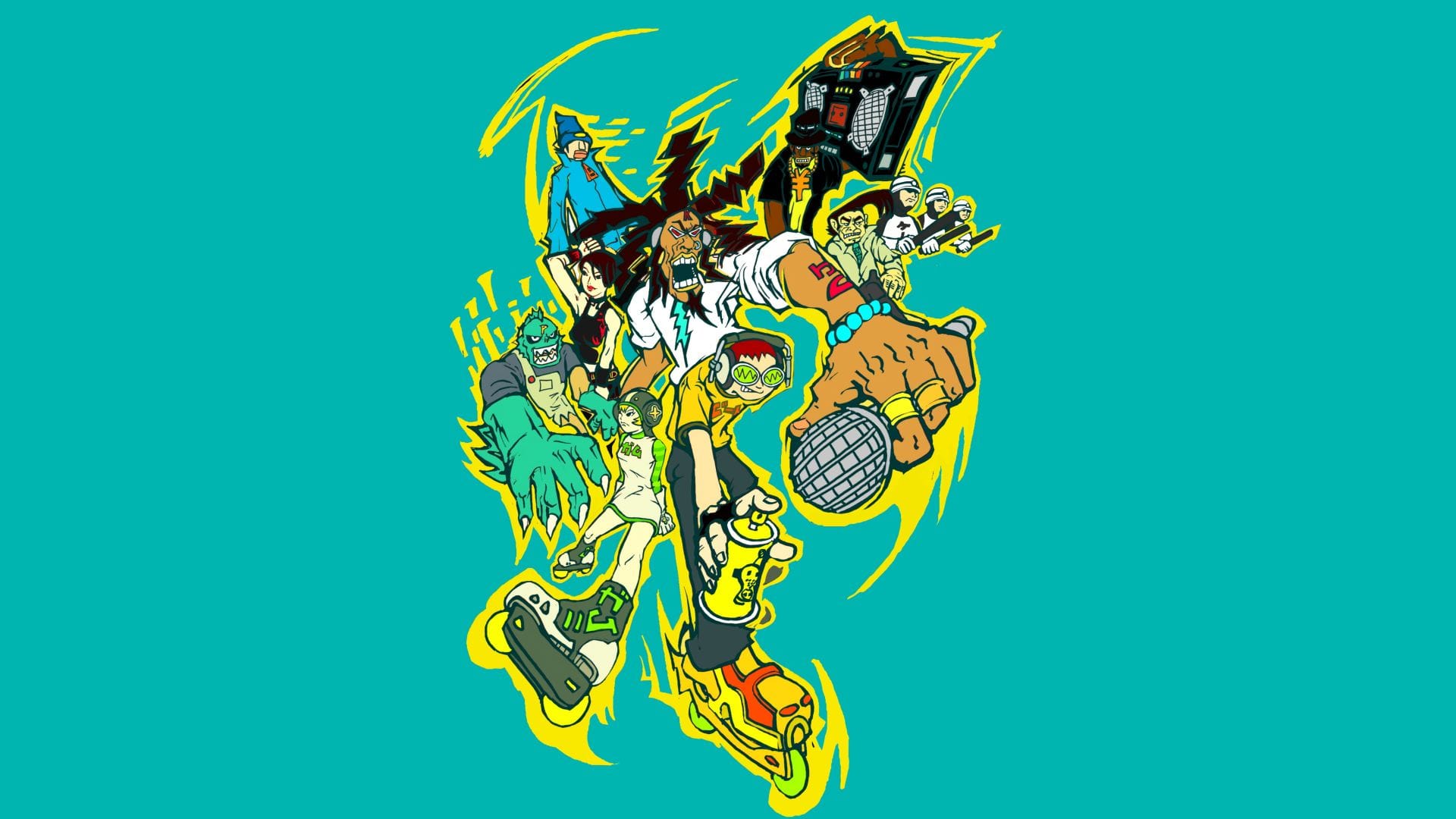
Before you even spray your first tag, the visuals smack you right in the face. Smilebit didn’t just pick a color palette; they pioneered a technique known as non-photorealistic rendering, or “cel-shading,” to create a world that looks like a neon-soaked manga. While other developers in 1999 obsessed over realistic skin textures that ended up looking like wet ham, Sega chose a timeless, illustrative path.
The Dreamcast’s PowerVR2 chip handles these bold outlines and saturated colors with an effortless grace. This artistic direction wasn’t just a gimmick; it was a technical masterstroke that masked the hardware’s limitations. Why settle for jagged polygons when you can have a vibrant, living comic book on your CRT television? This move set a massive trend, paving the way for every anime-stylized game that followed in its wake.
Exploring the city of Tokyo-to feels like taking a guided tour through a high-octane fever dream. The level design draws heavy inspiration from Japanese Y2K pop culture and gritty, urban hip-hop aesthetics. You’ll find yourself grinding down rails in Shibuya-cho or dodging traffic in the crowded, vertical streets of Benten-cho.
Ever wonder how a game from 1998 can still look this fresh? It’s because the developers prioritized artistic freedom over raw pixel counts. Jet Set Radio is a technical achievement that still puts many modern, realistic games to shame.
Sound

If the graphics provide the eyes of the experience, Hideki Naganuma’s soundtrack acts as the undeniable heartbeat. He engineered an eccentric, high-velocity acoustic cocktail that shouldn’t logically coexist but somehow defines perfection. We’re talking about a defiant blend of J-pop, funk, hip-hop, and acid jazz that creates a sonic landscape unlike anything else of its era.
This isn’t merely background noise to fill the silence while you spray; it’s a fundamental gameplay component that dictates your skating rhythm. Naganuma utilized sampling techniques and heavy breakbeats to capture that rebellious Rude Boy energy Sega desperately wanted to project. Honestly, the OST packs such a punch that it almost makes you forget you’re just a pixelated kid on inline skates fleeing from a literal tank battalion.
The brilliance lies in the sheer variety of the tracklist. You have the scratching and vocal loops of “Humming the Bassline” competing for brain space with the catchy, synth-heavy vibes of “Let Mom Sleep.” This auditory palette perfectly mirrored the game’s goal: to bridge the gap between Tokyo’s street fashion and Western underground music scenes.
While other consoles were pushing orchestral swells or licensed nu-metal, Sega was busy creating a new genre entirely. It’s a technical achievement in audio engineering that proved the Dreamcast could handle high-fidelity, complex soundscapes without breaking a sweat.
Gameplay

The core loop of Jet Set Radio is deceptively simple: you play as a member of the GGs, a gang of “Graphic Graffiti” artists skating through the streets of Tokyo-to. Your goal? Recruit new members, out-skate rival gangs like the Poison Jam or Love Shockers, and tag every available surface while avoiding the law. It’s a high-stakes game of urban territory that feels incredibly rewarding when you finally claim a district as your own.
The “tagging” mechanic involves a series of analog stick gestures that mimic the motion of spray painting. It’s tactile and satisfying, especially when you’re trying to finish a “Large” tag while a police helicopter is firing missiles at you. This wasn’t just mindless button mashing; it required a certain finesse and muscle memory that made the graffiti feel like an actual skill you had to master.
Grinding is the literal glue that holds the level design together. Smilebit built Tokyo-to as a massive playground where almost every rail, power line, and edge is interactable. You don’t just move through the environment; you exploit it. By chaining grinds and jumps, you maintain your momentum, which is crucial for staying one step ahead of the relentless Captain Onishima.
IMO, the way the game encourages you to find the perfect line through a level is pure genius. It turns the city into a giant puzzle. You have to figure out how to reach that one high-altitude billboard without losing your speed or getting cornered by the fuzz. It’s a technical achievement in level flow that still feels surprisingly modern.
Now, I’ve got to be the “honest editor” here for a second. As much as we love the Dreamcast, it was the Wild West of early 3D gaming. Jet Set Radio is a product of its time, and that comes with some baggage. If you’re coming from modern titles like Bomb Rush Cyberfunk (the spiritual successor), the movement in JSR might feel a bit… heavy.
Turning can feel like steering a shopping cart at high speeds, and the camera—controlled largely by the triggers or a reset button—can be your worst enemy in tight corners. You’ll definitely encounter some early 3D jank that reminds you this game came out decades ago. It requires a specific kind of patience to learn its somewhat stiff rhythm, which doesn’t always play nice with the fast-paced action on screen.
Then there are the difficulty spikes. The game starts off as a chill skate-and-spray session, but it quickly turns into a high-stakes escape mission. Halfway through the game, the police response escalates from bumbling cops to full-blown military intervention.
Dealing with Captain Onishima—the guy with the golden gun—while tanks and paratroopers chase you through the streets can be genuinely frustrating. Unless you can look past these problems, this game might be difficult to recommend for gamers used to the polished, hand-holding gameplay that more modern games provide.
Final Verdict
Overall, Jet Set Radio is the definition of a flawed masterpiece. It started the 6th generation with the swag and punk-rock attitude it desperately needed. JSR was also a technical achievement that pushed the Dreamcast to its limits and set a trend for anime-stylized games that would follow for the next twenty years.
JSR celebrated street culture, individuality, and the joy of movement. Its groundbreaking art style and legendary soundtrack created a blueprint that developers still reference today. It’s a nostalgic throwback of a time when Sega was at its most creative and fearless. If you can forgive the wonky camera and the occasional frustration of the SWAT chases, you need to add Jet Set Radio to your gaming bucket list immediately. IMO, everyone needs to experience this vibe at least once.
Verdict
Jet Set Radio
Good

At HyperComboGamer, we believe great games deserve great coverage. That means no filler, no clickbait, or fanboyism—just honest, high-quality reviews, features, and guides that put gamers first. Whether you’re a lifelong enthusiast or just starting your gaming journey, you’ll find interesting gaming perspectives that will leave you fully satisfied.