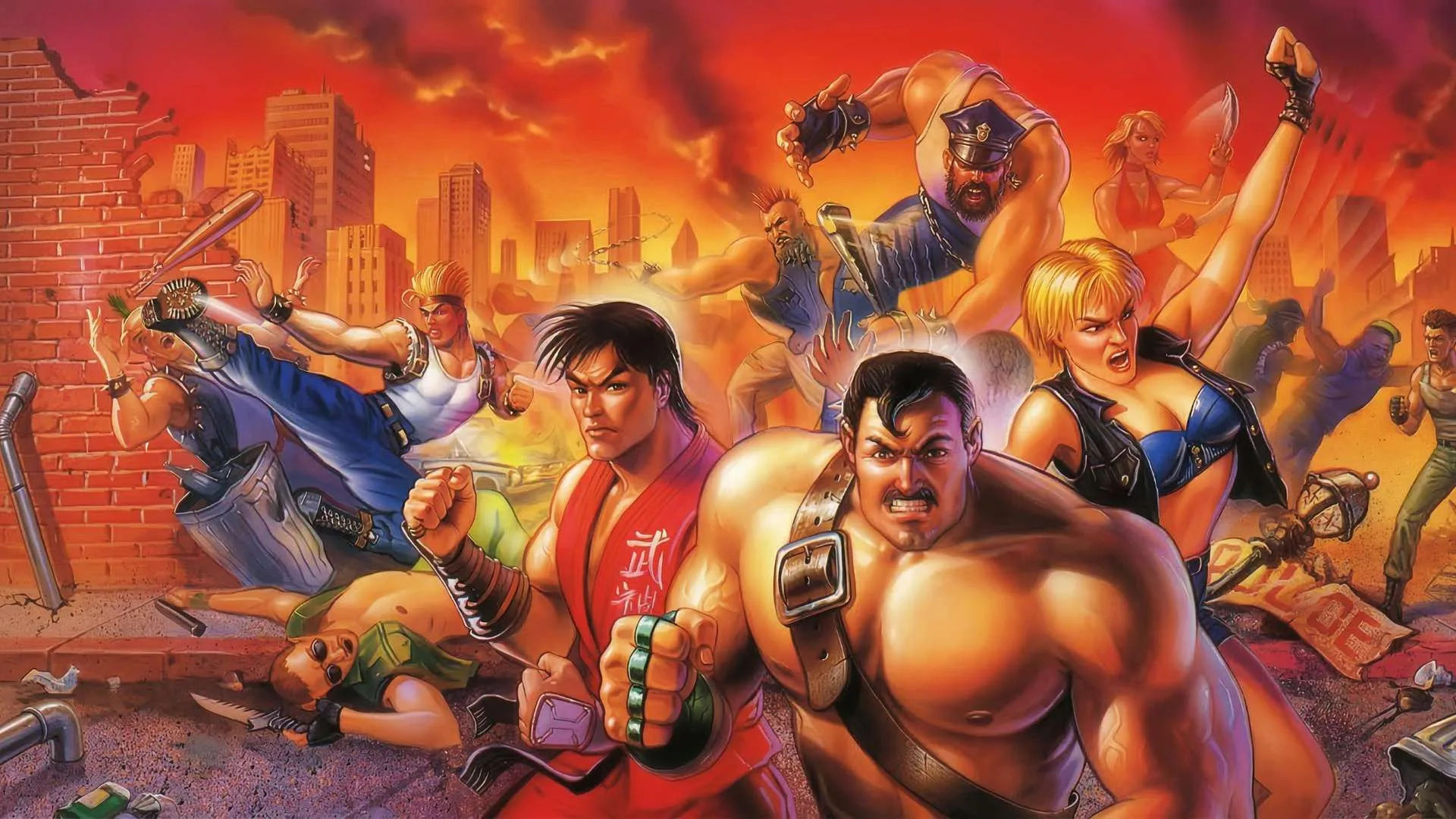
Dust off your oversized flannel shirt aside for a second. If you grew up in the early 90s, your social life didn’t exist on a smartphone. You’ve got a bowl of sugary cereal that’s definitely turning the milk a questionable shade of blue, and the only thing on your mind is Rent-A-Center’s latest arrival. The Super Nintendo was our portal to becoming the street-tough heroes we saw on our lunchboxes.
We traded tips on the playground about hidden moves while wearing slap bracelets and pogs jingled in our pockets. Who actually cared about homework when there were neighborhoods to save and local high scores to shatter? The SNES acted as our gateway to street-legal vigilante justice, turning every rainy Saturday into a quest to save the city from generic punks in sleeveless denim.
The beat ‘em up genre reached its pinnacle on the Super Nintendo, and its library contains some of the most robust, bone-crunching combat ever coded into 16 bits. Let’s take a trip down memory lane and discover the 25 best SNES beat ‘em up games that made this console the king of the concrete jungle.
Teenage Mutant Ninja Turtles IV: Turtles In Time
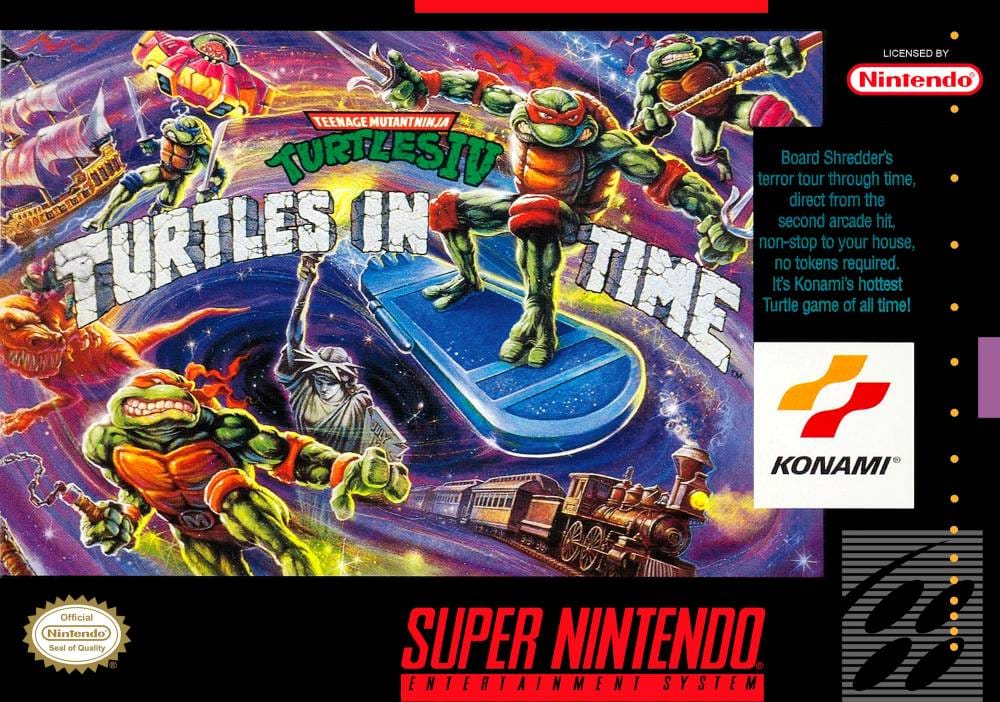
- Developer: Konami
- Release Year: 1992
Teenage Mutant Ninja Turtles IV: Turtles In Time essentially redefined what a console port could achieve by outclassing its arcade sibling in several ways. Konami utilized the SNES Mode 7 effects to perfection, especially when you hurl a Foot Soldier directly at the camera lens. The soundtrack serves up a relentless barrage of synth-heavy bops that make you want to punch a hole through a Technodrome wall. Whether you’re surfing in the sewers or dodging dinosaurs in the prehistoric era, the varied level themes prevent the action from ever feeling stale. It’s the ultimate cooperative experience, provided your friend doesn’t steal every slice of health-restoring pizza.
Why It's Worth Playing: Teenage Mutant Ninja Turtles IV: Turtles In Time is one of the greatest beat 'em ups ever made for a home console. The controls feel incredibly responsive, the animations are fluid, and it captures the Saturday morning cartoon energy perfectly. If you want to see what happens when developers actually respect a franchise, this is your definitive blueprint.
Batman Returns
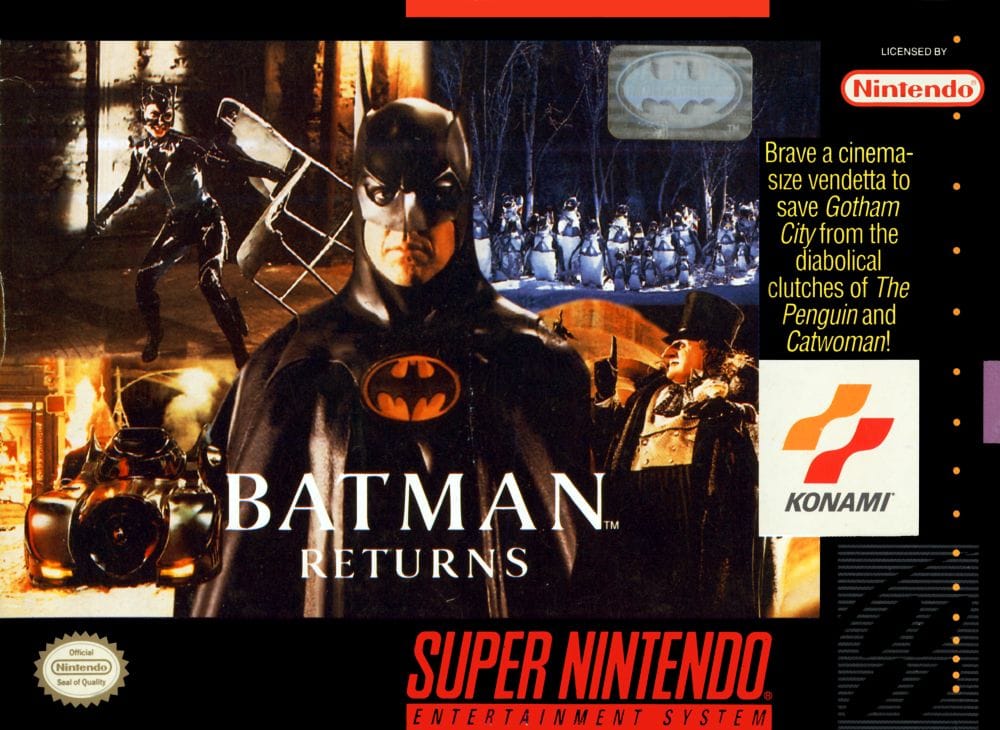
- Developer: Konami
- Release Year: 1993
Konami crafted a gothic masterpiece with Batman Returns, essentially took the dark, brooding soul of Tim Burton’s film and squeezed it into a Super Nintendo cartridge. You play as the Caped Crusader, cleaning up a snowy, depressed Gotham City one clown at a time. You don’t just mash buttons here; you manage crowds with a cape-swish and a utility belt full of gadgets. Batman feels heavy and powerful, a stark contrast to the nimble, floaty characters found in other brawlers of the era. Every alleyway feels dangerous and cinematic, and the developers captured the Tim Burton aesthetic perfectly through moody backgrounds and a hauntingly accurate soundtrack.
Why It's Worth Playing: Batman Returns remains the gold standard for superhero brawlers, capturing the essence of the Dark Knight better than almost any other title on 16-bit hardware. It offers a perfect blend of atmosphere, challenge, and pure power-fantasy combat that rewards patient players. You get to feel like the actual Batman, which is really all we ever wanted from a game.
Captain Commando
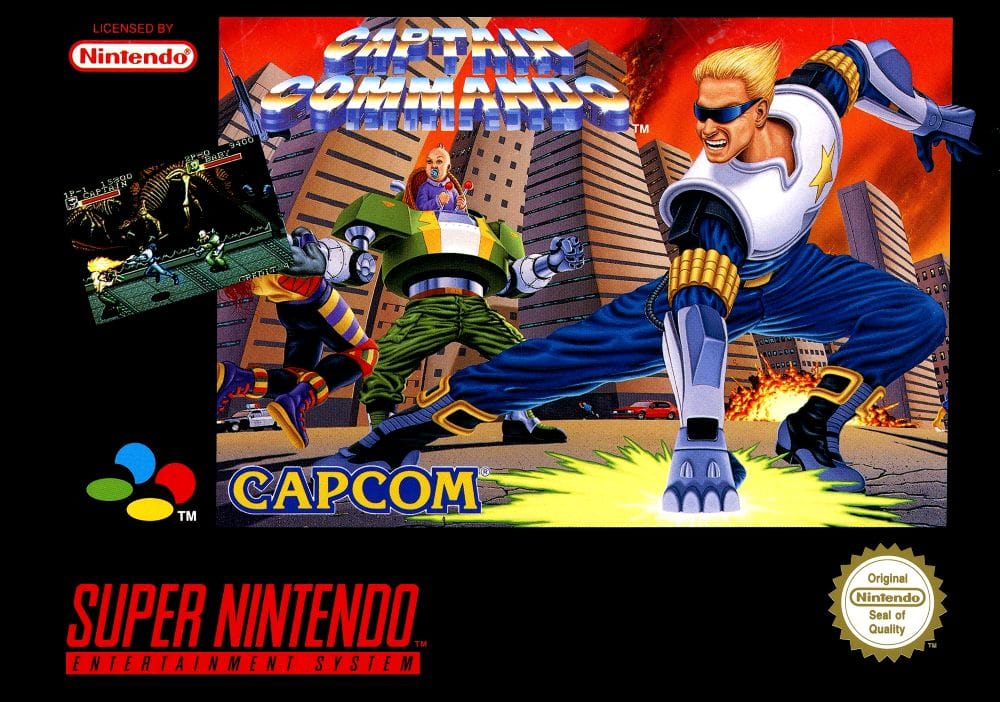
- Developer: Capcom
- Release Year: 1995
Captain Commando brings that classic Capcom crunch to the SNES with surprising fidelity despite the hardware limitations. You’ll spend most of your time sprinting across the screen, utilizing the unique dash-attack mechanic that makes the combat feel much faster than your average brawler. The environmental interactions here are top-tier, allowing you to hop into enemy mechs and turn their own firepower against them. Each character brings a totally different flavor to the fight, offering a layer of replayability that many of its peers lack. The SNES port captures the high-octane energy of the arcade original, even if it had to trim a few frames here and there.
Why It's Worth Playing: Captain Commando is a quintessential Capcom brawler that prioritizes variety and personality over everything else. The character variety alone keeps the gameplay fresh, and the vibrant, comic-book art style still pops off the screen. Plus, pulling off the Captain’s Energy Blast makes you feel like an absolute boss. If you’re tired of the same old street thugs and want to punch some genetically modified mutants, this is your ticket.
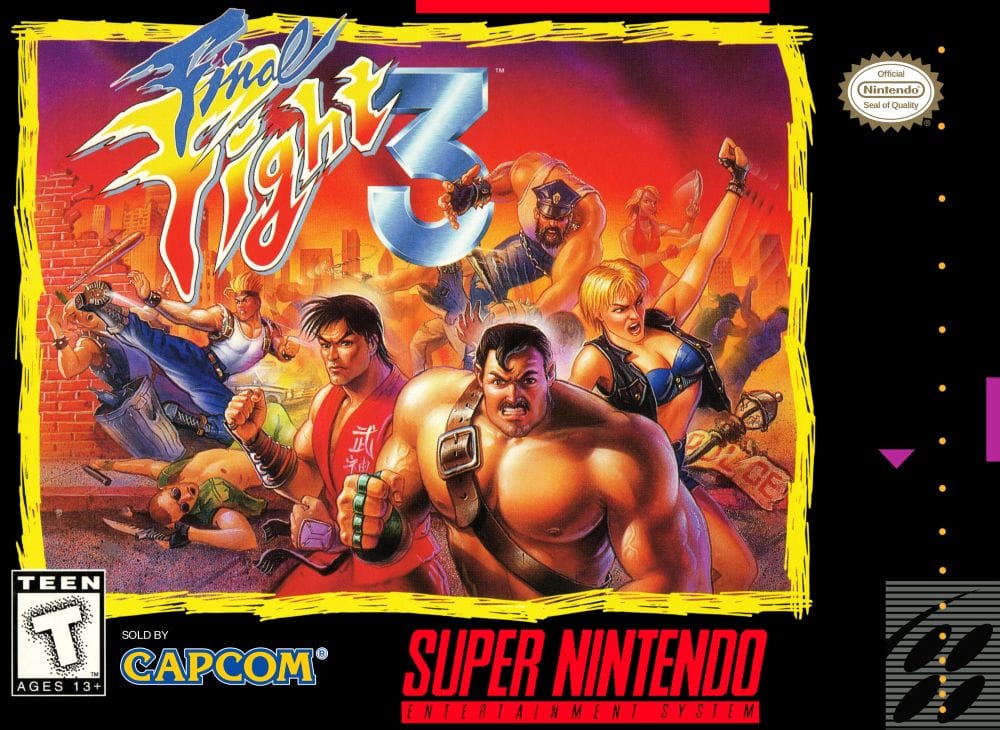
Final Fight 3
- Developer: Capcom
- Release Year: 1995
Capcom absolutely swung for the fences with Final Fight 3, introducing a branching path system that actually gave us a reason to replay the game beyond just beating our high scores. The move sets expanded significantly here, introducing Special Moves that required fighting-game-style inputs. Haggar returned with a glorious ponytail, and new faces like Guy’s buddy Maki brought a much-needed speed boost to the lineup. The sprites are massive, the backgrounds are gritty, and the combat feels heavy in all the right ways. You also get an AI partner option, which was a total lifesaver for those of us whose friends were busy playing with Pogs.
Why It's Worth Playing: Final Fight 3 is the technical peak of the series on 16-bit hardware. With multiple endings and a Super meter that lets you unleash devastating attacks, it offers way more longevity than your average quarter-muncher. It’s the perfect way to spend an evening if you want to see exactly how much power Capcom could squeeze out of the SNES.
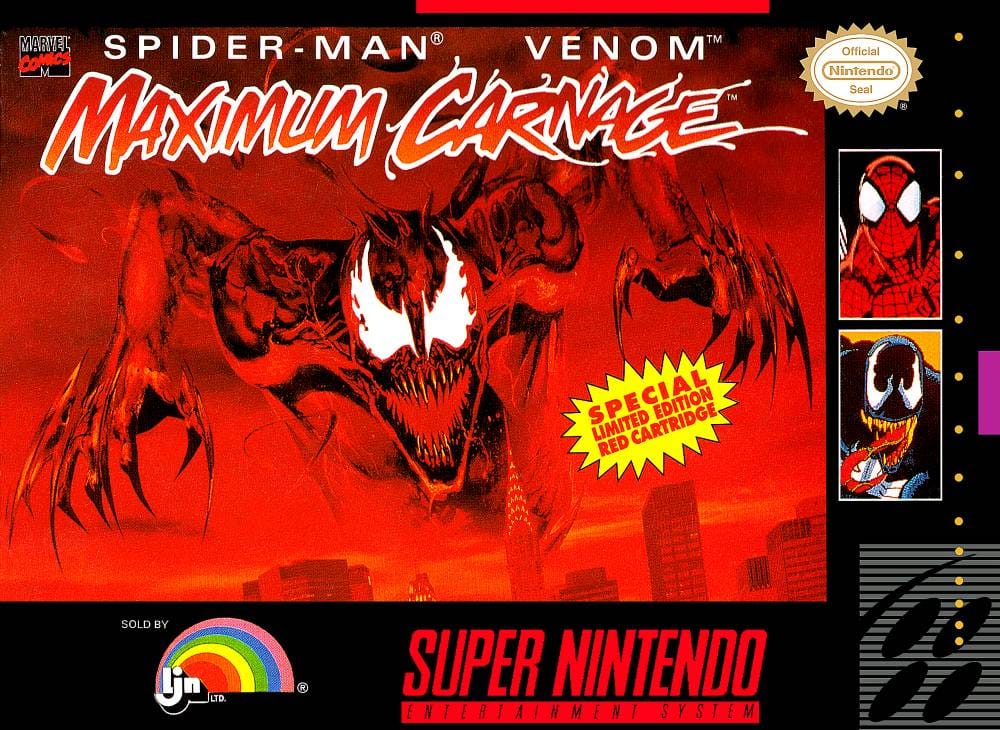
Spider-Man and Venom: Maximum Carnage
- Developer: Software Creations
- Release Year: 1994
Spider-Man and Venom: Maximum Carnage adapted the massive 14-part comic crossover with a level of stylistic devotion we rarely saw back then. The combat here is noticeably more punishing than your typical brawler, demanding that you master Spidey’s web-shield and Venom’s raw power. One of the coolest features remains the “Hero Icon” system, which lets you summon cameos like Captain America or Iron Fist to clear the screen. The soundtrack, composed by the band Green Jellÿ, provides a driving, heavy-metal energy that matches the chaotic red hue of the visuals perfectly.
Why It's Worth Playing: Spider-Man and Venom: Maximum Carnage is an essential superhero brawler for fans of 90s Marvel grit. It doesn't hold your hand, forcing you to master the nuances of web-swinging and power-bombing to survive. Between the iconic art style and the dual-character mechanic, it’s an essential piece of symbiote history that still bites.
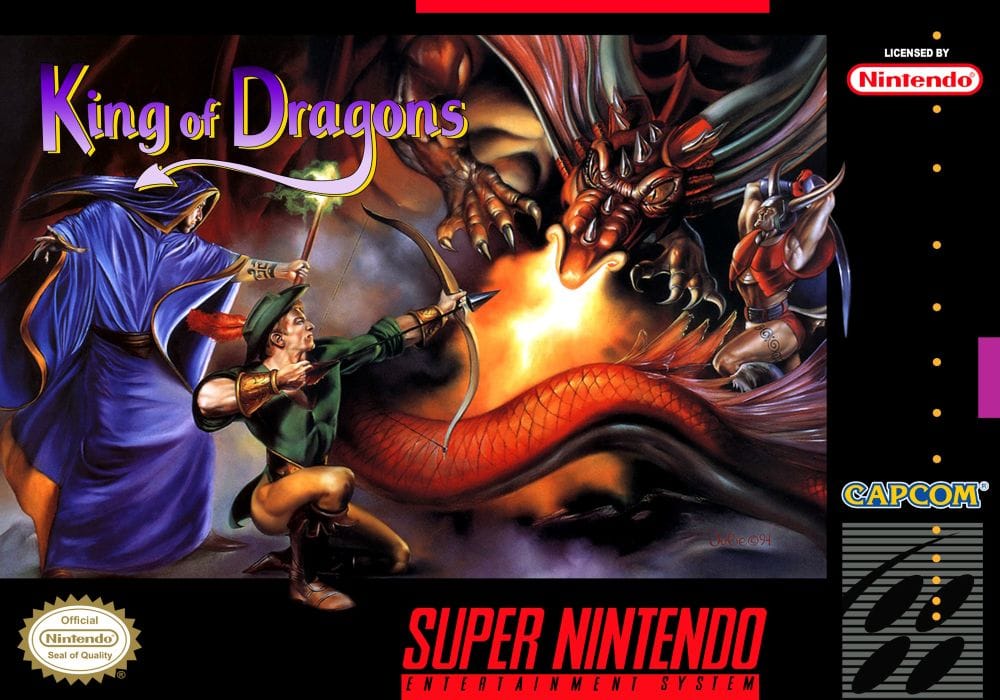
The King of Dragons
- Developer: Capcom
- Release Year: 1994
The King of Dragons is the perfect bridge between a traditional brawler and a tabletop RPG, where you can bash orcs and hydras to experience points and gear upgrades. The character selection feels like a classic D&D party, where you can choose from five classic archetypes that each bring a unique range and speed to the table.The game moves at a brisk pace through 16 different stages, which is a massive amount of content for a cartridge. The sprites are vibrant, and the legendary monsters—ranging from hydras to massive dragons—occupy a huge chunk of the screen. While the SNES version loses the three-player chaos of the arcade, the two-player experience remains incredibly tight and focused.
Why It's Worth Playing: The King of Dragons is the ultimate fantasy brawler for people who find regular beat 'em ups a bit too simplistic. The light RPG elements add a layer of progression that makes every kill feel meaningful. It’s a gorgeous, atmospheric adventure that proves you don't need a leather jacket and a lead pipe to be a total badass.
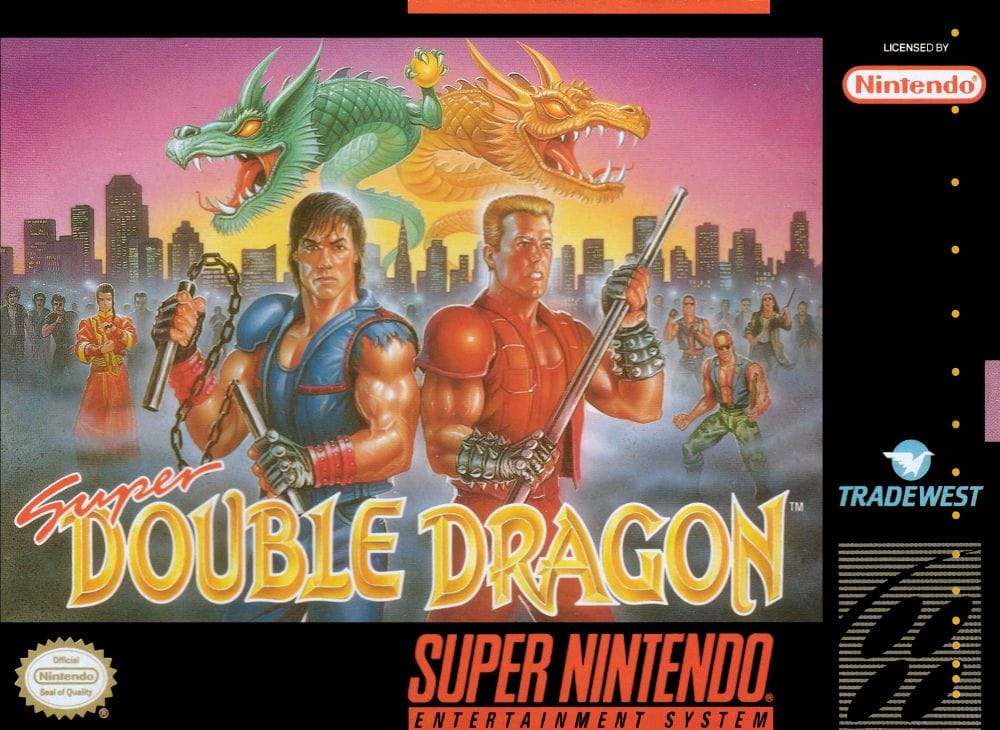
Super Double Dragon
- Developer: Technōs Japan
- Release Year: 1992
Super Double Dragon is the most sophisticated entry in the Lee brothers’ saga, trading frantic button mashing for a technical combat system that felt lightyears ahead of its time. The game introduces a power meter that you manually charge, allowing for enhanced kicks or a temporary “berserk” mode that lets you tear through the Shadow Warriors. The level design takes Billy and Jimmy Lee through some classic 90s tropes, from high-speed casinos to the top of a moving aircraft. The soundtrack is a collection of moody, melodic tracks that perfectly fit the urban-warrior vibe of the early 90s. Even though it suffered from a bit of a rushed development (leaving some later levels feeling a tad empty), the core combat remains top-tier.
Why It's Worth Playing: Super Double Dragon is a thinking man’s brawler that rewards timing over button-mashing. The deep move set and counter-attack system offer a level of control you just didn't see in other games of the era. If you want a beat 'em up that actually lets you flex some skill instead of just your muscles, this is your best bet on the SNES.
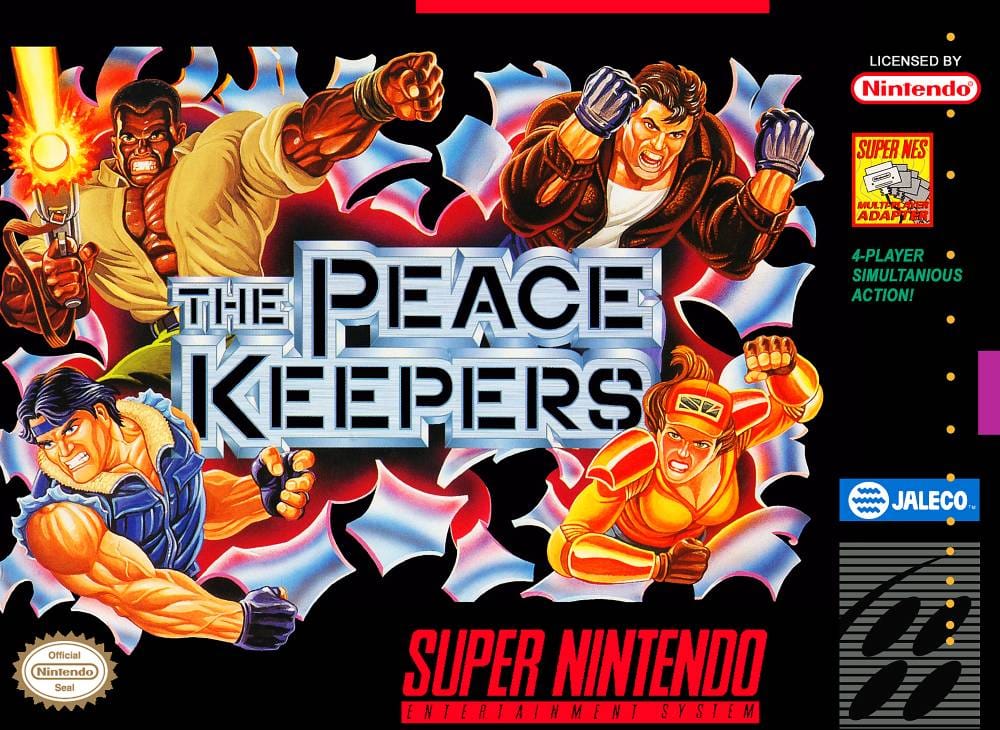
The Peace Keepers
- Developer: Jaleco
- Release Year: 1994
The Peace Keepers ditches the generic street gangs for a gritty, corporate-dystopian future, introducing branching paths that actually change your trajectory through the story. The combat feels heavy and deliberate, featuring a roster of four characters that you can swap between as you progress. You’ve got your standard balanced heroes, but the real fun starts when you experiment with the screen-clearing special attacks that drain a bit of your health. The aesthetic is peak 90s sci-fi grit, filled with mutated enemies and industrial backgrounds that makes the world feel surprisingly alive for a 16-bit title.
Why It's Worth Playing: The Peace Keepers is one of the deepest brawlers on the SNES. Between the multiple endings, hidden characters, and branching stages, it offers way more substance than your average quarter-muncher. If you want a game that respects your intelligence while letting you punch cyborgs in the face, you can't skip this one.
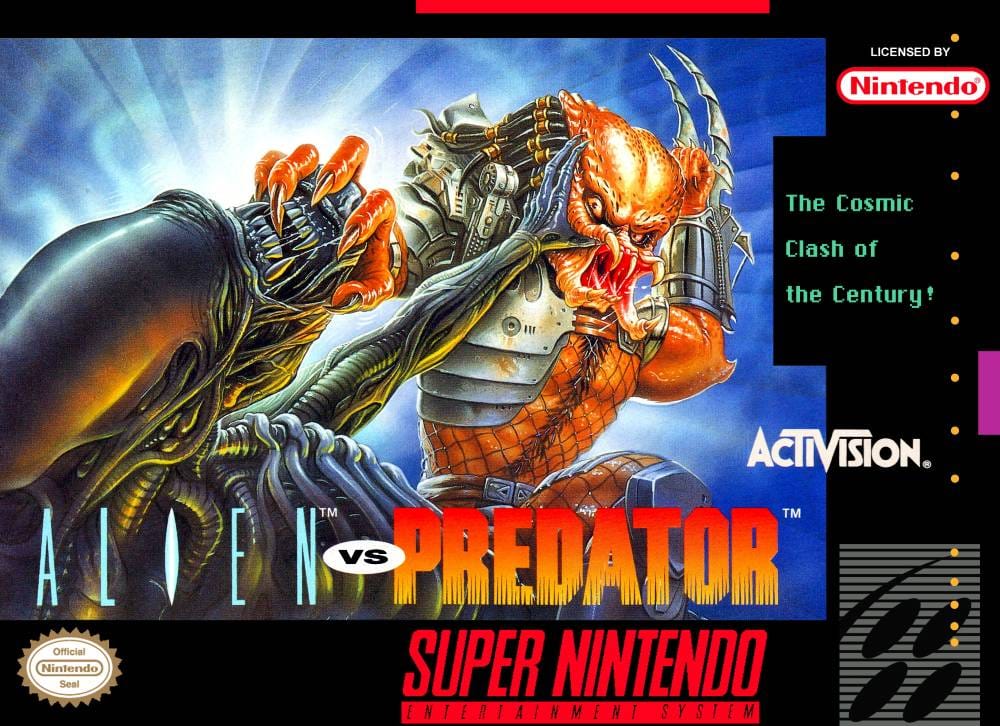
Alien vs. Predator
- Developer: Activision
- Release Year: 1993
Alien vs. Predator is the ultimate sci-fi showdown on our SNES, putting you in the scaly boots of a Predator on a mission to settle a blood feud against a literal planet of Aliens. The game leans heavily into the Predator’s arsenal, giving you access to an impressive arsenal of Yautja technology, including cloaking devices and thermal vision. Unlike other brawlers where you fight human thugs, the enemies here are fast, ceiling-crawling nightmares that require some actual reflexes. The sprites are surprisingly large and detailed, capturing the terrifying aesthetic of the films with impressive 16-bit fidelity.
Why It's Worth Playing: Alien vs. Predator is the ultimate fan-service brawler for fans of the franchise. It’s one of the few games from that era that really makes you feel like an apex predator rather than just another guy in a jumpsuit. If you want a challenging, atmospheric experience that treats its source material with genuine respect, this hunt is for you.
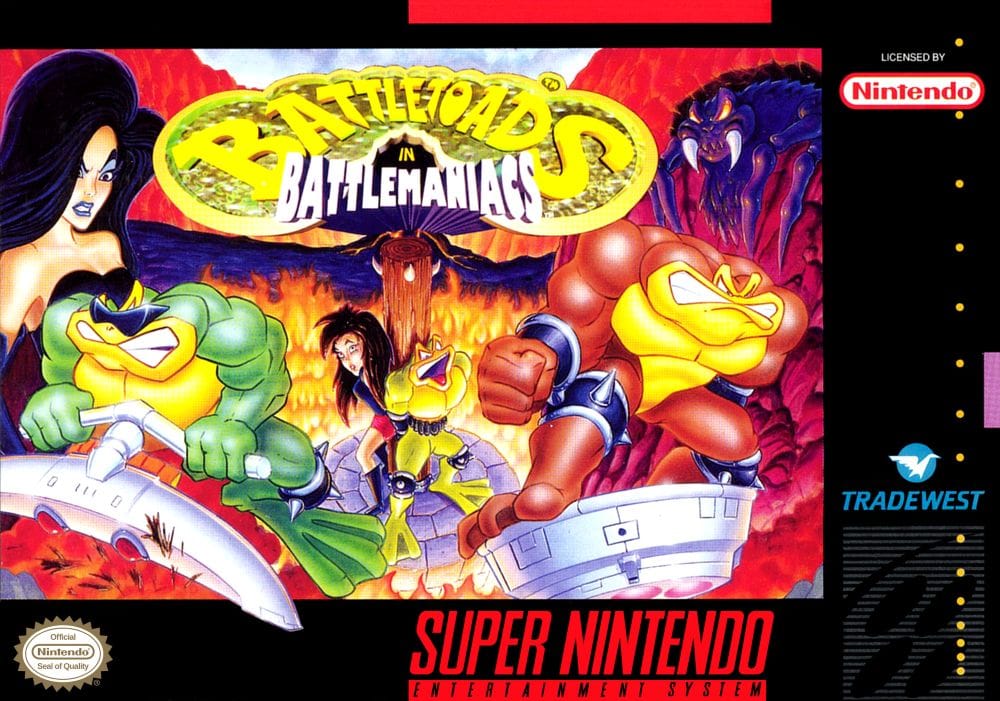
Battletoads in Battlemaniacs
- Developer: Rare
- Release Year: 1993
Battletoads in Battlemaniacs is one of the best-looking brawlers on the SNES, offering pure cartoon mayhem that felt years ahead of its time. You take control of Pimple and Rash as they punch their way through a virtual reality world to save their kidnapped friends. The combat retains that signature sadistic difficulty and level variety, where you can jump from traditional side-scrolling fights to high-speed vehicle sections and even a vertical descent into a hollowed-out tree. Rare utilized the SNES hardware to deliver incredible parallax scrolling and a soundtrack that honestly goes harder than it has any right to.
Why It's Worth Playing: Battletoads in Battlemaniacs is the pinnacle of hardcore gaming on the SNES. It balances extreme challenge with some of the best presentation on the system, making every hard-won victory feel like a genuine achievement. If you have the reflexes of a ninja and a high tolerance for frustration, this is a masterpiece you need to experience.
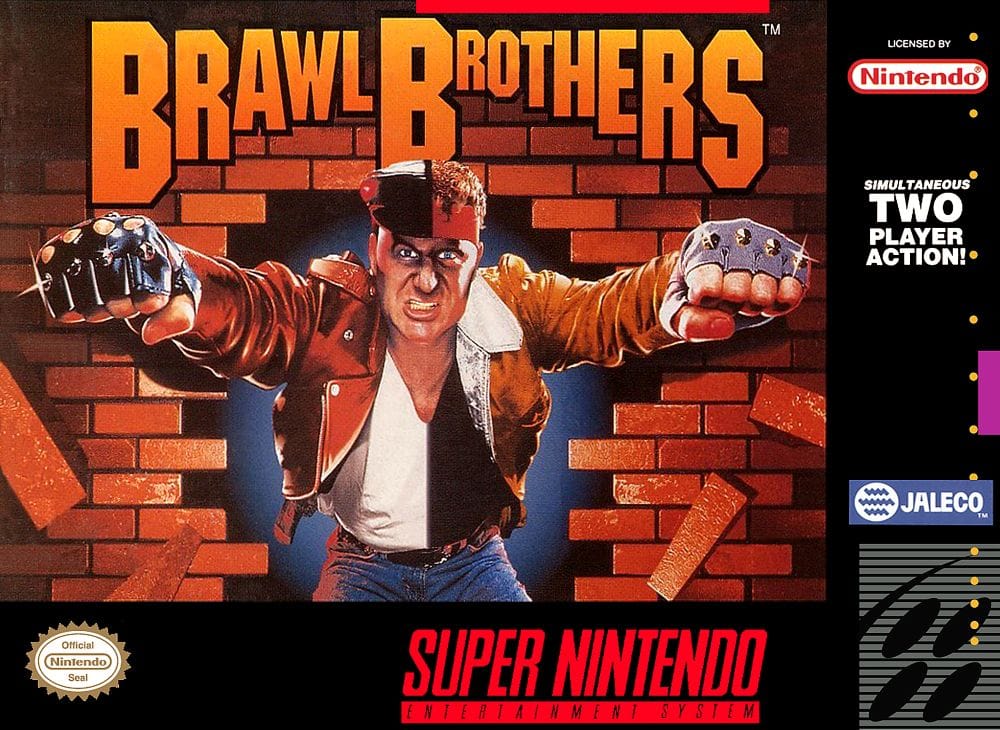
Brawl Brothers
- Developer: Jaleco
- Release Year: 1993
Brawl Brothers injects a much-needed dose of weirdness into the series, ditching the straight-laced grit of its predecessor for a colorful, almost surreal vibe. The roster expanded to five playable characters, including a pro wrestler and a master of Jing-Quan, which felt like a massive upgrade at the time. The levels aren’t just straight lines either; you’ll find yourself navigating secret elevators and branching sewer paths that lead to entirely different encounters. The combat feels significantly snappier than its predecessor, introducing an “Angry mode” that turns your character into an invincible wrecking ball for a few glorious seconds when you take too much damage.
Why It's Worth Playing: Brawl Brothers is a cult classic that proves Jaleco could hang with the big dogs of the genre. While it might not be as smooth as a Capcom title, its sheer personality and hidden secrets make it a blast for anyone tired of generic street fights. If you want a brawler that feels a little more adventurous and unpredictable than the standard street-fight fare, grab a friend and dive in.
Marvel Super Heroes in War of the Gems
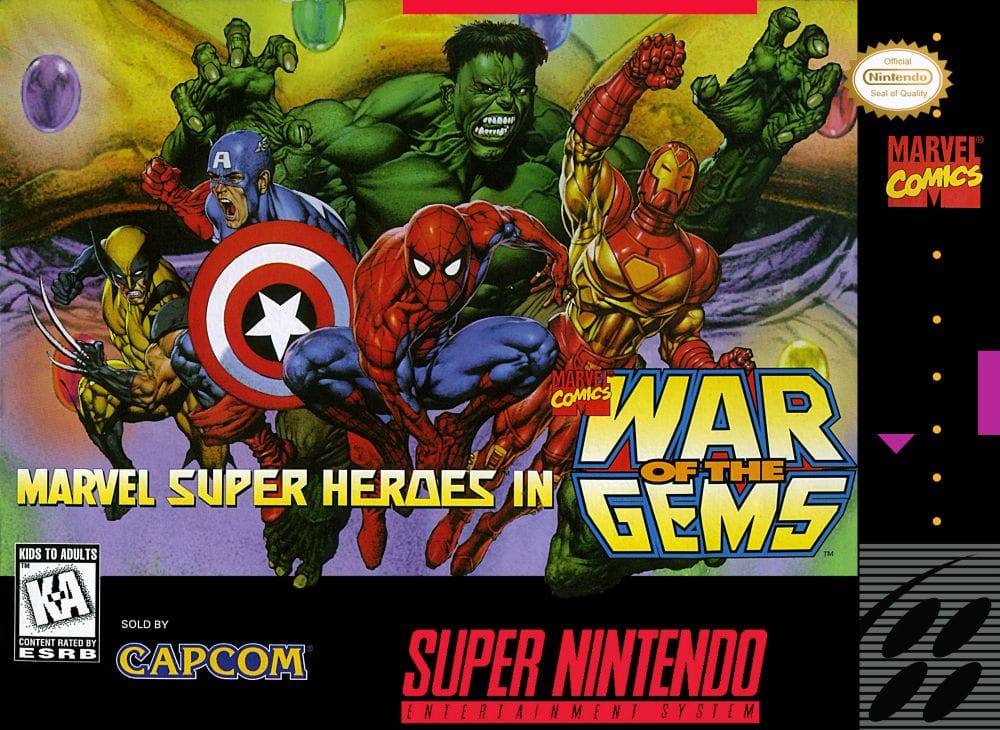
- Developer: Capcom
- Release Year: 1996
Long before the MCU dominated every cinema screen on the planet, Capcom gave us Marvel Super Heroes in War of the Gems is a gorgeous, side-scrolling take on the Infinity Gauntlet saga. The roster allows you to choose between Iron Man, Captain America, Spider-Man, Wolverine, and the Hulk, each with movesets that feel distinct. You can also select Infinity Gems before each stage to buff your character. Want to jump higher? Grab the Agility Gem. Need to see hidden items? The Reality Gem has your back. Visually, this is Capcom at their absolute peak on the SNES, with massive sprites that look like they jumped straight out of the arcade.
Why It's Worth Playing: Marvel Super Heroes in War of the Gems is a rare gem (pun intended) that successfully blends brawling with light tactical elements. The variety offered by the five distinct heroes and the Gem system gives it way more depth than your average brawler. If you want to feel the weight of the universe in your hands while punching Thanos's goons, this is the one.
The Combatribes
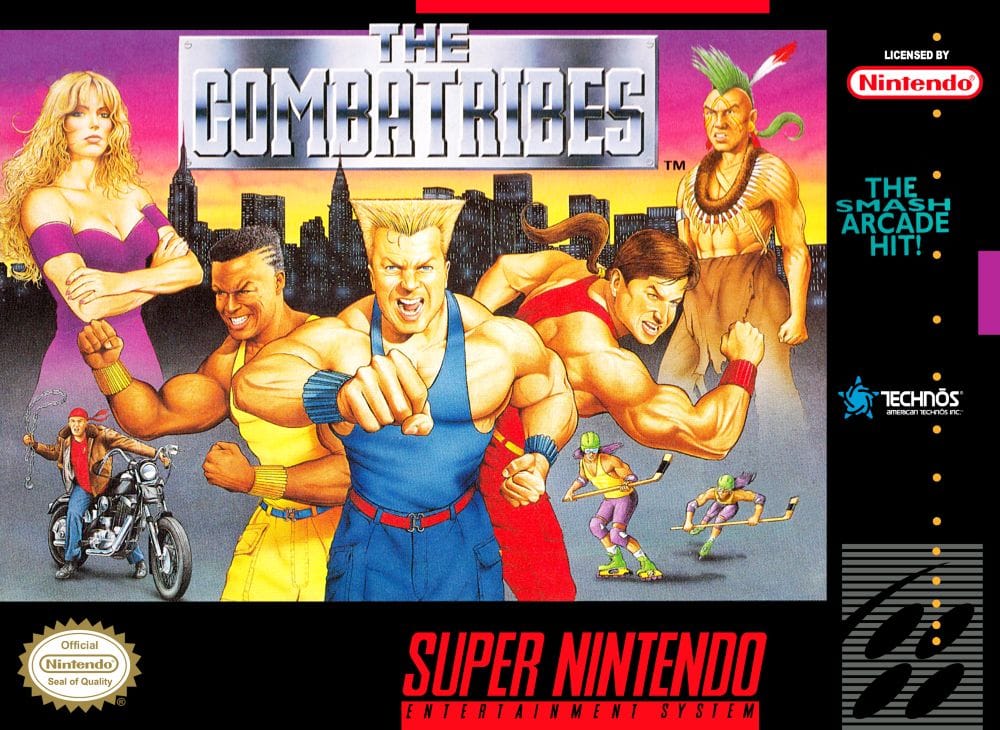
- Developer: Technōs Japan
- Release Year: 1992
The Combatribes ditches the sprawling adventure vibes for a focused, arena-style beatdown that feels like a literal street brawl caught on tape. The combat here is unapologetically aggressive, focusing on ground and pound tactics that were way ahead of their time. Instead of just knocking an enemy away, you can grab them by the ankles and swing them like a human flail, or bash their heads together with a satisfying thud. The soundtrack is pure Technōs—energetic, driving, and perfectly tuned to make you want to throw a digital punch. While the SNES version loses some of the multi-player chaos, it gains a dedicated story mode and even a 1-on-1 fighting game mode that adds some extra spice.
Why It's Worth Playing: The Combatribes is tough, gritty, and captures that big sprite arcade energy better than almost anything else. It discards the complex platforming found in other games and focuses entirely on the art of the beatdown. If you want a game that feels like a gritty action movie from the late 80s, you really can’t go wrong with these three muscle-bound tanks.
Rival Turf!
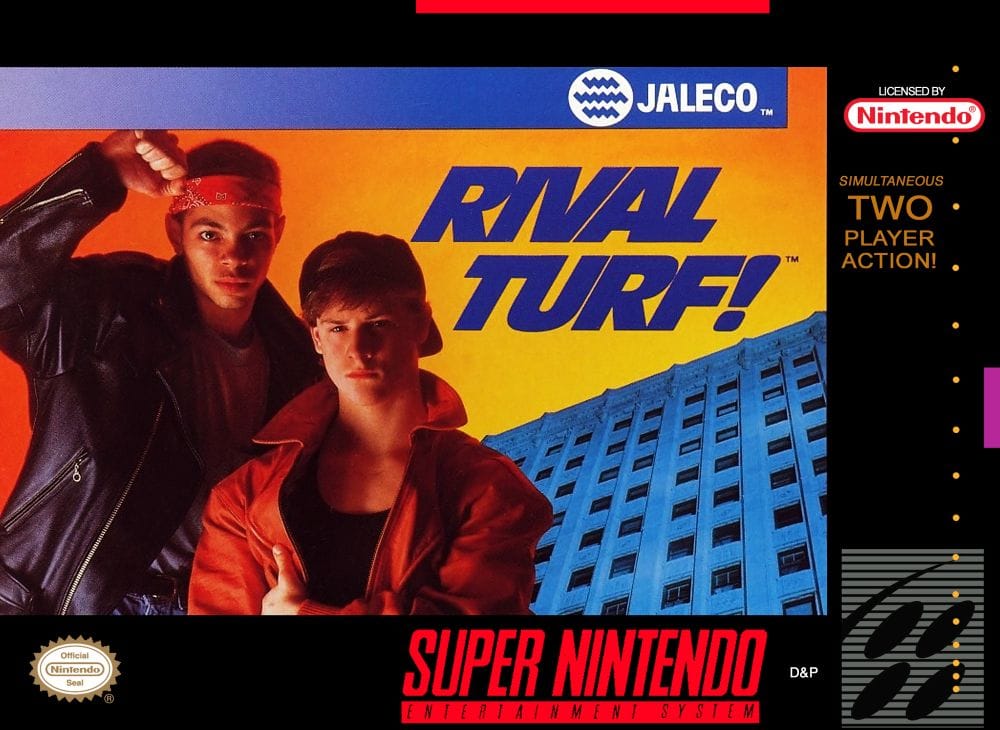
- Developer: Jaleco
- Release Year: 1992
Rival Turf! is a straightforward, no-nonsense brawler where you can punch your way through six stages of gritty parks, subways, and stadiums. The game follows Jack Flak and Oozie Nelson as they navigate their way through Neo-City to rescue a kidnapped girl (a classic trope if there ever was one). The combat feels snappy and fast-paced, though the difficulty spikes can be a real wake-up call if you aren’t paying attention. The graphics have a charmingly chunky, early-SNES aesthetic, with vibrant colors and surprisingly large sprites for a 1992 release. While it might lack the deep technicality of later entries like The Peace Keepers, it has a certain pure, 16-bit sincerity that’s still endearing.
Why It's Worth Playing: Rival Turf! is a pure, uncomplicated brawler that serves as a perfect entry point for the genre. It doesn't overcomplicate things with complex mechanics, focusing instead on the core joy of the beat 'em up. If you want a nostalgic trip back to the dawn of the 16-bit era, Jack and Oozie are ready to back you up.
The Death and Return of Superman
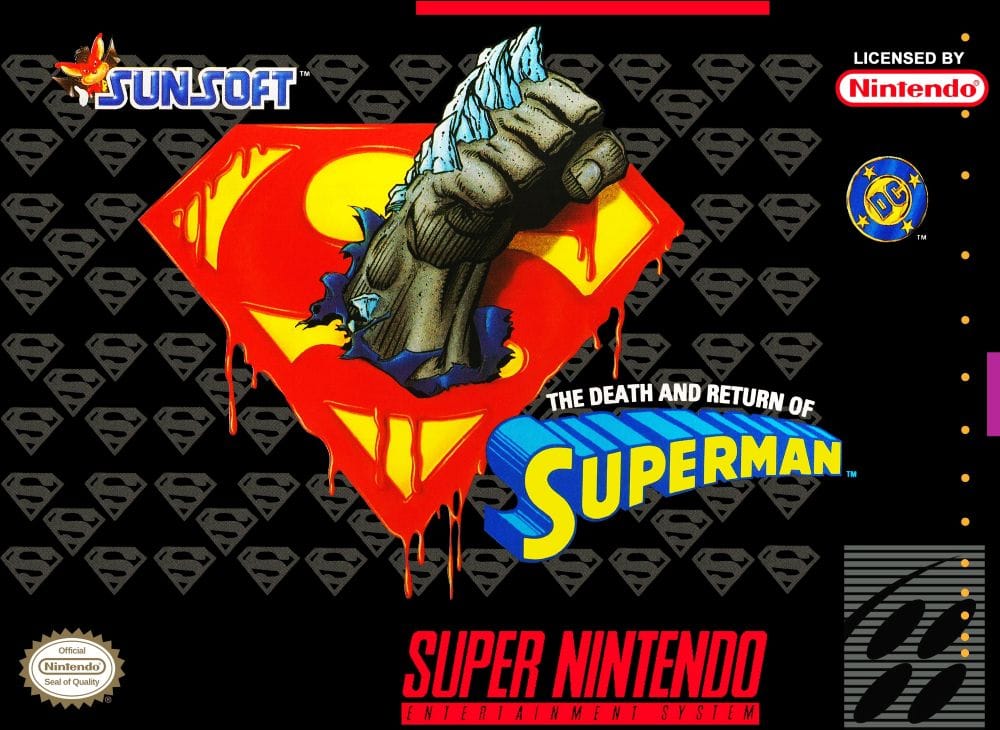
- Developer: Blizzard Entertainment
- Release Year: 1994
Before they were making massive MMOs, the folks at Blizzard tackled The Death and Return of Superman, a beat ‘em up that captures the most famous comic book event of the 90s. You don’t just play as Clark; you step into the boots of all four “replacement” Supermen, from the high-tech Steel to the attitude-heavy Superboy. Each of the five playable characters has a unique Screen-Clearer move that utilizes their specific powers, from Superboy’s tactile telekinesis to the original Superman’s massive ground pound. The difficulty spikes are legendary—especially the boss fight with Doomsday—but the tight controls make every death feel like a personal challenge rather than a cheap shot.
Why It's Worth Playing: The Death and Return of Superman is a narrative-heavy brawler that actually respects its source material. You get to experience one of the most iconic stories in comic history while playing through a rock-solid combat engine. It’s a somber, epic, and challenging journey that proves Superman can be just as "hardcore" as any gritty anti-hero.
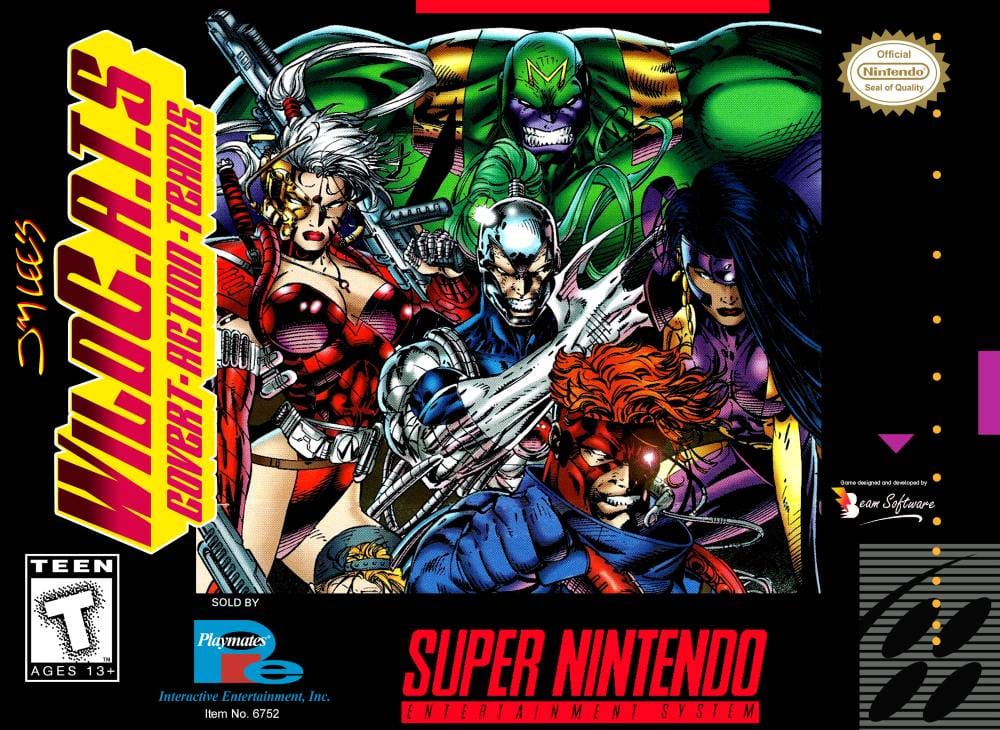
Jim Lee’s WildC.A.T.S: Covert Action Teams
- Developer: Beam Software
- Release Year: 1995
WildC.A.T.S: Covert Action Teams brought Jim Lee’s iconic Image Comics characters to the SNES with a stylistic flair that perfectly mirrored the source material. The game stands out by giving you three distinct heroes with radically different sizes and combat styles. Spartan plays like your classic brawler lead, but switching to Maul—who grows into a screen-filling behemoth—is a total power trip. The level design takes you from high-tech laboratories to urban rooftops, all rendered with a grittier, more mature palette than your average Nintendo title. While it’s a bit of a hidden gem compared to the big Marvel hits, the combat is surprisingly punchy and the boss fights are appropriately massive.
Why It's Worth Playing: Jim Lee's WildC.A.T.S: Covert Action Teams is a hidden gem for comic book collectors and brawler fans alike. It captures a very specific moment in pop culture history when the anti-hero was king and the art was as sharp as the combat. If you want a brawler that feels a bit more modern and edgy than the usual caped crusaders, this team has your back.
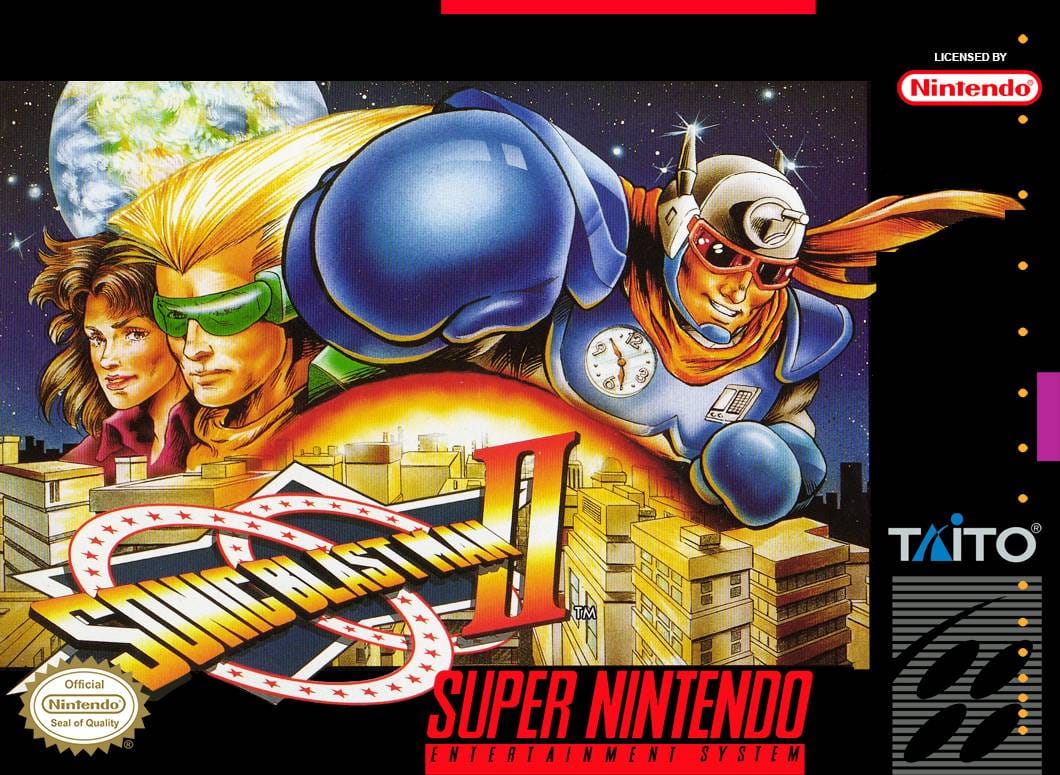
Sonic Blast Man II
- Developer: Taito
- Release Year: 1994
Sonic Blast Man II ditches the weird “first-person punching” stages of the original and commits fully to being a premier side-scrolling brawler that felt like it belonged in the same conversation as Final Fight. This time around, you can choose between the heavy-hitting Sonic Blast Man, the agile Sonia, or the balanced Captain Choyear. The game introduces a jump-dash and much more fluid grappling than its predecessor, making the combat feel fast and responsive. The levels flow from city streets to high-tech bases, and the hit detection is surprisingly tight. The character sprites are absolutely massive, filling the screen with vibrant colors that pop.
Why It's Worth Playing: Sonic Blast Man II is one of the most visually impressive brawlers on the SNES. The large sprites, fluid animations, and expanded roster make it a massive upgrade over the original. If you want a game that feels like a playable comic book with a heavy dose of Japanese arcade flair, this is a heavy-hitter you can’t miss.
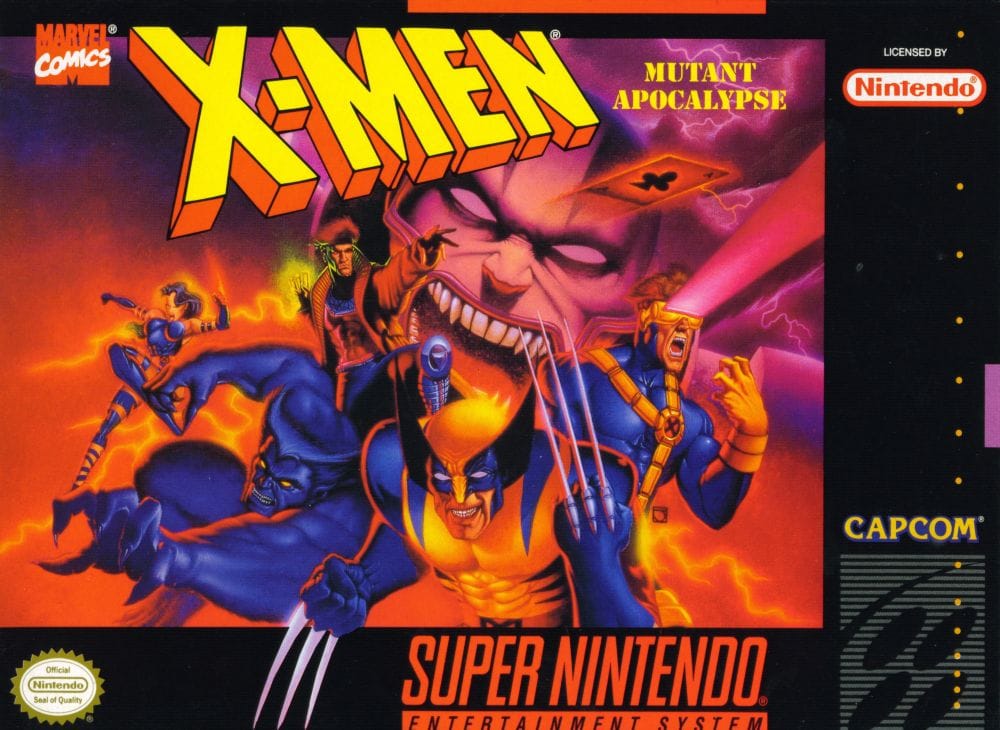
X-Men: Mutant Apocalypse
- Developer: Capcom
- Release Year: 1994
Capcom brought the mutants to the SNES with X-Men: Mutant Apocalypse, a brawler that felt less like a generic walk-and-punch and more like a tactical infiltration of Genosha. They leaned into their Street Fighter expertise, giving characters special move inputs (like Ryu’s fireball motion for Cyclops’s optic blast). It turned every encounter into a mini-fighting game. The mission structure is brilliant—you start with solo levels tailored to each mutant’s powers before the team unites for the final push against Magneto. The sprites are some of the most detailed of the era, capturing the iconic Jim Lee designs with fluid animations that make every combo feel impactful.
Why It's Worth Playing: X-Men: Mutant Apocalypse is the ultimate fusion of a brawler and a fighting game. By giving every character a move set that requires actual input skill, Capcom elevated the genre beyond the standard beat 'em up tropes. If you want to feel the true power of the X-Gene without the need for a Cerebro helmet, this game is for you.
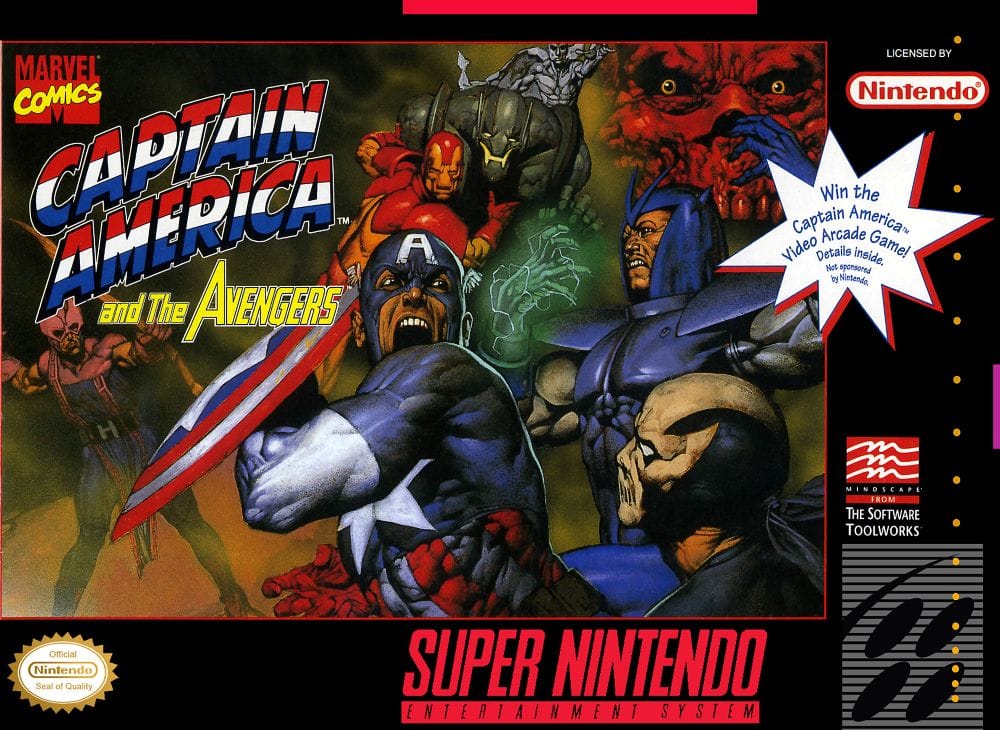
Captain America and the Avengers
- Developer: Data East
- Release Year: 1991
Data East brought the Earth’s Mightiest Heroes into our living rooms with Captain America and the Avengers, and despite some 16-bit compromises, it felt like owning a piece of the local arcade. You get to choose between Cap, Iron Man, Hawkeye, and the Vision, each bringing a mix of melee and projectile attacks to the table. While the SNES version is a bit different from the arcade original (trading some of the four-player chaos for a more focused two-player experience), it keeps the variety high with flying segments that turn the game into a side-scrolling shooter. The graphics mimics the Silver Age comics aesthetic, making the action pop against the urban and underwater backdrops.
Why It's Worth Playing: Captain America and the Avengers is a high-energy blast of pure Marvel nostalgia. It captures that specific, colorful era of comic books where the stakes were high but the fun was higher. If you want a brawler that balances traditional fisticuffs with superhero powers and iconic villains, it’s time to suit up.
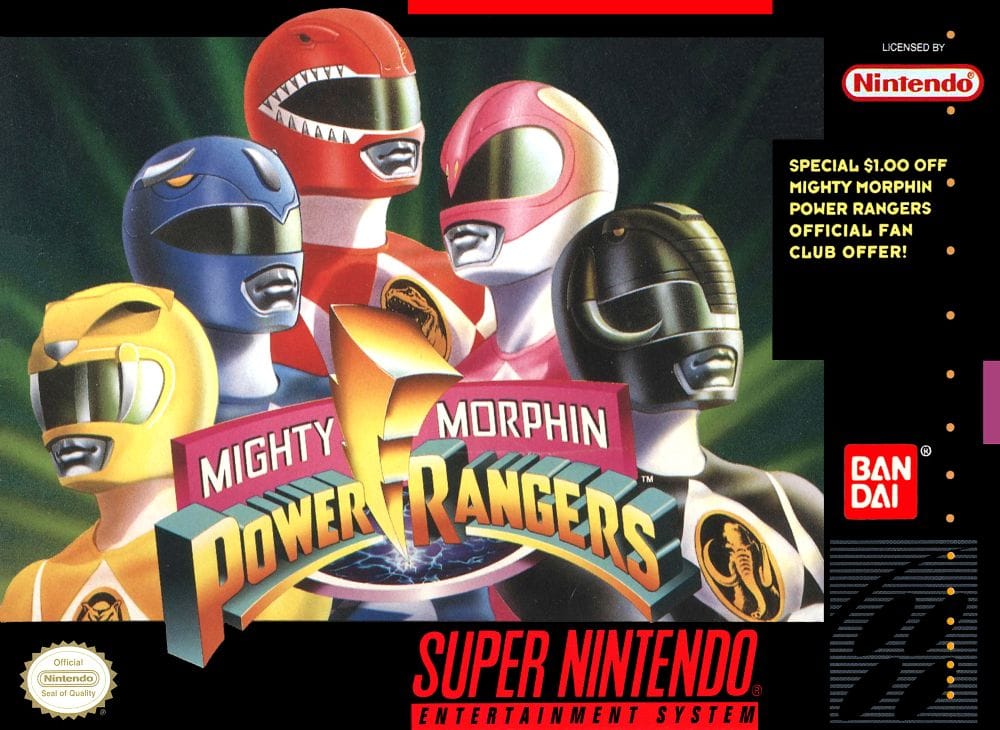
Mighty Morphin Power Rangers
- Developer: Natsume
- Release Year: 1994
When Natsume brought the Mighty Morphin Power Rangers to the SNES, it wasn’t just another cash-in; they delivered one of the smoothest, most satisfying brawlers on the system. The game splits each level into two distinct phases. You start out as Jason, Kimberly, or the rest of the gang, using basic martial arts to clear out Putty Patrollers. But once you hit the halfway point and the music shifts—”Go Go Power Rangers!”—you morph into full Ranger gear with unique weapons. The graphics are incredibly sharp, with vibrant sprites that mirror the Sentai aesthetic perfectly. While it’s a single-player experience (a bit of a bummer for siblings, I know), the combat is so fluid that you hardly notice.
Why It's Worth Playing: Mighty Morphin Power Rangers is the ultimate tokusatsu experience for the SNES. Natsume’s pedigree for action shines through here, offering a game that is challenging without being unfair and flashy without being shallow. If you want to relive the glory days of Super Soakers and Pink Rangers, this is the most "morphinominal" way to do it.
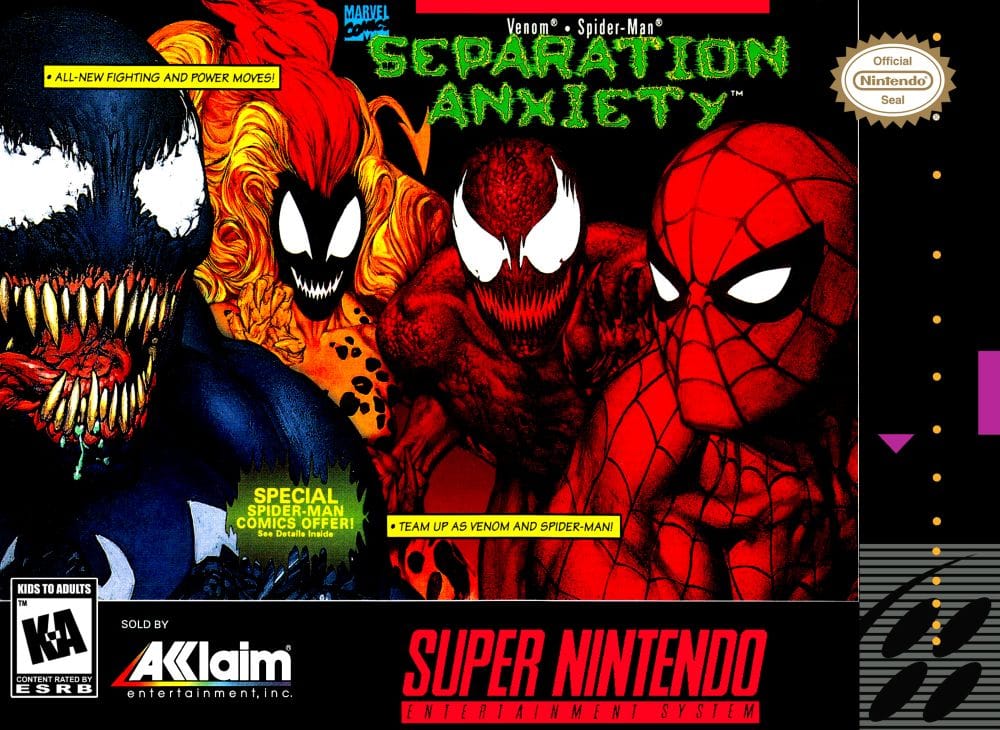
Venom/Spider-Man: Separation Anxiety
- Developer: Software Creations
- Release Year: 1995
Following the massive success of Maximum Carnage, Venom/Spider-Man:Separation Anxiety was the grittier sequel that finally gave us what we wanted: full-time co-op. Loosely based on the Venom: Lethal Protector and Separation Anxiety comics, the gameplay doubles down on the symbiote chaos, pitting you against the Five Symbiotes (Phage, Riot, Lasher, Agony, and Scream. The assist system returns, letting you call in heavy hitters like Ghost Rider, Daredevil, and Hawkeye to help clear out the waves of Jury members and soldiers. While it lacks the story-focused cutscenes of its predecessor, it makes up for it with smoother performance and a more consistent flow.
Why It's Worth Playing: Venom/Spider-Man: Separation Anxiety is one of the best couch brawlers for Marvel fans. If you found missed having a teammate in Maximum Carnage, this sequel fixes those gripes. It’s a fast-paced, symbiote-shredding romp that lets you and a friend feel like the ultimate power duo.
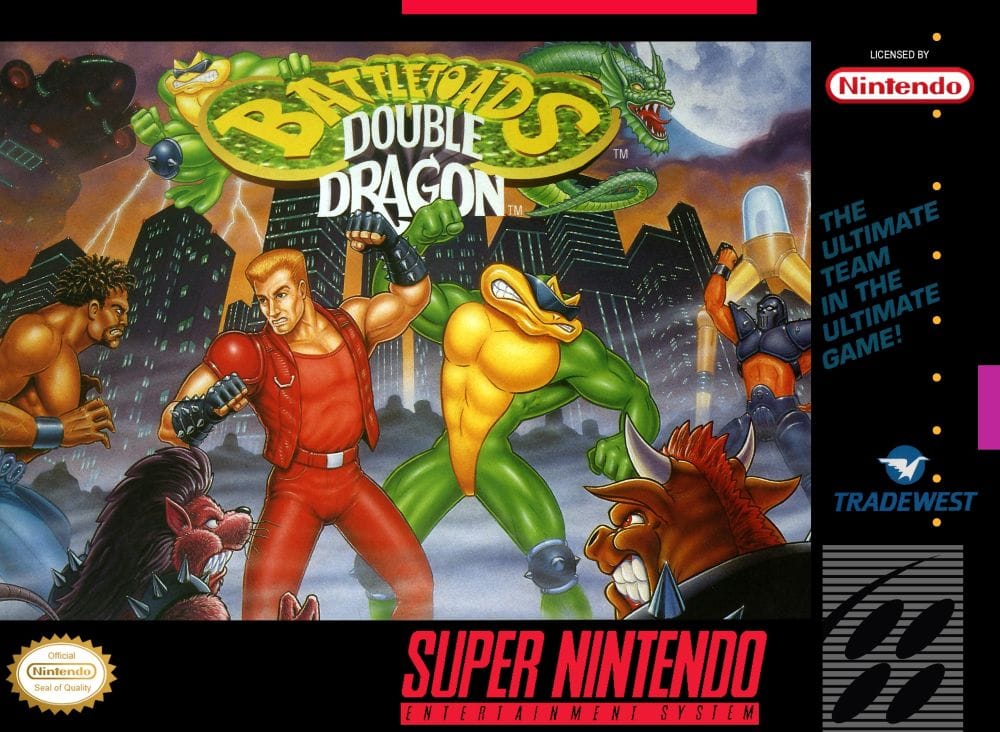
Battletoads & Double Dragon
- Developer: Rare
- Release Year: 1993
Rare pulled off the unthinkable with Battletoads & Double Dragon, a full-blown collision of two massive franchises the two massive franchises before the multiverse was a marketing buzzword. The gameplay is incredibly fluid, featuring classic brawling, 2D platforming, and even those intense vehicle sections that Rare loves so much. The boss fights are a nostalgic dream, featuring everyone from Abobo to the Dark Queen and the Shadow Boss. The colors are rich the explosions are meaty, and the soundtrack is a high-energy rock anthem that makes you want to headbutt a wall. The difficulty is still tough, but it’s much more manageable compared to the standalone Battletoads games.
Why It's Worth Playing: Battletoads & Double Dragon is a landmark crossover that actually works. It manages to balance the identities of both series without one overshadowing the other. If you want a brawler that offers constant gameplay shifts, great co-op synergy, and a heavy dose of 90s nostalgia, this is the ultimate team-up.
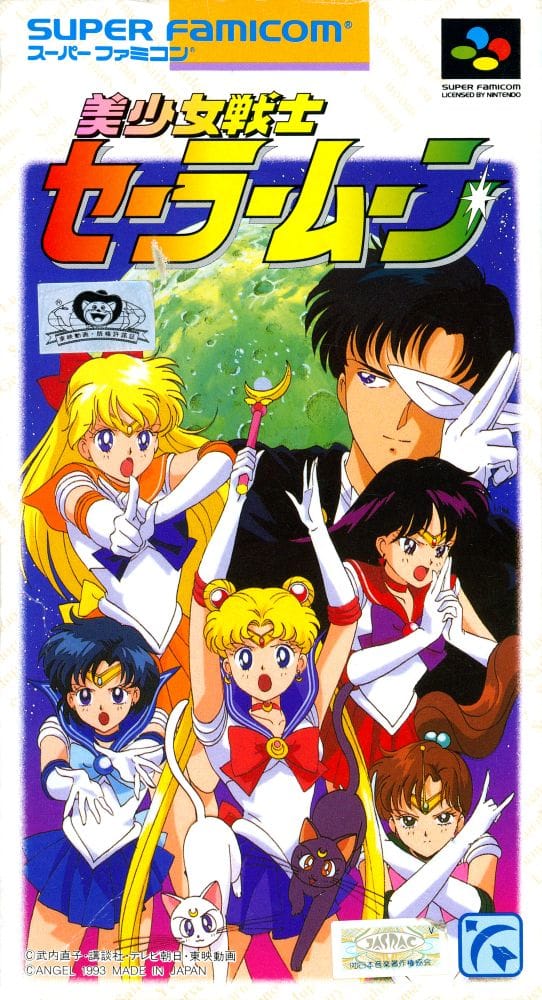
Bishōjo Senshi Sailor Moon
- Developer: Angel Studios
- Release Year: 1993
The Scouts took over the SNES in Bishōjo Senshi Sailor Moon, a classic beat ’em up that’s infused it with 90’s anime girl charm. The game lets you choose from the core five: Sailor Moon, Mercury, Mars, Jupiter, and Venus. Each Scout feels distinct; for example, Sailor Jupiter is the tank with heavy-hitting physical strikes, while Sailor Mercury uses her bubbles for tactical range. The enemies range from the standard Droids of the Dark Kingdom to iconic bosses like Kunzite. The sprites are are beautifully drawn, as if they were pulled directly from the Toei Animation cels. It’s also one of the few brawlers of the era that feels genuinely accessible, making it a great co-op and chill game for a Saturday afternoon.
Why It's Worth Playing: Sailor Moon is a charming and surprisingly solid brawler that captures the spirit of the franchise perfectly. While it might be a bit easier than some of the more "hardcore" titles on this list, its personality and co-op fun make it a standout. If you want a game that balances girl power with classic arcade action, this is a jewel in the SNES crown.
The Shadow
- Developer: Ocean Software
- Release Year: Cancelled (1994/1995)
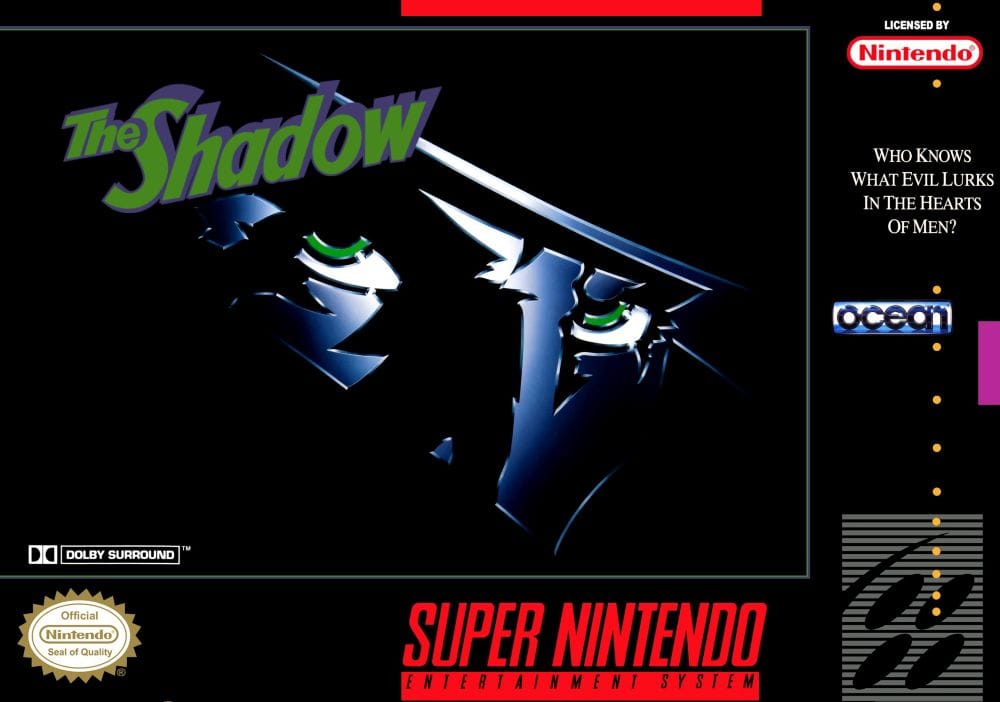
Based on the 1994 Alec Baldwin film, The Shadow is a moody, atmospheric brawler that technically never hit store shelves, but has since been preserved through prototypes floating on the Internet. The gameplay is unique because it blends traditional brawling with the Shadow’s supernatural abilities. You can go “invisible” to avoid damage or use his twin .45 pistols for long-range crowd control. Visually, the game is a moody masterpiece. It uses a dark, noir-inspired palette with rainy city streets and Art Deco interiors that make it feel like a 1930s crime thriller. You even get to use your dual .45 pistols for long-range takedowns, which adds a bit of a run-and-gun flavor to the fisticuffs.
Why It's Worth Playing: Even in its prototype state, The Shadow shows a level of ambition and stylistic flair that many released games lacked. If you’re into the history of unreleased games or just want to play a brawler that prioritizes mood and stealth mechanics over simple mashing, The Shadow is a mysterious adventure worth uncovering.
The Tick
- Developer: Software Creations
- Release Year: 1994
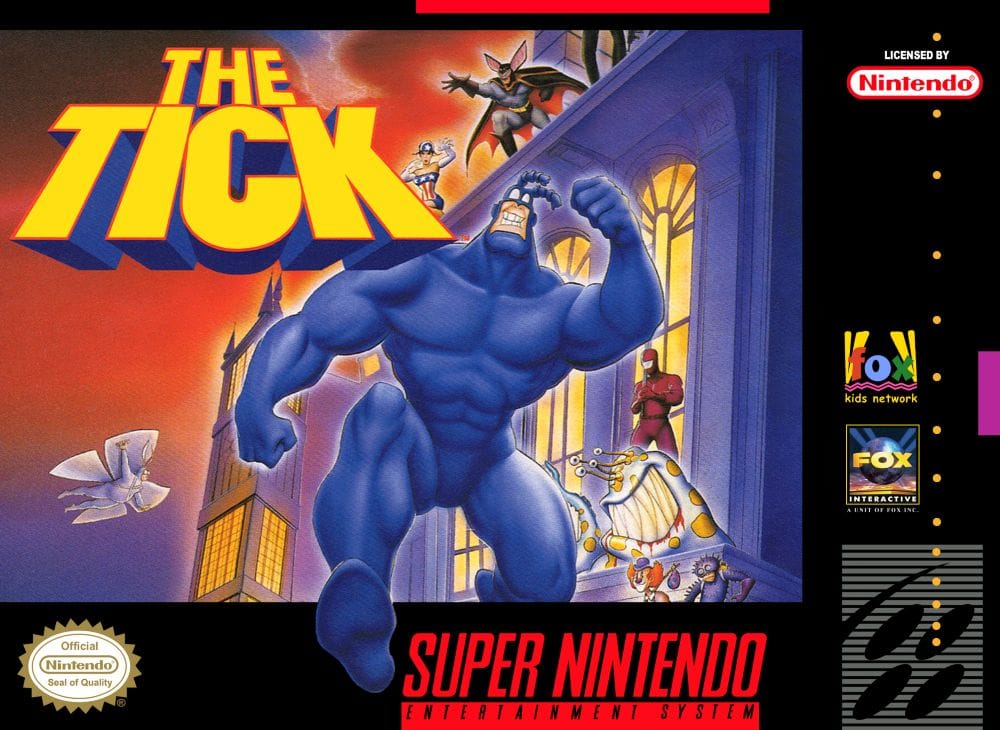
Based on Ben Edlund’s iconic comic and animated series, The Tick on SNES is a colorful, high-energy brawler that doesn’t take itself seriously for even a second. The combat is simple, but the animations are hilarious. You’ll be punching your way through an endless stream of ninjas and Idea Men, using over-the-top moves like the “Dreaded Secret Leg Move” or simply headbutting everything in sight. The visuals are bright and cartoony, effectively capturing the look of the Fox Kids era. While the levels can be notoriously long (seriously, those rooftops go on forever), the game keeps things lively with cameos from Die Fledermaus, Sewer Urchin, and American Maid.
Why It's Worth Playing: The Tick is a love letter to fans of the series. It doesn't try to be a gritty, complex fighter; it just wants to be a fun, wacky romp through the Tick’s universe. If you want a game that will make you chuckle while you’re dishing out justice, this is a mighty fine choice for your SNES library.
Frequently Asked Questions (FAQ)
Which games are the most accessible for beginners?
If you’re new to the genre or just want to relax without throwing your controller across the room, Mighty Morphin Power Rangers, Sailor Moon, and Teenage Mutant Ninja Turtles IV: Turtles in Time are the most accessible games on this list.
Which games are the most challenging?
If you’re a glutton for punishment or a seasoned veteran looking to test your reflexes, The Death and Return of Superman, The Combatribes, and Spider-Man and Venom: Maximum Carnage will definitely make you sweat.
Do these games support 4-player co-op?
On the SNES, most were limited to 2 players. Even arcade ports like Captain America and the Avengers and Teenage Mutant Ninja Turtles IV: Turtles in Time, which allowed more players in the arcade, were scaled down to 2-player experiences to fit the console’s hardware.
Are all these games available in English?
Most are, but Sailor Moon was originally a Japanese exclusive (Super Famicom). For years, Western fans had to rely on imported cartridges or fan translations to play these games.
Which beat ‘em up included a hidden game?
In the North American version of Brawl Brothers, there is a secret code. If you press B, A, X, Y in a specific rhythm at the Jaleco logo, you can play the entire original Japanese version, Savage Reign, which features different character names and a totally different opening!
Who are the kids on the cover of River Turf?
The kids on the cover of Rival Turf! were actually just random local kids the developers found. One of them reportedly grew up to be a police officer—ironic, considering the game is about street vigilantes!
Which beat ‘em up had the largest sprites?
The Combatribes and Sonic Blast Man II are famous for having some of the largest character sprites on the system. They used a trick of stitching multiple sprites together to create massive bosses that wouldn’t cause the SNES to lag (too much).
Final Thoughts
Looking back at these 25 SNES beat ‘em up games, it’s clear that the Super Nintendo was the absolute wild west for the genre. Whether it was the technical precision of Capcom’s X-Men, the extreme 90s attitude of WildC.A.T.S, or the sheer experimental weirdness of a hidden prototype like The Shadow, these games defined an era of local co-op.
They were the reason we begged our parents for “just five more minutes” before bedtime, and the reason our SNES controllers have seen so much wear and tear over the decades. The beauty of these brawlers lies in their simplicity and heart. You didn’t need a 40-hour tutorial to feel like a hero; you just needed a friend, a couple of snacks, and a steady thumb on the “Y” button.
While modern gaming has moved toward massive open worlds and complex gameplay mechanics, there is still something undeniably satisfying about the simplicity of walking to the right and clearing the screen of bad guys. These 25 SNES beat ‘em up titles remain a testament to a time where a well-timed pixelated punch was all you needed to save the world.

At HyperComboGamer, we believe great games deserve great coverage. That means no filler, no clickbait, or fanboyism—just honest, high-quality reviews, features, and guides that put gamers first. Whether you’re a lifelong enthusiast or just starting your gaming journey, you’ll find interesting gaming perspectives that will leave you fully satisfied.